31 Superstitions That Persist Around the World Despite Having Zero Scientific Backing
The word “superstition” comes from the Latin superstitio — excessive fear of the gods. That etymology tells you something: these beliefs were always understood, at some level, to be about anxiety more than evidence.
And yet here they are, thousands of years later, still shaping where people sit at a dinner table, which direction they sleep, and how they place their chopsticks in a bowl of rice. They have survived centuries of scientific progress, mass education, and global communication.
That is not nothing. What makes a superstition persist is not stupidity. Studies on superstition and behaviour consistently show that psychology is doing real work — reducing anxiety, creating a sense of control, binding people to cultural communities.
The belief that a black cat crossing your path will bring bad luck has no basis in physics or biology. It has quite a lot of basis in how human minds manage uncertainty.
Here are 31 superstitions that continue to be observed across the world, along with where they came from and why they’re still here.
Black Cats Crossing Your Path (Western Europe, North America)
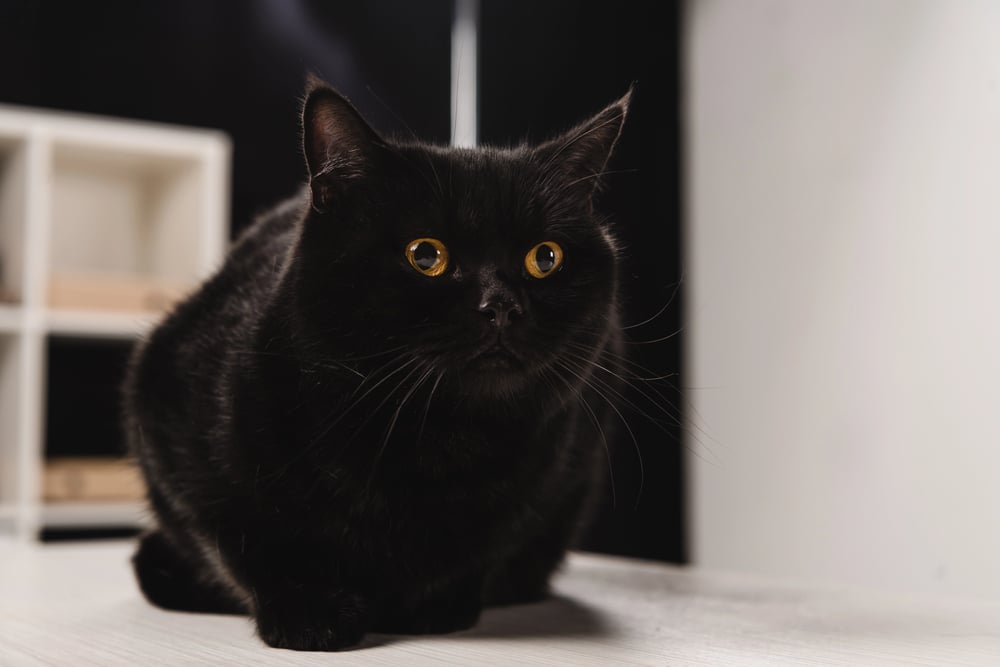
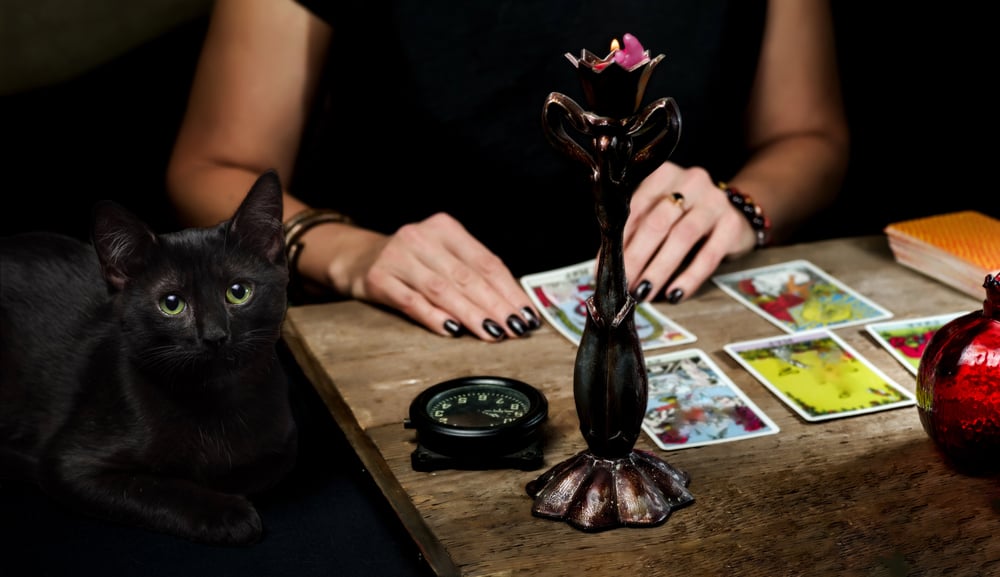
In England and much of the West, a black cat crossing your path is an omen of bad luck. The belief dates to medieval Europe, where black cats were associated with witchcraft and considered companions to those who practised it.
What makes this superstition particularly interesting is that it directly contradicts superstitions in other cultures: in Japan and Scotland, a black cat crossing your path is considered a sign of good luck. Same animal, same action, opposite meaning depending on which cultural tradition you inherited.
The practical consequences for the cats are real — black cats have historically had the lowest adoption rates and highest euthanasia rates in shelters, linked directly to the persistent superstition.
Friday the 13th (Western World)

Two separate streams of cultural anxiety converged into one: the number 13 had long been considered ominous in Christianity — Judas, who betrayed Jesus, was said to be the 13th guest at the Last Supper — while Friday carried its own ill reputation as the day of the crucifixion. Fused together, they created a date that causes a measurable economic effect: studies estimate that businesses in the United States lose around one billion dollars on each Friday the 13th as people avoid travel, major purchases, and significant decisions.
There is no causal mechanism by which a date on a calendar affects probability. The fear persists anyway.
Walking Under a Ladder (Global)

The most plausible practical origin of this one is simply that walking under a leaning ladder is genuinely risky. But the supernatural layering came from different directions.
Ancient Egyptians considered the triangle a sacred shape, and the space formed by a ladder against a wall was a triangle not to be entered. Christian tradition associated the triangle with the Holy Trinity, making passage through it a form of desecration.
In either version, the answer is don’t walk under ladders — and since the practical advice and the supernatural belief align, the superstition never had a reason to die out.
Breaking a Mirror Brings Seven Years of Bad Luck (Widespread)

Romans believed mirrors were connected to the soul — a reflection was a window into spiritual health. Breaking one was therefore spiritually injurious.
The “seven years” duration was added by Roman numerologists who held that life renewed itself in seven-year cycles, meaning a damaged soul would take one full cycle to recover. Later, practical economics added reinforcement: mirrors were extraordinarily expensive for most of history, and framing their breakage as a supernatural catastrophe may have been a parental strategy to make children more careful around them.
The number seven has independently acquired lucky or significant associations in so many cultures that it felt like the right duration.
Opening an Umbrella Indoors (Widespread)
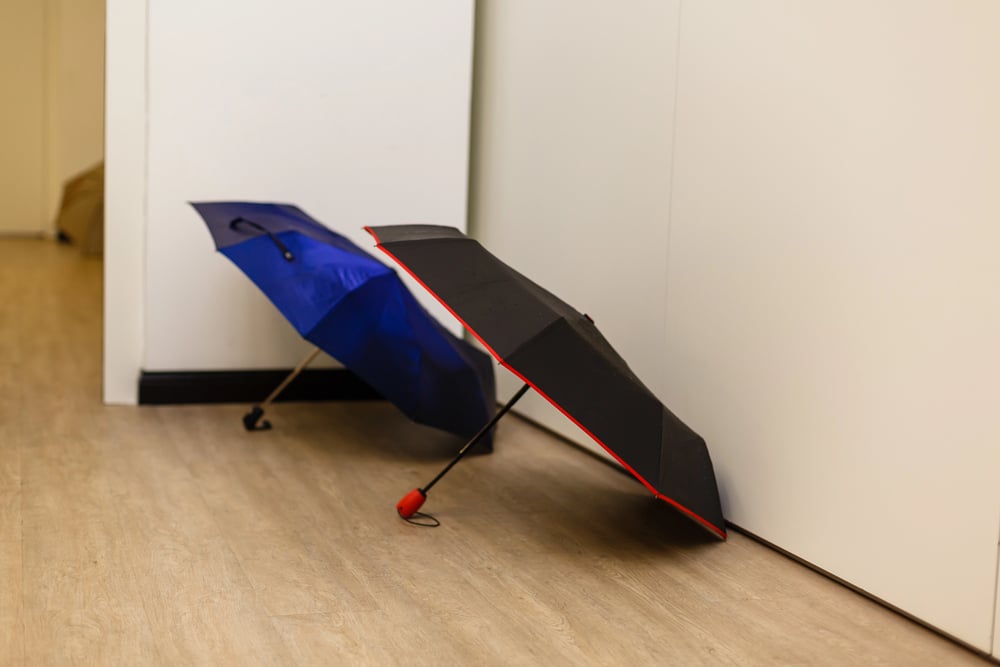
In ancient Egypt, parasols and umbrellas were symbols of the sun god Ra and were used exclusively to shield royalty from the sun. Opening one indoors was considered an insult to the deity, inviting divine displeasure.
When spring-loaded mechanical umbrellas arrived in 18th-century England, the superstition gained a more practical dimension: the spring mechanism was forceful enough to break objects and injure people in confined spaces. The supernatural and the practical merged into the same warning.
In Chinese tradition, the belief takes a different form — an umbrella opened indoors is said to give ghosts a place to hide.
Spilling Salt and Throwing It Over Your Shoulder (Europe, Americas)

Salt was once among the most valuable commodities in the ancient world — Roman soldiers were sometimes paid in it, giving rise to the word “salary.” Spilling it was genuinely wasteful and considered a bad omen.
Judas is depicted spilling salt in Leonardo da Vinci’s The Last Supper, reinforcing its association with betrayal and misfortune. The remedy — throwing a pinch over your left shoulder — was meant to blind any evil spirit lurking there, since left was traditionally associated with the sinister (the Latin sinister means “left”).
The devil was assumed to approach from the left, and a face full of salt was thought to put him off.
Knocking on Wood (Global)
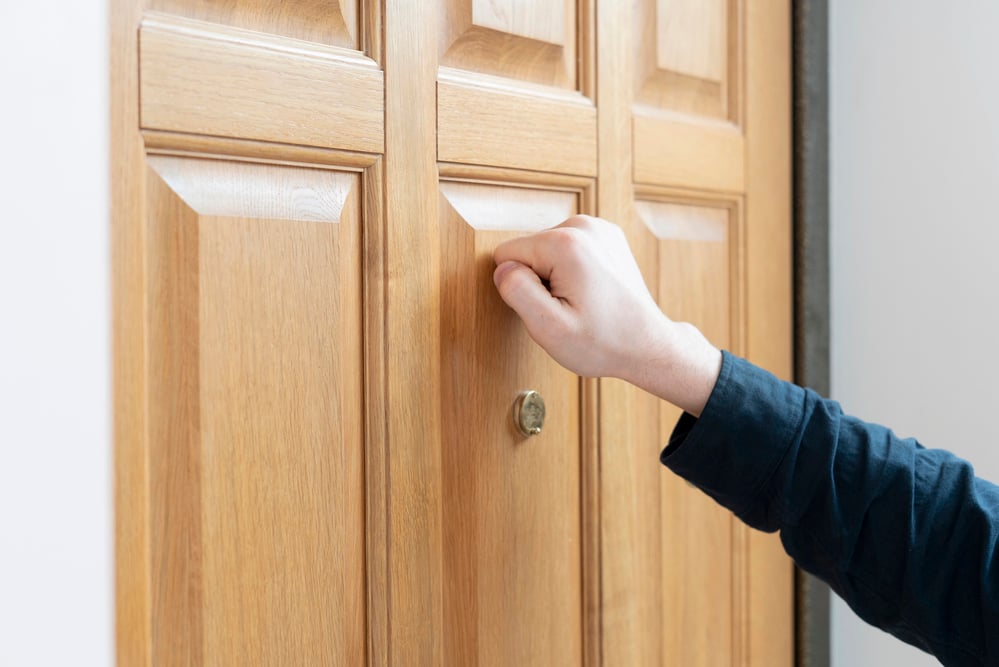
One of the most widely practised superstitions in the world, knocking on wood — or “touching wood” in British English — appears across dozens of cultures. The most common origin traces it to ancient pagan beliefs that benevolent spirits lived in trees, and knocking on wood was a way to call upon them for protection or thank them for assistance.
Early Christians reinterpreted the act as a reference to the wooden cross. Whatever the original mechanism, the behaviour has crossed so many cultural boundaries that it is now performed reflexively by people who would otherwise claim no superstitious inclinations at all.
The Number Four (China, Japan, Korea)
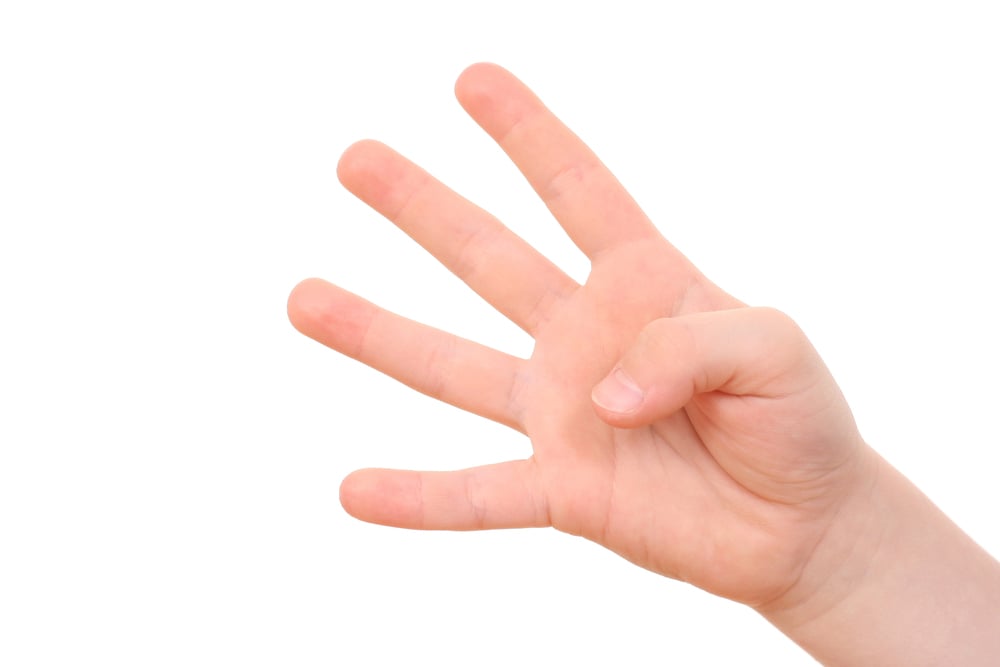
In Mandarin, Cantonese, Japanese, and Korean, the word for “four” sounds nearly identical to the word for “death.” The resulting superstition — known as tetraphobia — is widespread enough to have architectural consequences.
Buildings across China, Japan, Korea, and other East Asian countries routinely skip the fourth floor entirely, much as Western buildings sometimes omit floor thirteen. Phone numbers, car registrations, and house numbers containing the digit four are avoided or come with a discount.
Some hospitals in these countries skip room numbers that contain any multiple of four. The economic and logistical implications of a superstition about a number are quietly enormous.
Fan Death (South Korea)

Among the most recently developed superstitions on this list, fan death is the belief that sleeping in a closed room with an electric fan running can be fatal. The theory has had multiple proposed mechanisms over the years — hypothermia, suffocation, motor overheating — none of which are supported by physiology or engineering.
The belief is thought to have been amplified in the 1970s by South Korean government media as a way to discourage excessive electricity use during an energy crisis. Whatever its origin, it became genuinely embedded in public belief, and South Korean fan manufacturers still sometimes sell fans with automatic timers specifically to address the concern.
Whistling Indoors (Russia, Lithuania, Norway)

In Russia, whistling indoors is believed to whistle away money — a financial rather than spiritual consequence. The belief likely connects to older folk traditions in which spirits were thought to communicate through whistling, and inviting them into the home through mimicry was considered reckless.
Lithuanian tradition holds that indoor whistling summons demons. Norwegian fishermen extended the belief to whistling outdoors near the water, where it was thought to whistle up dangerous winds.
The shared thread across all versions is that whistling is a form of calling — and calling something into your environment that you haven’t seen is always depicted as unwise.
Putting a Purse on the Floor (Brazil, Philippines, and Others)

In Brazil, placing your handbag or purse on the floor is considered a direct invitation to poverty. The saying attached to it — “a purse on the floor means money out the door” — exists in versions across Portuguese-speaking cultures and parts of Southeast Asia.
The practical origin may have been fairly sensible: historically, placing a purse on the floor in a market, tavern, or public space made it easier to steal. The financial catastrophe the superstition predicts may have been a parent’s way of making the lesson about theft memorable enough to stick.
The metaphysical version has now largely displaced the practical one.
Itching Palms (Widespread)

An itching right palm is said to mean money is coming to you; an itching left palm means money is about to leave. The specific handedness varies by region and culture.
In some European traditions, an itching palm means you should wash your hands with gold to attract wealth. The origin appears to be connected to beliefs about the right hand as the hand of giving and receiving, and the left as the hand of expenditure.
There is no physiological or financial mechanism that connects dermal sensation to cash flow. The superstition persists because it offers a small narrative around an itch — and humans are very willing to accept small narratives.
Seeing a Single Magpie (UK, Ireland, Scotland)

The British and Irish rhyme that begins “One for sorrow, two for joy” is attached to the number of magpies seen together. A single magpie is a bad omen — the belief traces to medieval beliefs that magpies carried a drop of the devil’s blood on their tongue and were not to be trusted.
The traditional remedies for a single magpie include saluting it, saying “Good morning, Captain,” or asking after its wife and children. These responses are observed today by people who will readily admit they do not believe any of it but do it anyway — which is as honest a description of how most superstitions work as you will find.
Sleeping with Your Head Pointing North (Japan)

In Japanese tradition, sleeping with your head pointing north is deeply connected to death — corpses are laid out in this direction during funeral preparation. The superstition is taken seriously enough that many Japanese hotels and households orient beds east-west, and real estate listings sometimes explicitly note that master bedrooms allow for north-free sleeping.
The connection to death is so strong and so culturally embedded that it persists even among Japanese people who otherwise express no supernatural beliefs. It is superstition sustained by courtesy — avoiding it feels like inviting something that nobody wants to name.
Cutting Nails at Night (Japan, India, Turkey)
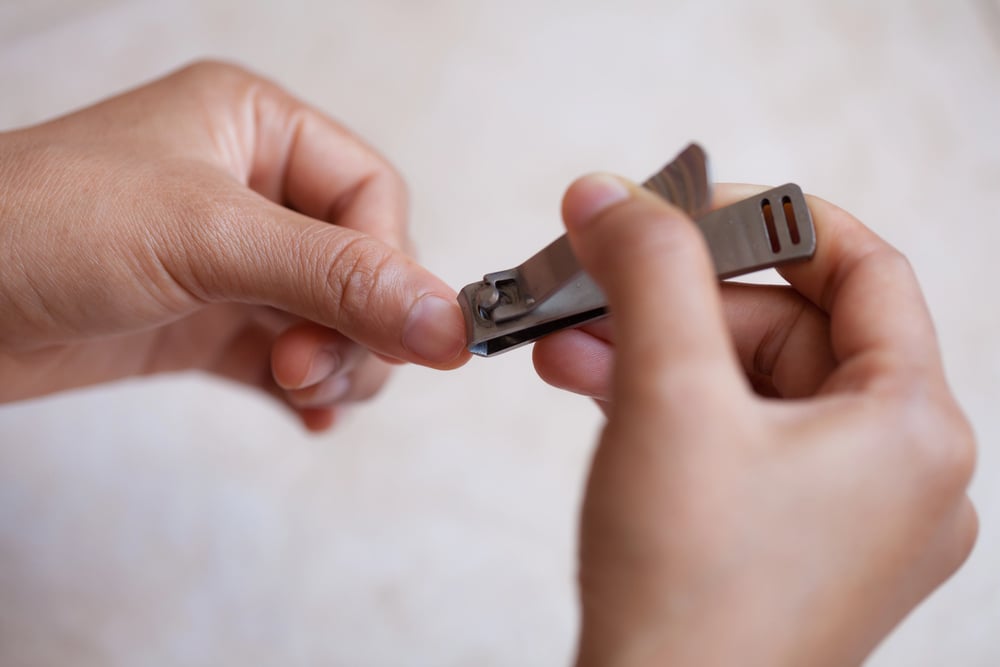
Multiple cultures independently developed the belief that cutting nails after dark is dangerous. In Japan, the specific consequence associated with it is shortened life — cutting nails at night will mean you are not present at your parents’ deathbeds.
In India, the taboo is tied to fears about evil spirits being more active after dark. The practical origin is almost certainly mundane: before artificial lighting, cutting nails at night was simply more likely to result in injury.
The superstition kept people away from a sharp implementation in poor visibility. The spiritual elaboration came later, but the underlying safety logic was sensible.
Empty Rocking Chair Moving Alone (American South)
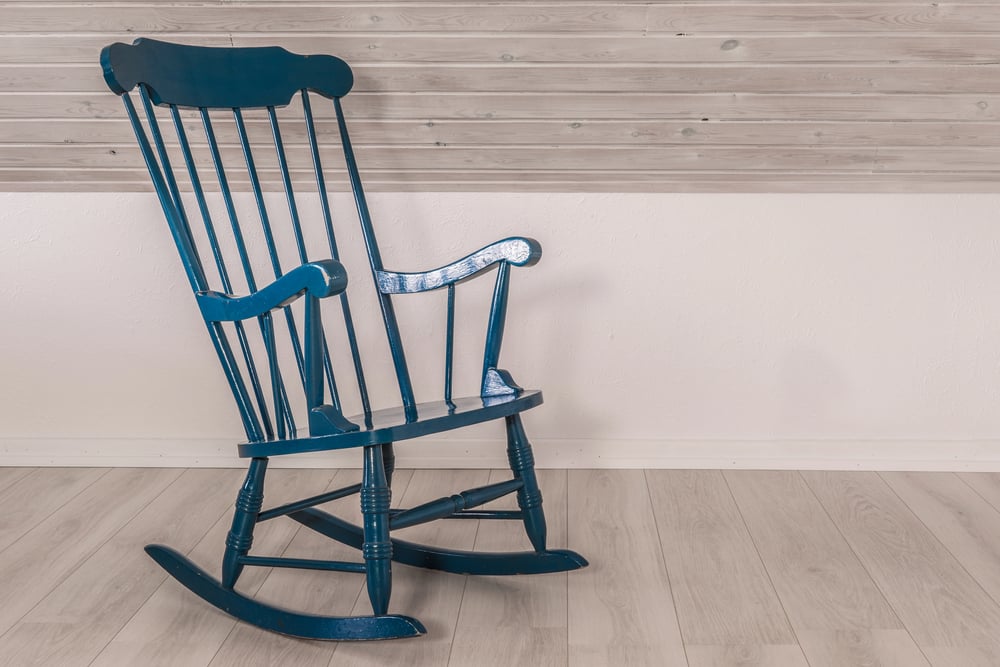
In Southern American folk tradition, a rocking chair that moves on its own is seen as a sign that a spirit has entered the home and is resting in it. The remedy is sometimes to stop the chair, which is considered an act of hospitality — letting the spirit sit — and sometimes to push it out of the room, which is an act of boundary-setting.
The practical explanation is mundane (floorboards, drafts, slight imbalances in the chair’s legs), but the image of an empty chair moving is so visually suggestive of a presence that the supernatural explanation has consistently outcompeted the mechanical one.
Tuesday the 13th (Spain and Latin America)
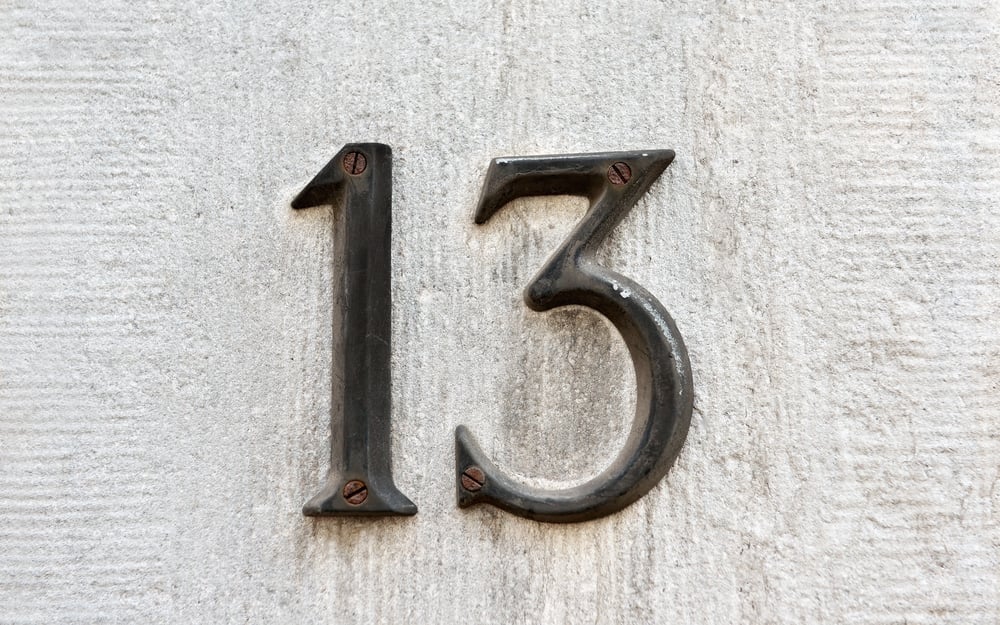
While much of the Western world fears Friday the 13th, Spain and many Latin American countries focus their anxiety on Tuesday the 13th. Tuesday is named for the Roman god of war Mars (martes in Spanish), and the number thirteen carries the same Judas-related ominousness as in other Christian traditions.
The Spanish saying “En martes, ni te cases ni te embarques” — “On Tuesday, don’t marry and don’t set sail” — reflects a belief that Tuesdays are structurally inauspicious for major decisions. The combining of Tuesday and the 13th amplifies both concerns into something treated with real seriousness.
The Number 17 (Italy)

In Italy, the number 13 is not particularly feared, but 17 is. The reason is mathematical: in Roman numerals, 17 is XVII, which can be rearranged to spell VIXI — Latin for “I have lived,” or more pointedly, “my life is over.”
The past tense is the tell. This is not a future tense of life; it is a statement that life has concluded. Italian buildings, like East Asian buildings avoiding four, sometimes skip the seventeenth floor.
Ryanair and some other airlines operating heavily in Italy renumber row 17 on Italian flights.
Bread Upside Down (Italy)
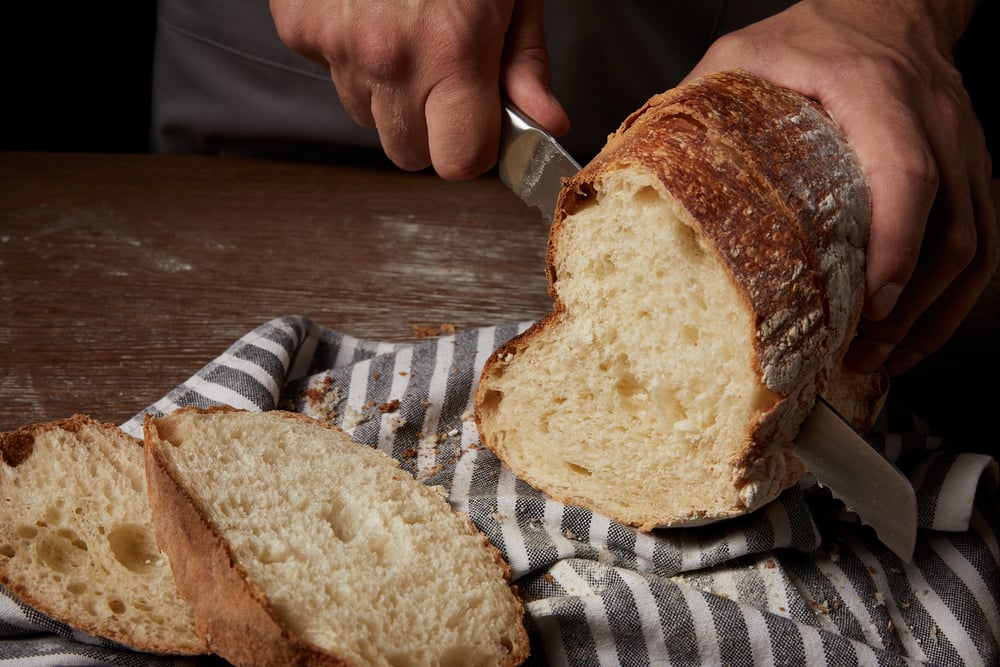
In Italian tradition, placing a loaf of bread upside down on a table is considered deeply unlucky, rooted in the idea that bread is sacred — akin, in Catholic tradition, to the body of Christ. Inverting it is therefore an act of disrespect. There is also a folk tradition in which bakers during the Middle Ages would set aside a loaf for the executioner with the bottom facing up, so that he would know his bread from ordinary customers’.
The inversion became associated with death and ill fortune, and the association has remained in Italian households long after the executioner’s bread delivery system fell out of use.
Putting New Shoes on a Table (Britain)

In British tradition, placing a new pair of shoes on a table is an invitation to bad luck. The most likely origin is funerary — in some Northern English communities, the shoes of a recently deceased person would be placed on a table as a way of displaying them before burial.
New shoes on a table therefore evoked death. The superstition spread and stuck even among people who had never heard the funeral explanation.
Sitting at a Table Corner (Russia, Hungary)

In Russian and Hungarian tradition, sitting at the corner of a table is a curse on your romantic future — those who sit there will never marry. The most plausible origin is practical: corner seats at traditional European tables were typically where guests with the lowest social status sat, meaning they were less visible, less favoured, and therefore less marriageable.
The social observation calcified into supernatural certainty. Corner seats at Russian dinner tables are still sometimes quietly avoided by single guests.
Fishermen and Bananas on Boats (Fishing Communities Worldwide)
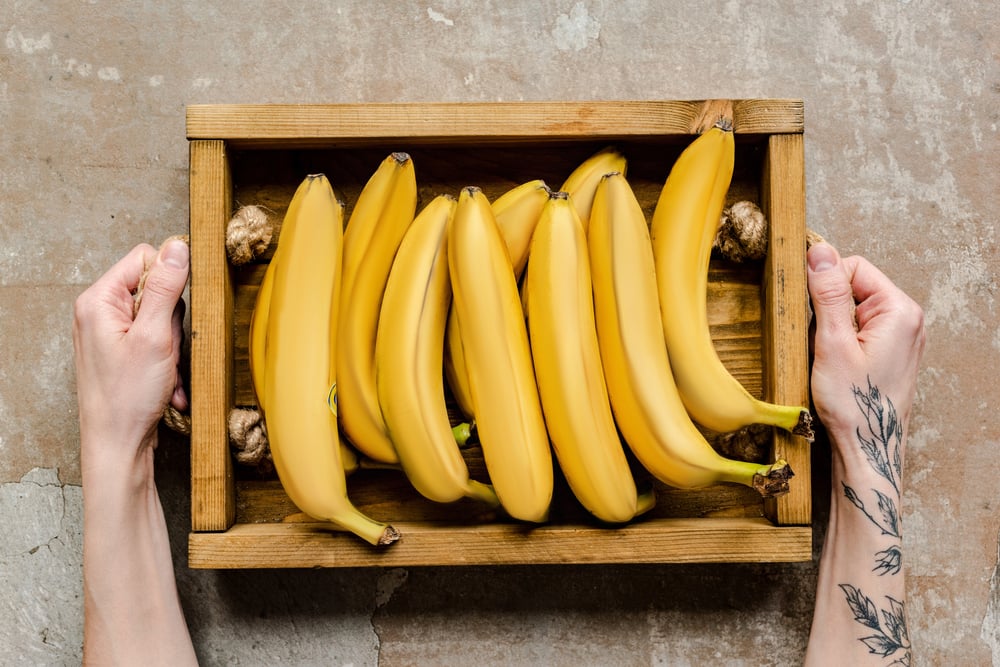
Among professional fishing communities across the world — from the Gulf of Mexico to Southeast Asia — bananas are considered catastrophically unlucky cargo on a fishing vessel. Proposed practical origins are numerous: bananas ferment quickly and produce methane gas in enclosed spaces; banana oil was thought to repel fish; boats carrying bananas in the tropics historically moved too quickly to allow fishing from the side.
The superstition is taken seriously enough that many fishing charter captains in Florida explicitly prohibit bananas from the boat — including banana bread, banana-flavoured candy, and clothing branded with banana imagery.
Sticking Chopsticks Upright in Rice (Japan, China)

Sticking chopsticks vertically into a bowl of rice closely resembles the incense sticks that are placed upright in bowls of rice during funeral and ancestor-memorial ceremonies. The visual echo of a death ritual in the middle of a meal is considered deeply disrespectful.
The superstition is so strong that it functions more as a table-manner rule than a superstition: children in Japanese and Chinese households are corrected on this without the supernatural explanation always being attached. The ritual association is enough.
Congratulating Someone Before Their Birthday (Russia and Others)

In Russian tradition, wishing someone a happy birthday before the actual day is bad luck — it is considered to be tempting fate, assuming a future that hasn’t yet arrived. The same belief exists in parts of Germany and Eastern Europe.
The caution is rooted in a wider anxiety about counting on good outcomes prematurely: declaring things good before they are is thought to invite reversal. Russians also avoid congratulating someone before an exam or a major event for the same reason.
This has the unusual effect of making Russian birthday communications time-sensitive in a very specific way.
Toasting with Water (Germany, Various)

In Germany, toasting with a glass of water is believed to wish death upon the people you are toasting. The most frequently cited origin connects to ancient Greek mythology, in which the dead drank from the River Lethe — the waters of forgetfulness.
Toasting with water was therefore an echo of the funeral rite, wishing the recipient into the underworld rather than good health. The belief extends in modified forms across several European countries.
The practical consequence is that Germans who are not drinking alcohol at a social gathering sometimes toast with an empty glass, or simply abstain from the toast entirely.
Gifting a Wallet Without Money (Russia)

In Russian tradition, giving someone an empty wallet as a gift is considered an act of bad luck — predicting that the recipient’s financial life will be empty. The remedy is to place at least one coin or banknote inside before giving it.
This superstition exists in modified forms across many cultures: the idea that the state of an object at the moment of gifting predicts the state of the corresponding thing in the recipient’s life. It is a version of sympathetic magic — the coin-filled wallet calls more money to it.
Italy’s Number on Bread: Never Thirteen Pieces

Italian folk tradition holds that a loaf or batch of bread should never be cut into exactly thirteen pieces — the Judas number again, but applied specifically to the act of dividing food. This is a narrower application of the thirteen superstitions than the date, applying the same logic to the domestic act of cutting bread for a meal.
The host’s role in cutting bread makes this particularly relevant: a host who cuts thirteen pieces has, in this tradition, invited bad luck to the table with the food.
Owl Sightings Near a Home (India, Africa, Americas)

Across cultures that span four continents, owls are associated with death and misfortune when seen or heard near a home. In India, the hooting of an owl near a house is considered a warning of serious illness or death. The same belief appears in many Indigenous North American traditions and across sub-Saharan Africa.
The association is probably connected to the owl’s genuine nocturnal habits, its haunting call, and the fact that it hunts silently — all qualities that, in pre-modern darkness, made it a reasonable symbol for the unseen and the final.
Eating Twelve Grapes at Midnight (Spain)

On New Year’s Eve in Spain, it is traditional to eat twelve grapes at midnight — one for each stroke of the clock — with each grape representing one month of the coming year. A grape eaten successfully means a good month; one that is sour or difficult to chew predicts a difficult one.
The tradition is said to have originated in the early 20th century, when grape growers in the Alicante region promoted the practice to shift surplus grape stock after a bumper harvest. Whether or not that commercial origin is precise, the tradition is now so deeply embedded in Spanish New Year culture that it is observed with genuine seriousness, including by people who would dismiss other superstitions without hesitation.
Dropping a Fork Predicts a Visitor (Widespread)
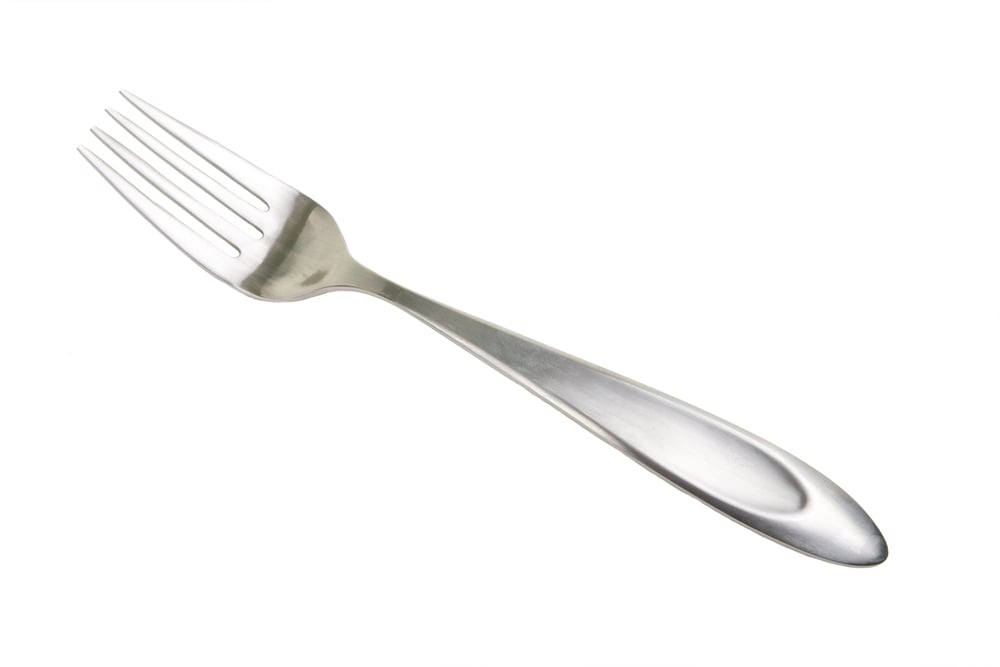
In folklore across Southern Europe, the Americas, and parts of Africa, dropping a fork predicts that a male visitor is on the way; dropping a spoon predicts a female one. A knife predicts either an argument or a stranger.
The visitor always arrives soon. The causal mechanism is never specified — the connection is purely symbolic, the fork or spoon becoming a kind of accidental divination tool.
What keeps this superstition alive is that visitors do, in fact, occasionally arrive — and the mind that is looking for a pattern will always find one.
Chewing Gum at Night (Turkey)

In Turkey, the belief holds that chewing gum after dark is equivalent to chewing the flesh of the dead. The superstition is unique in the specificity of its consequence and in how directly it transforms a mundane modern habit into something visceral and taboo.
There is no historical record of when exactly this belief emerged, and its origin remains genuinely unclear. What is documented is that it is widely known across Turkey and that it is treated — at least in mixed company — with enough seriousness to affect behaviour after sunset.
What Makes a Superstition Immortal
None of these beliefs has survived because people are irrational. They have survived because they perform functions that rational explanation sometimes doesn’t.
They create community rituals, reduce anxiety about uncertain outcomes, and give people a sense of agency in situations where they genuinely have none. When you knock on wood, you aren’t really invoking a tree spirit.
You are performing a small act that acknowledges uncertainty — and in doing so, you are doing something that every culture in human history has needed to do. The irony is that the most “irrational” aspects of these beliefs — their specificity, their strange conditions, their cultural stubbornness — are exactly the qualities that make them effective as psychological tools.
A vague reassurance doesn’t stick. A precise ritual about chopsticks, or grapes, or the corner of a table does.
The supernatural explanation is the packaging. The comfort is what’s inside.
More from Go2Tutors!

- The Romanov Crown Jewels and Their Tragic Fate
- 13 Historical Mysteries That Science Still Can’t Solve
- Famous Hoaxes That Fooled the World for Years
- 15 Child Stars with Tragic Adult Lives
- 16 Famous Jewelry Pieces in History
Like Go2Tutors’s content? Follow us on MSN.



