15 Grocery Shopping Rituals of the Past
Walking into a modern supermarket with its endless aisles, self-checkout stations, and barcode scanners feels like stepping into the future. Compare that to how our ancestors bought their food just a century ago.
Today’s grocery shopping would seem almost magical to someone from 1920, when buying provisions took far more time, planning, and personal interaction than most of us can fathom. How we shop for food has changed completely.
Technology, transportation, and social structures all played a part in this transformation. Here is a list 15 of grocery shopping rituals that defined daily life for generations before us.
The Corner Grocer Knew Your Family History

Every neighborhood had its corner grocery. The owner didn’t just know your name — he knew your family’s preferences, what you couldn’t eat, even your financial troubles.
These grocers extended credit during lean times. They kept handwritten ledgers tracking what each family owed. Trust and familiarity built these relationships, going way beyond simple transactions.
Saturday Market Days Were Social Events

Weekly market trips weren’t really about buying food — they were where neighbors gathered to swap news and gossip. Families dressed up for market day.
It combined necessity with entertainment, pure and simple. The market square hummed with conversation and laughter. You’d find personal connections there that today’s shopping centers just can’t match.
Milk Bottles Appeared Like Magic on Doorsteps

The milkman’s morning rounds were clockwork reliable. Families left empty glass bottles on their doorstep — fresh milk appeared before dawn, cream floating on top.
But this system demanded forethought. You had to leave notes requesting extra milk for weekend guests. Skip a delivery while traveling? Better remember to tell the milkman.
Ice Blocks Kept Food Cold
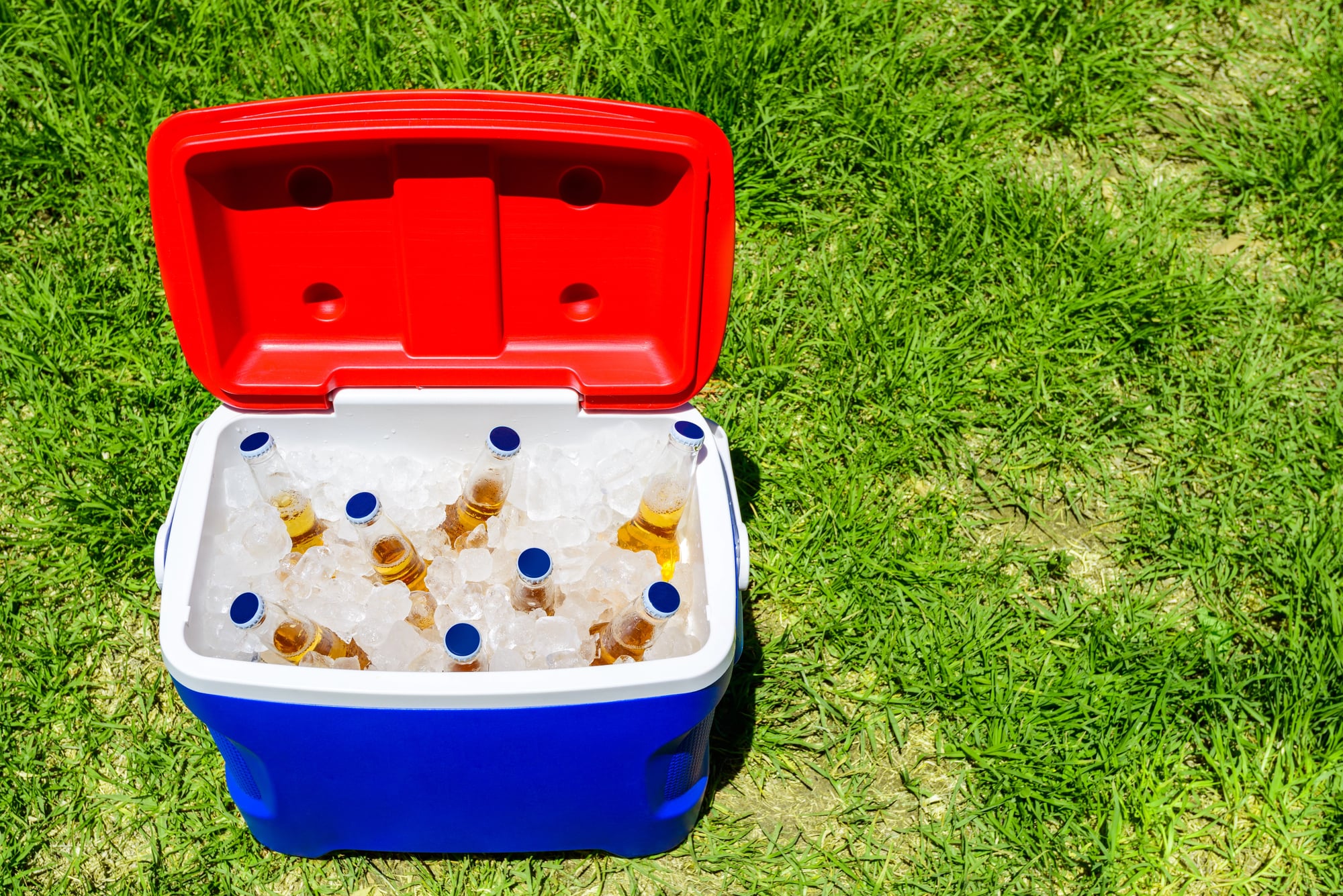
Electric refrigerators didn’t exist yet. Families used ice boxes that needed regular ice block deliveries.
The iceman arrived with horse-drawn wagons — hoisting blocks with special tongs, sliding them into the icebox’s top section. Food spoilage dictated shopping schedules. Daily market trips became a necessity, not a choice.
Butchers Cut Meat to Order

Every piece of meat got prepared fresh when you ordered it — butchers worked their knives like artists. Customers discussed steak thickness in detail.
How much fat should stay on that roast? The butcher’s reputation determined where families shopped. Many households stuck with the same butcher for decades.
General Stores Stocked Everything Under One Roof

Rural families counted on general stores selling flour, sugar, farm tools, fabric — everything imaginable. These places functioned as community centers where people heard news — checked mail, caught up with neighbors.
The storekeeper knew every family within miles. He’d special-order items not usually stocked.
Traveling Peddlers Brought Goods to Remote Areas

Remote areas got visits from traveling peddlers with wagons full of merchandise — creating excitement wherever they stopped. These merchants carried exotic spices, tea, and manufactured goods unavailable locally.
Families anticipated these visits eagerly. Some planned purchases months ahead.
Bartering Was More Common Than Cash
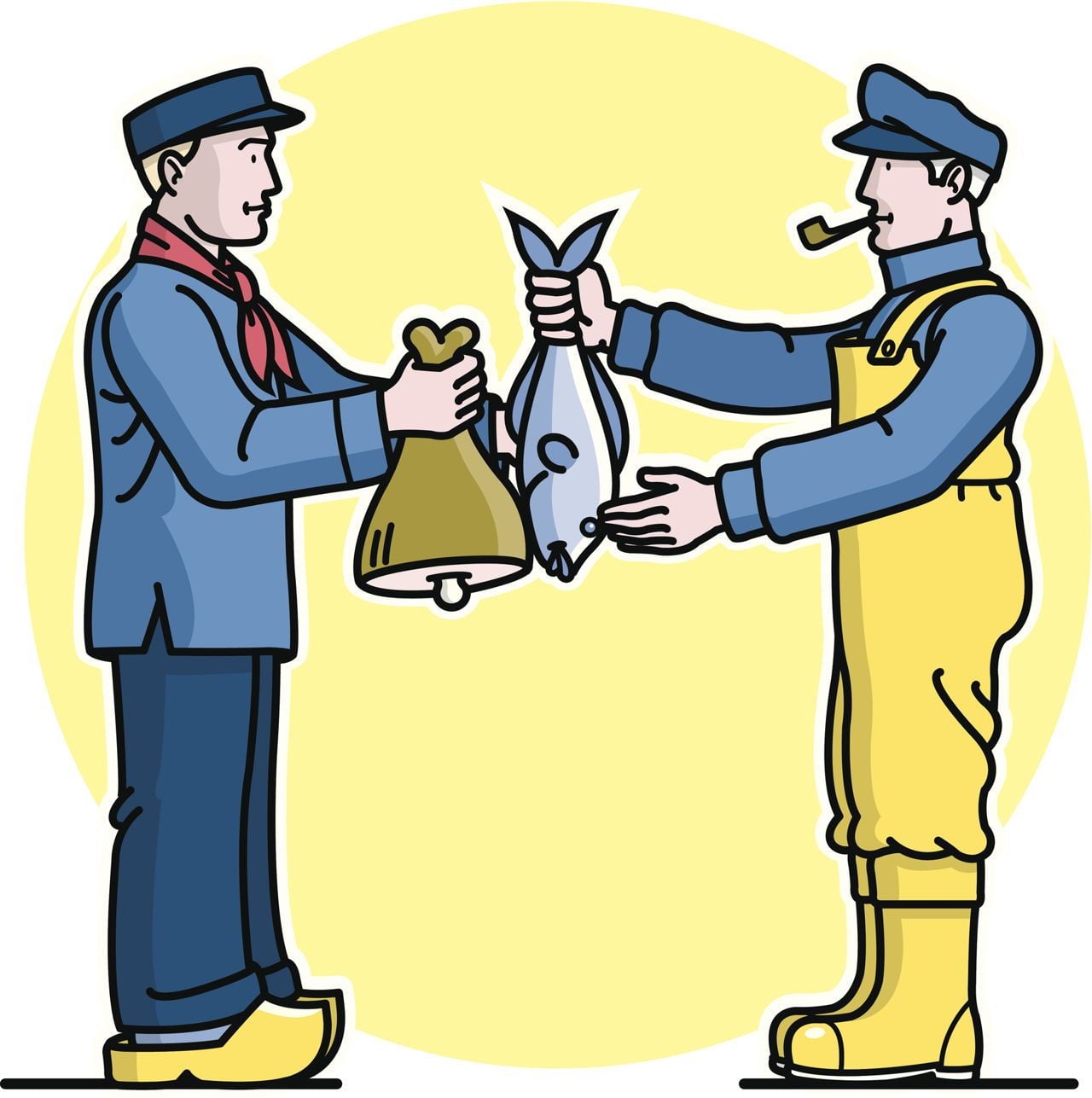
Trading goods beat exchanging money — particularly in rural areas during hard times. Farmers traded eggs for flour. Families swapped garden vegetables for neighbor’s meat.
This system demanded careful negotiation. You needed a solid understanding of what different goods were worth.
Seasonal Eating Dictated Shopping Patterns

Global transportation networks didn’t exist. People ate what grew locally, when it grew. Spring brought fresh greens and early vegetables — summer meant abundance, fall was preserving time, winter required stored foods.
Shopping followed nature’s rhythms. Families planned meals around seasonal availability.
Preserving Food Was a Major Household Task

Families invested serious time preserving food for winter through canning, drying, salting. Shopping meant buying large quantities of seasonal produce for preservation — plus necessary supplies like jars, salt, sugar.
Preservation success determined how well families ate during lean winter months.
Company Stores Controlled Mining and Factory Towns

Mining and factory town workers had no shopping alternatives except company-owned stores. These charged inflated prices, accepted only company scrip instead of real money.
Debt cycles kept workers tied to employers. Shopping became economic control limiting families’ freedom and financial independence.
Catalog Shopping Required Patience and Planning

Sears, Roebuck and Montgomery Ward catalogs brought home shopping possibilities, but ordering demanded patience and careful planning. Customers spent hours studying catalog pages, filled out detailed forms, then waited weeks or months for delivery.
Catalog orders arriving was a major family event.
Credit Was Personal and Relationship-Based

Store credit depended on personal relationships and reputation, not credit scores or banks. Storekeepers maintained detailed records of family debts, with payment coming when seasonal work provided income.
This required mutual trust, creating long-term merchant-customer relationships spanning years.
Shopping Lists Were Written on Whatever Was Available

Families scribbled shopping needs on paper scraps, envelope backs, even their hands when paper ran short. Lists got abbreviated and coded in family-only ways.
Efficient list-making was passed down through generations, though experienced shoppers instinctively knew how to organize their needs.
Home Delivery Was Standard Service

Most grocers provided home delivery as standard service. Delivery boys on bicycles or small trucks brought orders to customers’ doors.
This proved especially crucial for elderly customers or families lacking transportation. Delivery people knew families well, placing items in specific spots, sometimes helping store groceries.
From Personal Service to Self-Service

Moving from personal, relationship-based shopping rituals to today’s self-service model represents one of daily life’s most dramatic century-long changes. We gained convenience, speed, and variety.
But we lost personal connections and community bonds that made grocery shopping social. These old rituals show us that food shopping once meant much more than filling pantries — it maintained relationships and traditions holding communities together.
More from Go2Tutors!

- The Romanov Crown Jewels and Their Tragic Fate
- 13 Historical Mysteries That Science Still Can’t Solve
- Famous Hoaxes That Fooled the World for Years
- 15 Child Stars with Tragic Adult Lives
- 16 Famous Jewelry Pieces in History
Like Go2Tutors’s content? Follow us on MSN.



