32 Rules Schools Enforced That Would End a Career Today
Educational institutions in the 19th and 20th centuries enforced discipline regimes that would constitute abuse under contemporary standards. Teachers and administrators wielded physical punishment as routine corrective measure, imposed humiliating public shaming as pedagogical technique, and enforced arbitrary rules with severity that modern child protection agencies would prosecute immediately.
These practices were considered not merely permissible but necessary for proper education; questioning them marked one as insufficiently rigorous in educational philosophy.
The transition from corporal punishment to contemporary approaches happened gradually and incompletely, varying by region and institution. Yet the rules that once governed schoolhouses now read as historical documentation of cruelty rationalized as discipline.
Modern teachers attempting to enforce even a fraction of these rules would lose their positions and face legal consequences.
Striking Students With Rulers on Their Knuckles
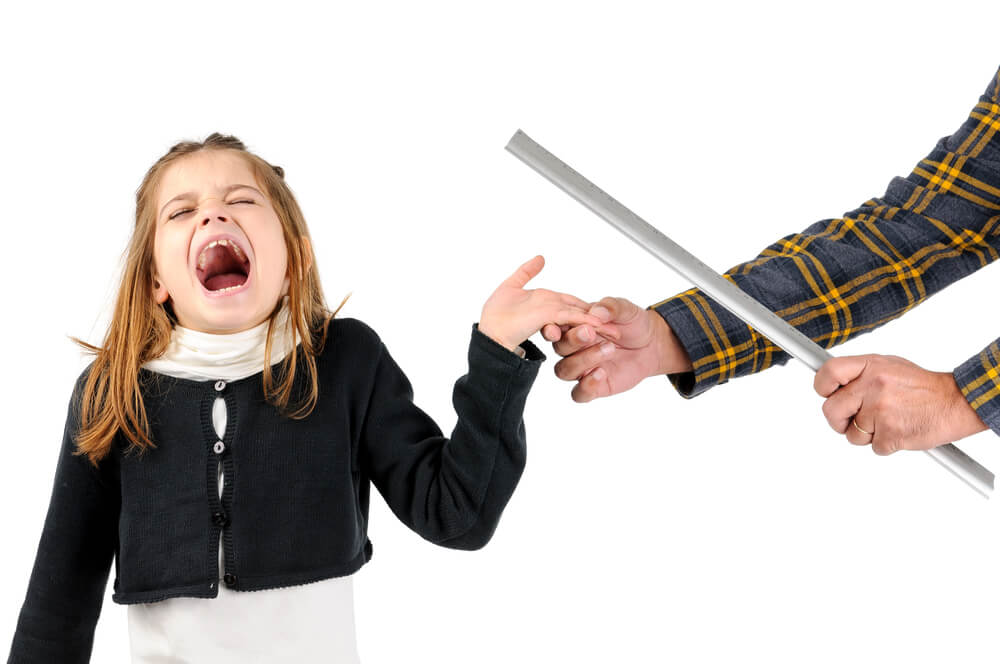
Teachers routinely struck students’ hands with wooden rulers as punishment for arithmetic errors or handwriting mistakes. This practice was standard discipline across American and European schools and considered an essential component of proper instruction.
Modern administrators permitting such contact would face immediate dismissal and assault charges.
Public Humiliation for Bedwetting or Bathroom Accidents

Schools displayed soiled clothing or made students wear signs identifying their incontinence, subjecting them to ridicule from classmates as deliberate humiliation strategy. This practice continued through the mid-20th century despite psychological evidence of its traumatic effects.
Forced Haircuts for Girls Deemed Too Masculine

Administrators cut girls’ hair against their will if they deemed it inappropriately styled, treating bodily autonomy as subject to institutional authority. This practice persisted into the 1970s in some schools.
Striking Students With Switches Made From Tree Branches
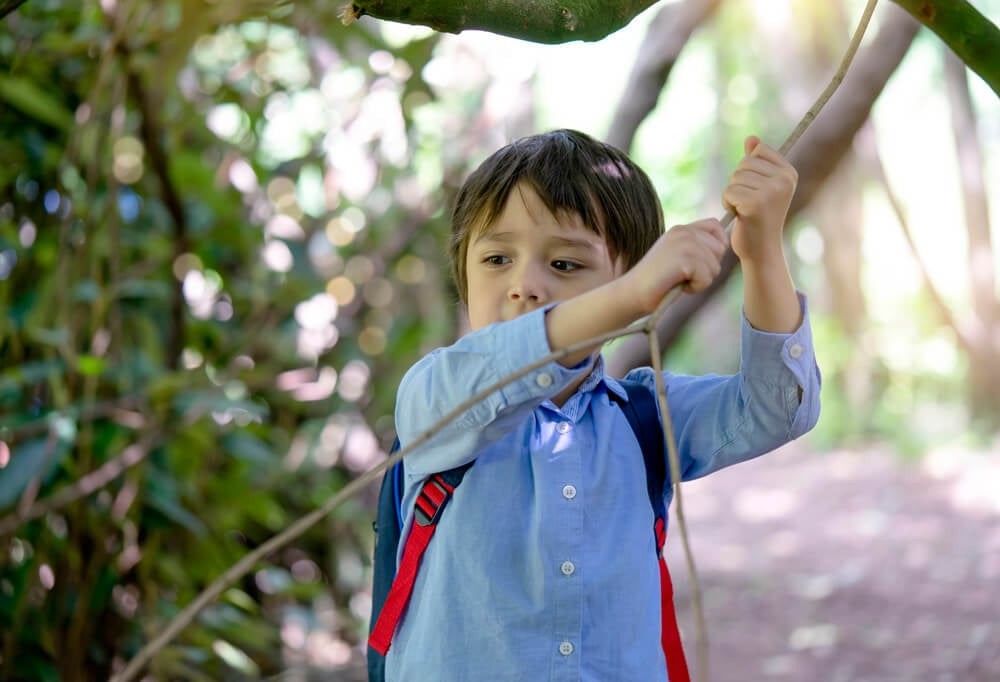
Teachers and administrators whipped students with branches on bare legs or backs, practices documented in schools across America and Europe. Administrators kept collections of switches and canes for this purpose.
Forcing Left-Handed Students to Write With Their Right Hand

Schools systematically suppressed natural left-handedness through punishment and forced retraining. Teachers struck left hands, tied them behind students’ backs, or punished writing completed with left hands.
This practice persisted into the 1960s despite absence of any pedagogical justification.
Public Displays of Failed Work

Teachers pinned failing assignments to classroom walls or bulletin boards with students’ names prominently displayed, ensuring peers could identify and judge their failures. The deliberate design of shame as corrective became standard practice.
Physical Punishment for Speaking Incorrect Grammar

Teachers struck students on the hands, tongue, or mouth for grammatical errors, creating physical association between language mistakes and pain. Some schools placed students in isolation to prevent speaking until they could demonstrate correct grammar.
Segregating Students by Perceived Intelligence Into Separate Classrooms

Schools explicitly tracked students into ability groups and seated them separately, with low-track students given inferior instruction and facilities. Teachers spoke about low-track students dismissively in their presence, ensuring they understood their presumed intellectual inferiority.
Prohibiting Friendship Across Racial or Class Lines

Teachers actively discouraged or forbade students from associating across racial and socioeconomic lines, moving students’ seats if they sat together, disciplining cross-group friendships, and creating seating charts that enforced segregation.
Forcing Students to Kneel on Hard Objects as Punishment

Teachers made students kneel on unforgiving surfaces—rice, gravel, hard-edged objects—causing pain and leaving marks. The duration extended until teachers deemed sufficient suffering had occurred.
Pulling Students’ Ears or Hair as Correction
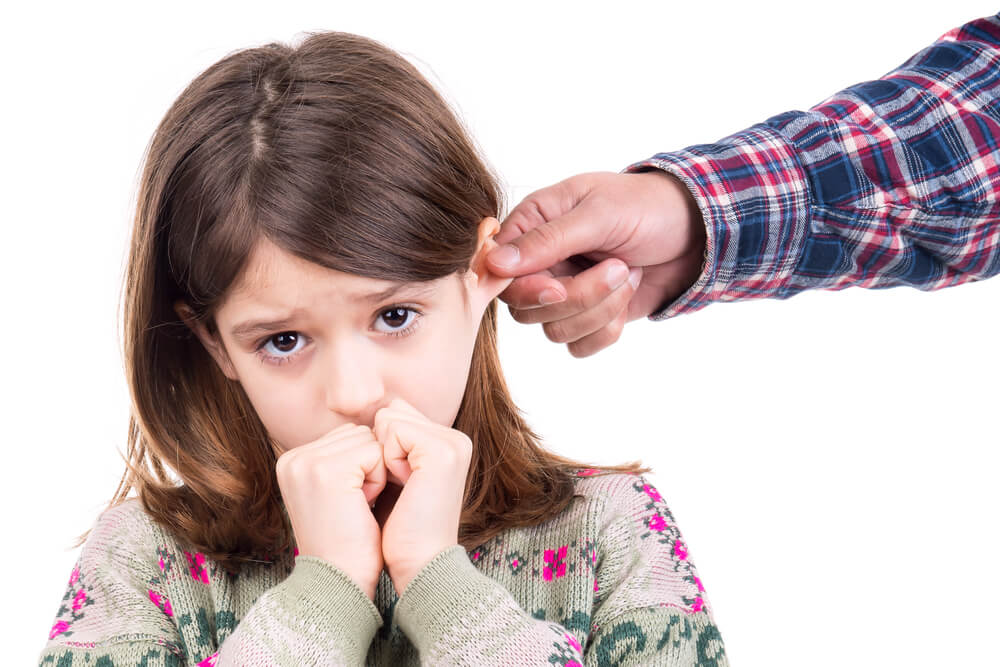
Instructors routinely grabbed students’ ears and twisted them, pulled hair, or grabbed them violently as immediate physical punishment. This was normalized discipline despite obvious infliction of pain.
Denying Bathroom Access as Punishment

Teachers refused to allow students bathroom breaks as behavioral consequence, forcing young children to endure physical distress and creating situations where accidents occurred—then punishing those accidents.
Forcing Students to Write Repetitive Lines Hundreds of Times
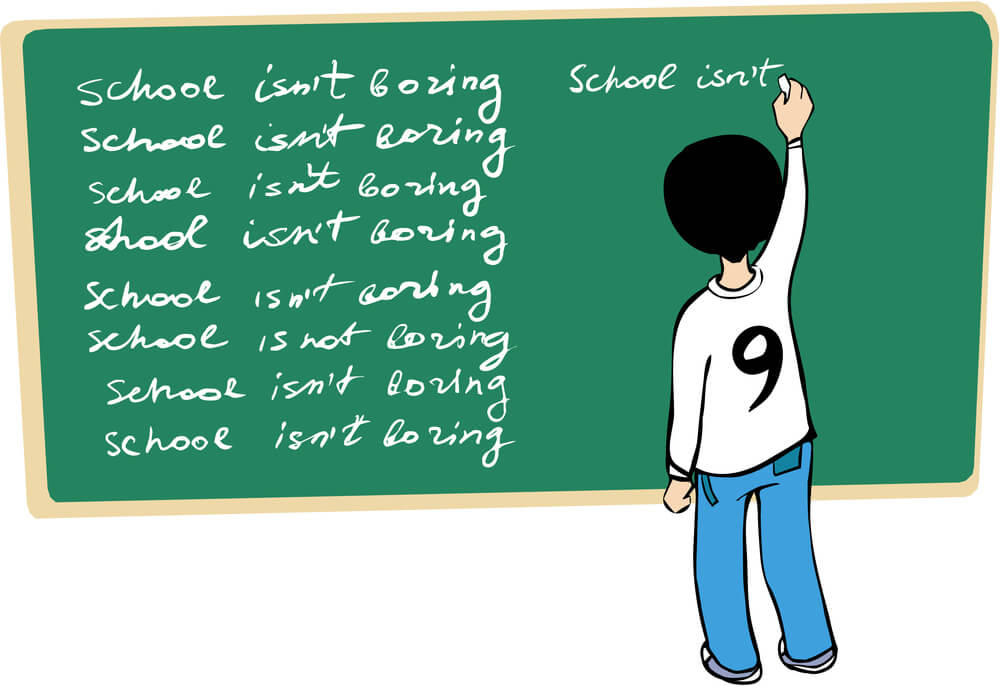
Instructors assigned copying lines thousands of times as punishment—”I will not run in hallways” repeated 1,000 times—a practice that consumed entire days and nights without educational value.
Striking Students for Yawning or Appearing Inattentive

Teachers interpreted yawning as disrespect and struck students for this involuntary physical response. Drowsy students faced punishment despite environmental factors beyond their control.
Forbidding Students From Speaking Without Permission to Raise Hands

Schools enforced complete silence except when specifically granted permission to speak, requiring students to request permission for bathroom needs and water. Hours-long silence was imposed as standard classroom condition.
Making Students Stand in Corners for Extended Periods

Teachers placed students in hallway corners or classroom corners for hours, visible to passing peers, as public humiliation. Some schools required students to stand motionless for entire school days.
Striking Students’ Faces or Heads With Textbooks

Teachers used books as weapons, swinging them at students’ heads or faces as immediate punishment, causing injuries that were documented in school records without consequence to teachers.
Forcing Students to Apologize While Standing in Front of the Entire School

Public assemblies were sometimes convened for students to make humiliating apologies. The spectacle of their distress was considered appropriate and corrective.
Withholding Lunch or Recess as Punishment

Teachers denied food and play time to students for minor infractions, using biological hunger and the desire for activity as leverage for compliance. Students spent lunch time in classrooms while peers ate and played outside.
Striking Students’ Faces With Erasers or Other Objects

Teachers threw erasers, chalk pieces, or other objects at students’ faces or heads, and this was documented in some school accounts as normal practice. The likelihood of eye injury was ignored.
Forbidding Eye Contact or Requiring Students to Keep Eyes Downcast

Teachers demanded students avoid making eye contact, interpreting directness as disrespect. Some schools required students to keep eyes focused on desks or floor during lessons.
Punishing Students for Speaking Their Home Language

Schools punished students for speaking native languages, imposing rules that all communication must occur in English. Students were struck or publicly humiliated for linguistic choices they brought from home.
Forcing Students to Eat Foods They Found Disgusting

Schools required students to finish all food on their plates, physically forcing spoonfuls into mouths if they refused. This practice ignored allergies, religious restrictions, and sensory sensitivities.
Striking the Palms of Students’ Hands Repeatedly With a Paddle

Teachers used wooden paddles to strike students’ open palms multiple times, often drawing blood or causing bruising. Different paddles were used for different infractions, with some institutionally designed for maximum injury.
Requiring Students to Sit in Specific Posture for Entire School Days
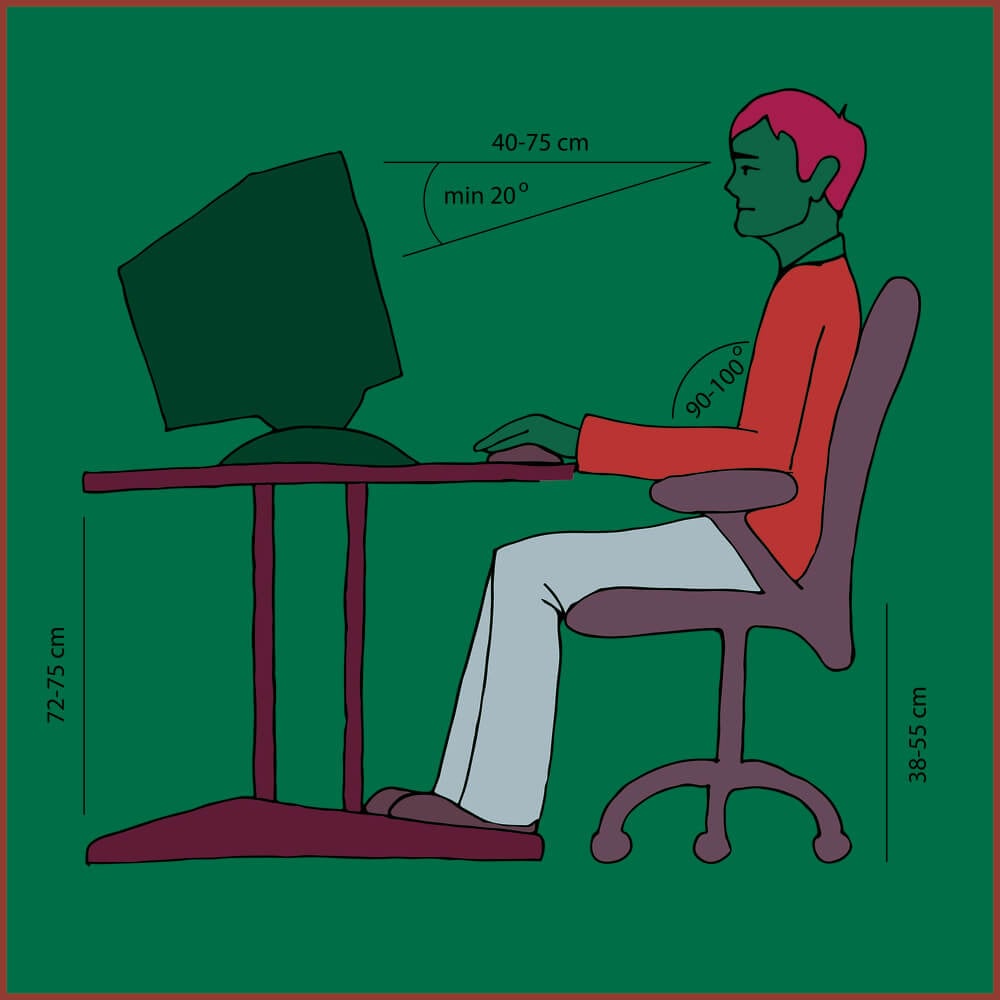
Teachers enforced rigid posture, striking students whose shoulders slouched or who shifted position. Students were required to sit entirely still despite young children’s developmental need for movement.
Isolating Students for Extended Periods in Dark Rooms

Some schools confined students to dark closets or locked rooms for hours as punishment. The trauma of isolation was considered appropriate corrective measure.
Striking Students’ Wrists or Hands Until They Bled
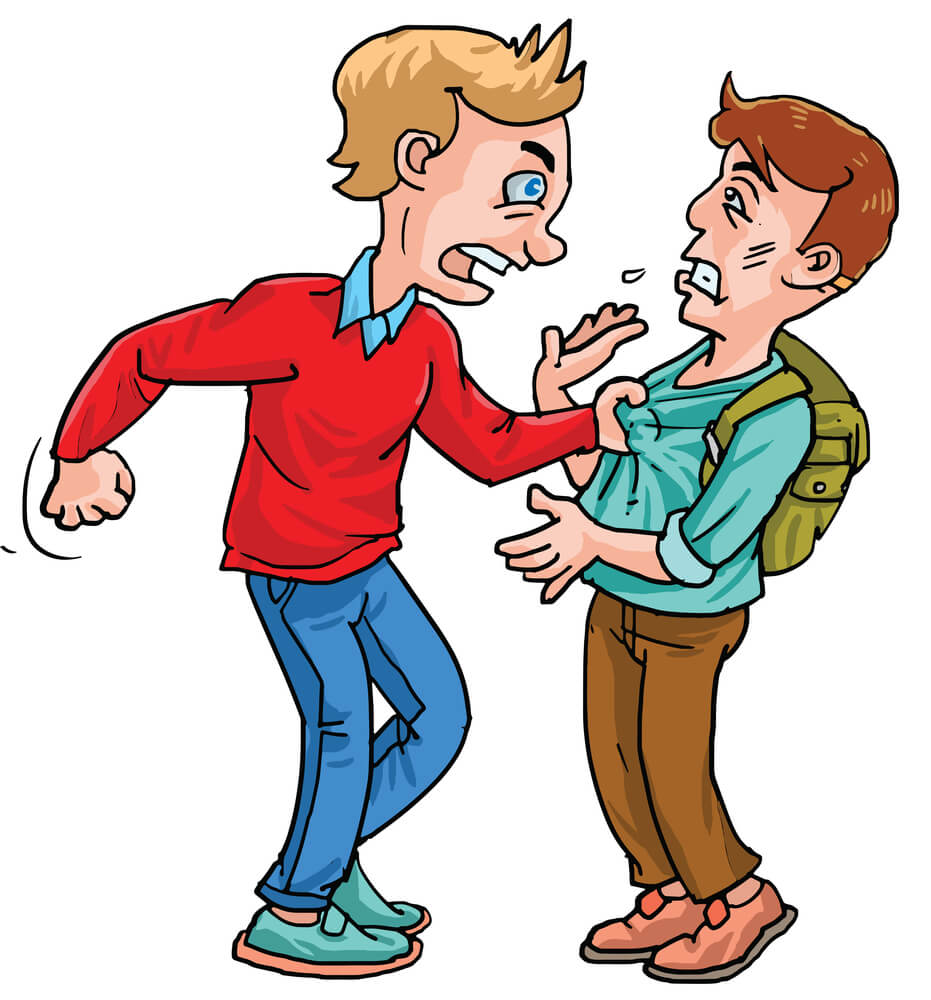
Teachers used straps or thin canes to strike students’ hands and wrists repeatedly until visible wounds occurred. The infliction of injury was normalized and documented as routine school discipline.
Forbidding Students From Wearing Jewelry or Hair Accessories

Arbitrary rules prohibited personal expression through clothing and accessories. Teachers destroyed or confiscated these items, and students were disciplined for bringing them to school.
Making Students Apologize to Teachers for “Disrespect”

Students were forced to apologize to teachers for perceived slights, including merely maintaining silence when teachers believed students should have explicitly agreed with them.
Denying Medical Care for Injuries Sustained at School

Schools refused to provide first aid or notify parents of injuries, expecting students to endure pain and return to class despite obvious harm. Some injuries went untreated for days.
Publicly Shaming Students About Their Economic Status

Teachers remarked about students’ worn clothing, patched shoes, or inability to afford materials, ensuring peers understood their poverty. This public shaming was deliberate and considered appropriate correction for students’ circumstance.
Striking Students Who Arrived Late to School

Students who arrived late for reasons beyond their control—absent parents, transportation failures—were struck as punitive measure. Punishment compounded the original cause of lateness.
The Evolution of Acceptable Discipline

These rules demonstrate how thoroughly social standards shift. Each practice was enforced by educators who believed they were acting in students’ best interests, employing techniques validated by pedagogical tradition.
That modern observers recognize these practices as traumatic and harmful reflects not moral failing of those past educators but evidence that understanding of child development, trauma, and effective instruction has transformed completely. The rules that governed schoolhouses now serve as historical documents of accepted cruelty, proof of how dramatically societies can reimagine what constitutes appropriate authority and acceptable correction.
More from Go2Tutors!

- The Romanov Crown Jewels and Their Tragic Fate
- 13 Historical Mysteries That Science Still Can’t Solve
- Famous Hoaxes That Fooled the World for Years
- 15 Child Stars with Tragic Adult Lives
- 16 Famous Jewelry Pieces in History
Like Go2Tutors’s content? Follow us on MSN.