33 Ancient Civilizations That Vanished and Left Behind Almost No Trace
Entire civilizations once flourished with art, commerce, and complex societies, only to disappear so completely that the modern world forgot them for centuries. Sometimes archaeologists stumble upon their ruins by accident—a peasant digging a sewage ditch, construction workers preparing a foundation.
Other times, advanced scanning technology like LiDAR finally reveals cities swallowed by jungle. The mystery of their collapse remains compelling because it resists simple explanation.
Most didn’t vanish in a single catastrophic moment. They faded gradually, their populations dispersing or relocating, their reasons lost to time.
What follows are 33 civilizations that left the world with more questions than answers, their decline shrouded in theories that historians still debate.
Sanxingdui
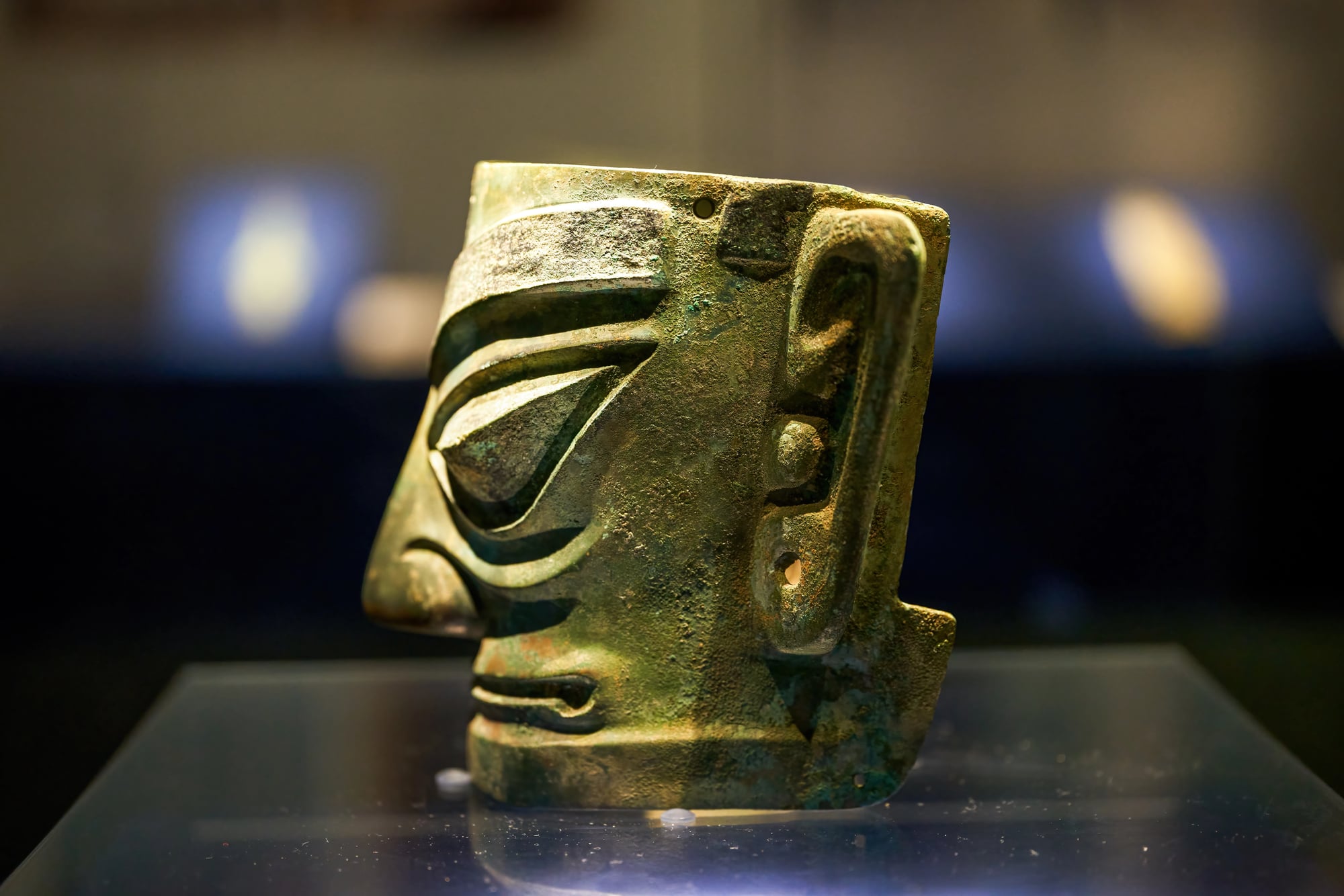
In 1986, construction workers in China’s Sichuan Province unearthed over 200 bronze artifacts, elephant tusks, and monumental sculptures from a civilization that had existed roughly 3,000 years ago and then simply ceased. The Sanxingdui culture flourished from about 1700 BC to 1050 BC, producing bronze masks with protruding eyes and supernatural features unlike anything seen in the ancient world at that time.
They left behind no written records, no human remains, and no explanation. Recent theories suggest an earthquake around 1000 BC rerouted the Min River that sustained their city, forcing them to migrate.
The people of Sanxingdui may have relocated to the Jinsha site nearby, but their original civilization vanished in the span of approximately 350 years.
Nabataeans

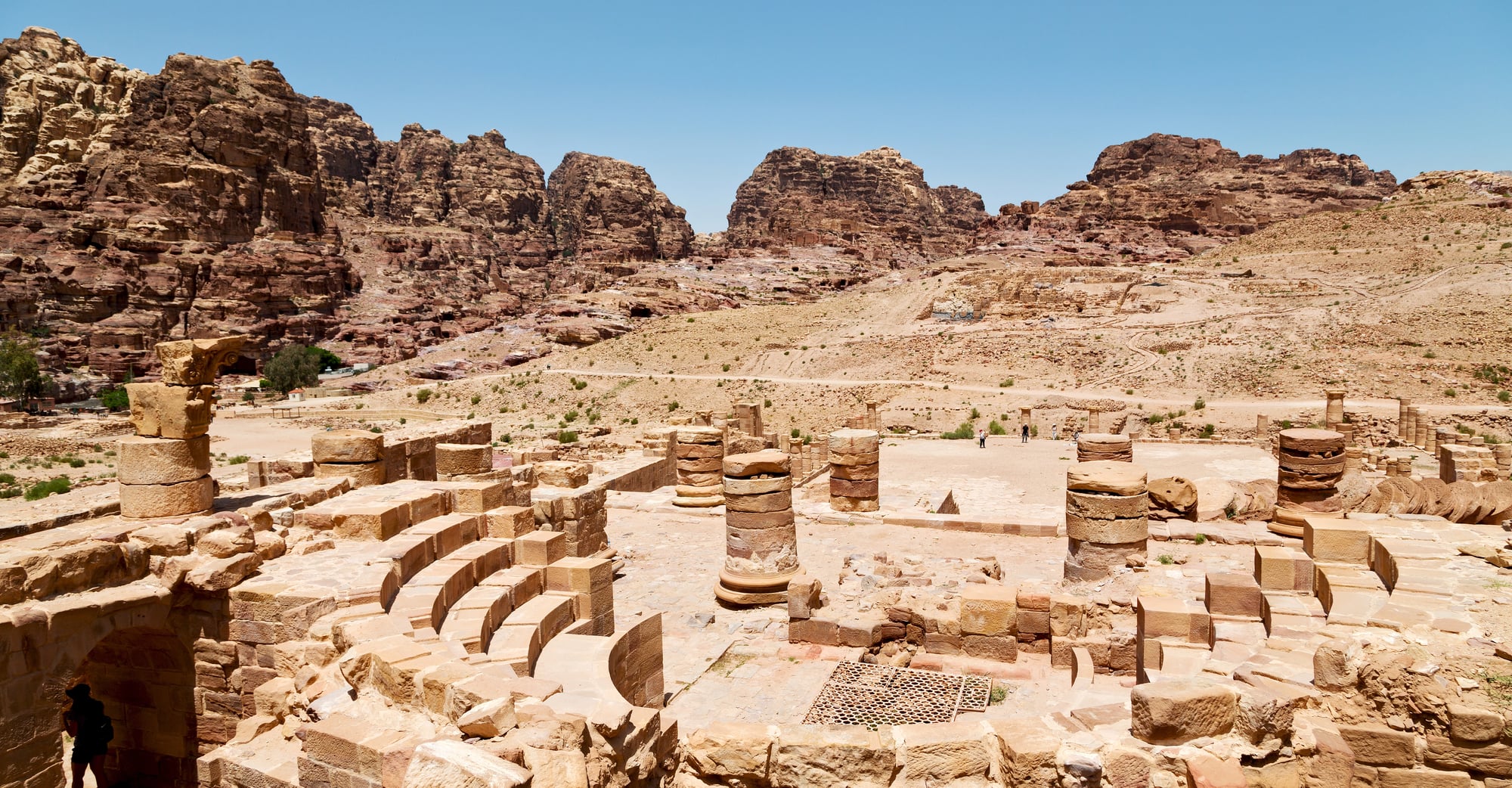
In the harsh deserts of present-day Jordan, the Nabataeans carved an entire capital directly into rose-colored sandstone cliffs. Petra represented one of the ancient world’s most remarkable achievements in engineering and architecture.
From the 4th century BCE onward, they controlled crucial trade routes connecting Arabia, the Mediterranean, and the Near East, accumulating wealth from spices and luxury goods. They also mastered water management in an arid landscape through sophisticated cisterns and channels.
When Rome annexed the Nabataean Kingdom in 106 CE, the civilization didn’t end in violence but through gradual absorption. Trade routes shifted, earthquakes damaged infrastructure, and Petra faded from the outside world’s consciousness until Swiss explorer Johann Ludwig Burckhardt rediscovered it in 1812.
The Nabataeans had never truly vanished—just been forgotten.
Elamites
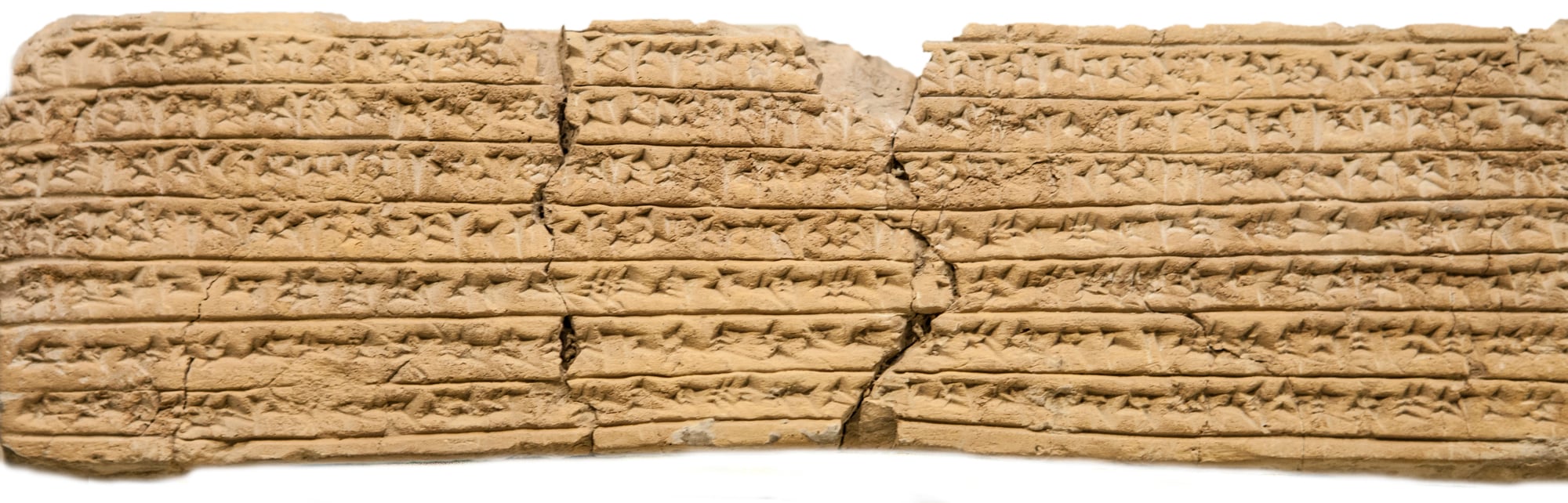
For over two millennia, the Elamites of southwestern Iran built cities, developed their own script, and maintained a distinct culture that rivaled and sometimes allied with Mesopotamia. Yet they remain largely unknown today because few of their texts survive and their partially-deciphered language remains difficult to interpret.
When the Persian Empire rose under Cyrus II around 550 BCE, Elamite cities were absorbed into a new political order. Unlike violent conquest, the Elamites underwent gradual assimilation.
Their language persisted in written form until around the 3rd century BCE, but it slowly became a dead tongue, replaced by Persian. Their ziggurats crumbled in the Iranian sun, and their legacy survived mainly in texts written by neighboring civilizations.
Cahokia

Near present-day St. Louis, Cahokia was the largest pre-Columbian city north of Mexico. At its peak around 1100 CE, it housed perhaps 10,000 to 20,000 people across massive earthen mounds and plazas.
By 1350 CE, the city stood largely abandoned. No single cause explains this transformation.
Climate shifts like the Little Ice Age may have reduced agricultural productivity. Deforestation and soil depletion exhausted local resources.
Disease, social unrest, or shifting trade routes could have played roles. The written record provides no answers—Cahokia’s indigenous builders left no texts about their departure.
The mounds endure as silent monuments to a thriving urban center whose inhabitants dispersed into smaller settlements or migrated elsewhere.
Minoans of Crete
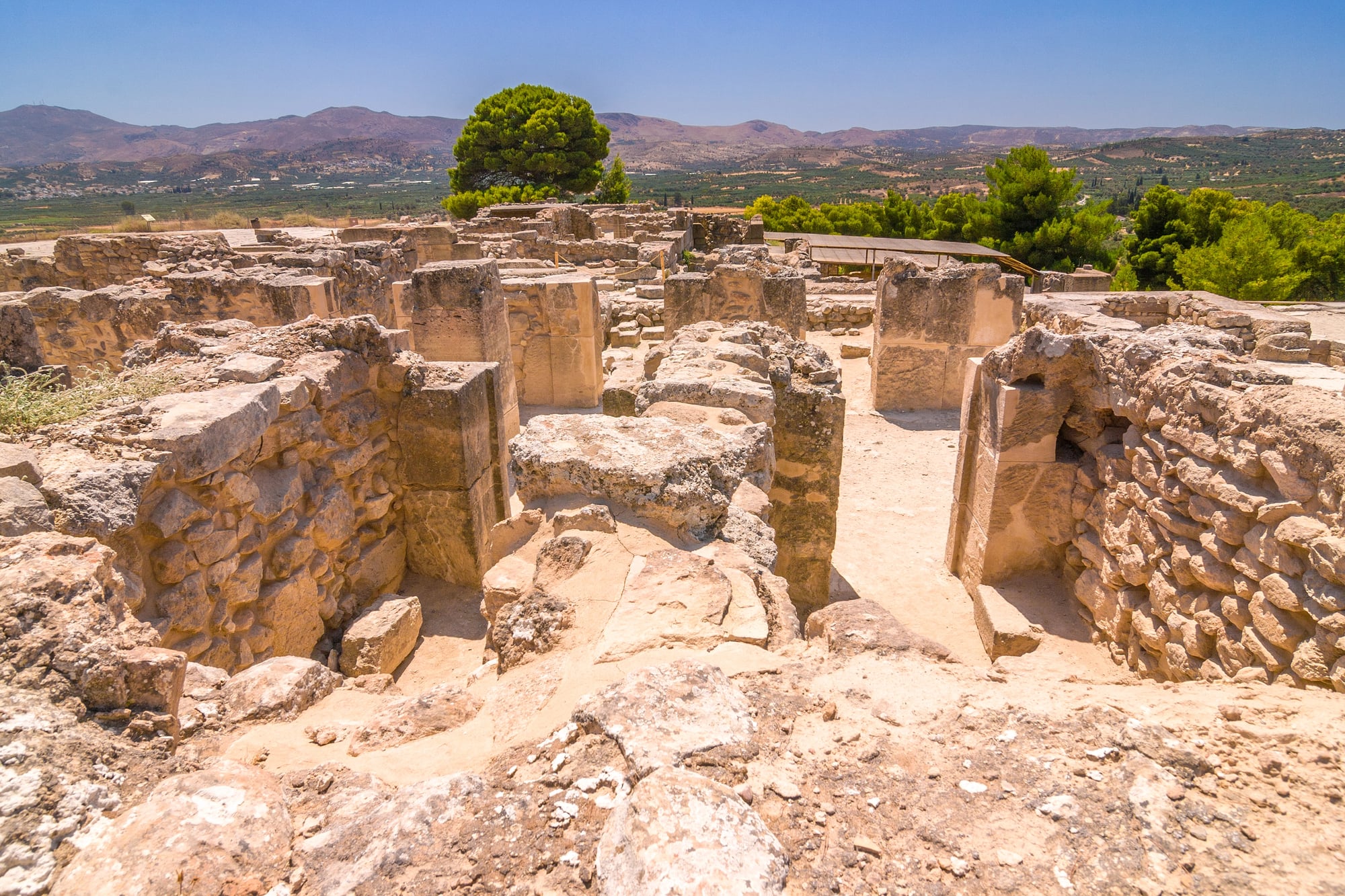
The Minoan civilization represents one of Bronze Age Europe’s most sophisticated cultures, flourishing on Crete from around 3000 BCE until 1050 BCE. They built magnificent palaces at Knossos, Phaistos, and Malia, decorated with vibrant frescoes of bulls, dancers, and natural scenes.
They developed a script, created art, and established trade networks across the Mediterranean. Then, over the course of several centuries, the civilization declined.
Whether invasion, natural disaster, or internal collapse caused the end remains debated. A volcanic eruption on nearby Santorini around 1600 BCE may have contributed but did not directly destroy the civilization.
The Minoans gradually faded, their achievements eventually attributed by later Greeks to legendary figures like King Minos. The palaces survived, but the culture that built them did not.
Ancestral Puebloans (Anasazi)
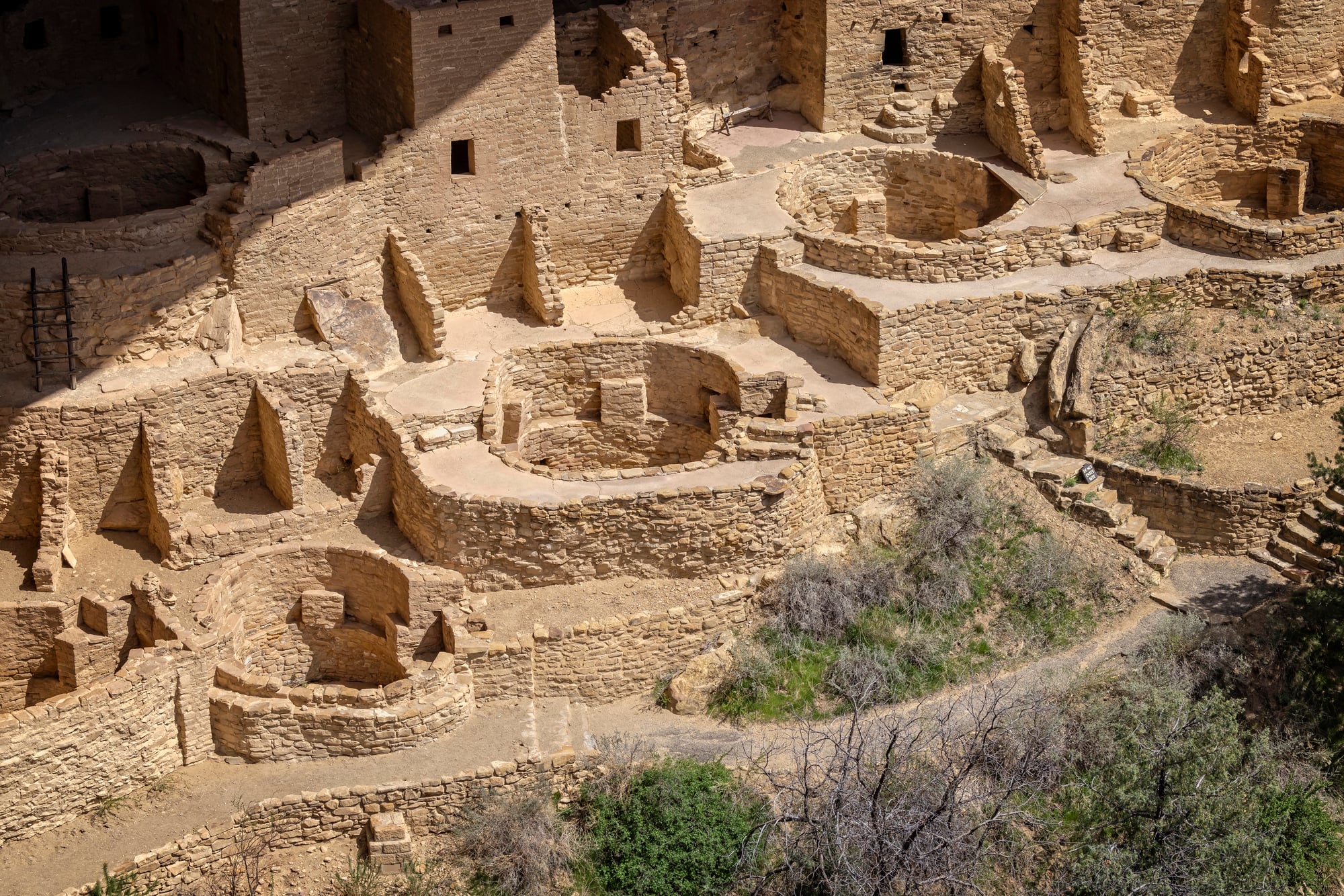
From roughly 100 CE to 1600 CE, the Ancestral Puebloans built a sophisticated civilization across the American Southwest. They constructed cliff dwellings, elaborate trading networks, and farming systems adapted to an arid landscape.
Then, beginning around 1200 CE, major population centers were abandoned. Chaco Canyon, once a thriving hub, emptied out.
Mesa Verde’s cliff dwellings fell silent. Theories about the exodus include prolonged drought, overuse of local resources, social conflict, or migration to better locations with more water.
Unlike many civilizations on this list, the Ancestral Puebloans did not disappear as a people—their descendants, including the Hopi, Zuni, and Pueblo peoples, maintain living cultures, languages, and traditions. What vanished was not the people but a particular way of life and a specific settlement pattern.
Rapa Nui (Easter Island)
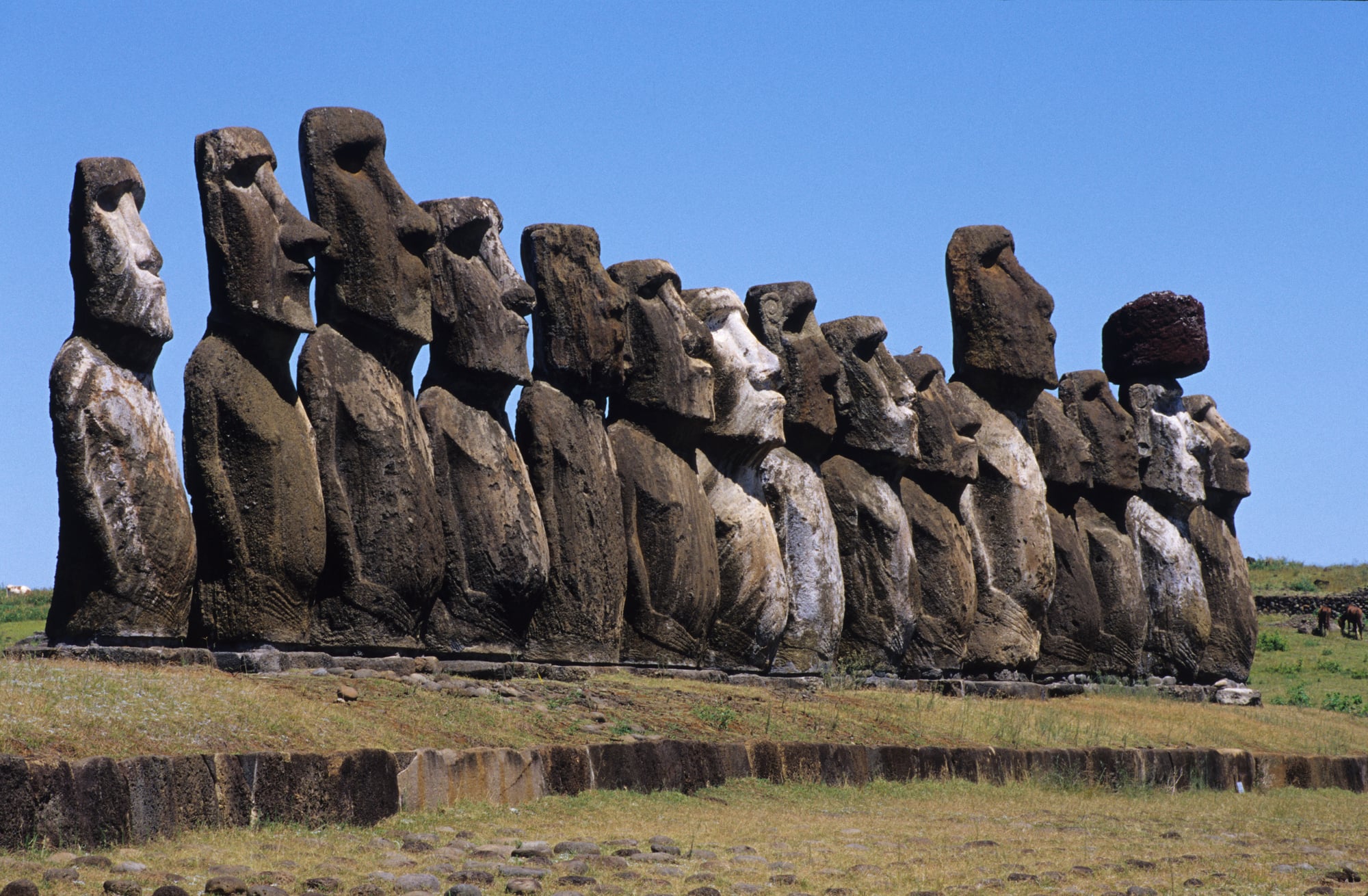
The isolated Pacific island of Rapa Nui supported a sophisticated civilization that carved hundreds of massive stone moai statues and developed a unique form of writing called rongorongo. The population once numbered perhaps 10,000 inhabitants.
By the time Europeans arrived in 1722, only a few thousand remained, living in degraded conditions, and the cultural memory of who built the moai had become distorted into legend. The collapse likely resulted from ecological overreach—the islanders depleted their forests, hunted sea birds to extinction, and exhausted local resources.
Constant warfare over diminishing resources may have further destabilized society. The moai remain, staring eternally toward the horizon, while the civilization that created them left behind only fragmented stories that barely survived to modern times.
Indus Valley Civilization
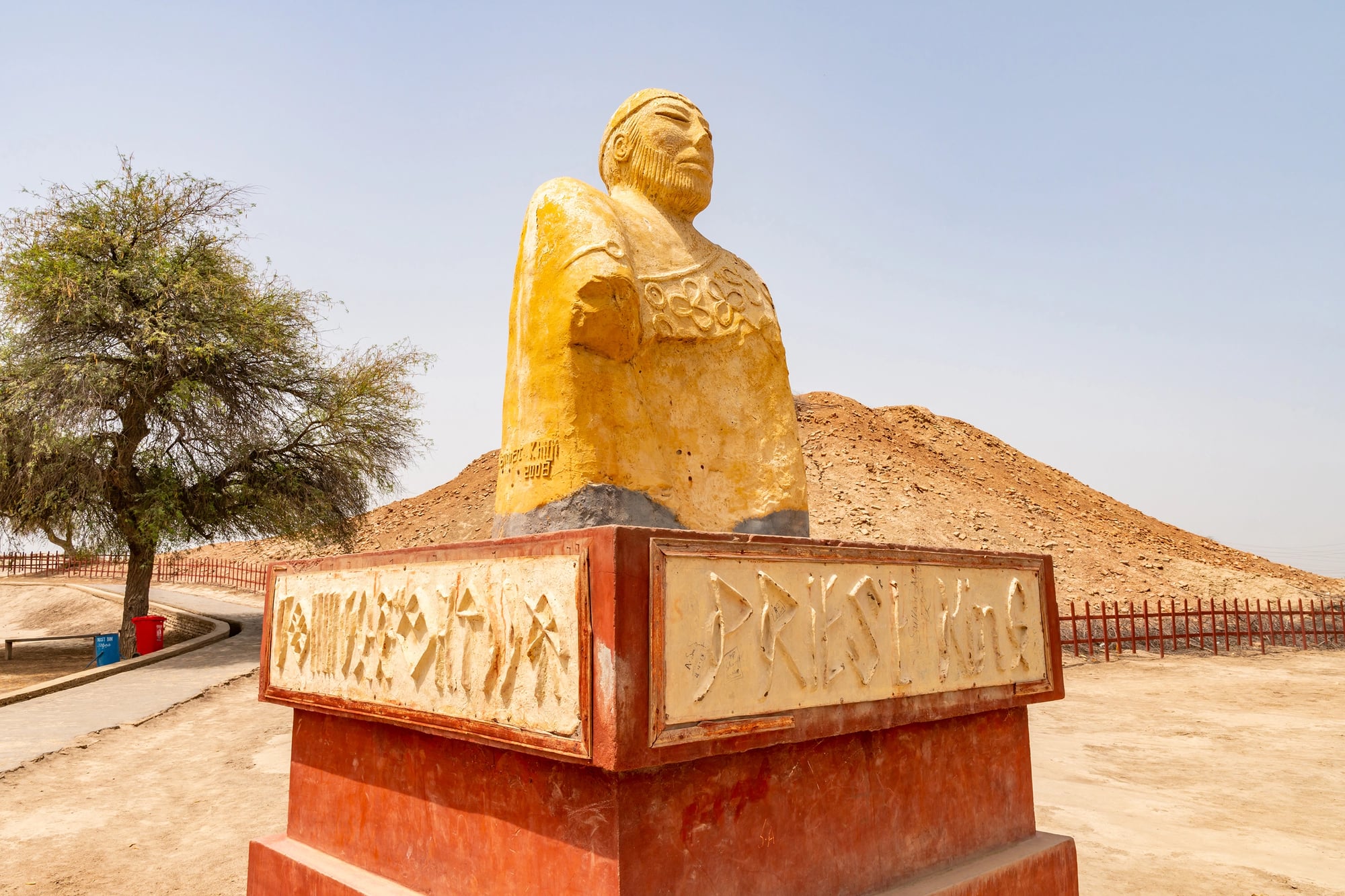
Spanning what is now Pakistan and northwest India, the Indus Valley Civilization covered an area larger than ancient Egypt and Mesopotamia combined. At its height around 2300 BCE, it boasted cities like Mohenjo-Daro and Harappa with standardized weights, drainage systems, and planned streets.
A sophisticated writing system adorned seals and pottery. Then, around 1500 BCE, the civilization declined across multiple centuries without a clear rupture.
Theories range from invasions of Indo-European peoples to environmental collapse brought on by changing river patterns or climate. The written script remains undeciphered, leaving historians without direct testimony about what occurred.
The cities emptied gradually, their secrets preserved in ruins that scholars still struggle to fully interpret.
Nabta Playa
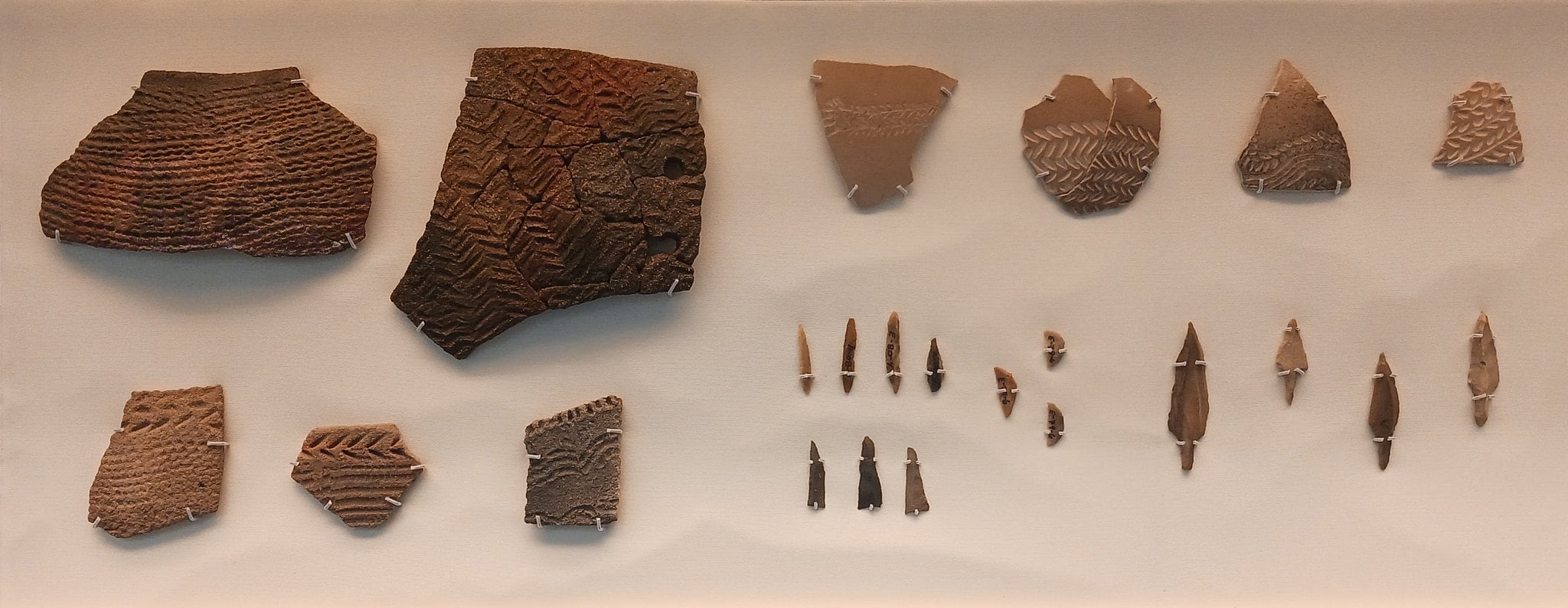
In what is now Sudan’s Nubian Desert, between 10,000 and 4,500 years ago, a neolithic civilization built stone circles and arranged standing stones in astronomical alignments. Nabta Playa represents one of the world’s earliest examples of astronomically-oriented monumental architecture, predating Stonehenge by millennia.
The people herded cattle and used sophisticated wells for water management in an increasingly arid climate. By around 4500 years ago, the climate shifted toward permanent dryness, and the population abandoned the region entirely.
The stone circles remained, slowly buried beneath shifting sands. For thousands of years, the world forgot this astronomical achievement until modern archaeologists rediscovered the site.
The civilization that built these monuments left no written records and no descendants to carry forward their legacy.
Lycians

The Lycians inhabited the rugged coast of southwestern Anatolia, carving impressive rock tombs into cliffsides and minting their own coins. They maintained a distinct language and cultural identity for centuries, but they existed in a region continuously threatened by larger powers.
Over time, they were gradually absorbed first by the Persians, then by Greeks and Romans. Their language and customs slowly disappeared, replaced by those of their conquerors.
By the Roman period, Lycian identity had essentially vanished, though physical monuments—the cliff tombs and carved reliefs—endured. The civilization didn’t collapse in a moment but dissolved through cultural assimilation.
Aksumite Empire
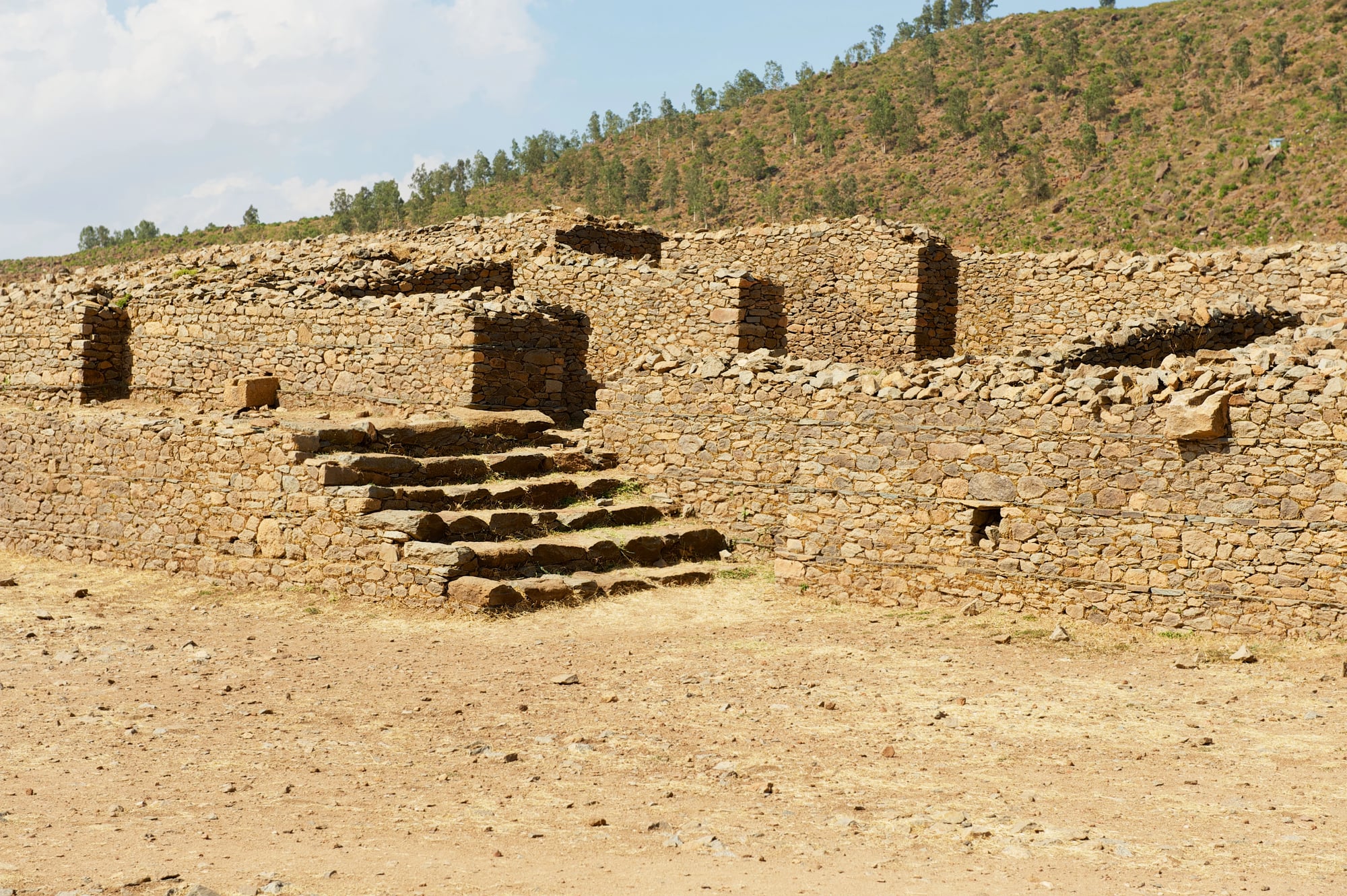
Between the 1st and 7th centuries CE, the Aksumite Empire controlled much of the Horn of Africa and the Red Sea trade routes, rivaling Rome, Persia, and China in global influence. They minted their own coins, built obelisks and monumental stelae, and controlled territories across present-day Ethiopia, Eritrea, and Yemen.
Then, over the course of several centuries, their power eroded. Competition from Islamic expansion, the rise of rival Arabian powers, and shifts in international trade patterns all contributed to decline.
By the 10th century, the Aksumite Empire had fragmented into smaller kingdoms. Their written records largely disappeared, and their monuments stood abandoned.
Modern Ethiopia preserves some cultural continuity, but the empire itself—once a superpower—had been forgotten by most of the world.
Angkor and the Khmer Empire

In Cambodia, between the 9th and 15th centuries, the Khmer civilization built Angkor, one of the world’s most sophisticated medieval cities. At its height around 1200 CE, Angkor covered roughly 1,000 square kilometers and may have housed over 700,000 people.
Ingenious water management systems, reservoir networks, and agricultural innovations sustained the massive population. Then, over several centuries, the city was abandoned.
Theories range from climate disruption and disease to warfare and overexploitation of resources. The temples themselves were never completely forgotten by local Khmer people, who used some as Buddhist religious sites.
But the engineering knowledge that created Angkor’s water systems and the administrative capacity to govern such a vast urban complex largely vanished. Modern archaeologists continue piecing together the story through satellite imagery and excavation.
Göbekli Tepe Builders
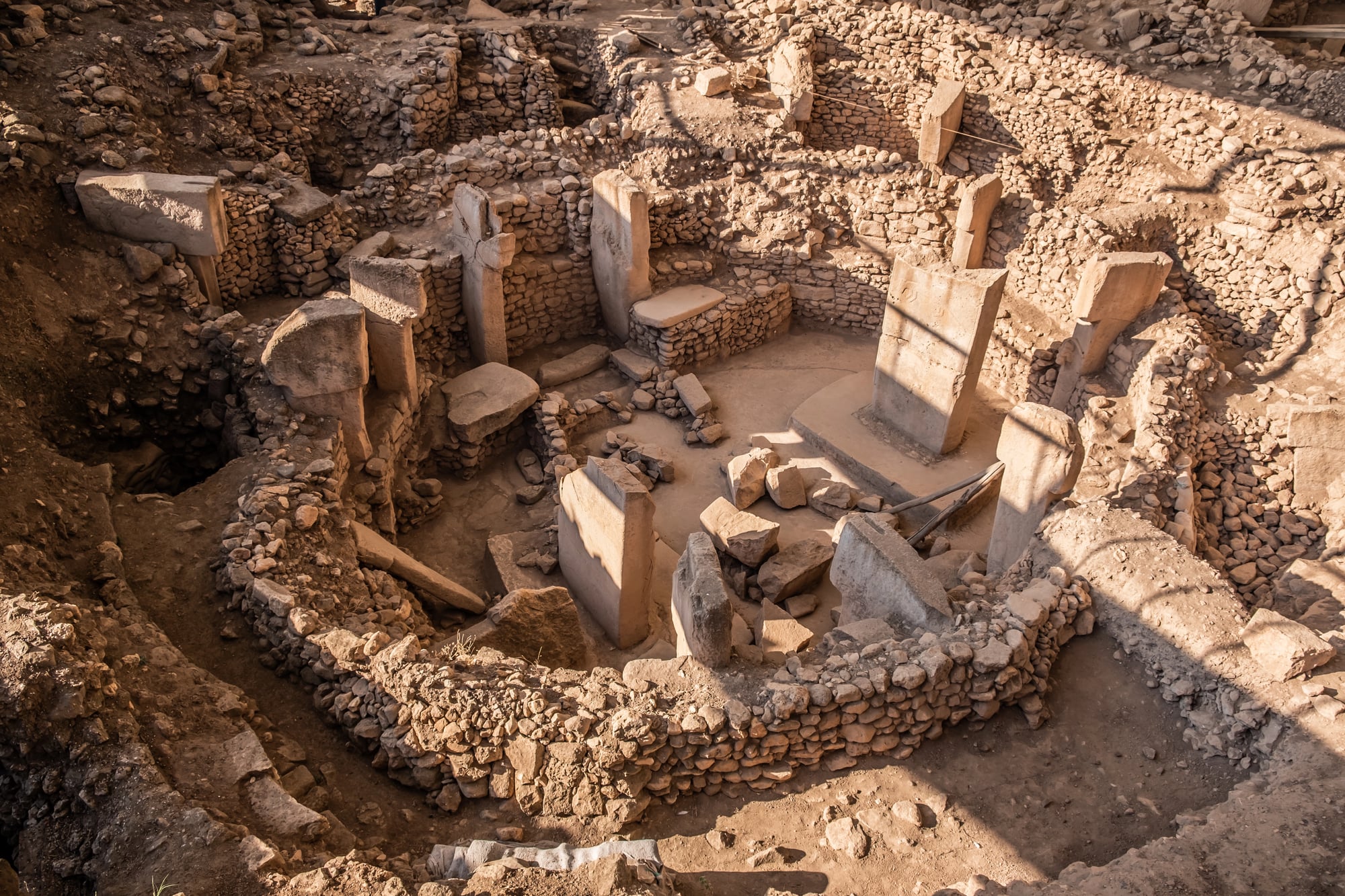
Before monumental architecture anywhere else on Earth, the people who built Göbekli Tepe around 9500 BCE carved elaborate T-shaped pillars decorated with reliefs and assembled them into ceremonial structures on a hilltop in present-day Turkey. They created one of the world’s earliest known temples.
The site shows no evidence of permanent habitation, suggesting it was built and used by hunter-gatherers for ritual purposes. Then, around 8000 BCE, the site was deliberately buried, and the civilization that built it disappeared from the historical record.
No written language marked their achievements. No monuments celebrated their accomplishment.
Modern archaeology unearthed Göbekli Tepe only in 1994, revealing that monumental construction preceded farming and permanent cities by thousands of years.
Tocharians
In the Tarim Basin of western China, a civilization of Indo-European people—the Tocharians—thrived from around 2000 BCE until the 10th century CE. They spoke an Indo-European language, written in a script borrowed from Sanskrit, and maintained active trade networks along the Silk Road.
Documents describe them as red-haired and light-skinned, distinct from surrounding populations. Yet by around 1000 CE, they vanished from historical record, assimilated or displaced by Turkic peoples.
Their language died out. Their cultural identity dissolved.
They are known today almost entirely through fragmentary texts and Buddhist manuscripts discovered in sealed caves, revealing a civilization whose disappearance was so complete that even neighboring cultures forgot they had existed.
Nabataean Successors and the Safaitic People
In the Syrian and Arabian deserts, after the Nabataeans declined, the Safaitic people emerged around 1000 BCE and maintained a distinct identity for over 1,500 years. They left behind over 100,000 short inscriptions carved into stone across the desert landscape, mostly personal graffiti and boundary markers.
Despite this abundance of written material, almost nothing is known about their social organization, religion, or governance. By the 7th century CE, they disappeared without leaving any explanation.
The inscriptions remain, but they offer only fragmentary glimpses into a civilization that vanished leaving behind texts but no coherent historical narrative.
The Tlingit and Haida Pre-Contact Cultures
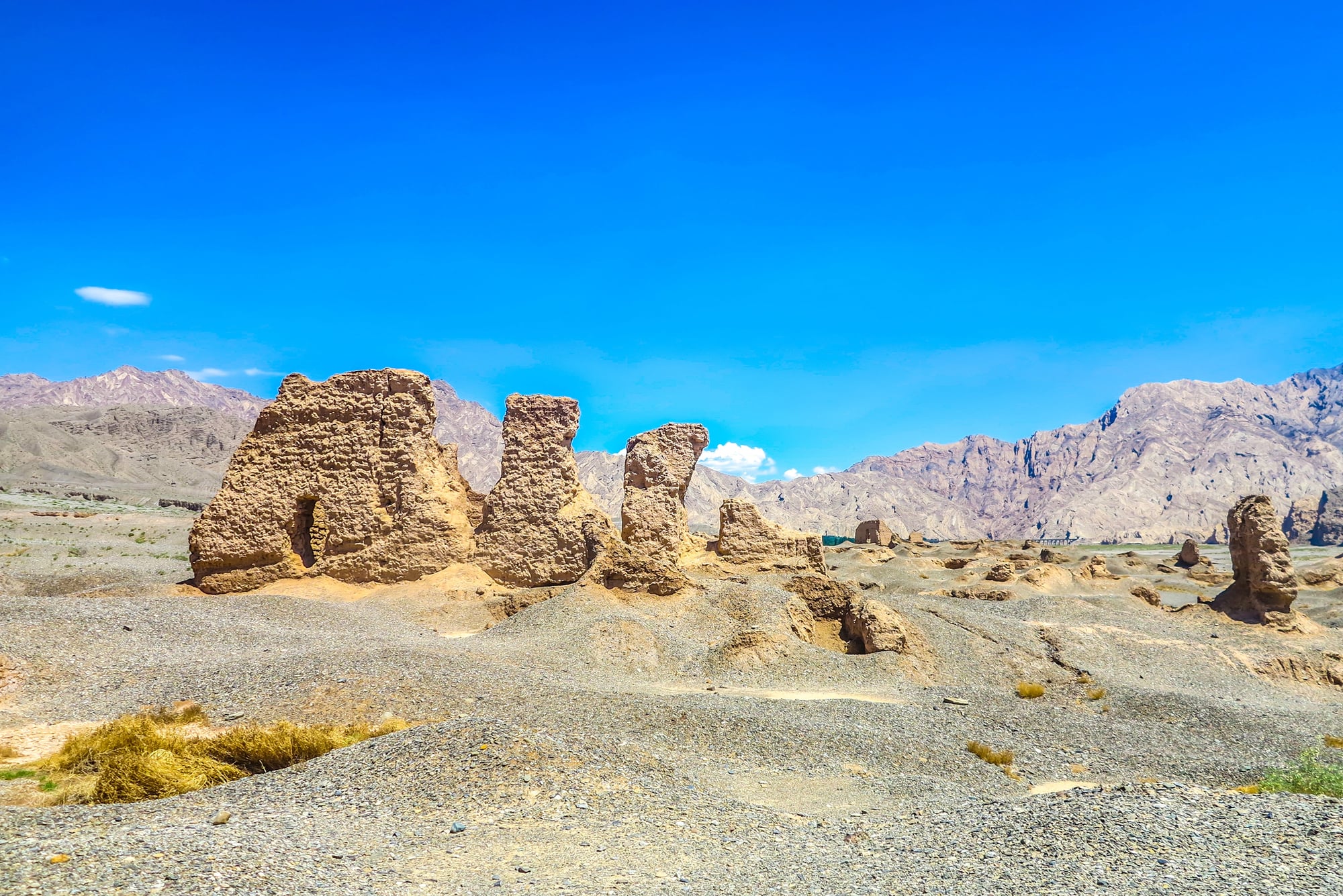
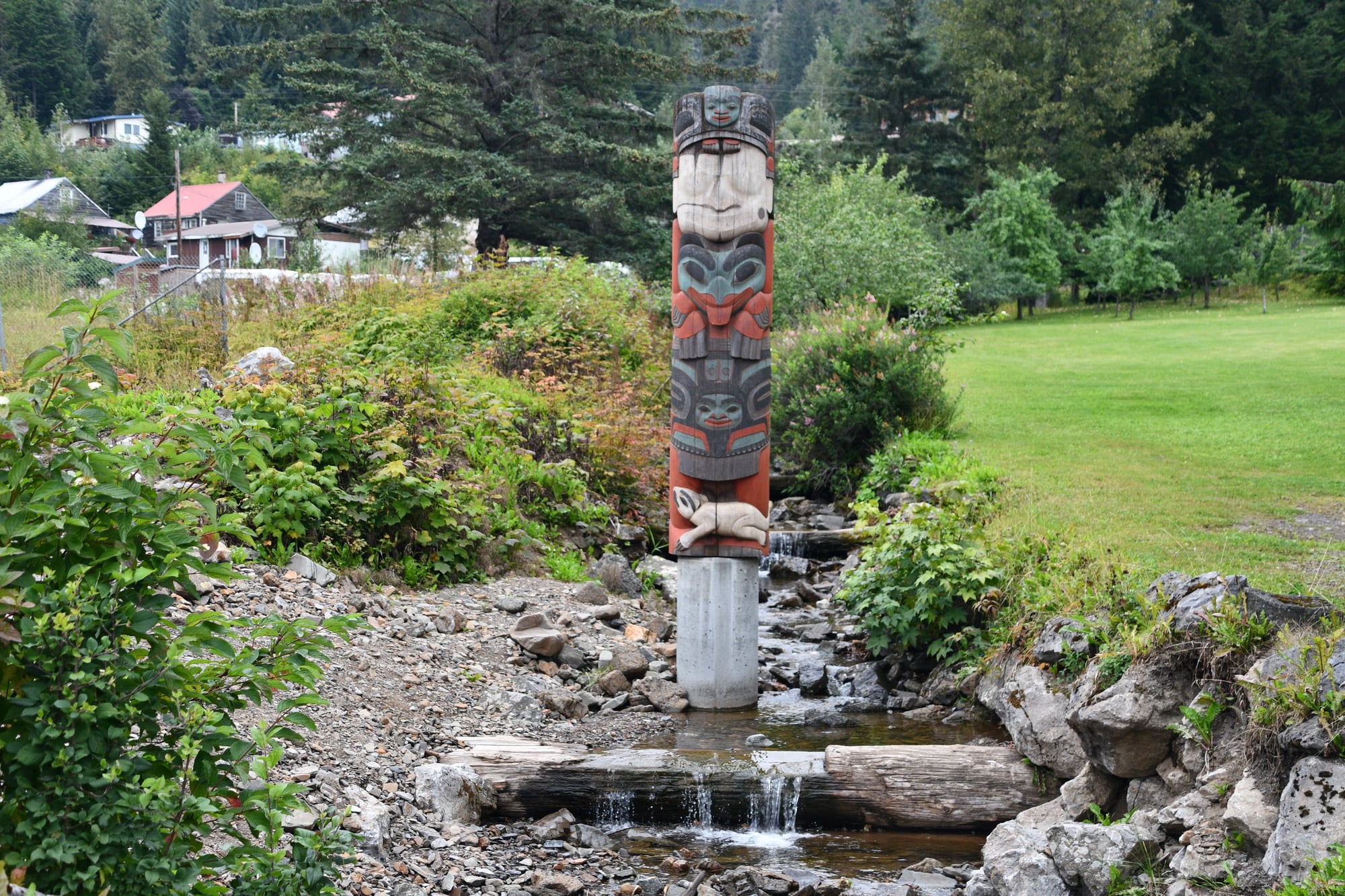
Before European contact, some Pacific Northwest indigenous civilizations built sophisticated urban centers like the Tlingit and Haida settlements. These cultures created monumental cedar totem poles, practiced complex trade, and established hierarchical societies.
When Europeans arrived, disease, warfare, and colonization decimated populations and disrupted societies. While the Tlingit and Haida peoples persist today with living cultures, their pre-contact civilization—characterized by specific settlement patterns, artistic traditions, and social organization—largely vanished within generations.
The transformation was so rapid and complete that even oral traditions sometimes lost the memory of what had been lost.
The Guanches of Canary Islands
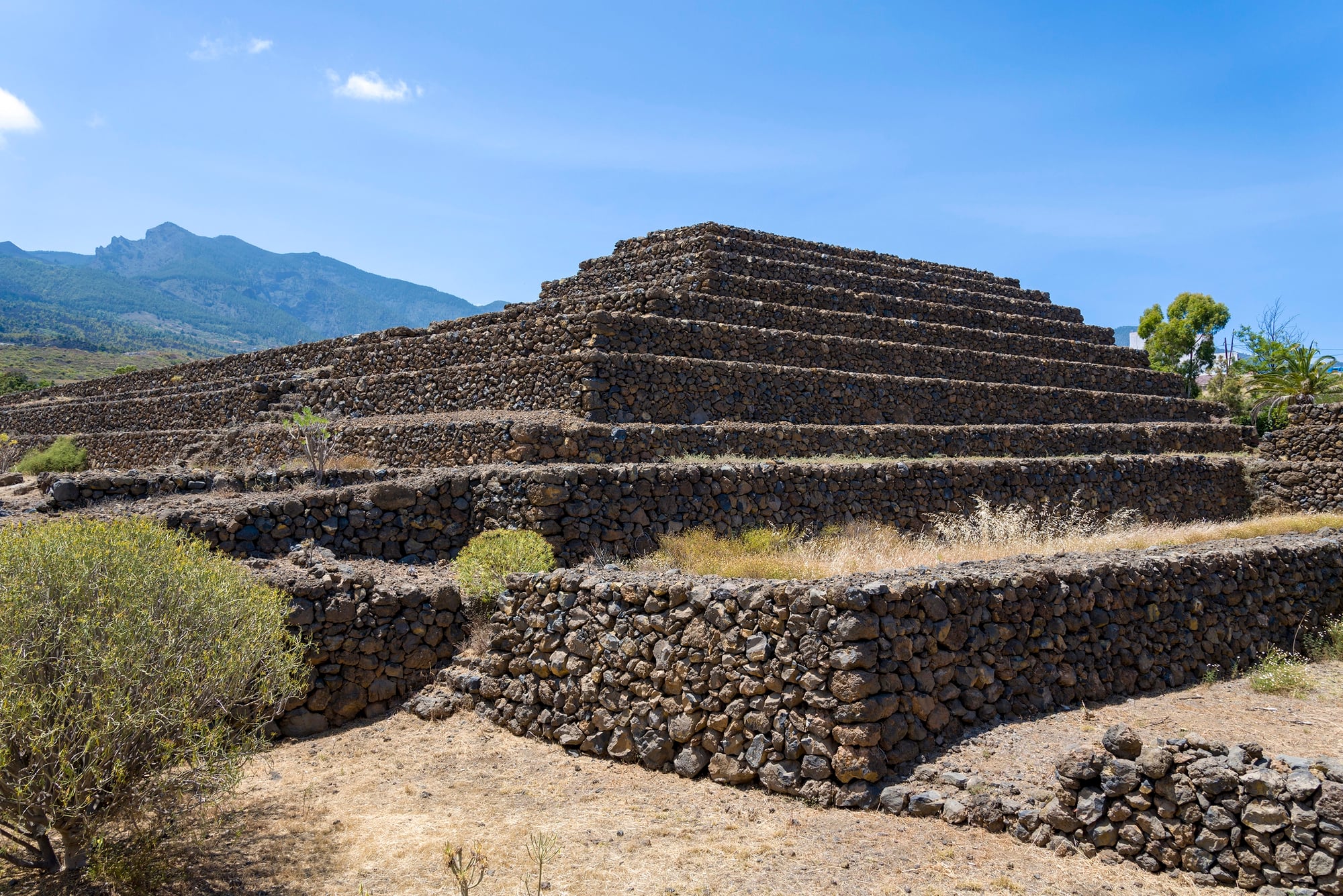
When Spanish conquistadors arrived at the Canary Islands in the 15th century, they encountered the Guanches—a Berber population that had inhabited the islands for centuries in isolation. The Guanches maintained their own distinct language, culture, and social systems.
Through conquest, enslavement, and disease, the Guanche civilization was systematically destroyed within roughly 100 years. Unlike many civilizations on this list, the Guanches vanished not mysteriously but through documented conquest and genocide.
Their language, culture, and unique island civilization disappeared so thoroughly that only fragmentary knowledge of their pre-contact society survives.
The Mound Builders of Eastern North America
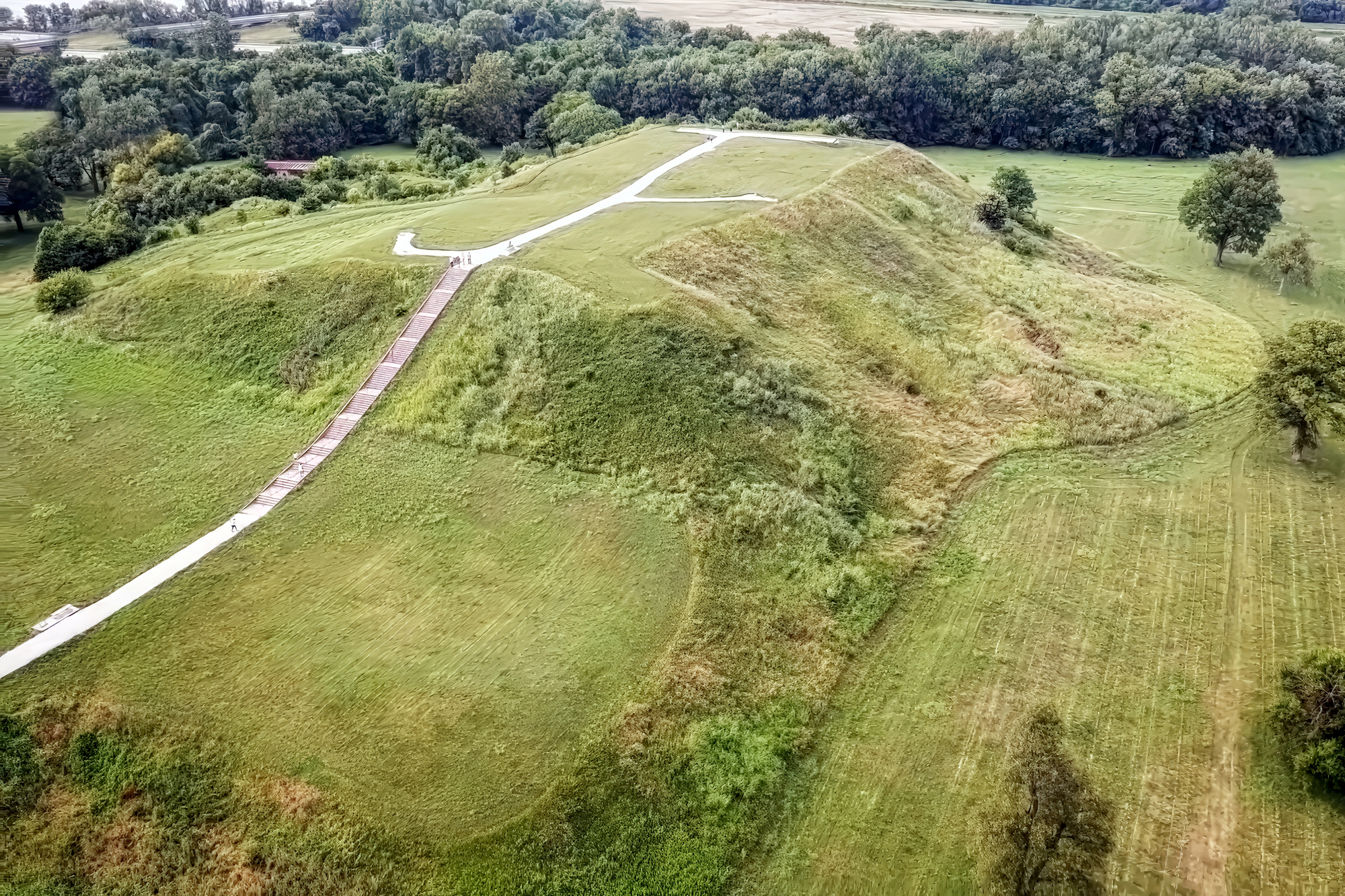
Between 3000 BCE and 1600 CE, various Native American civilizations across eastern North America built earthen mounds for ceremonial and burial purposes. The largest, like Monks Mound in Illinois, rival the Great Pyramid in scale.
These cultures created sophisticated pottery, established trade networks, and developed complex social hierarchies. Yet by the time of European contact, mound-building had ceased and much of the knowledge about why they were constructed or how the civilization functioned had been lost even among descendants.
European colonization further disrupted indigenous societies, ensuring that the specific cultural context of mound building largely vanished.
Cahokia’s Trade Partners in the Mississippi Valley

Beyond Cahokia itself, numerous settlements throughout the Mississippi River drainage system engaged in a widespread trade network. Sites like Emerald Mound, Lake George, and others show evidence of complex societies that thrived for centuries then disappeared.
The exact reasons for the decline of this entire network remain unclear—climate change, disease, resource exhaustion, and social upheaval all likely played roles. The civilizations left behind only archaeological remains, no written records explaining their fate.
The Khipu Keepers Before the Inca

Before the Inca Empire standardized the khipu—a system of knotted cords for recording information—other Andean civilizations used similar recording systems. These pre-Inca cultures maintained sophisticated knowledge-keeping systems now barely understood.
Most disappeared without preserving written explanations of their administrative practices, leaving modern researchers to reverse-engineer purpose and meaning from fragmentary evidence.
Tikal and the Classic Maya Collapse
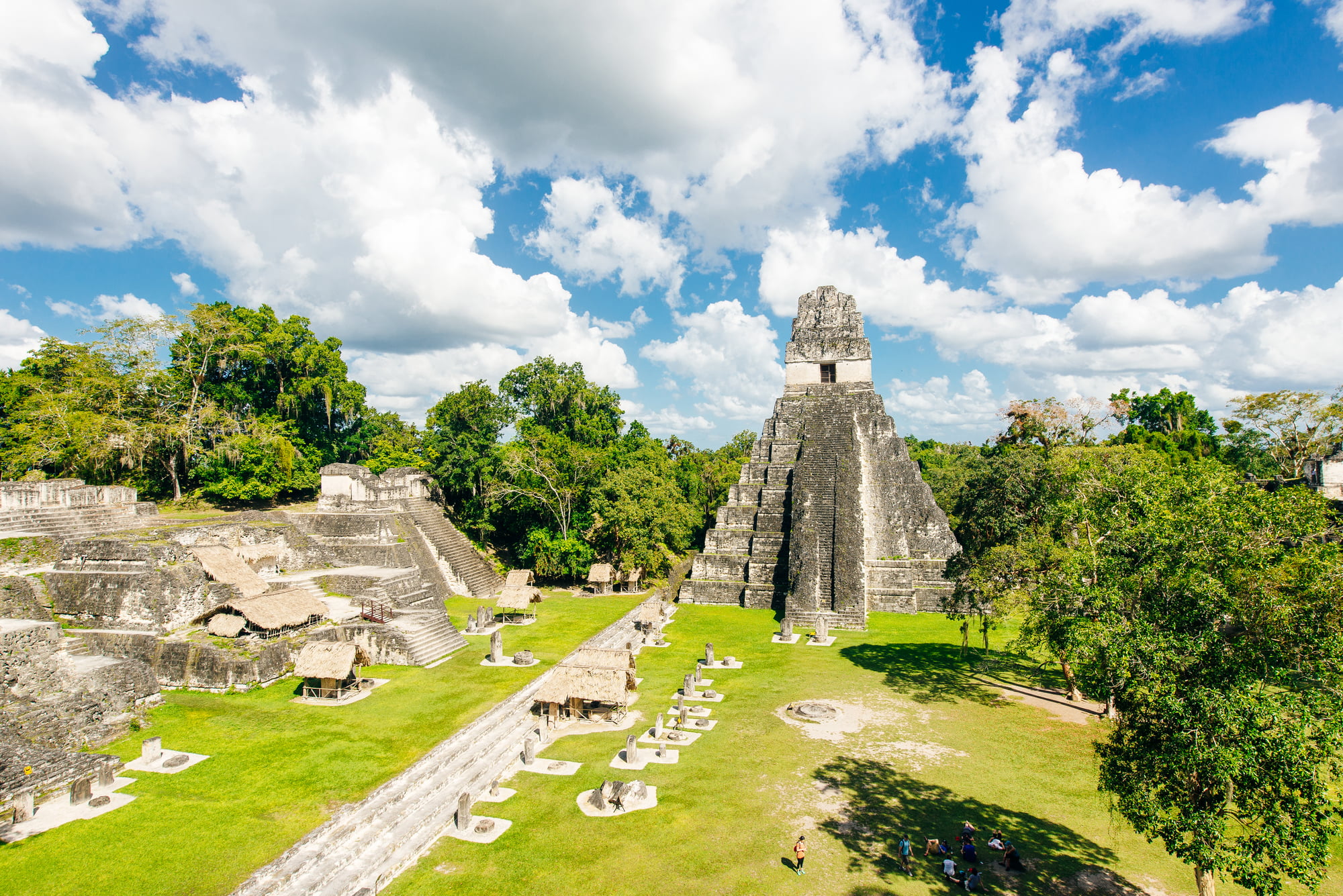
While Maya civilization as a whole survived, the Classic Period Maya centers like Tikal collapsed around 900 CE. The city, once a thriving metropolis of perhaps 100,000 inhabitants, emptied out over several centuries.
The reasons remain debated—drought, warfare, social upheaval, and environmental degradation likely all contributed. Knowledge of Tikal’s specific collapse vanished so completely that even later Maya peoples lost clear memory of what had happened to their ancestors’ cities.
The Nabta Playa Herding Societies

Related to but distinct from Nabta Playa’s monument builders, the pastoral societies that herded cattle through the Sahara in the Holocene climatic optimum adapted to increasingly arid conditions. As their homeland dried out between 3000 and 2000 BCE, these peoples migrated or adapted, leaving behind only cattle bones, pottery shards, and remnants of wells.
Their way of life vanished with the climate.
Çatalhöyük’s Successor Settlements
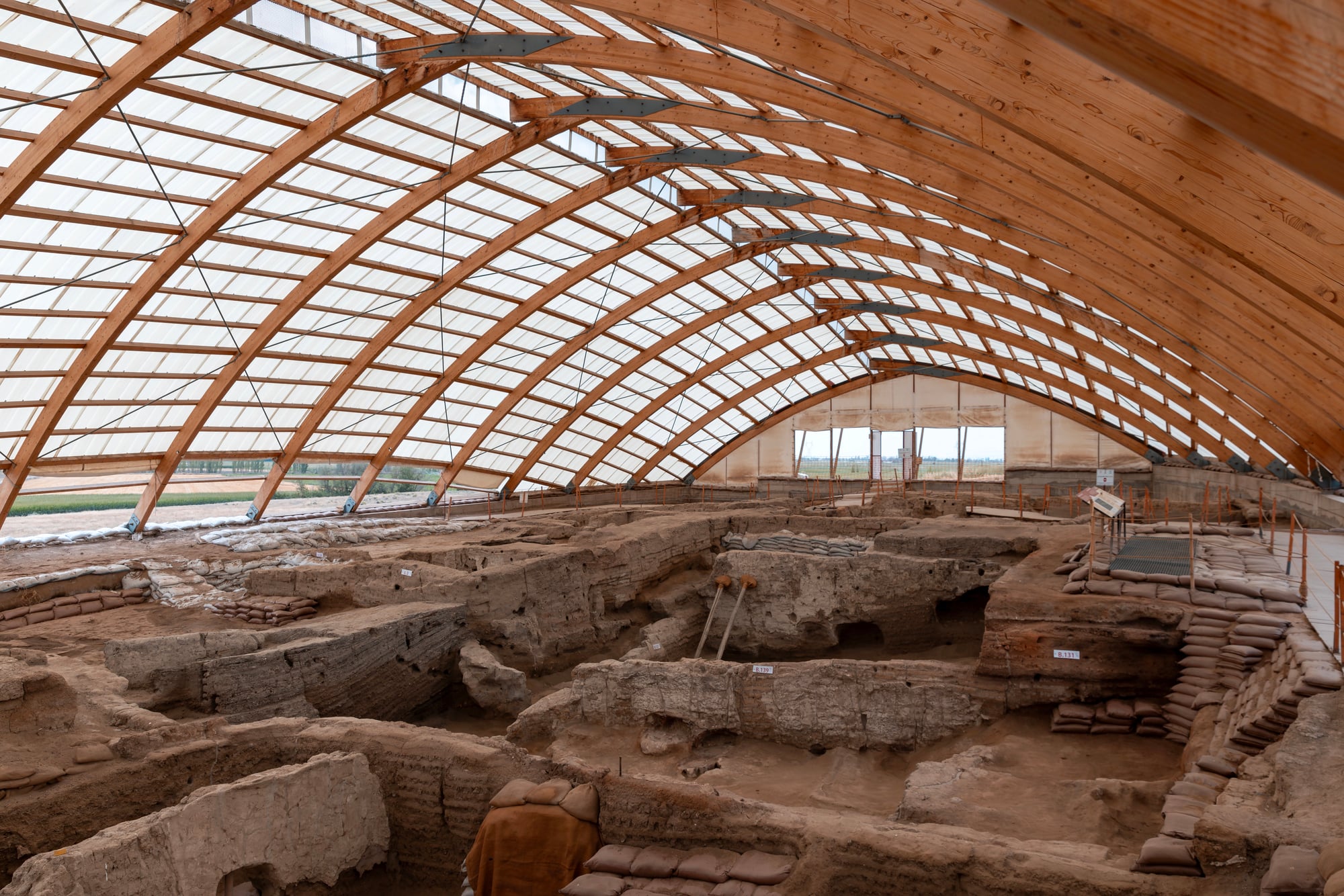
After the massive settlement of Çatalhöyük in Anatolia (occupied circa 7500-5700 BCE) was abandoned, various settlements across Anatolia and the Levantine region continued cultural traditions for several millennia before disappearing into the archaeological record. These successor cultures left few written records and sparse monumental remains, ensuring their civilizations remain largely forgotten.
The Yamnaya Successors in the Pontic Steppe

After the Yamnaya culture’s expansion across the Eurasian steppes, numerous successor societies maintained pastoral lifestyles for centuries before being absorbed or displaced. Most are known only through burial mounds containing horse bones, weapons, and limited grave goods.
Their actual societies, beliefs, and reasons for movement remain largely invisible in the archaeological record.
Napolean’s Scythian Contemporaries
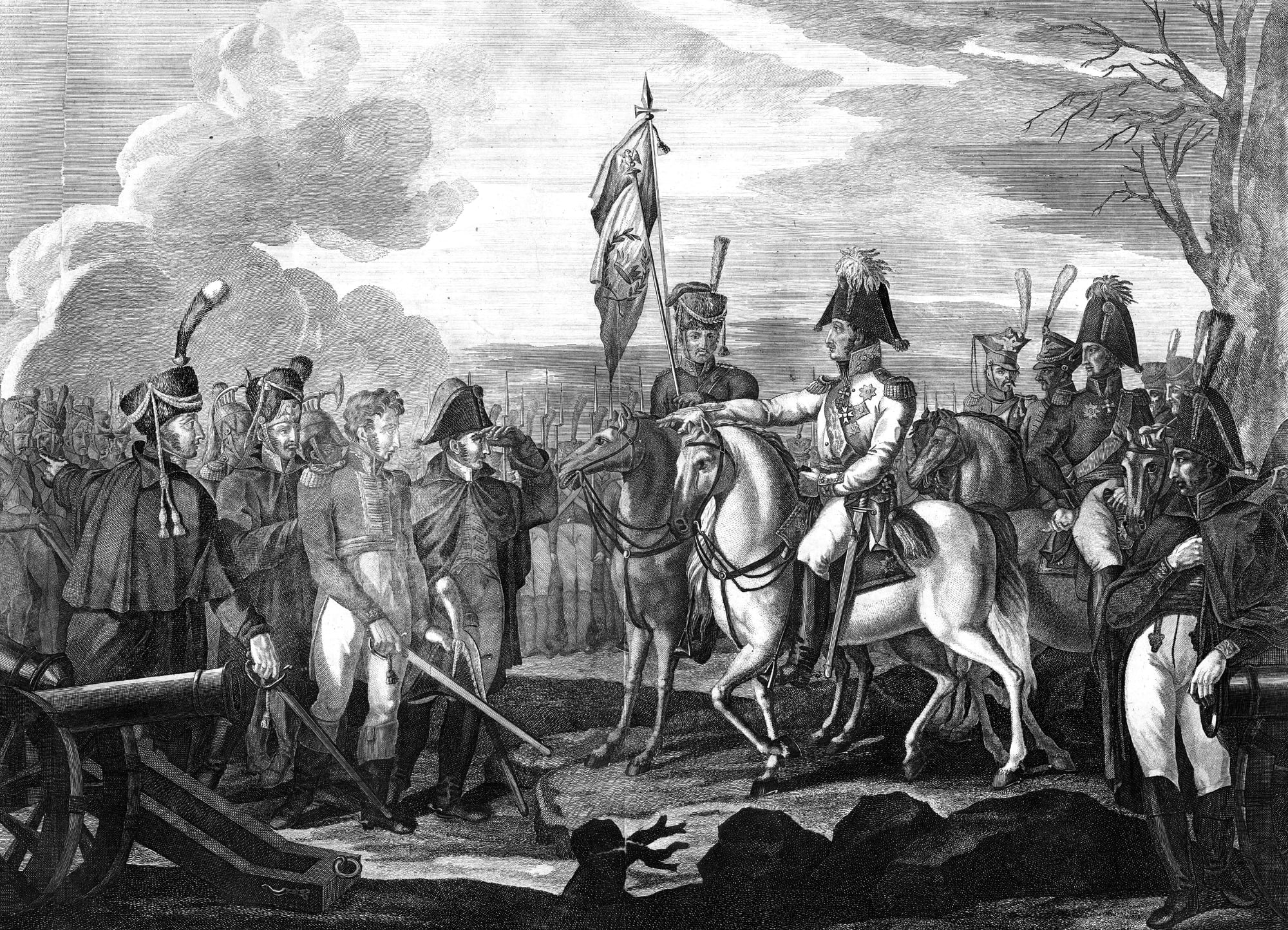
While the Scythians are famous through Greek descriptions and burial remains, numerous other nomadic societies existed simultaneously across the steppes, leaving behind only minimal archaeological traces. Pottery styles and burial practices suggest complex societies, but the lack of written records means these civilizations vanished without even a name surviving into modern times.
The Meroitic Kingdom’s Successors

After the Meroitic Kingdom declined in Nubia around 350 CE, various Nubian societies emerged and disappeared across several centuries. Axum, Kush’s western neighbors, filled the power vacuum, but earlier societies that thrived in the transition periods left behind sparse records.
Their transitions between empires were so fluid that specific civilizational identities often vanished into broader categories.
Qatabanian Civilization of Yemen

In the Arabian Peninsula, before the rise of Islamic civilization, the Qatabanian Kingdom controlled important frankincense trade routes. They minted coins, built temples, and maintained written records.
Yet their civilization faded around 50 BCE with minimal fanfare, absorbed by shifting political boundaries and changing trade patterns. Few outside their immediate region even knew they had existed.
The Aksumite-Successor States
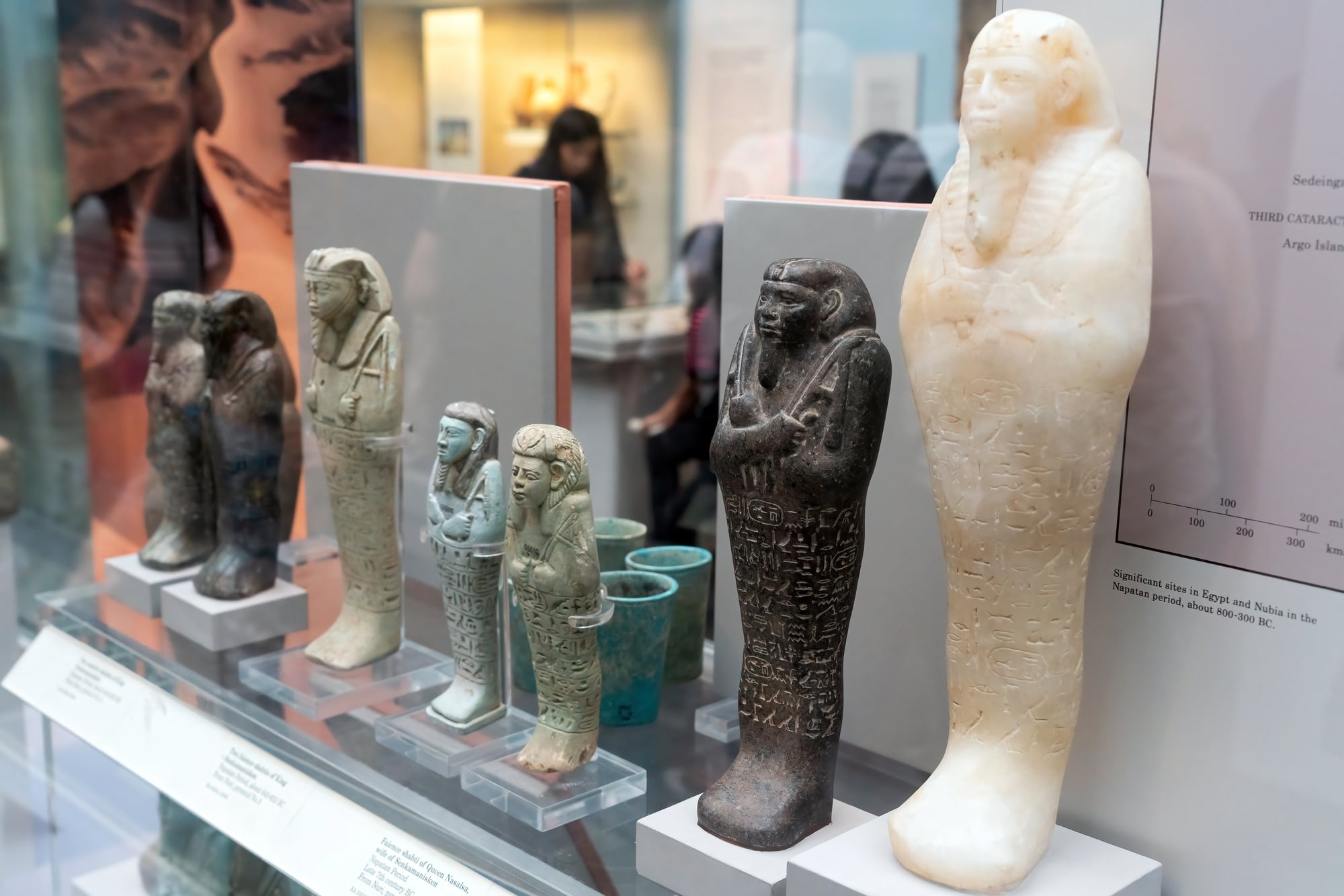
After the Aksumite Empire fragmented, various Ge’ez-speaking kingdoms maintained political power in the Horn of Africa. Some lasted for centuries as distinct entities before being absorbed into larger states like the medieval Abyssinian Empire.
The gap between Aksumite decline and these successor states represents a period when specific civilizational continuities were lost even if cultural continuity persisted.
The Bactrian Kingdoms of Central Asia
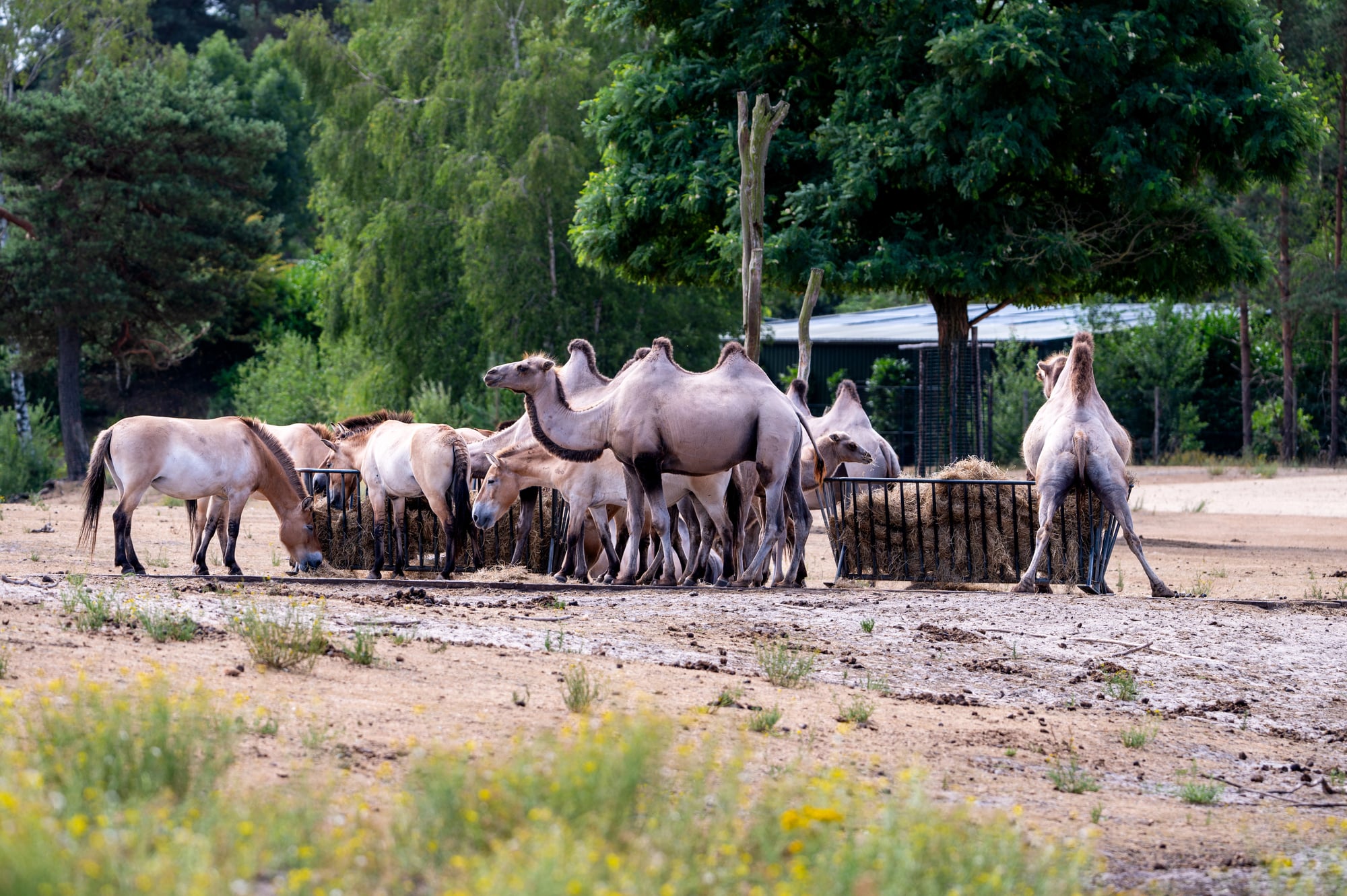
Following the collapse of the Greco-Bactrian Kingdom around 130 BCE, numerous smaller Bactrian states persisted in Central Asia for centuries. Parthian, Kushan, and other empires incorporated Bactrian territories, but the specific Bactrian civilization dissolved into these larger political entities.
The transition occurred so gradually that pinpointing when Bactrian identity vanished is archaeologically difficult.
The Sogdian Merchant Networks

While Sogdians are remembered as Silk Road merchants, the specific Sogdian city-states that once flourished in Central Asia declined and were absorbed by Persian, Arab, and Turkic empires. Their merchant networks persisted longer than their political civilizations, ensuring their disappearance was gradual and economically driven rather than catastrophic.
The Mystery of Lost Cities in the Amazon
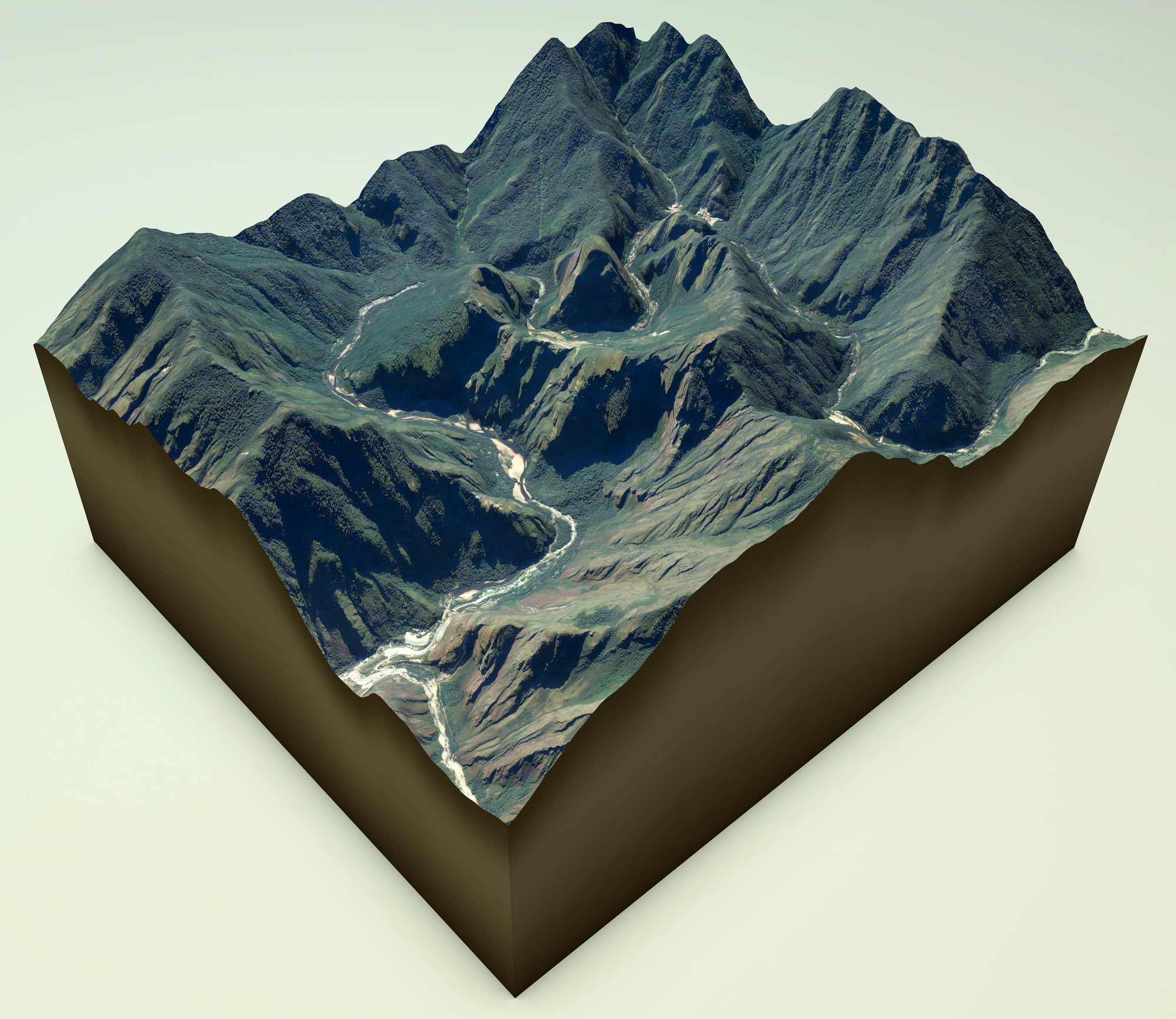
Recent LiDAR scanning in the Amazon reveals evidence of large pre-Columbian settlements and earthworks that suggest sophisticated civilizations once thrived in the rainforest. The exact number and nature of these societies remain unknown because disease decimated indigenous populations before detailed documentation could occur.
These civilizations exist now primarily as faint geometric marks visible only from above, their specific cultures essentially erased.
The Forgotten Civilizations of Ancient Arabia
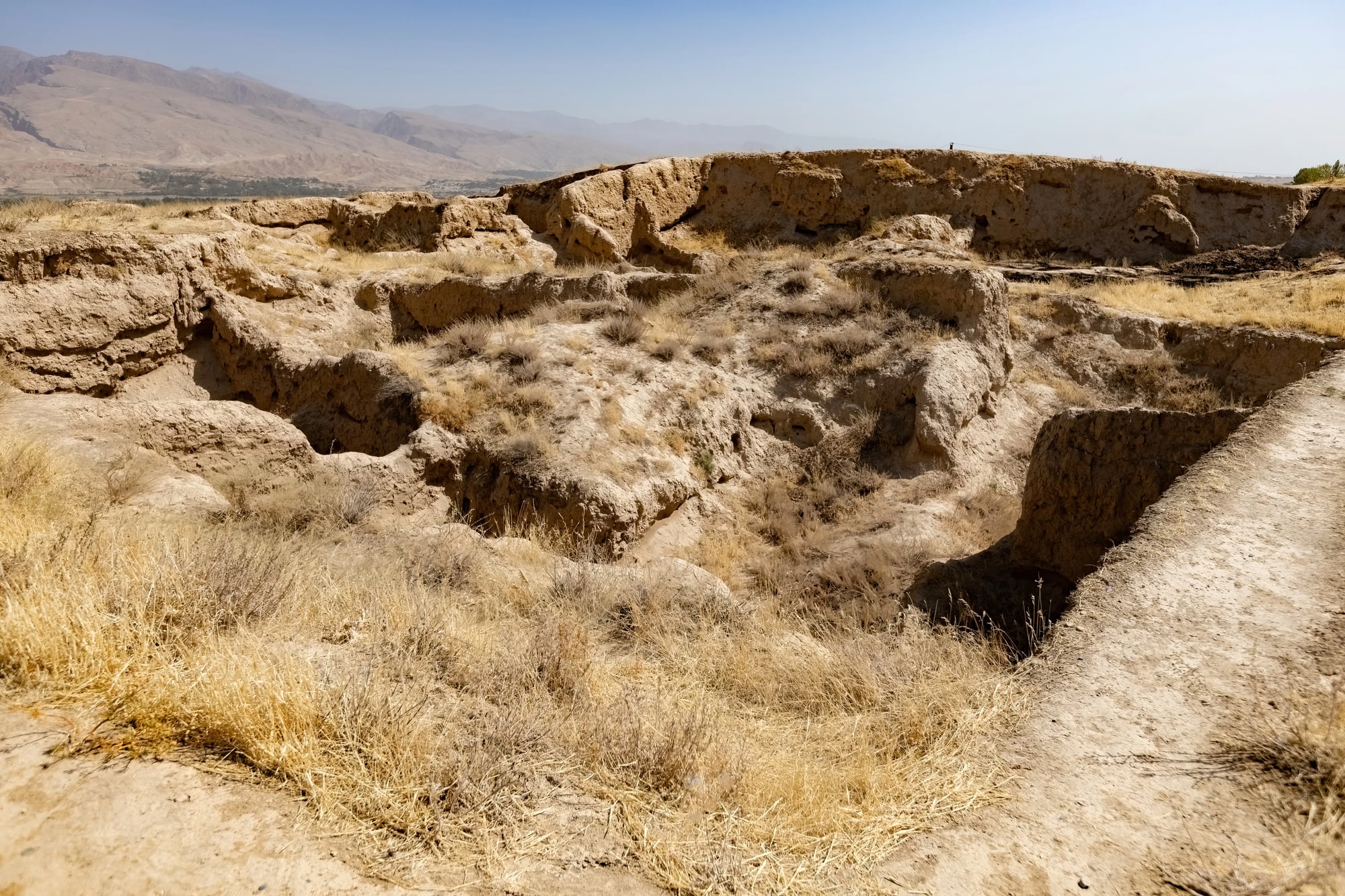
Beyond the Nabataeans and Qatabanian, numerous other Arabian kingdoms and city-states flourished and vanished across centuries of pre-Islamic history. The Thamudi, Ghassanids, and Lakhmids are known through fragmentary mentions in classical texts and occasional archaeological finds.
Few details about their actual societies, beliefs, or reasons for decline survive.
Time’s Relentless Work

Whether through conquest, climate catastrophe, disease, resource exhaustion, or simple abandonment as populations moved toward better opportunities, civilizations throughout human history have risen and been forgotten. The complete vanishing of a culture often takes centuries, not years.
Populations disperse gradually, knowledge fades, monuments crumble, languages die. Future archaeologists might uncover additional details about these vanished societies, but the most complete history—known only to those who lived it—remains forever lost.
What endures are questions, fragments, and the persistent human urge to reconstruct narratives from ruins and silence.
More from Go2Tutors!

- The Romanov Crown Jewels and Their Tragic Fate
- 13 Historical Mysteries That Science Still Can’t Solve
- Famous Hoaxes That Fooled the World for Years
- 15 Child Stars with Tragic Adult Lives
- 16 Famous Jewelry Pieces in History
Like Go2Tutors’s content? Follow us on MSN