32 Things Living Rooms Had Before Streaming
Watching television used to require a small amount of physical labor, whether that meant adjusting a set of antennas by hand or driving to a store to select a movie from a wall of plastic cases. The living room itself was built around that labor, filled with objects that had no purpose once a single glowing rectangle absorbed all their functions.
Almost none of it survives in a modern living room now, and most of it disappeared quietly enough that nobody marked the exact year it stopped mattering.
TV Guide Magazine

A weekly listing of every channel’s programming, printed on newsprint and left folded open to the current page, was the only reliable way to know what was airing before a program actually began.
Rabbit-Ear Antenna
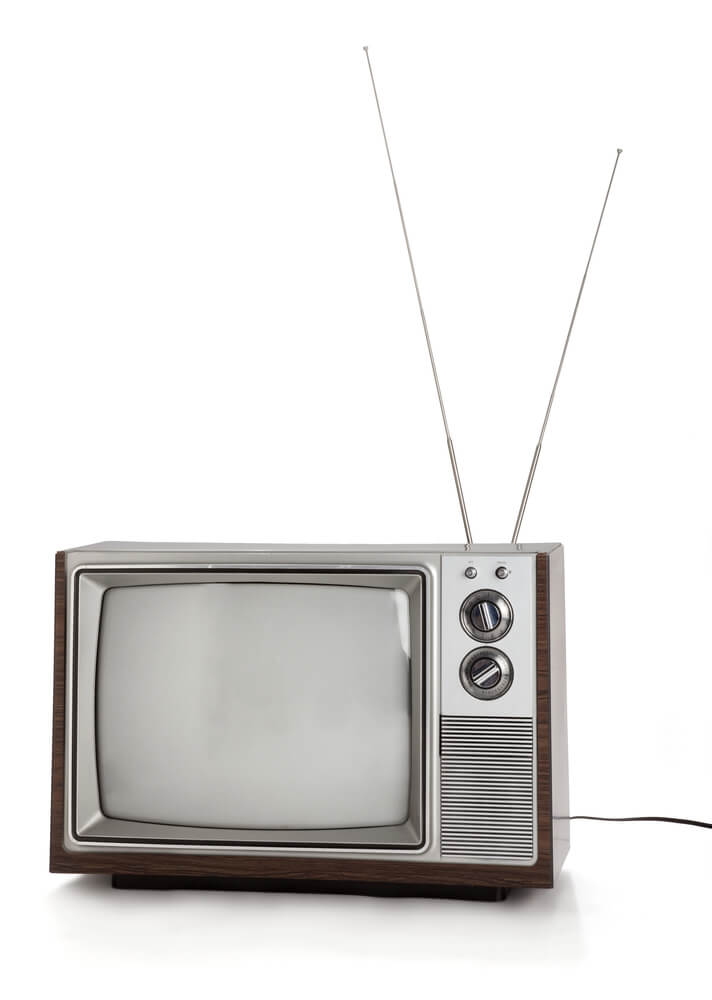
Two adjustable metal rods perched on top of the television, often wrapped in foil to improve reception, required constant fine-tuning and occasionally a family member standing in just the right spot to keep the picture from breaking into static.
Console Television Cabinet
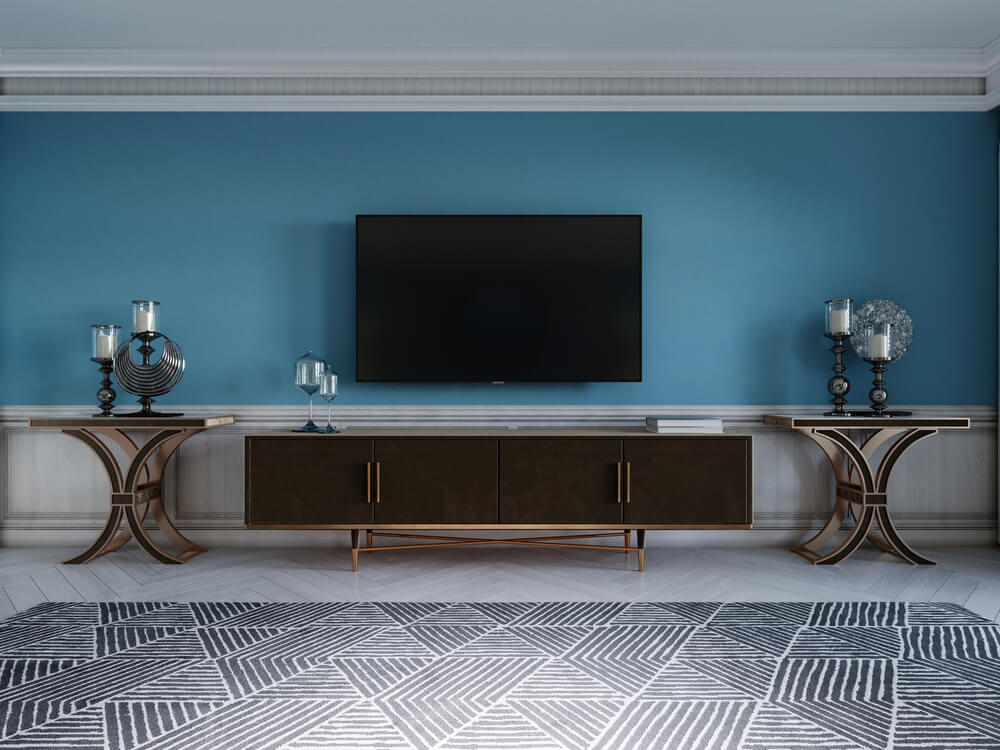
Housed in a large wooden case that doubled as a piece of furniture, the family television often sat lower to the ground than modern sets and stayed in one fixed position for years at a time rather than being mounted or moved.
VCR and Tape Collection

A shelf lined with plastic cases held whatever movies a family had recorded off television or purchased outright, each tape requiring a full rewind before it could be returned or watched again.
Video Rental Membership Card

A small plastic card tied to a local video store account tracked late fees and rental history, and losing it meant a trip to the counter to prove identity before a new movie could go home for the weekend.
Cable Box With a Cord-Attached Remote
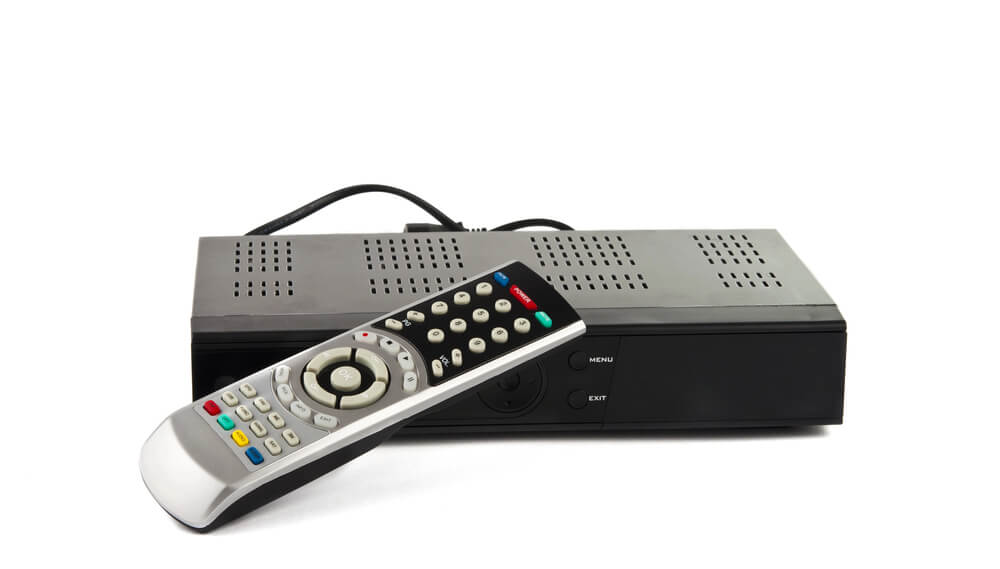
An early cable box wired directly to the television required a separate, often boxy remote tethered by a cord just long enough to reach the couch, forcing viewers to stay within a fixed radius of the set.
TV Trays for Dinner
Foldable metal trays with a patterned surface let a family eat dinner in front of the television without setting up the full dining table, stacked in a closet or against a wall when not in use.
Full Encyclopedia Set
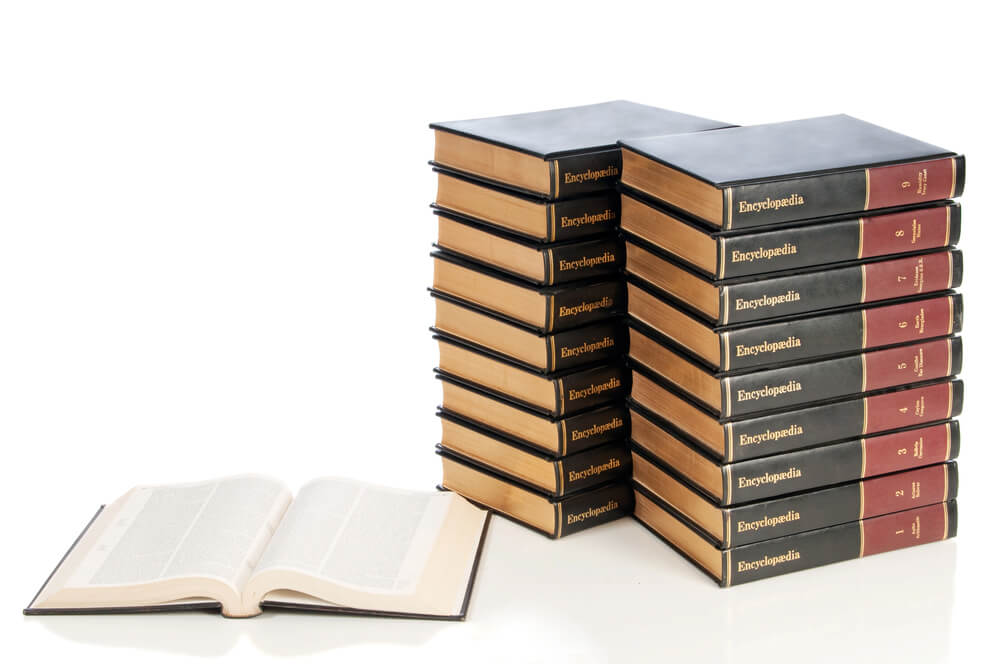
A matching row of hardcover volumes, usually purchased through a door-to-door salesperson or a grocery store promotion, occupied a full shelf and served as the household’s primary research tool before search engines existed.
Landline Telephone Extension
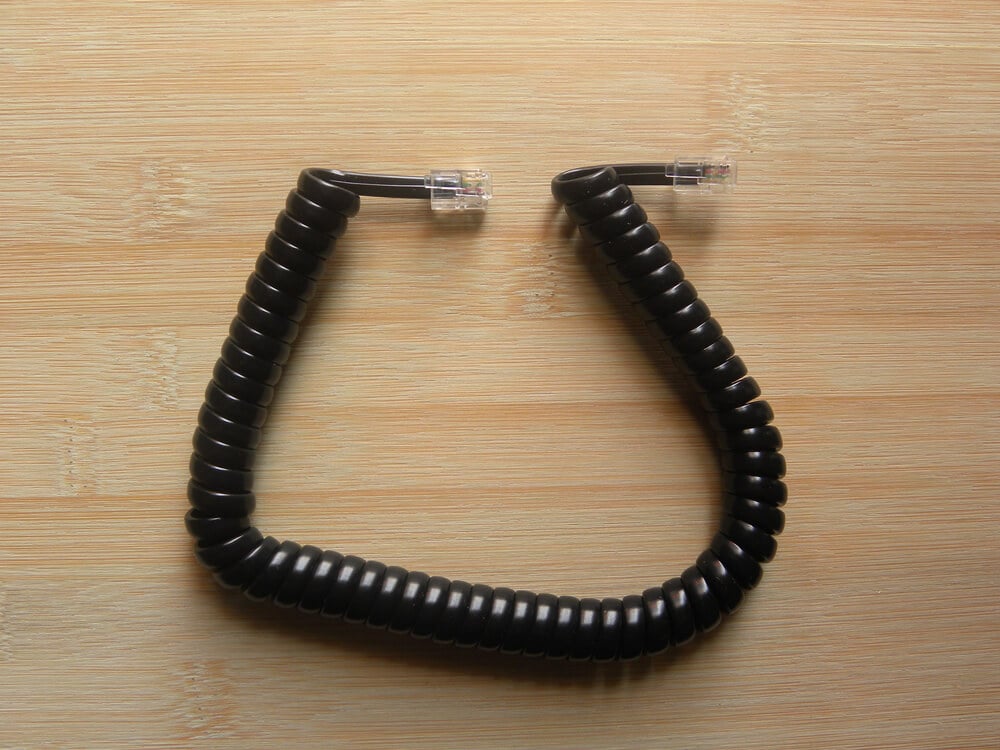
A second phone, wired directly into the wall and often sharing a line with the rest of the house, sat on a side table specifically so a call could be answered without leaving the room.
Answering Machine
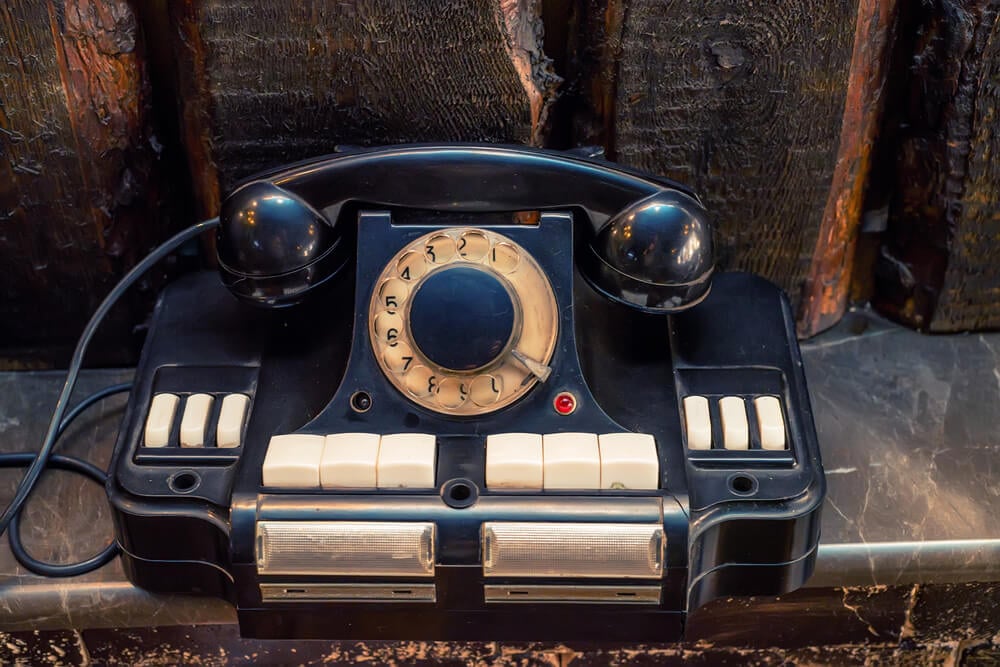
A small unit attached to the phone line recorded incoming messages onto a cassette tape, its blinking light announcing missed calls long before voicemail moved the same function onto a phone itself.
Board Game Closet
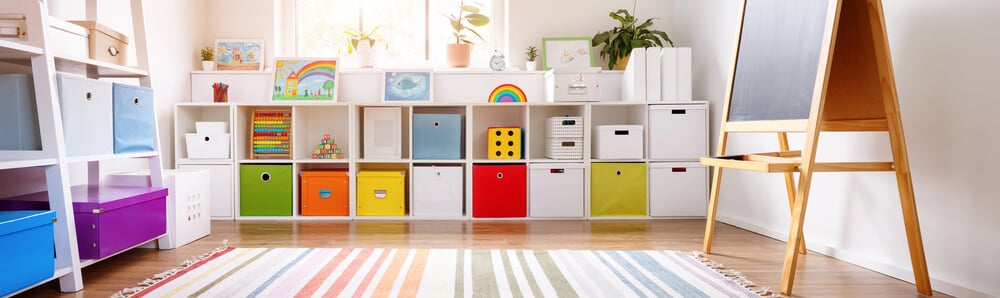
A stack of boxes in varying states of wear, missing pieces replaced with substitutes over the years, provided the default entertainment option whenever the television was off or the weather kept everyone indoors.
Record Player and Vinyl Collection

A turntable paired with a modest stack of albums gave a household its primary source of music, requiring a careful hand to lower the needle and regular cleaning to keep the sound free of pops and skips.
Card Table Set Up for Puzzles

A folding table, often left standing in a corner for weeks at a time, held a jigsaw puzzle in progress that the entire family contributed to a few pieces at a time.
China Cabinet Display
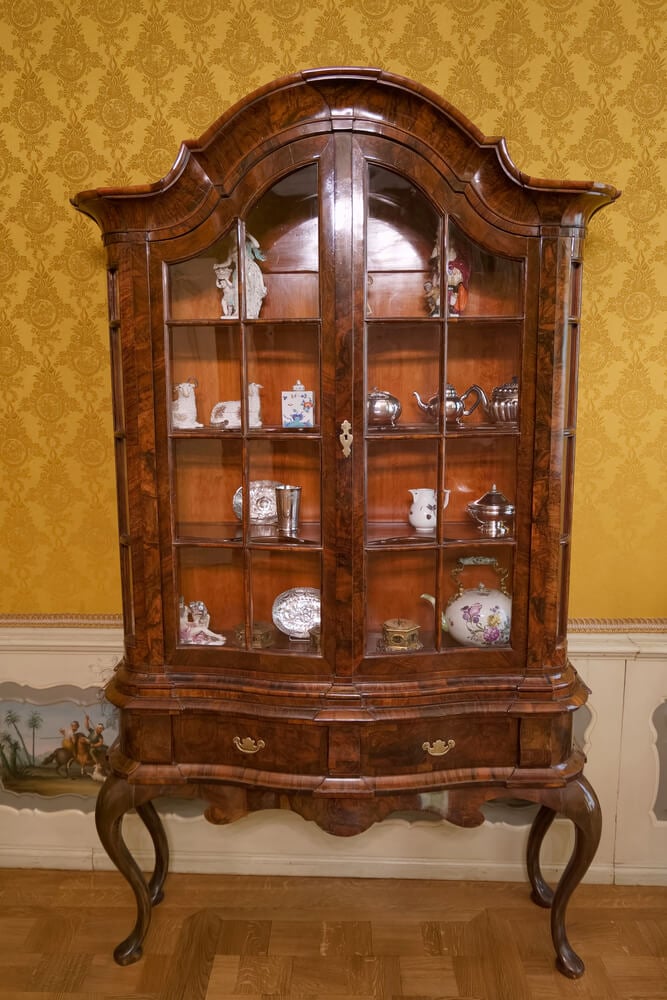
A glass-fronted cabinet held dishware that rarely left its shelves except for holidays, functioning more as a display case for inherited items than as functional storage.
Family Photo Albums on Display
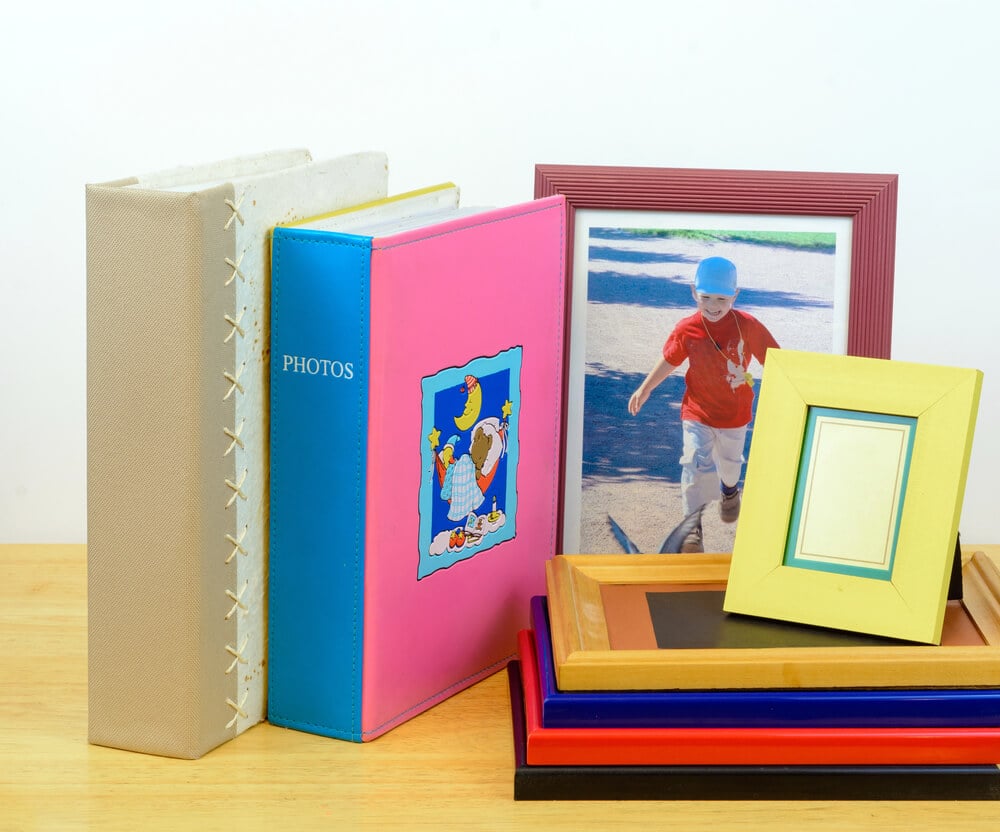
Thick, vinyl-covered albums with sticky pages held printed photographs organized loosely by year, kept on a low shelf specifically so visitors could page through them during a visit.
Wall Calendar From the Local Bank
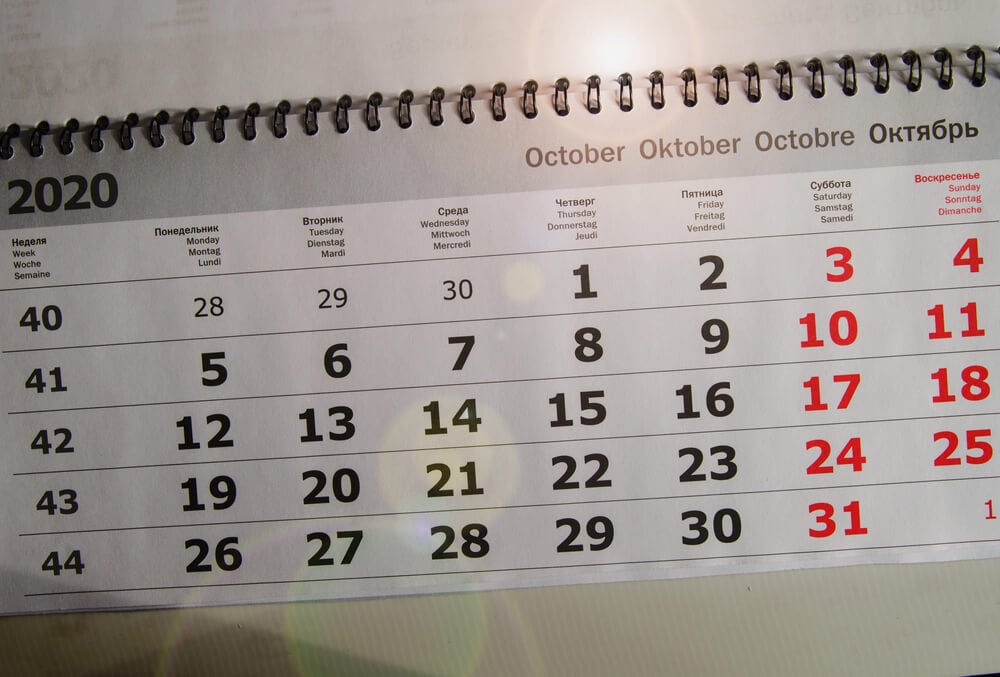
A free calendar, often featuring landscape photography and printed with a bank or insurance agency’s logo across the bottom, hung in nearly every kitchen and living room as a small piece of local advertising nobody thought twice about.
Curio Cabinet
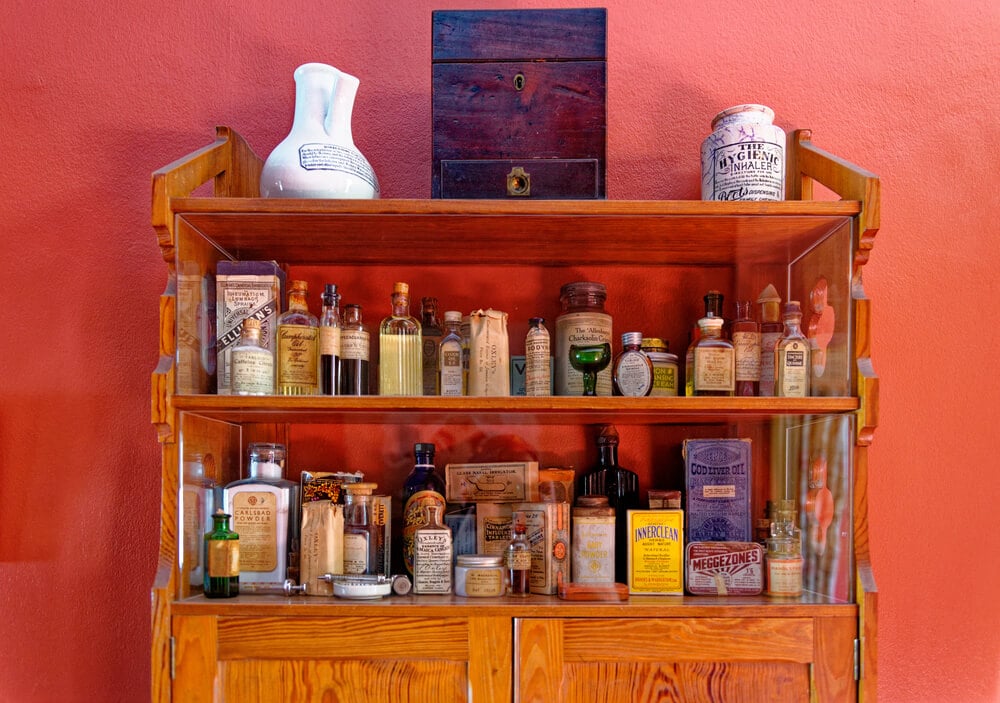
A tall, glass-shelved cabinet displayed a collection of small figurines or souvenirs, each item dusted individually during a periodic cleaning ritual that took considerably longer than wiping down a flat surface.
Coffee Table Magazine Stack

A rotating pile of subscription magazines, usually a mix of news, home, and hobby titles, sat within reach of the couch and doubled as reading material during commercial breaks.
Home Video Camera on a Tripod

A boxy camcorder, often requiring a full-sized cassette and a shoulder strap to operate comfortably, captured birthdays and holidays onto tapes that later needed a compatible player just to be watched again.
Nintendo Entertainment System
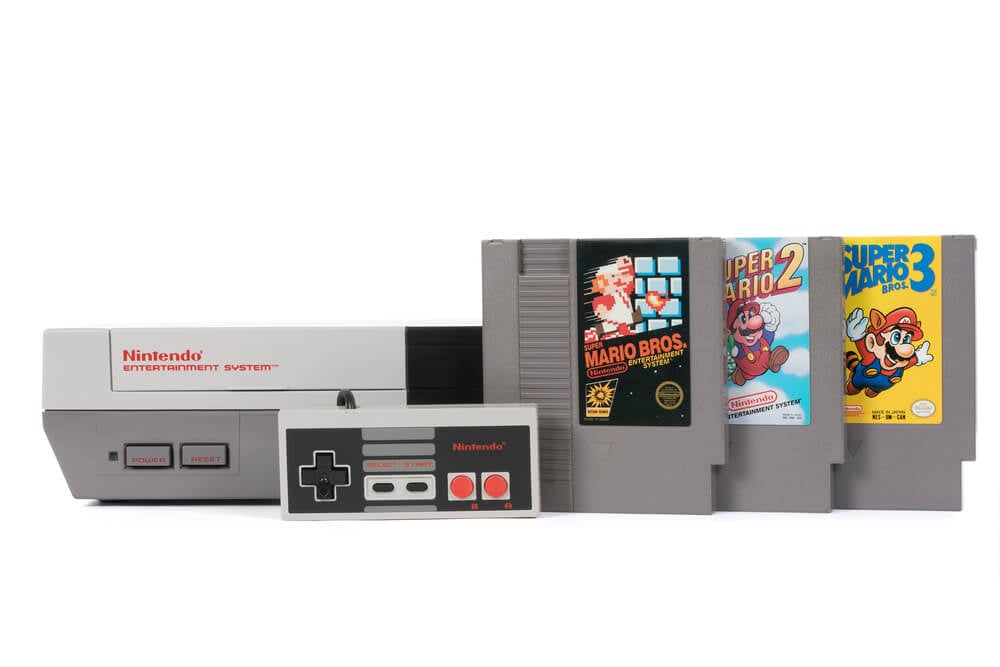
A gray rectangular console connected to the television through a switch box, its cartridge slot prone to needing a firm blow of air before a game would load properly.
Sega Genesis
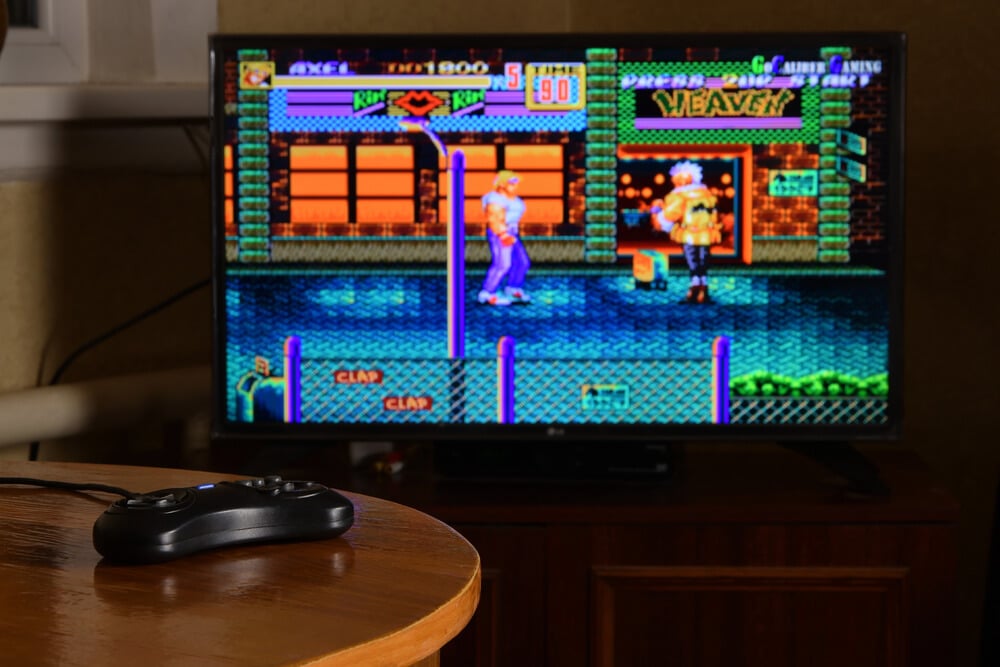
A black console positioned as a faster, more mature alternative to its main rival, plugged into the same television and often fought over between siblings with different game preferences.
Shag Carpet
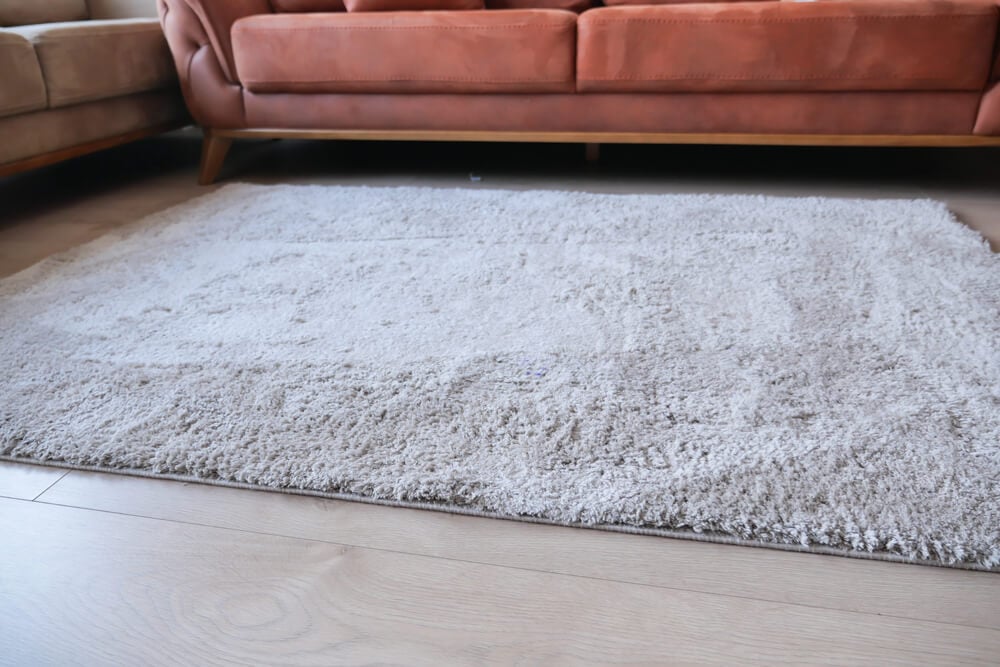
Long, dense carpet fibers covered entire living room floors in bold colors, requiring a specific rake-style tool just to keep the pile looking even after vacuuming.
Wood-Paneled Walls
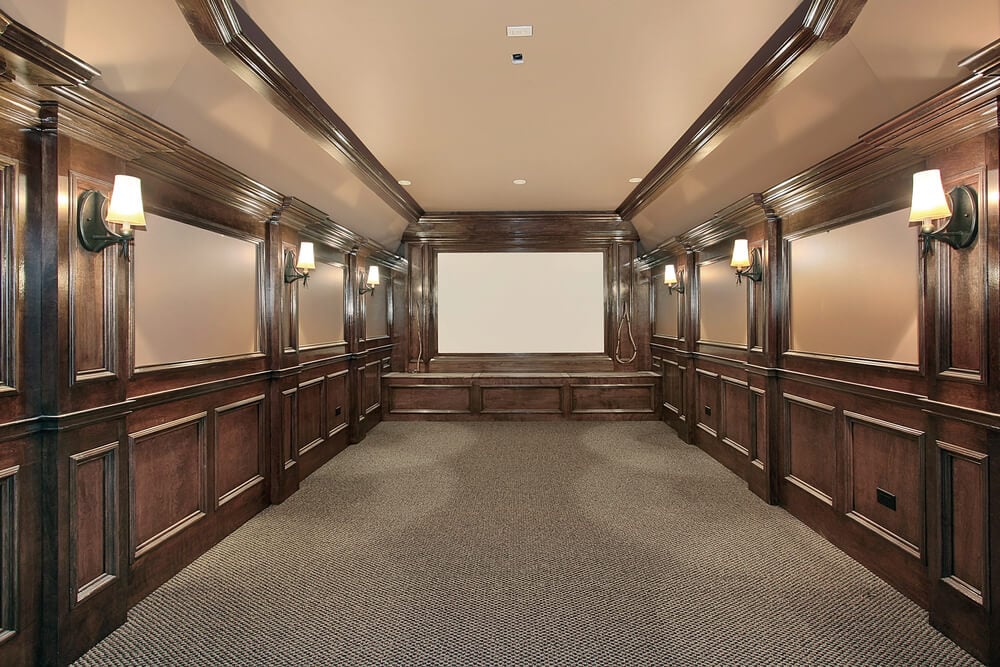
Sheets of imitation wood grain paneling covered entire living room walls, giving rooms a warm, dim quality that later renovations often replaced with painted drywall entirely.
Recliner With a Built-In Footrest
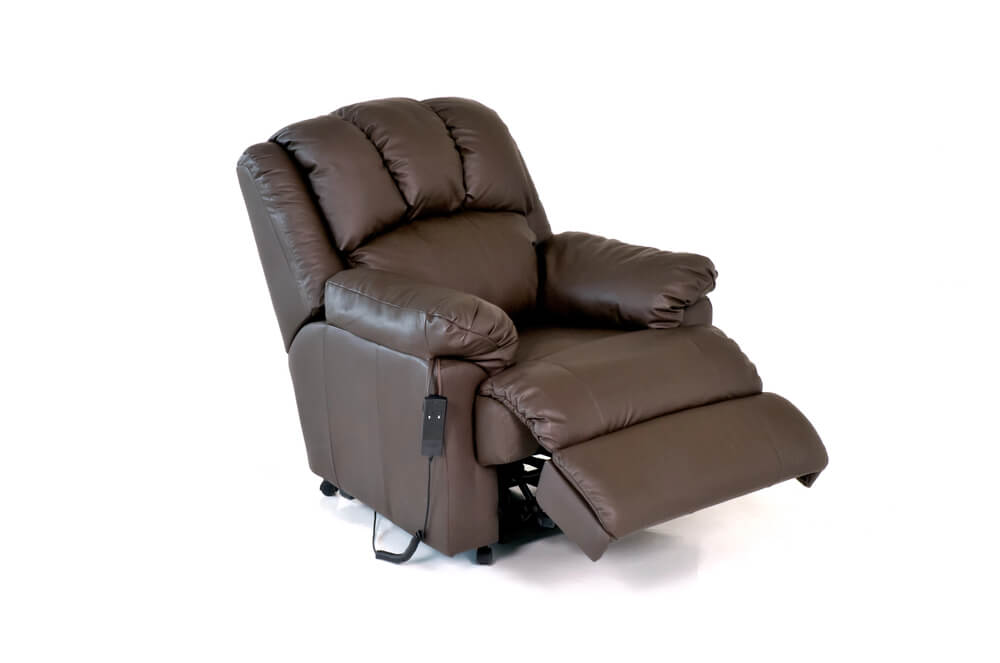
A single oversized chair, usually claimed permanently by one household member, sat closest to the television and came equipped with a side lever that extended a footrest with a distinct mechanical clunk.
Hi-Fi Cabinet
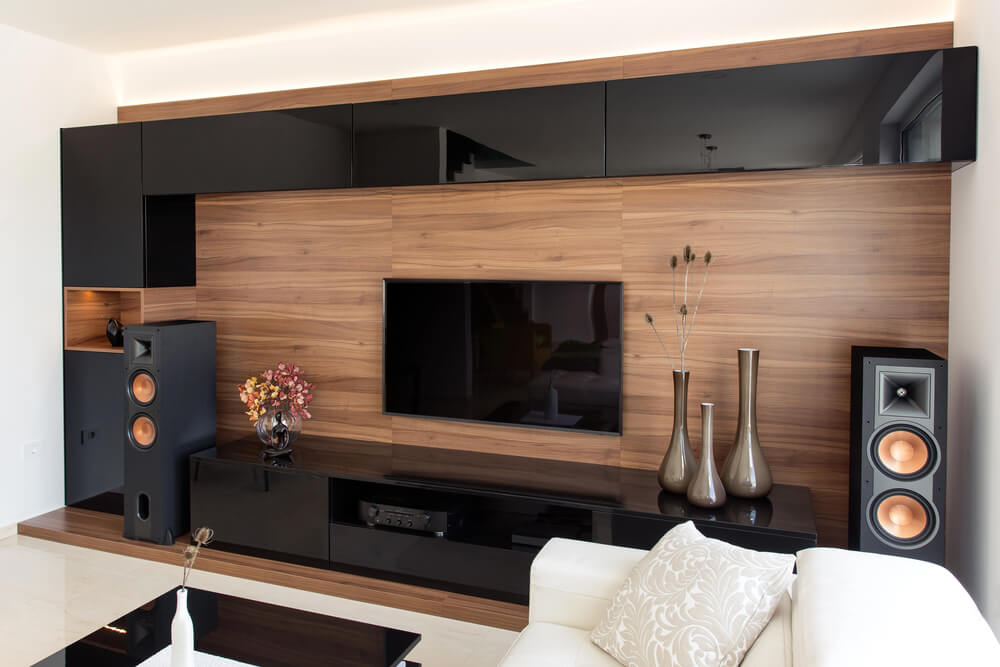
A tall wooden cabinet housed a receiver, turntable, and speaker system behind hinged doors, treating the household’s entire audio setup as a single piece of furniture rather than separate stackable components.
Rotary-Style Wall Phone With a Long Cord
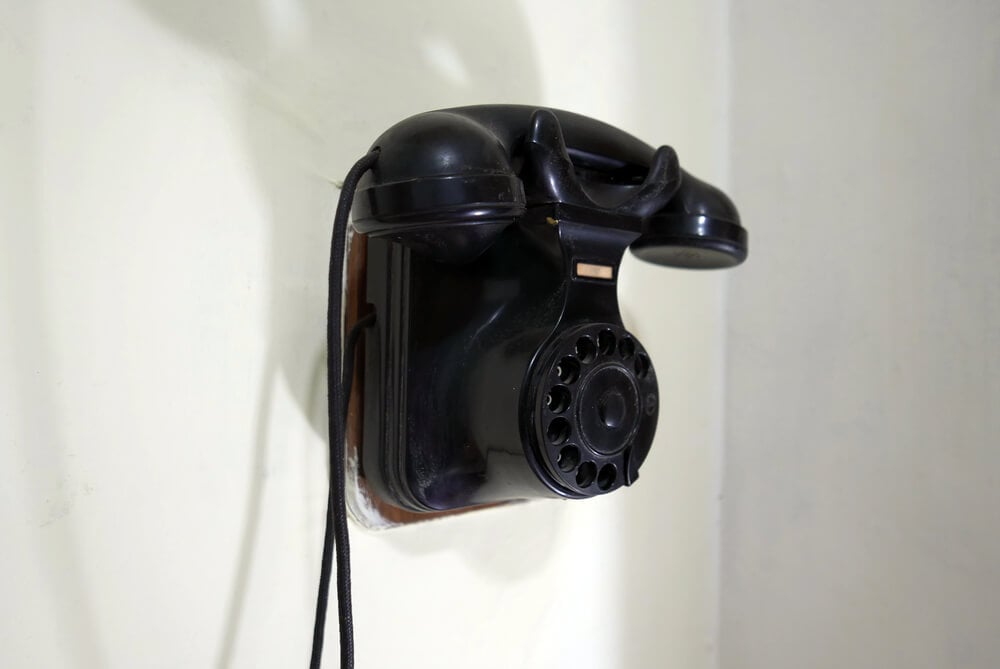
A phone mounted directly to the wall, its cord stretched and tangled from years of being pulled around a corner for a private conversation, remained functional long after push-button models became standard elsewhere in the house.
Doilies on Armrests
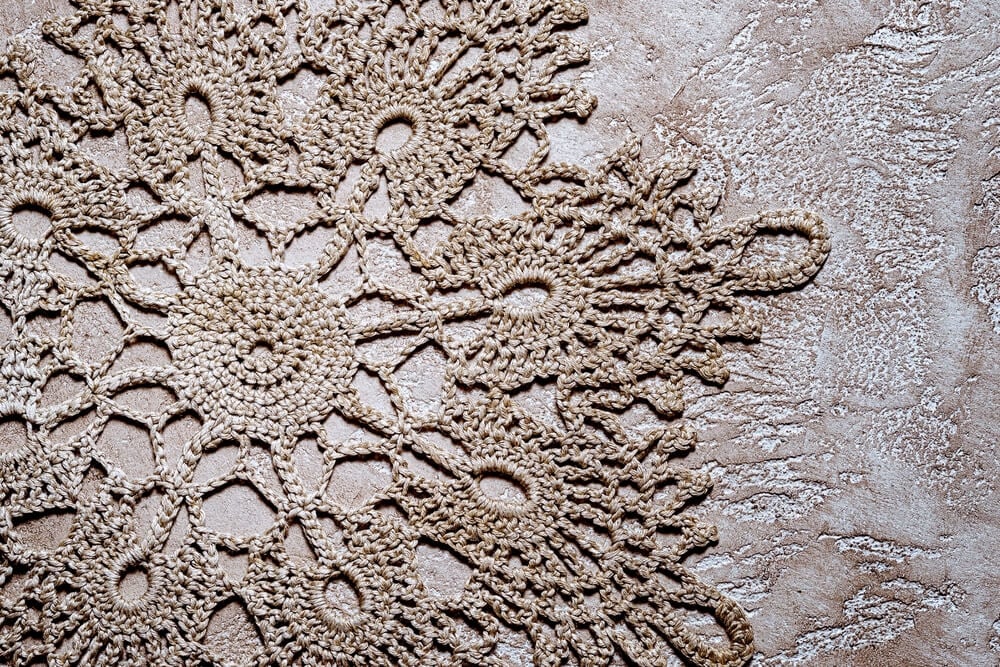
Small, crocheted fabric squares placed over the arms and headrests of upholstered furniture protected the fabric underneath from wear, replaced periodically once they had absorbed enough years of use to show it.
Decorative Candy Dish

A glass or crystal bowl sat within reach of the couch, kept filled with hard candy that seemed to last indefinitely regardless of how often a piece was taken from it.
Piano or Organ Against the Wall
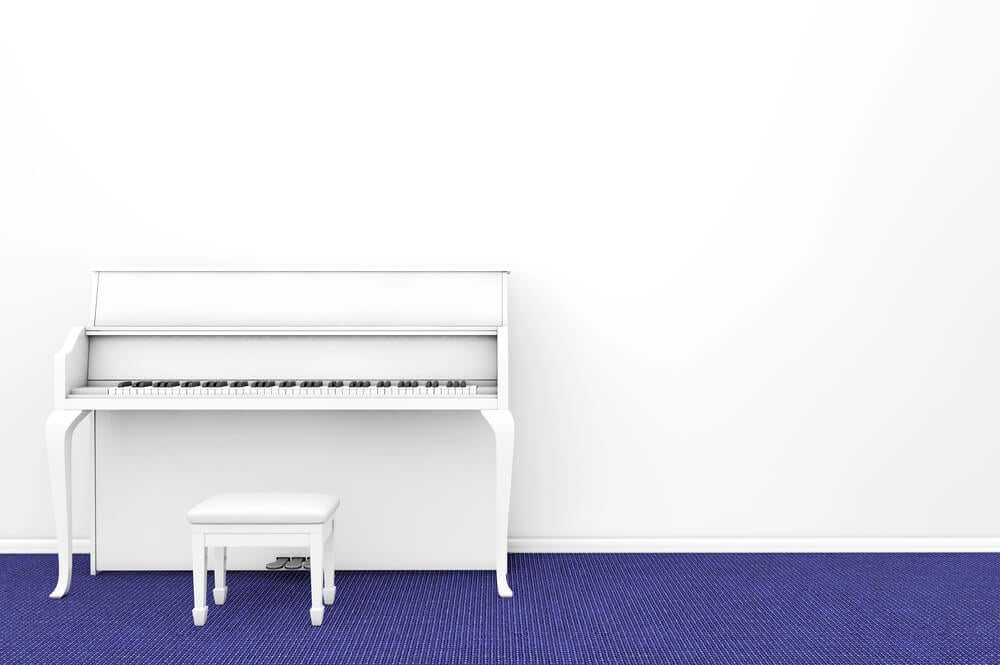
An upright piano or a home organ occupied a significant portion of wall space in many living rooms, played occasionally by whichever family member had taken lessons and largely decorative the rest of the time.
A Stack of Rental Tapes Waiting to Be Returned
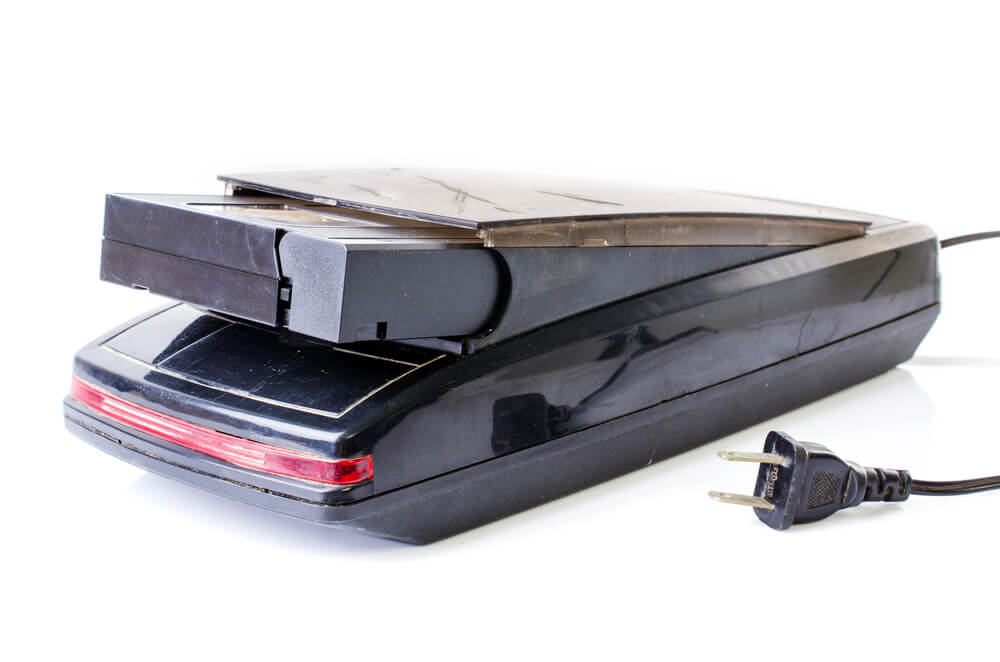
A small pile left by the front door reminded whoever was leaving the house next that a due date was approaching, often accompanied by a mental calculation of exactly how much a late fee would cost.
Framed Cross-Stitch Art
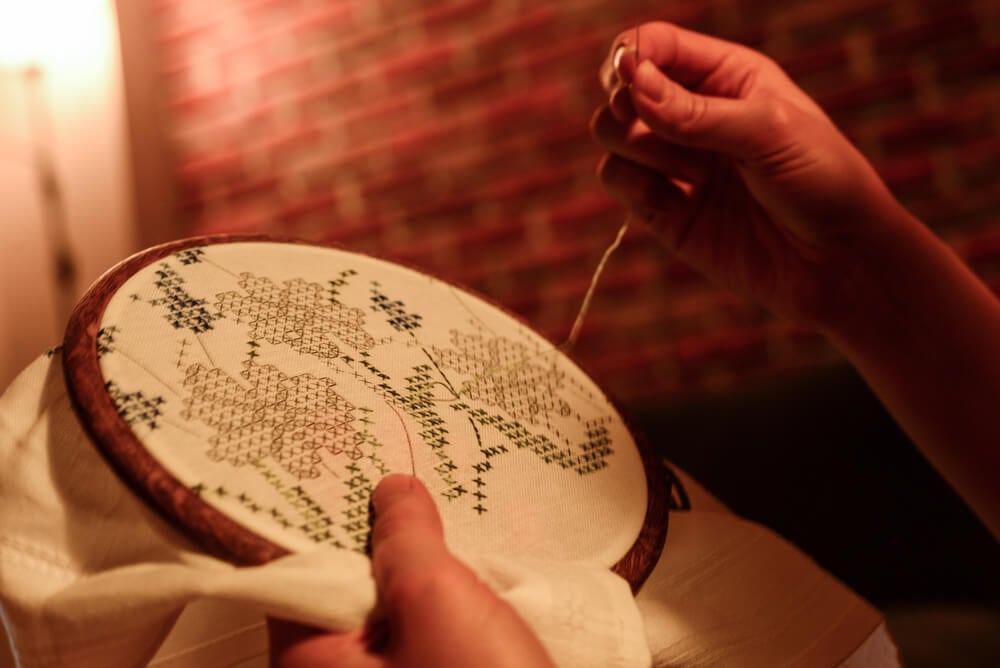
Hand-stitched patterns, often featuring a simple phrase or a floral design, hung framed above the couch or television as one of the more common pieces of handmade decor in a typical living room.
A Landline Phone Book
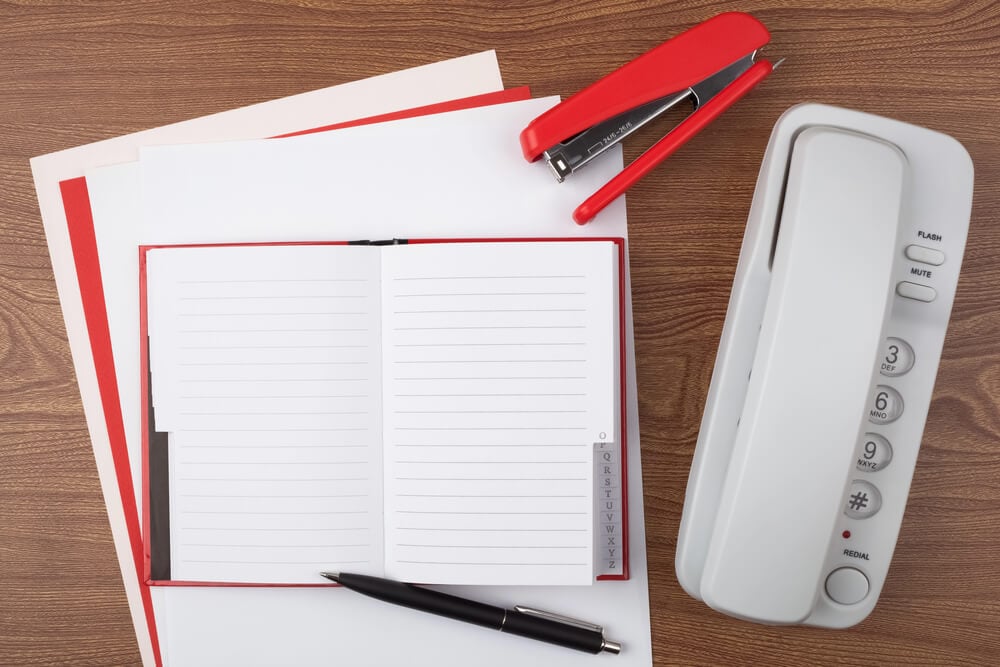
A thick, regularly replaced directory listing every household and business number in the area sat near the phone, its yellow pages section doubling as the default way to find a local business before search engines existed.
The Room That Waited for You
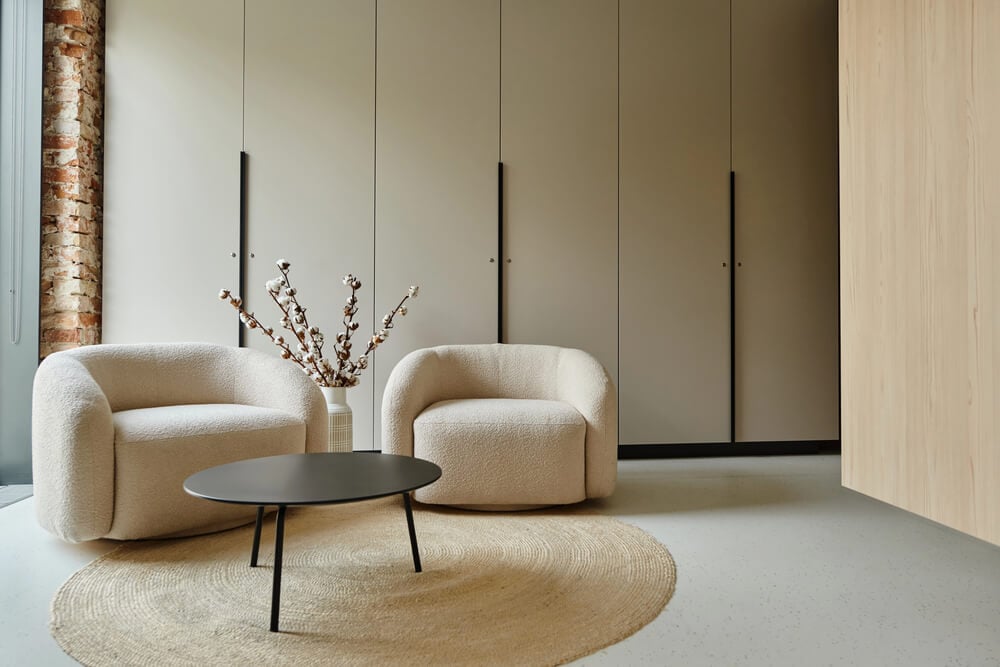
Every object on this list demanded a small amount of patience that a modern living room no longer requires, whether that meant waiting for a tape to rewind or driving to a store before a movie could even begin. The room itself was built around delay, and delay shaped how families spent time together inside it.
What has replaced all of it is faster and objectively more convenient, but the specific texture of that older living room, part clutter and part ritual, has not been fully recreated by anything since. A shelf of encyclopedias never loaded a page instantly, but it also never asked for a password.
More from Go2Tutors!

- The Romanov Crown Jewels and Their Tragic Fate
- 13 Historical Mysteries That Science Still Can’t Solve
- Famous Hoaxes That Fooled the World for Years
- 15 Child Stars with Tragic Adult Lives
- 16 Famous Jewelry Pieces in History
Like Go2Tutors’s content? Follow us on MSN.