Bizarre Taxes People Actually Had to Pay
Over time, rulers came up with all kinds of ways to make cash.
A few of those taxes actually worked back then.
But some were just odd.
Instead of beards being cool, they cost extra.
Houses with more windows meant higher bills.
These real-life charges prove how wild tax ideas got when funds ran low.
Check out a few odd fees folks once had to cover – yep, every single one’s true.
The Window Tax

England introduced this gem in 1696, and it lasted until 1851.
The logic was simple: bigger houses had more windows, so tax the windows and you’d tax the wealthy.
In practice, people just bricked up their windows to avoid paying.
Walk through old English towns today and you’ll still see buildings with bricked-over window spaces (a literal architectural scar from bad tax policy).
The tax created darker, less ventilated homes and probably contributed to health problems, but hey, at least the government got their money.
Peter the Great’s Beard Tax
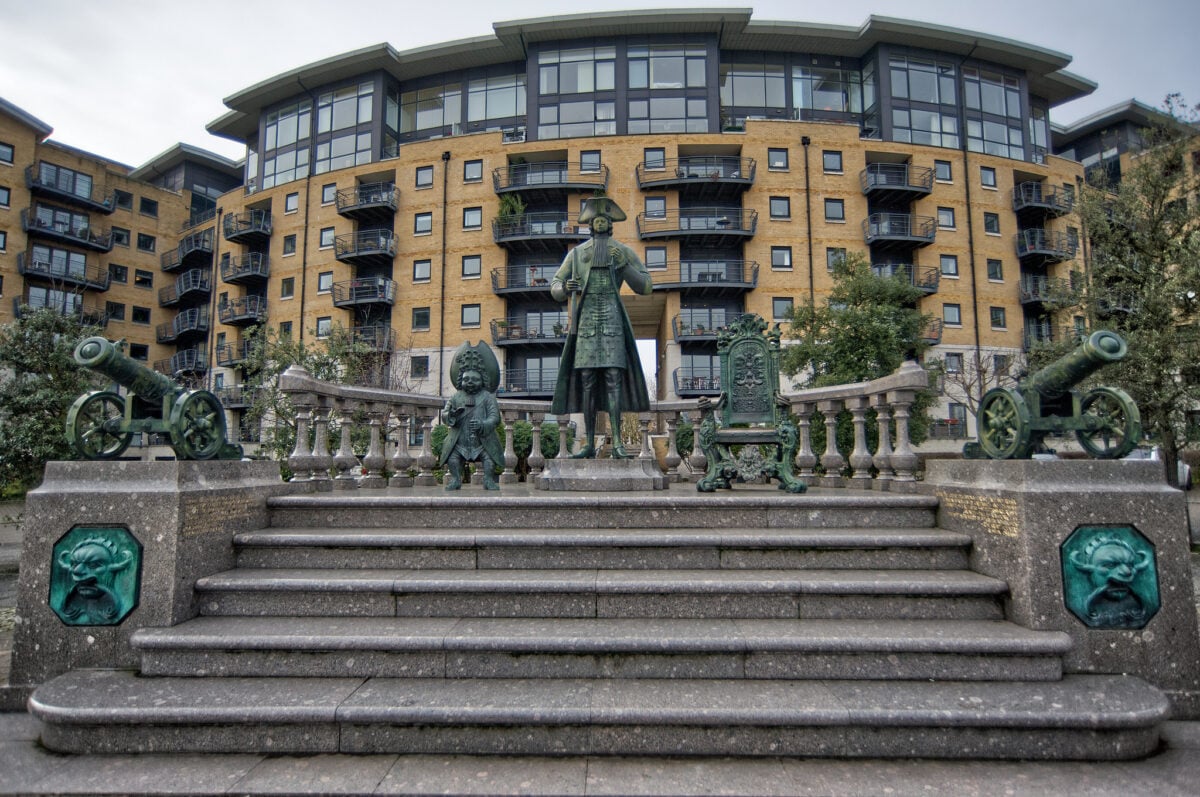
In 1698, Russian Tsar Peter the Great decided beards were old-fashioned and needed to go. So he taxed them.
If you wanted to keep your beard, you paid annually and received a token as proof of payment.
The token literally said “the beard is a useless burden” on it.
Peasants got a pass, but nobles and merchants had to pay up or shave.
Peter was trying to westernize Russia, and apparently facial hair was standing in the way of progress.
The Hat Tax
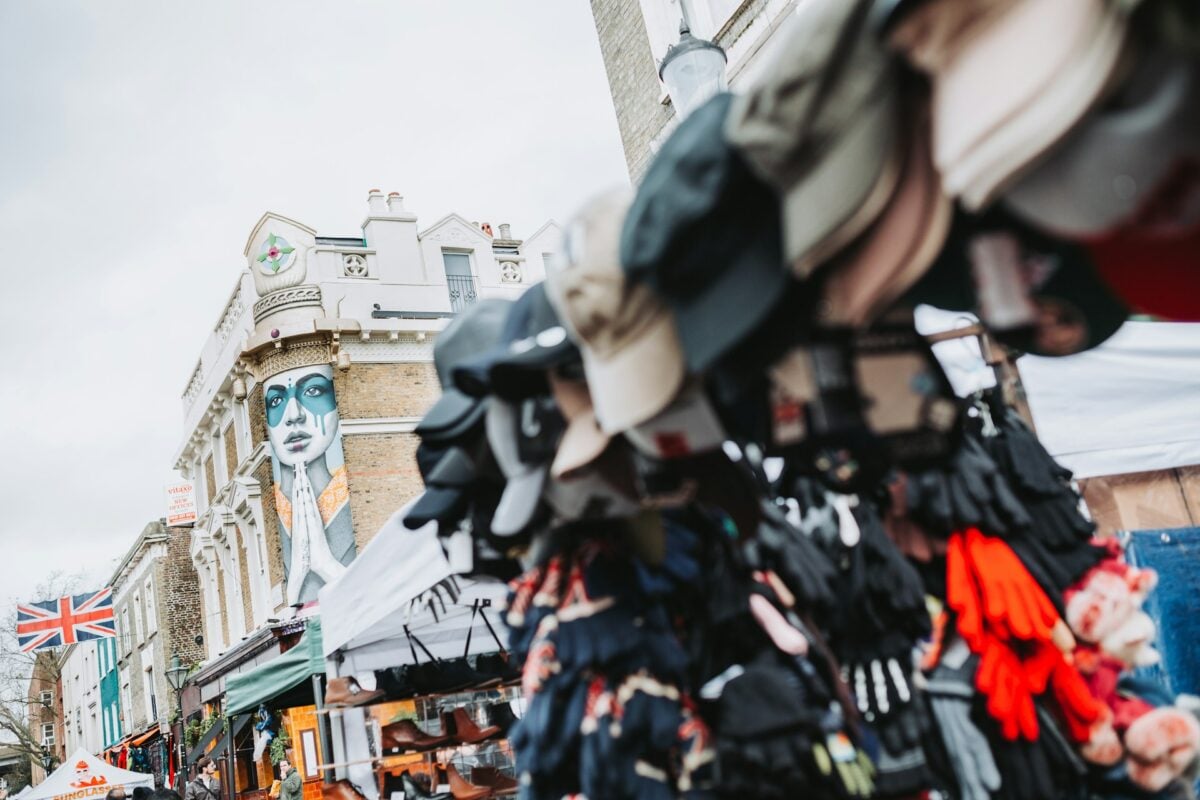
Great Britain couldn’t resist taxing hats in 1784, because clearly windows weren’t enough.
Hatmakers had to get licenses, and customers paid tax based on the hat’s value.
People responded by just calling their headwear something other than “hats” to dodge the tax, or they bought from illegal hatmakers.
The tax lasted until 1811, and mainly succeeded in annoying everyone while raising less money than expected.
Playing Card Tax
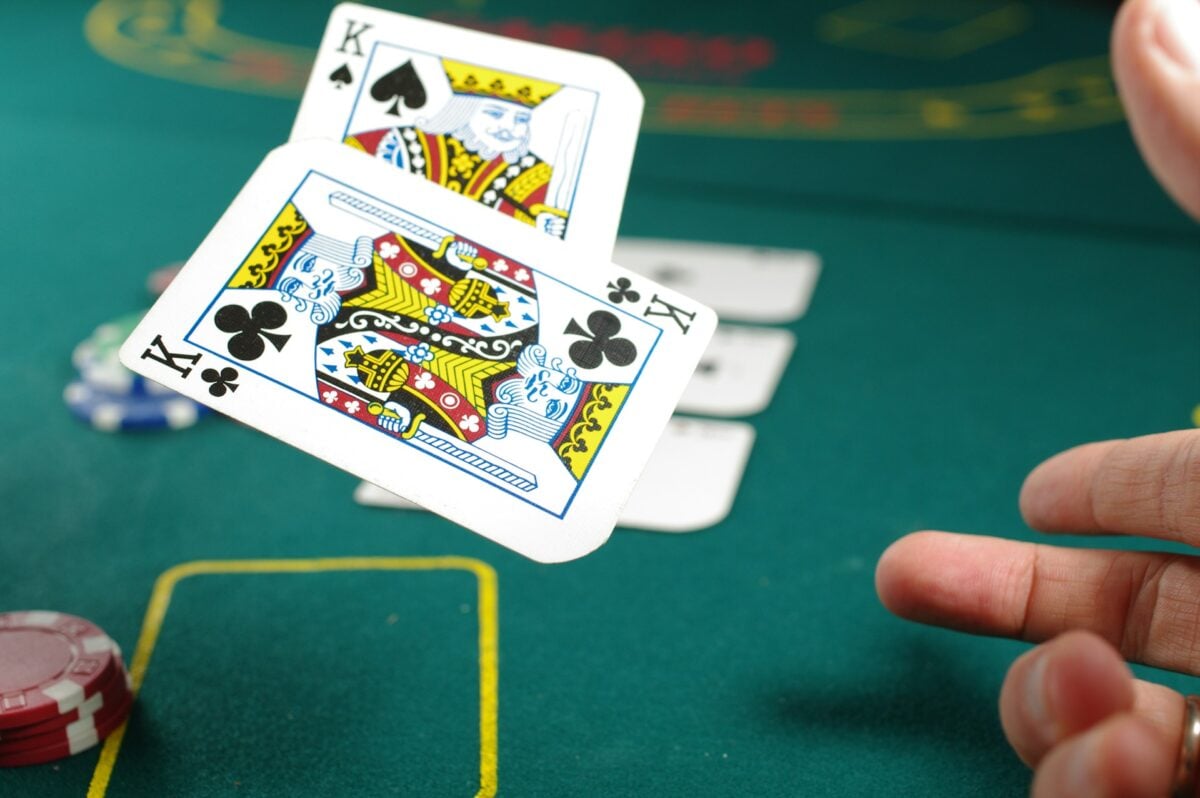
England taxed playing cards starting in 1588 (they really loved their taxes).
One card in each deck had to be stamped to prove the tax was paid, which is why the Ace of Spades often looks fancier than other cards—it was the stamped card.
The tax spread to America, and colonists hated it so much it became one of the grievances leading to the Revolution.
Cards were serious business, apparently.
The Bachelor Tax

Multiple countries have tried taxing unmarried men over the years.
England did it in 1695. Rome under Augustus penalized bachelors.
Even Missouri introduced a bachelor tax in 1820 (one dollar annually for men between 21 and 50).
The logic was that bachelors didn’t contribute to society by raising families, so they should pay extra.
Plus governments figured unmarried men had more disposable income anyway.
The taxes rarely lasted long and were basically impossible to enforce fairly.
Soap Tax
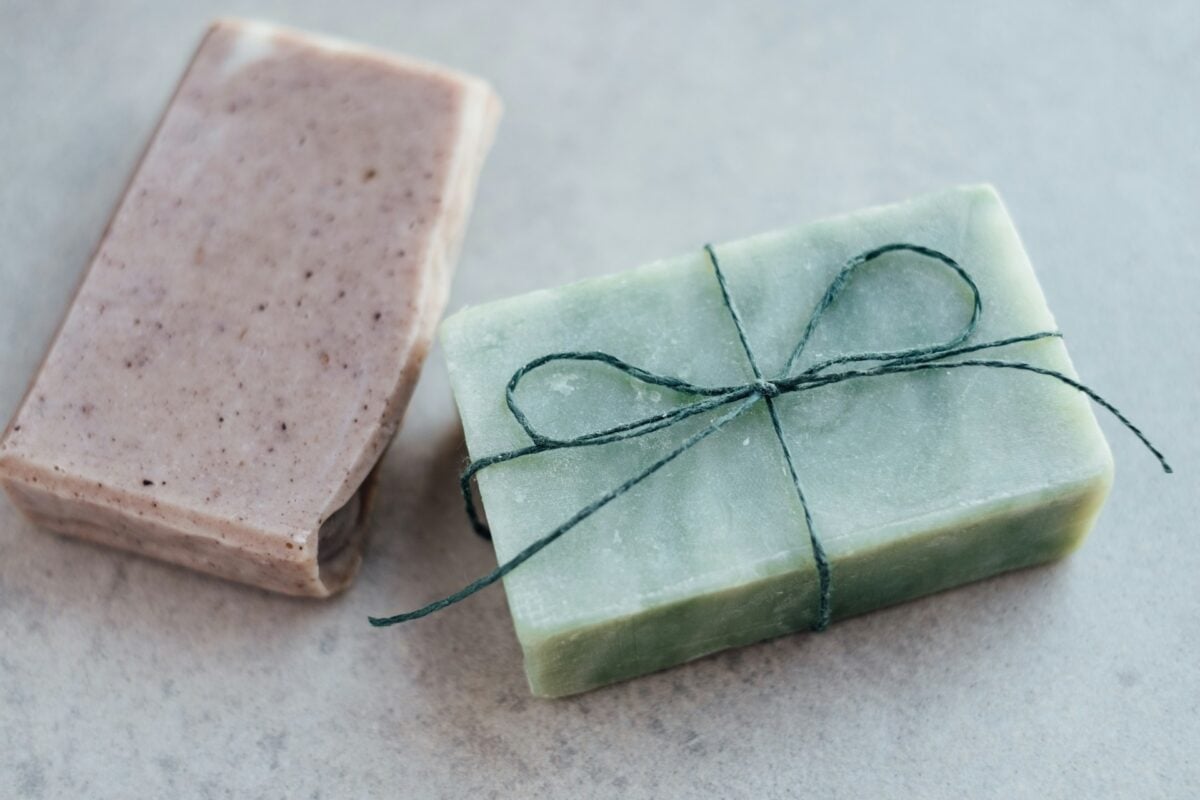
Britain taxed soap from 1712 to 1853.
Yes, soap.
The thing people need to stay clean.
The tax made soap expensive enough that poor people couldn’t afford it regularly, which contributed to disease and poor hygiene during a time when cholesterol and typhoid were already killing thousands.
Social reformers fought for decades to repeal it, arguing that taxing cleanliness was insane public policy (they were right).
When it finally got repealed, soap consumption in Britain doubled within a few years.
The Wallpaper Tax
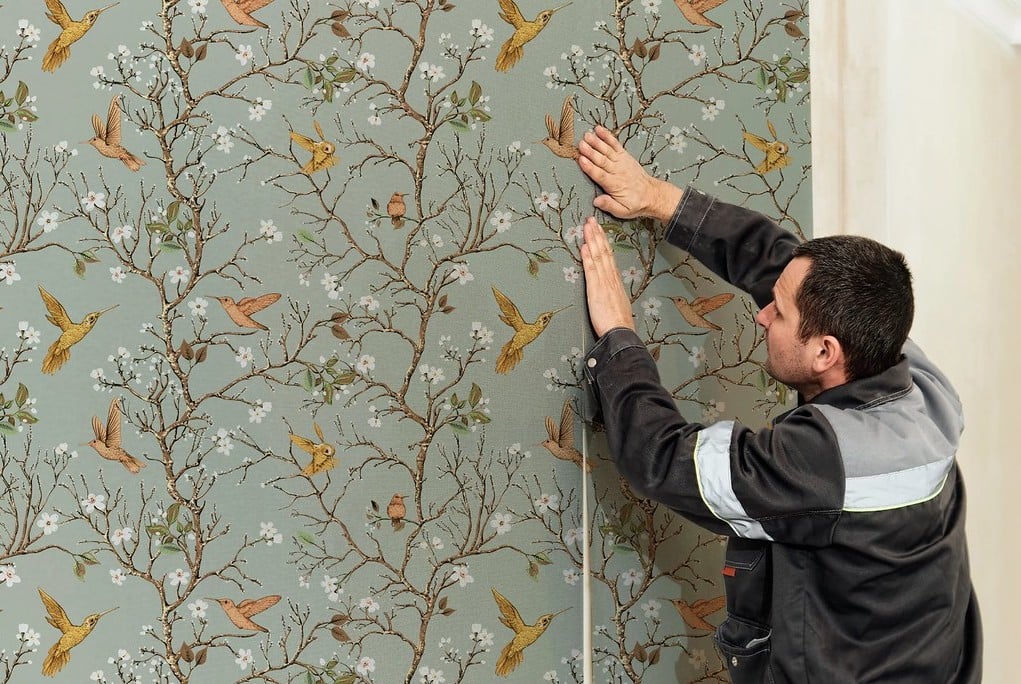
Why stop at windows when you could also tax wallpaper?
Britain introduced this in 1712, taxing wallpaper by the sheet.
People responded by hanging plain paper and then painting designs on it themselves, which technically wasn’t wallpaper.
The government caught on and started taxing painted wall decorations too.
Eventually they gave up on the whole thing in 1836.
The tax did manage to make fancy wallpaper a status symbol though, since only wealthy people could afford decorated walls.
Salt Tax in France
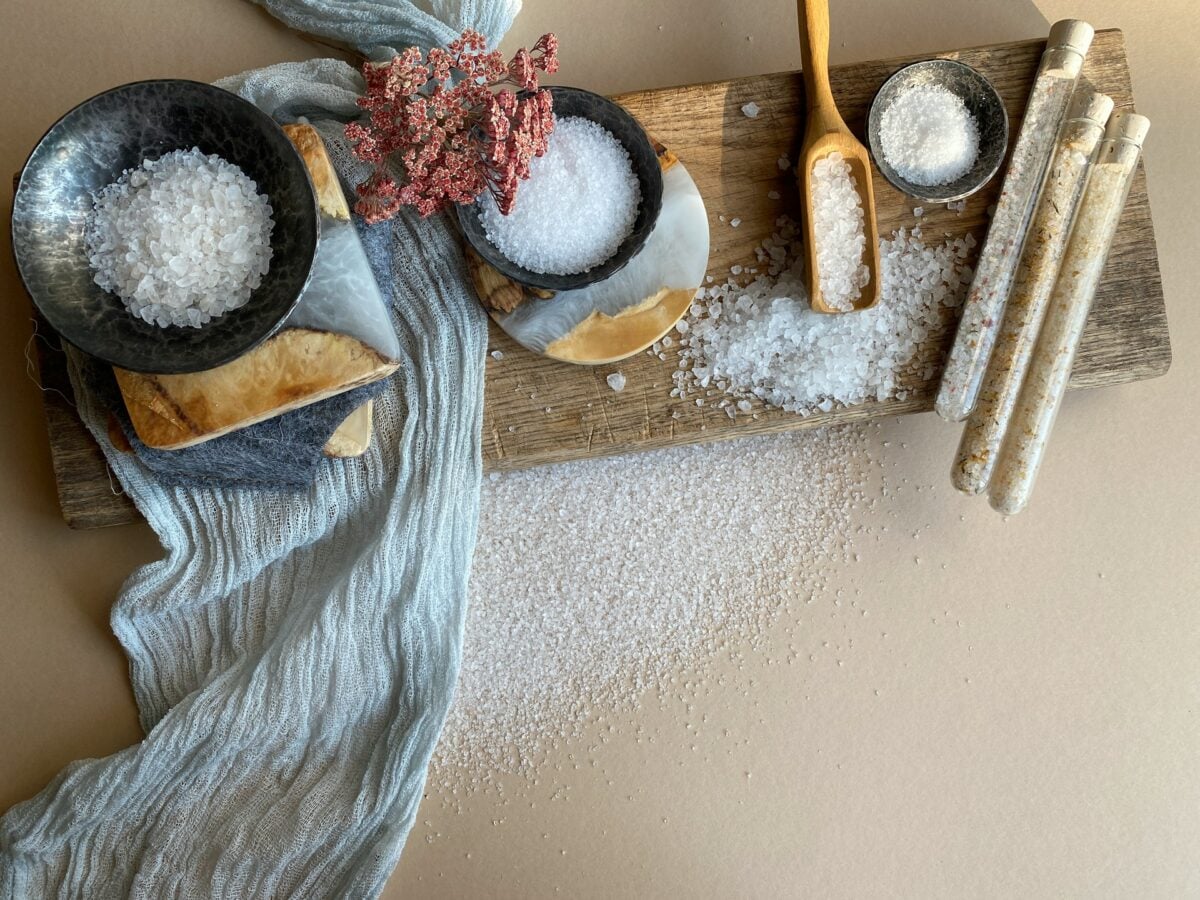
The gabelle, France’s salt tax, was one of the most hated taxes in French history and helped spark the French Revolution.
Salt was essential for preserving food, but the tax made it incredibly expensive and was enforced brutally.
Different regions paid different rates (because nothing says fair taxation like arbitrary regional pricing), and smuggling salt could get you sent to the galleys or executed.
When the Revolution came, abolishing the gabelle was one of the first things people demanded.
The Brick Tax
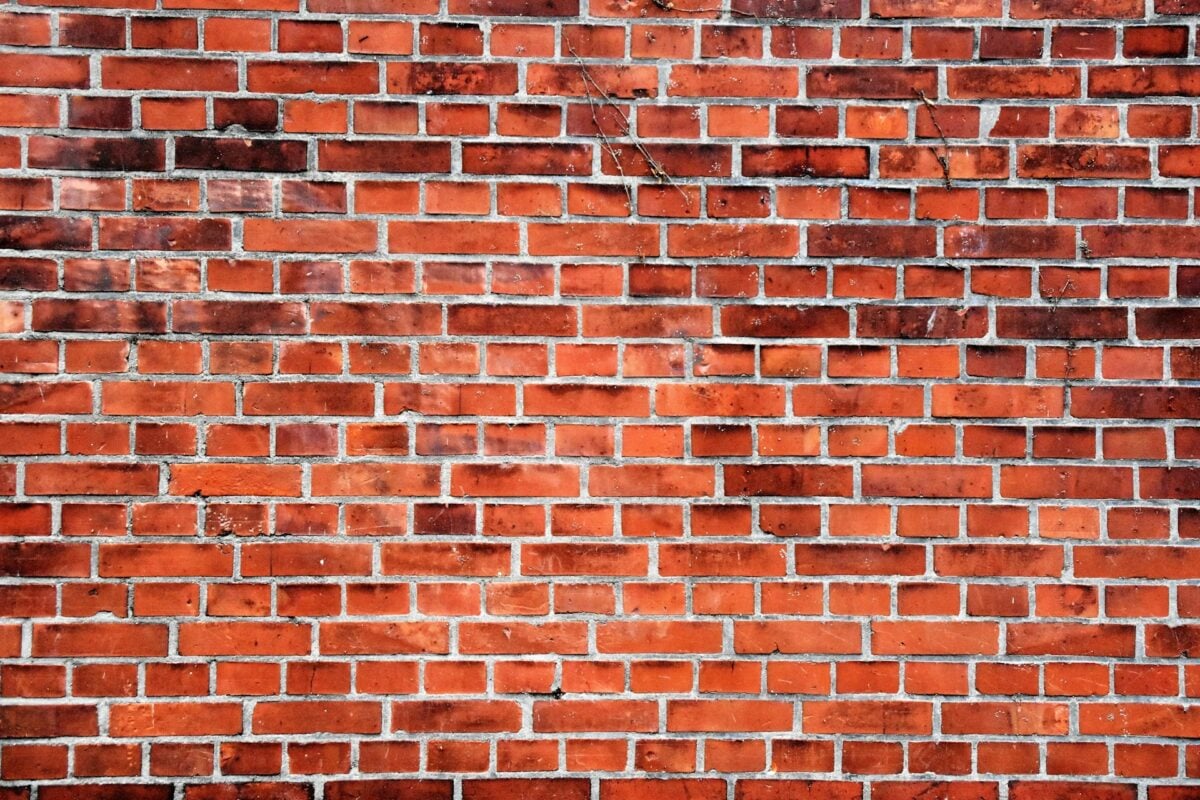
In 1784, Britain decided to tax bricks.
Builders responded by making larger bricks to reduce the number they needed, which is why you can still find oversized bricks in buildings from that era.
The government then changed the tax to charge by weight instead of quantity, because apparently they had nothing better to do than engage in an arms race with the construction industry.
It lasted until 1850 and mainly just made building houses more complicated and expensive.
Cow Flatulence Tax
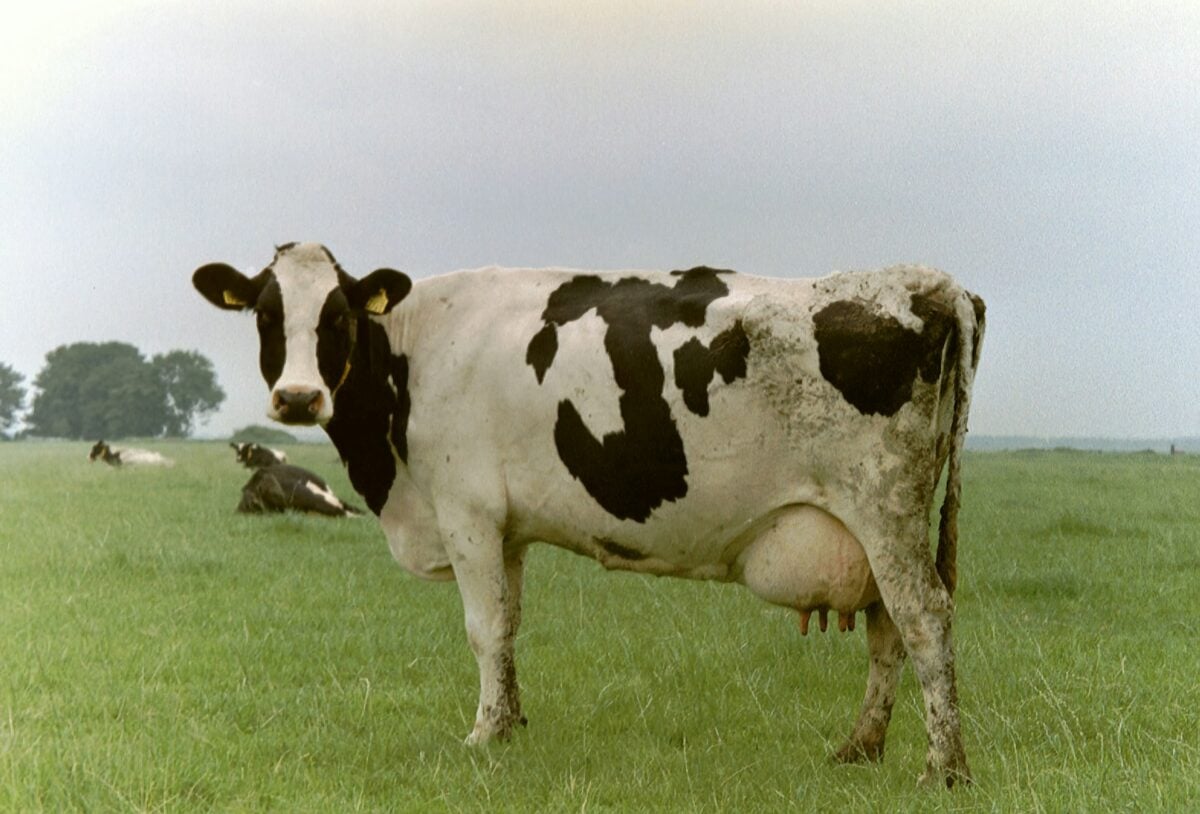
Estonia proposed taxing livestock farmers based on the methane their cows produced (yes, cow farts). The idea was to reduce greenhouse gas emissions.
New Zealand tried something similar.
Neither tax really took off in any significant way, probably because measuring cow flatulence on a national scale is exactly as impractical as it sounds, but the proposals got serious consideration.
Modern environmental taxes get weird sometimes.
The Jizya Tax

Non-Muslims living in Islamic states historically paid the jizya, a tax for practicing a different religion.
It exempted them from military service and theoretically guaranteed protection.
The amount varied wildly depending on where and when you lived—some rulers kept it reasonable, others made it deliberately oppressive to force conversions.
The Ottoman Empire collected it for centuries until finally abolishing it in 1856 under pressure from European powers and reformers within the empire.
Television License Fee

Britain still charges an annual fee to own a television—currently around £159.
The money funds the BBC, and you legally need a license to watch or record live TV.
People who don’t pay can face prosecution and fines.
Other countries like Germany and Japan have similar systems.
It’s basically a mandatory subscription tax, and enforcement involves detector vans that supposedly can tell if you’re watching TV (the effectiveness of these vans is heavily debated, and they might be partly a scare tactic).
Blueberry Tax

Maine taxes blueberries.
Specifically, they tax wild blueberries at a different rate than cultivated ones (1.5 cents per pound for wild, nothing for cultivated).
The tax funds the Wild Blueberry Commission of Maine, which promotes the state’s blueberry industry.
So essentially blueberry farmers pay a tax that goes toward advertising their own product.
It’s circular and weird, but apparently it works well enough that nobody’s gotten rid of it yet.
Why Governments Keep Doing This
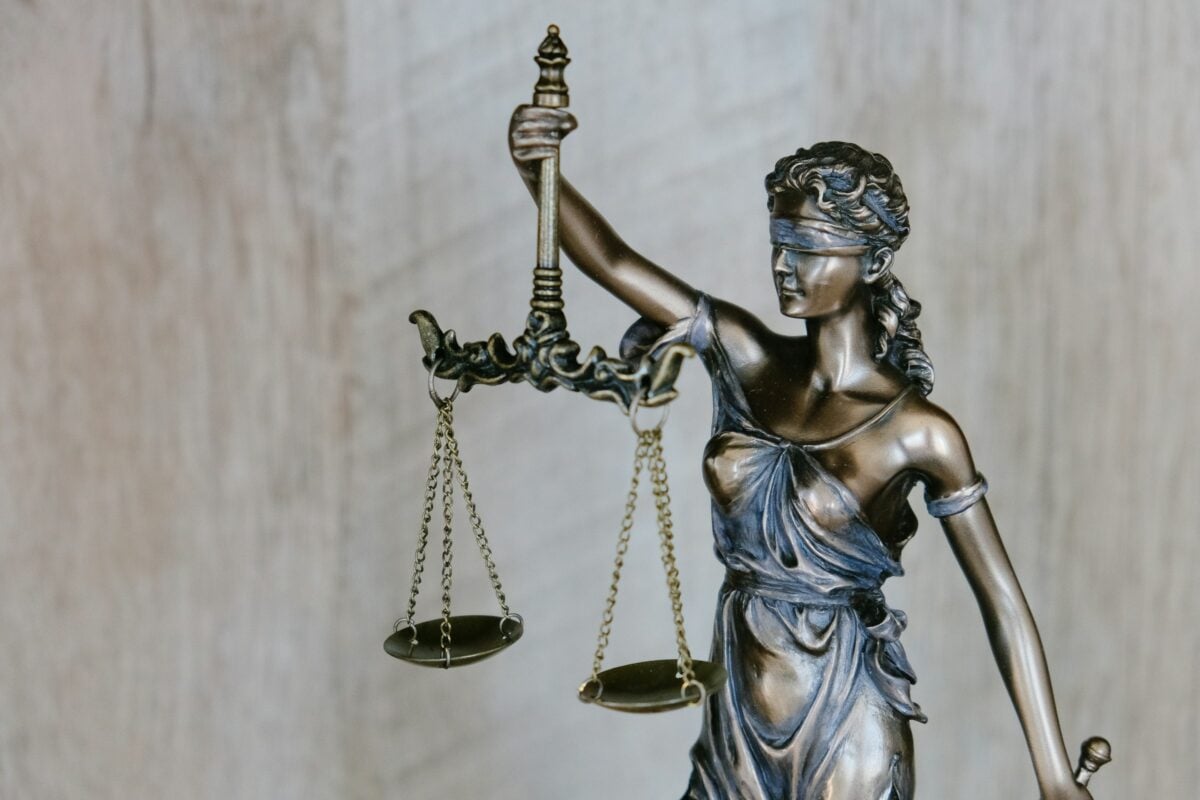
You’d figure after hundreds of years of odd taxes, folks would catch on – but nope, today’s leaders still dream up wild fees.
In New York, there’s a charge on bagels… but only when they’re cut open.
Some places slap fees on shows or games, though the cost jumps around depending on the event.
People argue nonstop about slapping levies on sugary drinks or online movies.
It’s always the same game: cash runs short, someone points at random things, then boom – a weird new fee pops up.
Same old cycle, just fresh targets
More from Go2Tutors!

- The Romanov Crown Jewels and Their Tragic Fate
- 13 Historical Mysteries That Science Still Can’t Solve
- Famous Hoaxes That Fooled the World for Years
- 15 Child Stars with Tragic Adult Lives
- 16 Famous Jewelry Pieces in History
Like Go2Tutors’s content? Follow us on MSN.