Vintage Horror Movies That Shocked Audiences
Long before streaming and content warnings, a scary movie could empty a theater, trigger a lawsuit, or damage a director’s career. Audiences fainted, critics howled, and censors reached for their scissors, often making the film more famous in the process.
The titles below all were released before 1980, and each one provoked a real reaction, from censorship battles and walkouts to publicity stunts and box office surprises. Some were dismissed as filth on release and are now treated as classics.
The Exorcist and the Lines That Wrapped Around Theaters
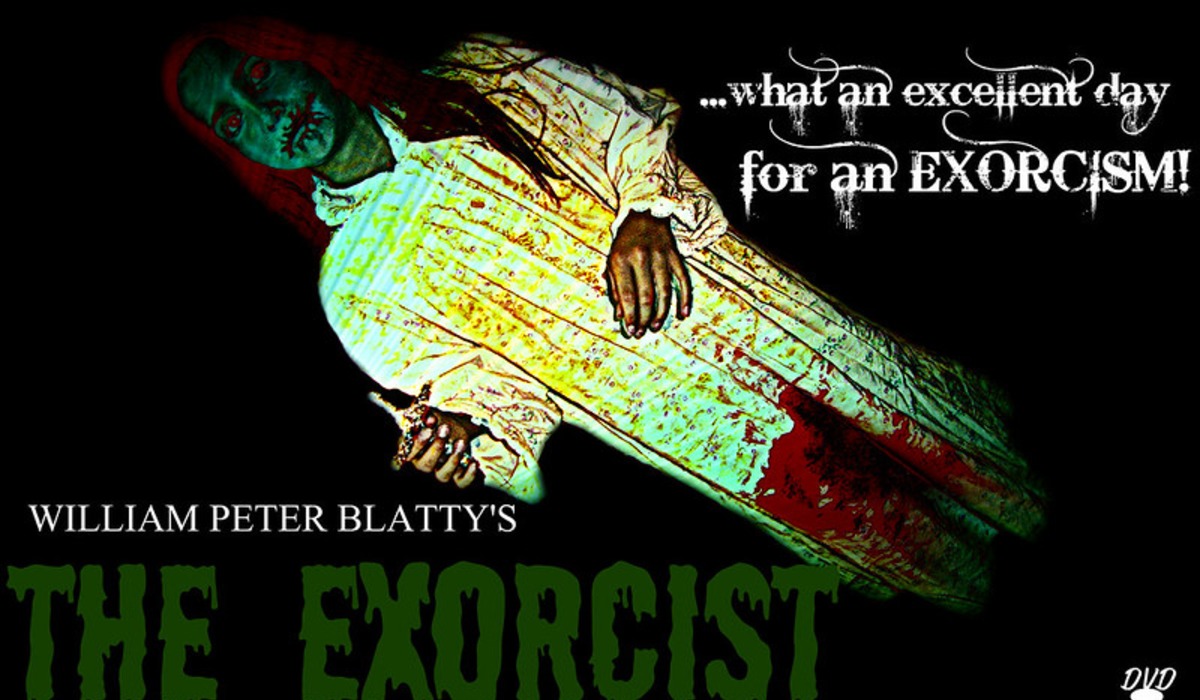
William Friedkin’s 1973 adaptation of William Peter Blatty’s novel drew long lines in cities across the country, and newspapers filled with reports of viewers fainting, vomiting, or fleeing to the lobby. Accounts of these reactions became part of the film’s publicity and enduring reputation.
Some theaters reportedly kept medical help nearby, and clergy were quoted debating whether the film was a sermon or a sin. It went on to earn 10 Academy Award nominations, including Best Picture, making it the first horror film nominated in that category, and won 2 Oscars.
Psycho and the Rule Against Late Arrivals
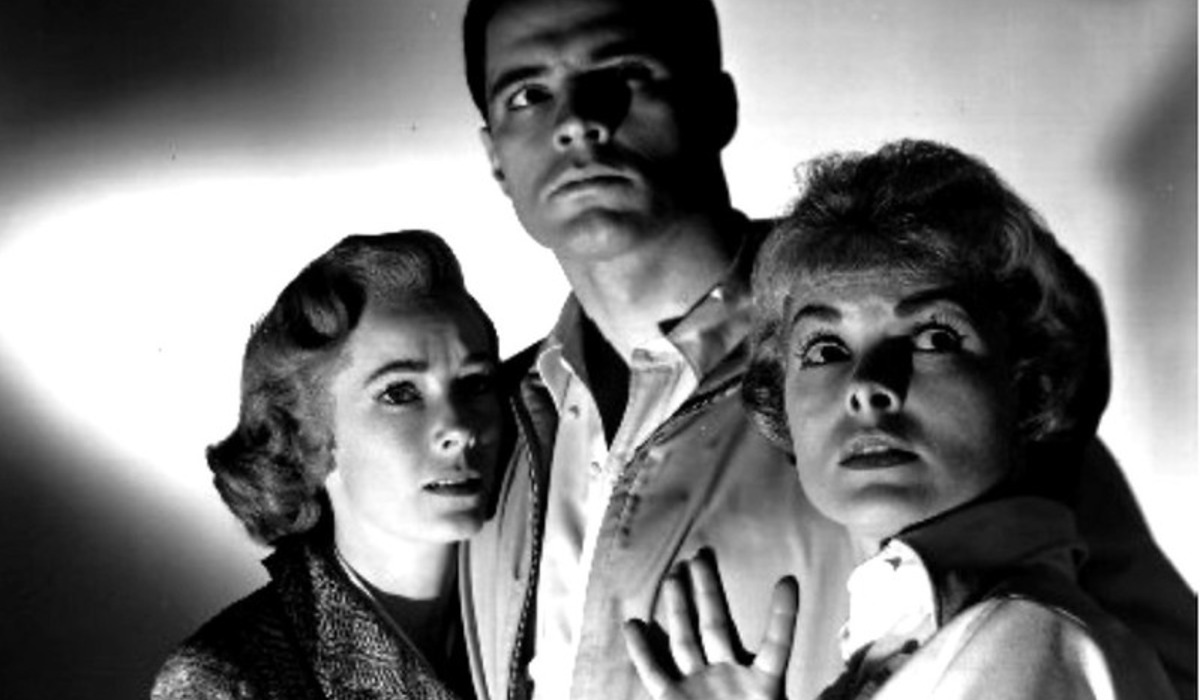
Alfred Hitchcock insisted in 1960 that no one be seated after Psycho had begun, a policy then almost unheard of, and theaters posted signs and hired staff to enforce it. The shower scene runs less than a minute but was built from dozens of separate camera setups, and it left audiences gasping at the sudden death of the film’s apparent star.
Made on a modest budget, the picture became one of the biggest moneymakers of Hitchcock’s career.
Night of the Living Dead and the Children in the Matinee
George A. Romero’s black-and-white 1968 film was made in and around Pittsburgh for a shoestring budget of roughly $114,000, yet it disturbed viewers far more than its price tag suggested.
Critic Roger Ebert famously described a Saturday afternoon screening where children sat stunned and some cried, arguing that the theater had failed to warn families that the film was not suitable for young children. Critics were divided, but the picture went on to earn many times its cost worldwide.
The Texas Chain Saw Massacre and the Long British Ban
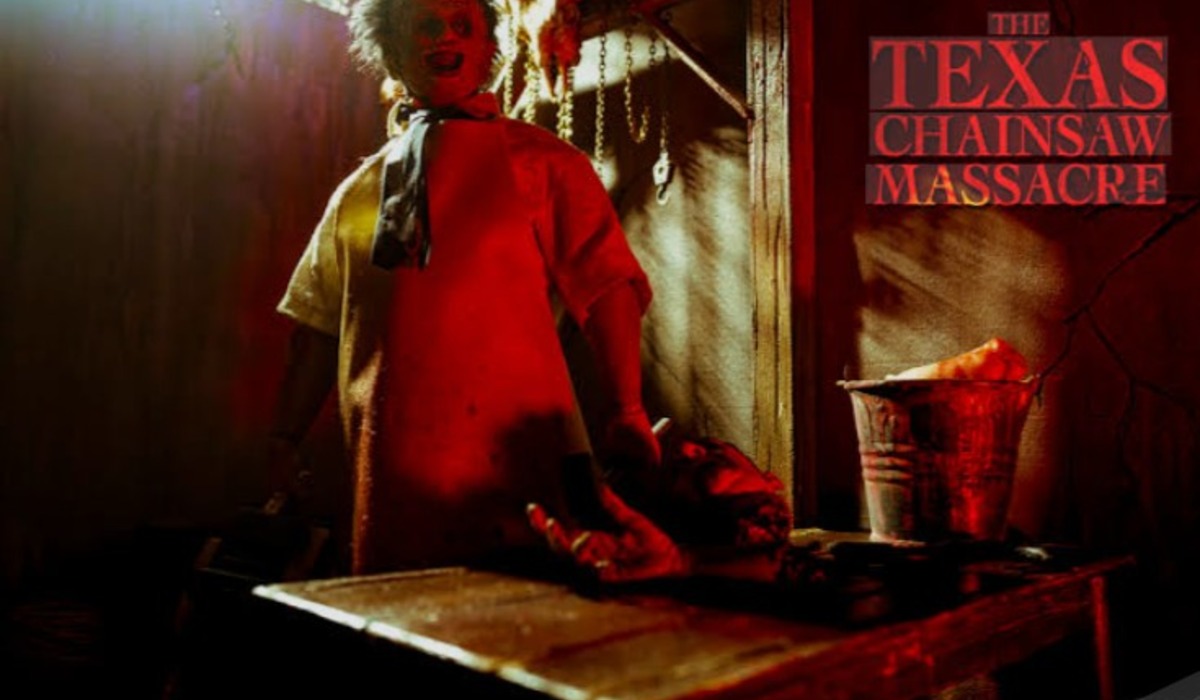
Tobe Hooper’s 1974 nightmare about a family of cannibals was made cheaply in Texas, and it opened to walkouts and complaints about its relentless intensity. In Britain, the film was refused a national certificate in 1975 and remained unavailable for a full, uncut national release until 1999.
It was also banned in several other countries. Its censorship history helped turn it into a notorious title, passed around among horror fans on video.
Nosferatu and the Widow Who Wanted It Destroyed
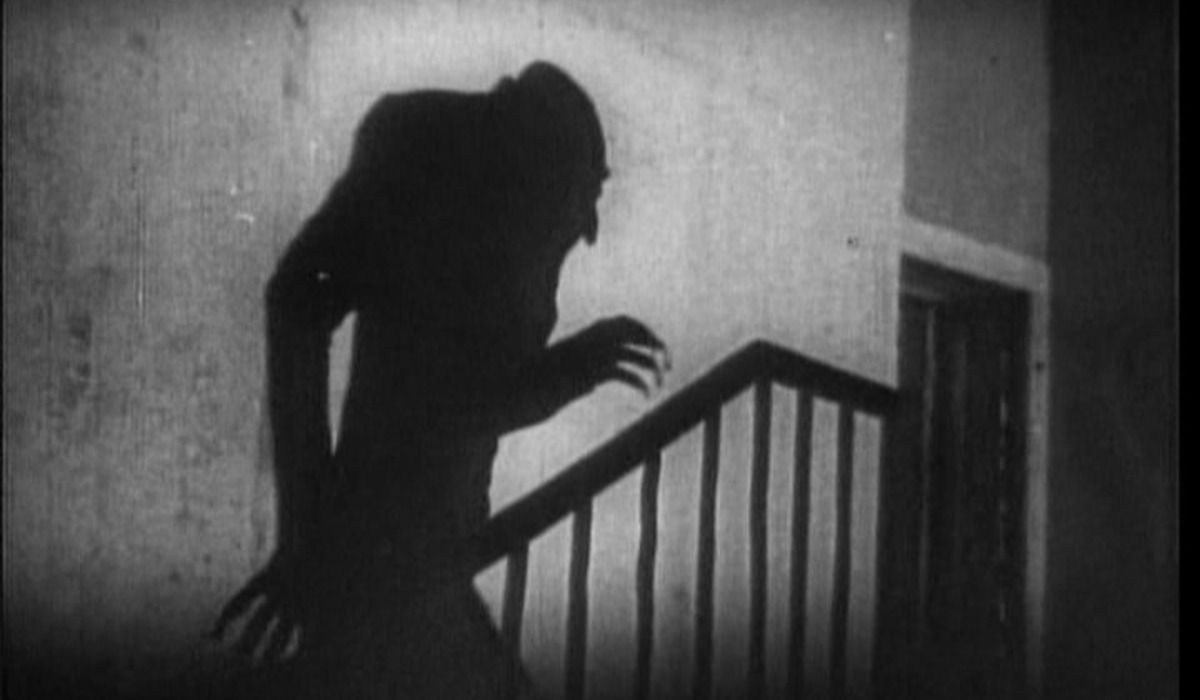
F. W.
Murnau’s 1922 silent film borrowed so heavily from Bram Stoker’s Dracula that Stoker’s widow, Florence, pursued legal action. A German court eventually ordered all copies destroyed, but a handful of prints survived abroad.
The film’s gaunt vampire, played by Max Schreck, became an enduring horror icon, and the legal fight ironically ensured that the film would be remembered.
Freaks and the Career It Ended
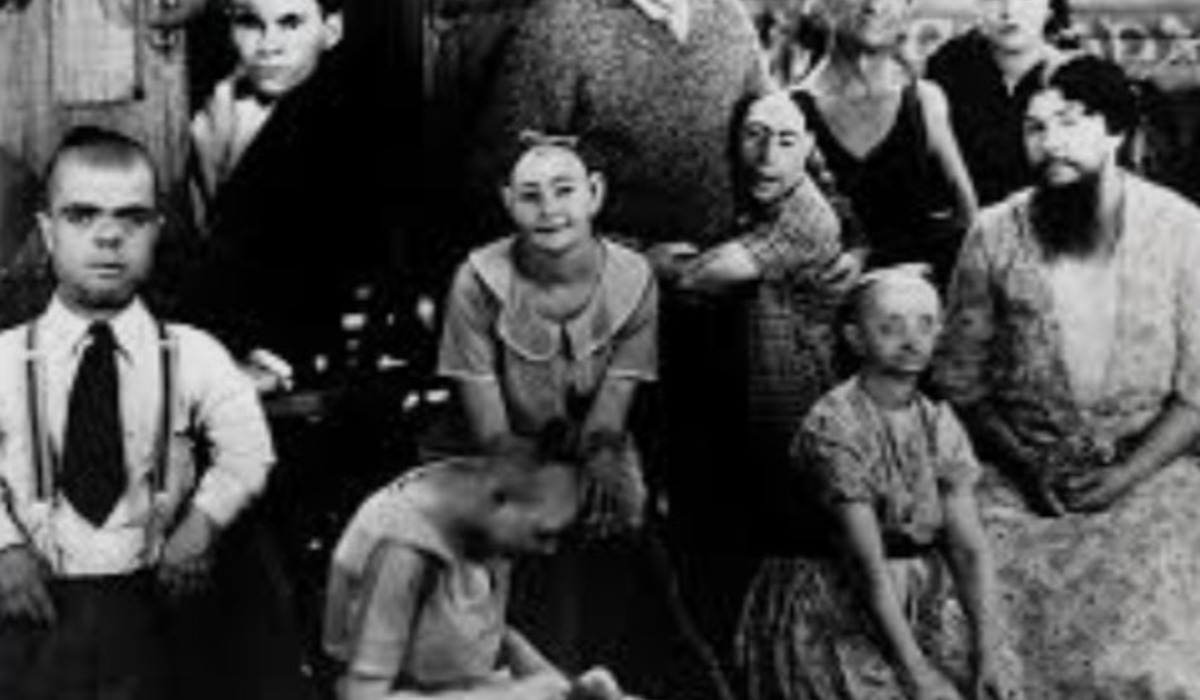
Tod Browning cast real sideshow performers in his 1932 MGM picture, and the reaction from preview audiences was so hostile that the studio cut the film down to about an hour. Critics called it grotesque, and it was refused a British certificate when first submitted in 1932; it was not resubmitted until 1952.
Browning, who had directed Dracula the year before, saw his career suffer after the film’s release, although he continued directing for several years.
Frankenstein and the Warning on the Curtain
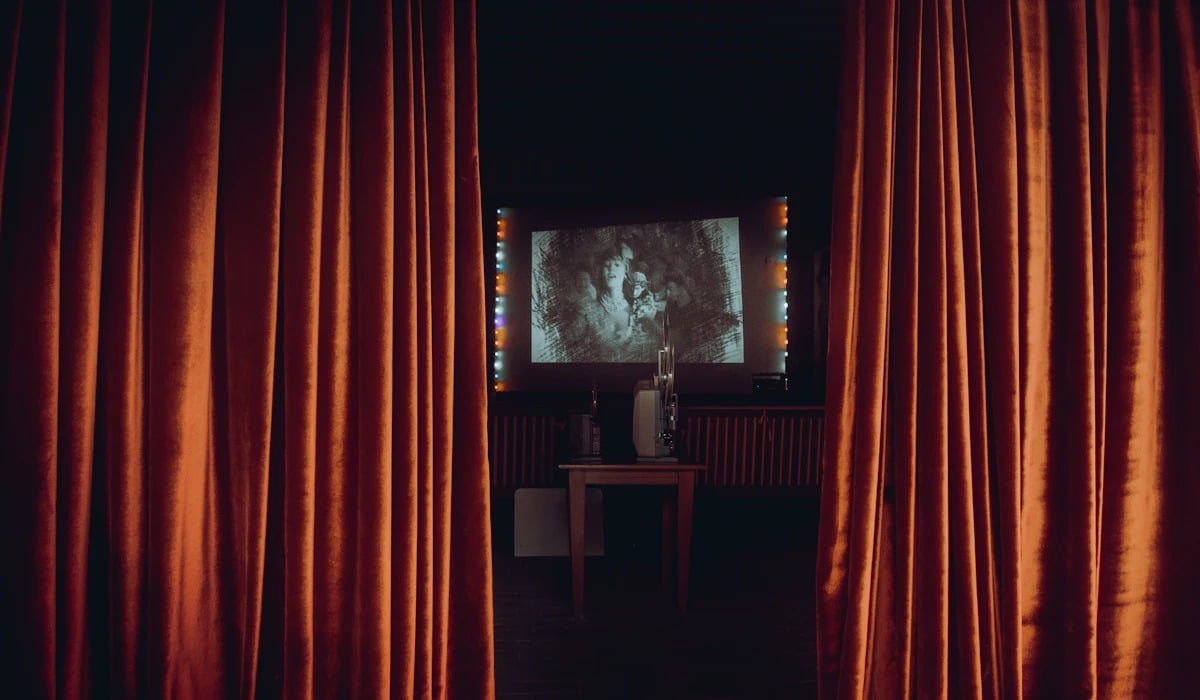
When Universal released James Whale’s Frankenstein in 1931, the studio had actor Edward Van Sloan step out before the picture to warn viewers that it might shock or horrify them. State censors were particularly unsettled by the scene in which the monster throws a little girl into a lake, and it was cut from many prints in some markets.
Boris Karloff’s performance helped make him a star, even though his makeup frightened some of the crowd.
Les Diaboliques and the Plea to Keep the Secret
Henri-Georges Clouzot’s 1955 French thriller came with a request on the screen and in the advertising begging audiences not to reveal the ending to friends. The film’s reputation for suspense and its carefully guarded twist helped inspire similar audience-management tactics, including Hitchcock’s no-late-admissions policy for Psycho.
The twist, centered on a drowned husband and a swimming pool, was so effective that the film became renowned for leaving viewers unsettled.
Peeping Tom and the Review That Ended a Career
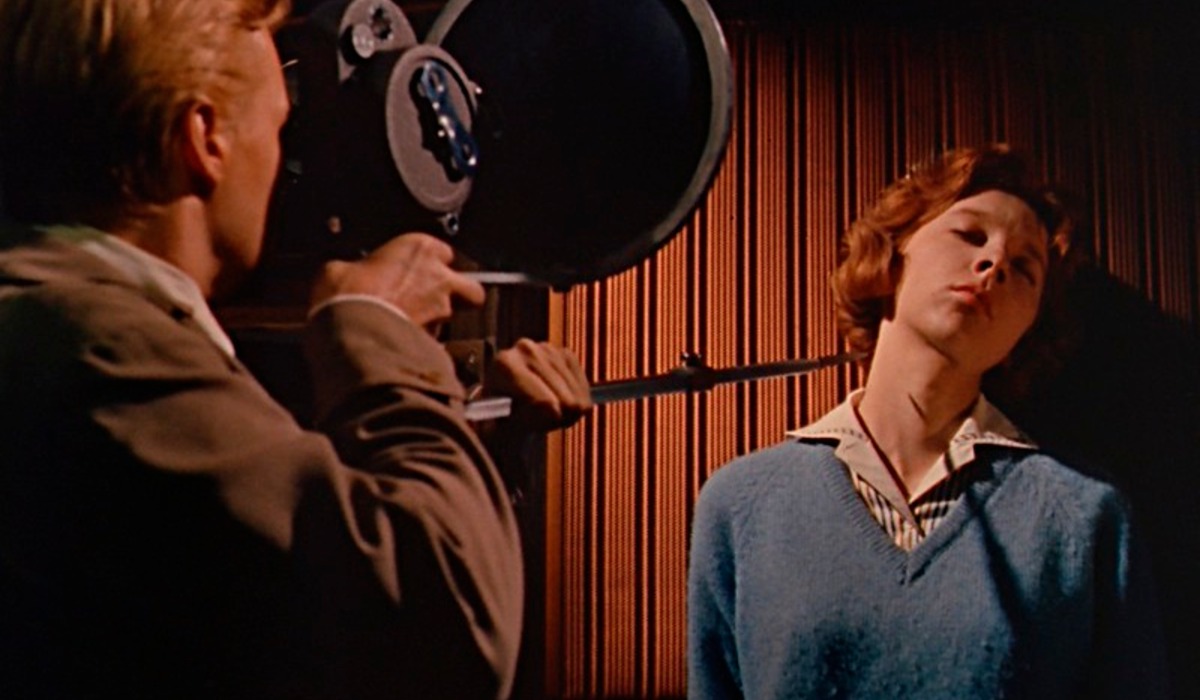
Michael Powell’s 1960 British thriller about a killer who films his victims was savaged by critics. One reviewer wrote that the only way to dispose of it was to shovel it up and flush it down the nearest sewer.
Powell, who had made The Red Shoes, found his British career badly damaged, and the film was only rescued years later when Martin Scorsese championed it.
Jaws and the Summer That Changed Hollywood
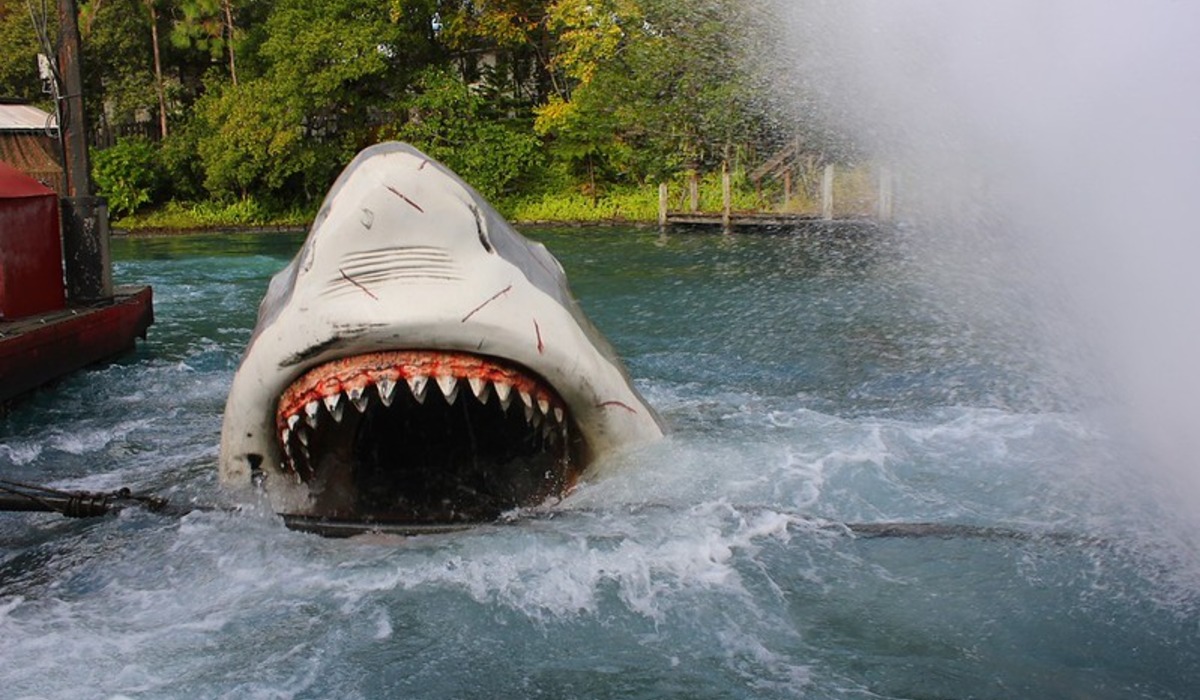
Steven Spielberg’s 1975 shark thriller opened in a wide release across hundreds of screens and became the first film to pass $100 million in North American theatrical rentals. Moviegoers reported jumping out of their seats at the underwater head reveal, and beachgoers talked about staying out of the surf.
The success reshaped how studios released their biggest pictures, helping establish the modern summer-blockbuster model.
Halloween and the Budget That Barely Covered a Car
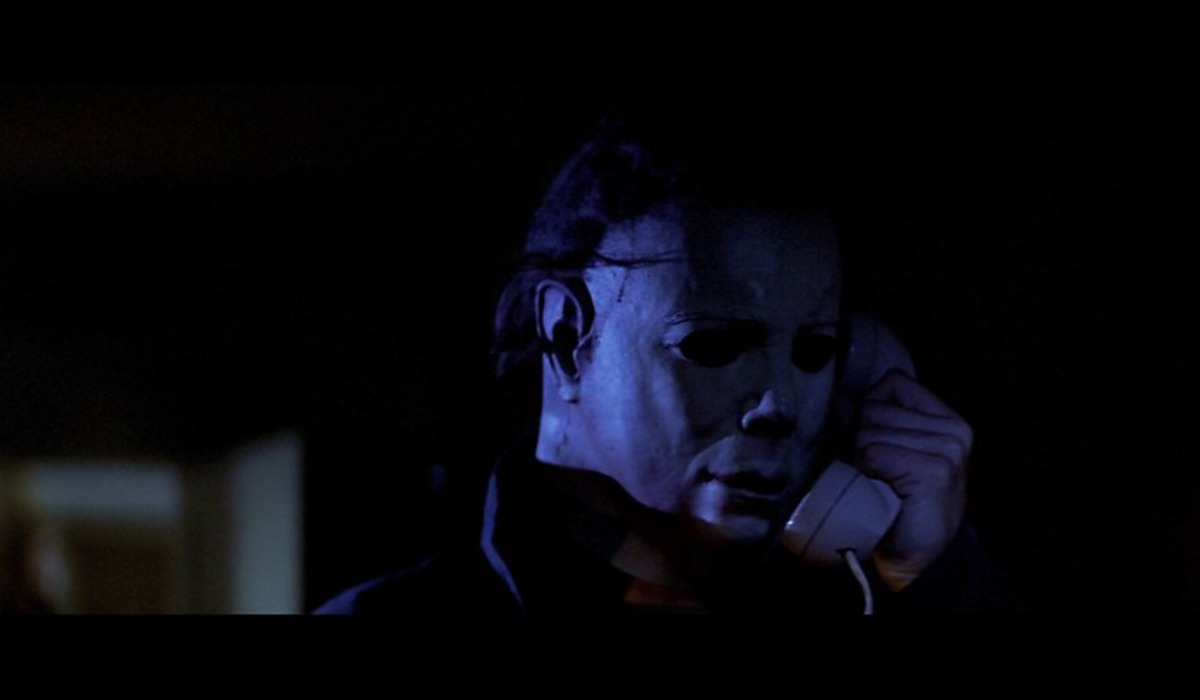
John Carpenter’s 1978 slasher cost roughly $300,000 and was shot in a matter of weeks in California, with stand-in locations pretending to be Illinois. Audiences leaped at Michael Myers appearing in the background of nearly every shot, and the film grossed more than $45 million in the United States.
It became one of the most profitable independent films ever made at the time.
Black Sunday and the Mask With the Spikes
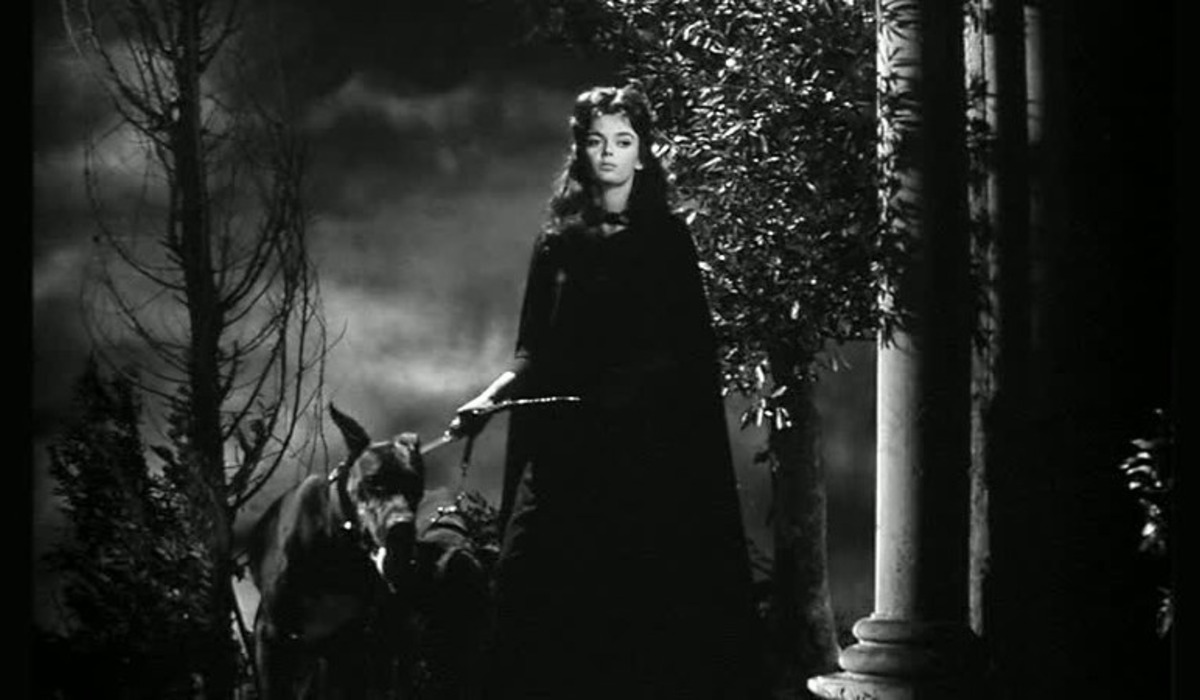
Mario Bava’s 1960 Italian chiller, starring Barbara Steele, opens with a spiked mask being hammered onto a witch’s face. The film faced censorship in several markets.
In Britain, it was not released until 1968, and its U.S. release was cut by distributors. The images were considered brutal for the period, and Steele became a cult figure.
Blood Feast and the Birth of Gore
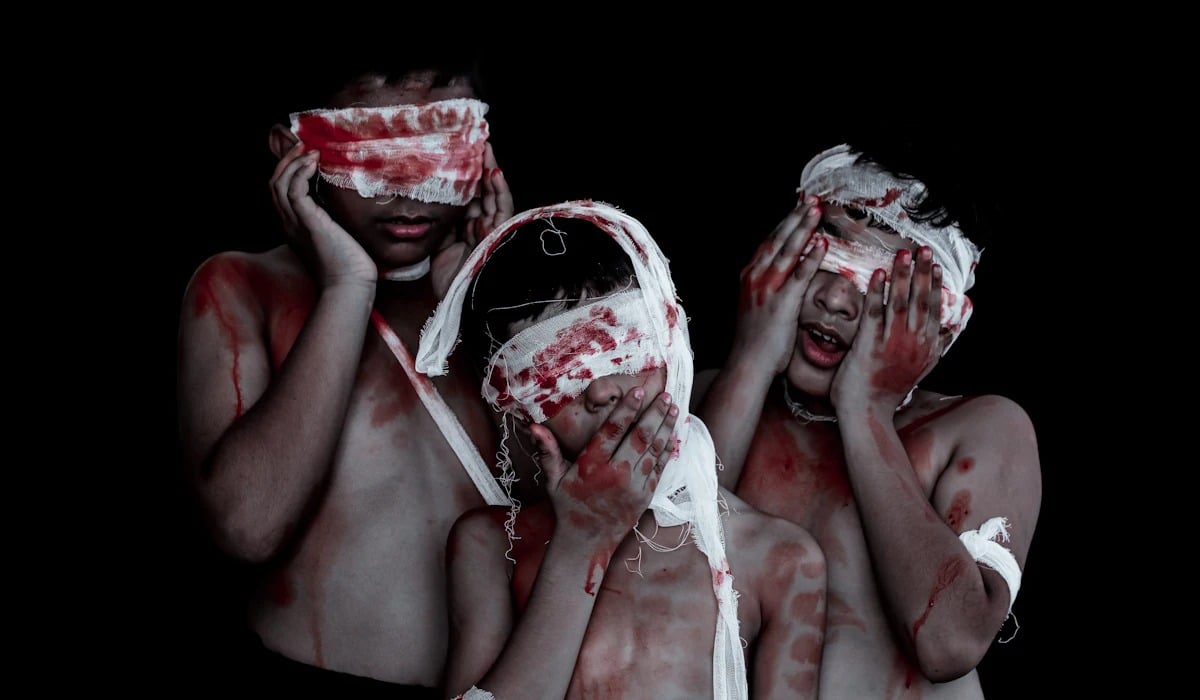
Herschell Gordon Lewis made Blood Feast in Florida in 1963 for about $25,000, and it is widely regarded as one of the earliest splatter films and a key influence on the gore genre. It played at drive-ins, where it shocked patrons with severed limbs and bright red stage blood, and a Peoria, Illinois, drive-in is often cited as the place it first appeared.
Critics hated it, but ticket buyers kept coming.
The Last House on the Left and the Fainting Warning
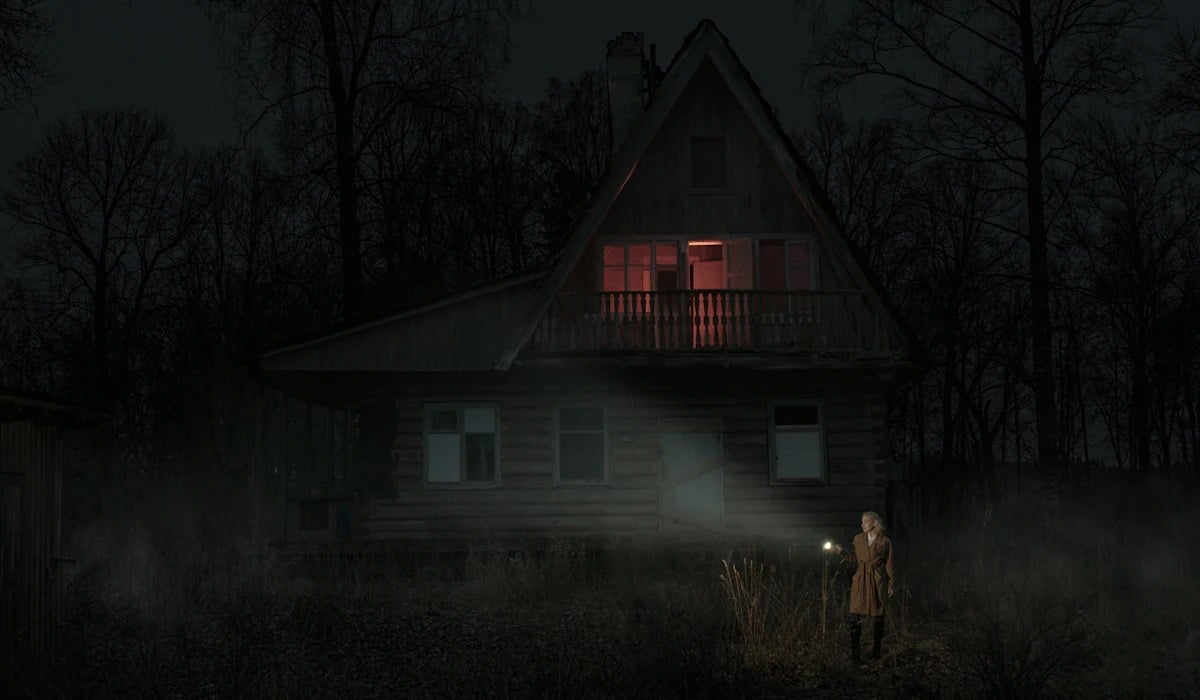
Wes Craven’s 1972 debut came with a famous tagline urging viewers to keep repeating that it was only a movie in order to avoid fainting. The film was banned or heavily cut in several countries, and some theaters faced protests from outraged viewers.
It was made for a small budget and turned a profit, helping establish Craven as a horror filmmaker.
Eyes Without a Face and the Edinburgh Faintings
Georges Franju’s 1960 French film follows a surgeon who tries to rebuild his daughter’s disfigured features, and it contains a face-removal scene shot in unflinching detail. Reports of viewers fainting at screenings circulated after its release, and critics in several countries recoiled.
Edith Scob’s blank white mask became one of the most haunting images in horror history.
Island of Lost Souls and the British Prohibition
The 1932 adaptation of H. G.
Wells’s The Island of Doctor Moreau starred Charles Laughton as a scientist who turns animals into men. Censors in Britain refused the film a certificate until 1958, objecting to its cruelty and its attack on religion.
Wells himself was said to dislike the adaptation, yet the picture endured as a pre-Code landmark.
Mark of the Devil and the Barf Bags
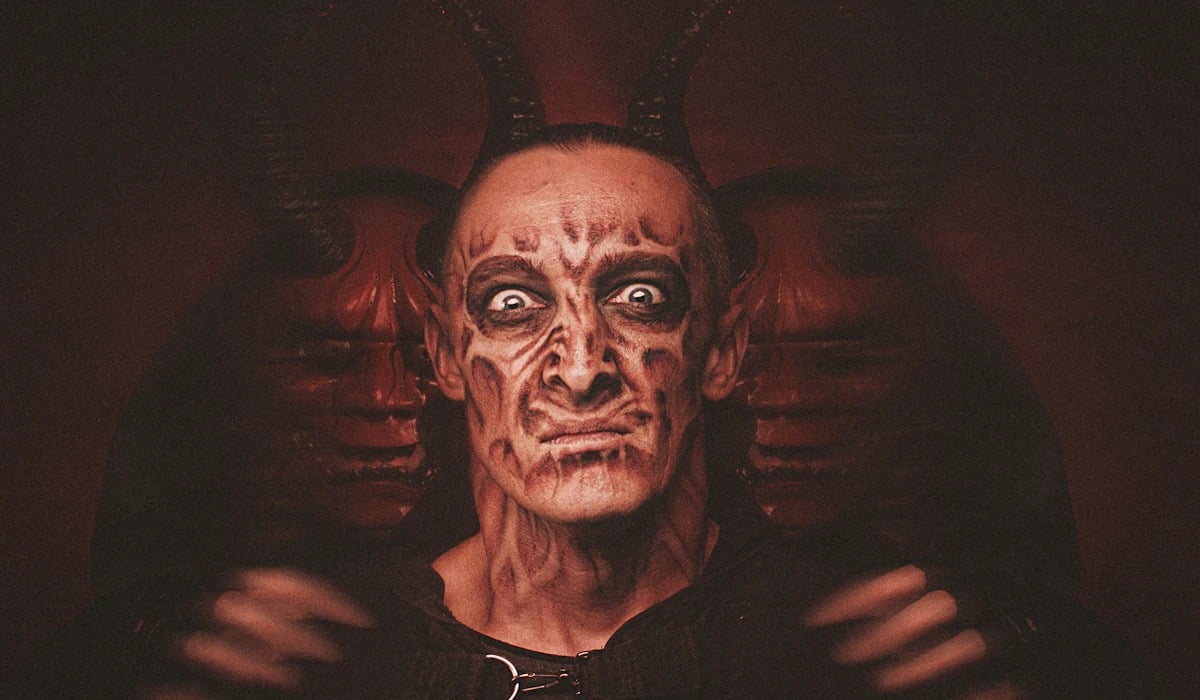
Michael Armstrong’s 1970 film about witch hunters was marketed with a gimmick: theaters handed out vomit bags to patrons, and the posters promised it was rated V for violence. Reggie Nalder played a sadistic assistant, and the torture scenes drew both walkouts and curious crowds.
The film became a notorious shock attraction in some markets.
The Curse of Frankenstein and the Color Red
Hammer Films’ 1957 production, directed by Terence Fisher and starring Peter Cushing and Christopher Lee, was a landmark in the studio’s use of vivid color for horror. British critics were appalled by the bright blood and severed body parts, yet audiences lined up.
The film made a fortune for a small studio and led to a long run of Hammer horrors.
The Tingler and the Buzzing Seats
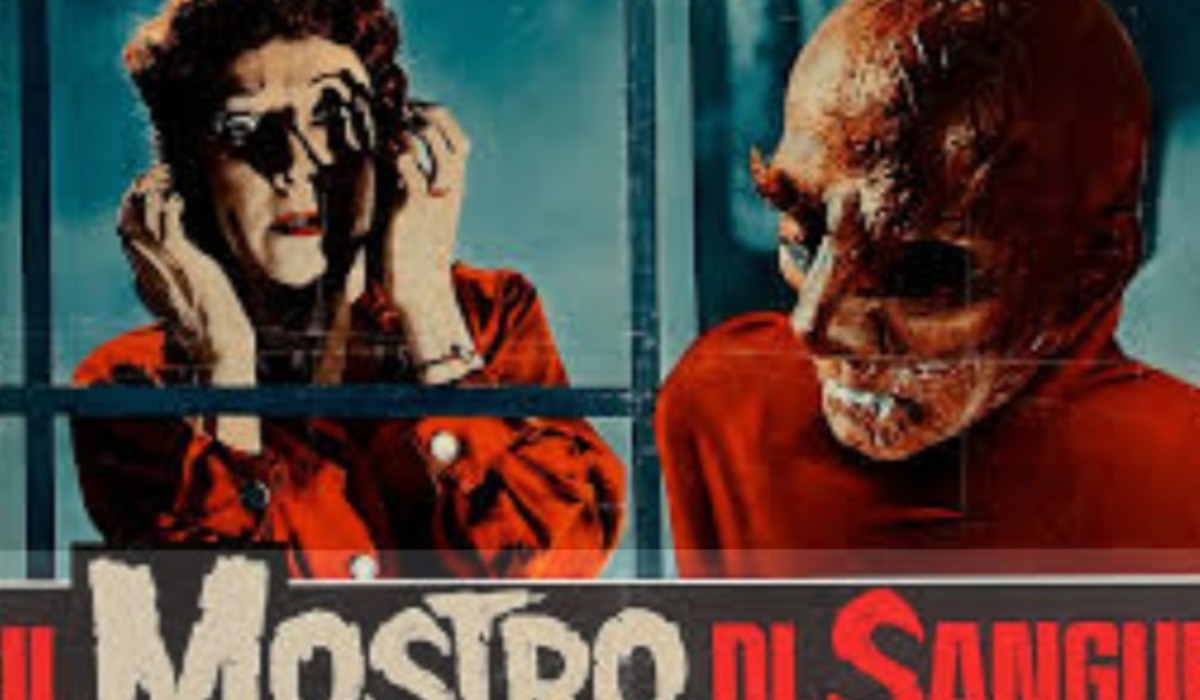
William Castle rigged select theaters in 1959 so that vibrating devices under some seats would buzz during a key scene in The Tingler. An usher or projectionist might then cue the audience to scream for their lives.
Vincent Price starred, and the gimmick, called Percepto, made the movie a topic of conversation across the country.
Macabre and the Life Insurance Policy
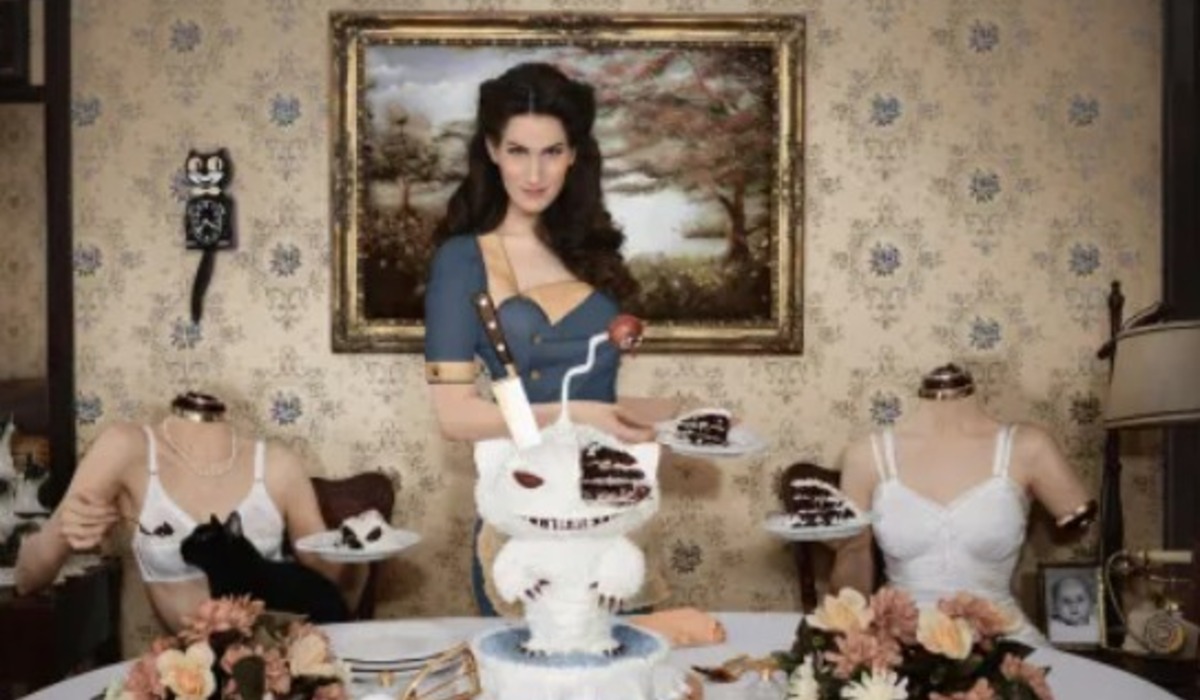
For his 1958 thriller, Castle announced that every ticket buyer was covered by a $1,000 policy from Lloyd’s of London if they died of fright during the show. Nurses stood in lobbies and a fake hearse sat outside some theaters.
Not a single claim was filed, but the stunt turned a low-budget picture into a hit.
Häxan and the Censors Who Cut It
Benjamin Christensen’s 1922 Swedish-Danish silent film mixed documentary-style history with staged scenes of witchcraft, demons, and torture. Censors in the United States and several other countries cut or banned it for its imagery, and it struggled to reach audiences in some markets.
Christensen spent years researching medieval witch trials for the project, which was the most expensive Scandinavian silent film of its time.
Dawn of the Dead and the Refusal of the X
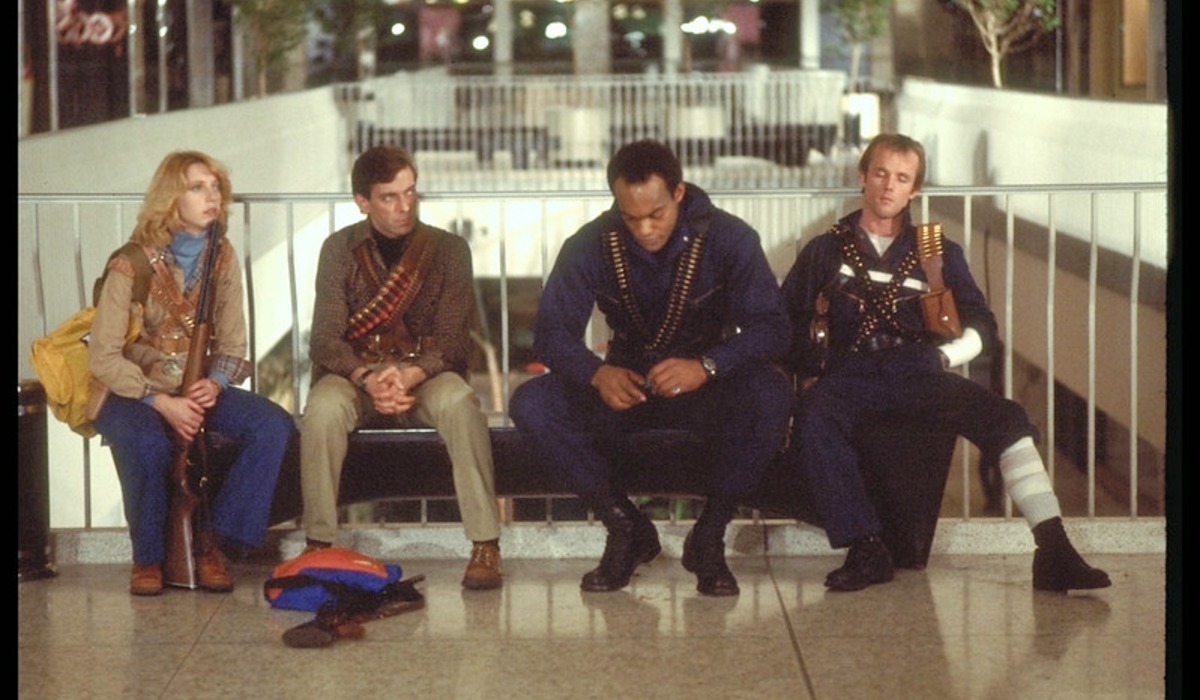
George A. Romero’s 1978 sequel to Night of the Living Dead set its zombie siege in a shopping mall.
When the ratings board threatened an X, the producers chose to release the film unrated rather than cut it, and many theaters still played it. It earned tens of millions of dollars worldwide on a small budget.
The Devils and the Studio That Cut It
Ken Russell’s 1971 adaptation of a historical account of a French priest accused of witchcraft starred Oliver Reed and Vanessa Redgrave. Warner Bros. trimmed it heavily after the censors objected, and the full version was long unavailable.
Some local authorities in Britain restricted its exhibition, and critics were split between admiration and disgust.
Rosemary’s Baby and the Surprise Blockbuster
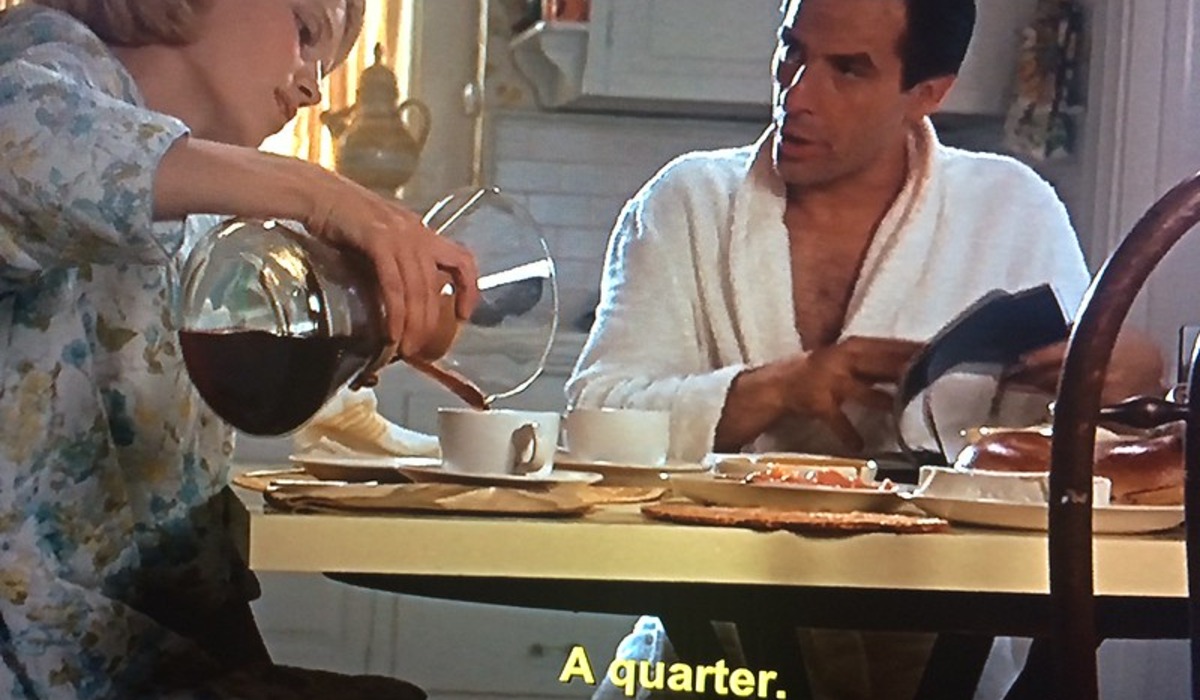
Roman Polanski’s 1968 film, made on a budget of around $3 million, grossed more than $30 million and became a major commercial hit. Mia Farrow’s performance and Ruth Gordon’s Oscar-winning role as the nosy neighbor made the film a cultural event.
Religious groups objected to its subject, but moviegoers filled theaters anyway.
Carrie and the Hand From the Grave
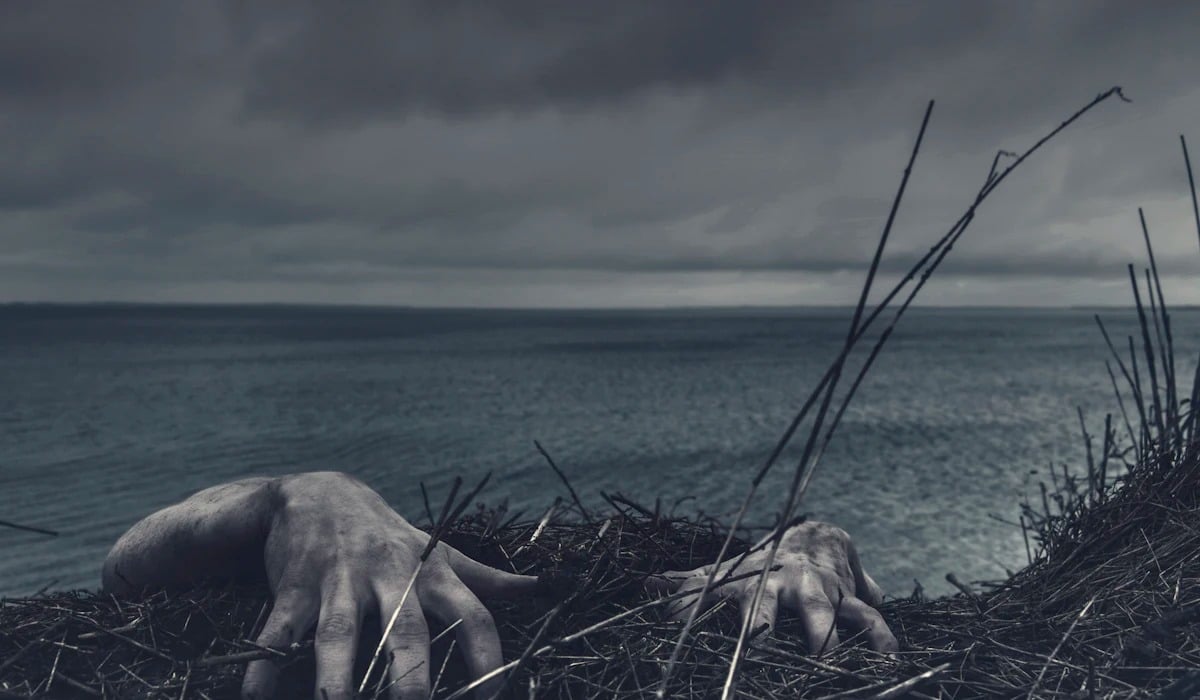
Brian De Palma’s 1976 adaptation of Stephen King’s first novel built to a final scare that made audiences scream out loud. Sissy Spacek and Piper Laurie were both nominated for Oscars, a rarity for horror.
The film was a surprise hit and helped establish King’s reputation as a major horror writer.
Why Fear Never Stays in the Theater
Every film above proved that horror is never just about the screen. Viewers reacted physically, whether by fainting, screaming, or walking out, and the strongest responses often came from pictures that broke a rule of taste or technique.
Gimmicks, bans, and lawsuits did as much to build these reputations as the movies themselves.
Censors tried to protect audiences, and studios tried to cash in on the uproar, but neither side could control what happened in the dark. The movies that frightened people most are still the ones people talk about, long after the lobby signs and warning cards have faded.
More from Go2Tutors!

- The Romanov Crown Jewels and Their Tragic Fate
- 13 Historical Mysteries That Science Still Can’t Solve
- Famous Hoaxes That Fooled the World for Years
- 15 Child Stars with Tragic Adult Lives
- 16 Famous Jewelry Pieces in History
Like Go2Tutors’s content? Follow us on MSN.