33 Prisons Throughout History That Were Designed to Be Impossible to Escape
Every prison is a statement of intent. The statement is usually the same: you are not getting out of here.
But the architecture, the geography, and the psychology behind that statement have varied enormously across history — from underground pits carved into Roman volcanic rock to island fortresses ringed by shark-patrolled waters to modern supermax cells where the lights never go off. The methods change.
The confidence of the designers in their own infallibility has remained fairly constant. That confidence has also, throughout history, been regularly tested.
The Mamertine Prison, Rome (7th Century BCE)
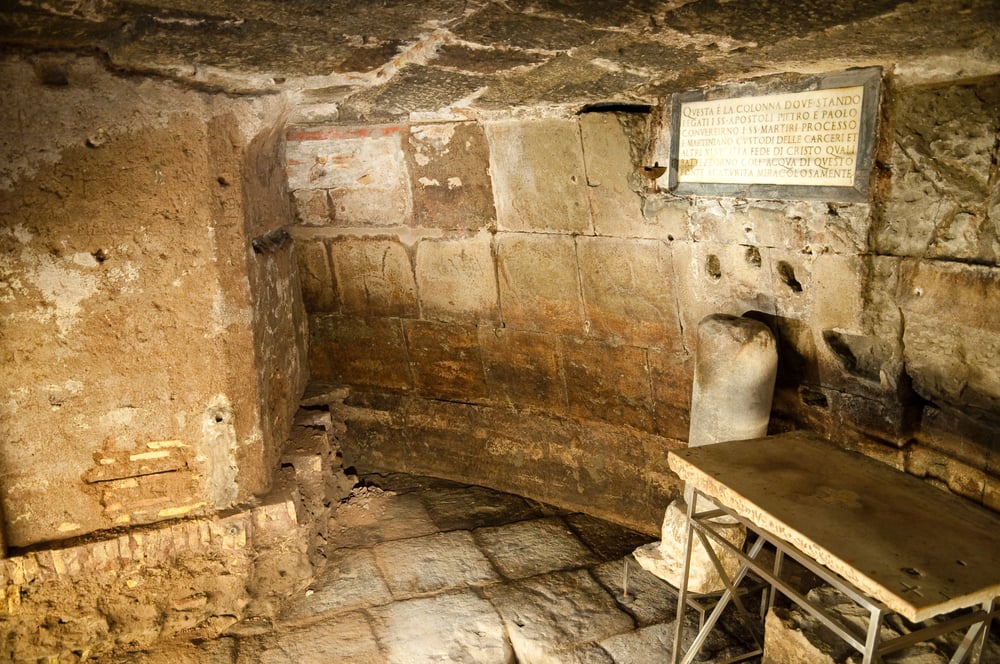
The oldest known prison in the Western world sits carved into the volcanic tufa beneath the Roman Forum, consisting of two chambers stacked vertically — the upper Carcer and the lower Tullianum, accessible only through a narrow opening in the floor above. Getting into the lower chamber meant being dropped through the hole. Getting out required someone to pull you up.
The Romans used it primarily for high-value captives awaiting execution or public display — Jugurtha, King of Numidia, and Vercingetorix, the Gallic chieftain who resisted Julius Caesar, both died here after their triumphs were complete. Christian tradition holds that Peter and Paul were imprisoned in the Tullianum, but the historical evidence for this is thin.
Château d’If, Marseille, France (1524)
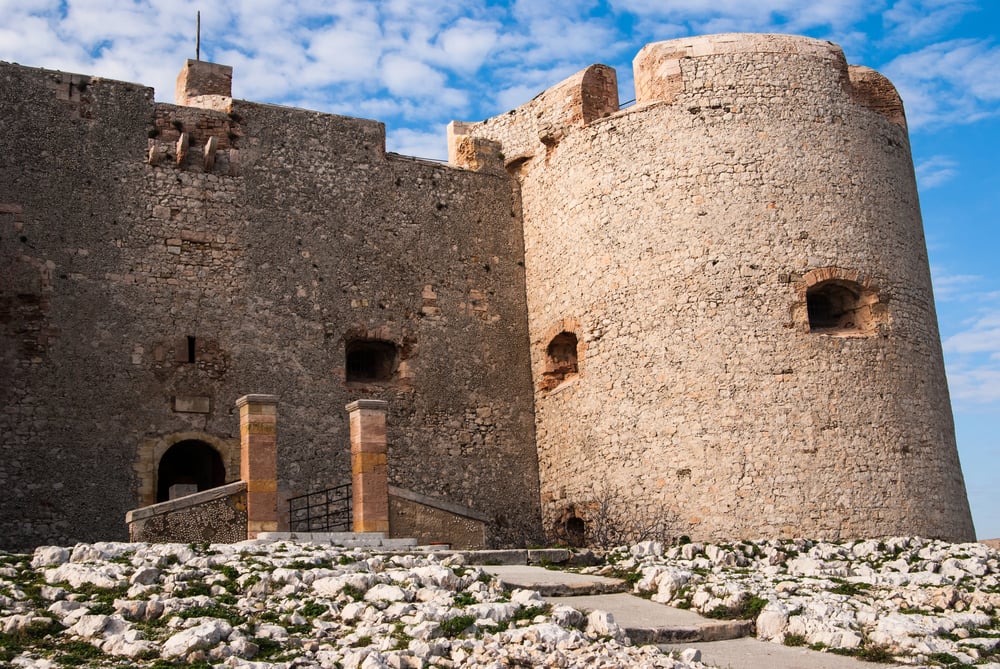
King Francis I built Château d’If on a tiny, three-hectare island in the Bay of Marseille initially as a military fortress, but its location — surrounded by fast-moving offshore currents strong enough to drown the most capable swimmer — made it a natural prison. Over centuries, it held Huguenots, political prisoners, and enemies of successive regimes.
No successful escape from Château d’If was ever recorded. Its worldwide infamy came not from anything that happened there in reality but from Alexandre Dumas’ 1844 novel The Count of Monte Cristo, in which the hero Edmond Dantès spends fourteen years imprisoned before making a dramatic and entirely fictional escape.
The Tower of London, England (1100–1952)
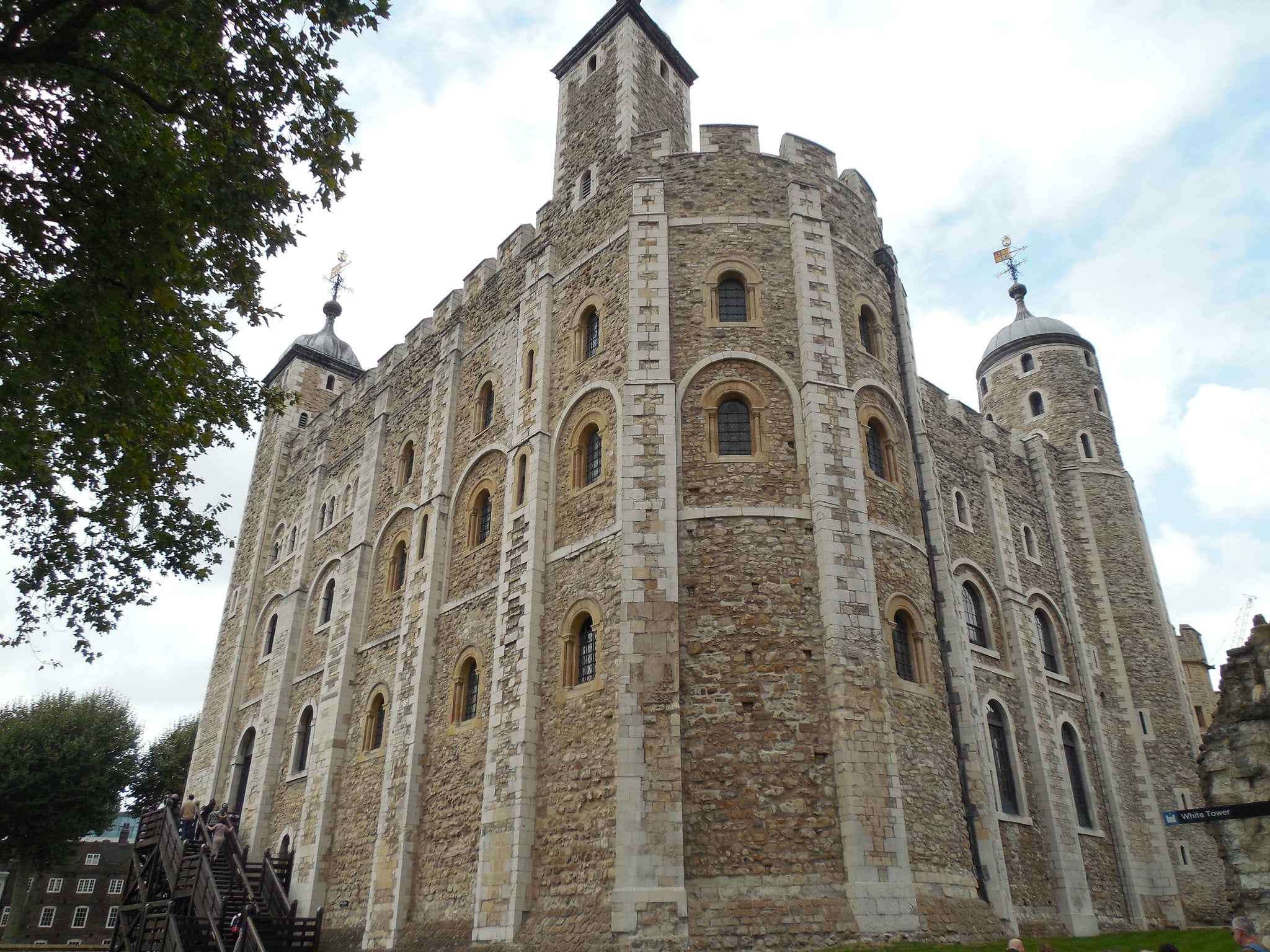
Originally a royal palace and fortress built by William the Conqueror, the Tower of London served as a prison for high-value political captives for nearly nine centuries. Its walls were multiple metres thick, its towers interlocking, its grounds enclosed within a defensive moat, and its guards drawn from the royal household.
Among those imprisoned there were Anne Boleyn, Thomas More, Catherine Howard, Lady Jane Grey, Sir Walter Raleigh, and Rudolf Hess. The Tower was not a prison in the ordinary sense — many prisoners had servants and relative comforts — but the message was clear: you were there until the Crown decided otherwise.
The Bastille, Paris, France (1370–1789)
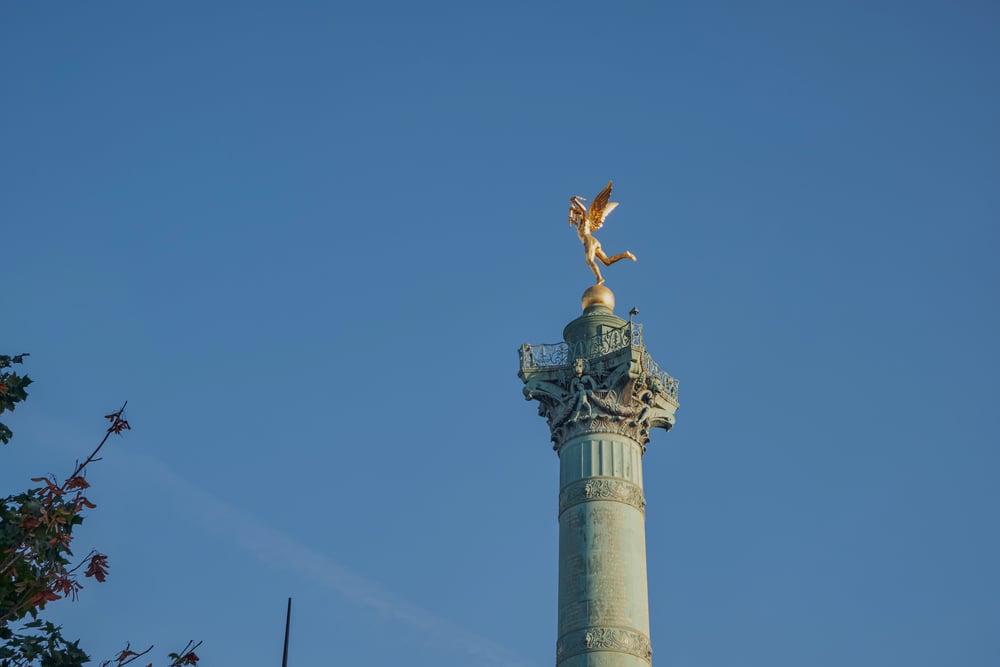
The Bastille was built as a fortress defending the eastern approach to Paris and was converted into a state prison by Cardinal Richelieu in the 17th century. It held prisoners by lettre de cachet — royal warrants that required no trial and specified no term — which meant that detainees could be held indefinitely without knowing why or for how long.
The psychological terror of this arrangement was arguably more effective than the walls. When revolutionaries stormed it in July 1789, they found only seven prisoners inside, several of whom were bemused to be released.
The Bastille’s power had always been more symbolic than physical.
Alcatraz Federal Penitentiary, California, USA (1934–1963)
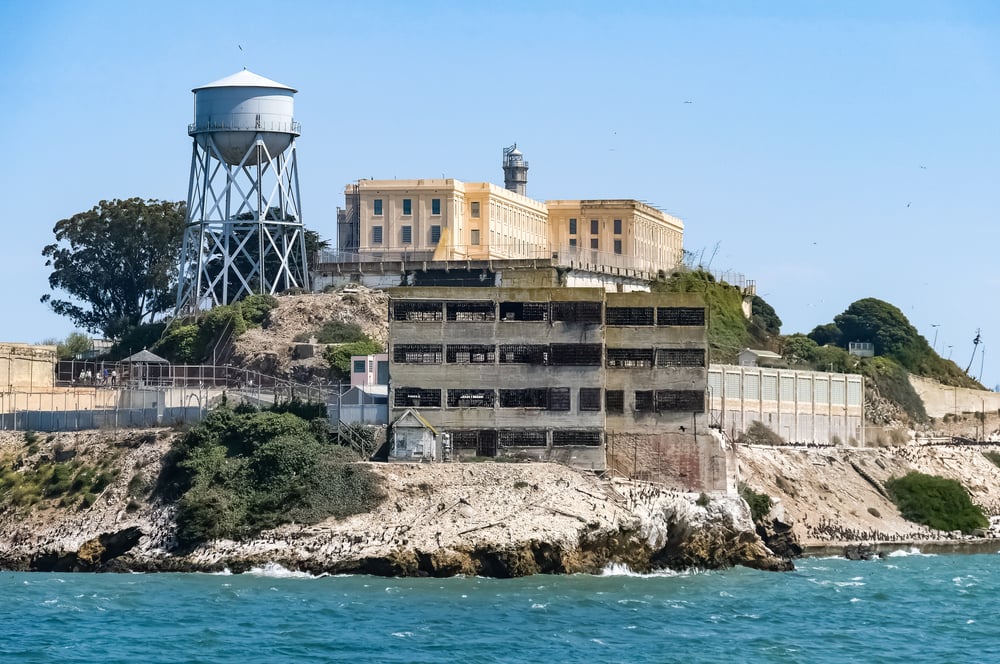
Alcatraz sat on a rocky island in San Francisco Bay, roughly 2.4 kilometres from shore, in water that ranged between 10 and 15 degrees Celsius with strong unpredictable currents. The prison was specifically designed for inmates who had proven unmanageable at other federal facilities, and its security systems included tool-resistant steel cell bars, remote-controlled locking mechanisms, electromagnetic metal detectors, tear gas canisters in the dining hall ceiling, and armed guard towers with overlapping sight lines.
In 29 years of operation, 34 prisoners made 14 escape attempts. The FBI considers all of them failures.
Three men who vanished in 1962 were never found and are presumed drowned, though the case has never been officially closed.
Devil’s Island, French Guiana (1852–1946)
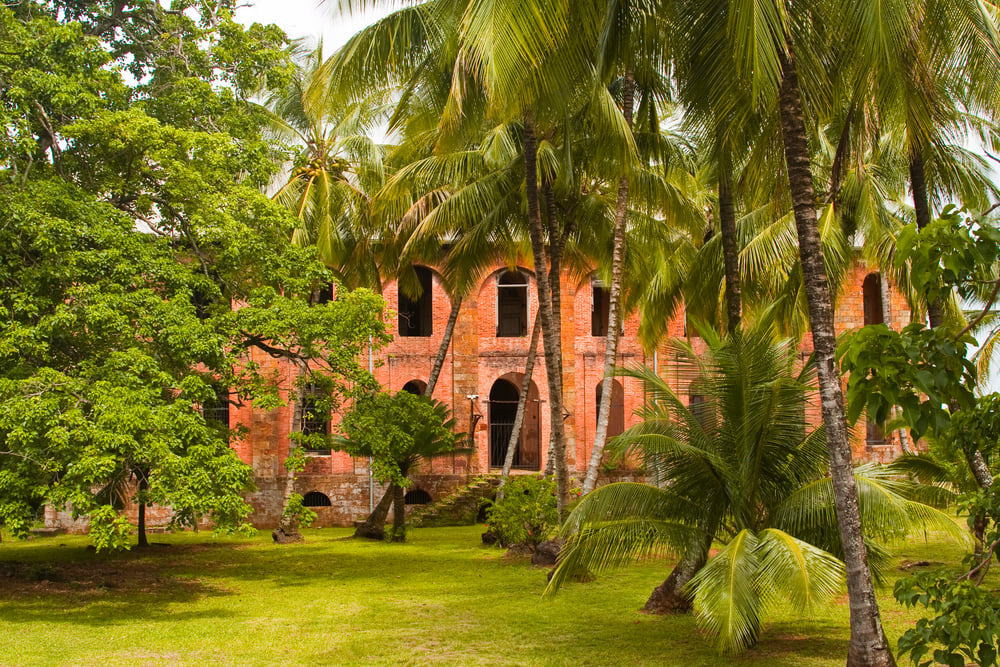
France’s most notorious penal colony occupied three small islands off the coast of French Guiana and held roughly 80,000 prisoners over its 94-year operation. The islands were surrounded by waters heavily populated with sharks and swept by strong currents; the jungle beyond the coast was dense, malarial, and hostile to escape.
Those who completed their sentences were often barred from returning to France, condemned to remain in French Guiana indefinitely. The most famous prisoner was Alfred Dreyfus, the Jewish army captain wrongly convicted of treason in one of France’s most consequential miscarriages of justice.
Eastern State Penitentiary, Philadelphia, USA (1829)
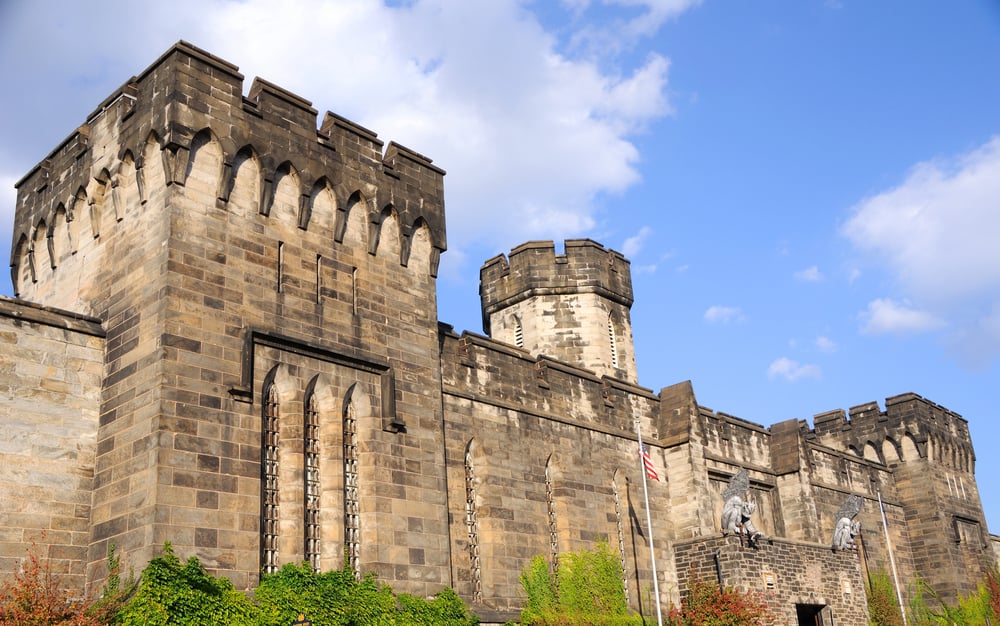
Eastern State Penitentiary was designed by architect John Haviland as the physical embodiment of a new theory of punishment: total silence and solitary confinement as the path to penitence and rehabilitation. Its wagon-wheel design — a central hub with seven radiating cellblocks — allowed guards to observe every corridor from a single point.
Cells were equipped with individual exercise yards; prisoners wore hoods when moved through the facility so they could not see or be seen by other inmates. The system was intended to be escape-proof not through brute force but through psychological disorientation. Al Capone was held here. It failed to reform him.
Colditz Castle, Germany (World War II)
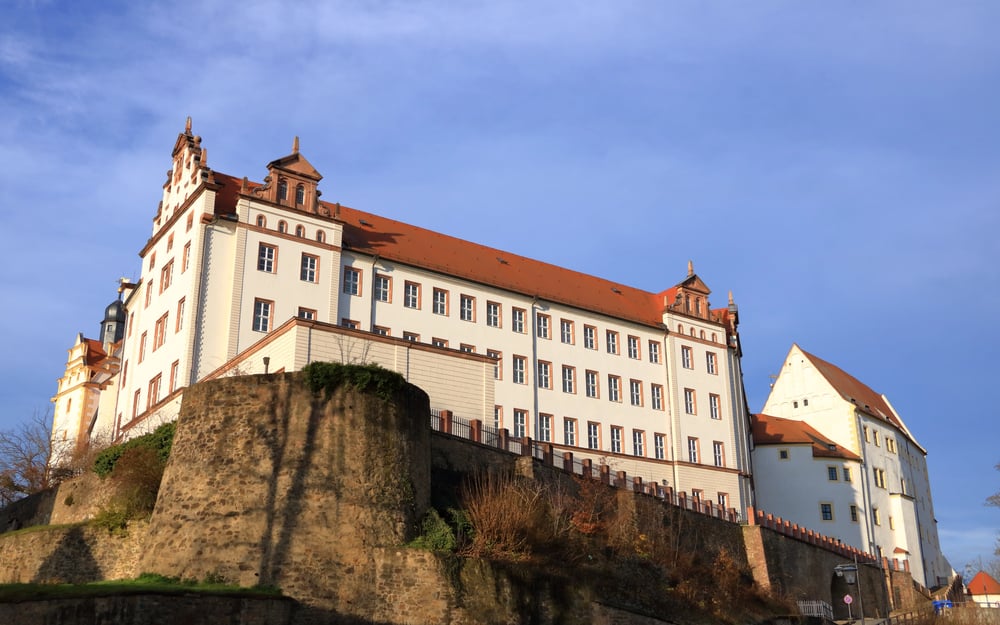
Colditz Castle — an imposing medieval fortress perched on a cliff above the Mulde River in Saxony — was designated by the Nazis as a special camp for Allied officers who had already escaped from other POW facilities. The logic was that concentrating the most determined escapees in a single location would make them easier to contain.
It was the only German POW camp with more guards than prisoners. In practice, concentrating the escape-minded meant they collaborated intensively. By the war’s end, at least 130 prisoners had gotten out of the castle itself, though only around 30 made it back to Allied territory.
The inmates built a glider in a secret attic workshop that was never used because the war ended first.
Robben Island, South Africa (Various Eras)
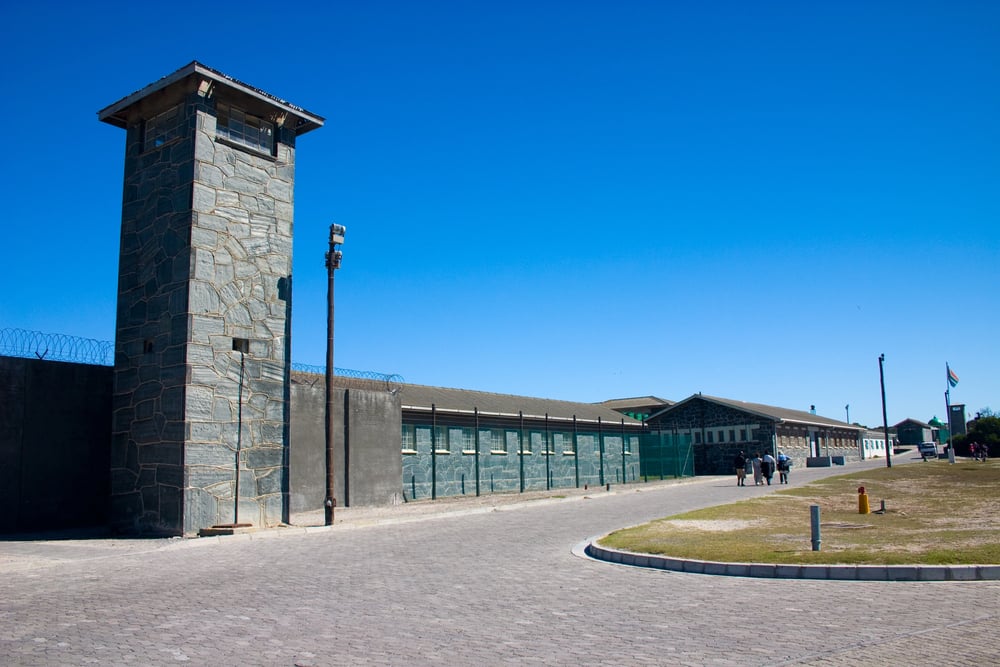
Robben Island sits 11 kilometres off the coast of Cape Town in the cold waters of the South Atlantic. Its most significant era was as the apartheid government’s maximum security prison for political dissidents.
Nelson Mandela served 18 of his 27 years here; three other men who would later become presidents of South Africa were also imprisoned on the island. The cold water and distance made unaided escape essentially impossible.
The psychological pressure of the island — isolation, hard labour in the limestone quarry that permanently damaged Mandela’s eyesight, deliberate racial classification of food rations — was part of the design.
Hoa Lo Prison (The Hanoi Hilton), Vietnam (1896–1973)
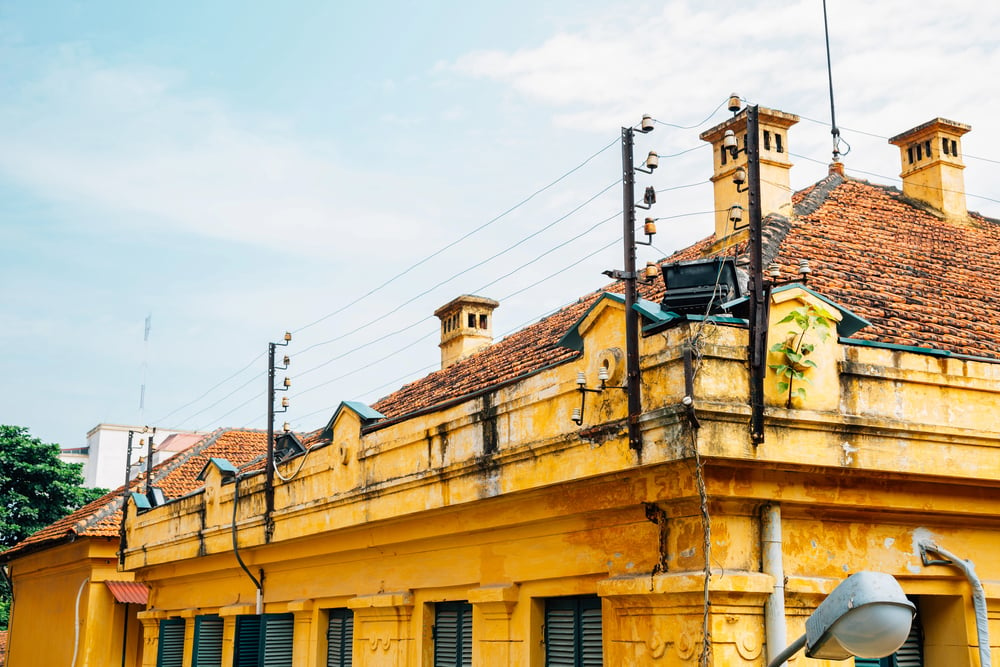
Built by the French colonial administration in stages between 1886 and 1901, Hoa Lo Prison was constructed to hold Vietnamese political prisoners. Its name means “fiery furnace.”
During the Vietnam War, North Vietnamese forces used it to hold American prisoners of war, including future senator John McCain, who was held there for more than five years. POWs who survived reported systematic torture, starvation, and sensory deprivation.
The Vietnamese government has since converted much of the site into a museum presenting a somewhat different version of events.
The Oubliettes of Medieval Castles, Europe
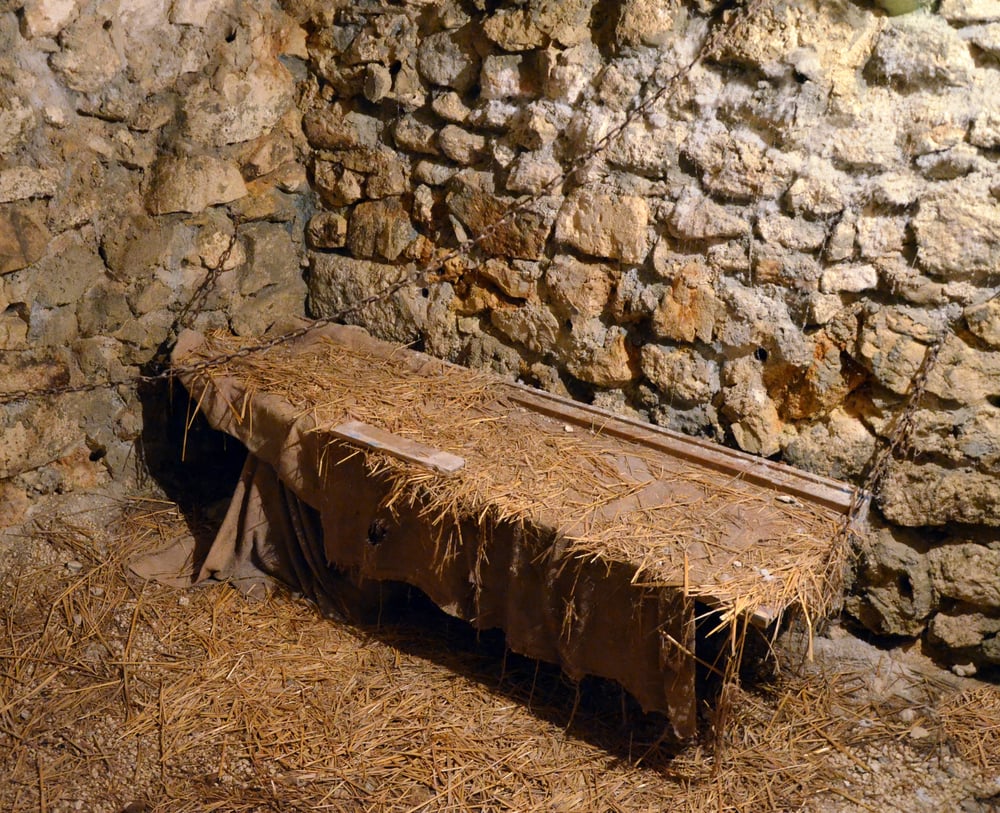
An oubliette — from the French oublier, to forget — was a form of confinement in which prisoners were lowered through a trapdoor into a pit too small to lie down in, sometimes too narrow to turn around, with no sanitation and no natural light. The word itself was the entire statement of intent: you were placed there to be forgotten.
Oubliettes have been documented in Château Gaillard in Normandy, Warwick Castle in England, and numerous other medieval fortifications. Prisoners in oubliettes were not meant to be managed; they were meant to cease being a problem.
Château de Vincennes, France (14th–19th centuries)
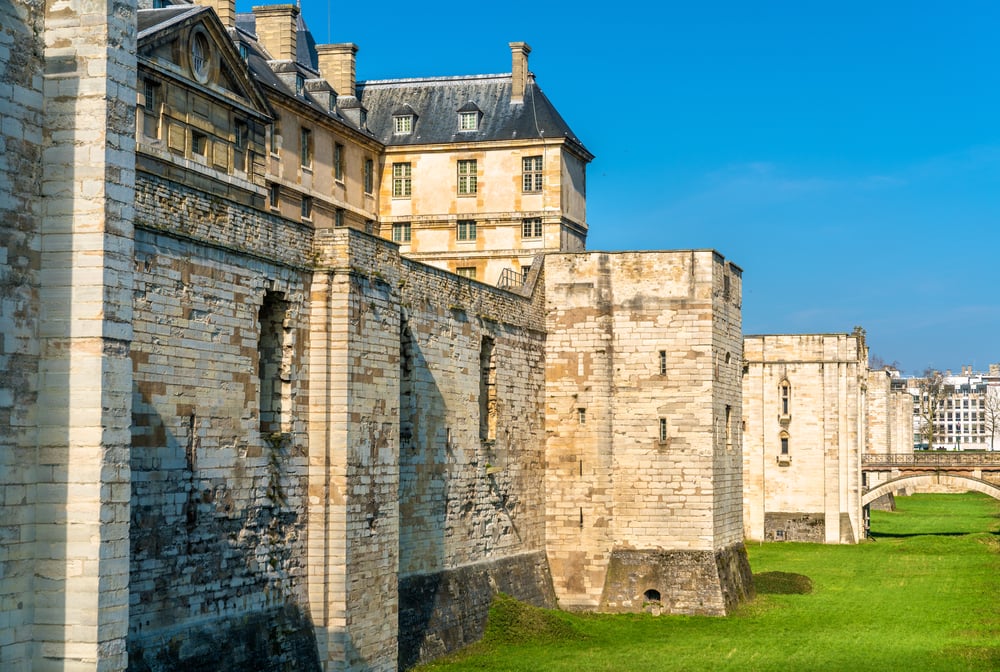
The Château de Vincennes — a royal fortress on the eastern edge of Paris with a central tower rising over 50 metres — served as a state prison for centuries, holding figures whose detention was politically sensitive enough to require royal security. Among its prisoners were the philosopher Denis Diderot, the Duc de Beaufort, and the Comte de Mirabeau.
The tower’s isolation within the fortified complex, combined with its sheer height, made unauthorised exit effectively impossible. It was used as a prison from the 14th century through the Napoleonic era.
The Tullianum Lower Chamber, Rome (7th Century BCE)
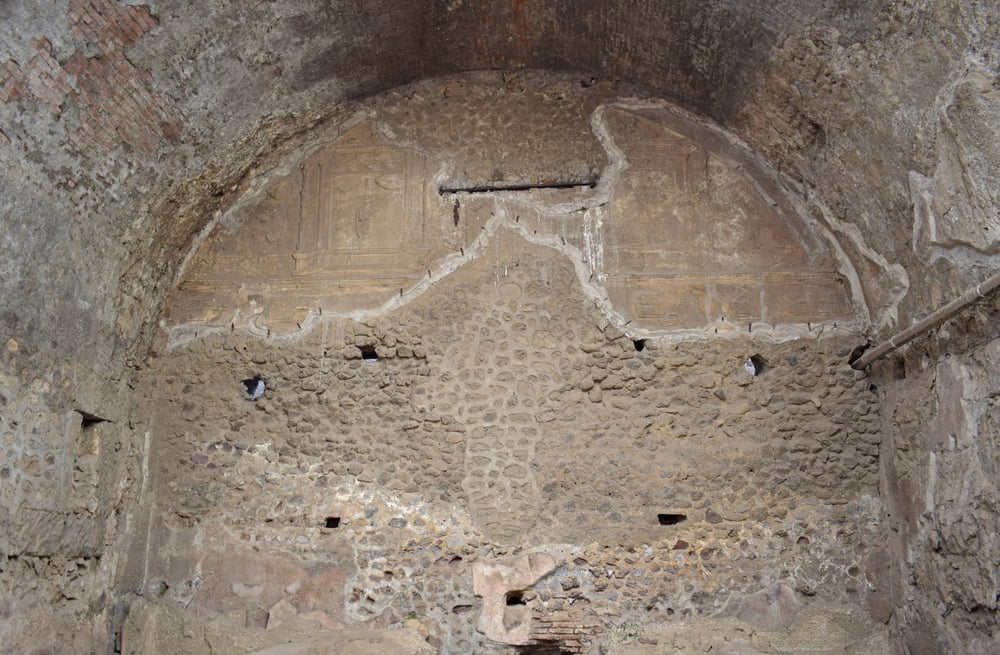
The Tullianum — the lower of the two chambers in the Mamertine Prison complex — deserves separate mention because its design was specifically oriented toward holding prisoners who were meant to die there rather than be managed long-term. Vercingetorix, after being paraded through Rome in Caesar’s triumph, was returned to the Tullianum and strangled.
Jugurtha of Numidia reportedly starved to death there after six days, his gold teeth extracted before the end. The design philosophy was not escape prevention in the modern sense but permanent resolution.
Newgate Prison, London, England (1188–1902)
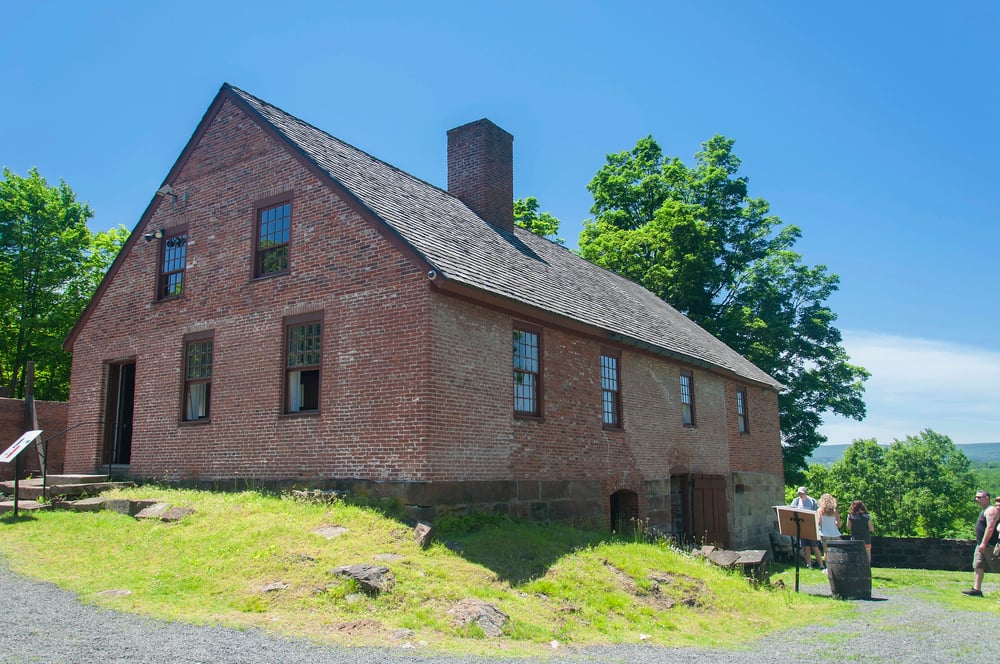
Newgate was London’s primary prison for seven centuries, repeatedly rebuilt, repeatedly condemned as overcrowded and unsanitary, and repeatedly continued in use because no one wanted to pay for a replacement. Its final Victorian iteration featured blank, windowless stone façades designed to communicate punishment to anyone passing on the street outside.
Public executions were conducted at Newgate until 1868; they drew enormous crowds. The prison was demolished in 1902 to make way for the Old Bailey courthouse.
Dickens visited repeatedly and found material for multiple novels in the conditions he observed.
Black Dolphin Prison, Russia (Operating to Present)

Black Dolphin — officially Penal Colony No. 6 of the Federal Penitentiary Service — sits near the border with Kazakhstan and houses roughly 700 of Russia’s most dangerous convicted criminals. Security protocols here are not primarily structural but behavioural: incoming inmates are blindfolded so they cannot map the facility’s layout; prisoners are physically bent into a stress position whenever transported between buildings; guards check cells every fifteen minutes around the clock; inmates must respond verbally to confirm wakefulness.
The psychological architecture of exhaustion and disorientation is as much a containment mechanism as the physical walls.
ADX Florence, Colorado, USA (1994–Present)
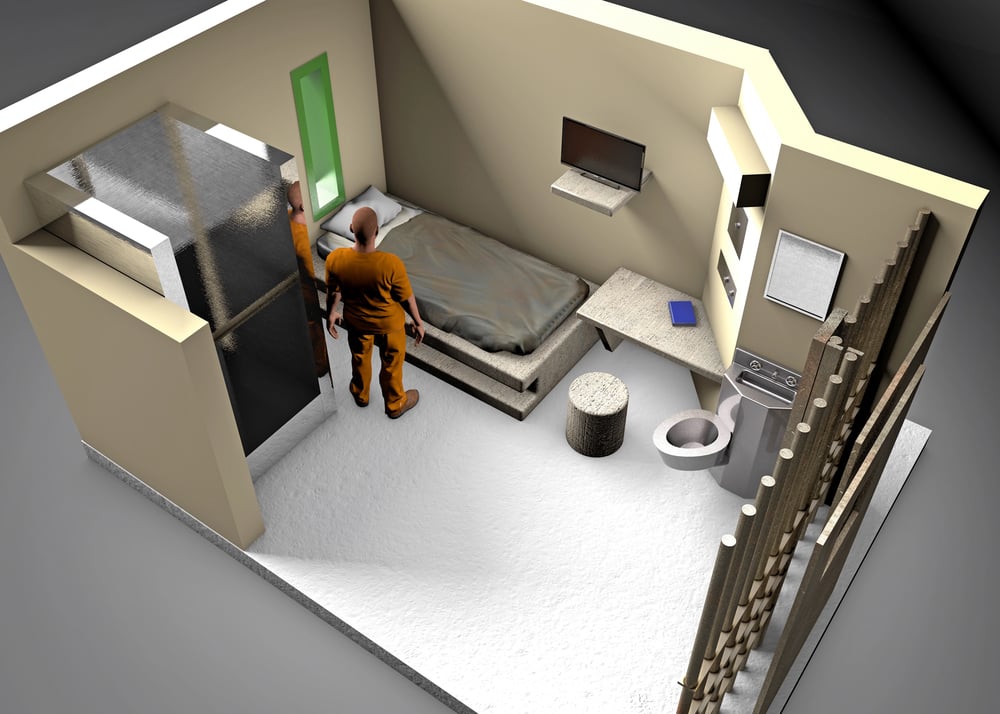
The United States’ only federal supermax prison sits in the southern Colorado high desert and holds prisoners considered too dangerous or disruptive for any other federal facility. Inmates spend 22 to 24 hours a day in 3.6 by 2.1 metre concrete cells; exercise takes place alone in a slightly larger concrete space. Human contact is minimal to near-zero.
The facility has held Ted Kaczynski, Ramzi Yousef, and multiple cartel leaders. The psychological effects of near-total isolation — including severe depression, psychosis, and hallucinations — have been documented by researchers and criticised by human rights organisations. No one has ever escaped.
Spandau Prison, Berlin, Germany (1876–1987)
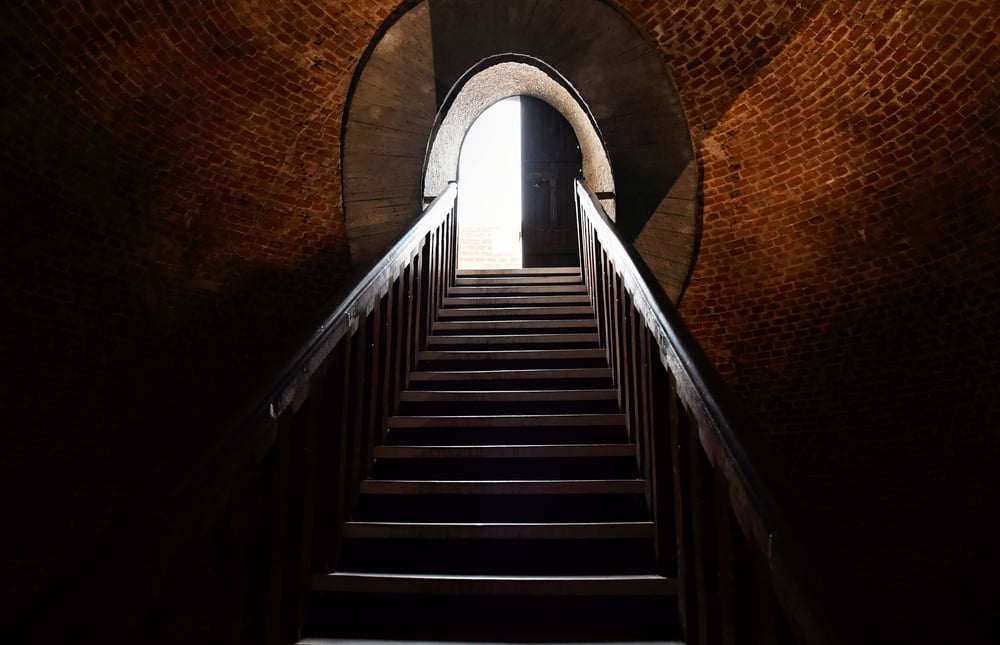
Spandau Prison achieved its most remarkable configuration after World War II, when it housed just seven convicted Nazi war criminals under quadripartite Allied administration — American, British, French, and Soviet guards rotating monthly. The cost and administrative complexity of maintaining a 600-cell facility for seven — and eventually one — prisoner was enormous. Rudolf Hess died at Spandau in 1987 as its sole occupant, aged 93.
The prison was immediately demolished after his death specifically to prevent it from becoming a neo-Nazi memorial site. Its entire final chapter was built around one man in a six-hundred-cell prison.
The Fleet Prison, London, England (1197–1844)
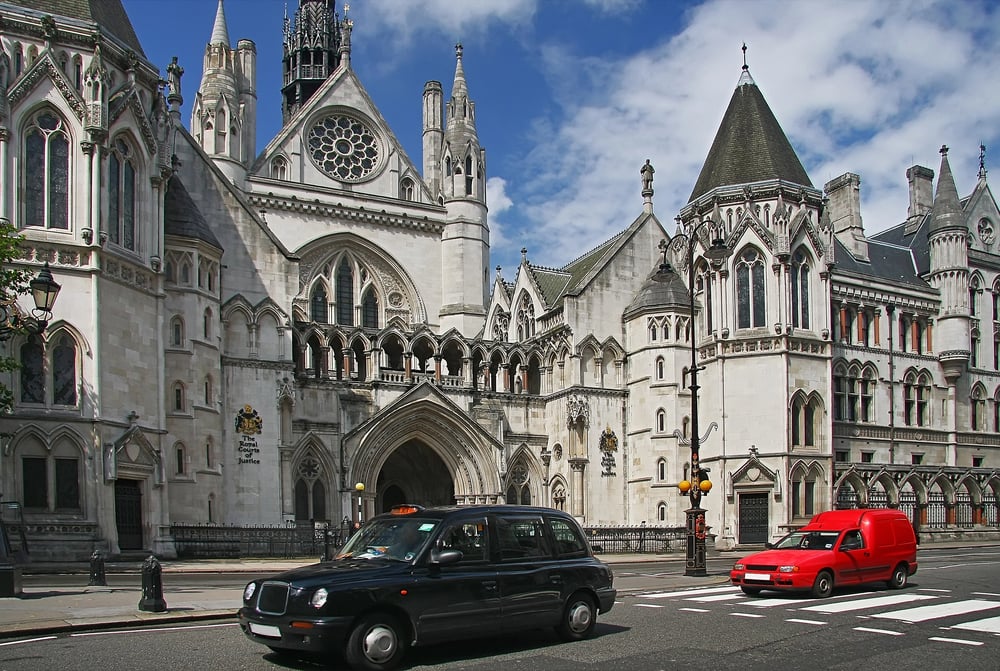
The Fleet Prison operated on a peculiar model. Wealthy prisoners could pay for comfortable rooms, servants, and even day passes allowing them to live outside the walls in the surrounding neighbourhood, known as the Liberty of the Fleet, as long as they returned. The poor received the standard treatment: squalor, disease, and malnutrition.
The Fleet was primarily a debtors’ prison, and the distinction between imprisonment and supervised poverty for its wealthier inmates made the concept of escape somewhat philosophical — many of the people who could have walked out simply didn’t need to.
Perm-36, Soviet Union (1946–1988)
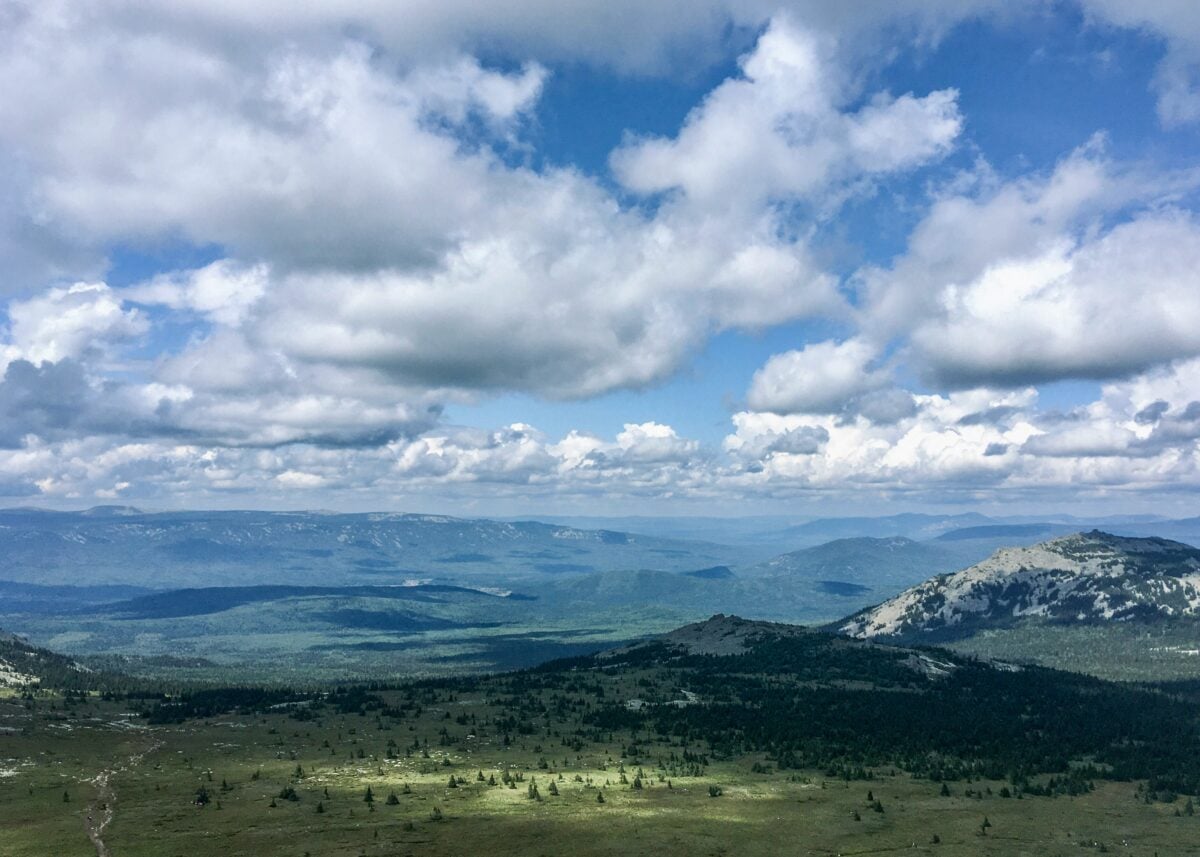
Perm-36, located in the Ural Mountains, was one of the Gulag network’s political prisoner camps and is the best-preserved of its kind. It held intellectuals, dissidents, Ukrainian nationalists, and others the Soviet state considered enemies.
The Gulag model of containment relied less on structural impenetrability than on geography — the camps were often located in Siberia or other remote regions where even a successful escape from the physical facility left a prisoner hundreds of kilometres from any community that might help them. Perm-36 is now a museum whose own management has been contested in post-Soviet Russia.
The Venetian Piombi, Venice, Italy (16th–18th Centuries)
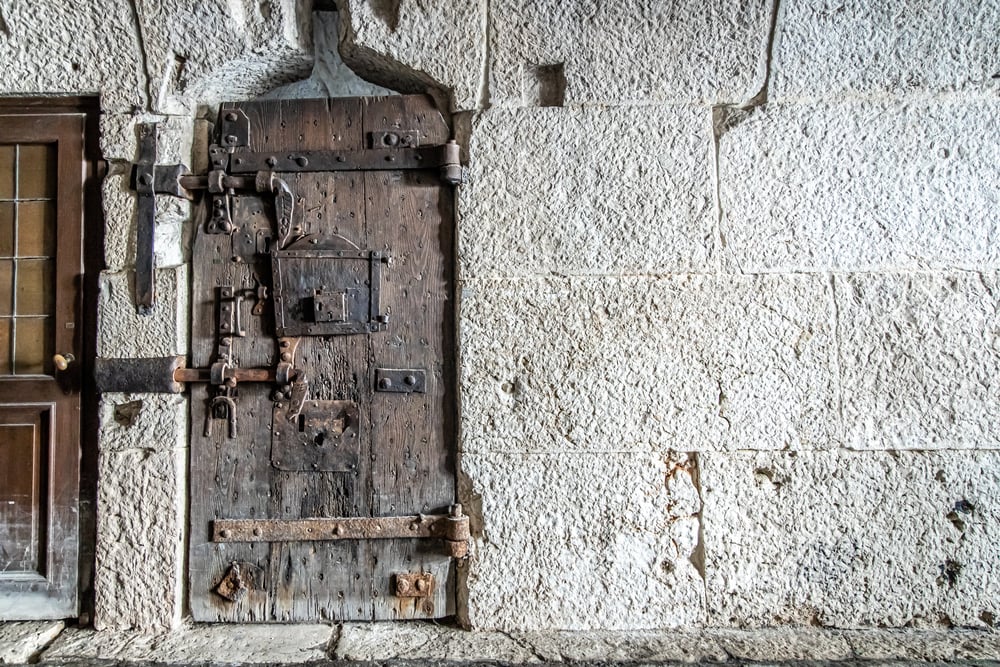
The Piombi — “the leads,” named for the lead plates that roofed the cells — were the prisons of the Doge’s Palace in Venice, located directly under the roof. In summer, the temperature in the cells became nearly unbearable; in winter, they were bitterly cold.
Giacomo Casanova was held in the Piombi in 1755 and became one of the very few people to escape — he broke through the ceiling, navigated the roof of the Doge’s Palace, and talked his way past a guard, later writing a detailed account that was either a masterpiece of self-promotion or a genuinely extraordinary escape, or both.
The Venetian Pozzi, Venice, Italy (16th–18th Centuries)
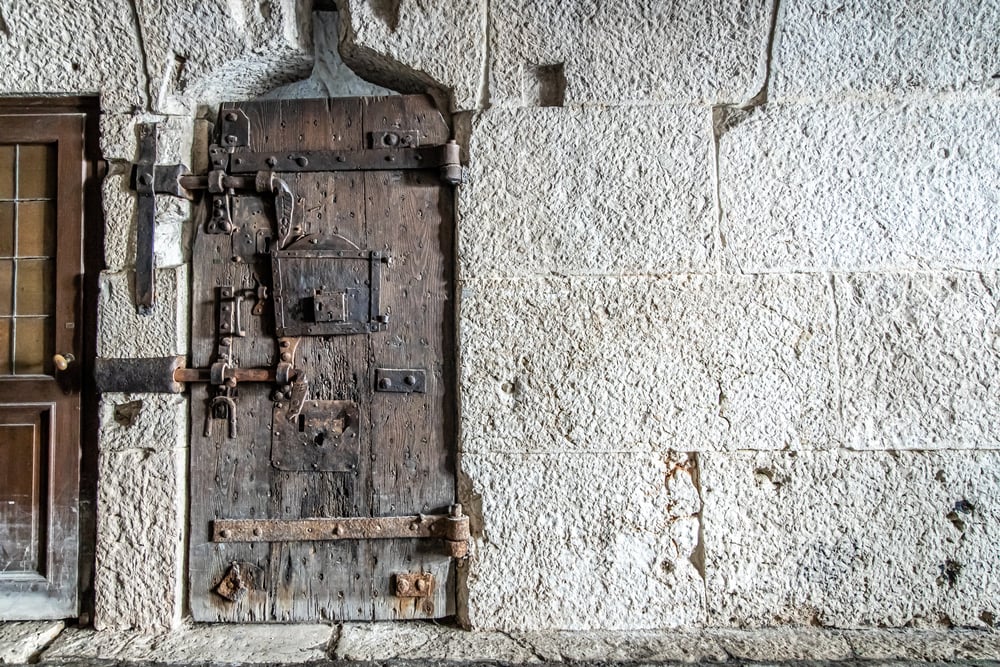
Where the Piombi were too hot, the Pozzi — “the wells” — were too cold and too wet. Located in the basement of the Doge’s Palace, the Pozzi cells were partially submerged during high tides, filling ankle-deep with lagoon water on a regular basis.
The conditions were designed to be experienced rather than survive indefinitely; the Pozzi held prisoners awaiting trial rather than long-term detainees. The fact that the structure was designed so that the prison periodically flooded seems not to have occurred to the Venetian authorities as a design flaw.
Ile Saint-Joseph, Devil’s Island Complex, French Guiana
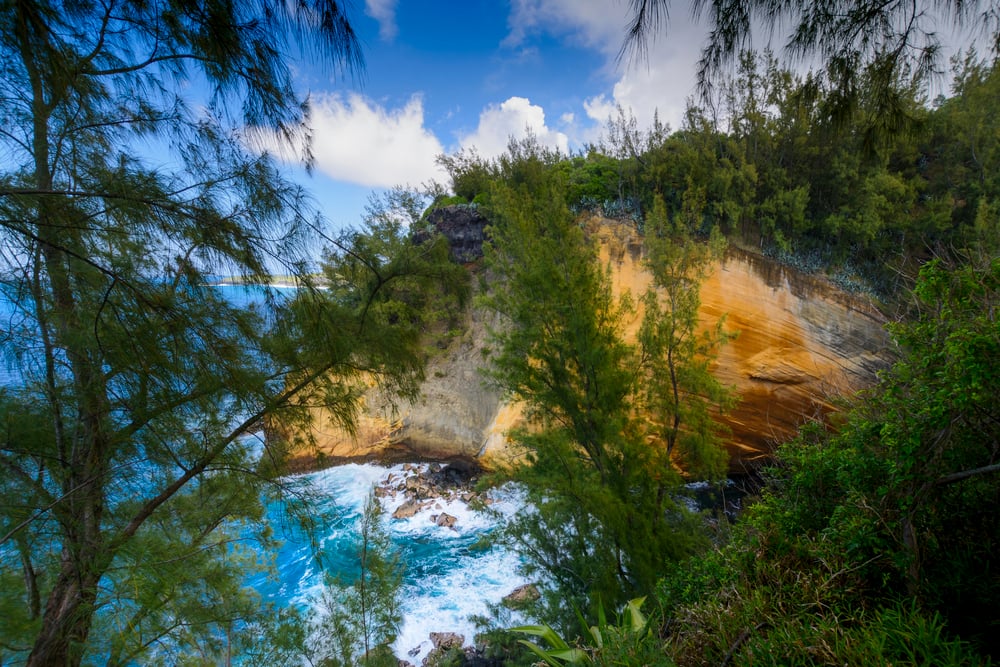
Within the Devil’s Island penal complex, Ile Saint-Joseph held the most dangerous inmates in solitary confinement. The cells were arranged so that prisoners in adjacent cells could not see or hear each other; meals were delivered through a slot in the door; exercise was taken alone in individual yards.
The enforced silence was total. Former prisoners described the silence as the most psychologically damaging element of the entire complex — more damaging than the heat, the disease, or the physical conditions. Some prisoners reportedly chose death over continued isolation.
Newgate’s Condemned Cells, London
Within Newgate Prison, the condemned cells held a particular horror beyond the general prison population. Prisoners awaiting execution were placed in small, dark cells in a separate wing, visited by the prison chaplain daily.
The walk from the condemned cell to the gallows — later moved from inside the prison to the street outside — was conducted publicly to maximise the deterrent effect.
The Inquisition Cells, Spain (15th–18th Centuries)
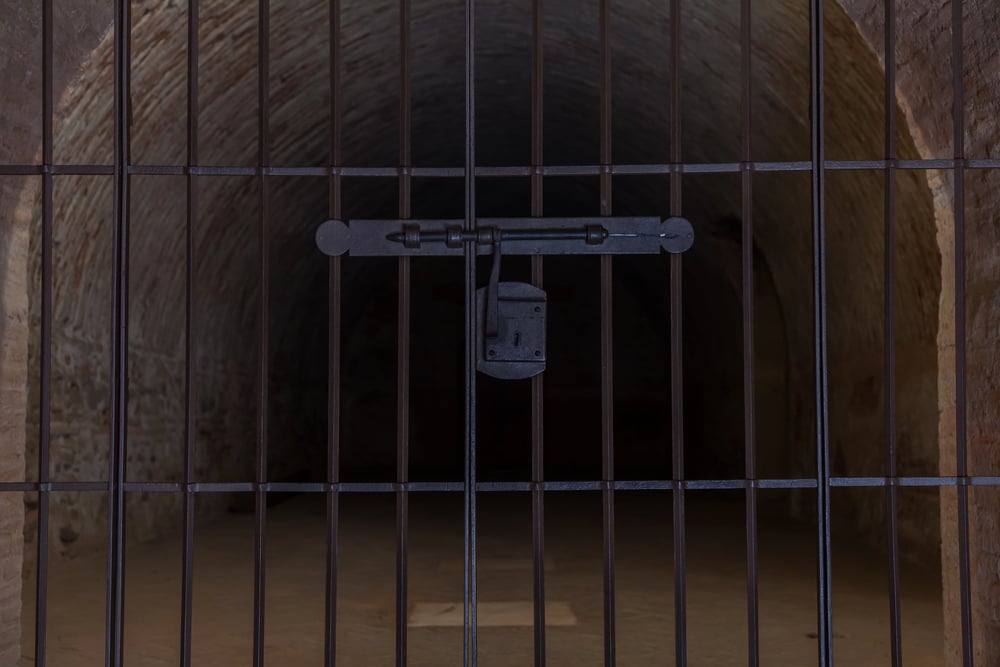
The Spanish Inquisition maintained holding facilities where accused heretics awaited examination. The design philosophy was oriented toward isolation, disorientation, and psychological pressure — prisoners were often denied information about the charges against them, the identities of their accusers, or the timeline of their proceedings.
The secrecy of the Inquisition process was not incidental to its function; it was the function. Prisoners who didn’t know the evidence against them could not construct an effective defence and were therefore more likely to confess, which was the preferred outcome regardless of guilt.
Eastern European Salt Mines as Prisons, Poland (Various)
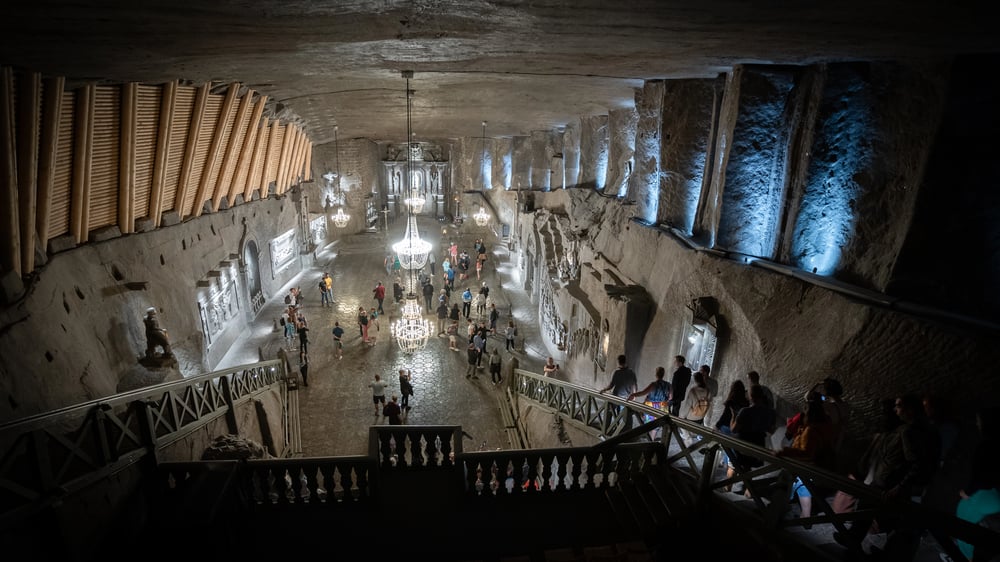
Several of the deep salt mines of Central Europe were used as places of involuntary confinement or penal labour. The underground geography of a working mine provided natural containment: descent into deep shafts via rope, the labyrinthine nature of the tunnels, the darkness, and the dependency on those controlling the surface equipment made self-directed escape essentially impossible.
Prisoners knew that the men operating the equipment above were employed by the very people who had imprisoned them below.
Holmesburg Prison, Philadelphia, USA (1896–1995)
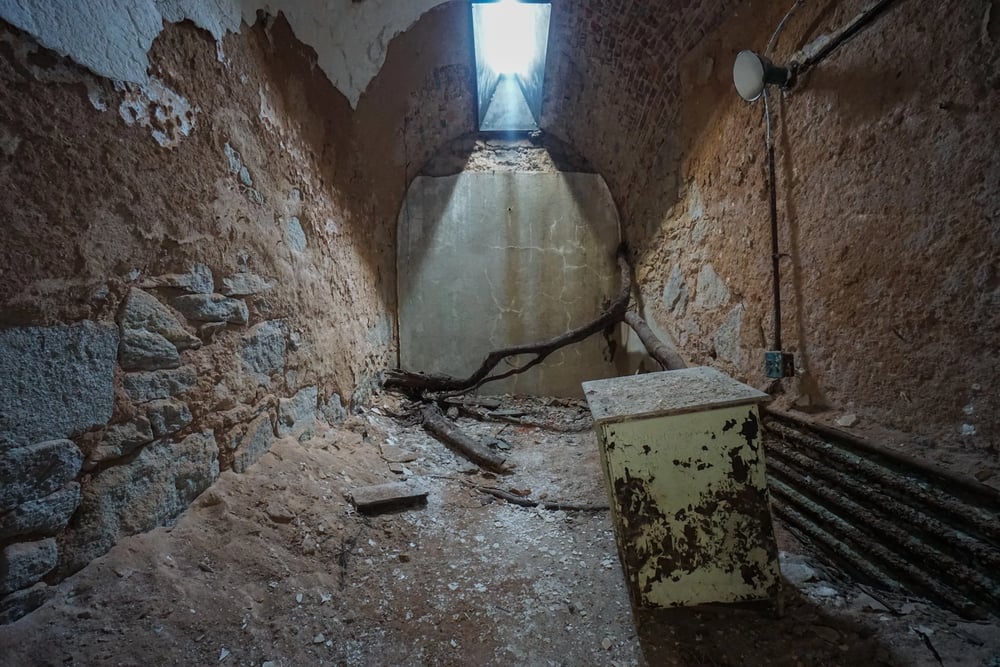
Holmesburg Prison in Philadelphia gained a particularly grim reputation not primarily for its security design but for the medical experiments conducted on prisoners without meaningful consent between the 1950s and 1970s, including skin and drug testing on behalf of pharmaceutical companies and the US Army. Prisoners were promised small payments or reduced sentences.
The experiments, conducted by dermatologist Albert Kligman — who also developed Retin-A — were only fully disclosed decades later. The facility was considered difficult to escape from not because of any particular architectural ingenuity but because of the violence and informant culture within its walls.
Bodmin Jail, Cornwall, England (1779–1927)
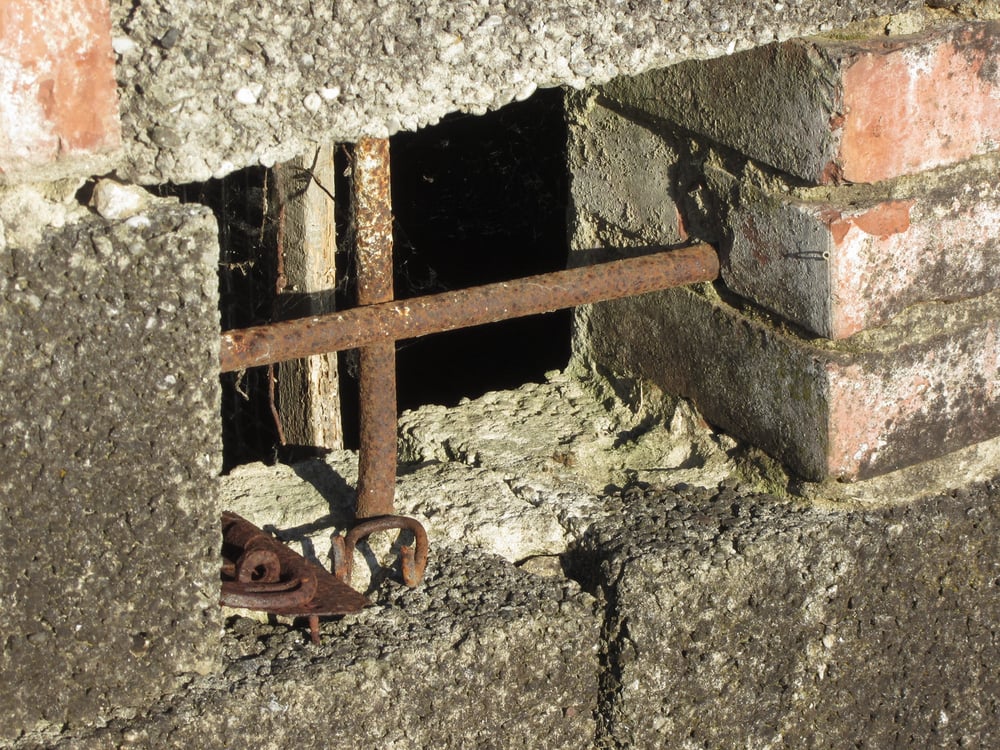
Bodmin Jail was built in 1779 in the far southwestern corner of England partly in response to a movement for prison reform — its designer aimed for something more humane than the overcrowded local gaols then in use. It featured separate cells, a kitchen, and at one point a gallows that was relocated outside the walls to permit public viewing.
The remoteness of Cornwall contributed to its containment function; escaping the jail was one challenge, but escaping the county by foot without resources was another. The jail held French and American prisoners of war during its early years.
The Siberian Gulag Camps, Soviet Union (1918–1950s)
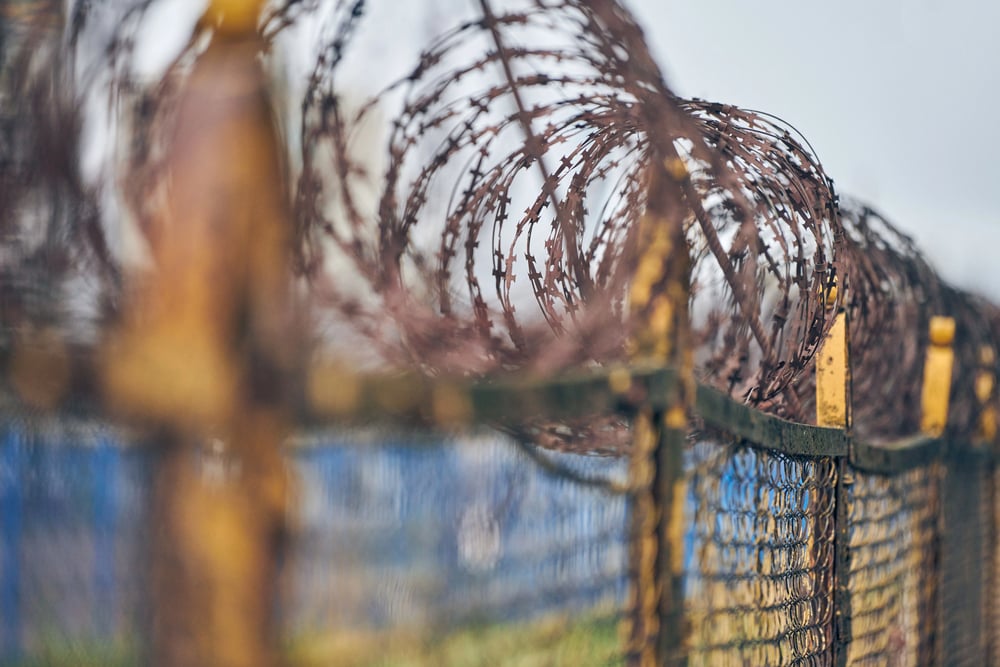
The Soviet Gulag network — which at its peak held an estimated 1.5 million prisoners — located many of its camps in Siberia and the Soviet Far East, where geography was the primary containment mechanism. Escaping the camp perimeter meant entering tens or hundreds of kilometres of sub-Arctic terrain with no shelter, no food, and temperatures that could reach minus forty degrees Celsius.
Guards were authorised to shoot escaping prisoners; for those who made it past the wire, the landscape itself was the execution. The survivors who did escape — a small number across the entire system — often succeeded by being informants or by having outside assistance.
Kilmainham Gaol, Dublin, Ireland (1796–1924)
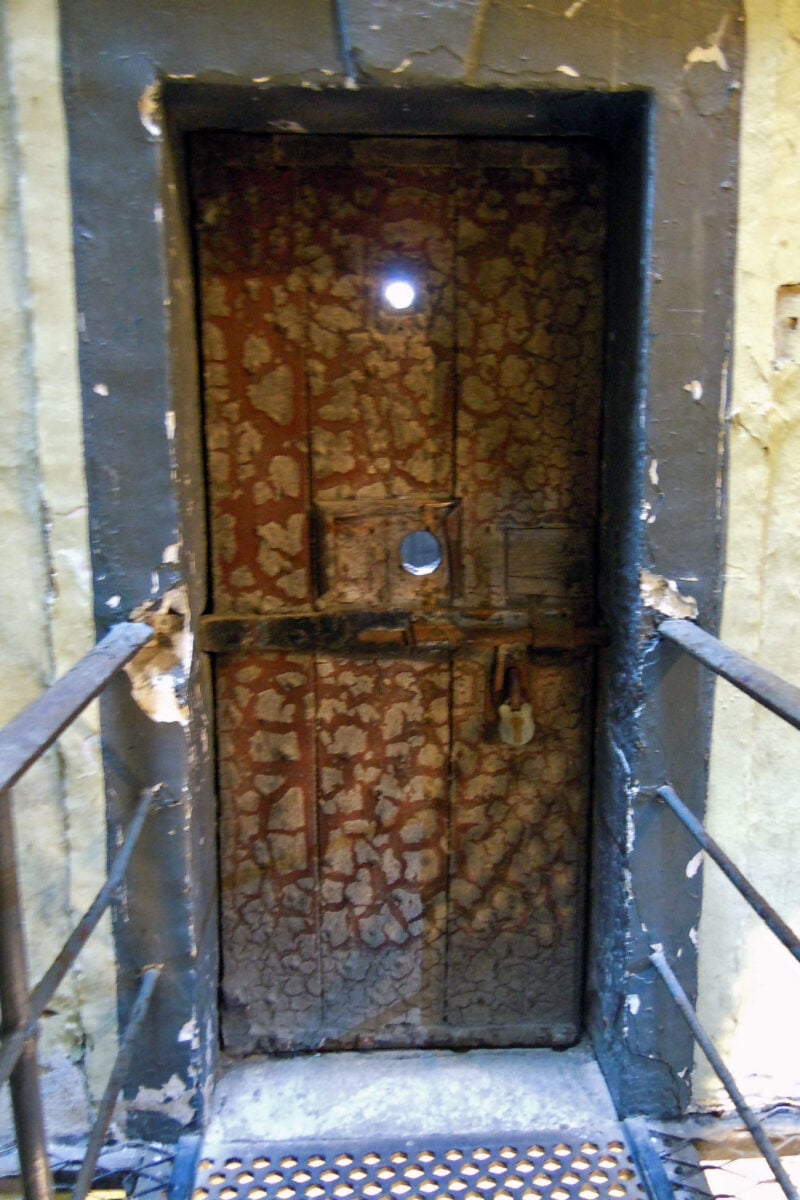
Kilmainham Gaol held many of Ireland’s most significant political prisoners across more than a century of turbulent history — Robert Emmet, Charles Stewart Parnell, Eamon de Valera, and the leaders of the 1916 Easter Rising, fourteen of whom were executed in its yard within two weeks of the uprising. The prison’s panopticon wing — added in the mid-19th century — was designed so that a single warder in the central hub could observe all three tiers of cells radiating outward.
The executions of 1916 transformed the building from a prison into a symbol: the place where Irish independence was decided.
Lefortovo Prison, Moscow, Russia (1881–Present)
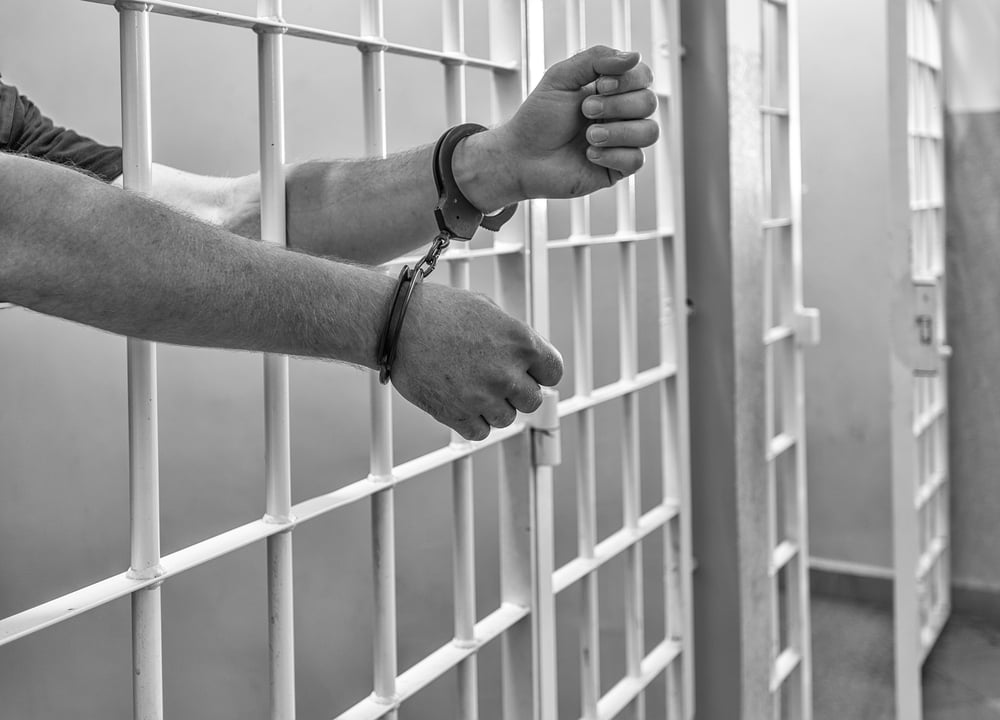
Lefortovo has functioned as a detention facility for the Russian state since the 1880s and is currently operated by the FSB, successor to the KGB. It gained its most notorious reputation as an interrogation facility during the Stalinist purges, when prisoners were held incommunicado, subjected to extended interrogation without sleep, and processed through a system designed to produce confessions rather than discover truth.
Contemporary use includes the pre-trial detention of foreign nationals and espionage suspects.
The Château de Chillon, Switzerland (Medieval Period)
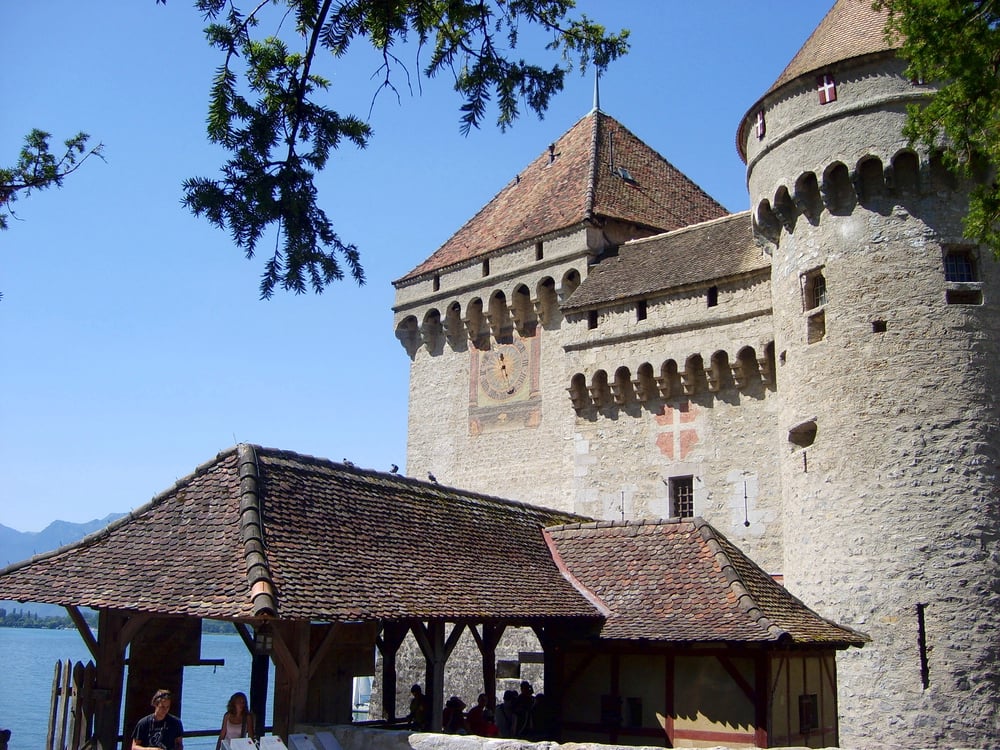
— Photo by AMBASADOR381
The Château de Chillon, situated on a rocky island in Lake Geneva, served as a prison for centuries and gained wide literary fame through Lord Byron’s poem The Prisoner of Chillon, written in 1816. Its most famous prisoner was François Bonivard, a Geneva patriot imprisoned by the Duke of Savoy in the 16th century for six years.
The castle’s location — on a natural rock island connected to shore by a narrow causeway controlled by its garrison — made escape nearly impossible. Byron visited and carved his name in the dungeon wall, where it remains visible today.
Andersonville Prison (Camp Sumter), Georgia, USA (1864–1865)
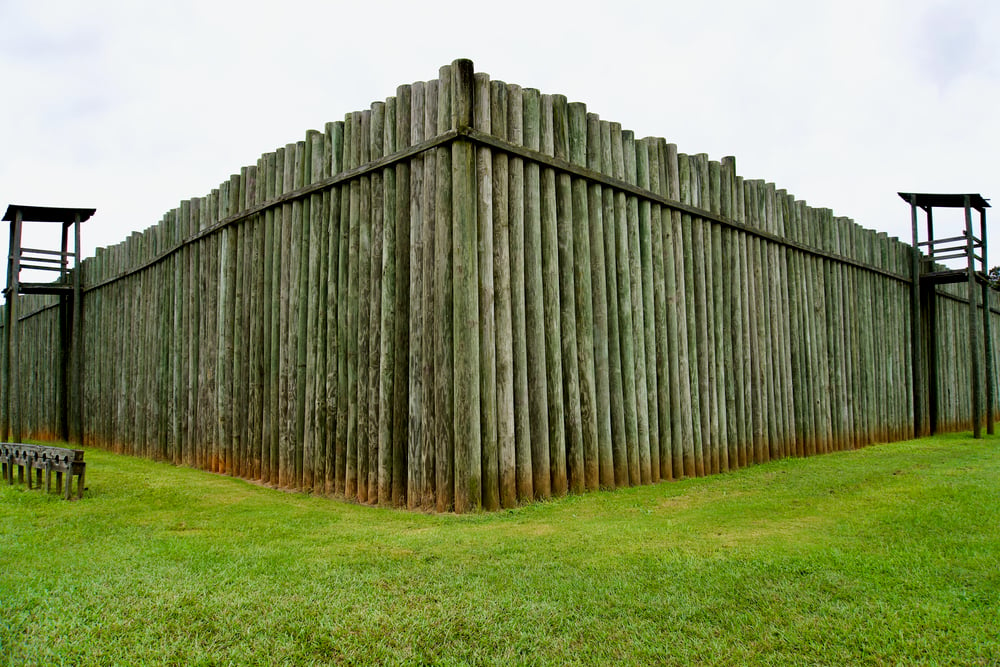
Andersonville was a Confederate prisoner-of-war camp that held Union soldiers during the American Civil War and became one of the most lethal prison facilities in American history. At its peak it held nearly 33,000 prisoners in a space designed for 10,000, with minimal shelter, contaminated water, and no effective sanitation.
Nearly 13,000 prisoners died there in approximately 14 months of operation. The commandant, Henry Wirz, was the only Confederate officer executed for war crimes after the war. Andersonville was not designed to be escape-proof but became impossible to survive in a different sense.
The Modern Supermax Model and Its Limitations

What the history of escape-proof prisons actually demonstrates is that no facility is beyond human ingenuity given sufficient time and motivation. Casanova got out of the Piombi. Allied officers flew a glider out of Colditz’s attic.
Frank Morris dug through Alcatraz’s cell walls with a spoon and a vacuum motor. The three men who vanished from Alcatraz in 1962 may have drowned, or they may not have — and the uncertainty alone is a kind of answer.
The evolution from geographic isolation to psychological exhaustion to total sensory deprivation reflects a slow institutional admission of what prison designers have always known and rarely said: physical barriers alone have never been sufficient. The most secure prisons in history have understood that containment is ultimately a problem of will, not walls — and have designed accordingly, with varying degrees of success and an unwavering confidence that this time, finally, there is no way out.
More from Go2Tutors!

- The Romanov Crown Jewels and Their Tragic Fate
- 13 Historical Mysteries That Science Still Can’t Solve
- Famous Hoaxes That Fooled the World for Years
- 15 Child Stars with Tragic Adult Lives
- 16 Famous Jewelry Pieces in History
Like Go2Tutors’s content? Follow us on MSN.