33 Shipwrecks That Held Answers to Questions Nobody Could Solve
Shipwrecks preserved evidence that solved historical mysteries, answered long-debated questions, or revealed information about past events that had been lost to time. A sunken vessel, preserved by cold water or anaerobic conditions, could contain documents, artifacts, or structural evidence that clarified historical understanding.
Many of these discoveries came centuries after the wrecks occurred, when archaeological technology had advanced sufficiently to excavate and preserve findings. What follows are shipwrecks whose discovery, investigation, or preservation provided answers to questions that had puzzled historians, archaeologists, or the general public.
The Mary Rose and Its Interior
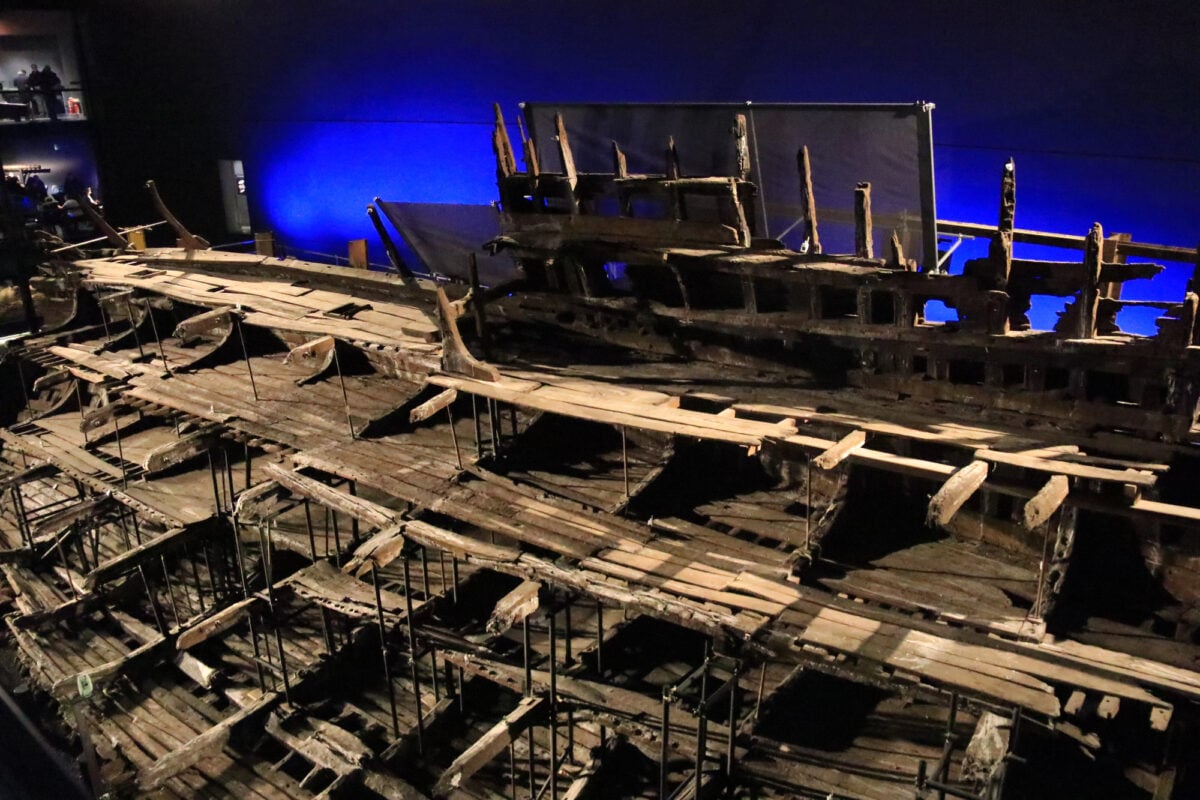
The Mary Rose, sunk in 1545, was recovered partially in 1836 and systematically excavated in the 1980s. The wreck preserved a snapshot of Tudor naval life, revealing personal belongings, clothing, weapons, and structural details.
The wreck answered questions about how Tudor ships operated, what sailors carried, and how naval life actually functioned; Artifacts found in the wreck, from leather shoes to wooden eating utensils, provided unambiguous evidence of daily life aboard a warship. The wreck’s preservation solved mysteries about Tudor naval practices that documentary sources had left unclear.
The RMS Titanic and the Iceberg Question
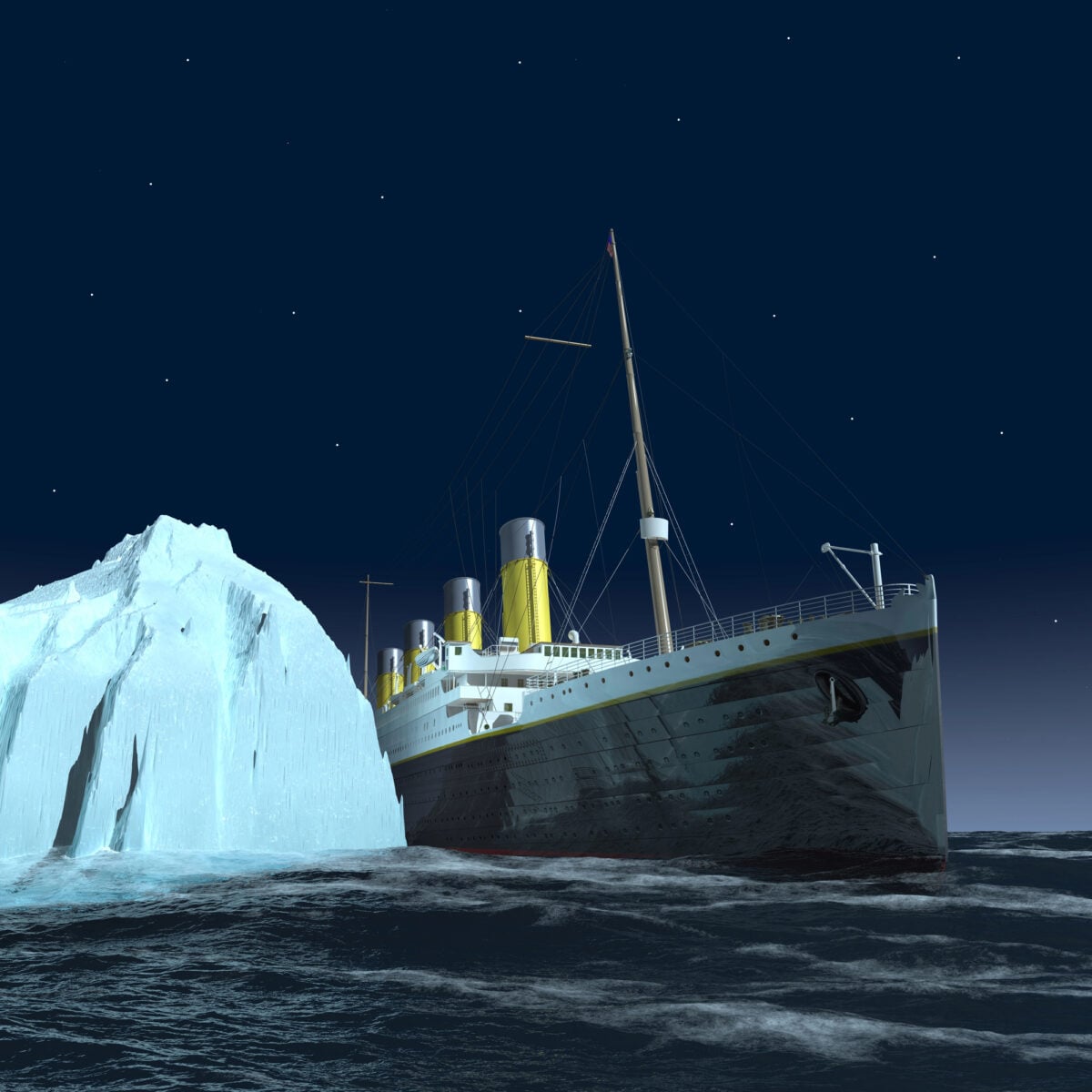
The discovery and exploration of the Titanic wreck in 1985 revealed the extent of damage and answers about how the ship sank. The wreck answered persistent questions about the ship’s final moments, the nature of the hull failure, and what actually occurred as the ship went down.
Artifacts from the wreck clarified the sequence of events and the conditions passengers experienced; The wreck’s discovery transformed understanding of the disaster from speculation to evidence-based analysis.
Spanish Galleons and Trade Route Evidence
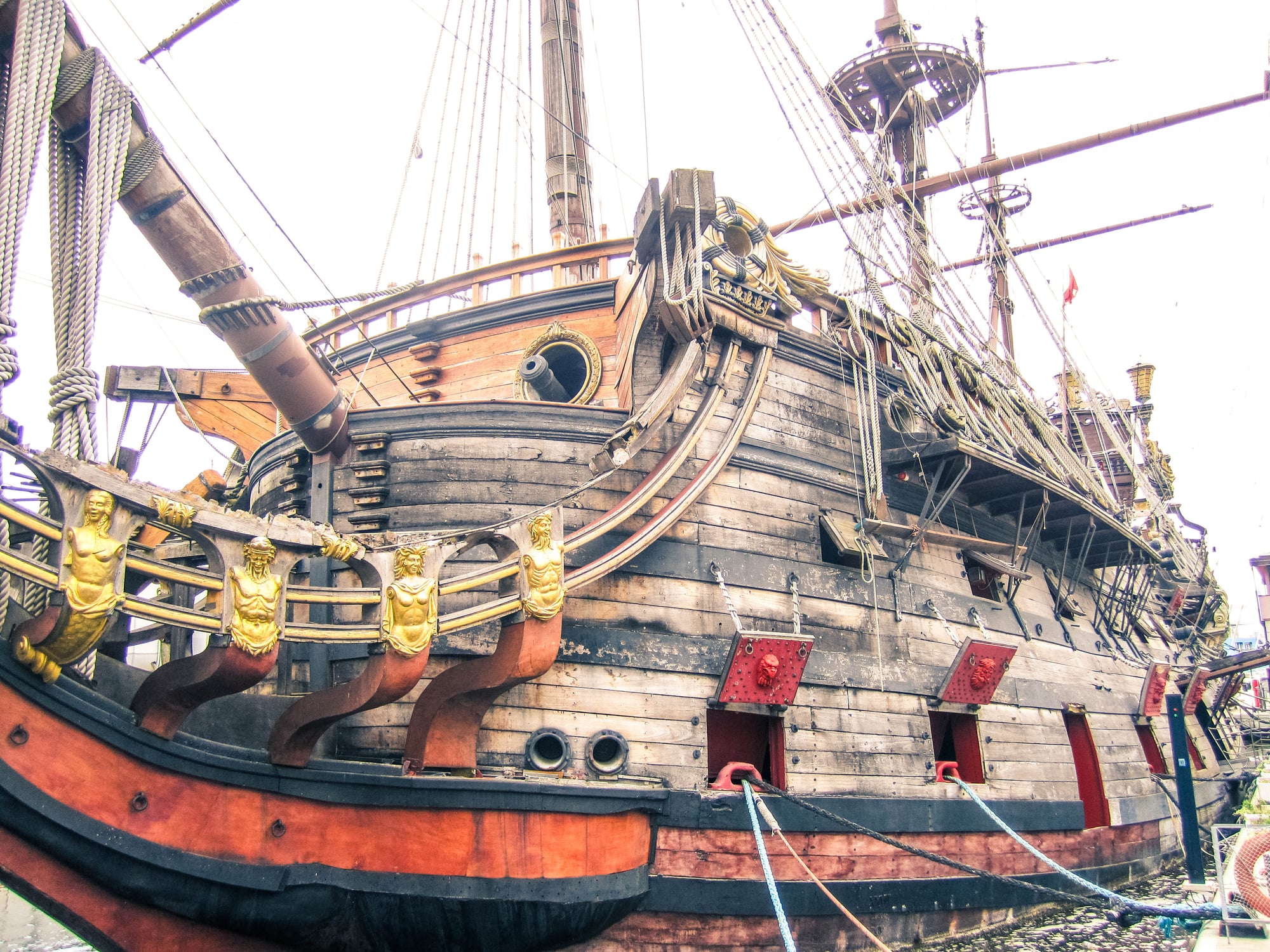
Shipwrecks of Spanish galleons revealed cargo inventories that clarified trade routes, commerce patterns, and economic relationships between Spain and its colonies. Preserved cargo—from coins to spices to manufactured goods—answered questions about what was traded, how valuable cargo was, and which routes were most important.
The wrecks provided archaeological evidence of commerce that documentary sources had only partially documented.
The Vasa and Its Construction
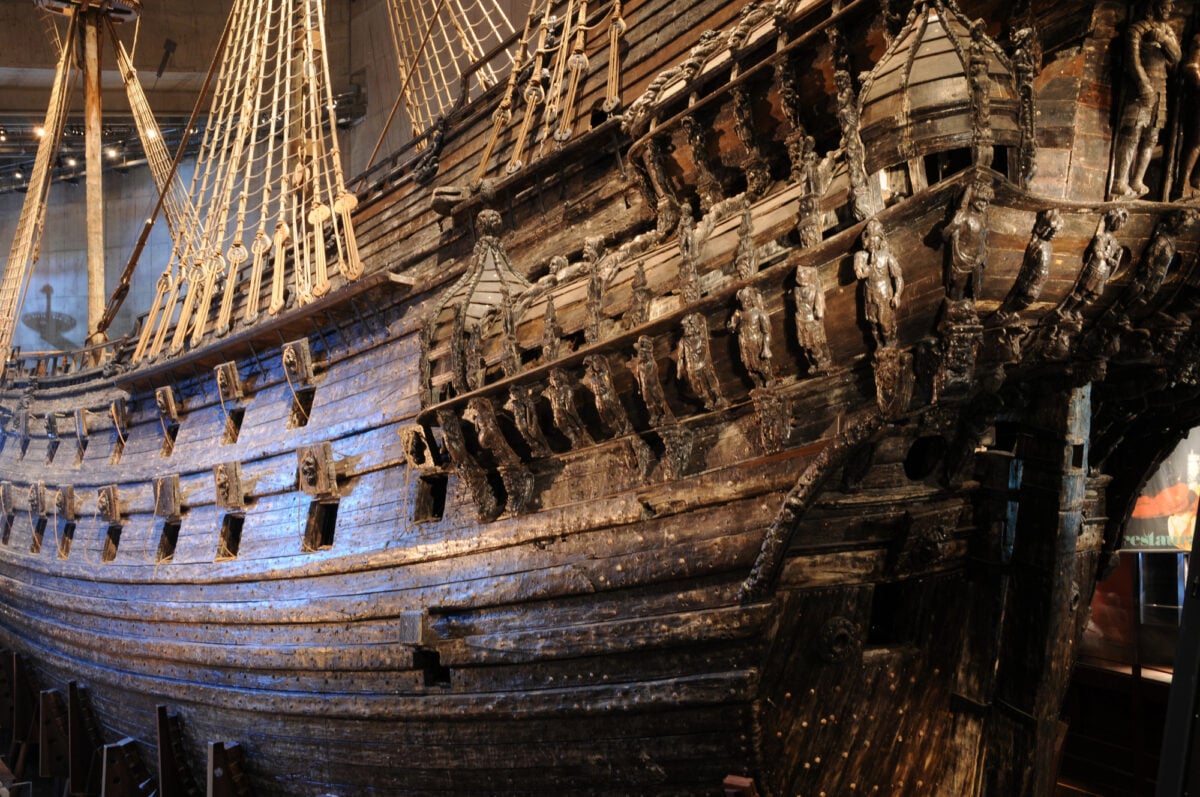
The Swedish warship Vasa, sunk in 1628, was recovered in 1961 and preserved. The wreck answered questions about how seventeenth-century warships were constructed, what materials were used, and how the ship was designed.
Examining the preserved vessel allowed historians to understand Swedish naval technology without relying solely on architectural drawings or written descriptions; The intact wreck solved mysteries about shipbuilding practices.
Ancient Greek Wrecks and Trade
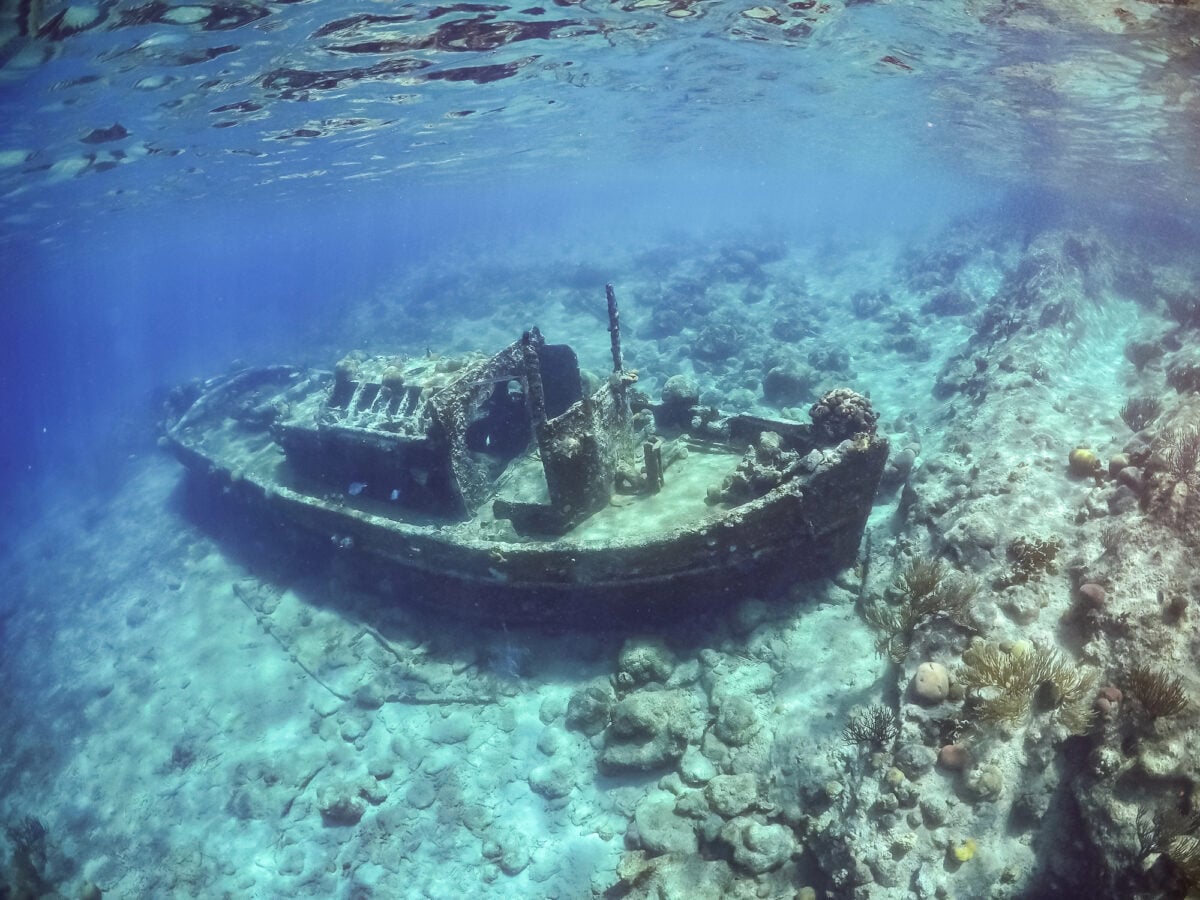
Wrecks of ancient Greek merchant vessels preserved cargo that answered questions about ancient commerce, trade networks, and economic relationships. Amphorae, pottery, and other cargo provided evidence of what goods were traded between ports and how extensive ancient commerce networks actually were.
The wrecks clarified ancient economic organization through preserved material evidence.
Roman Merchant Wrecks and Daily Life
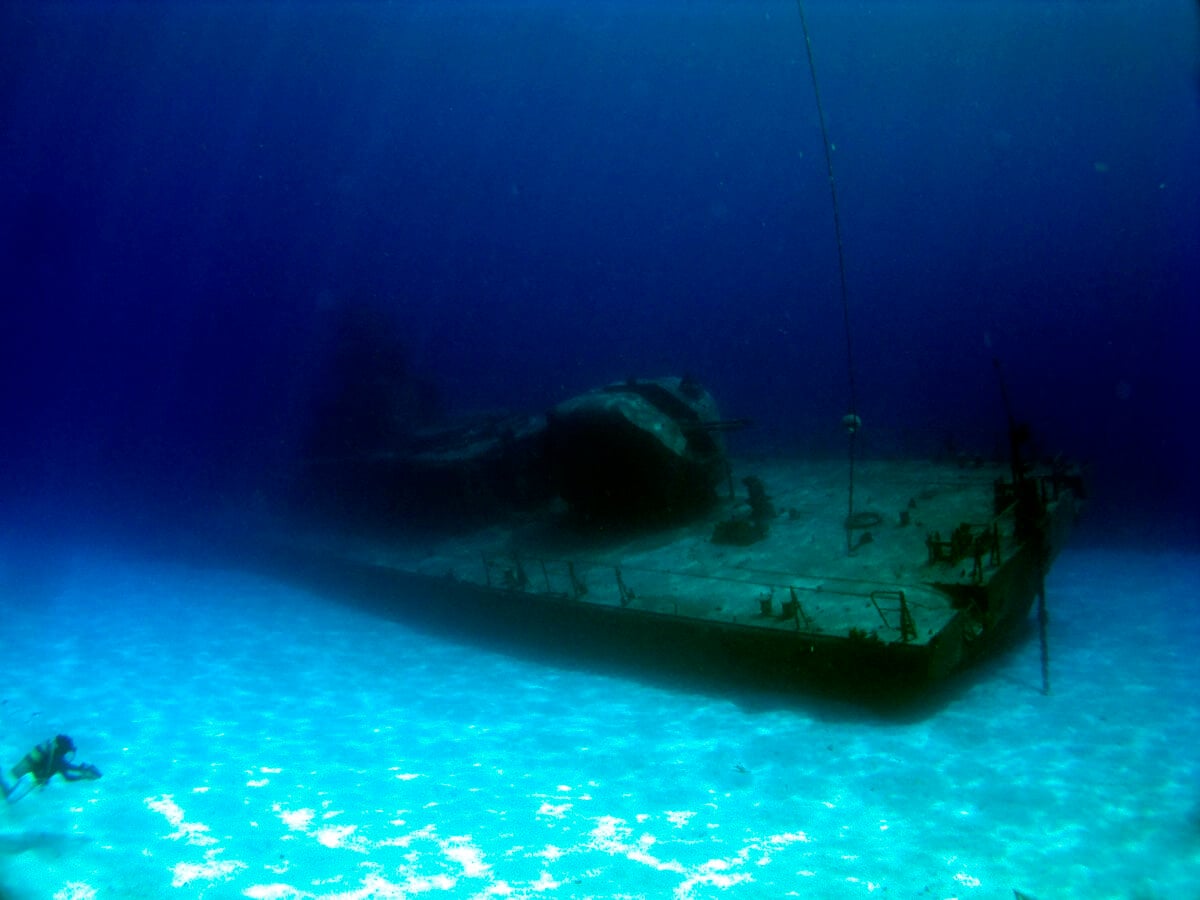
Wrecks of Roman merchant ships preserved artifacts that answered questions about Roman daily life, commerce, and material culture. Preserved goods—from wine amphoras to cooking equipment to personal items—provided unambiguous evidence of Roman life that written sources only partially described.
The wrecks revealed what Romans actually owned and valued in ways that documentary sources could not.
The Edmund Fitzgerald and Its Failure
The discovery of the Edmund Fitzgerald wreck in 1975 answered questions about why the ship sank despite decades of service in the Great Lakes. The wreck’s condition and position provided evidence that allowed investigators to determine the likely cause of sinking.
The investigation provided closure to the mystery and clarified the dangers of Great Lakes shipping.
The USS Yorktown and Naval Warfare
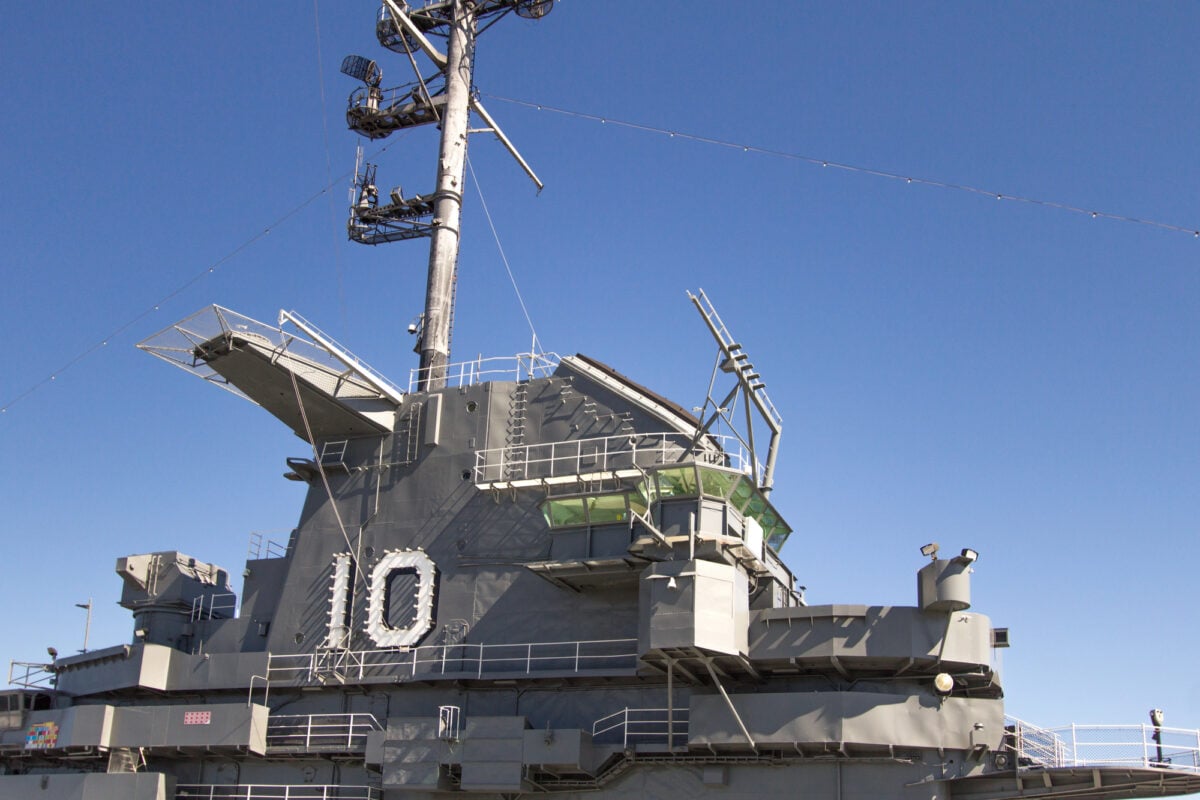
The discovery of USS Yorktown, sunk at the Battle of the Coral Sea in 1942, provided evidence about naval warfare tactics and ship vulnerability. The wreck’s condition and position answered questions about how the ship was damaged and sank.
The archaeological examination clarified details of the battle that historical accounts had not fully explained.
The Endurance and Antarctic Exploration
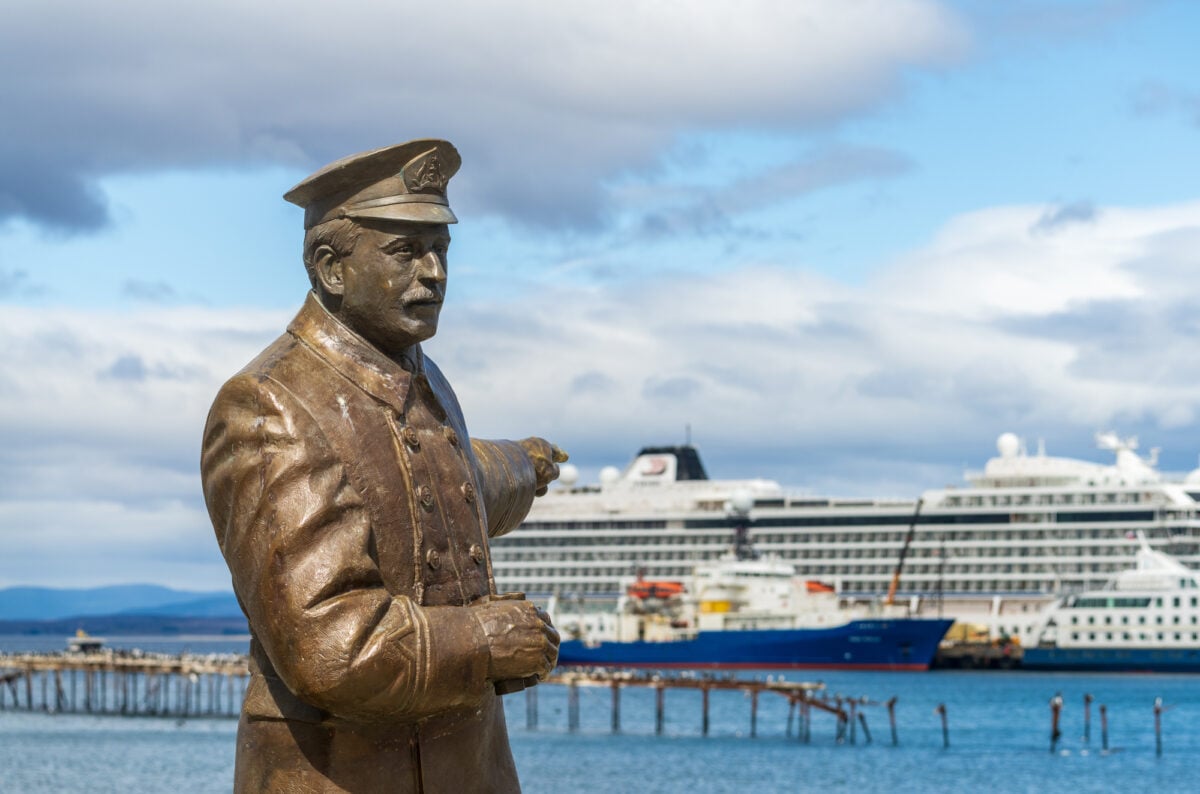
The wreck of the Endurance, Shackleton’s Antarctic exploration ship sunk in 1916, was discovered and photographed in 2022. The well-preserved wreck answered questions about the ship’s final position, condition, and what occurred during its sinking.
The preserved vessel provided concrete evidence of Antarctic exploration that had previously been known only through written accounts and photographs.
Medieval Wrecks and Ship Construction
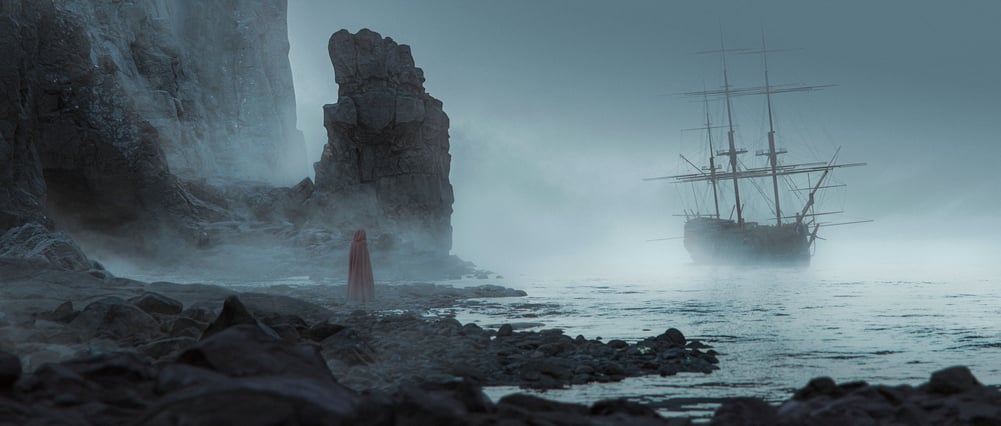
Medieval shipwrecks preserved evidence of how medieval ships were actually constructed, contradicting or clarifying written descriptions. The Gokstad ship and other preserved medieval vessels answered questions about navigation capabilities, cargo capacity, and construction techniques.
The preserved ships provided tangible evidence of medieval shipbuilding technology.
The Andrea Doria and Mediterranean Naval History
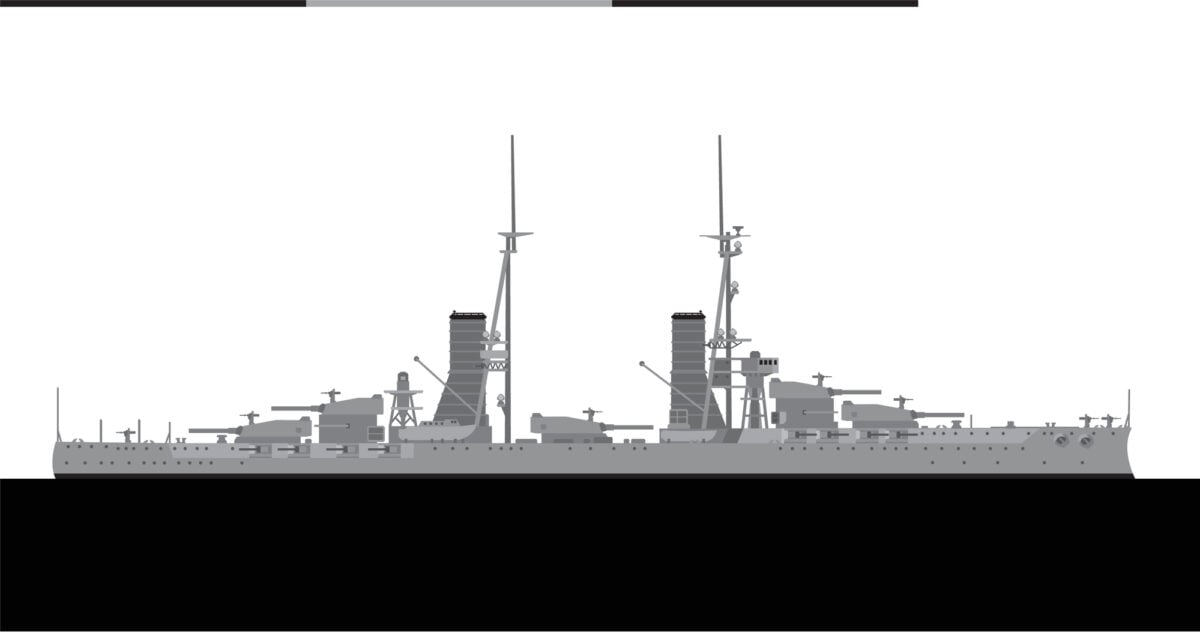
The wreck of the Andrea Doria, sunk in 1956, provided evidence about mid-twentieth-century shipping technology and maritime disasters. The wreck answered questions about how the collision occurred and why the ship sank so rapidly.
The wreck investigation clarified maritime safety practices and ship vulnerabilities.
Phoenician Shipwrecks and Ancient Navigation
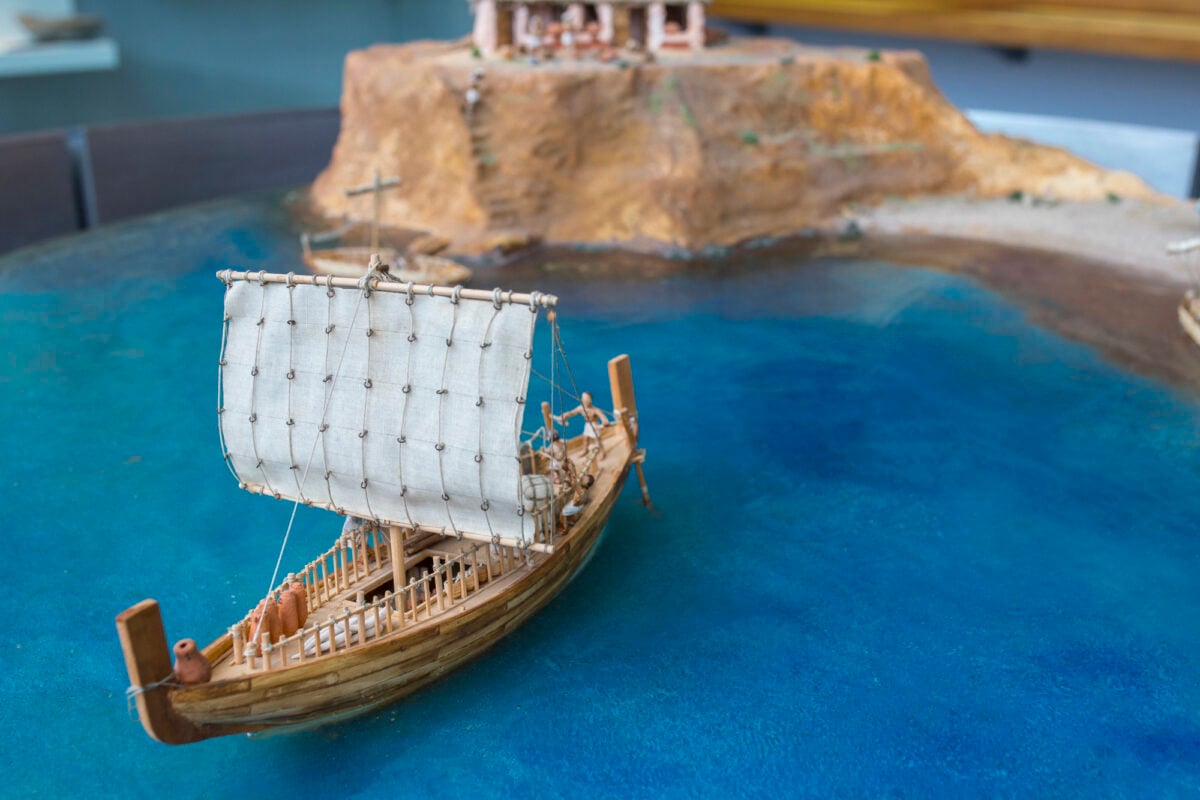
Wrecks of Phoenician ships provided evidence about ancient navigation, trade routes, and cargo. The preserved artifacts answered questions about how ancient peoples navigated the Mediterranean and what they traded.
The wrecks clarified ancient maritime commerce through preserved material evidence.
Slave Ship Wrecks and Human History
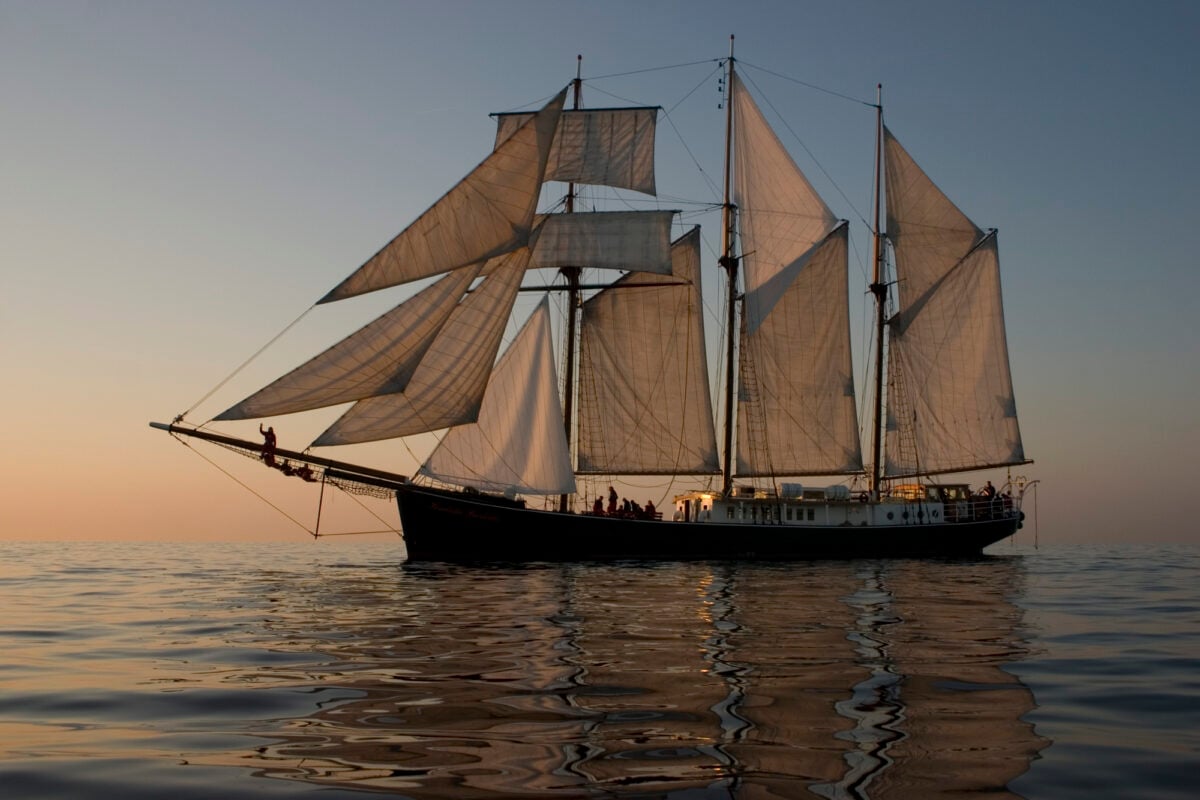
Wrecks of slave ships provided archaeological evidence about the Middle Passage and conditions aboard slave vessels. The preserved remains of human cargo and ship conditions answered questions about the horror and inhumanity of the slave trade.
The wreck evidence provided concrete material documentation of slavery’s human costs.
Viikings’ Oseberg Ship and Burial Practices
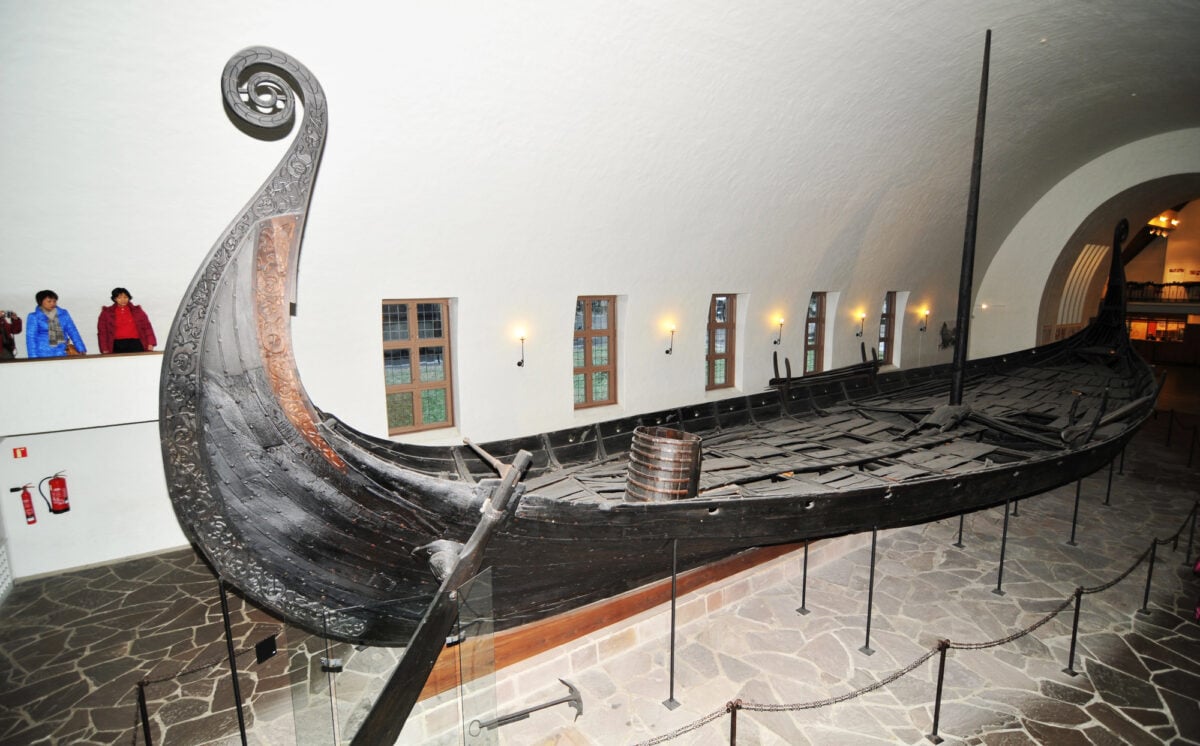
The well-preserved Viking ship burial at Oseberg provided evidence about Viking technology, art, and burial practices. The preserved ship and its contents answered questions about how Vikings built ships and what they valued.
The wreck evidence clarified Viking material culture in ways that written sources alone could not.
The Rainbow and Piracy Evidence
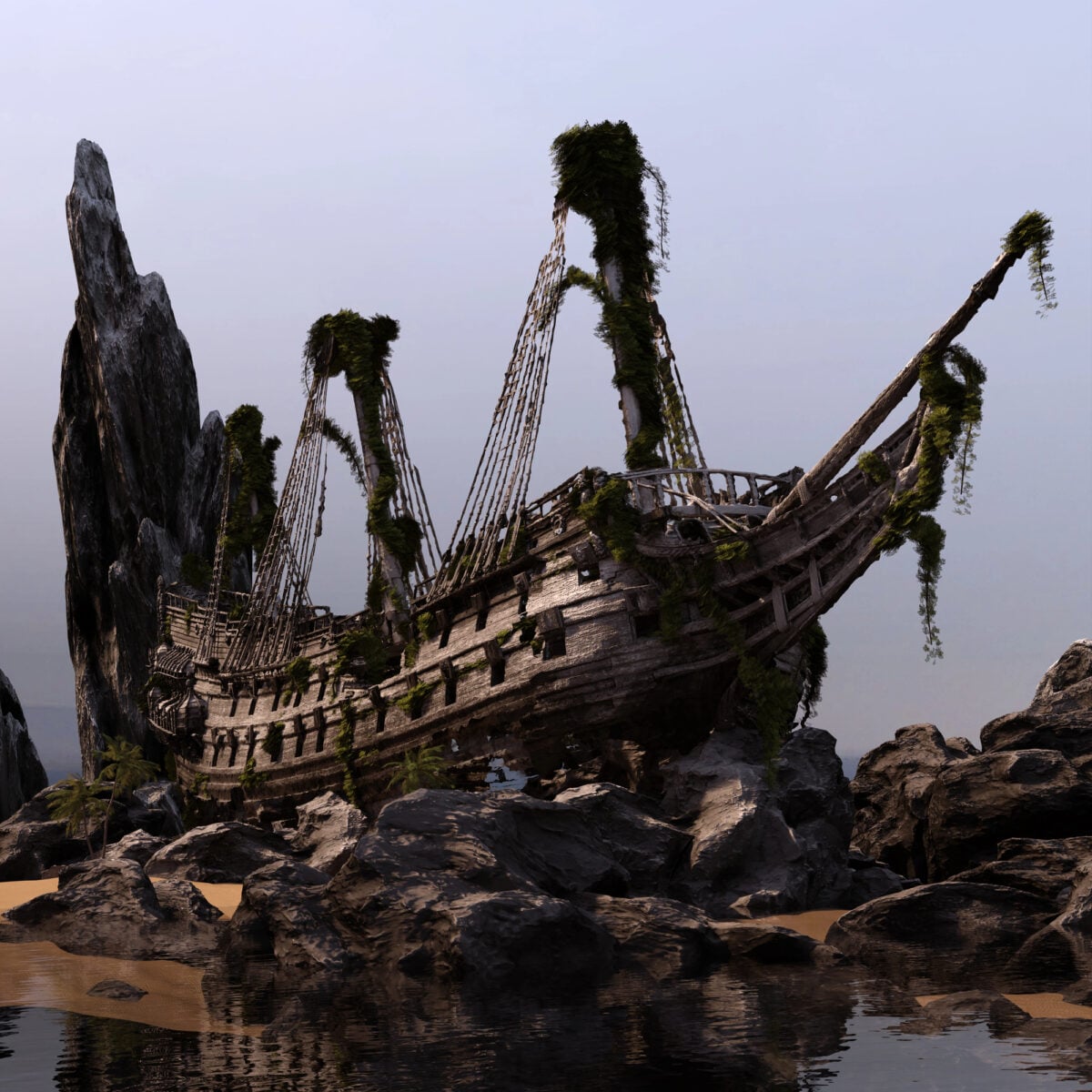
Wrecks of pirate ships provided evidence about pirate technology, methods, and material culture. The preserved ships answered questions about how pirates armed themselves and what they carried.
The wreck evidence clarified piracy through preserved material remains.
Merchant Wrecks and Historical Trade
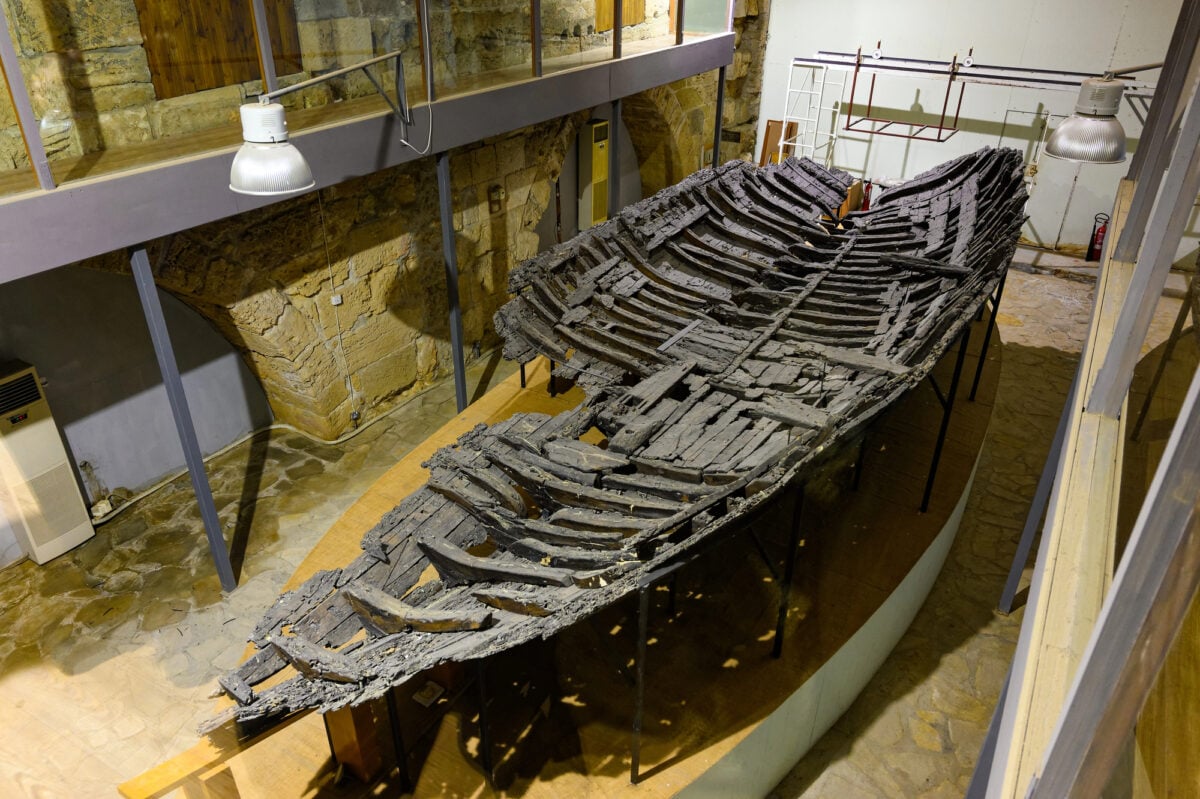
Wrecks of merchant vessels from various periods preserved cargo that clarified historical trade patterns. The preserved goods answered questions about what was traded between regions and how extensive trade networks were.
The wrecks provided archaeological evidence of commerce that documentary sources had partially documented.
The Sirius and Antarctic Exploration
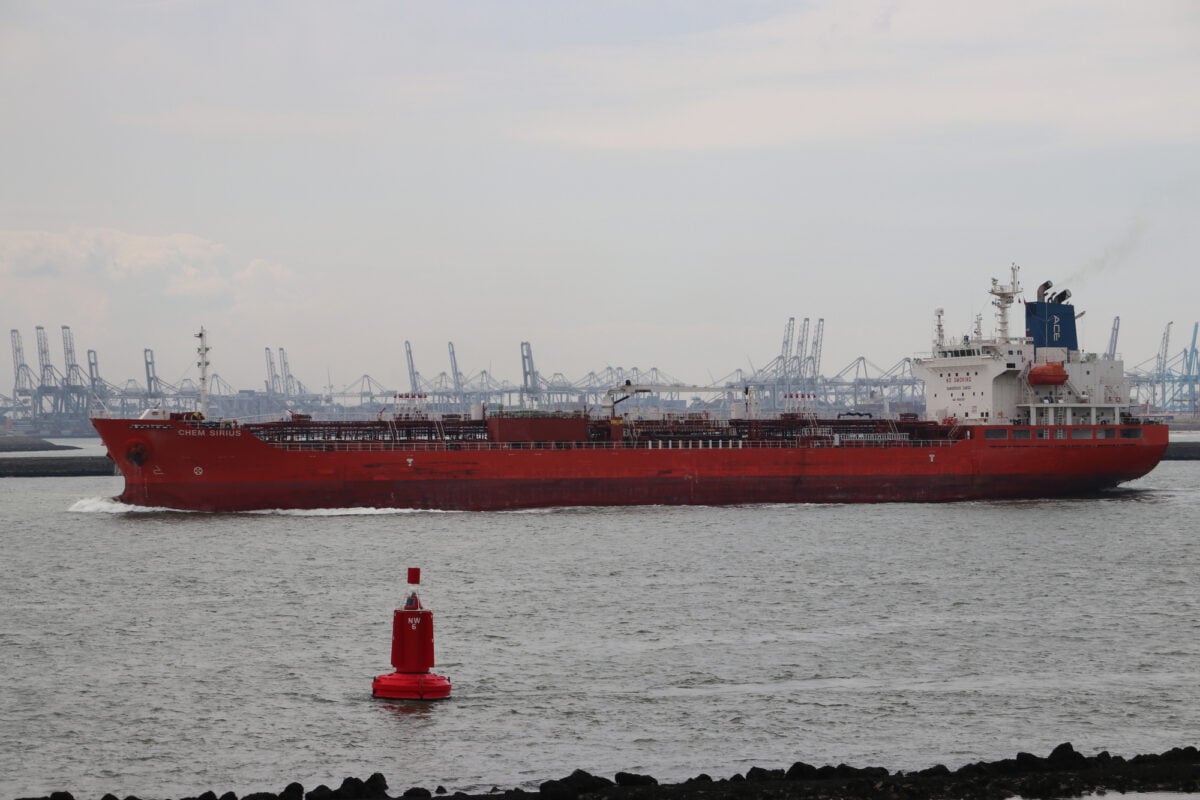
The wreck of the Sirius, sunk in 1898, preserved evidence about Antarctic exploration and ship technology in polar waters. The preserved vessel answered questions about how ships navigated polar seas and what technology was used.
The wreck evidence clarified Antarctic exploration history.
The Franklin Expedition Wrecks
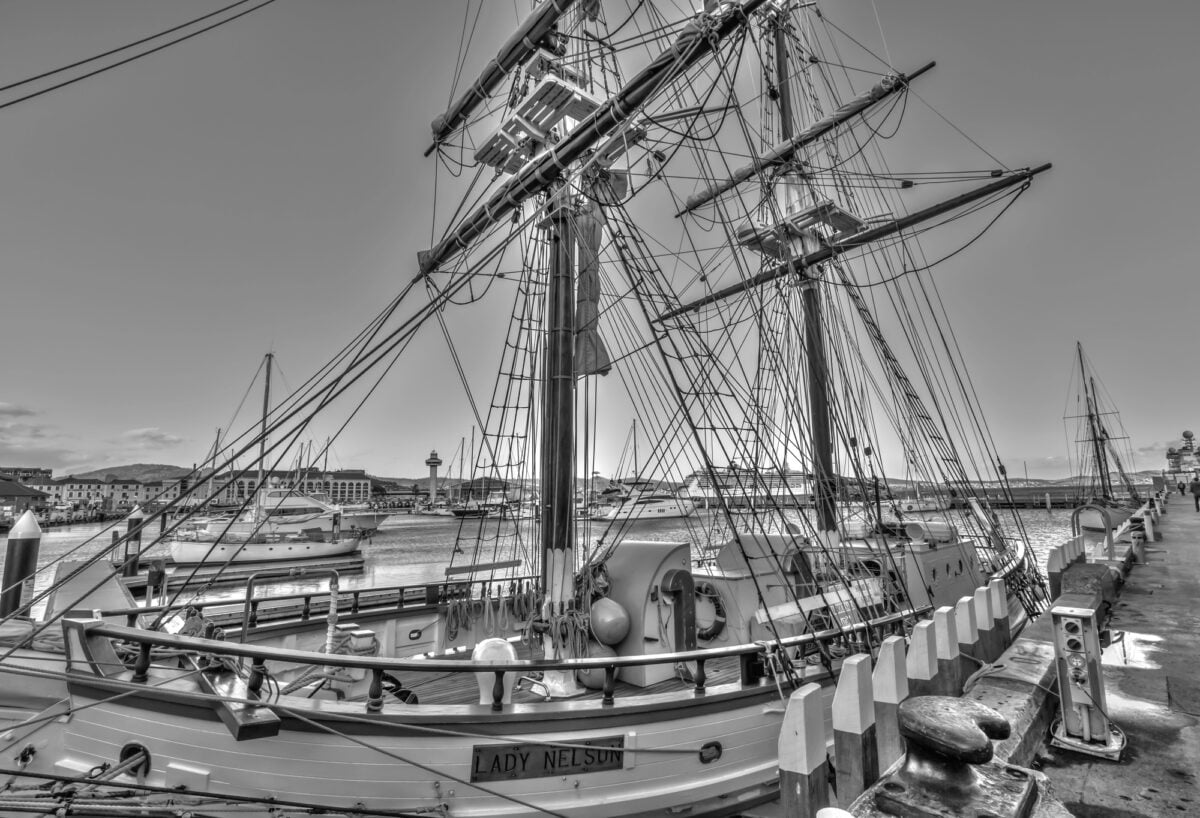
The discovery of wrecks from the Franklin Arctic Expedition provided evidence about the expedition’s final years and fate. The discovered ships answered persistent questions about what happened to the expedition and when.
The wrecks provided conclusive evidence that clarified a mystery that had puzzled historians for over 150 years.
Ming Dynasty Wrecks and Exploration
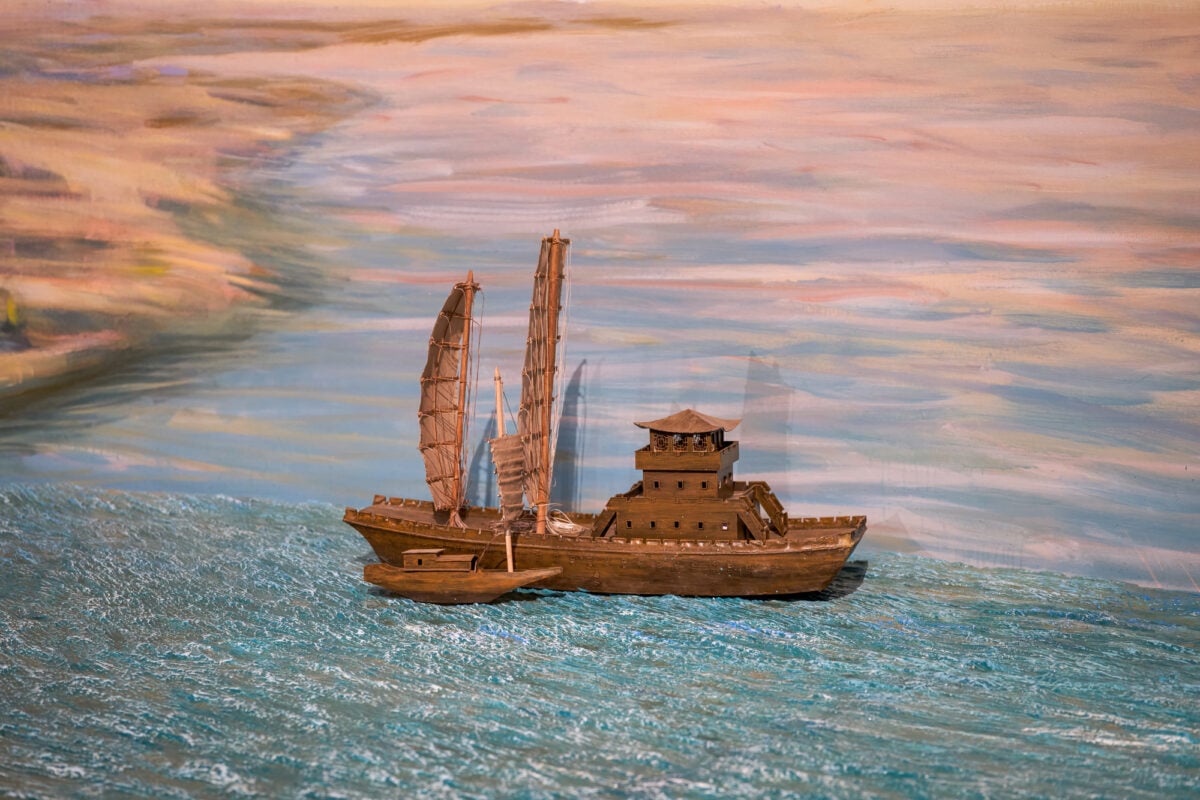
Wrecks of ships from the Ming Dynasty’s exploration voyages provided evidence about Chinese maritime technology and exploration capabilities. The preserved ships answered questions about how far Chinese ships traveled and what technology they employed.
The wreck evidence clarified Ming Dynasty maritime achievements.
World War II Wrecks and Naval Battles
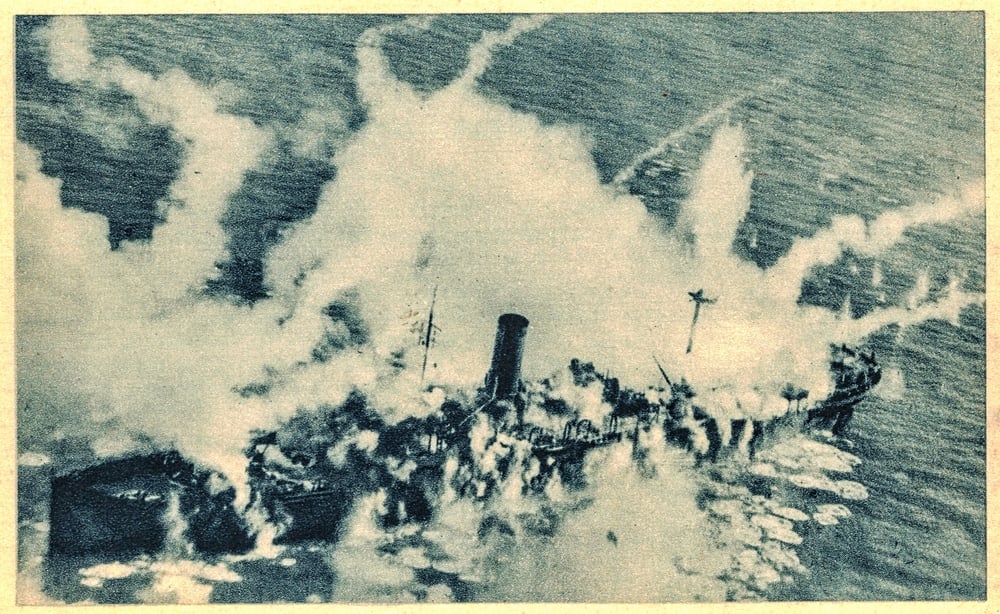
Wrecks of ships sunk during World War II provided evidence about naval battles, ship technology, and combat conditions. The preserved vessels answered questions about how battles unfolded and what happened during specific engagements.
The wreck evidence clarified World War II naval history through preserved material remains.
The USS Arizona and Pearl Harbor
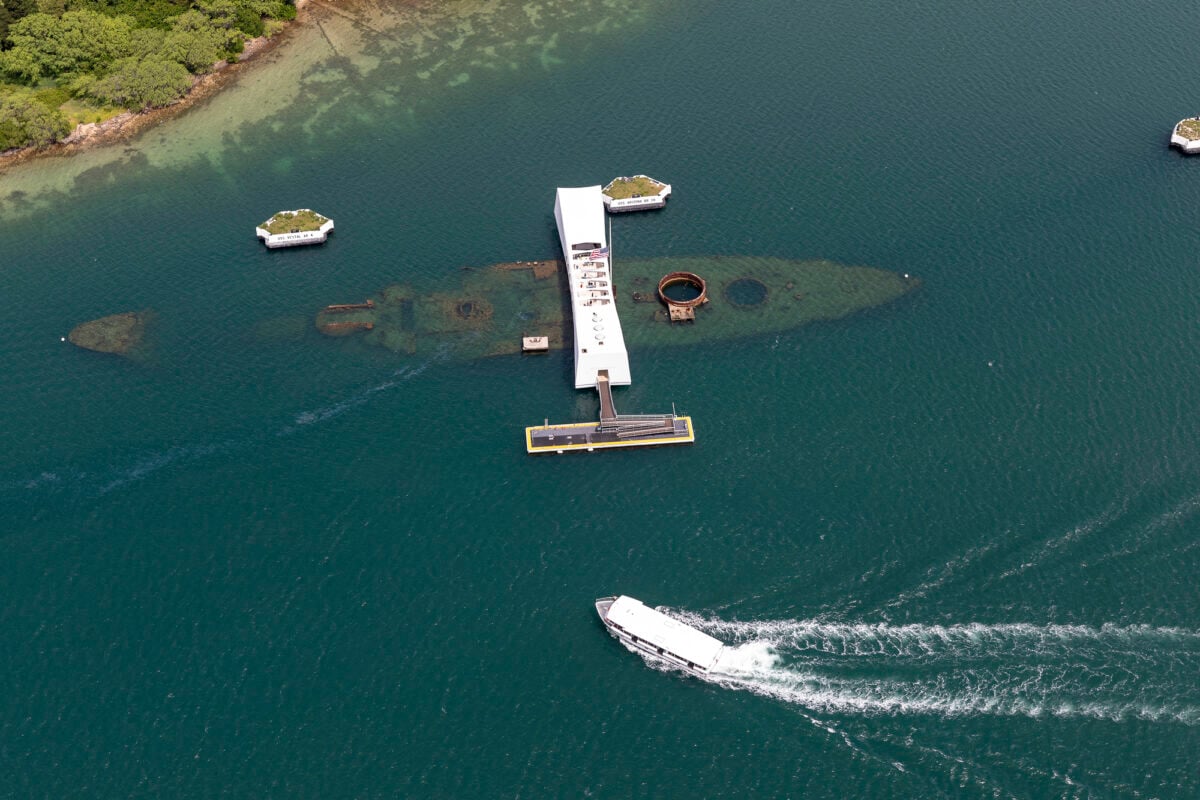
The USS Arizona, sunk during the Pearl Harbor attack, remained in place as a war grave. The preserved wreck provided evidence about the attack and the ship’s destruction.
The wreck answered questions about how the ship sank and clarified details of the Pearl Harbor attack through the preserved vessel.
The Titanic’s Sister Ships and Design
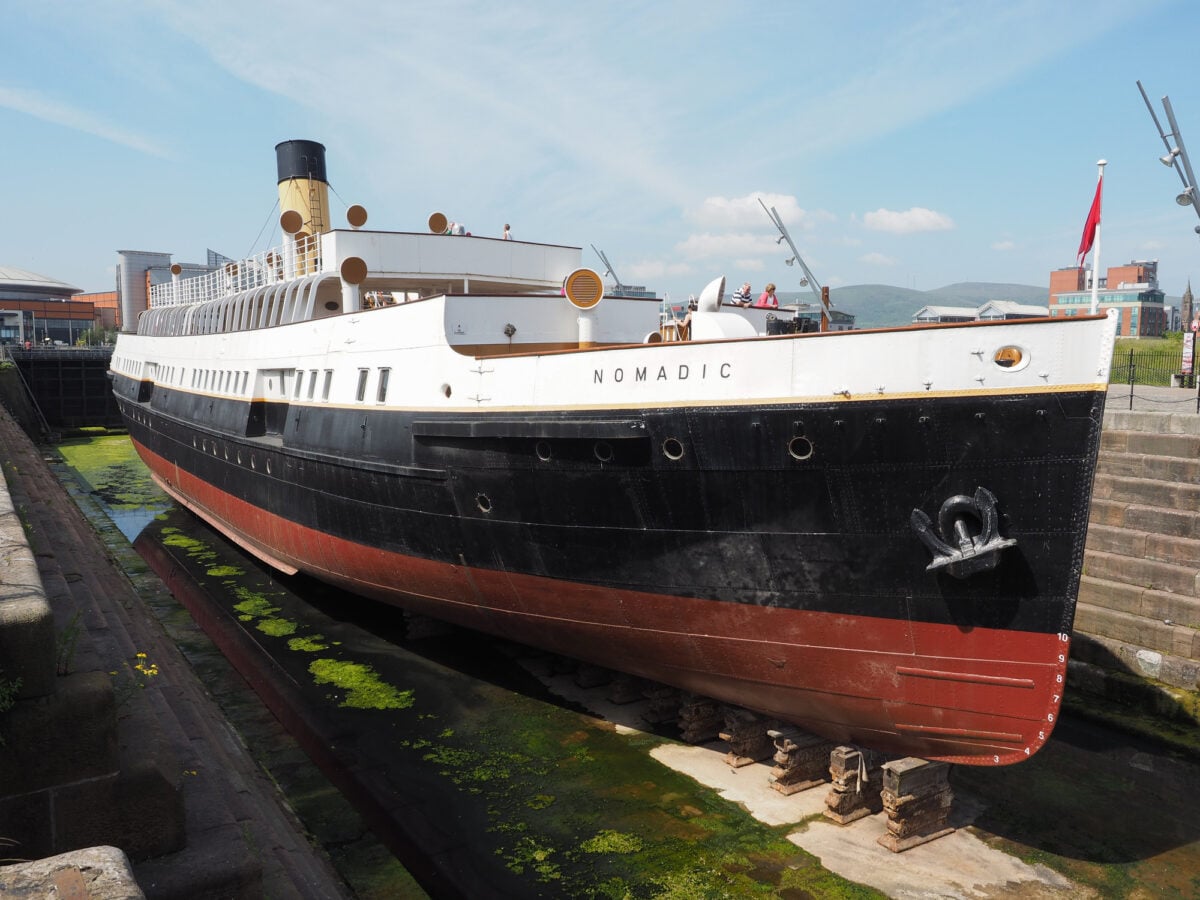
The wreck of the Titanic and information about the Olympic and Britannic (Titanic’s sister ships) clarified ship design. The wreck evidence answered questions about structural vulnerabilities and design flaws that affected all three ships.
The preserved wreck clarified issues in turn-of-the-century ship design.
Caravel Wrecks and Age of Exploration Technology
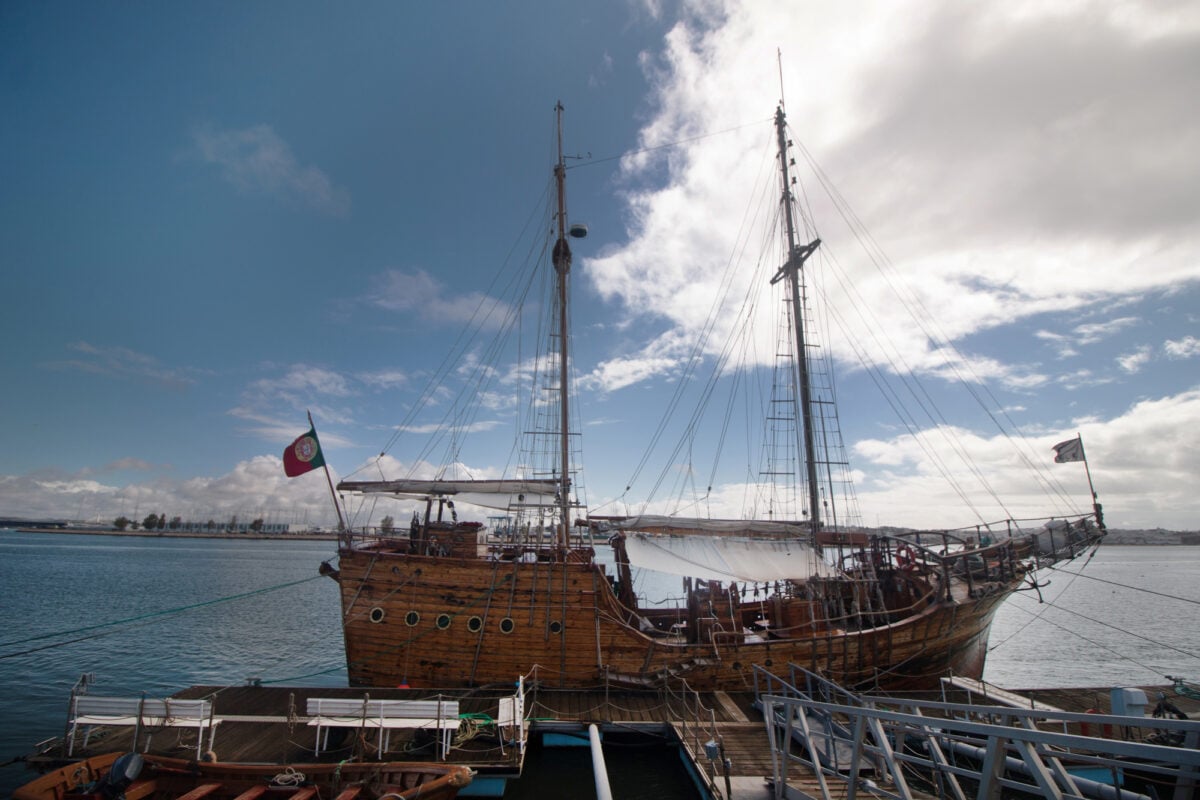
Wrecks of caravels from the Age of Exploration provided evidence about the ships that enabled European expansion. The preserved vessels answered questions about ship capabilities and construction methods.
The wreck evidence clarified technology available during the Age of Exploration.
Galleys and Naval Warfare Technology
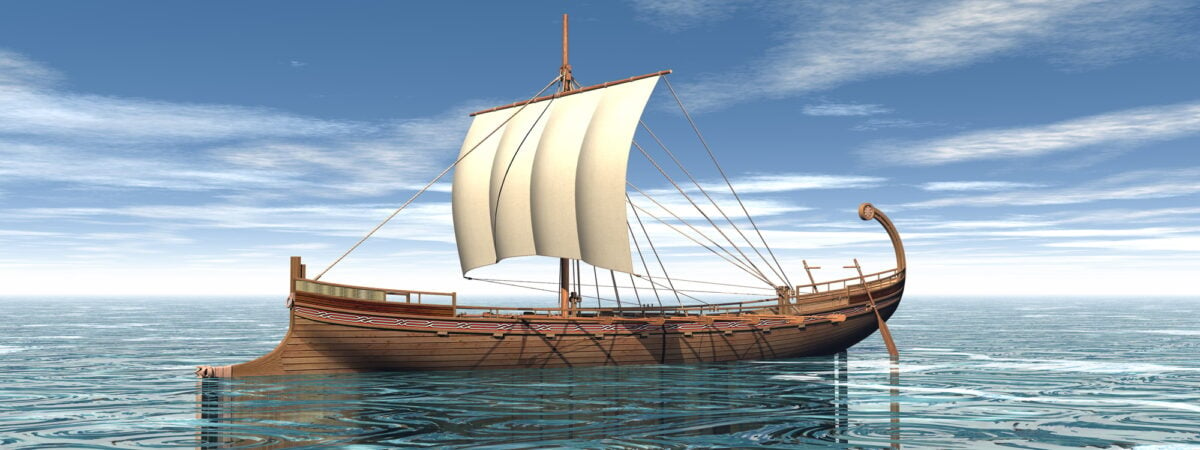
Wrecks of galleys preserved evidence about ancient and medieval naval warfare technology and tactics. The preserved vessels answered questions about how ancient fleets operated and what technology was employed.
The wreck evidence clarified naval warfare practices through preserved material remains.
The Atocha and Treasure Fleet Loss
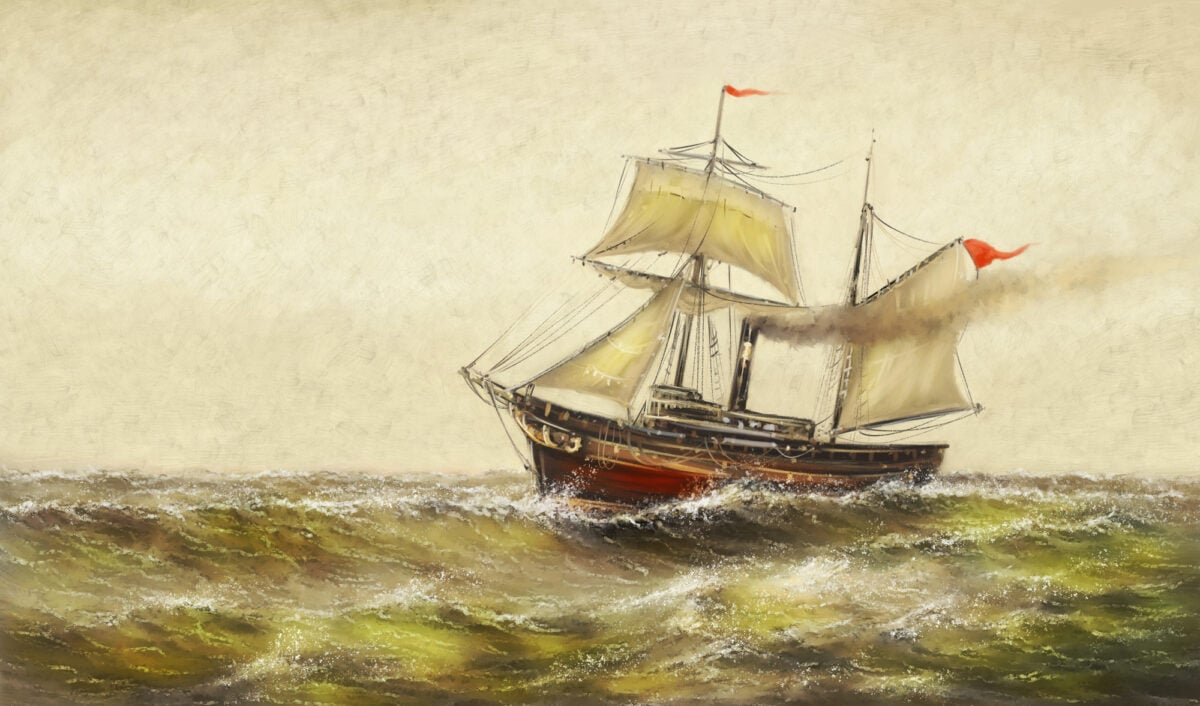
The wreck of the Atocha, sunk in a hurricane in 1622, preserved evidence about Spanish treasure fleets and colonial commerce. The preserved cargo answered questions about what treasure was transported and how wealthy cargo was.
The wreck evidence clarified Spanish colonial commerce patterns.
Polynesian Canoes and Migration
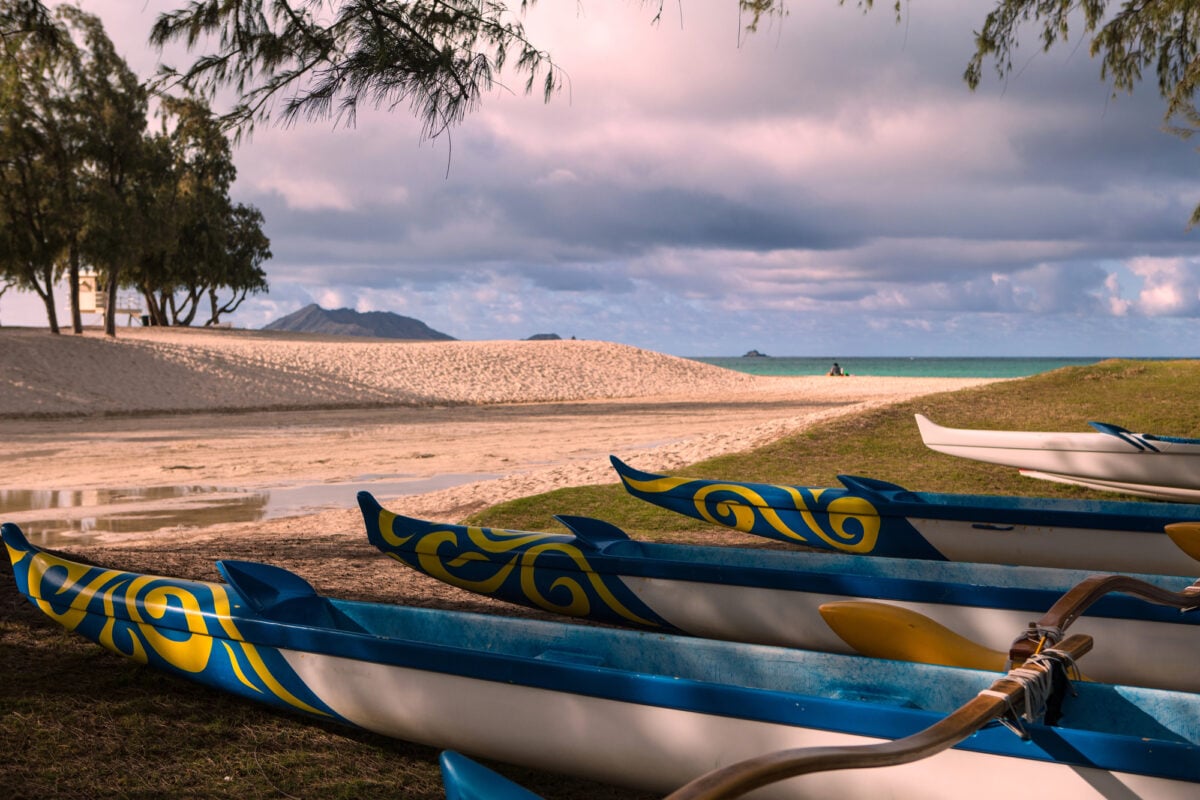
Preserved evidence from Polynesian voyaging canoes provided data about ancient Pacific navigation and settlement patterns. The preserved vessels answered questions about how Polynesians navigated vast ocean distances and settled distant islands.
The wreck evidence clarified ancient Pacific exploration and migration.
The Lusitania and Wartime Shipping
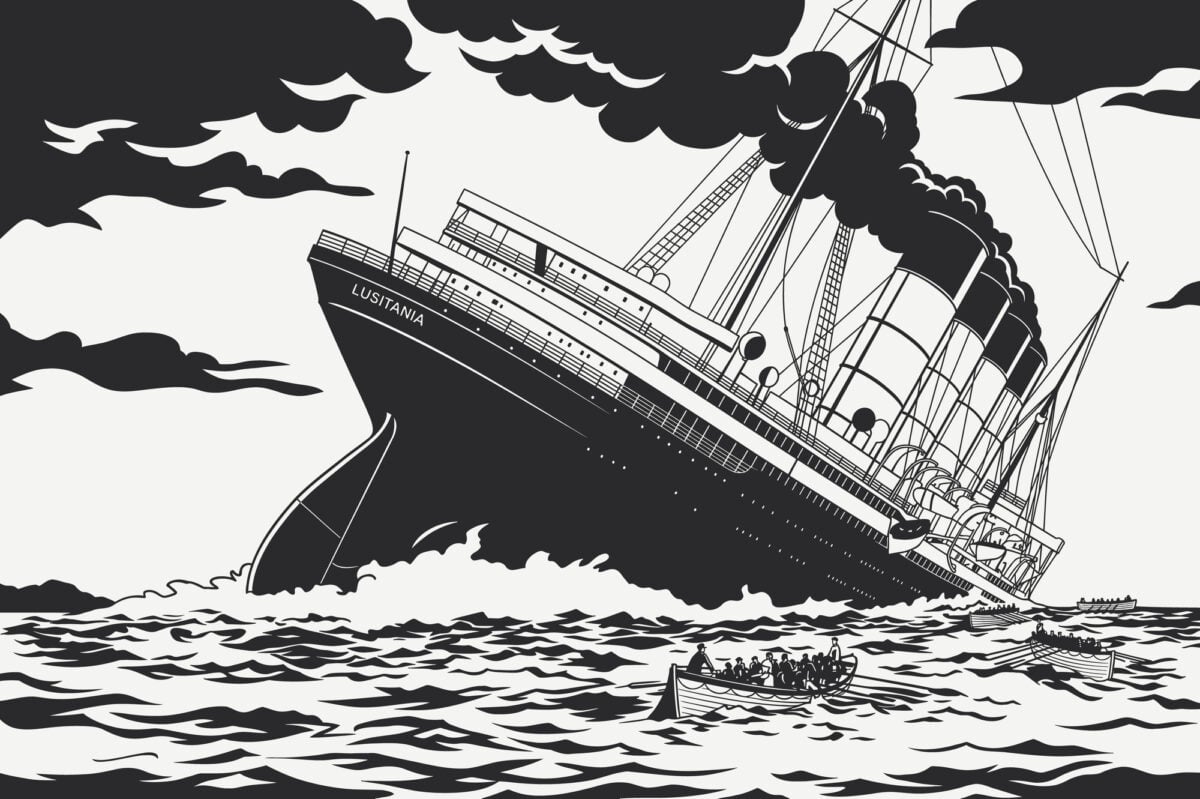
The wreck of the Lusitania, sunk in 1915, provided evidence about wartime maritime dangers and submarine warfare. The preserved ship answered questions about how the ship sank and what it carried.
The wreck evidence clarified World War I maritime history.
East Indiamen Wrecks and Colonial Commerce
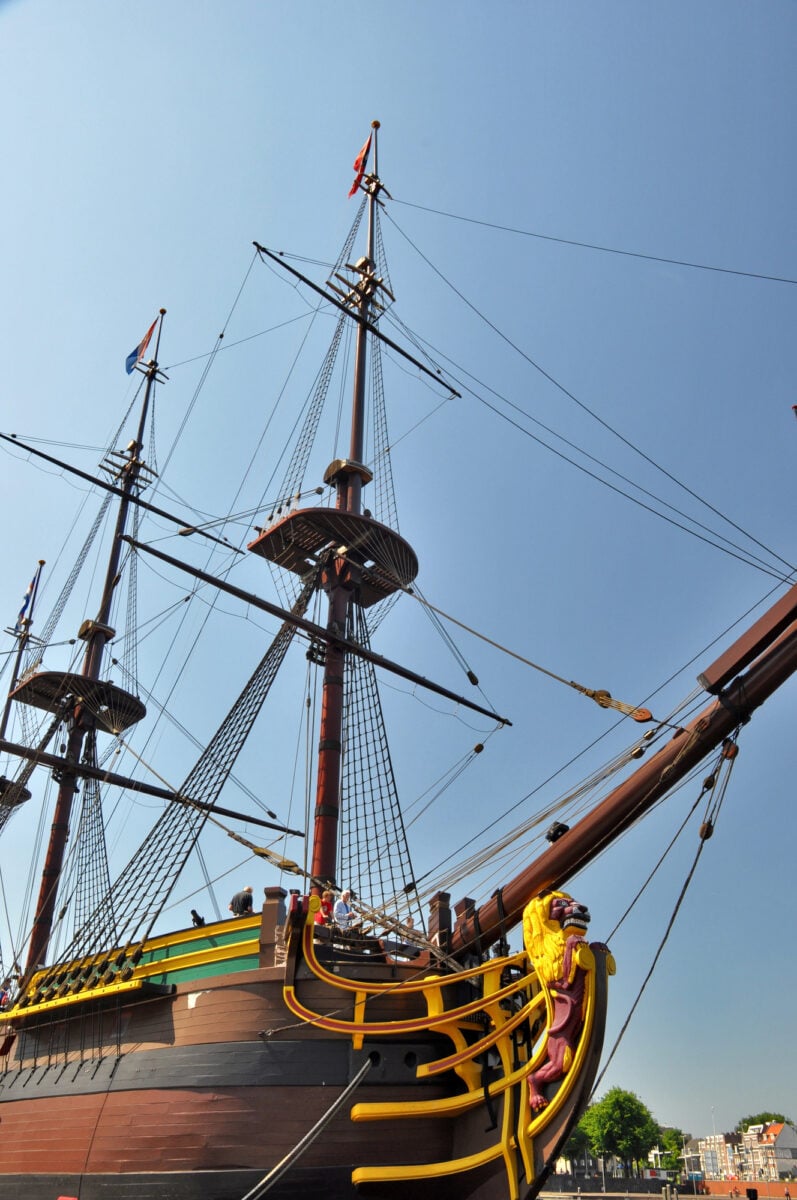
Wrecks of East India Company ships preserved cargo that clarified colonial trade patterns and economic relationships. The preserved goods answered questions about what was traded between Europe and Asia.
The wreck evidence clarified colonial commerce through preserved material remains.
The Hamilton and War of 1812
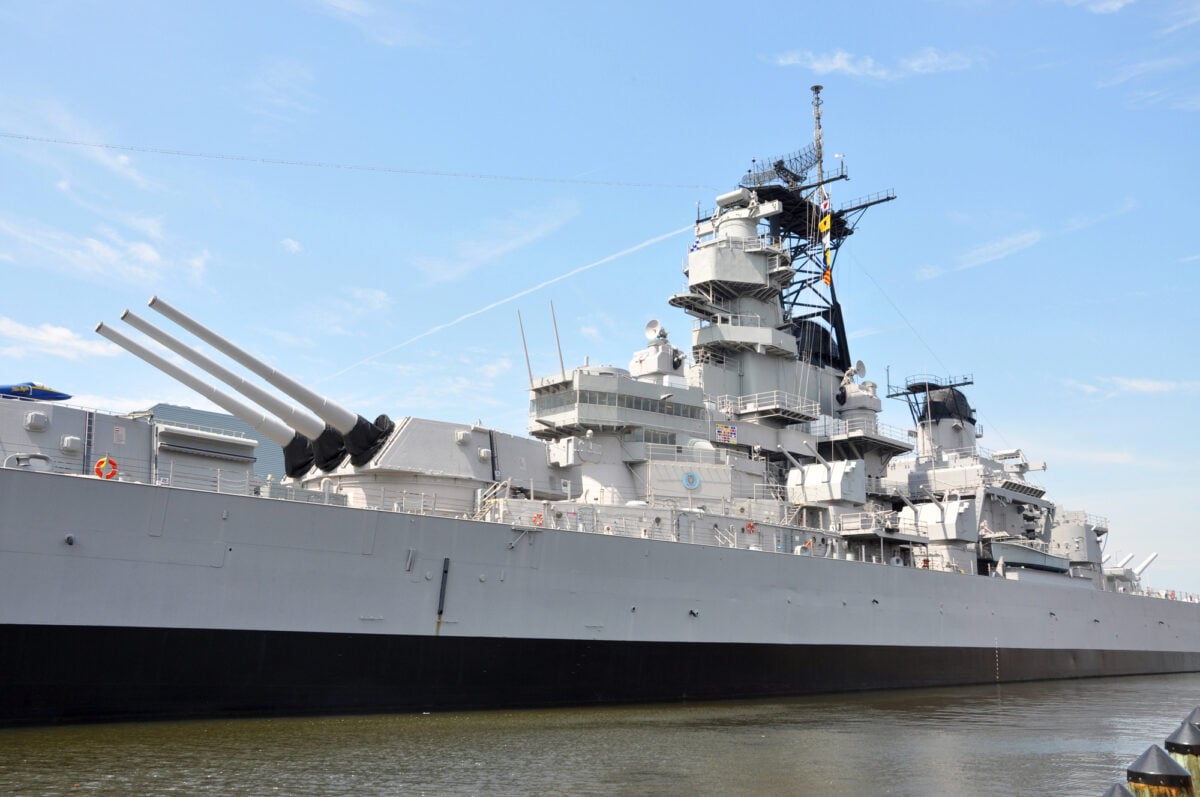
The wreck of the HMS Hamilton, sunk during the War of 1812, preserved evidence about the conflict. The preserved vessel answered questions about naval technology and warfare during the War of 1812.
The wreck evidence clarified the war’s naval history.
Venetian Merchant Wrecks and Medieval Trade
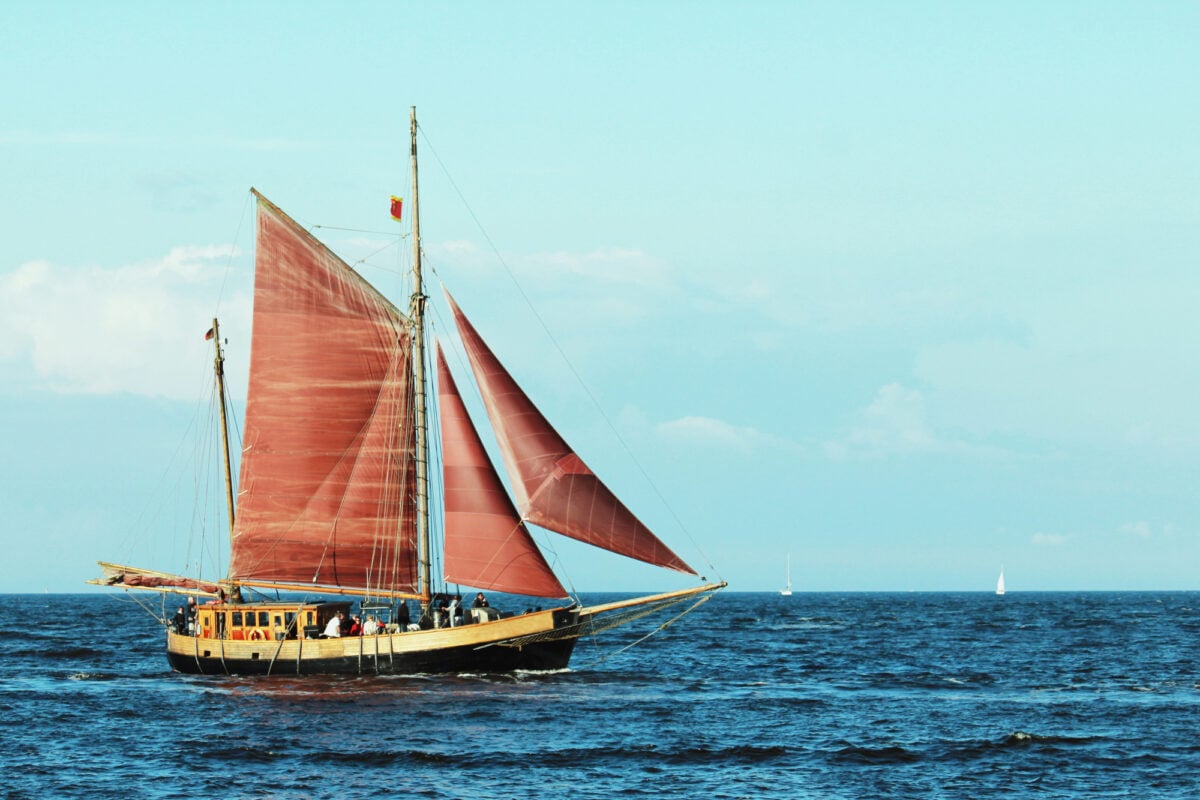
Wrecks of Venetian merchant vessels preserved cargo that clarified medieval Mediterranean trade patterns. The preserved goods answered questions about what goods were traded and how extensive Venetian commerce was.
The wreck evidence clarified medieval Venetian maritime commerce.
The Serpent and Arctic Exploration
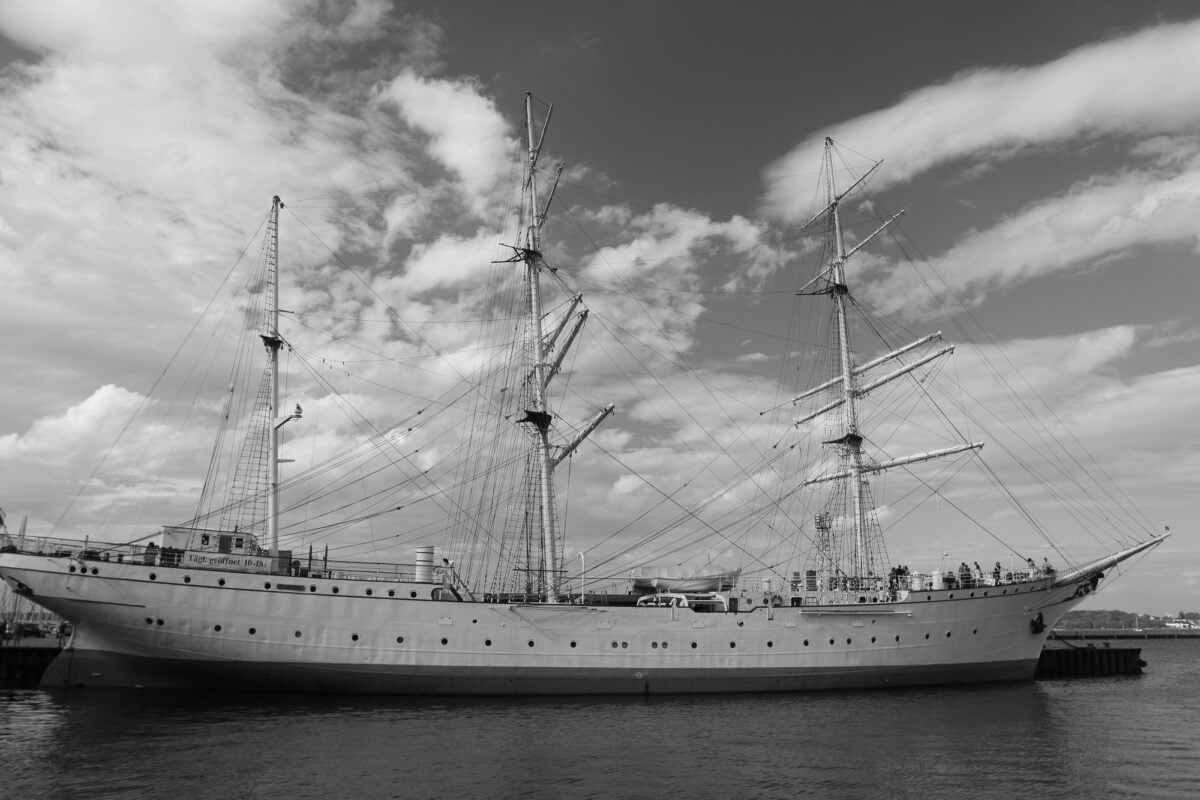
The wreck of the Serpent, sunk during Arctic exploration, provided evidence about early Arctic exploration efforts. The preserved vessel answered questions about Arctic exploration capabilities and what happened to exploration attempts.
The wreck evidence clarified Arctic exploration history.
Submarine Wrecks and Submarine Technology
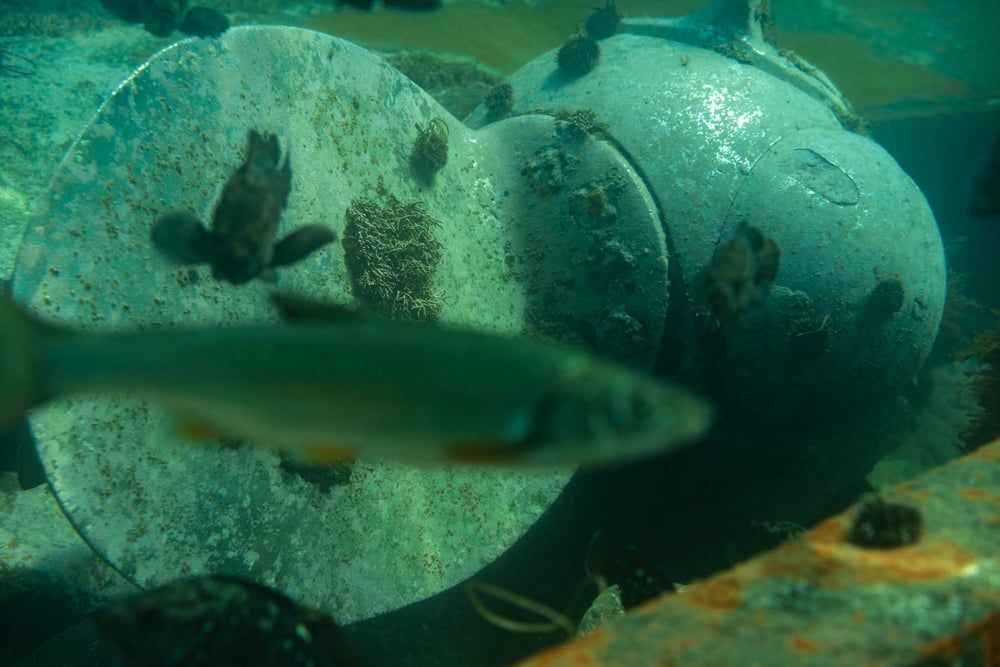
Wrecks of submarines from various periods provided evidence about submarine technology, design, and capabilities. The preserved vessels answered questions about how submarines operated and what technology they employed.
The wreck evidence clarified submarine technology through preserved material remains.
The Discovery and Antarctic Exploration
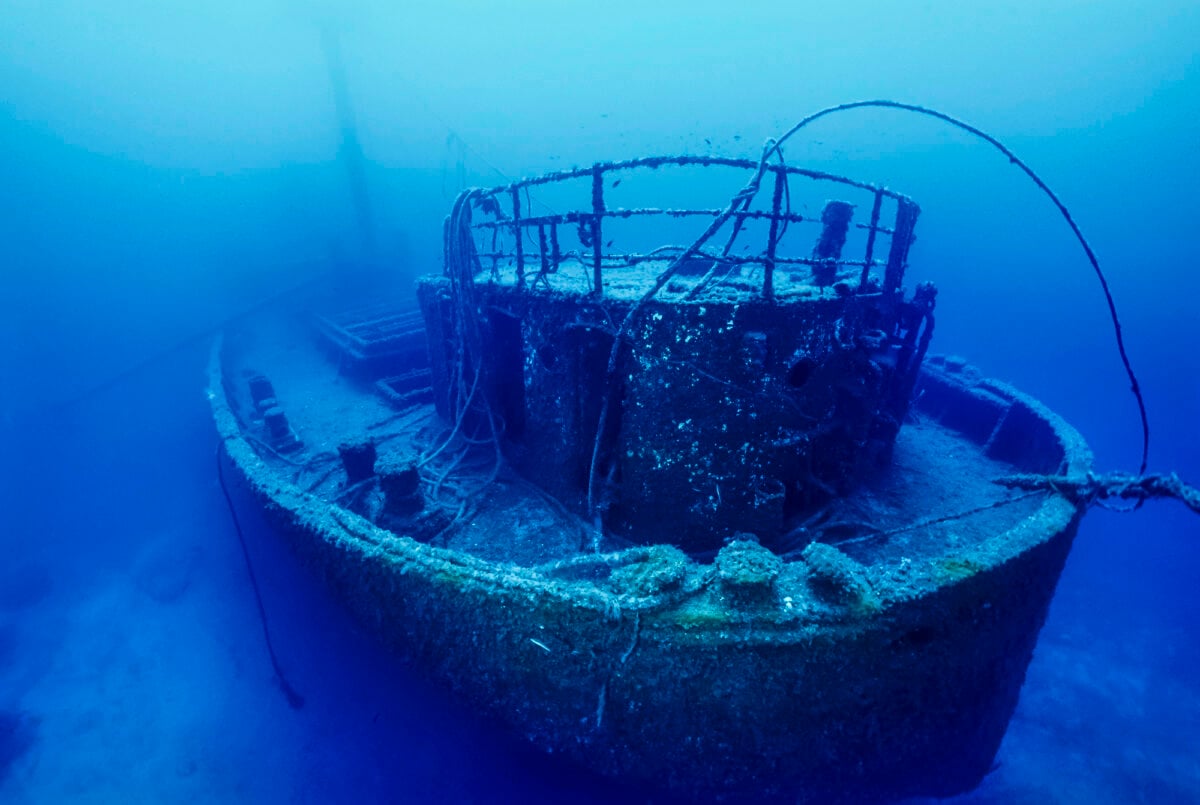
The wreck of the Discovery, Scott’s Antarctic exploration ship, provided evidence about Antarctic exploration and ship conditions. The preserved vessel answered questions about the ship and exploration capabilities.
The wreck evidence clarified Antarctic exploration through preserved material documentation.
More from Go2Tutors!

- The Romanov Crown Jewels and Their Tragic Fate
- 13 Historical Mysteries That Science Still Can’t Solve
- Famous Hoaxes That Fooled the World for Years
- 15 Child Stars with Tragic Adult Lives
- 16 Famous Jewelry Pieces in History
Like Go2Tutors’s content? Follow us on MSN.