Curious Materials In Skyscrapers
Tall buildings used to be pretty simple affairs—steel, concrete, glass. The same ingredients mixed and stacked until you ran out of money or nerve.
But something changed over the past few decades. Engineers started experimenting with materials that seem pulled from science fiction. Buildings now breathe, heal themselves, and shift their weight like dancers.
These materials don’t just make buildings taller. They make them smarter, safer, and sometimes a bit strange.
You probably walk past them every day without realizing what’s happening inside those walls.
Giant Pendulums That Keep Buildings Still
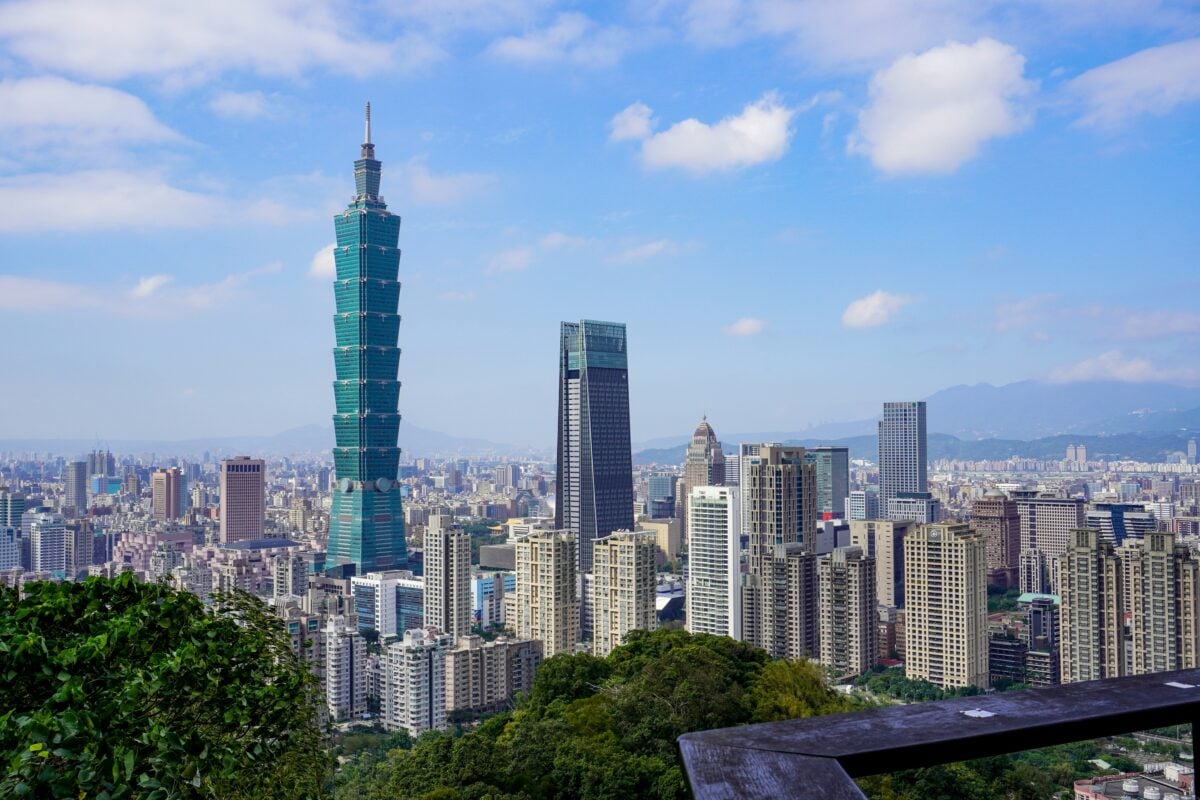
Inside Taipei 101, a massive golden sphere hangs between the 87th and 92nd floors. This tuned mass damper weighs 730 tons and swings opposite to building movement during earthquakes or typhoons.
When wind pushes the tower one way, the pendulum swings the other, canceling out the motion. The concept sounds simple but the execution requires precision.
The damper must match the building’s natural frequency exactly. Get it wrong by even a small margin and you’ve installed an expensive decoration instead of a functional safety device.
Taiwan makes this damper visible to tourists. Most buildings hide theirs in mechanical rooms where nobody sees them.
But whether visible or hidden, these massive pendulums have become standard equipment in supertall structures.
Concrete That Patches Its Own Cracks
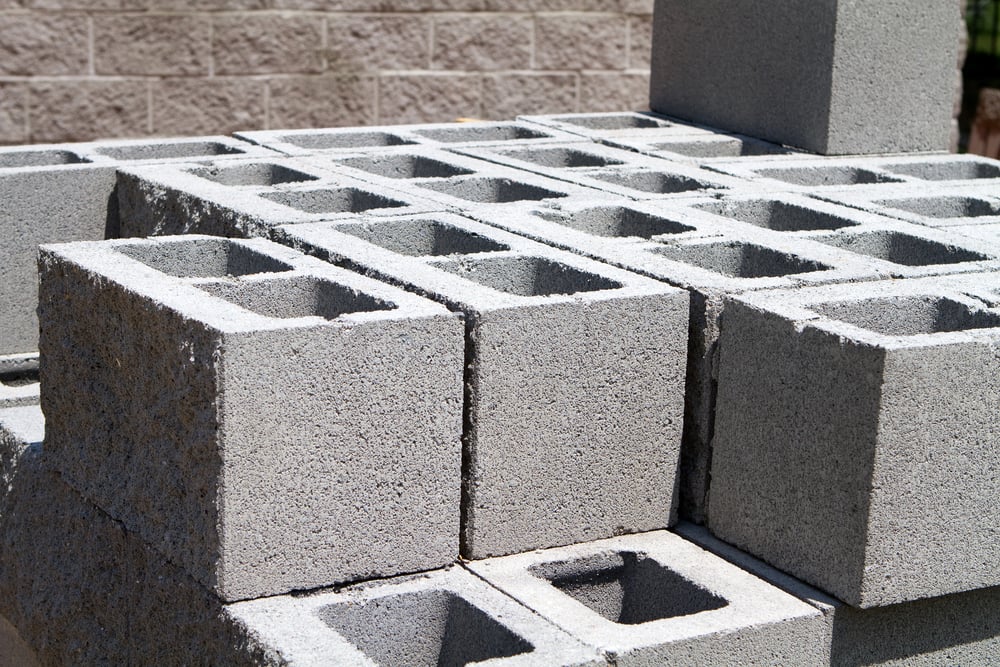
Dutch scientists developed concrete embedded with bacteria spores and calcium lactate. When cracks form and water seeps in, the dormant bacteria wake up.
They consume the calcium lactate and produce limestone, which fills the crack from the inside. This self-healing concrete can repair cracks up to 0.8 millimeters wide.
The bacteria can lie dormant for up to 200 years, waiting for the next crack to appear. Buildings made with this material essentially have a built-in repair crew that works without human intervention.
The cost remains higher than traditional concrete, which limits widespread adoption. But for structures where maintenance access is difficult or expensive, the price makes sense.
Several parking garages and infrastructure projects in Europe have already incorporated the material.
Glass That Changes Its Mind
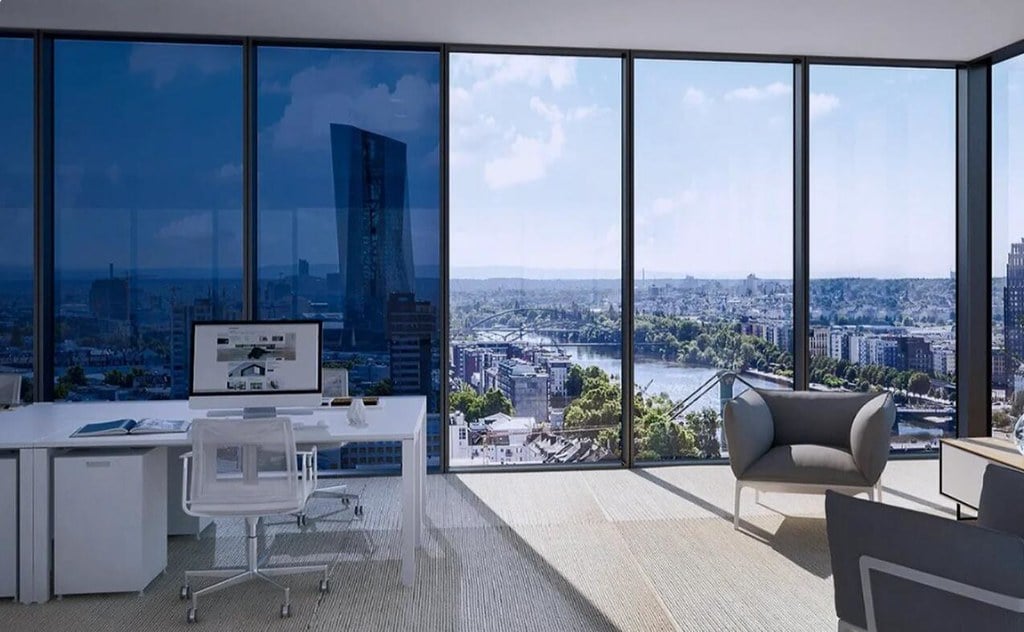
Electrochromic glass can shift from clear to opaque at the flip of a switch. A small electrical current triggers a chemical reaction in a thin coating on the glass, darkening it to block heat and light.
No curtains, blinds, or external shading needed. The Edge building in Amsterdam uses this glass extensively.
The system automatically adjusts tint based on sun position and interior temperature, reducing energy costs significantly. Workers get natural light without the glare and heat that usually come with it.
Early versions took minutes to change. Modern versions switch in seconds.
The glass remembers its state even when power cuts off, so you won’t suddenly lose privacy during an outage.
Timber That Rises Twenty Stories

Cross-laminated timber panels challenge the assumption that wood belongs in low-rise construction only. These panels stack layers of lumber perpendicular to each other, then glue and press them under extreme pressure.
The result is stronger than steel by weight and far lighter. Mjøstårnet in Norway stands 18 stories tall, built almost entirely from CLT.
The material offers serious environmental advantages—trees absorb carbon while growing, and the manufacturing process produces far less emissions than steel or concrete production.
Fire resistance surprised many skeptics. Thick CLT panels char on the outside during fires, creating an insulating layer that protects the interior. Testing shows CLT structures can maintain integrity longer than unprotected steel beams, which warp under high heat.
Insulation Made of Almost Nothing

Aerogel looks like frozen smoke. It’s 99.8 percent air, trapped in a silica structure. Despite being incredibly fragile, it insulates better than almost any other material.
An inch of aerogel performs like several inches of fiberglass. Buildings use aerogel in thin panels or blankets.
The material fits in tight spaces where traditional insulation won’t work. Historic building renovations benefit particularly from this—you can dramatically improve energy efficiency without adding bulk to walls.
The material holds multiple world records. Lowest density solid.
Best thermal insulator. Lowest refractive index. It’s also ridiculously expensive, which explains why most buildings still use boring old fiberglass.
Walls That Store and Release Heat
Phase-change materials absorb heat when temperatures rise, then release it when temperatures drop. They maintain a comfortable temperature range without active heating or cooling systems.
The material melts at a specific temperature, storing energy. When it re-solidifies, it gives that energy back.
Engineers embed these materials in wallboard or concrete. During hot days, the material melts, absorbing heat and keeping interiors cool.
At night, it solidifies, releasing warmth. The cycle repeats daily.
Tests show PCM-enhanced buildings can reduce HVAC energy use by 20 to 30 percent. The technology works best in climates with significant temperature swings between day and night.
Stable climates don’t give the material a chance to complete its cycle.
Metal That Remembers Its Shape

Shape memory alloys can bend severely but return to their original form when heated. Nickel-titanium alloys exhibit this property most dramatically.
You can twist them, bend them, compress them—apply heat and they snap back to their programmed shape. Building designers use these alloys in earthquake-resistant connections.
During seismic events, the connections deform instead of breaking. After the shaking stops, the alloys return to their original shape, eliminating permanent structural damage.
Japan leads in incorporating this technology. Their buildings face frequent earthquakes, making resilient materials a practical investment rather than an experiment.
The alloys cost significantly more than conventional steel connectors, but the reduced repair costs after earthquakes justify the expense.
Concrete Stronger Than You Thought Possible
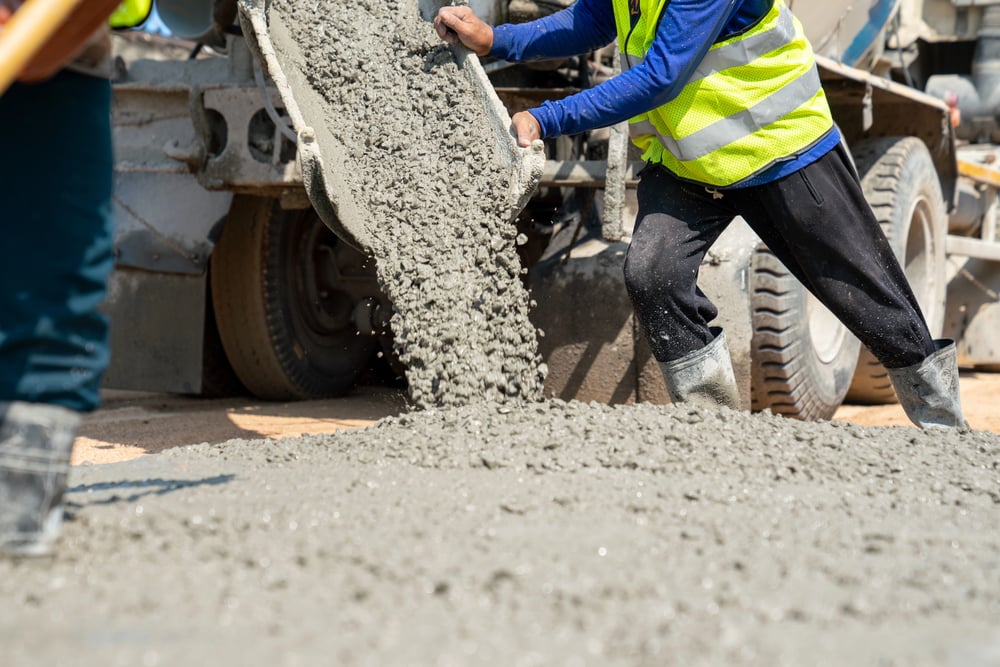
Ultra-high performance concrete achieves compressive strengths exceeding 20,000 psi—about five times stronger than conventional concrete. It incorporates steel fibers, precise particle size distribution, and special curing processes.
The resulting material handles tremendous loads in minimal space. One World Trade Center uses UHPC in critical structural areas.
The material allows for thinner columns and walls, creating more usable floor space. Where traditional concrete might require a three-foot column, UHPC does the job with eighteen inches.
The mix remains expensive and finicky. Temperature, humidity, and mixing time all require tight control.
Most projects still use it sparingly, in areas where conventional concrete simply can’t handle the loads.
Transparent Metal for Windows That Won’t Break
Aluminum oxynitride, marketed as ALON, offers the transparency of glass with the strength of ceramic. Military vehicles use it for bulletproof windows.
A few high-security buildings have started incorporating it in vulnerable ground-floor areas. The material forms through high-temperature sintering.
Pure aluminum powder, oxygen, and nitrogen combine under extreme heat and pressure. The resulting ceramic is transparent to wavelengths from UV to mid-wave infrared.
ALON costs about five times more than bulletproof glass and weighs substantially less. For buildings worried about vehicle attacks or ballistic threats, those numbers make sense.
For everyone else, regular glass still wins.
Carbon Fiber That Strengthens Aging Towers
When existing buildings need reinforcement, carbon fiber strips and sheets provide a solution without adding significant weight. Workers wrap these materials around columns and beams, bonding them with special epoxies.
The carbon fibers handle tension loads that would otherwise require heavy steel plates. Earthquake retrofits use this technique extensively.
California has thousands of older buildings that don’t meet current seismic codes. Carbon fiber wrapping brings them into compliance without the cost and disruption of complete structural overhauls.
The material itself is strong and light. But the installation requires meticulous surface preparation and application.
Humidity, temperature, and dust all affect bond strength. One careless step compromises the entire reinforcement.
Graphene-Enhanced Concrete for Longer Life

Adding tiny amounts of graphene to concrete mixtures produces dramatic improvements. The material becomes stronger, more waterproof, and more resistant to corrosion.
Graphene’s two-dimensional structure creates a network throughout the concrete that blocks crack propagation. The University of Exeter developed a commercial graphene concrete mixture.
Tests show it’s twice as strong as conventional concrete and four times more water-resistant. The graphene addition is measured in parts per million, but the effects are substantial.
Production costs are dropping as graphene manufacturing scales up. Several demonstration projects in the UK have used the material.
Full adoption depends on long-term performance data, which takes decades to accumulate.
Smart Sensors Embedded in Everything

Fiber optic sensors woven into structural elements monitor stress, temperature, and vibration in real time. These sensors detect problems before they become visible, allowing for preventive maintenance rather than emergency repairs.
The Burj Khalifa contains hundreds of these sensors throughout its structure. Building operators track how wind, temperature changes, and occupancy loads affect the tower.
The data helps optimize maintenance schedules and identify developing issues. Installing sensors during construction is straightforward.
Retrofitting them into existing buildings is harder but not impossible. The real challenge is processing and interpreting the massive data streams these systems generate.
Materials That Reflect the World Around Them
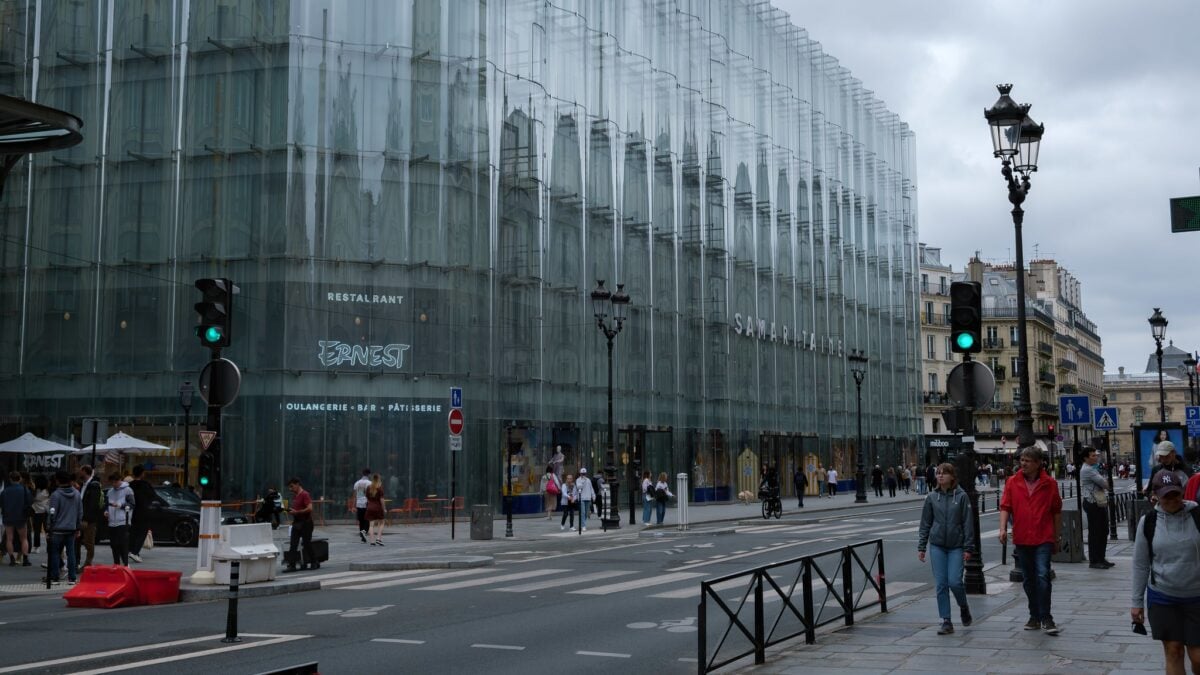
Facades of tall buildings shine because their windows carry a micro layer of metal. A vacuum chamber helps bond that thin film to glass during production.
Sunlight bounces off these surfaces, yet indoor spaces stay bright. Less heat enters rooms behind such panes – energy demand drops without effort.
A whisper-thin layer wraps the surface, mere billionths of a meter deep. Shifting the metal shifts how light bounces back.
Gray, calm and quiet, comes from silver’s touch. Bronze warmth rises where gold is used. Looks matter – so does how much heat stays in or keeps out.
Time eats away at these layers, particularly where weather runs wild. Sea spray, factory fumes, because of blazing sunlight – they chip slowly.
New mixes now survive three to four decades instead of a decade or so, though eventually everything fades.
Where Materials Lead

Strange shapes in architecture won’t stop coming. When pressed, new kinds of concrete might soon power lights.
Sunlight could one day wipe grime off windows without anyone lifting a finger. Hidden signals inside beams may shout warnings if cracks form.
Right now, most of these ideas sleep in test rooms. Ten years down the road, they might sit quietly in every hallway and wall.
What goes into construction shapes what structures achieve and just how tough they become. A building stands firm during shaking ground or gives way – this depends on its makeup.
Staying warm without wasting power? That too ties back to substance choices. Some materials demand attention every season; others keep going quietly, year after year.
Each odd component rising in today’s towers came from curiosity – someone wondering differently instead of settling for old answers. Inside that high structure you pass by, picture tiny life fixing splits in concrete.
Swinging weights shift gently above quiet floors. Windows turn darker when sunlight hits too hard.
Some alloys bend back exactly how they were before. Each piece reacts without being told – changing with weather, wear, time.
What once stood still now breathes almost. Not just bricks and beams anymore, but something closer to skin and bone.
More from Go2Tutors!

- The Romanov Crown Jewels and Their Tragic Fate
- 13 Historical Mysteries That Science Still Can’t Solve
- Famous Hoaxes That Fooled the World for Years
- 15 Child Stars with Tragic Adult Lives
- 16 Famous Jewelry Pieces in History
Like Go2Tutors’s content? Follow us on MSN.



