33 Words That Meant Something Different a Century Ago
Language drifts slowly enough that nobody notices it happening in real time. Read a document from a hundred years back, though, and some perfectly ordinary words suddenly carry a meaning that has almost nothing to do with how anyone uses them today.
Nice

Nice entered English from French with a meaning closer to foolish or ignorant, and over the following centuries it drifted through senses like fussy, precise, and delicate before settling into its modern, thoroughly watered-down meaning of generally pleasant. A word once used to accuse someone of being silly now barely means anything at all.
Awful
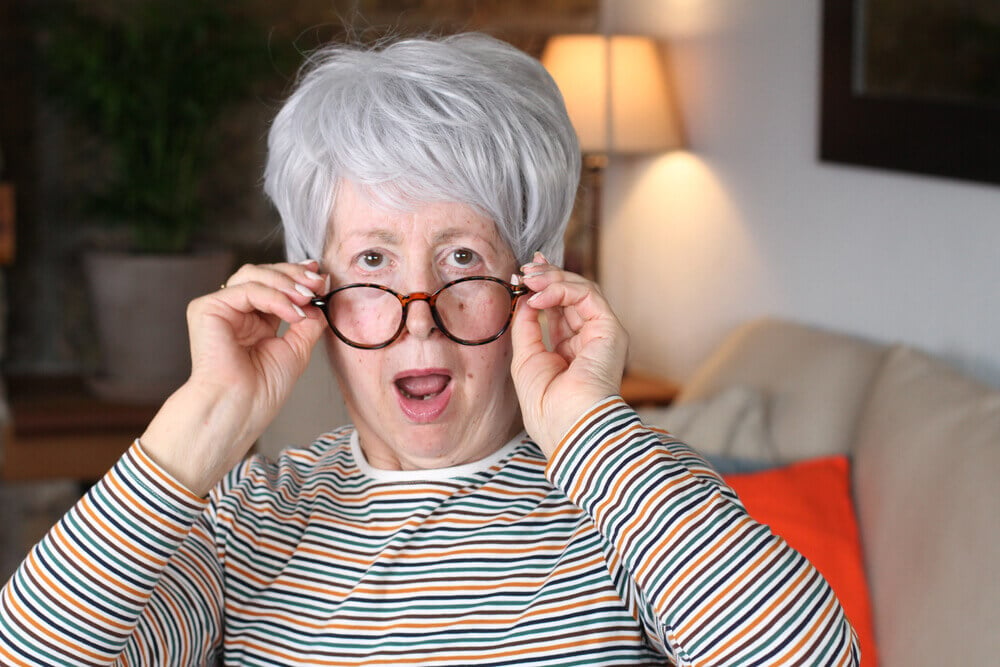
Awful originally described something that inspired awe, in the older sense of reverent terror or wonder, and was applied to grand, sacred, or overwhelming things rather than to anything unpleasant. Its meaning flipped toward the negative sense of dreadful over the nineteenth century, leaving “awesome” to inherit the positive half of the original idea.
Silly

Silly comes from an old root meaning blessed or fortunate, and for centuries carried connotations of innocence, simplicity, or being deserving of pity rather than mockery. It slid gradually toward meaning foolish as the sympathetic sense faded, leaving behind a word that now suggests someone is being ridiculous rather than blessed.
Gay

Gay meant carefree, cheerful, or bright and colorful for most of its history in English, and was a completely ordinary word for happiness used in everything from hymns to children’s rhymes. Its modern meaning, describing romantic attraction between people of the same gender, developed gradually through the twentieth century and had become the dominant sense by its later decades.
Meat

Meat once referred to food in general, of any kind, not specifically to animal flesh, which is why older texts still preserve compound words that make little sense under the modern definition. The narrower sense referring only to animal flesh became dominant over the centuries, pushing the older, broader meaning into obscurity.
Girl

Girl originally referred to a young person of either gender, not specifically a female child, and only narrowed to its current meaning over the late medieval period. Earlier writers used separate terms for young men and young women within the broader category the word once covered.
Hussy

Hussy is a worn-down form of the word housewife, and for a long stretch of its history it simply meant a woman who managed a household, with no negative connotation attached at all. It gradually acquired a disapproving, then outright insulting sense over the following centuries, ending up almost entirely disconnected from its domestic origins.
Computer

A computer, for roughly three centuries before the machine existed, referred to a person, usually employed to perform lengthy mathematical calculations by hand. Rooms full of human computers, many of them women, did the calculation work behind everything from astronomical tables to early rocket trajectories before the electronic machine took over the job and the name along with it.
Egregious

Egregious once meant remarkably good, distinguished from the ordinary in a positive sense, drawing on a root implying someone stood out from the flock in an admirable way. The meaning flipped entirely over time, and today the word almost exclusively describes something remarkably bad rather than remarkably good.
Nervous

Nervous originally described something vigorous, sinewy, or full of physical strength, drawing on the older anatomical sense of nerves as the body’s tendons and muscles. The meaning shifted toward describing anxious or easily agitated temperament only once the nervous system’s role in emotion became better understood.
Artificial

Artificial once simply meant made with skill or artistry, a compliment describing fine craftsmanship rather than anything fake or synthetic. Its meaning shifted toward the modern sense of imitation or manufactured substitute only as mass production made the distinction between handmade and machine-made increasingly relevant.
Naughty
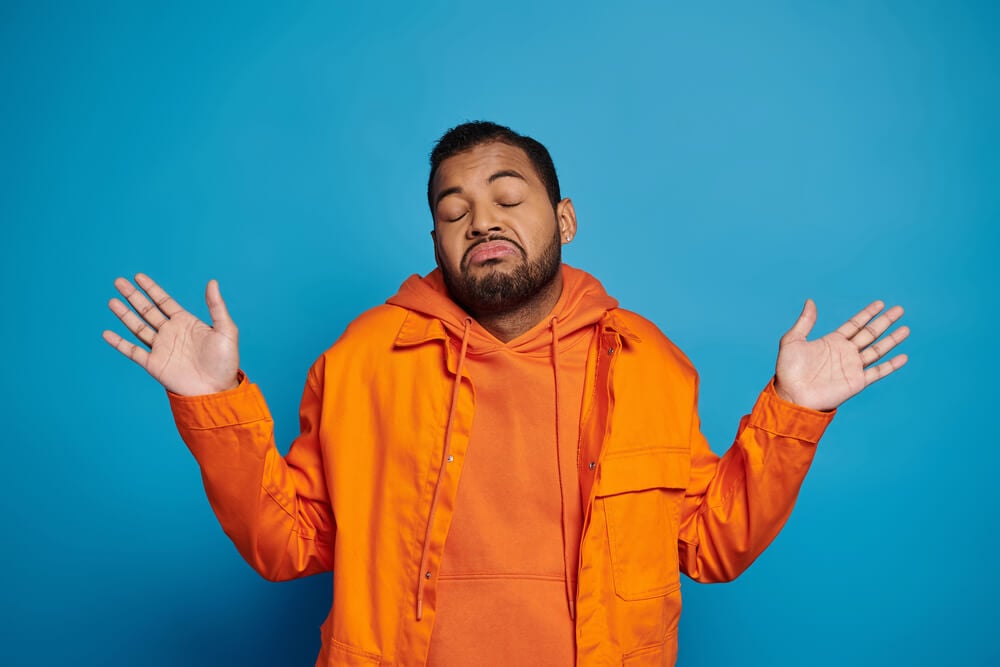
Naughty derives from an old root meaning having naught, or nothing, and originally described someone who was poor or had no possessions rather than someone who misbehaved. The word gradually shifted from describing material lack to describing moral or behavioral shortcomings, eventually softening into its modern, fairly mild sense of minor mischief.
Fantastic

Fantastic once meant existing only in the imagination or fantasy, describing something unreal or fanciful rather than something impressively good. The word only picked up its modern meaning of excellent or wonderful in the twentieth century, largely displacing the older, more literal sense.
Terrific
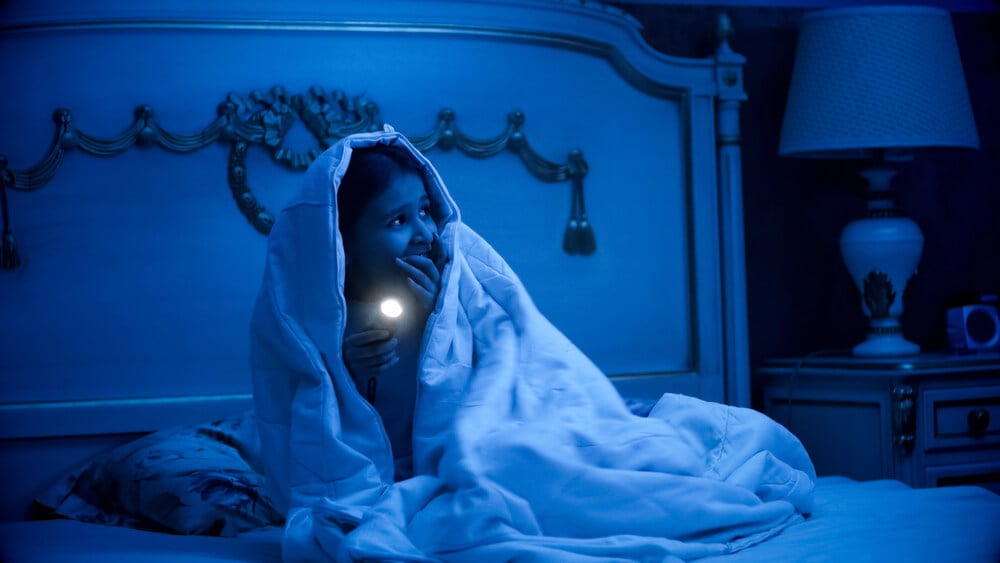
Terrific originally meant terrifying or causing terror, a straightforward descendant of the same root as “terror.” The word drifted toward its modern meaning of excellent over the twentieth century, following a similar path to “awesome” and leaving the original sense of dread almost entirely behind.
Manufacture

Manufacture comes from Latin roots meaning made by hand, and for centuries described items produced through skilled handwork rather than machinery. The Industrial Revolution inverted the word’s practical meaning, since manufactured goods now almost always refer to items made by machines rather than by hand.
Villain

Villain originally referred to a farmhand or peasant tied to a manor, a term describing social class and occupation rather than moral character. The word’s negative connotations developed later, as upper-class writers increasingly used it to imply that lower-class people were also morally suspect, eventually erasing the original occupational meaning entirely.
Spinster
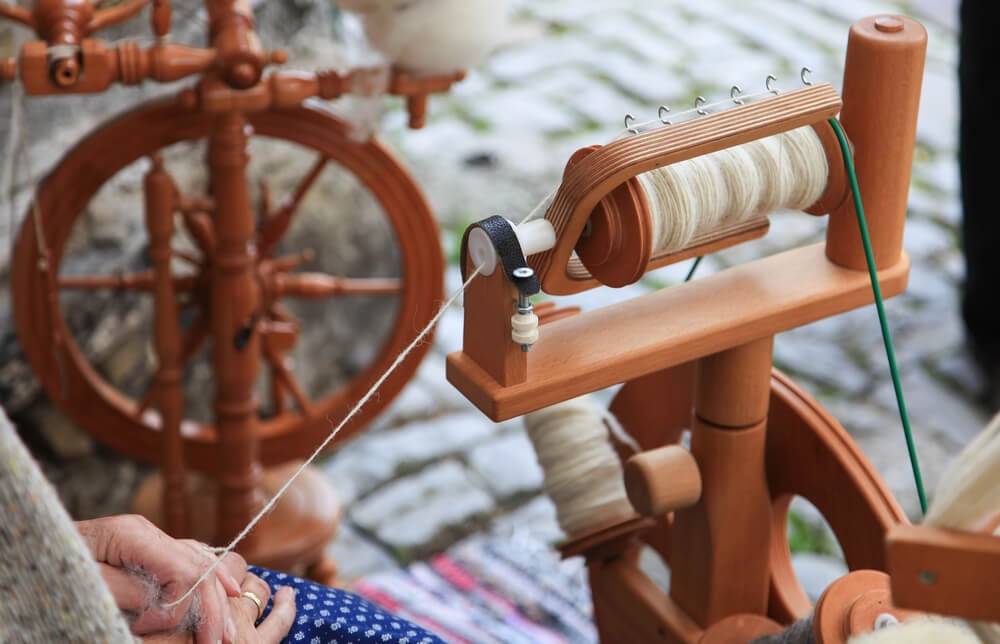
Spinster originally described a woman who spun thread for a living, a legitimate and common occupation, and only later became a legal term for an unmarried woman before finally acquiring its modern, faintly negative connotation. The word’s entire trajectory traces the shift from describing a job to describing a marital status to implying a judgment about that status.
Buxom
Buxom once meant obedient or compliant, describing a person’s temperament rather than their physical build, and derives from an old root related to bending or yielding. The word drifted over centuries first toward meaning healthy or lively and eventually settled into its current, purely physical description.
Flirt

Flirt originally described a quick, darting movement, as in flicking something away, and only later extended metaphorically to describe playful, teasing behavior between people. The word’s earliest recorded uses have nothing to do with romance at all, describing sudden physical motion instead.
Bully

Bully once meant sweetheart or good friend, a term of genuine affection derived from a root related to brother or lover. The word’s meaning inverted almost completely by the eighteenth century, coming to describe someone who intimidates or mistreats others rather than someone cherished.
Quarantine

Quarantine derives from a root meaning forty, referring specifically to the forty-day isolation period historically imposed on ships suspected of carrying disease before they could dock. The word broadened over time to describe any period of enforced isolation, regardless of its actual length.
Pretty

Pretty originally meant clever, cunning, or artful, describing skill or wit rather than physical appearance, and could even carry a slightly negative connotation of trickery. The word’s meaning softened and shifted toward describing attractiveness only in later centuries, leaving its original sense of cleverness almost entirely behind.
Counterfeit
Counterfeit once simply meant a copy or likeness made to match an original, without any implication of fraud or illegality attached to the term. It only acquired its modern, exclusively negative sense of illegal forgery once the word became strongly associated with fraudulent currency and goods.
Myriad
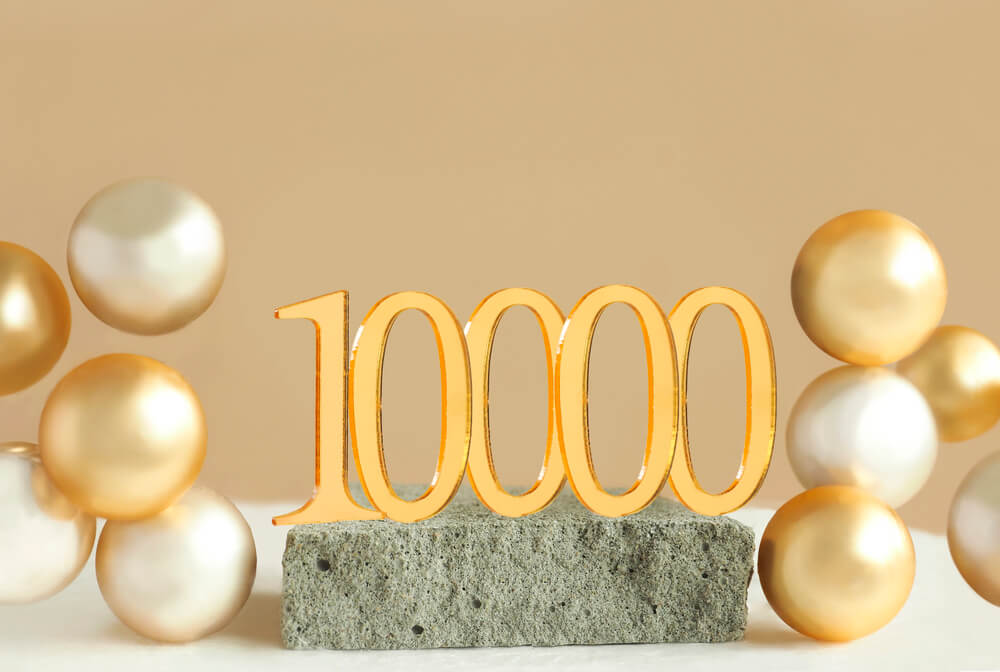
Myriad originally referred to the specific number ten thousand, used in ancient Greek accounting and later carried into English with that exact numerical meaning intact. Its modern, much looser sense of an unspecified but very large quantity developed only gradually, eventually overtaking the original precise definition almost entirely.
Decimate
Decimate originally described the Roman military punishment of killing exactly one in every ten soldiers in a unit as a disciplinary measure, a very specific and limited proportion. Its modern, much broader sense of destroying a large part of something developed centuries later, and the original one-in-ten meaning is now almost entirely forgotten outside of etymology discussions.
Cute

Cute began as a shortened form of “acute,” meaning sharp-witted or clever, and originally described intelligence rather than appearance. The word gradually drifted toward describing something charming or attractive, especially in reference to children and animals, losing almost all connection to its original meaning of sharpness.
Awesome

Awesome originally described something that inspired awe in the older, more solemn sense: overwhelming, sometimes frightening, and often applied to the power of nature or the divine. Its modern, casual use as a general term of enthusiastic approval developed largely over the twentieth century, stripping away most of the word’s original weight.
Aggravate

Aggravate originally meant to make physically heavier, drawing directly on the Latin root for weight, and described a literal increase in burden rather than an emotional irritation. The word shifted toward its modern sense of making a situation worse, and eventually toward simply meaning to annoy someone, over the following centuries.
Guy

Guy entered English as a reference to Guy Fawkes, whose effigy was traditionally burned on bonfires each November in England, and for a long stretch of its history specifically meant a grotesque or ridiculous-looking figure. The word gradually lost its negative connotation and broadened into the generic, gender-neutral term for a person or people used casually today.
Tremendous

Tremendous originally meant causing trembling or terror, drawing on the same Latin root as “tremble,” and described something frightening rather than something impressively large or good. The word softened considerably over time, eventually losing its association with fear and settling into its modern sense of great size or degree.
Smart

Smart originally described a sharp, stinging physical pain, as in a wound that “smarts,” and had nothing to do with intelligence at all. The word extended metaphorically toward describing sharp wit and quick thinking, eventually displacing its original physical sense almost entirely in everyday use.
Sad

Sad once meant satisfied, settled, or full, drawing on a root related to having had enough, and described a state of contentment rather than sorrow. The meaning shifted first toward describing seriousness or steadiness before eventually settling into its modern association with unhappiness.
Sly

Sly originally meant skillful or clever, describing someone dexterous or adept without any negative implication, and derives from an old root related to the ability to strike or hit accurately. The word’s meaning darkened over time toward describing cunning or deceitful behavior, eventually losing its original, morally neutral sense of skill.
What Words Remember
None of these shifts happened on a single date that anyone marked at the time. A word drifts because enough people, over enough generations, use it slightly differently than their parents did, until the older meaning survives only in old books and etymology footnotes.
Reading a century-old letter or newspaper with this in mind changes how it lands. A writer calling something “awful” or “terrific” a hundred years ago was not exaggerating in the way it might first appear; they were simply using the word correctly, for their own era.
More from Go2Tutors!

- 16 Historical Figures Who Were Nothing Like You Think
- 12 Things Sold in the 80s That Are Now Illegal
- 15 VHS Tapes That Could Be Worth Thousands
- 17 Historical “What Ifs” That Would Have Changed Everything
- 18 TV Shows That Vanished Without a Finale
Like Go2Tutors’s content? Follow us on MSN.