Royals Who Chose Love Over the Throne
Throughout history, royal families have placed duty and tradition above personal happiness. Kings, queens, princes, and princesses were expected to marry for political advantage, not for love.
But some royals decided their hearts mattered more than their crowns, and they walked away from power, privilege, and sometimes entire kingdoms to be with the person they loved. Here are the stories of royals who picked romance over royalty, even when it cost them everything.
King Edward VIII and Wallis Simpson
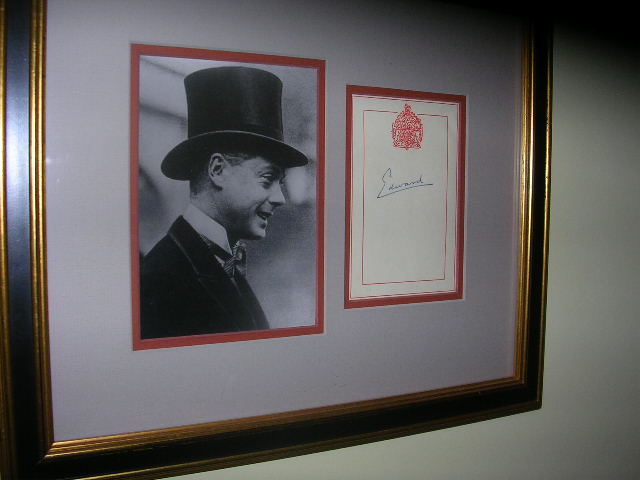
King Edward VIII gave up the British throne in 1936 after less than a year as king because he wanted to marry Wallis Simpson, an American woman who had been divorced twice. The Church of England, which the king led, didn’t allow divorced people to remarry while their former spouses were still alive.
Edward chose love anyway and signed papers that stripped him of his royal title, becoming the Duke of Windsor instead. His younger brother George became king in his place, and Edward spent the rest of his life in exile with Wallis, never regretting his choice despite losing everything he was born to inherit.
Prince Friso of the Netherlands

Prince Friso fell in love with Mabel Wisse Smit in the early 2000s, but the Dutch parliament had serious concerns about her past relationships with a known criminal figure. The royal family told Friso he could marry Mabel, but only if he gave up his place in the line of succession and his royal duties.
He agreed without hesitation and married Mabel in 2004, living a relatively private life outside the spotlight. The couple had two daughters together before Friso died in 2013 from injuries sustained in a skiing accident, but those close to him said he never once regretted choosing his wife over his title.
Princess Margaret and Peter Townsend
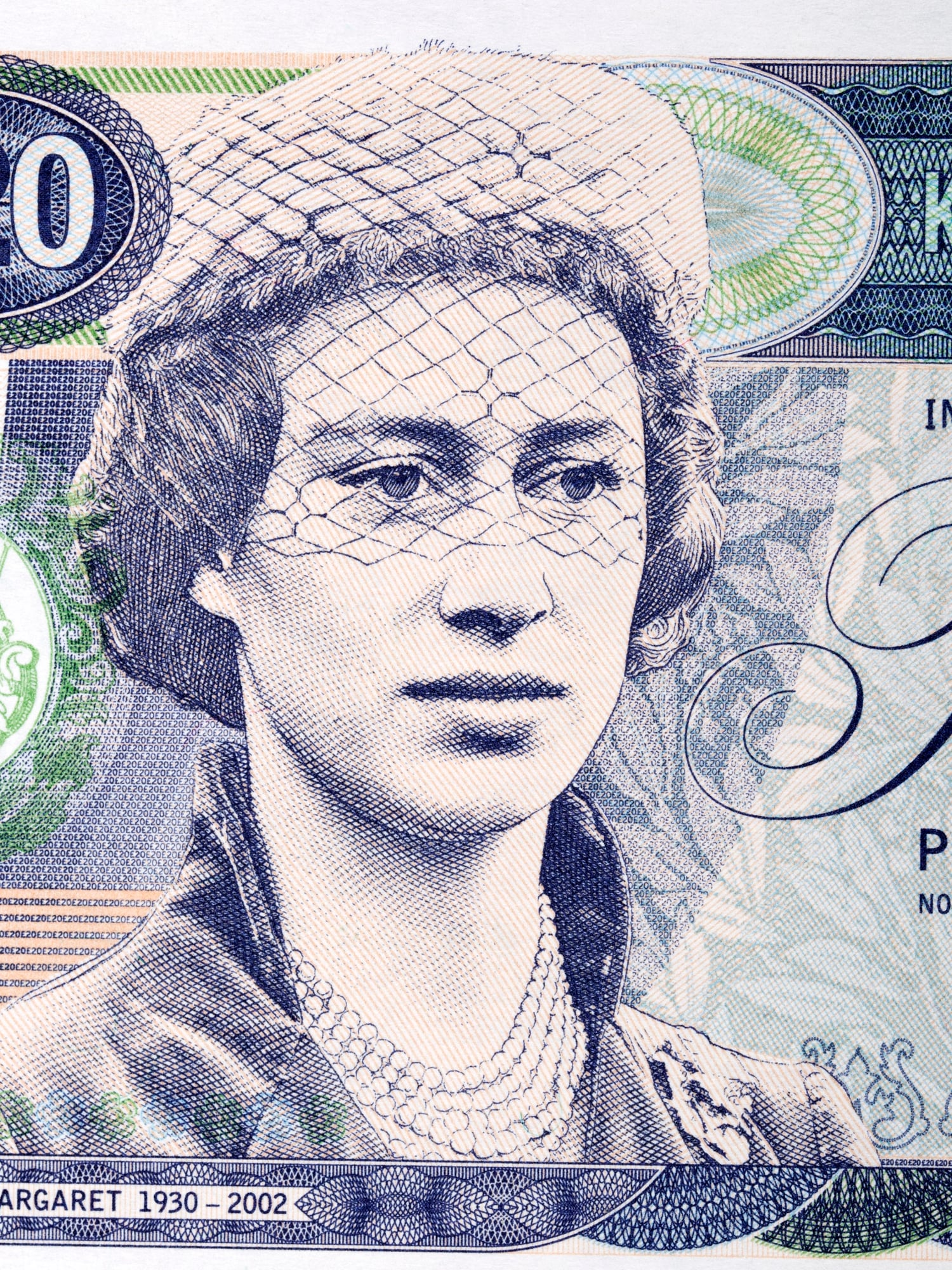
Princess Margaret, the younger sister of Queen Elizabeth II, wanted to marry Peter Townsend, a Royal Air Force officer who was 16 years older than her and divorced. The relationship caused a huge scandal in the 1950s because the Church and the government pressured Margaret to end things.
She ultimately chose duty over love and released a statement saying she wouldn’t marry him, though she reportedly cried for days afterward. Margaret later married someone else, but that marriage ended in divorce, and many believe she never truly got over Peter, the man she gave up.
Prince Amedeo of Belgium

Prince Amedeo shocked Belgium when he announced his intention to marry Elisabetta Rosboch von Wolkenstein, an Italian journalist, in 2014. Belgian law required royals to get permission from the king before marrying, and while Amedeo received that blessing, he still had to give up certain royal privileges.
The prince stepped back from many official duties to build a more normal life with his wife and their two children. He chose a quieter existence with the woman he loved rather than staying fully immersed in the formal royal world.
Empress Wanrong of China
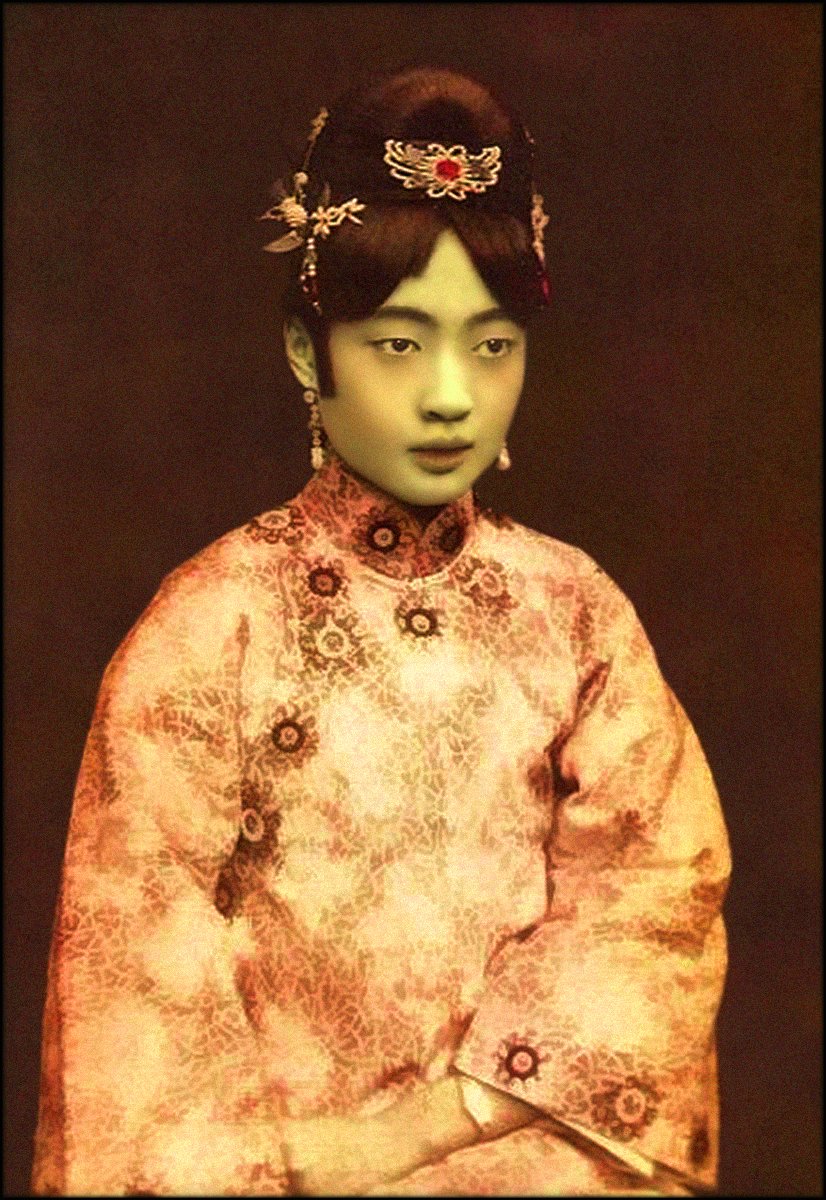
Wanrong became the last empress of China when she married Puyi, the final emperor, but she fell in love with one of his guards during their time in the palace. The affair was discovered, and the consequences were devastating for everyone involved.
Wanrong’s love interest disappeared, likely executed, while she faced punishment and isolation within the palace walls. Though she didn’t successfully choose love over her position, her attempt showed that even in one of the most rigid royal systems in history, people still risked everything for romance.
Her tragic story ended in an opium addiction and death in prison after the empire fell.
Prince Carl Philip of Sweden
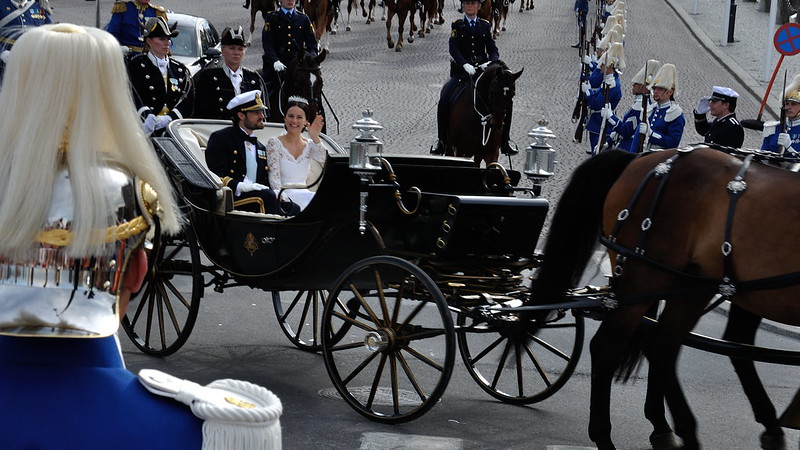
Prince Carl Philip dated Sofia Hellqvist, a former reality TV star and glamour model, starting in 2010, and the Swedish press went wild with criticism. Many people thought Sofia wasn’t suitable for a prince because of her past career choices and public image.
Carl Philip ignored all the noise and married Sofia in 2015 in a beautiful ceremony that won over many skeptics. The couple now has three children together, and Sofia has become a respected member of the Swedish royal family, proving that love can overcome public judgment.
Princess Mako of Japan
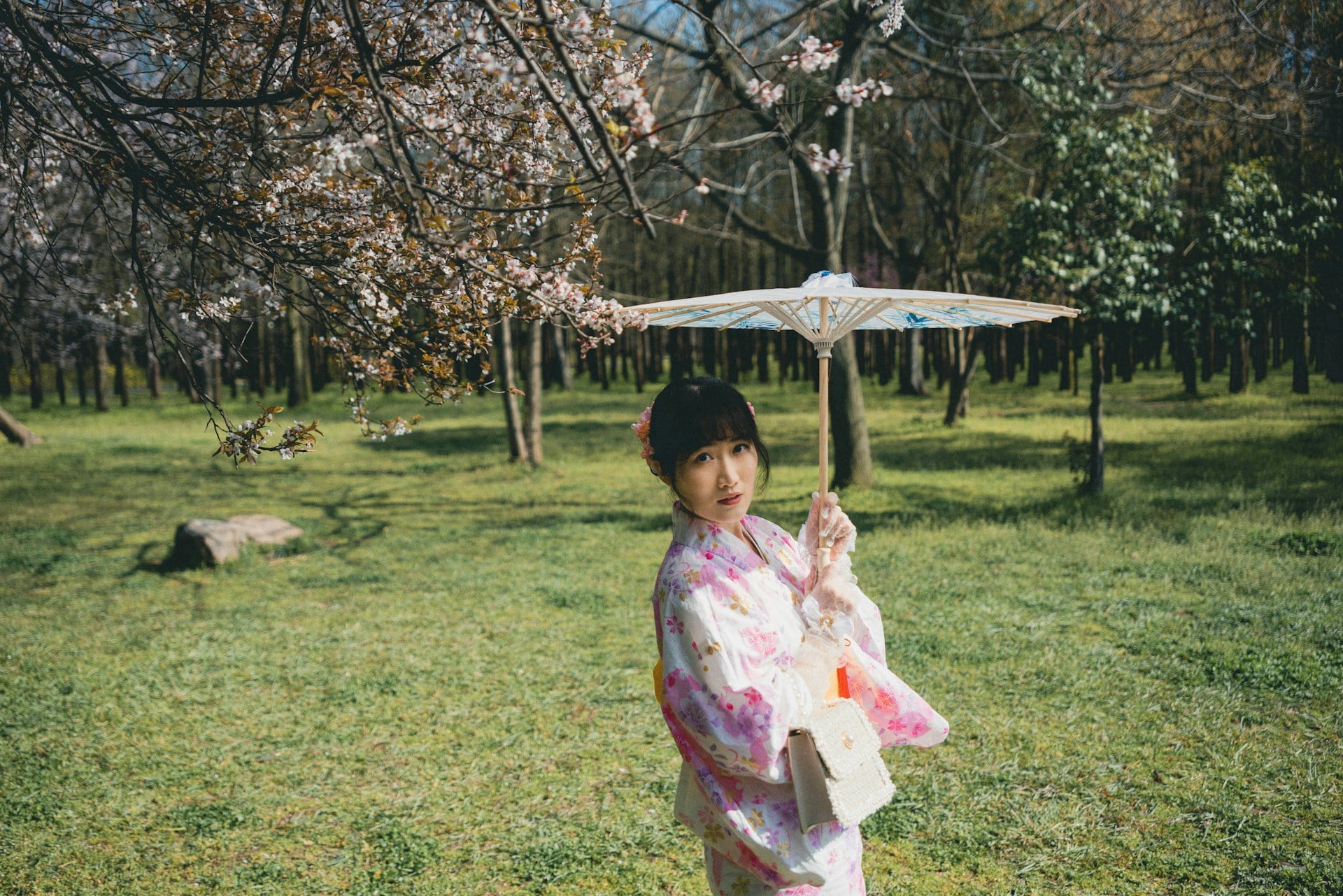
Princess Mako married her college sweetheart Kei Komuro in 2021, but the path to their wedding was brutal. The Japanese public and media criticized Komuro and his family relentlessly, focusing on his mother’s financial disputes and claiming he wasn’t good enough for a princess.
Mako refused to back down and gave up her royal status, her title, and a $1.3 million payout that departing female royals usually receive. She moved to New York with her husband, choosing a regular life as a commoner over staying in the imperial family.
Grand Duke Michael Alexandrovich of Russia
Grand Duke Michael, the younger brother of Tsar Nicholas II, fell in love with Natalia Wulfert, a twice-divorced commoner with a child from a previous marriage. When he married her in 1912 without the tsar’s permission, he lost his position in the line of succession and had to leave Russia.
The couple lived in exile in England and France, but Michael was eventually called back to Russia during World War I. He was executed by Bolsheviks in 1918, but his letters show he never regretted marrying Natalia, even though it cost him his standing in the royal family.
Prince Joachim of Denmark
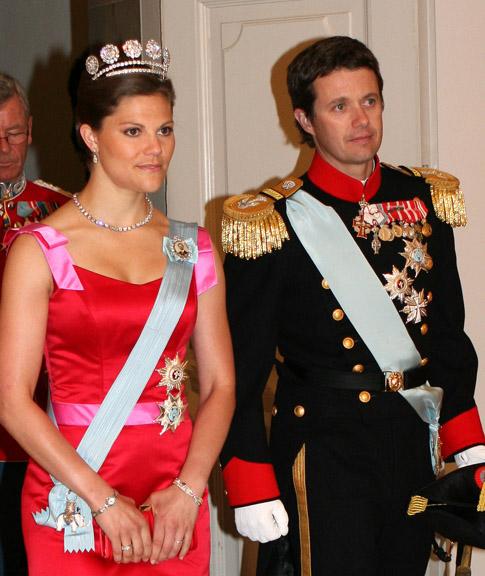
Prince Joachim married Alexandra Manley, a Hong Kong-born businesswoman of mixed Chinese and European heritage, in 1995, and the match raised eyebrows in conservative circles. While he didn’t lose his title, Joachim faced criticism and challenges as he balanced royal duties with his choice of spouse.
The couple eventually divorced in 2005, but Joachim had already proven he would marry for love rather than political convenience. He later remarried and continues to serve in royal capacities, though with a more independent approach than many of his relatives.
King Carol II of Romania
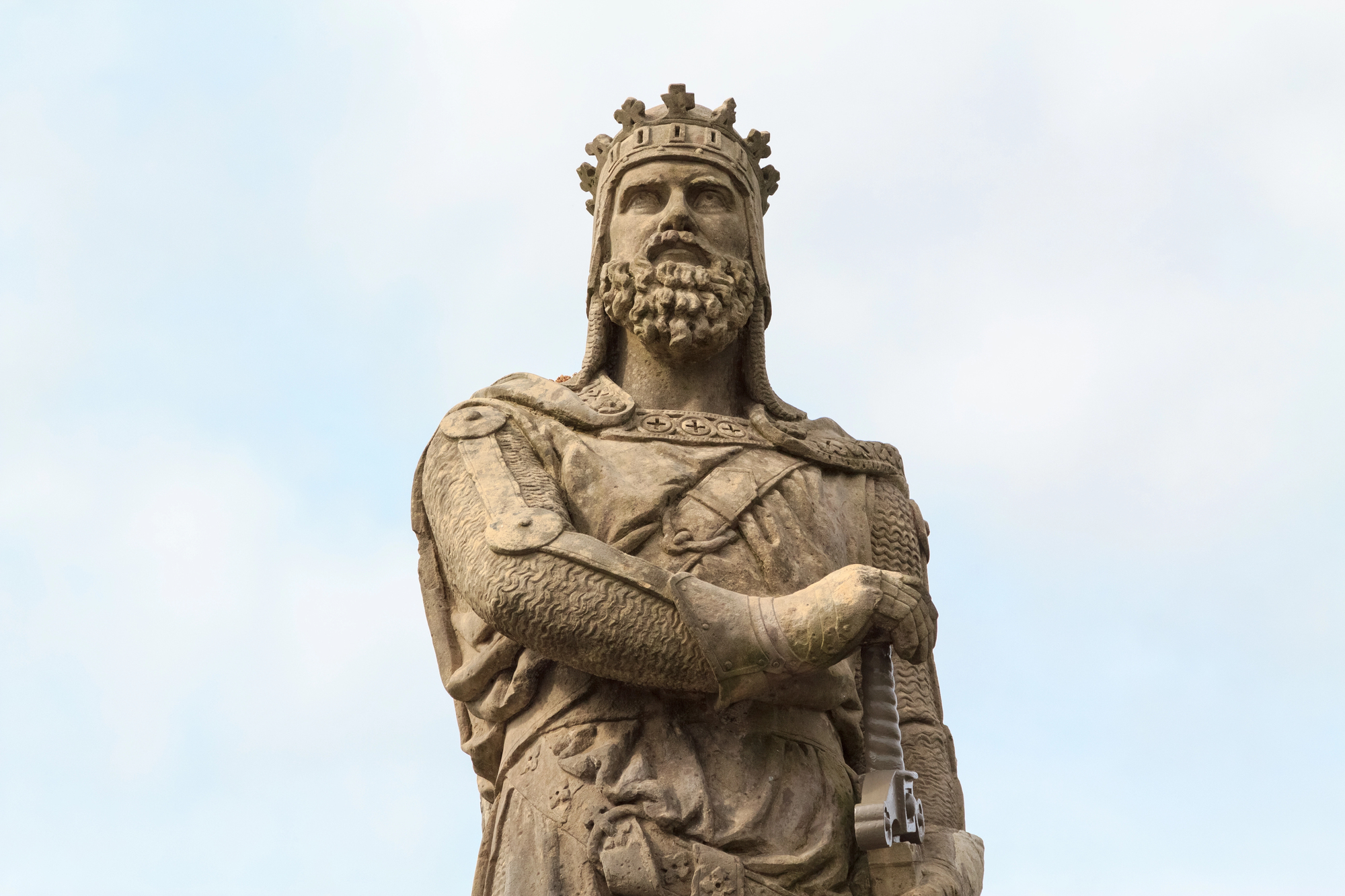
King Carol II gave up his right to the Romanian throne in 1925 so he could be with his mistress, Elena Lupescu, a divorced woman of Jewish heritage. Carol’s family and the Romanian public despised Elena and refused to accept her, but he renounced his claim to the crown anyway.
He eventually came back and reclaimed the throne in 1930, bringing Elena with him, which caused political chaos. They lived together for decades despite the constant scandal, and Carol chose to be buried next to her rather than with other Romanian royals.
Princess Ubolratana of Thailand
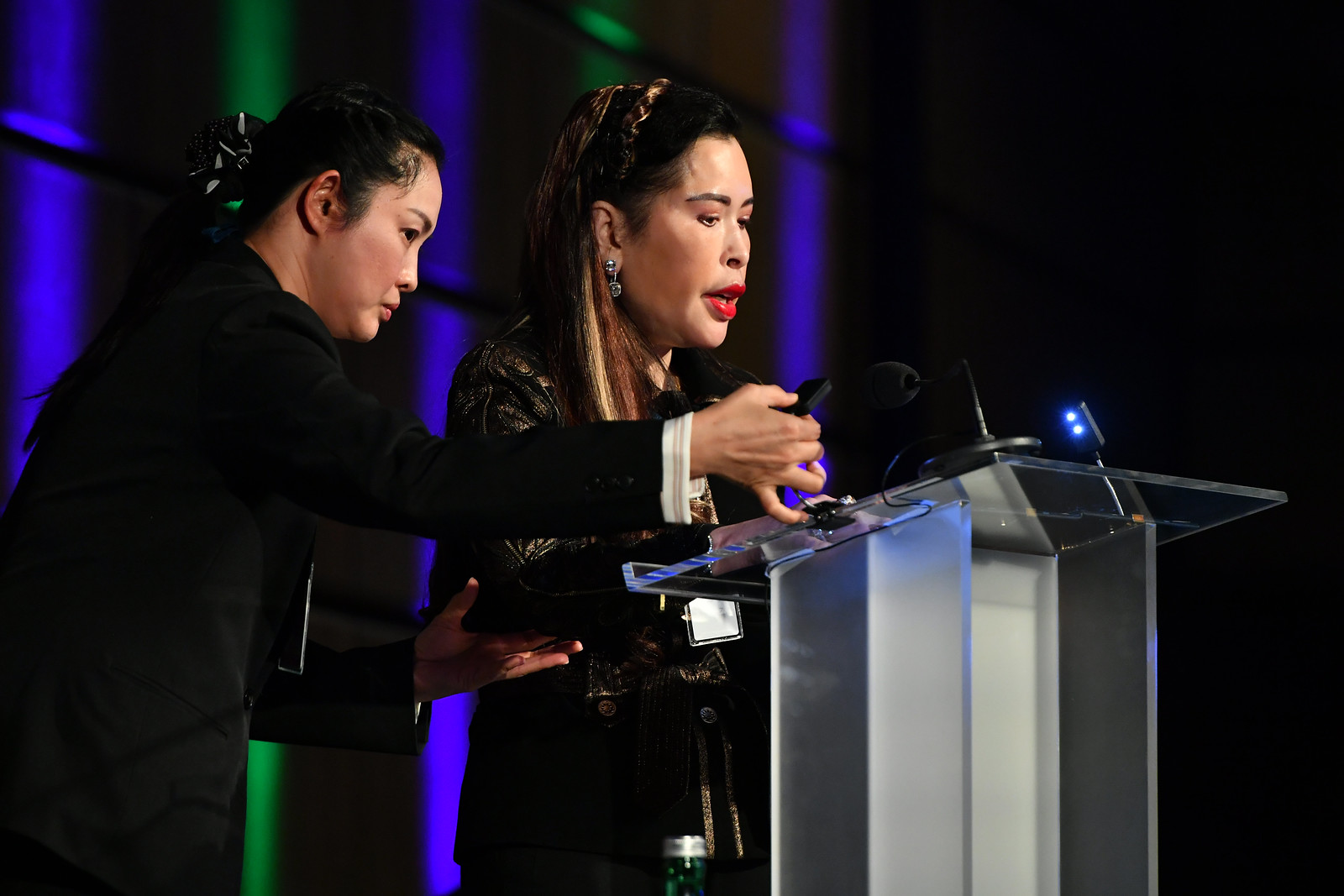
Princess Ubolratana gave up her royal titles in 1972 when she married Peter Jensen, an American she met while studying in the United States. Thai law didn’t allow a princess to marry a commoner and keep her status, so she became a regular citizen.
The marriage ended in divorce in 1998, but Ubolratana never returned to official royal duties, though she remained close to her family. She built a career as an actress and advocate for social causes, living the independent life she chose over royal constraints.
Prince Louis Ferdinand of Prussia
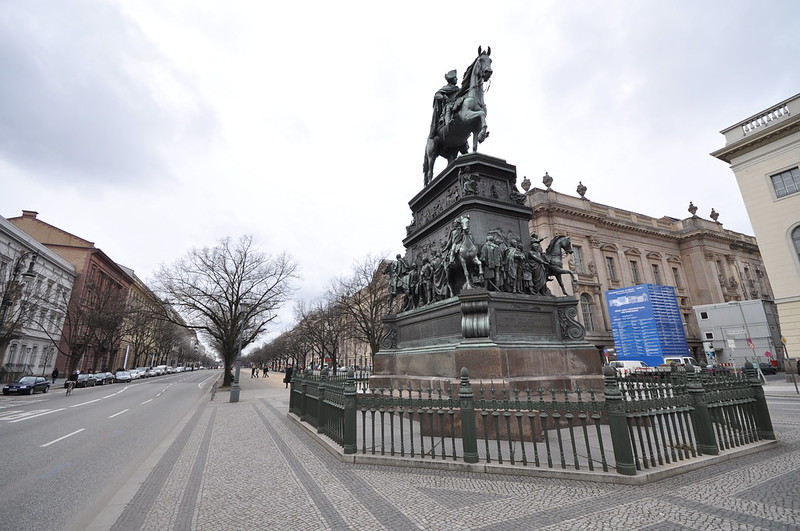
Prince Louis Ferdinand was in line to potentially restore the German monarchy after World War I, but he fell in love with Kira Kirillovna, a Russian grand duchess. His family initially opposed the marriage because they wanted him to marry someone who could help restore their political power.
Louis Ferdinand married Kira anyway in 1938, prioritizing personal happiness over dynastic ambitions. The couple had seven children together and lived a relatively quiet life, watching the possibility of a restored German monarchy fade into history.
Crown Prince Dipendra of Nepal
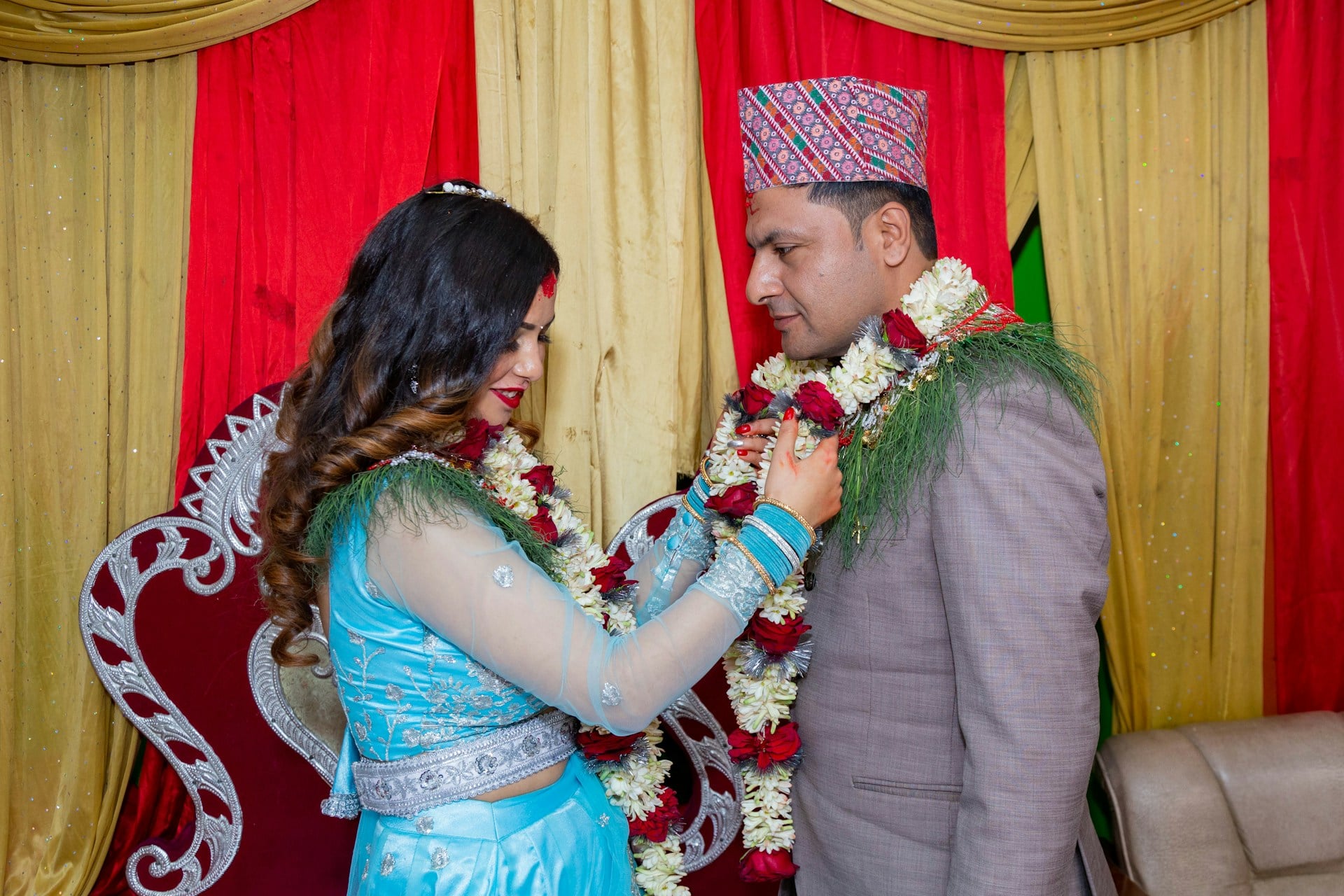
Crown Prince Dipendra fell deeply in love with Devyani Rana, a woman from an acceptable noble family, but his mother Queen Aishwarya strongly opposed the relationship. The queen believed Devyani’s family wasn’t prestigious enough and that the match would weaken the monarchy.
Dipendra reportedly became increasingly unstable as his mother refused to approve the marriage, and in 2001, he killed most of his family, including his parents, before taking his own life. The tragedy showed how destructive it can be when royals aren’t allowed to follow their hearts, though Dipendra’s violent response was extreme and inexcusable.
Princess Märtha Louise of Norway
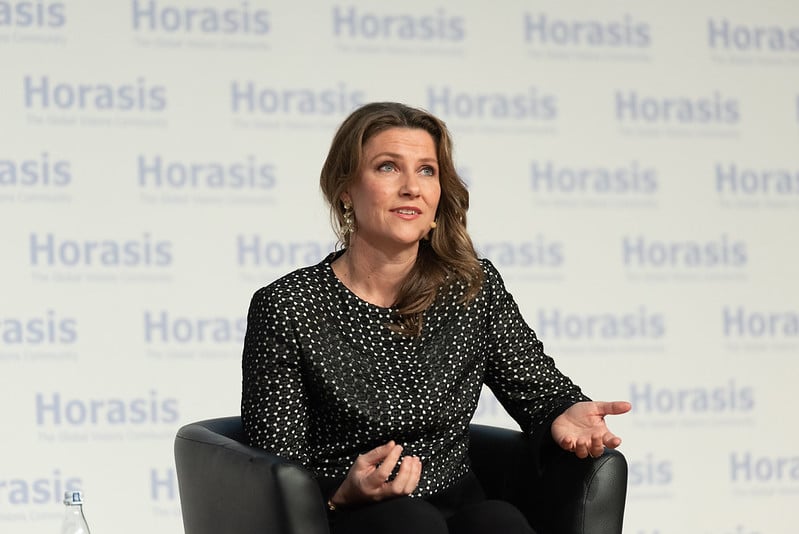
Princess Märtha Louise announced in 2022 that she would step back from official royal duties to focus on her relationship with Durek Verrett, an American spiritual guide and self-proclaimed shaman. The Norwegian royal family and public had mixed reactions to Verrett, who makes controversial claims about healing and spirituality.
Märtha Louise chose to limit her royal role rather than end her relationship, saying she wanted to separate her personal life from her royal identity. She continues to use her title but no longer represents the royal house at official events.
Prince Harry and Meghan Markle
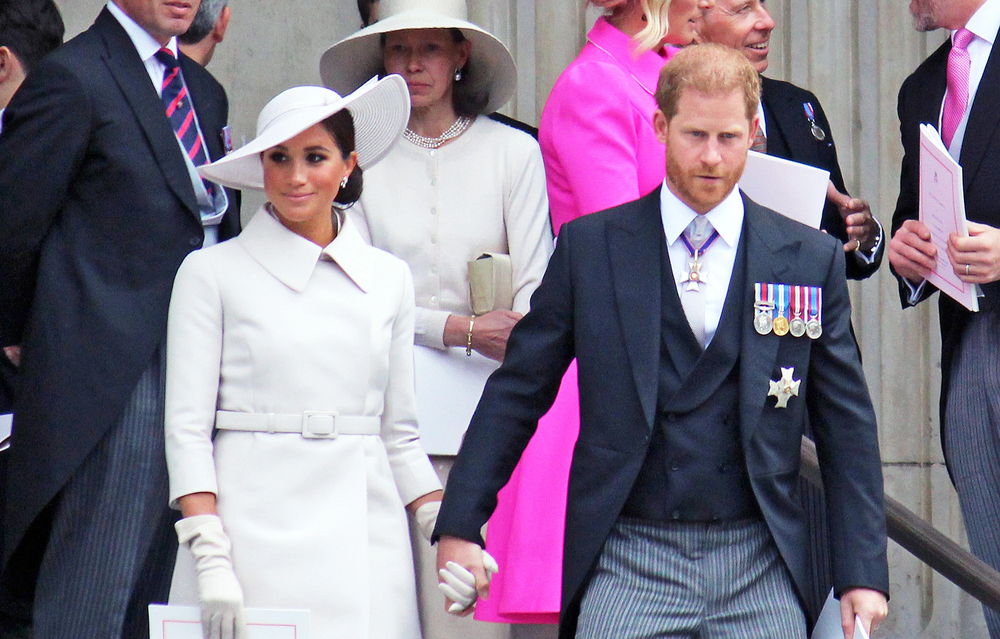
Off to California went Prince Harry, alongside Meghan Markle, stepping back from top royal roles in 2020. Press pressure piled high, family strains ran deep – those weighed heavily on the pair.
Royal links were cut: no more official backing, no public funds, no active use of “His/Her Royal Highness.” From interviews came his reason – he wanted shields and safety for her, for their kids, unlike what happened to his mom, Diana.
Gone now are his army ties, erased is his spot within daily royal work – the world he entered at birth now stands apart. Still, each time asked, he answers the same way: nothing would change it. That path? He’d walk it once more.
Grand Duchess Maria Vladimirovna and Prince Franz Wilhelm
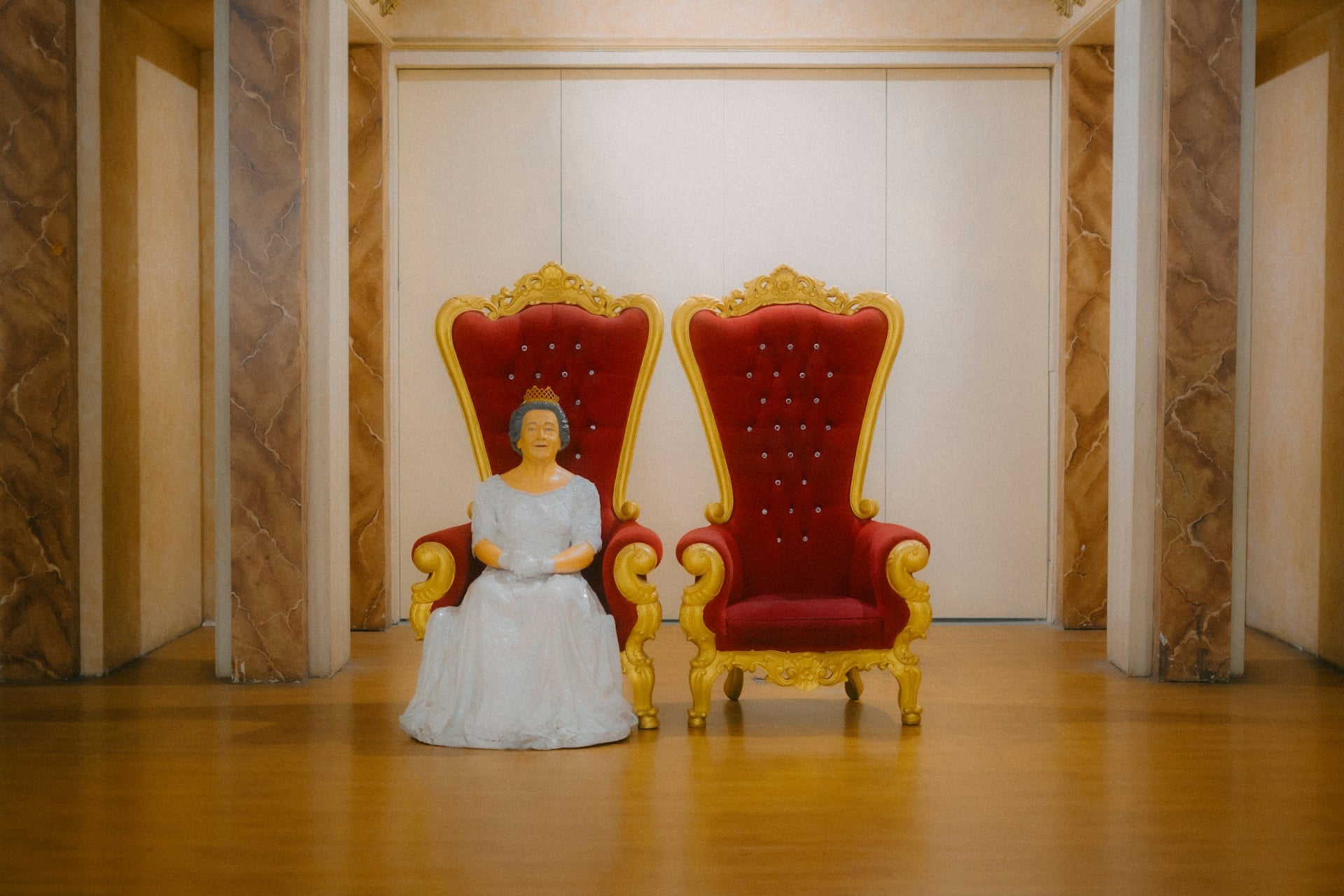
Not everyone in the Romanov family approved when Maria Vladimirovna wed Prince Franz Wilhelm of Prussia back in 1976. Her decision stirred debate because some saw it as unfitting for someone claiming to lead Russia’s old imperial line.
Though objections arose, she moved forward regardless. Over years that followed, she stood by both her husband and her role among Romanov descendants.
A child came from their union – a son – before they eventually parted ways. Choosing a partner out of affection instead of political strategy made her standing even more disputed.
Still, she remained firm through ongoing scrutiny.
Heavy gold turns burdensome when worn too long
Gold on a throne means little when you’re lonely at the top. Not every royal marriage ended in peace – some crumbled under pressure, others survived against odds.
What ties these lives together? A quiet refusal to follow scripts written by kings, ancestors, or old customs. They reached for something real, even when it cost them status, home, or public favor.
People still lean in to hear these tales – not because they’re about power, but because they show love carrying weight no title can match.
More from Go2Tutors!

- The Romanov Crown Jewels and Their Tragic Fate
- 13 Historical Mysteries That Science Still Can’t Solve
- Famous Hoaxes That Fooled the World for Years
- 15 Child Stars with Tragic Adult Lives
- 16 Famous Jewelry Pieces in History
Like Go2Tutors’s content? Follow us on MSN.