How Smartphones Evolved Since the iPhone
Remember when phones had physical keyboards and you had to press a button multiple times just to type one letter? That world feels ancient now, but it wasn’t that long ago.
The iPhone launched in 2007, and smartphones existed before it. But after that moment, everything changed direction.
The devices in your pocket today bear little resemblance to what came before, and the transformation happened faster than anyone predicted.
Touch Became the Standard
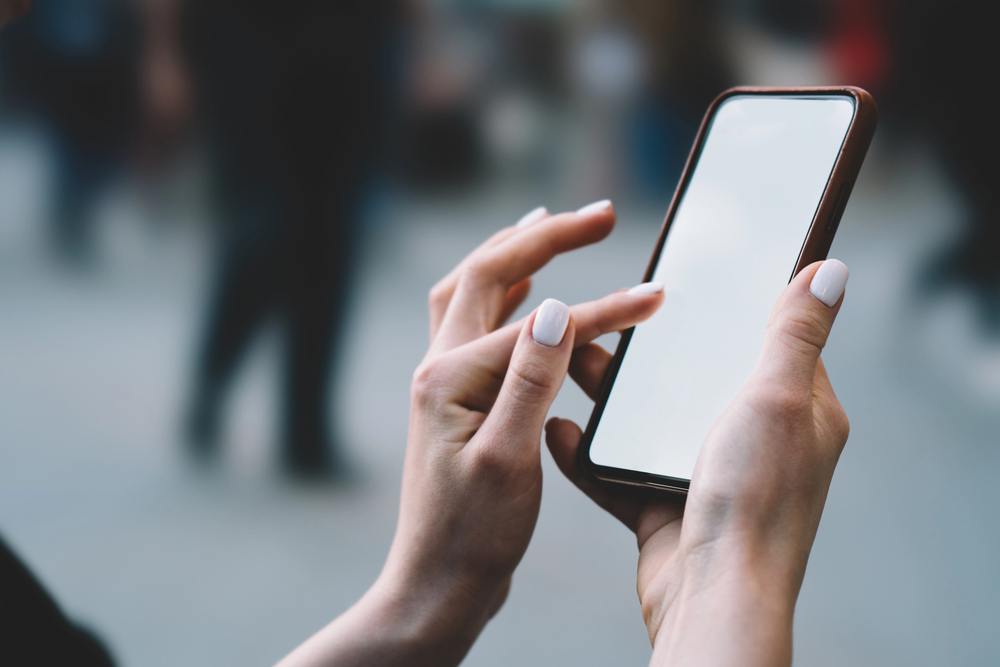
The iPhone killed the physical keyboard. Not immediately, but the writing was on the wall.
BlackBerry fought back hard, Nokia tried to adapt, but within a few years, almost every phone had a full touchscreen. You could argue whether this was better or worse for typing, but the market made its choice clear.
The extra screen space won out over tactile feedback. Multitouch technology made the difference.
Pinch to zoom, swipe to scroll—these gestures became second nature so quickly that people forget they had to be invented. Early touchscreens could only register one point of contact at a time.
The iPhone’s capacitive screen changed expectations overnight.
Apps Created a New Economy
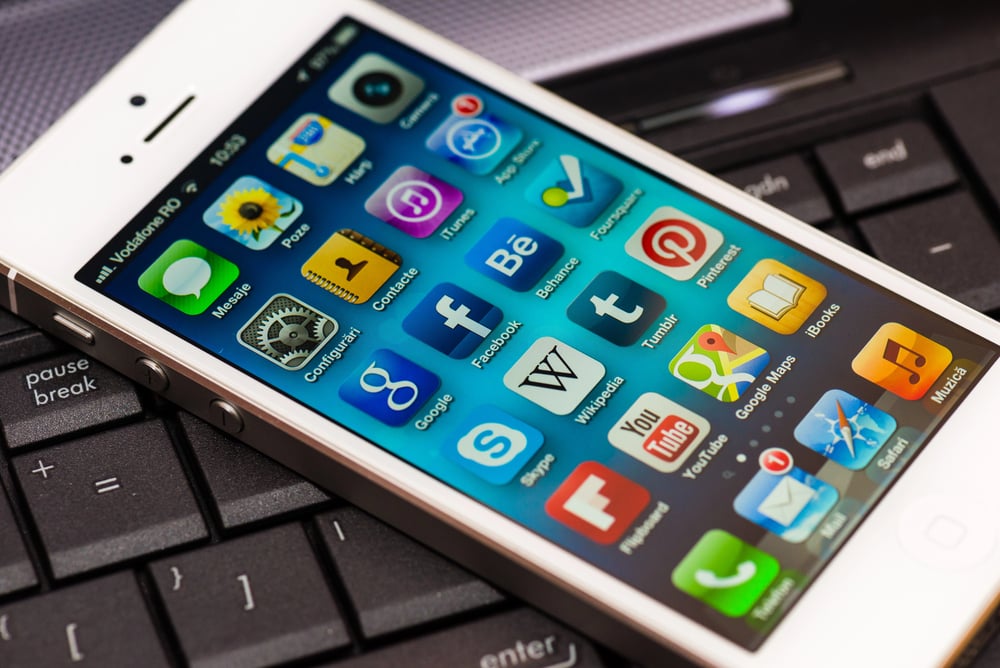
Before the App Store launched in 2008, phone software came pre-installed. You got what the manufacturer gave you, and that was that.
The idea that anyone could write software for your phone and distribute it to millions of people seemed radical. Developers rushed in.
Some got rich. Most didn’t, but the ecosystem exploded anyway. Your phone stopped being just a communication device and became whatever you needed it to be.
A flashlight. A level. A video editor. A restaurant guide. A dating service. The possibilities expanded so fast that phones from just two years earlier felt obsolete.
The app economy now generates hundreds of billions of dollars annually. It created jobs that didn’t exist before and destroyed industries that couldn’t adapt.
Taxi companies, bookstores, travel agencies, camera manufacturers—all had to reckon with what happens when everyone carries a supercomputer with an internet connection.
Cameras Got Surprisingly Good
Early smartphone cameras were terrible. Grainy, slow, barely functional in low light.
But phone makers kept improving them because people kept taking photos with their phones anyway. Convenience beats quality every time.
Then something unexpected happened. The cameras got good enough that people stopped carrying dedicated cameras.
Not professional photographers, but everyone else. You probably haven’t touched a point-and-shoot camera in years.
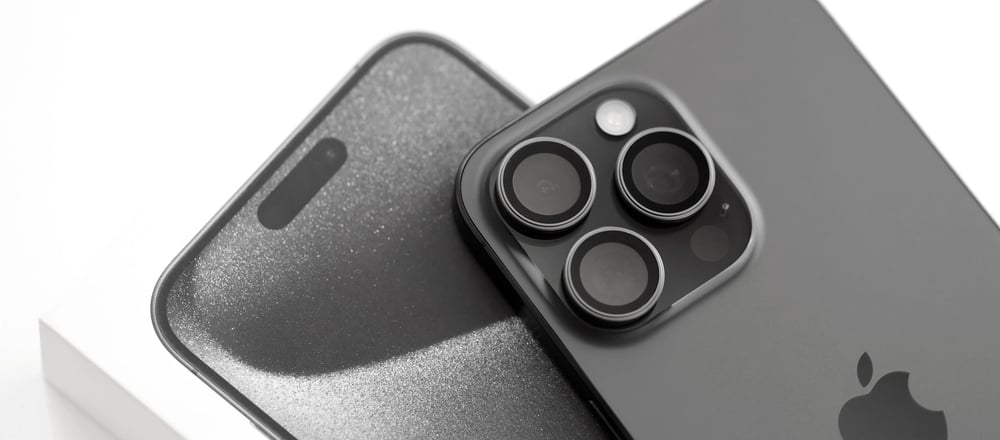
Multiple lenses became standard. Wide, telephoto, ultra-wide—phones now pack three or four cameras on the back.
Computational photography does things that were impossible with traditional cameras. Night mode, portrait mode, HDR—these features use software and processing power to create images that defy the physical limitations of tiny sensors.
Screens Grew Larger and Sharper
The first iPhone had a 3.5-inch screen. That seemed big at the time.
Now phones routinely ship with 6.5-inch displays, and some go even bigger. The trend toward larger screens seemed unstoppable until phones literally couldn’t fit in pockets anymore.
Resolution increased too. Retina displays, OLED, 120Hz refresh rates—screens became so sharp and smooth that you can’t see individual pixels anymore.
The difference between a phone screen and a premium monitor narrowed to almost nothing. Bezels disappeared. The notch arrived, shrank, and in some phones vanished entirely.
Screens now wrap around edges and push right to the top. Manufacturers found ways to hide cameras under displays or tuck them into tiny cutouts.
The goal became simple: all screen, no wasted space.
Battery Life Stayed Frustrating
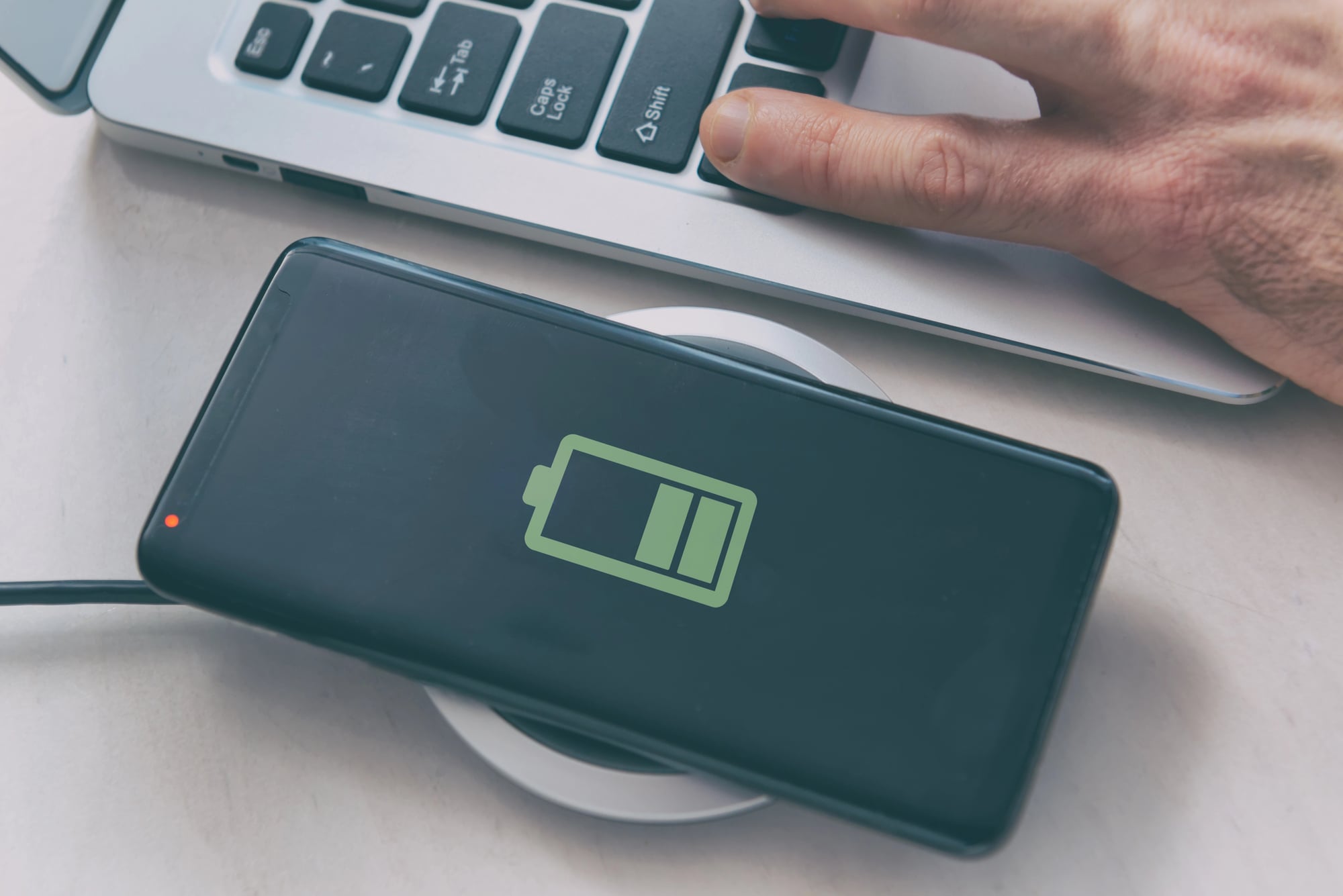
Despite all the advances, you still charge your phone every night. Battery technology improved, but not fast enough to keep up with bigger screens, faster processors, and constant internet connectivity.
A modern phone does a thousand times more than the original iPhone, but it still dies by bedtime. Fast charging helped.
Wireless charging added convenience. Some phones now last two days on a charge, but most don’t.
The industry accepted that daily charging was the compromise users would tolerate. Software got smarter about managing power.
Adaptive battery features learn your habits. Low power modes stretch things out when you’re desperate.
But the fundamental problem remains: batteries can only improve so fast, and phones keep demanding more power.
Processors Became Desktop-Class
The chips inside phones now match or exceed the performance of laptop processors from just a few years ago. This happened gradually, then all at once.
Mobile processors hit a point where they could handle professional photo editing, 4K video rendering, and complex gaming without breaking a sweat.
This power enabled features nobody anticipated. Real-time language translation. Augmented reality. Advanced machine learning running locally on the device.
Your phone can now do things that required server farms a decade ago. The performance gains also meant phones lasted longer.
A flagship from three or four years ago still runs modern apps smoothly. The upgrade cycle slowed down because phones stopped feeling obsolete after two years.
That created challenges for manufacturers used to annual sales spikes.
5G Arrived With Mixed Results
The promise was blazing speed and near-instant downloads. The reality was more complicated.
5G coverage remains spotty in many areas, and when you do get it, the speed boost often feels incremental rather than revolutionary.
Still, 5G enabled new possibilities. Lower latency matters for cloud gaming and video calls.
The increased bandwidth supports higher quality streaming and faster uploads. As the infrastructure builds out, the benefits will become more apparent.
The transition from 4G to 5G mirrored earlier transitions. Remember when 3G seemed impossibly fast? Then 4G made it look slow?
The same pattern repeats, just with higher numbers.
Water Resistance Became Expected
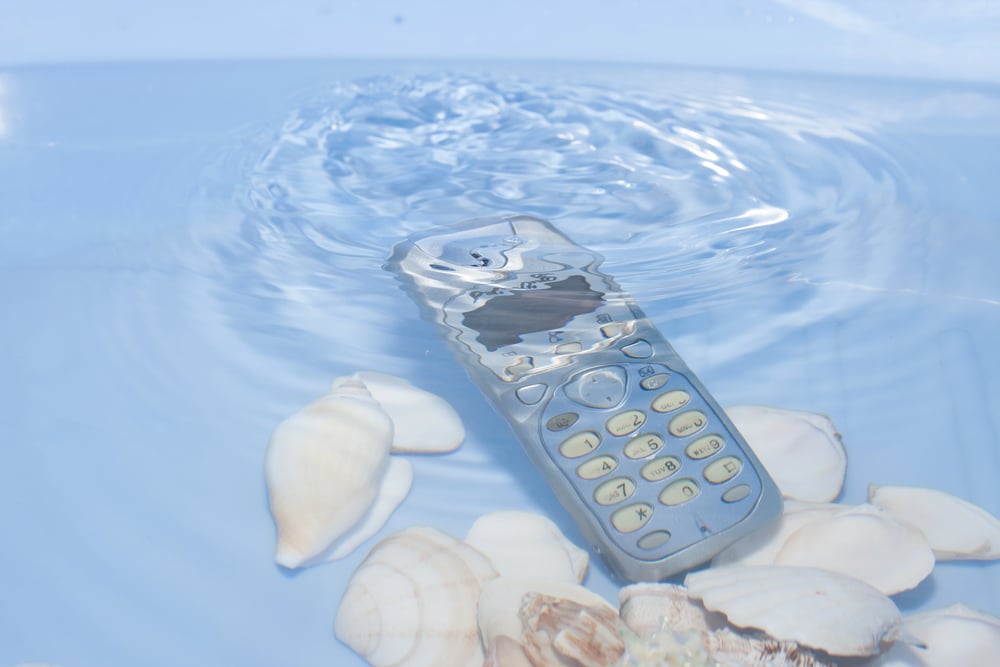
Early smartphones died if you dropped them in water. Now most phones can survive a swim in the pool.
IP68 ratings became standard on flagships, then trickled down to mid-range devices. This wasn’t about making waterproof phones for divers.
It was about surviving rain, spills, and accidents. The engineering required sealing dozens of entry points while maintaining functionality.
Speakers still had to let sound out. Charging ports still needed access.
Manufacturers solved these problems with gaskets, adhesives, and clever design.
Face Recognition and Fingerprint Sensors
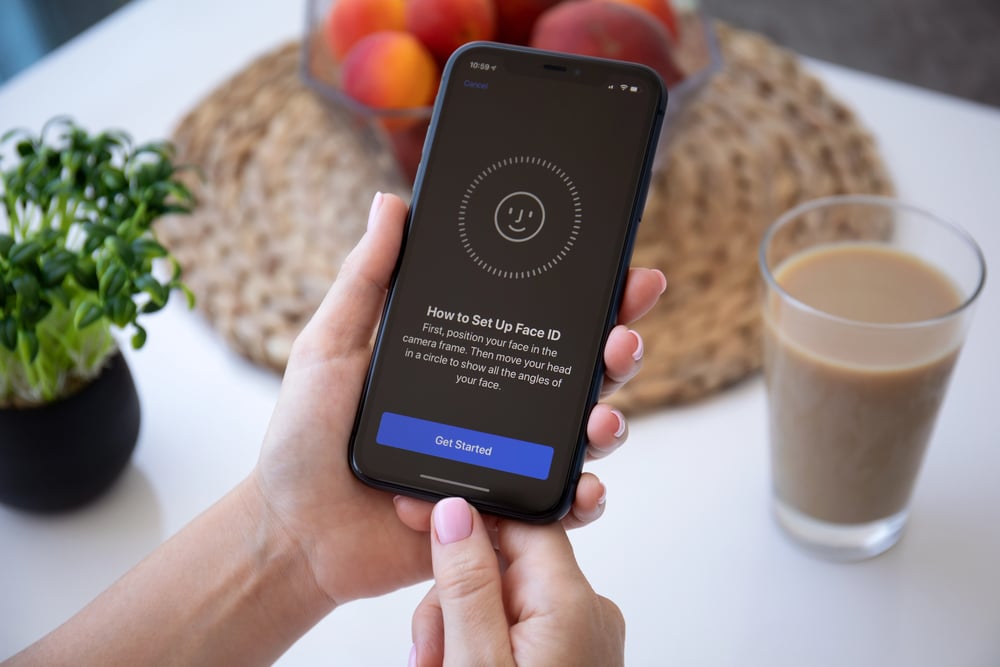
Passwords gave way to biometrics. Touch ID arrived, and suddenly unlocking your phone took a fraction of a second.
Face ID came next, using infrared sensors and depth mapping to verify your identity. These features seemed like luxury additions at first, but they changed how you interact with your phone hundreds of times per day.
Under-display fingerprint sensors brought touch recognition back even on all-screen phones. The technology evolved from slow and unreliable to fast and accurate in just a few generations.
Security improved while friction decreased—a rare combination.
Folding Screens Made a Comeback
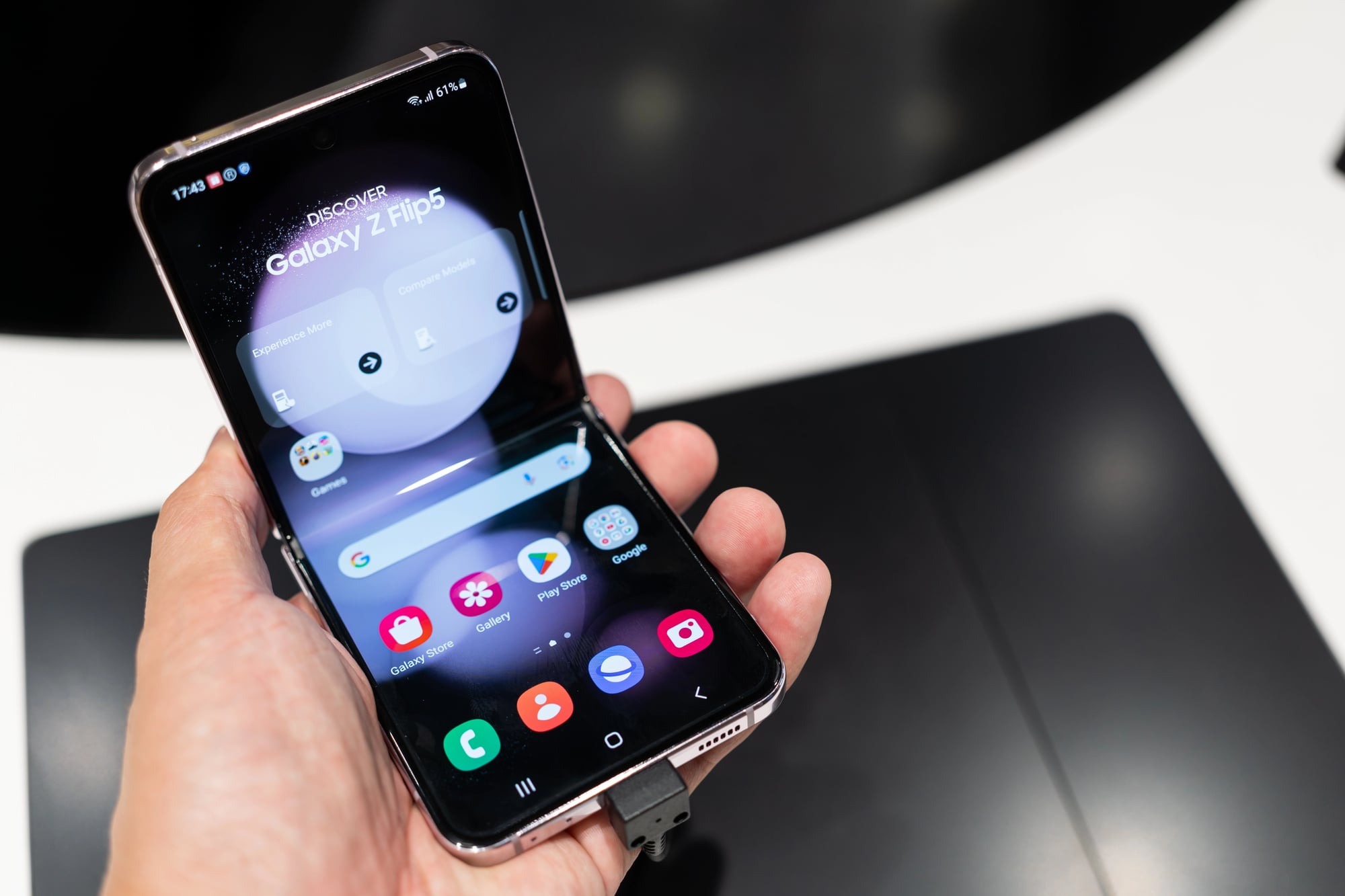
After years of failed experiments, folding phones actually started working. Samsung, Motorola, and others released devices with flexible displays that could fold in half.
The practicality remains debatable, but the technology improved enough to be viable. These devices solved a real problem: how to make a phone that fits in your pocket but offers a tablet-sized screen when you need it.
Early models were fragile and expensive. Newer versions addressed many concerns, though the crease down the middle persists.
Whether folding phones represent the future or a niche category remains unclear. But they demonstrated that smartphone form factors don’t have to be static.
Innovation in hardware design didn’t die, it just got harder.
Software Updates Changed Philosophy
Android and iOS both shifted toward longer support windows. Phones now receive software updates for five years or more in some cases.
This extended the useful life of devices and reduced electronic waste. The updates themselves became less dramatic.
Early iOS and Android versions brought major interface overhauls annually. Recent updates focus more on refinement and incremental improvements.
The platforms matured to the point where radical changes made less sense. This stability benefited users who didn’t want to relearn their interface every year.
But it also meant phones felt less exciting with each generation. The pace of visible innovation slowed as the technology matured.
Privacy and Security Moved Center Stage
Phones know a lot about us – lately, that fact got harder to ignore. When leaks and misuse hit the news, attention shifted.
Apple stepped in, calling privacy a selling point. On the other side, Android tightened how apps access data.
A new tool lets people decide who watches their activity. What started as a niche tool is now everywhere.
Messaging apps locked down conversations by default. Companies building phones began shielding personal details – not just from outsiders but from their own teams too.
Ads got less access. Break-ins grew harder. Even the creators of devices found themselves shut out.
Still, ease and secrecy pull in opposite directions. When tools gather your details, they tend to perform more smoothly.
Deciding what you’re willing to share now falls on you. Phones began spelling out these decisions clearly.
The Distance We Have Come
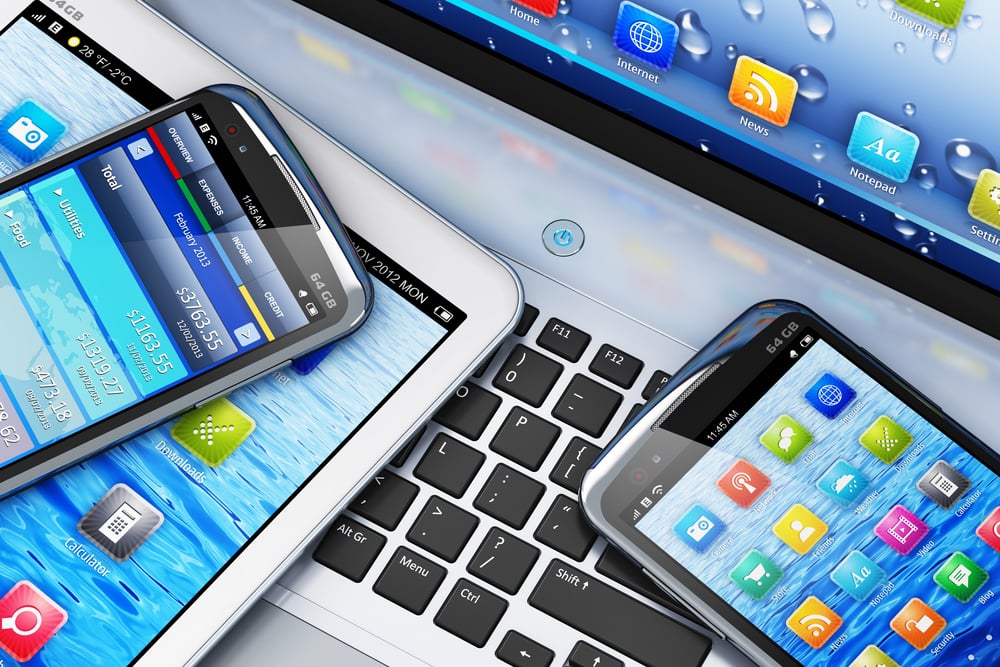
Your pocket holds something strange. This device films like a studio camera, though it fits in your palm.
Directions come instantly, no matter how far you wander. It listens to speech, then speaks back in another tongue just seconds later.
Years ago, doing these things meant carrying half a dozen gadgets at once. Back then, one gadget claimed to be three: a telephone, a music player, a web browser.
Today’s version refuses labels altogether. Nowhere else has progress cooled quite like here, though layer after layer of updates built something unrecognizable compared to early models.
Amazement faded once everyone carried one in their pocket. Still, moving from that first iPhone to what we have now ranks among the swiftest tech leaps ever seen.
This shift keeps unfolding, even if quietly.
More from Go2Tutors!

- The Romanov Crown Jewels and Their Tragic Fate
- 13 Historical Mysteries That Science Still Can’t Solve
- Famous Hoaxes That Fooled the World for Years
- 15 Child Stars with Tragic Adult Lives
- 16 Famous Jewelry Pieces in History
Like Go2Tutors’s content? Follow us on MSN.


