15 cities that have an obsessive coffee culture
Coffee culture isn’t just about grabbing caffeine on the way to work. Some cities have turned their relationship with coffee into something resembling religious devotion — complete with rituals, debates over technique, and passionate arguments about what makes the perfect cup.
These places don’t just serve coffee; they worship it, study it, and elevate it to an art form that borders on the absurd.
Seattle
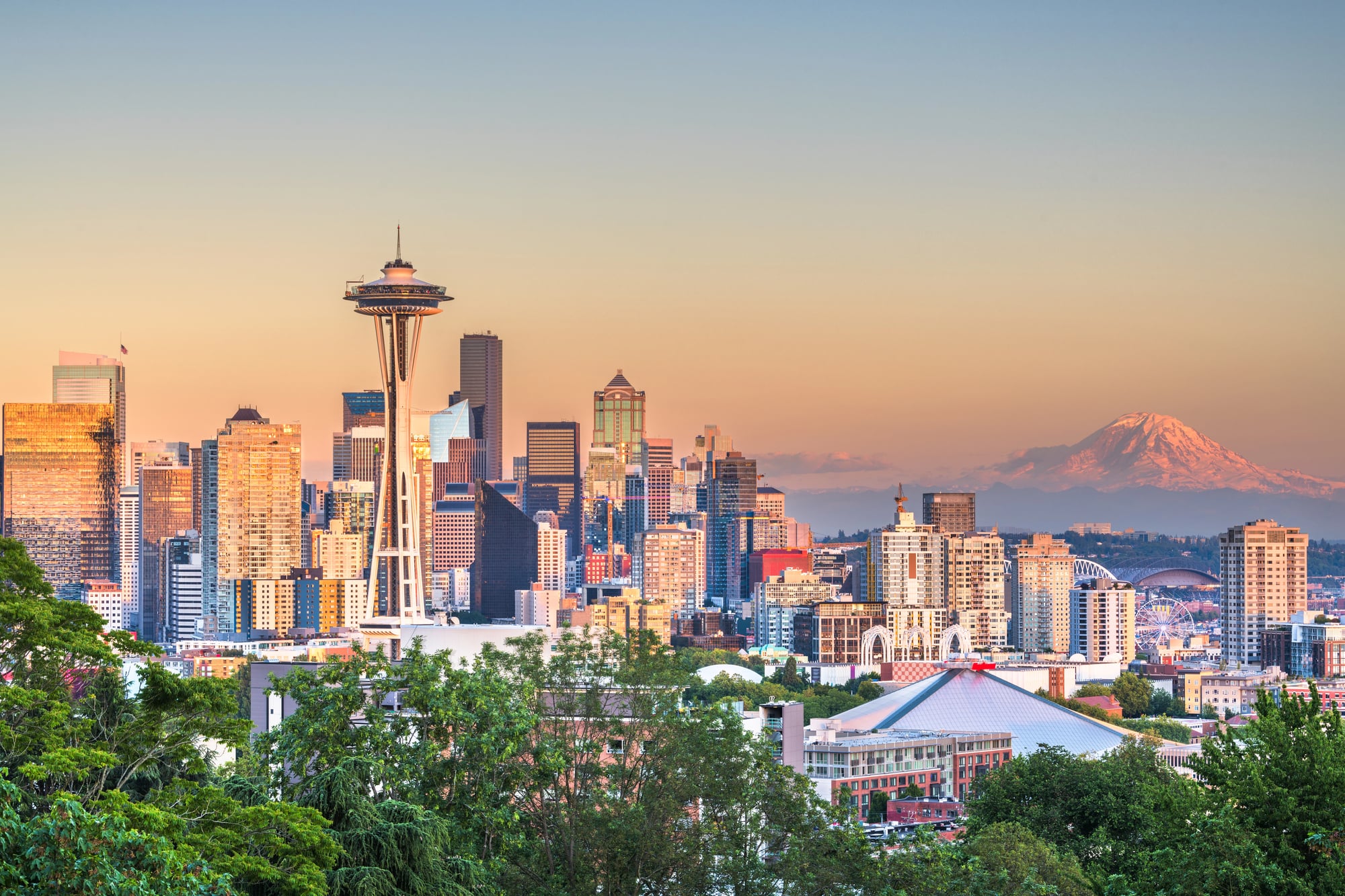
Seattle doesn’t mess around when it comes to coffee. The city practically invented the modern coffee shop experience and never lets anyone forget it.
Every neighborhood has at least three independent roasters, and locals can spot a tourist by their willingness to actually go to Starbucks.
Pike Place Market still draws crowds to watch baristas pour elaborate latte art, but the real action happens in smaller spots scattered throughout Capitol Hill and Fremont.
Rain helps — when it’s gray for eight months straight, coffee stops being a beverage and starts being a survival tool.
Melbourne
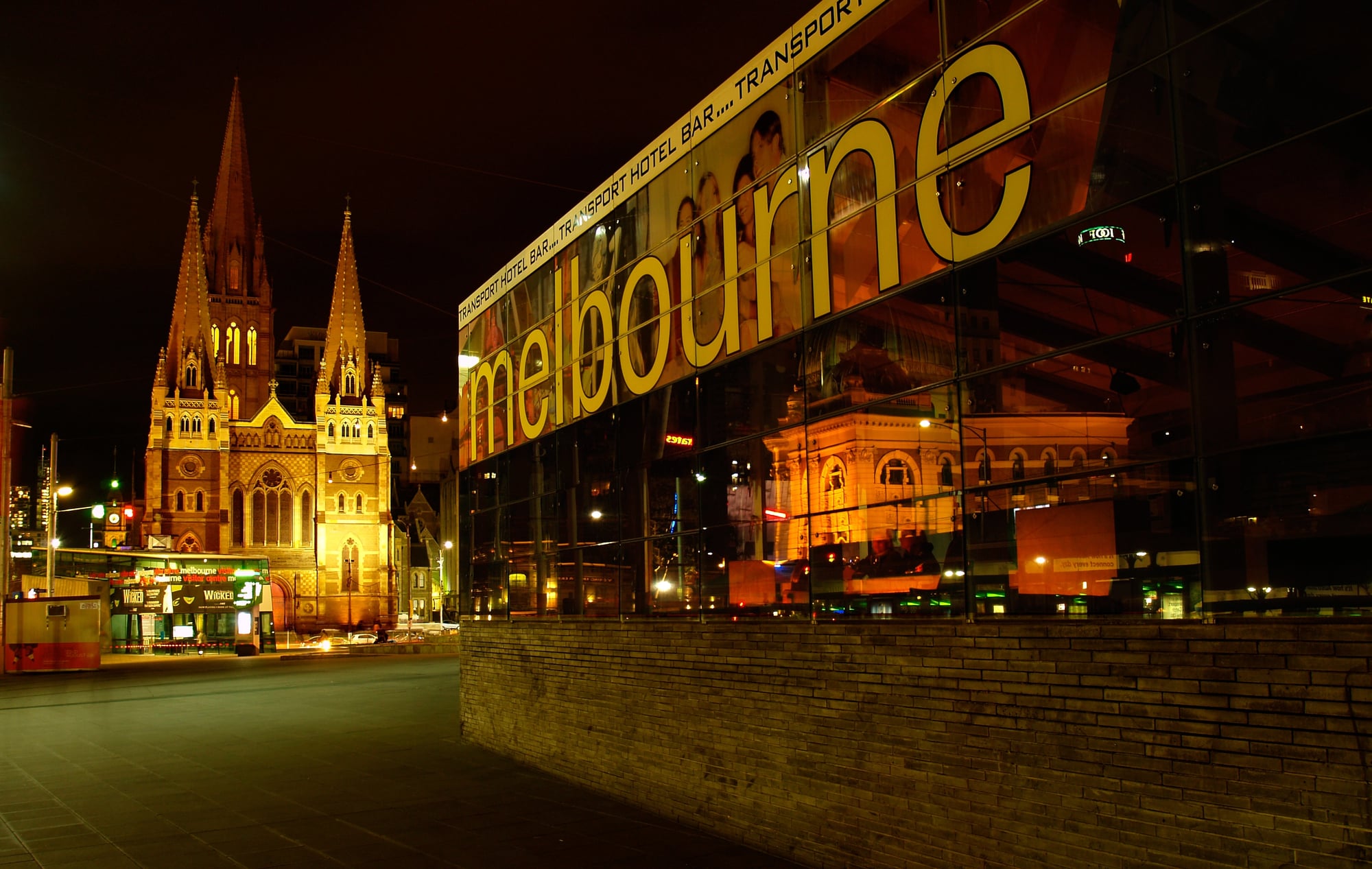
Melbourne’s coffee scene operates like a parallel government with its own rules, hierarchies, and unspoken codes of conduct that somehow everyone just knows (except tourists, who immediately reveal themselves by asking for a “large coffee with milk”).
The city’s relationship with espresso runs so deep that cafes don’t even bother putting signs out front — if you know, you know, and if you don’t, well, that’s what Google is for.
Walking through the laneways feels like moving through a carefully orchestrated performance where baristas are the stars and customers are supporting actors who better know their lines.
And the thing is, it works — Melbourne consistently produces coffee that makes other cities quietly wonder what they’ve been doing wrong all these years.
Even the smallest neighborhood spot will have someone behind the counter who can explain the difference between beans from different altitudes in the same Ethiopian region, and they’ll do it with the kind of casual authority that suggests this is perfectly normal dinner conversation.
Vienna

Vienna approaches coffee the way other cities approach fine dining. Coffeehouses here aren’t places to grab caffeine and leave — they’re institutions where people settle in for hours with newspapers, books, and the kind of unhurried conversations that don’t exist anymore in most of the world.
The ritual matters as much as the coffee itself. Servers bring your cup on a silver tray with a glass of water and a small piece of chocolate.
Nobody rushes. The city has turned lingering into an art form, and coffeehouse culture into something that feels almost defiant against the modern world’s obsession with speed.
Portland
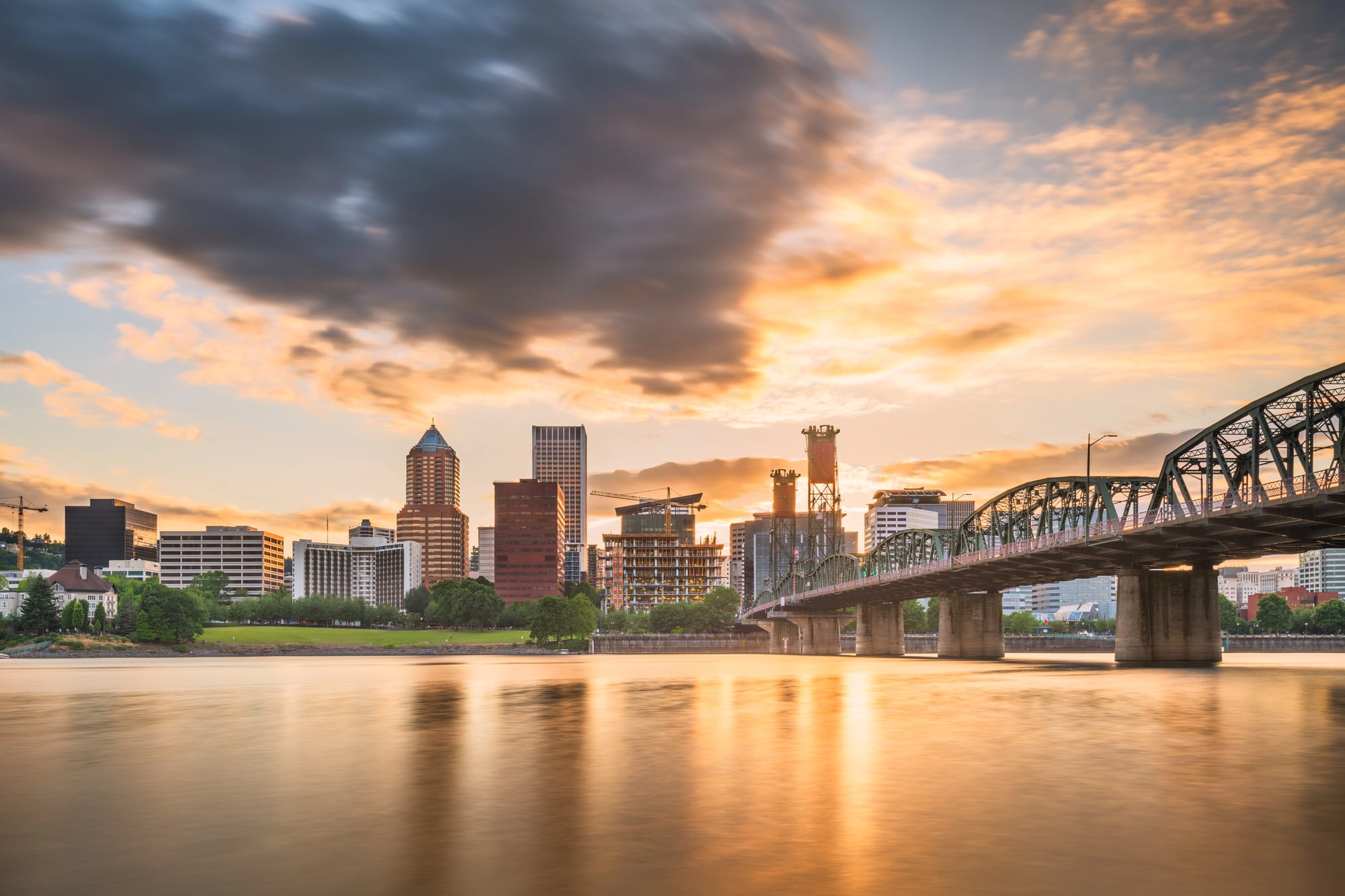
Portland treats coffee with the seriousness other cities reserve for wine or whiskey. Third-wave coffee roasters dominate every neighborhood, and baristas here aren’t just making drinks — they’re conducting small science experiments with water temperature, grind size, and extraction time.
The city has turned coffee snobbery into a virtue. Ask for a simple black coffee and prepare for a gentle interrogation about your flavor preferences, preferred brewing method, and whether you’d like to try something “a little more interesting” from their single-origin selection.
It should be annoying, but somehow it works.
Reykjavik
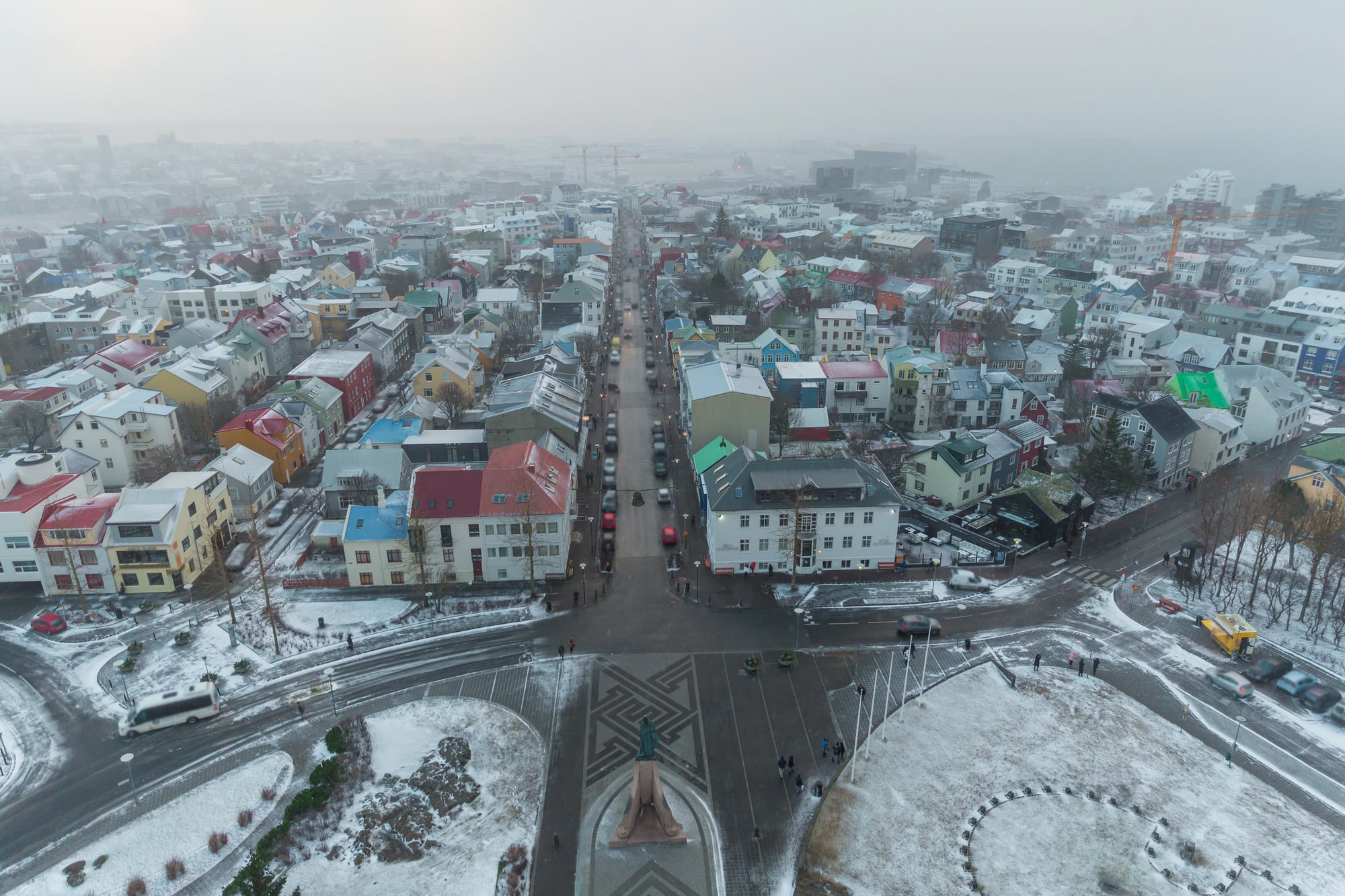
There’s something almost mystical about how Icelanders approach their coffee culture, as if the long winter nights and brief summer days have created a collective understanding that good coffee isn’t just appreciated here — it’s essential for psychological survival (which, given the climate, makes perfect sense).
The city’s cafes feel like refuges from the stark beauty outside, warm spaces where locals gather not just for caffeine but for the kind of community that forms naturally when everyone understands what it means to need something that brings comfort.
Reykjavik’s coffee shops double as cultural centers, bookstores, and informal meeting halls where conversations drift seamlessly between Icelandic and English, and where tourists slowly realize they’ve stumbled into something that feels more like a neighborhood living room than a commercial establishment.
The coffee itself is treated with the respect typically reserved for fine wine — roasted locally, served with care, and consumed with the kind of attention that suggests people here understand the difference between drinking coffee and experiencing it.
Tel Aviv

Tel Aviv doesn’t just serve coffee — it argues about it passionately, constantly, and with the kind of intensity usually reserved for politics or family disputes.
Every cafe has its loyal customers who will defend their barista’s technique against all challengers.
The city’s coffee culture operates on Mediterranean time, which means rushing through your morning espresso is practically a crime against nature.
Even the smallest neighborhood spot will have regulars who’ve been coming for years and know exactly how their drink should taste.
Deviation from the established order results in friendly but firm correction.
Havana
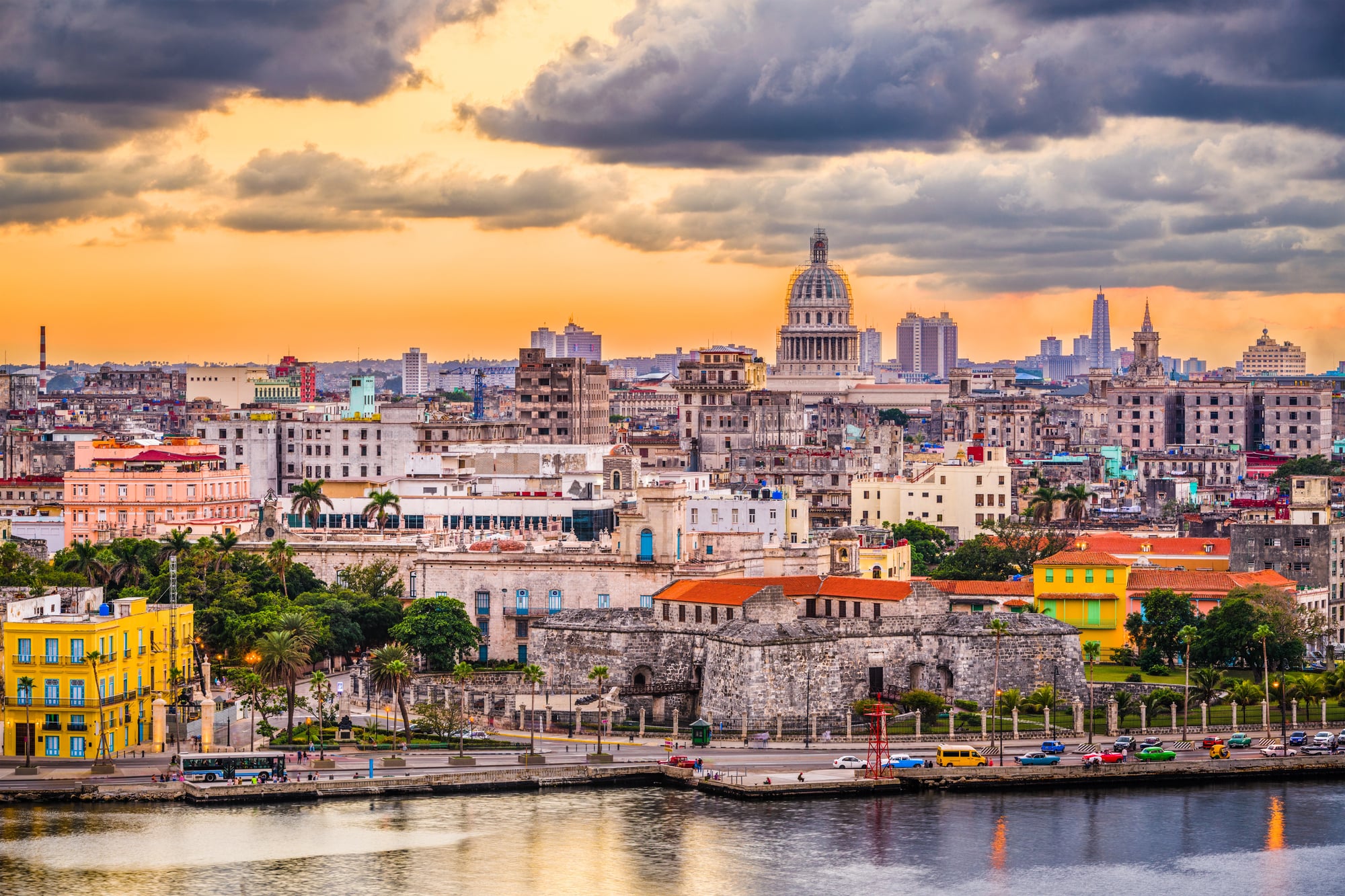
Coffee in Havana moves to its own rhythm, which is to say it moves slowly, deliberately, and with more ceremony than efficiency (but somehow this makes every cup feel more significant than it would anywhere else).
The city’s relationship with coffee runs deeper than tourism or trends — it’s woven into daily life with the kind of casual reverence that comes from generations of practice.
Street corner cafeterías serve tiny cups of intensely strong coffee that locals drink standing up while discussing everything from baseball to philosophy, and the whole interaction feels less like a transaction and more like a brief pause in the day’s larger conversation.
Cuban coffee culture doesn’t perform for visitors — it simply exists, confident in its own rhythms and completely uninterested in changing to accommodate anyone else’s expectations.
The result is something that feels both timeless and completely alive, a reminder that coffee culture doesn’t always need to evolve to remain compelling.
Istanbul

Istanbul’s coffee culture predates most other cities by several centuries, and the city acts like it knows this.
Turkish coffee isn’t just a drink here — it’s a UNESCO-recognized cultural practice complete with elaborate preparation rituals and specific serving protocols.
Traditional coffeehouses still operate in the old neighborhoods, where men gather to play backgammon and debate politics over small cups of thick, sweet coffee.
The city manages to maintain these ancient traditions while also embracing modern cafe culture, creating a layered coffee experience that spans centuries of technique and preference.
Rome

Romans drink coffee like they invented it, which they didn’t, but their confidence suggests otherwise.
The rules are non-negotiable: espresso at the bar, never sitting down, definitely never after 11 AM if you want milk involved.
Tourist cafes near the Colosseum will happily serve you a cappuccino at dinner, but step into any neighborhood bar and the barista will look personally offended by the request.
Coffee culture here isn’t flexible or accommodating — it’s precise, efficient, and completely uninterested in your preferences if they conflict with established tradition.
Addis Ababa

Coffee ceremonies in Addis Ababa unfold like meditation practices that happen to end with something drinkable (and the city treats this ancient ritual with the kind of respect that suggests they understand something about coffee that the rest of the world is still trying to figure out).
Ethiopia gave coffee to the world, and Addis Ababa carries that legacy with quiet pride rather than loud proclamation.
Walking through neighborhoods like Mercato or Bole, the smell of roasting beans drifts from small shops and homes where women conduct traditional ceremonies that can last for hours — washing green beans, roasting them over charcoal, grinding by hand, then brewing in clay pots while incense burns nearby.
These aren’t performances for tourists but daily practices that connect modern city life to traditions that stretch back centuries, creating a coffee culture that feels both deeply rooted and completely alive.
San Francisco

San Francisco has turned coffee into a tech startup — constantly innovating, obsessing over data, and convinced that traditional methods can always be improved through better equipment and more precise measurements.
Blue Bottle originated here, and the city’s approach to coffee reflects the same optimization mindset that drives its tech industry.
Every variable gets measured and adjusted: water temperature, grind consistency, extraction time, even the specific altitude where beans were grown.
It should feel sterile, but somehow the obsession with perfection produces genuinely exceptional coffee.
Buenos Aires

Buenos Aires cafe culture operates on Argentine time, which means sitting down for coffee automatically commits you to at least an hour of conversation, people-watching, and general appreciation for life’s slower pleasures.
The city’s cafes aren’t places to grab drinks and leave — they’re social institutions where locals conduct business, catch up with friends, and observe the street theater outside massive windows.
Cortado is the drink of choice, served in small glasses with just enough milk to smooth the espresso without overwhelming it.
Cafes notable serve as informal offices, meeting spaces, and refuges from the city’s intensity.
The whole experience feels distinctly European but with a Latin American warmth that makes lingering feel mandatory rather than optional.
Amsterdam
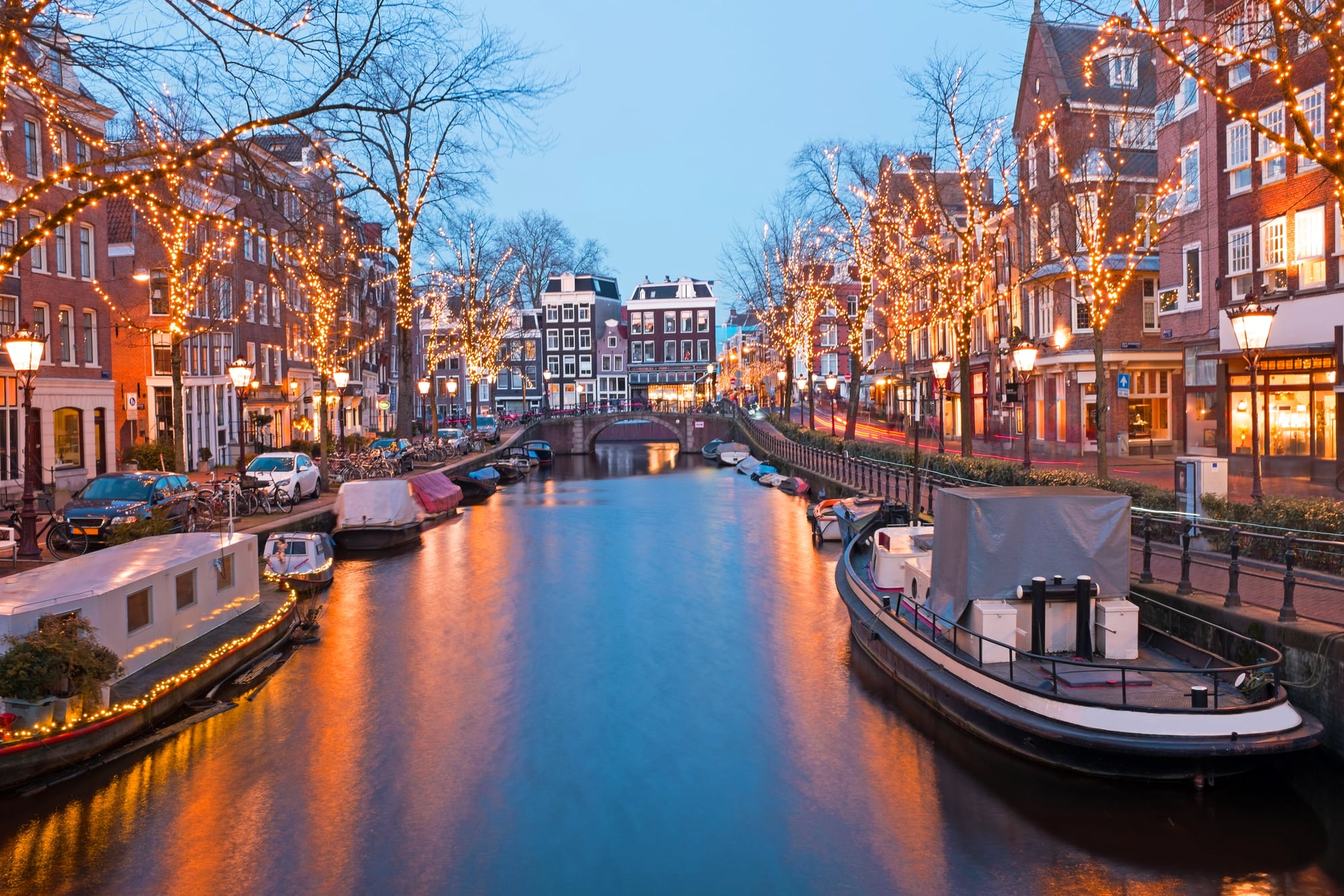
Amsterdam’s coffee culture splits into two distinct worlds, and locals navigate both with equal enthusiasm.
Traditional brown cafes serve simple coffee alongside beer and conversation, while modern specialty shops focus on single-origin beans and precise brewing techniques.
The city’s approach feels refreshingly unpretentious despite the technical expertise.
Baristas know their craft but don’t lecture customers about it unless asked.
Coffee culture here integrates seamlessly with daily life rather than demanding special attention or reverence.
Wellington

Wellington punches above its weight in coffee culture, producing more excellent cafes per capita than cities ten times its size.
New Zealanders approach coffee with the same casual perfectionism they apply to everything else — high standards delivered without fanfare.
Flat white originated here, though Melbourne disputes this claim with characteristic intensity.
Wellington doesn’t seem particularly interested in the argument; they’re too busy perfecting their technique and exploring new roasting methods.
The city’s coffee scene feels confident without being showy, focused on quality over recognition.
Copenhagen
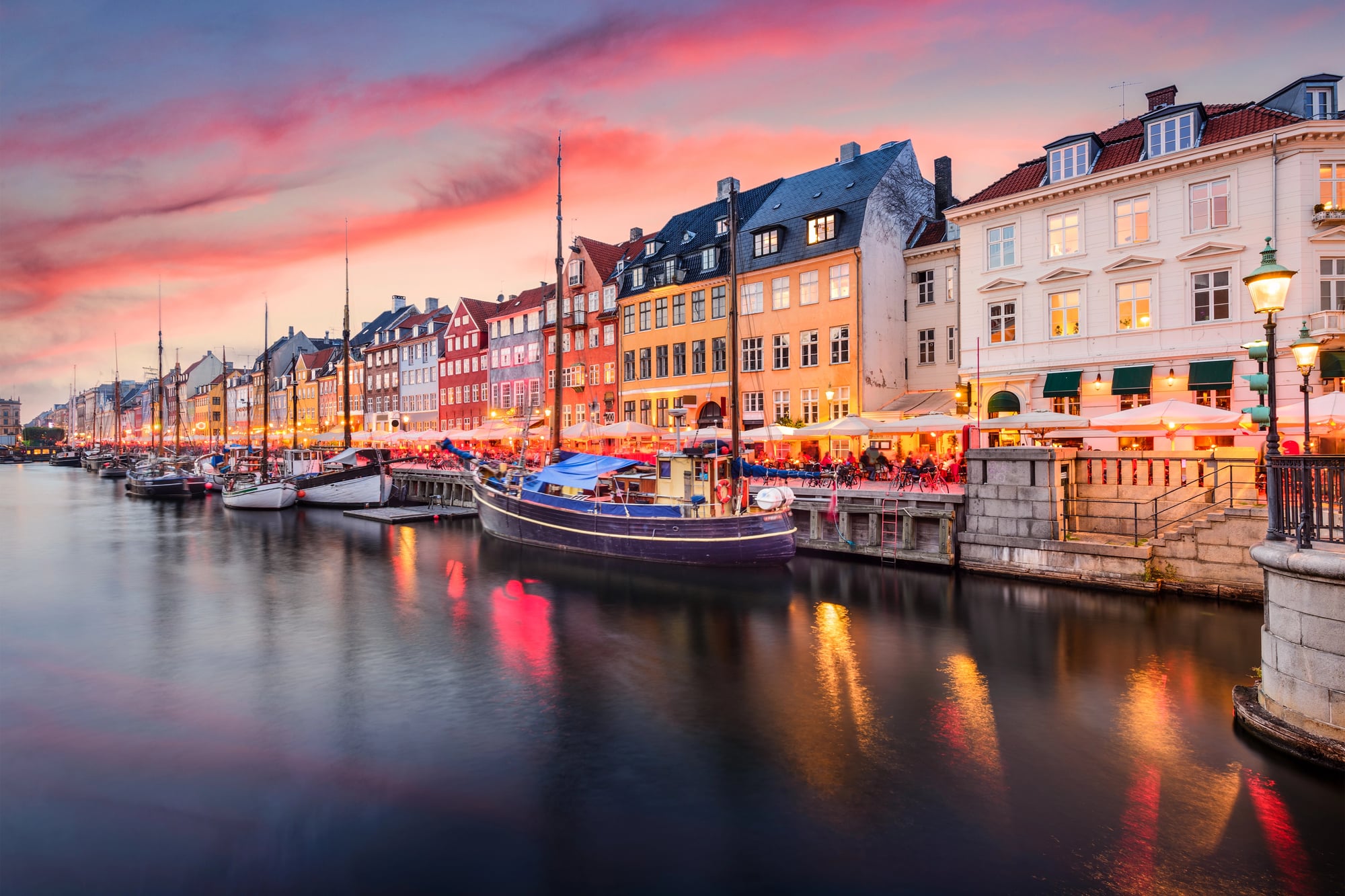
Copenhagen has quietly built one of Europe’s most sophisticated coffee cultures while everyone was paying attention to other cities.
Danish hygge extends naturally to coffee consumption — the focus is on comfort, quality, and creating spaces where people want to spend time.
Local roasters work directly with farmers, and cafes serve as community gathering spaces that feel more like living rooms than commercial establishments.
The city’s approach emphasizes sustainability and social responsibility without making these values feel like marketing strategies.
Coffee culture here reflects broader Danish values: thoughtful, inclusive, and genuinely concerned with doing things right.
Where Obsession Becomes Tradition

Coffee obsession in these cities has evolved beyond trend or preference into something resembling cultural DNA.
Each place has developed its own relationship with coffee that reflects local values, climate, history, and social patterns.
The obsession isn’t just about the drink itself but about the rituals, communities, and daily rhythms that coffee culture creates and sustains.
More from Go2Tutors!

- The Romanov Crown Jewels and Their Tragic Fate
- 13 Historical Mysteries That Science Still Can’t Solve
- Famous Hoaxes That Fooled the World for Years
- 15 Child Stars with Tragic Adult Lives
- 16 Famous Jewelry Pieces in History
Like Go2Tutors’s content? Follow us on MSN.



