Costliest Buildings Made
Money changes hands in construction like nowhere else. Billions get poured into steel, glass, and concrete with ambitions that stretch beyond simple shelter.
These structures stand as monuments to wealth, engineering prowess, and sometimes pure excess.
The Great Mosque of Mecca
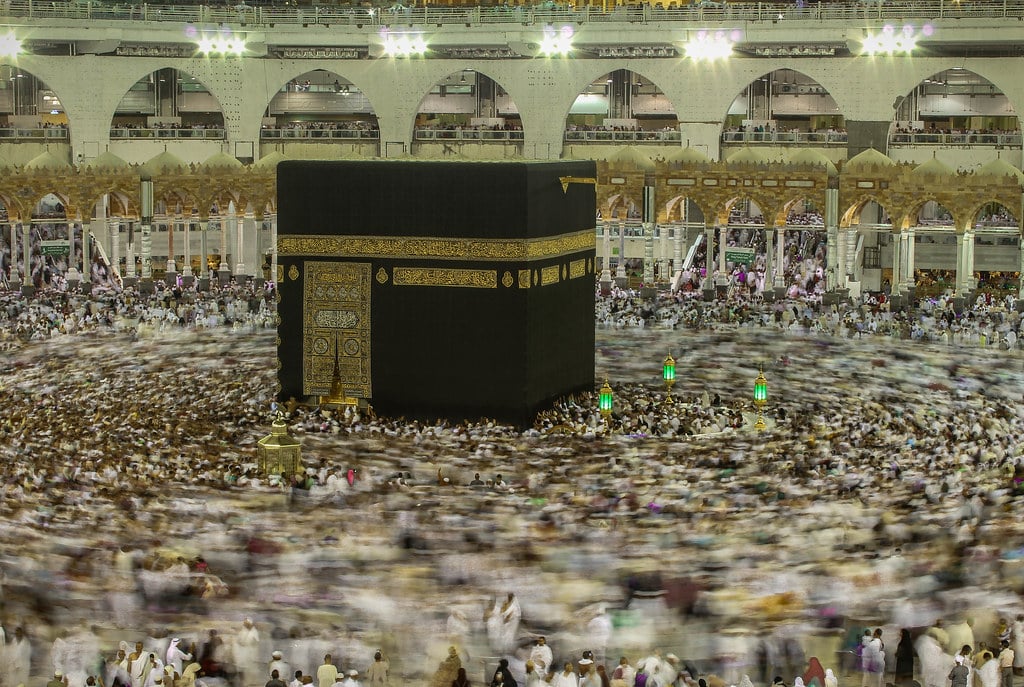
Religious architecture reaches its peak in Mecca, where expansion projects have consumed over $100 billion across decades. The mosque accommodates millions of pilgrims during Hajj season, requiring constant renovation and expansion.
Saudi authorities keep building, adding capacity while preserving the spiritual significance that draws believers from every corner of the planet. The sheer scale defies easy comparison.
You could fit several major stadiums inside, and still have room left over. Air conditioning alone costs a fortune to run, keeping temperatures bearable for crowds that swell during peak seasons.
Abraj Al Bait
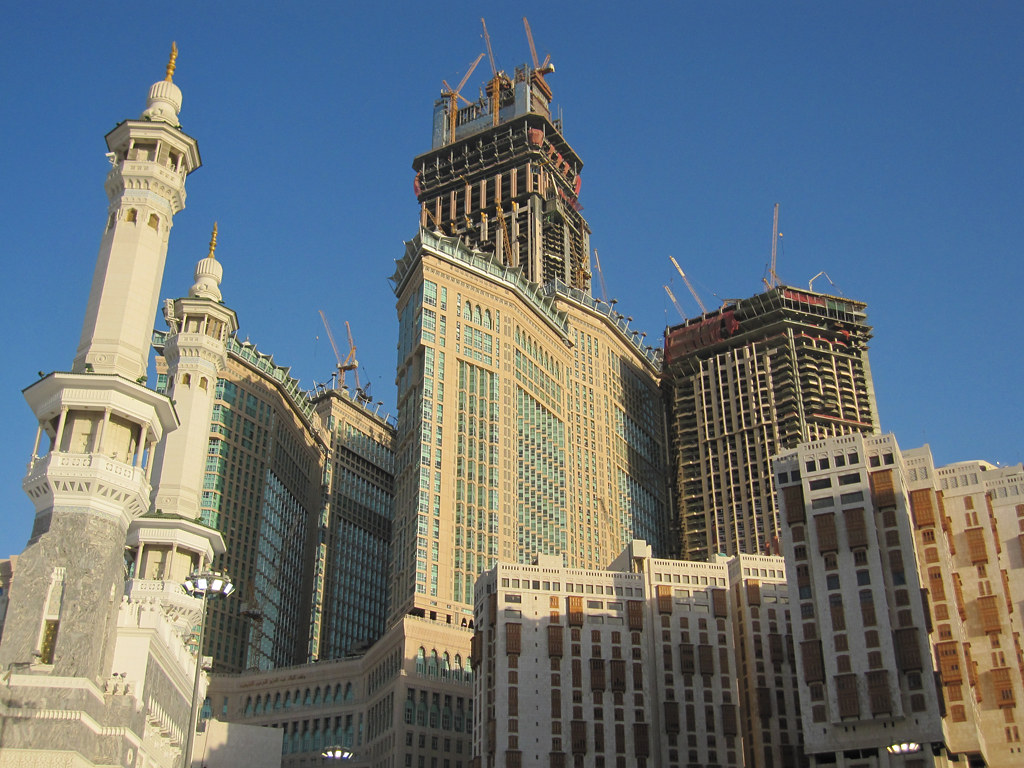
That clock tower looming over Mecca cost $15 billion to construct. It ranks among the tallest buildings globally and serves as a luxury hotel complex surrounding the mosque.
The clock face itself stretches 43 meters across, making Big Ben look modest by comparison. Four faces display the time in Arabic calligraphy visible from 17 kilometers away.
During prayer times, green and white lights illuminate the structure, creating a beacon that guides pilgrims through the city. The complex houses hotels, shopping malls, and prayer rooms across its towering height.
ITER Fusion Reactor
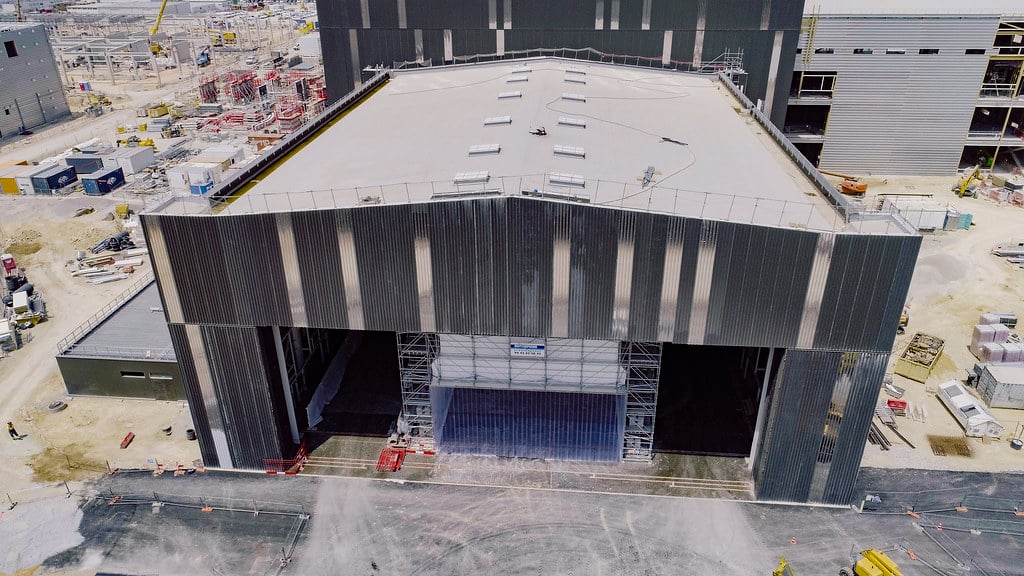
Science demands investment, and fusion research requires patience measured in decades. The ITER facility in southern France carries a price tag exceeding $22 billion, though estimates keep climbing.
Thirty-five nations collaborate on this experimental reactor designed to prove fusion energy can work at scale. Construction started in 2010 and continues today.
The tokamak chamber alone weighs thousands of tons and requires precision assembly in a vacuum. If successful, ITER could change how humanity powers itself, making the cost seem reasonable in hindsight.
Marina Bay Sands
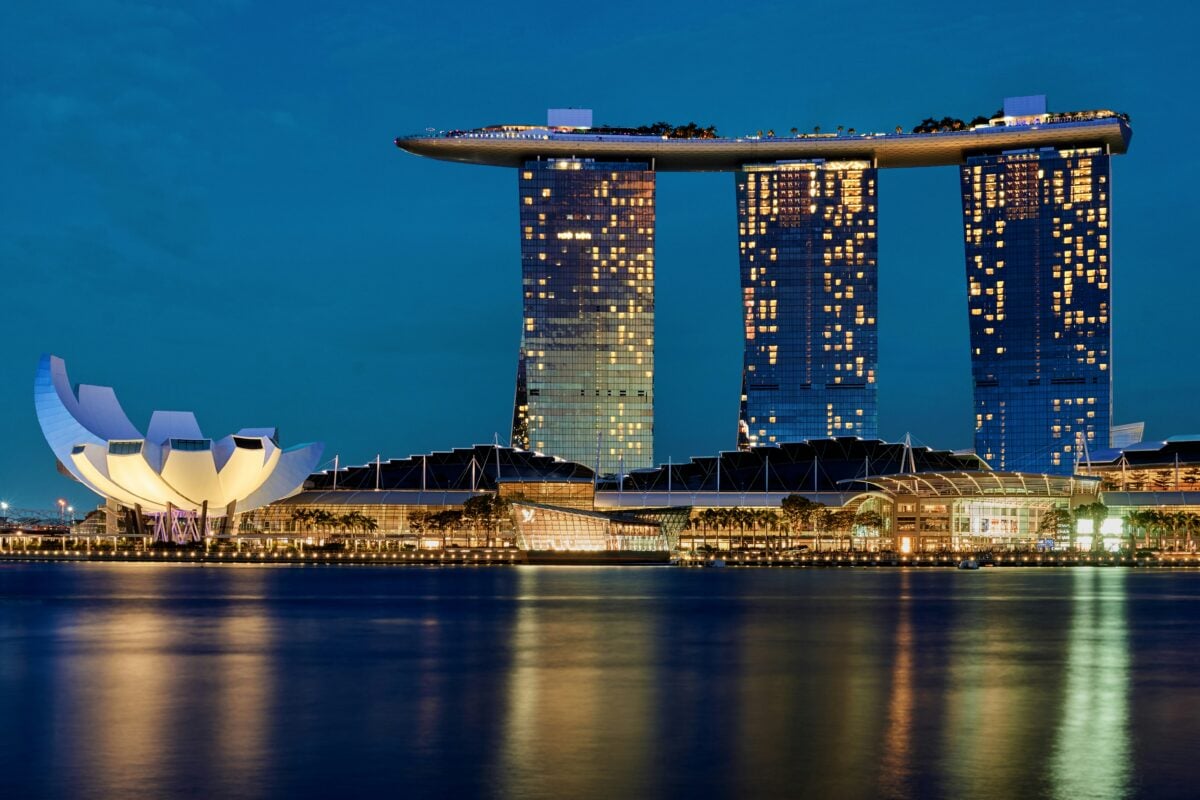
Singapore’s skyline gained its most recognizable feature when Marina Bay Sands opened in 2010 for $5.7 billion. Three towers support a rooftop platform shaped like a surfboard, housing a garden, restaurants, and an infinity pool with views across the city.
The engineering challenge matched the budget. Connecting three separate towers at the top required calculations accounting for wind, earthquakes, and thermal expansion. Tourists flock to the observation deck while gamblers fill the casino floors below.
The complex generates revenue that justified every dollar spent on construction.
Resorts World Sentosa
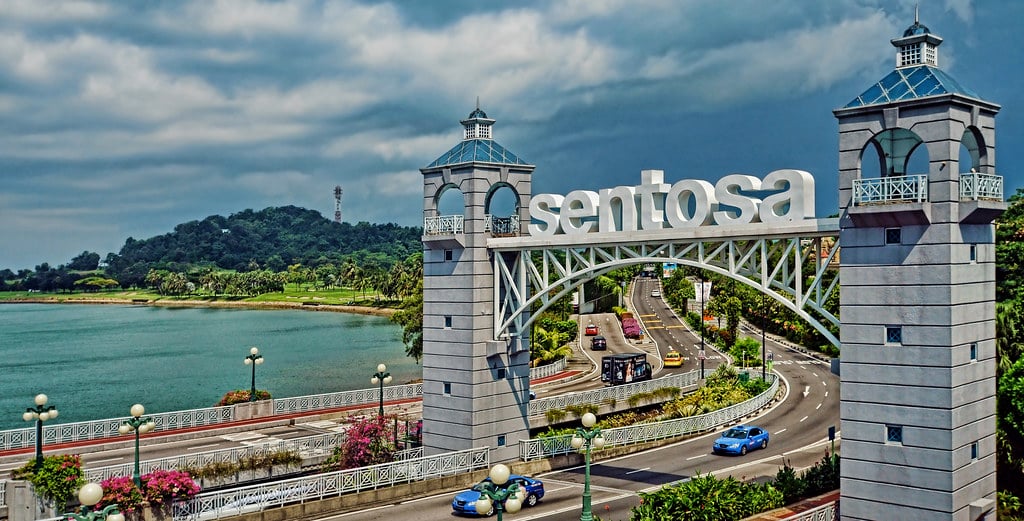
Another Singaporean mega-project, Resorts World Sentosa consumed $5.9 billion before opening its doors. Universal Studios anchors the resort, but six hotels, a marine park, and a casino round out the offerings.
The goal was creating a destination that keeps visitors on-site for days. Families find plenty to occupy children while adults enjoy fine dining and nightlife.
The aquarium showcases marine life in tanks holding millions of liters of water. Singapore positioned itself as a global entertainment hub through projects like this, drawing tourists who once headed straight to nearby countries.
The Cosmopolitan
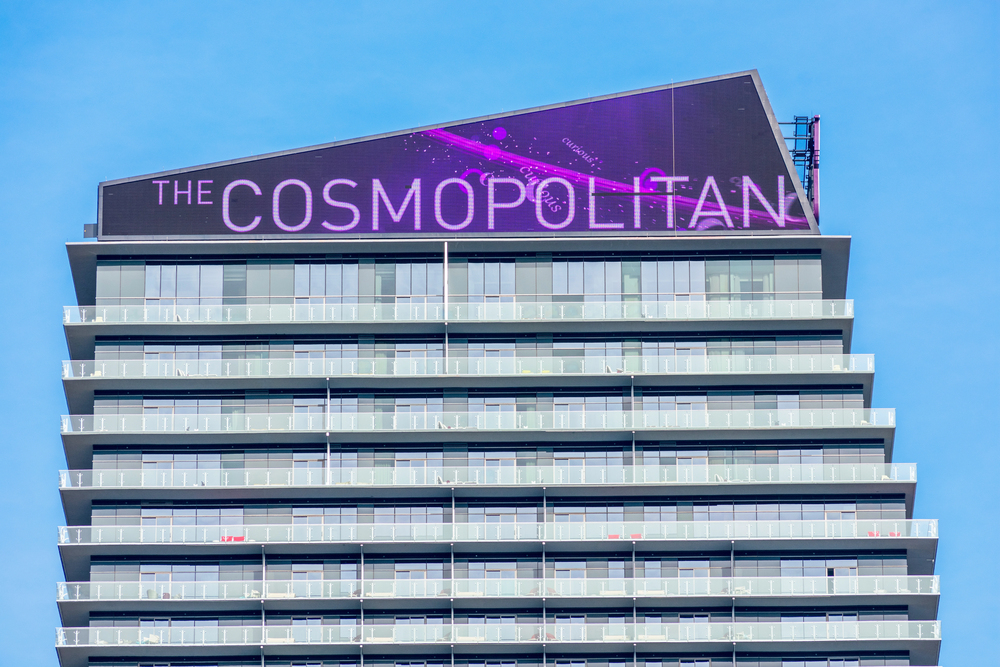
Las Vegas strips away subtlety, so The Cosmopolitan fits right in with its $3.9 billion construction cost. The resort opened in 2010 after financial complications delayed the project and inflated expenses.
Crystal chandeliers hang from ceilings, while art installations dot the property. The casino floor buzzes constantly, generating the revenue that keeps these expensive properties afloat.
Rooms feature balconies overlooking the Strip, a rarity in Vegas where real estate commands premium prices. Restaurant options range from celebrity chef concepts to casual dining that never closes.
Emirates Palace
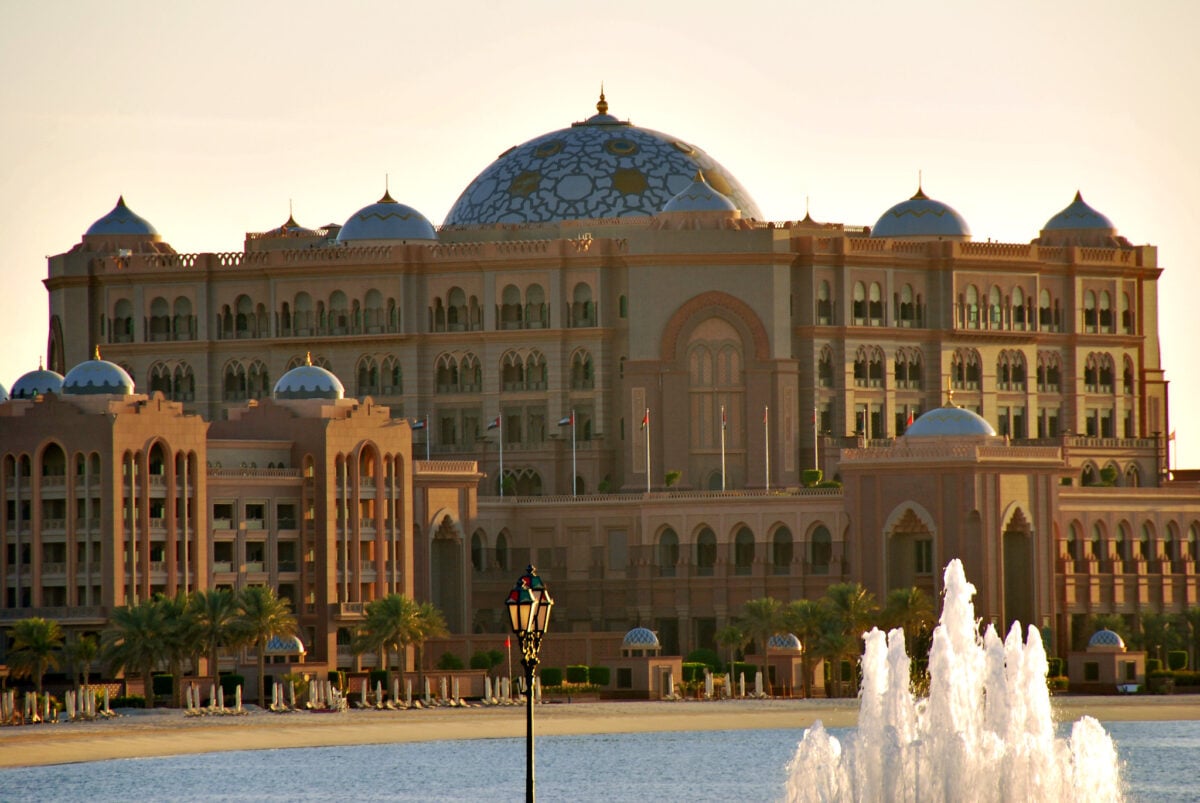
Abu Dhabi built a palace for $3 billion that operates as a luxury hotel. Gold leaf covers surfaces throughout the interior, because restraint wasn’t part of the design brief.
The building sprawls across 242 acres, with private beaches reserved for guests paying top rates. Visiting heads of state stay here during diplomatic visits, enjoying suites larger than most apartments.
The hotel employs thousands to maintain standards that justify room rates reaching five figures per night. Arabian hospitality meets modern luxury in a way few places can match.
One World Trade Center
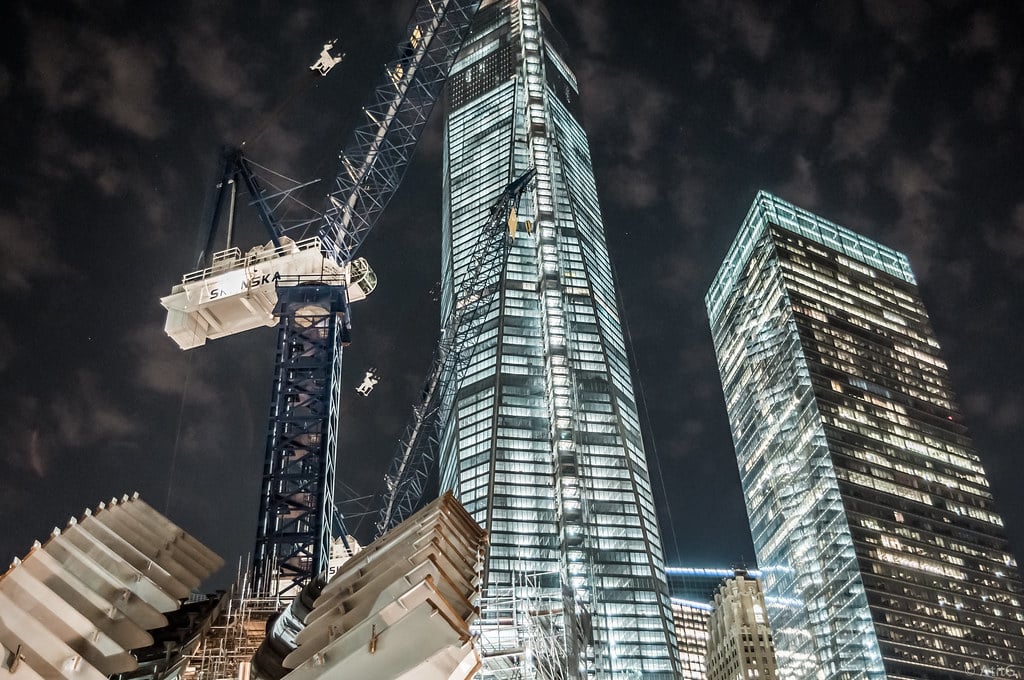
New York rebuilt at Ground Zero with purpose and symbolism woven into every decision. One World Trade Center rose to 1,776 feet, a height chosen to reference American independence.
The $3.9 billion tower reclaimed the skyline and provided office space for companies returning to Lower Manhattan. Safety features embedded in the design reflect lessons learned from tragedy.
Reinforced concrete, wider stairwells, and biological filters protect occupants. The observation deck draws tourists who remember what stood here before, creating a memorial that generates revenue while honoring the past.
Antilia
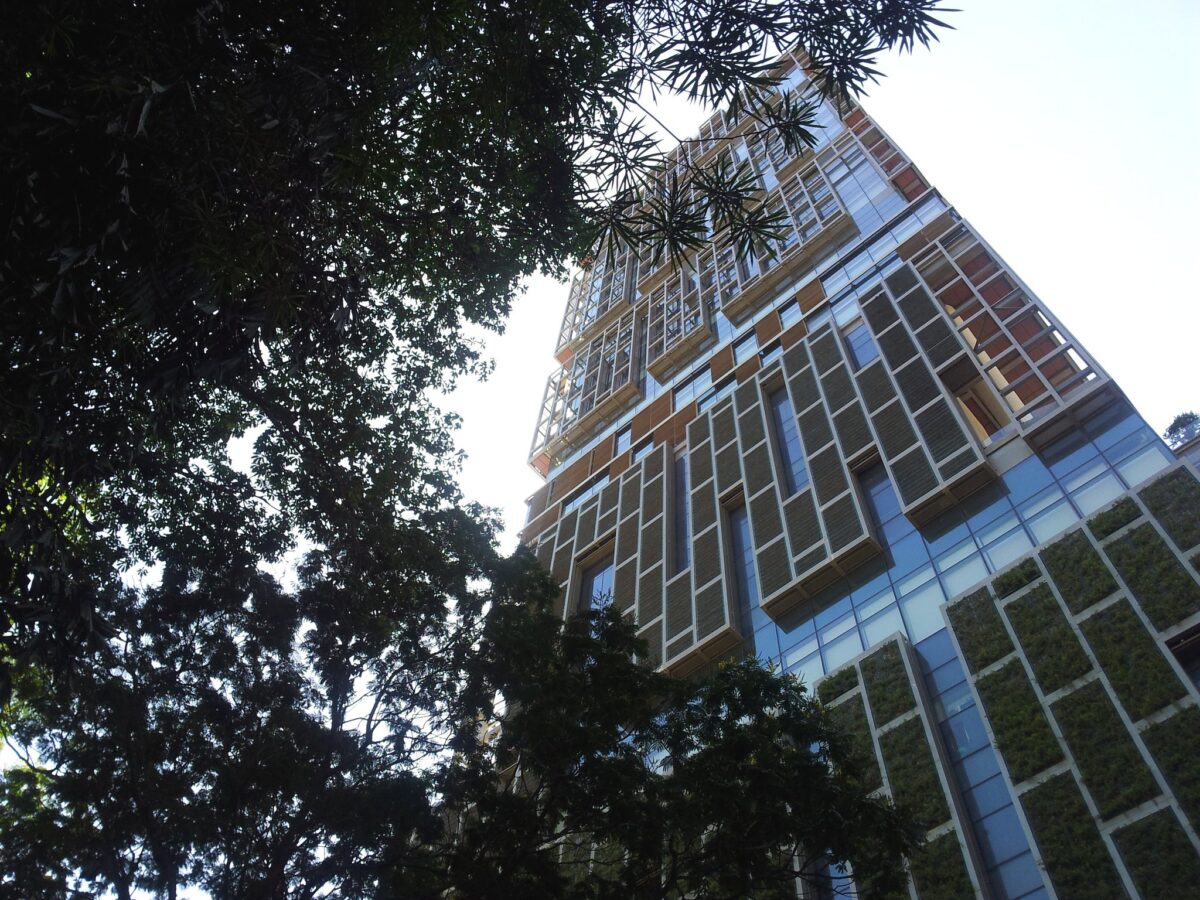
Mumbai houses the world’s most expensive private residence, a 27-story building constructed for $2 billion. Mukesh Ambani, India’s richest person, built a home requiring 600 staff members to maintain.
Three helipads sit on the roof, while six floors serve as parking for the family’s car collection. The structure withstands earthquakes rated at magnitude 8 on the Richter scale.
Each floor varies in height and design, creating visual interest from the street. Critics question the excess while others defend the economic activity generated by such construction.
Apple Park
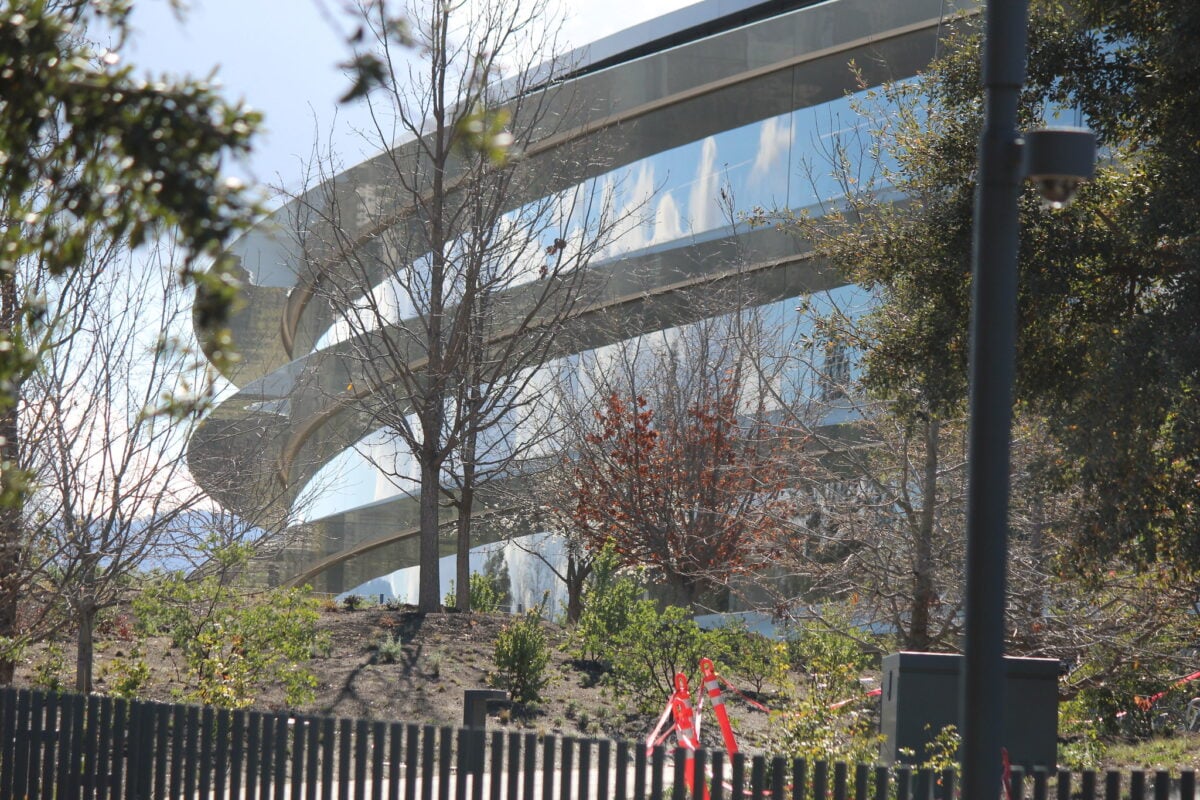
Cupertino gained a circular headquarters when Apple completed its $5 billion campus in 2017. The ring-shaped building houses 12,000 employees beneath a curved glass exterior.
Steve Jobs pushed for this design before his death, insisting on perfection in materials and execution. The campus generates its own power through solar panels covering the roof.
Native trees replace the asphalt that once dominated the site, creating a park-like environment. Cafeterias serve meals to employees who traverse the mile-long corridor encircling the building’s interior courtyard.
The Shard
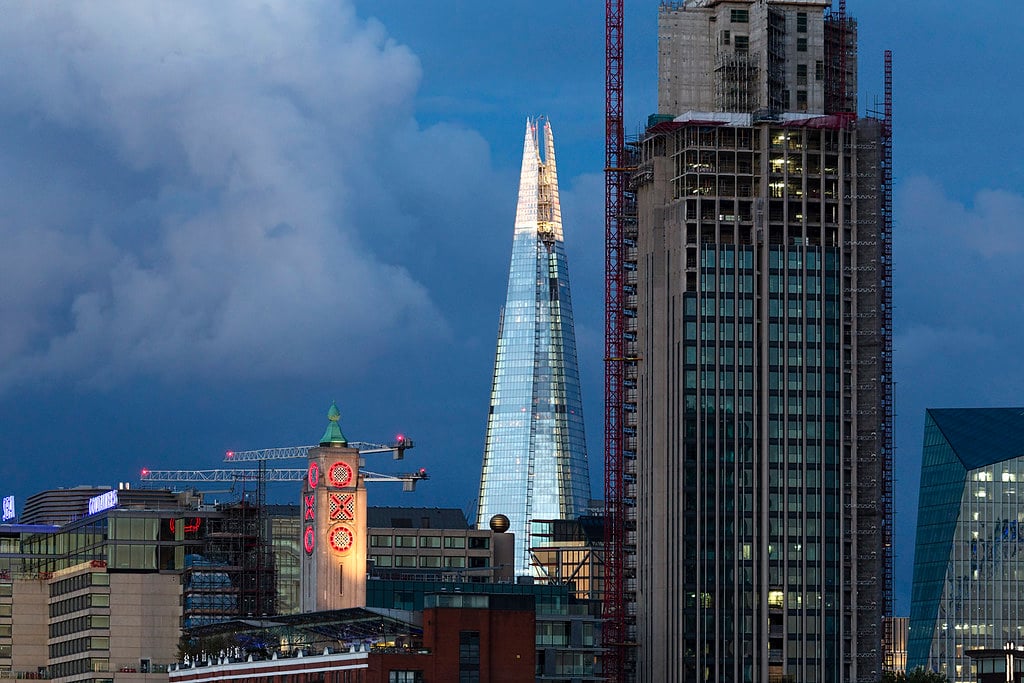
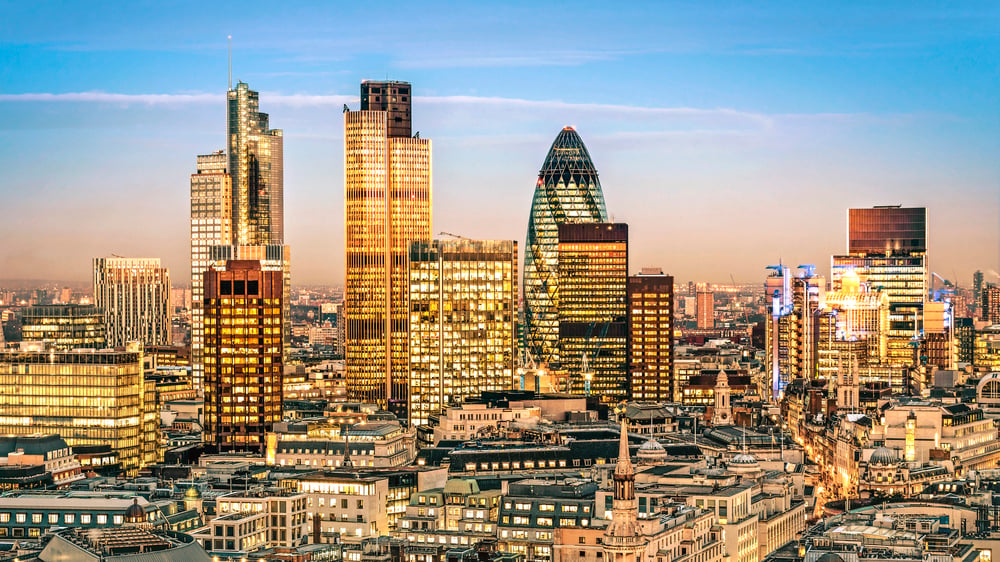
London’s skyline changed when The Shard pierced the clouds in 2012 for $1.5 billion. The glass pyramid rises 310 meters, dominating views from across the Thames.
Offices occupy lower floors while a hotel and restaurants claim the upper reaches. Construction faced challenges working in a dense urban environment with limited staging areas.
The tapering design creates smaller floor plates as you ascend, making every level unique. Visitors pay to access the viewing platform, taking in panoramas that stretch to the horizon on clear days.
Burj Khalifa
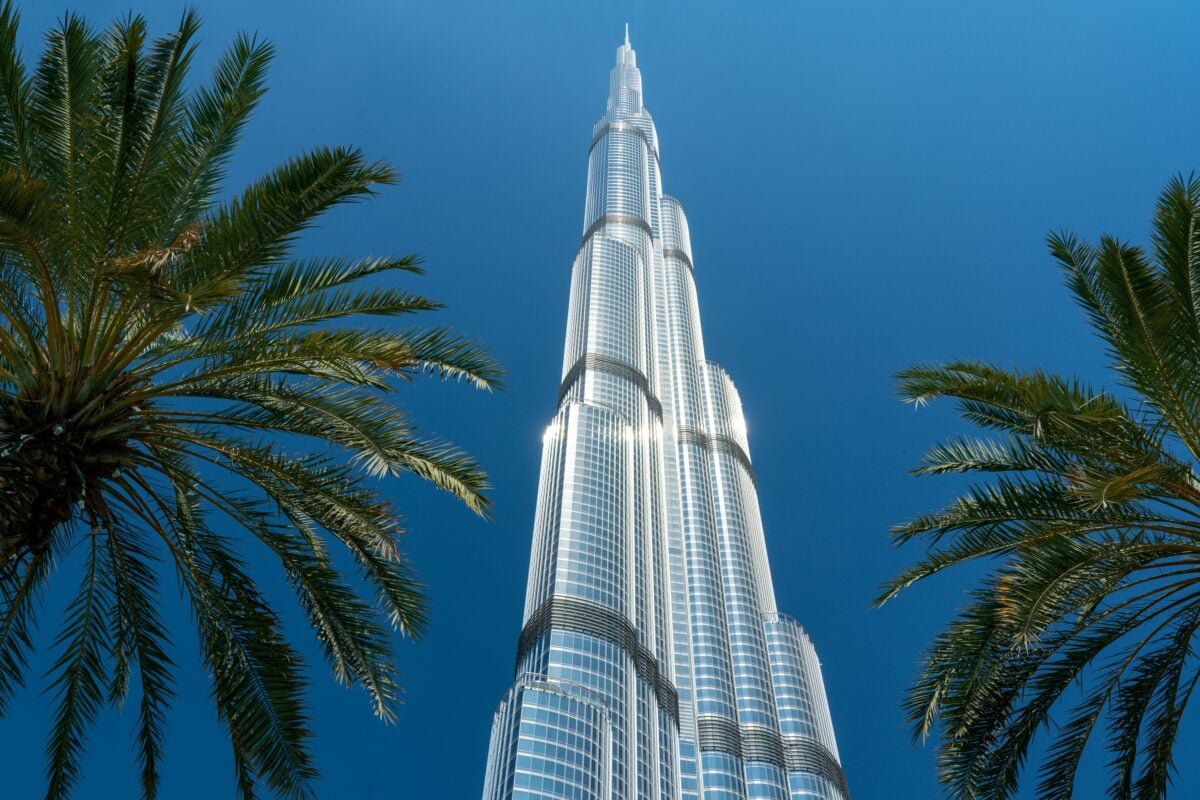
Dubai pushed engineering limits with the Burj Khalifa, spending $1.5 billion to create the world’s tallest building. At 828 meters, it dwarfs everything around it.
The Y-shaped floor plan reduces wind forces while maximizing views from residential and hotel units. Construction required concrete pumped to record heights and a foundation drilled deep into desert sand.
The observation deck sits at 555 meters, high enough that sunset arrives several minutes later than at ground level. Dubai established itself as a serious city through projects like this, attracting global attention and investment.
The Palace of the Parliament
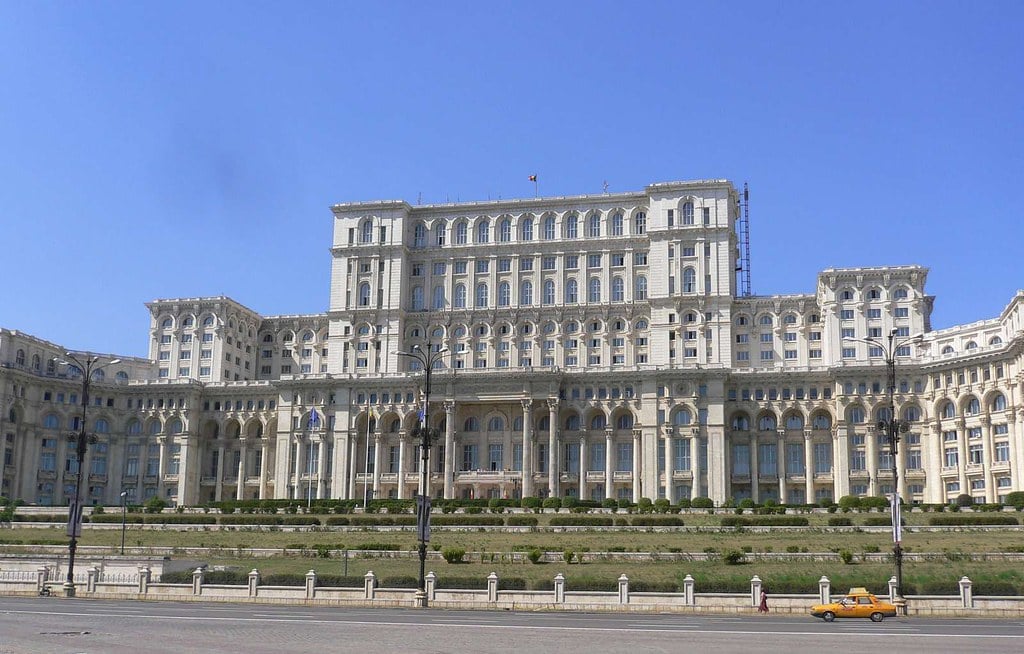
Bucharest’s communist legacy includes the Palace of the Parliament, built for approximately $4 billion in today’s money. Nicolae Ceaușescu ordered its construction in the 1980s, demolishing historic neighborhoods to make room.
The building contains over 3,000 rooms spread across 12 stories, with an additional eight levels underground. The structure ranks as the heaviest building on Earth, weighing 4 million tons.
Marble, crystal, and wood fill the interiors with materials sourced from across Romania. Today it houses the Romanian Parliament while remaining largely empty, a monument to dictatorial excess.
King Abdullah Petroleum Studies and Research Center
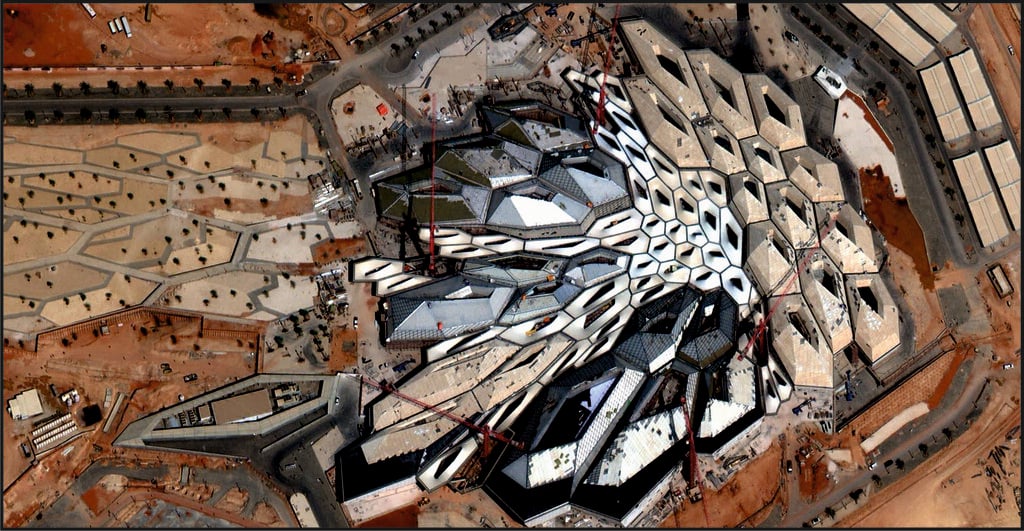
A desert outpost rises, shaped by bold curves under a relentless sun. Backed by Saudi funding of two billion dollars, the project took form through Zaha Hadid’s vision.
Research into energy markets unfolds within its walls, alongside work on greener solutions. Shaded pockets resemble honeycombs, built to cool open spaces.
Air moves easily between them, even when temperatures soar outside. Sun catchers on the roof power everything inside, showing how theory becomes real.
This place earned praise because it rethought what structures can do in harsh climates. Experts fly in from distant countries, sharing findings that quietly shift how nations handle fuel choices.
Where Dreams Face Real Life
What ties these structures together isn’t only cost. Standing out comes naturally to them, often through size, striking design, or boldness that refuses to be ignored.
The price of building is just a single piece. Over time, daily running, upkeep, repairs pile on extra burdens – adding up to vast sums over decades.
Their true weight lies far beyond initial numbers. One might question if this kind of spending is reasonable.
While some buildings help vast numbers, a handful mainly aid those already advantaged. Still, these projects show people keep making landmarks – though now for reasons unlike those long ago.
Materials shifted from rock to glass and metal, but the drive behind them? Exactly what it always was: leaving proof we were here, whatever it takes.
More from Go2Tutors!

- 16 Historical Figures Who Were Nothing Like You Think
- 12 Things Sold in the 80s That Are Now Illegal
- 15 VHS Tapes That Could Be Worth Thousands
- 17 Historical “What Ifs” That Would Have Changed Everything
- 18 TV Shows That Vanished Without a Finale
Like Go2Tutors’s content? Follow us on MSN.


