16 Preservation Techniques Ancient Peoples Perfected
Long before refrigerators and vacuum-sealed packages, ancient civilizations had to get creative about keeping food from spoiling. Without modern technology, they developed ingenious methods that not only prevented decay but often enhanced flavors in ways we still appreciate today.
These preservation techniques were literally matters of life and death, determining whether communities could survive harsh winters, long journeys, or unpredictable harvests. Many of these ancient methods are so effective that we still use them thousands of years later, often in gourmet cooking and artisanal food production.
Here is a list of 18 preservation techniques ancient peoples perfected.
Salt Curing
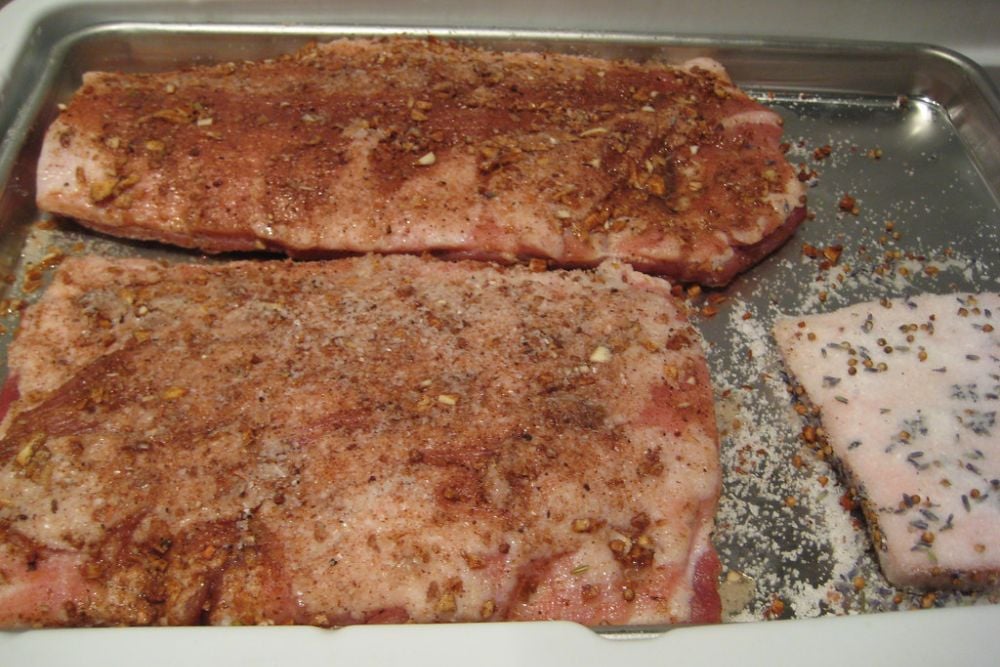
Salt was worth its weight in gold for ancient civilizations, and for good reason – it could turn perishable meat into food that lasted for months. The process works by drawing moisture out of food, creating an environment where harmful bacteria can’t survive.
Ancient Romans perfected salt-cured ham techniques that are virtually identical to how Italian prosciutto is made today, while Viking explorers relied on salt-cured fish to sustain them during long ocean voyages.
Smoke Preservation
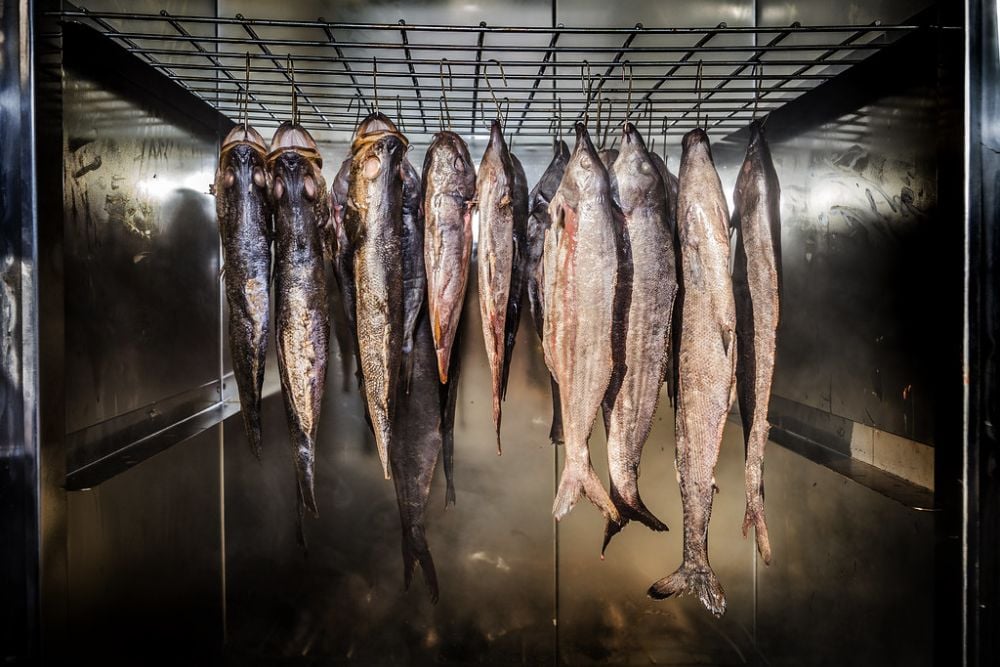
Hanging meat and fish over smoldering fires did more than just add flavor – it created a chemical barrier against spoilage that could preserve food for weeks or months. Native American tribes perfected this method with salmon and buffalo, choosing woods like cedar and hickory to create just the right balance of preservation and taste.
The rising smoke carries natural compounds that fight bacteria, while gentle heat slowly removes moisture without cooking the food.
Like Go2Tutors’s content? Follow us on MSN.
Fermentation
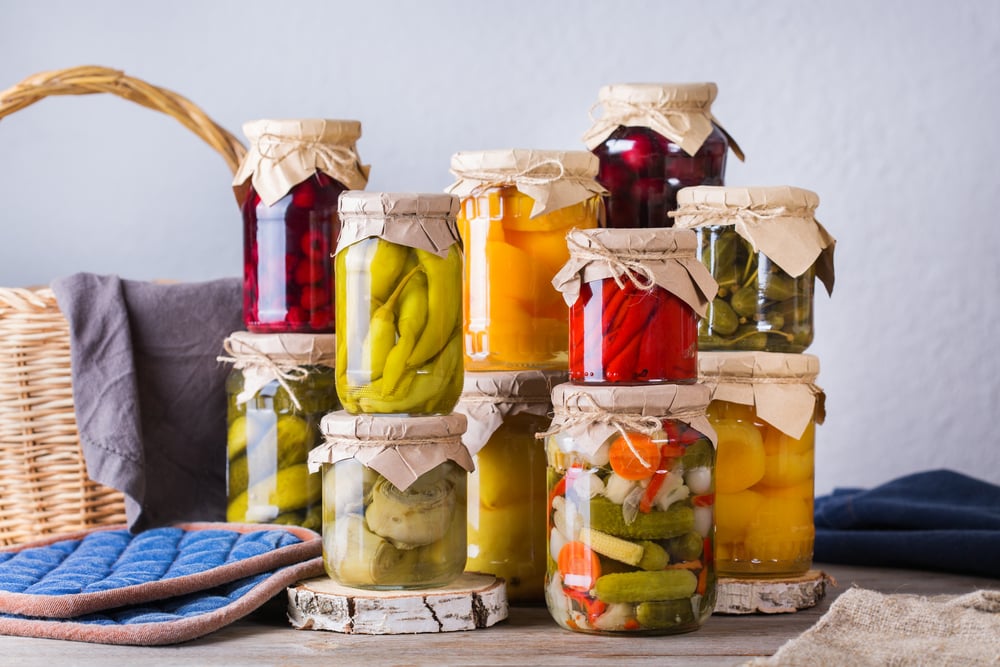
Ancient peoples discovered that controlled rot could actually prevent harmful decay, leading to some of humanity’s most beloved foods. Korean kimchi, German sauerkraut, and Ethiopian injera bread all rely on beneficial bacteria that create acidic environments hostile to dangerous microorganisms.
The fermentation process not only preserves food but often makes it more nutritious and digestible than the original ingredients.
Drying and Dehydration
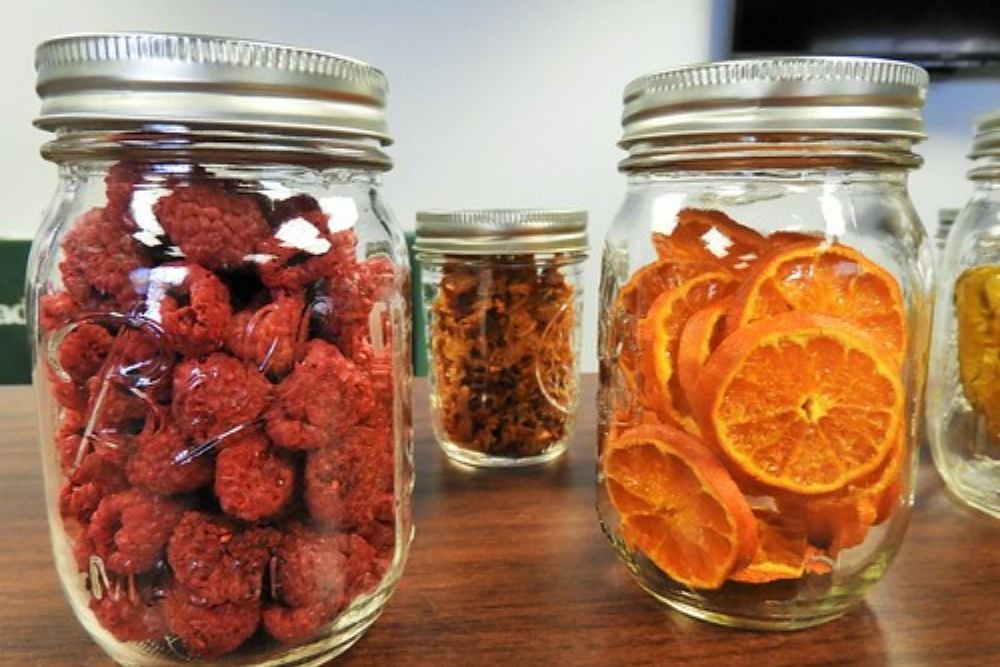
Simply removing water from food remains one of the most effective preservation methods ever discovered. Native Americans created pemmican by mixing dried buffalo meat with fat and berries, producing a lightweight, nutrient-dense food that could last for years.
Ancient Egyptians dried fruits and vegetables in the desert sun, while Andean peoples perfected freeze-drying potatoes at high altitudes where the thin air and temperature fluctuations naturally removed moisture.
Like Go2Tutors’s content? Follow us on MSN.
Underground Storage

Digging root cellars and underground pits provided natural refrigeration that kept food cool and stable year-round. Ancient Scandinavians buried butter in peat bogs, where the acidic, oxygen-free environment preserved it so well that archaeologists still find edible thousand-year-old butter today.
Many cultures built sophisticated underground storage systems that maintained consistent temperatures just above freezing, perfect for storing root vegetables, grains, and preserved meats through long winters.
Clay Pot Preservation

Specially designed pottery created controlled environments that could keep food fresh for extended periods. Ancient Egyptians stored grain in massive clay vessels that protected against insects and moisture while allowing just enough air circulation to prevent mold.
The porous nature of unglazed clay naturally regulated humidity levels, while tight-fitting lids kept out pests and contaminants.
Honey Preservation
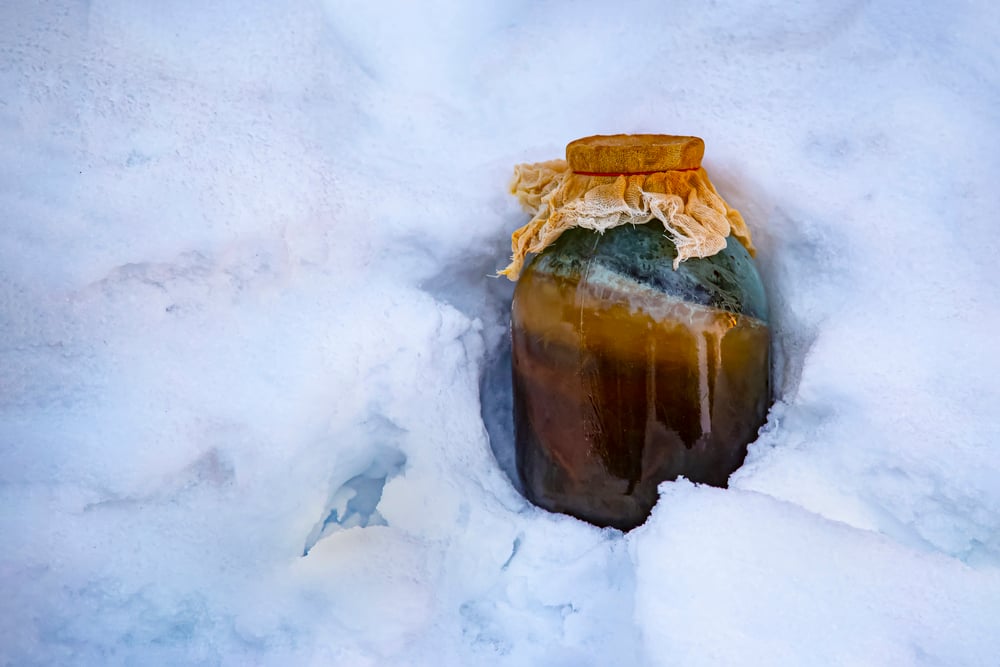
Honey’s natural antimicrobial properties made it an ideal preservative for fruits, nuts, and even meats. Ancient Egyptians preserved entire birds and cuts of meat in honey, taking advantage of its ability to prevent bacterial growth while adding sweetness.
The sugar content in honey is so high that it draws moisture out of harmful microorganisms, essentially mummifying them before they can cause spoilage.
Like Go2Tutors’s content? Follow us on MSN.
Vinegar Pickling
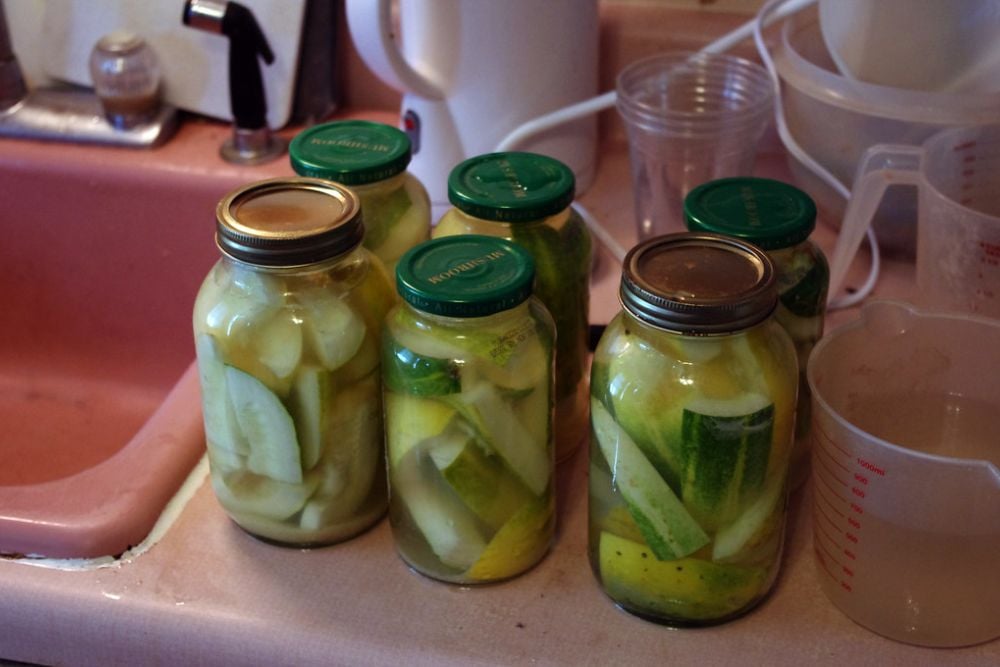
The acidic environment created by vinegar could transform perishable vegetables into foods that lasted for months or even years. Ancient Romans pickled everything from onions to eggs, creating portable foods that provided essential nutrients during long military campaigns.
The acetic acid in vinegar creates a pH level that’s toxic to most harmful bacteria while preserving the food’s texture and often improving its flavor.
Ice Storage
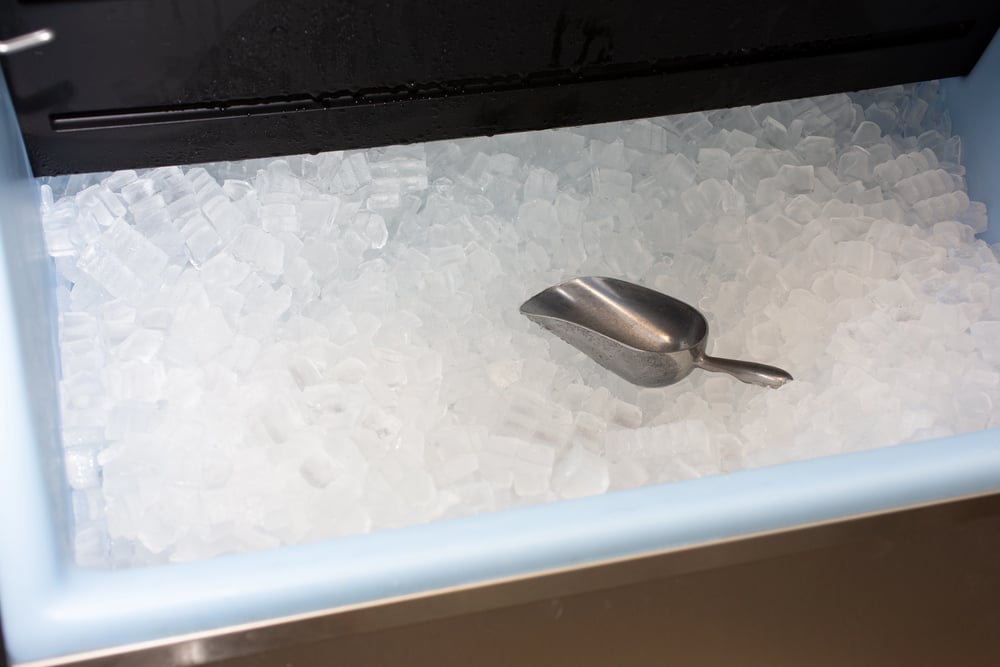
Civilizations in colder climates developed sophisticated methods for harvesting and storing ice throughout the year. Ancient Chinese emperors had ice houses that used layered insulation techniques to keep frozen water solid through hot summers.
Nordic peoples cut blocks of ice from frozen lakes and rivers, storing them in underground chambers packed with sawdust and straw for insulation.
Oil Submersion
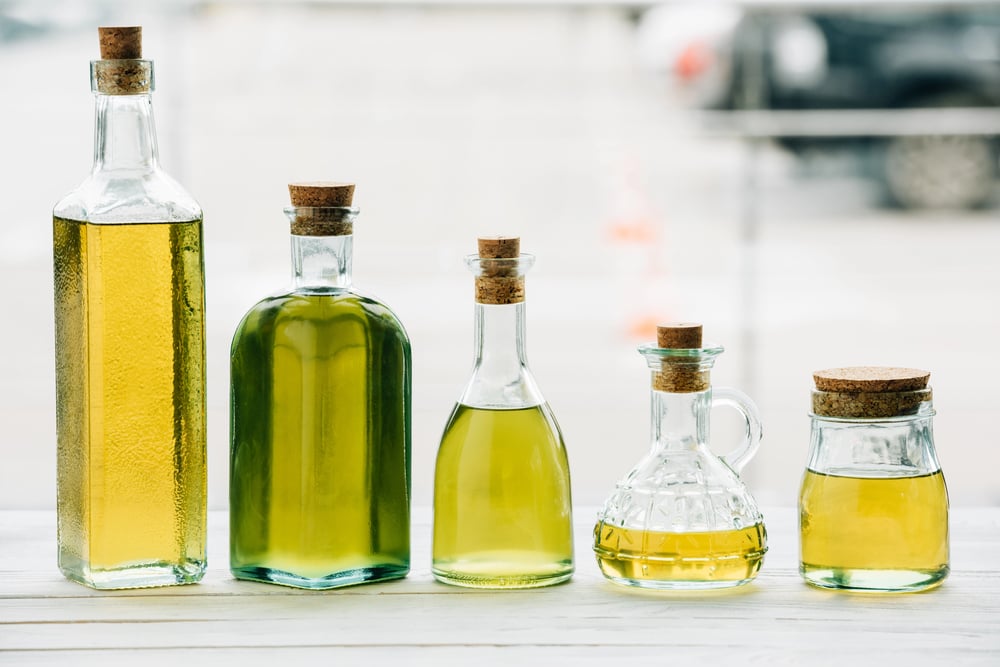
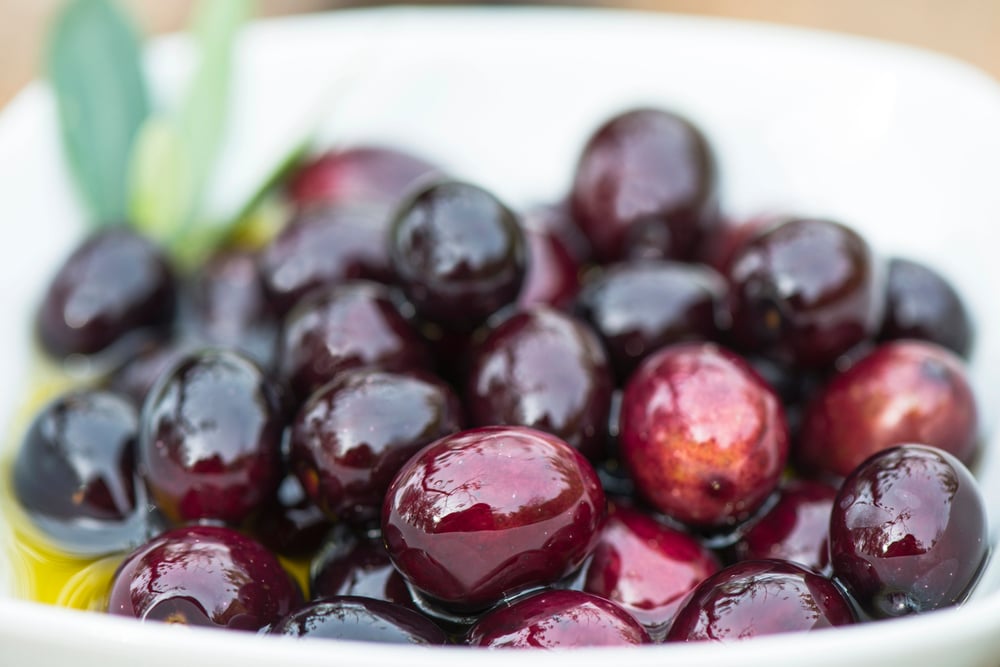
Completely submerging food in oil created an oxygen-free environment that prevented spoilage while infusing rich flavors. Mediterranean cultures perfected the art of preserving vegetables, cheeses, and fish in olive oil, creating delicacies that improved with age.
The oil acts as a protective barrier against air and moisture while the natural antioxidants help prevent rancidity.
Like Go2Tutors’s content? Follow us on MSN.
Lime and Ash Treatment

Alkaline substances like lime and wood ash could preserve food by creating chemical environments hostile to bacteria and insects. Mesoamerican peoples treated corn with lime in a process called nixtamalization, which not only preserved the grain but made its nutrients more bioavailable.
Asian cultures used ash from specific plants to preserve eggs, creating century eggs that could last for months while developing complex, unique flavors.
Pressure Preservation
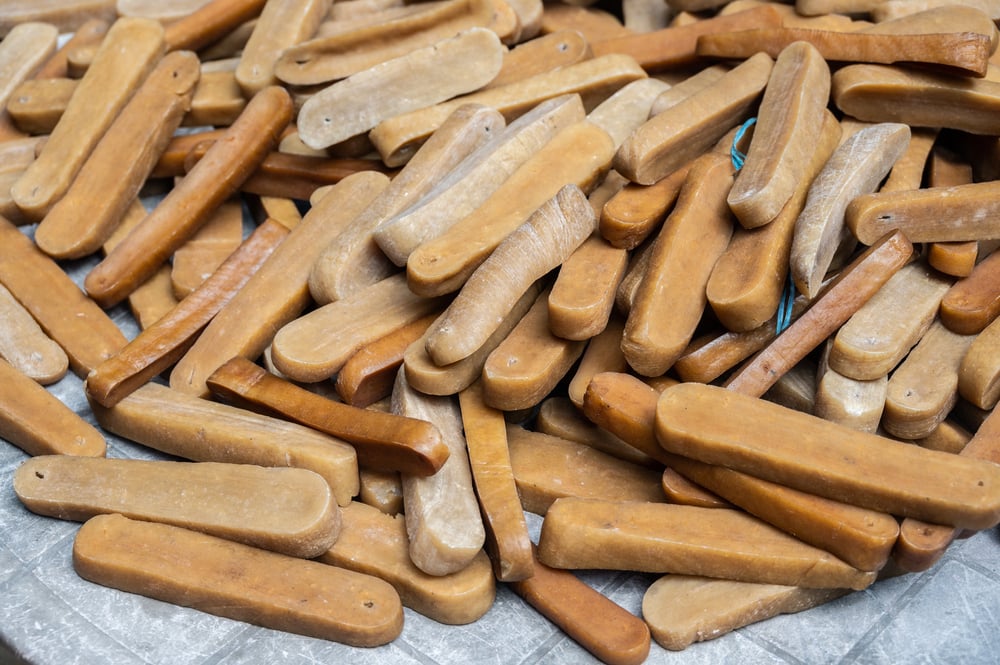
Applying physical pressure could remove moisture and create dense, shelf-stable foods that pack maximum nutrition into minimal space. Tibetan people compressed yak cheese under heavy stones, creating blocks so dense they could last for years at high altitudes.
Various cultures developed techniques for pressing meats and fish into concentrated forms that were both preserved and easily portable.
Like Go2Tutors’s content? Follow us on MSN.
Spice Treatment

Certain spices contain powerful antimicrobial compounds that ancient peoples learned to use for preservation as well as flavor. Indian curry spices like turmeric, coriander, and fenugreek have natural preservative properties that help food last in tropical climates without refrigeration.
Ancient Egyptians used spice mixtures not just for mummification but also for preserving everyday foods, creating complex blends that served dual purposes.
Controlled Atmosphere Storage
Some ancient cultures developed surprisingly sophisticated methods for controlling the air around stored food. Celtic peoples stored apples in chambers where they burned specific materials to create carbon dioxide-rich environments that slowed ripening.
Chinese civilizations used similar techniques for preserving rice and other grains, creating sealed storage areas with carefully controlled gas compositions.
Wax Coating
Covering food with natural waxes created waterproof seals that prevented moisture loss and contamination. Ancient beekeepers learned to coat cheeses and preserved meats with beeswax, creating protective shells that could keep food fresh for months.
Some cultures used plant-based waxes from palm trees or other sources to achieve similar preservation effects.
Like Go2Tutors’s content? Follow us on MSN.
Combination Methods
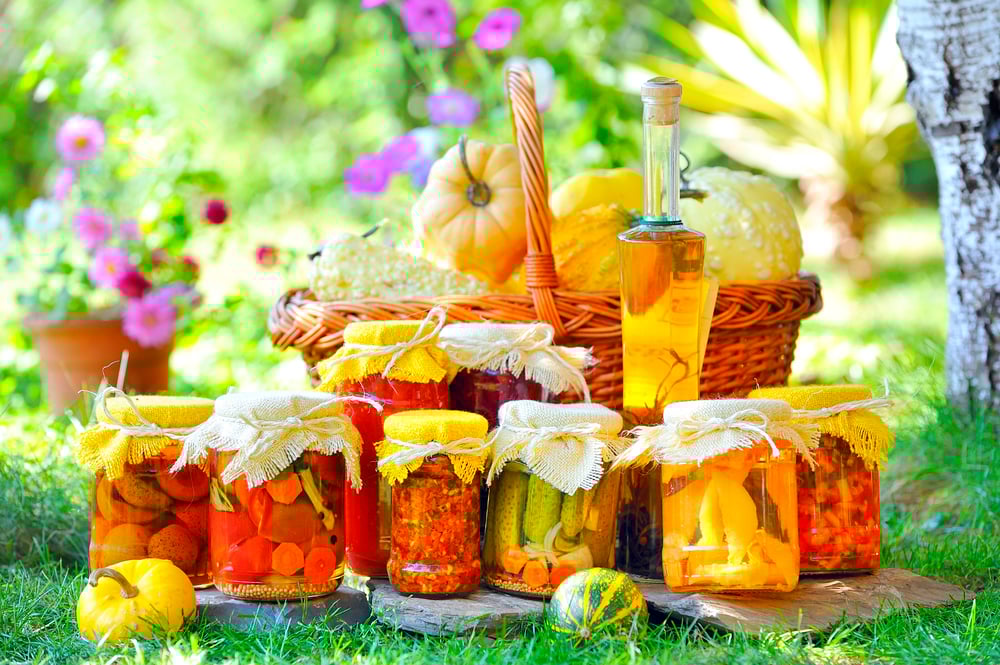
The most successful ancient preservation techniques often combined multiple methods for maximum effectiveness. Native American pemmican used drying, fat sealing, and natural preservatives from berries all in one product.
European households would salt-cure meats, then smoke them, and finally store them in fat or oil, creating foods that could last through entire seasons without spoiling.
Timeless Wisdom in Modern Kitchens

These ancient preservation techniques remind us that our ancestors were far from primitive when it came to food science. Many of today’s most prized delicacies – from aged cheeses to cured meats to fermented beverages – rely on methods perfected thousands of years ago.
As modern consumers become more interested in traditional foods and sustainable practices, these time-tested techniques are experiencing a renaissance in artisanal food production and home preservation efforts.
More from Go2Tutors!

- 16 Restaurant Chains That Went Too Fast
- 12 Things Sold in the 80s That Are Now Illegal
- 15 Strange Things People Have Tried to Ban (And Failed)
- 16 Collectibles People Tossed Out Too Soon
- 17 Myths from Your Childhood That Were Actually Based on Real Things
Like Go2Tutors’s content? Follow us on MSN.