Fictional Languages You Can Learn
Most folks stream films or series without ever wondering about fake tongues on screen. Yet a few dive deeper – some pick up Klingon, others tackle Elvish rules, while a handful rehearse Dothraki lines.
These aren’t merely noise slapped into scripts for flair. Linguists put in years building full languages – each with unique rules, words, grammar.
Yet these made-up tongues are something you could pick up yourself.
Klingon Started It All
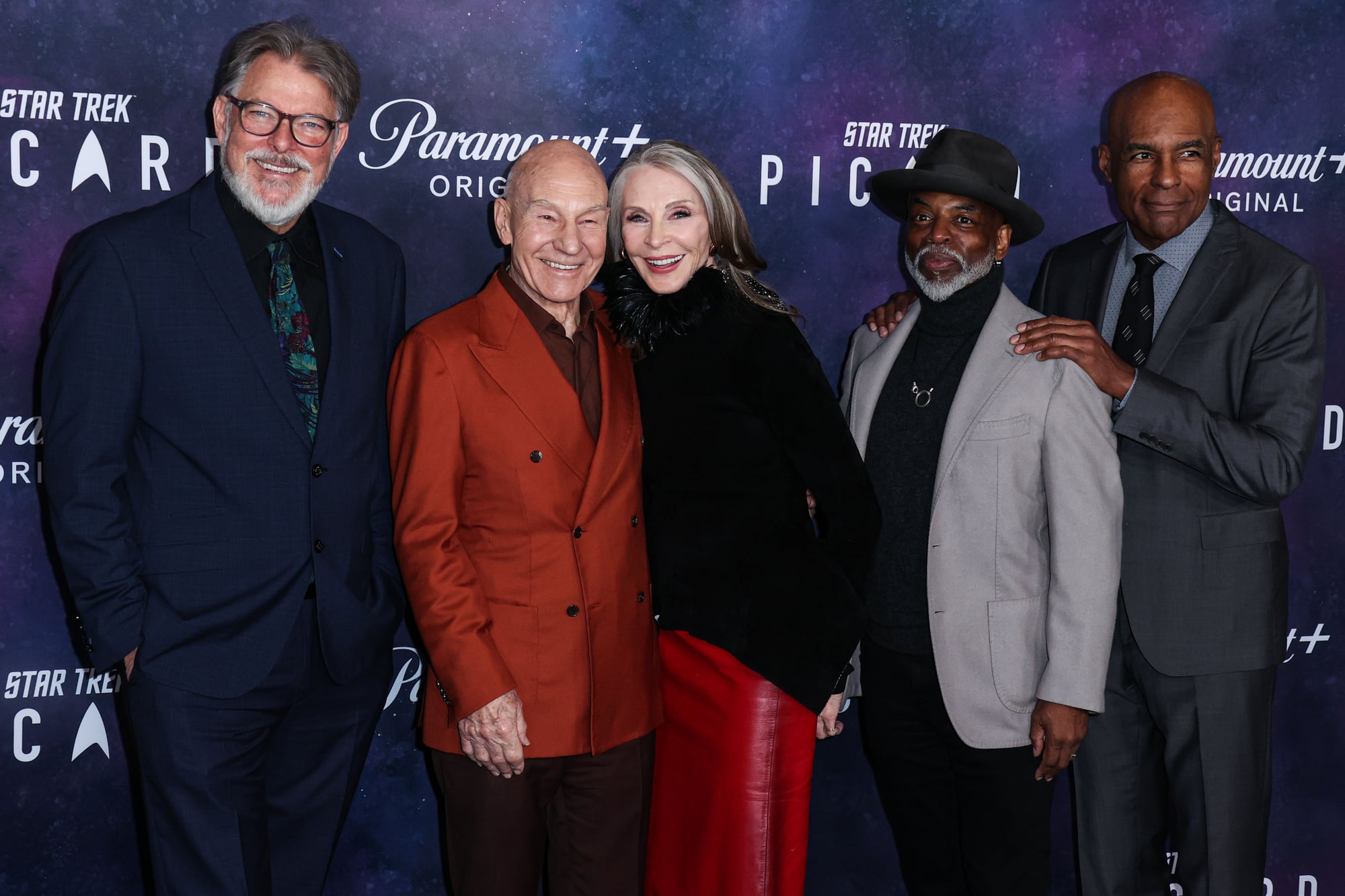
Marc Okrand created Klingon for Star Trek in the 1980s. The harsh, guttural sounds match the warrior culture of the Klingon species.
Okrand designed the language to sound as alien as possible, giving it object-verb-subject word order, one of the rarest patterns among real languages.
The language grew beyond the screen. The Klingon Language Institute publishes a quarterly journal.
Fans hold weddings in Klingon. Someone translated Hamlet into Klingon.
You can find it on Duolingo now. The language has about 3,000 words and complex grammar that makes it challenging to master.
Tolkien Created Languages Before Stories
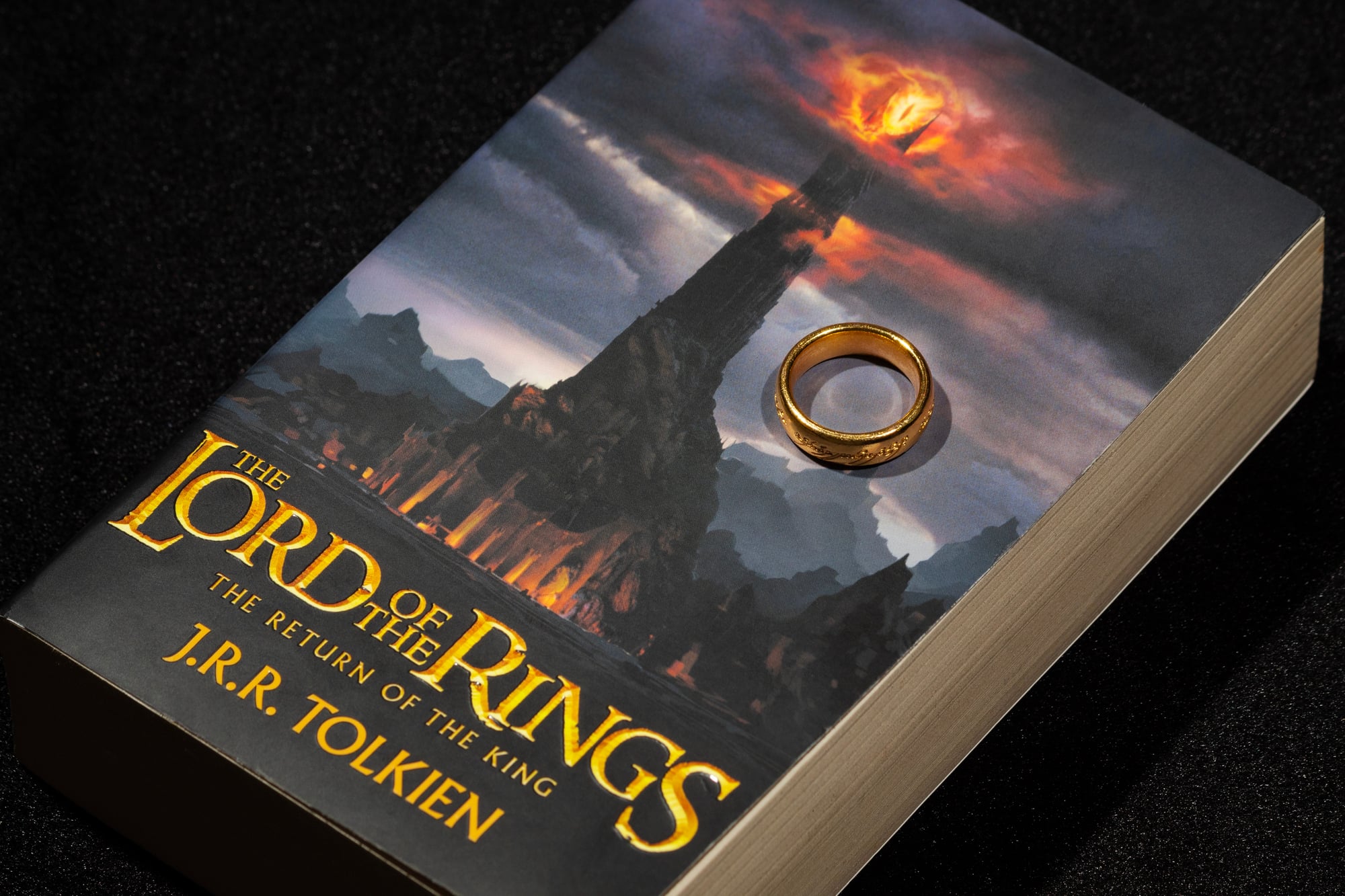
J.R.R. Tolkien was a philologist and lexicographer who invented Elvish languages before he wrote The Hobbit or The Lord of the Rings. He didn’t create languages for his books.
He created books for his languages. The difference matters.
Tolkien developed two main Elvish tongues. Quenya, or High Elvish, draws inspiration from Finnish, Greek, and Latin.
It functions as the ancient, formal language used mainly in ceremonial contexts. Sindarin, the everyday spoken language, takes influence from Welsh and Finnish.
Both languages have complete grammatical structures with ten noun cases and detailed verb systems.
Dothraki Grew From A Few Words

George R.R. Martin included only a handful of Dothraki words in his A Song of Ice and Fire books. When HBO adapted the series into Game of Thrones, they hired linguist David J. Peterson from the Language Creation Society to build a full language.
Peterson delivered over 1,700 words before filming started. The vocabulary has since grown to more than 3,000 words.
The language reflects Dothraki culture. They have 14 different words for “horse” but no word for “thank you.”
Peterson based the sounds on Spanish and Arabic, creating something that actors could pronounce relatively easily while still feeling distinct and foreign.
High Valyrian Sounds Like Ancient Rome

David J. Peterson also created High Valyrian for Game of Thrones Season 3. The books contained only 56 Valyrian phrases.
Peterson expanded that into a working language with over 2,000 functional words. The language serves as the tongue of nobles in Essos and Westeros, appearing throughout poetry and literature in the fictional world.
Valyrian functions as an elitist language. Speakers receive Valyrian names as marks of status.
The grammatical structure includes noun classes and free word order, making it more complex than Dothraki but still learnable for dedicated fans.
Na’vi Connects To Pandora’s Ecosystem
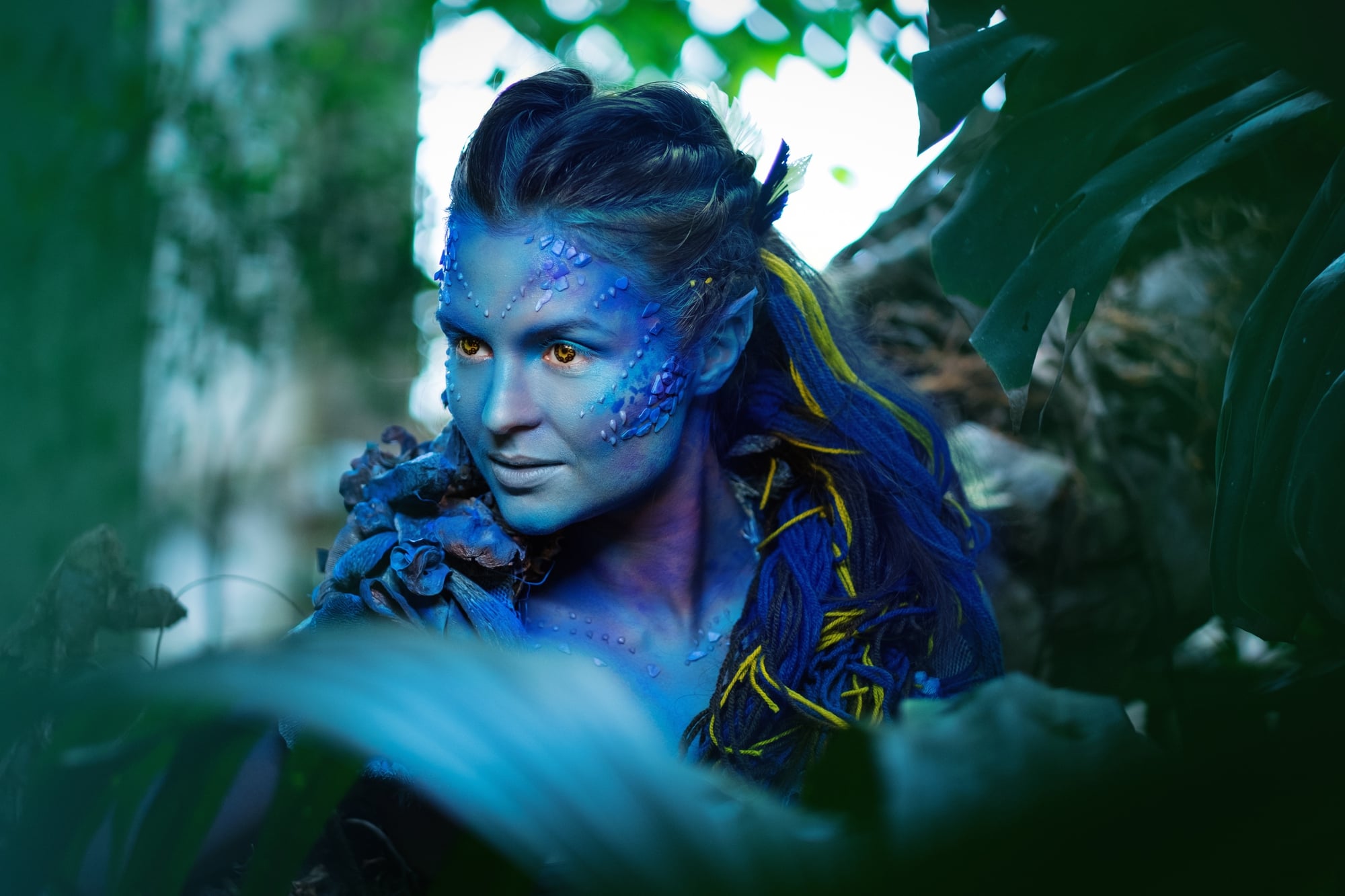
Paul Frommer created the Na’vi language for James Cameron’s Avatar. The USC linguistics professor spent years developing a language that would sound alien yet pronounceable by human actors.
He drew inspiration from Polynesian languages, African tongues, and Mandarin Chinese to create something entirely new.
Na’vi includes sounds not found in English, like ejective consonants. The language uses three tones where pitch changes meaning.
It employs a case system similar to Finnish but with more consistency and fewer exceptions. The vocabulary connects directly to Pandora’s environment, with words carefully chosen to reflect the Na’vi relationship with their world.
Resources Exist For Learning
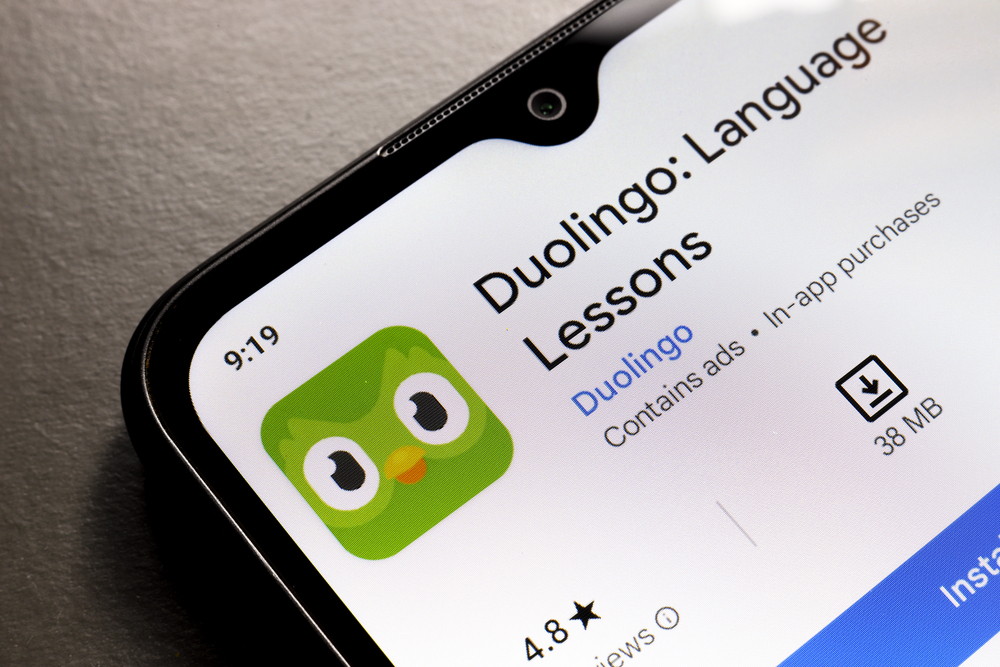
You don’t need to figure these languages out alone. Duolingo offers Klingon and High Valyrian courses.
The Klingon Language Institute publishes regular materials for learners. Multiple websites host Na’vi lessons and dictionaries, with active communities that meet online to practice conversation.
Elvish has numerous grammar guides and vocabulary lists compiled by fans who’ve studied Tolkien’s work for decades.
Learning platforms like Memrise host user-created courses for multiple fictional languages. YouTube contains pronunciation guides.
Discord servers connect learners who want to practice together. The resources vary in quality, but dedicated fans have built impressive educational materials over the years.
Grammar Follows Real Language Patterns
These languages aren’t gibberish with subtitles. Linguists who create them study how real languages work and apply those principles consistently.
They decide on word order, develop case systems, create verb conjugations, and establish phonetic rules. The resulting languages function like natural languages, just without centuries of evolution behind them.
Klingon has different rules than Dothraki, which differs from Na’vi. Each language reflects choices about how to communicate meaning.
Some use tones. Others rely on word order.
Some have complex case systems. Others keep grammar simpler.
These decisions give each language its own character and learning curve.
Why People Learn Them

Some fans learn fictional languages to connect more deeply with stories they love. Speaking a few phrases in Elvish or Klingon makes rewatching movies more engaging.
Others enjoy the linguistic challenge of mastering an unusual grammar system or unfamiliar sounds. Language enthusiasts appreciate how constructed languages demonstrate linguistic principles without the messiness of natural language evolution.
The communities matter too. Learning a fictional language connects you with other fans who share your interests.
Online forums and Discord servers create spaces where people practice together, help each other improve, and celebrate their progress. You’re not just learning a language.
You’re joining a community.
Actors Learn Just Enough

When you watch Game of Thrones or Avatar, the actors speaking fictional languages aren’t fluent. They learn their specific lines phonetically, working with dialect coaches to get the pronunciation right.
David Peterson coached actors on Dothraki during filming. Paul Frommer worked directly with the Avatar cast to teach them their Na’vi dialogue.
This limited learning serves the production. Actors need to sound convincing on screen, not hold full conversations.
The languages exist as complete systems, but performers only master the pieces they need for their roles. Fans who want fluency go much further than the actors ever do.
Some Languages Are Easier Than Others

Dothraki has a reputation as one of the easier fictional languages to learn. The grammar stays relatively straightforward and pronunciation follows clear patterns.
Klingon, on the other hand, challenges learners with its unusual structure and harsh sounds. Na’vi sits somewhere in the middle, with its tonal elements and case system creating difficulty but its consistent rules helping learners progress.
The amount of material available affects learning difficulty too. Klingon has the most extensive resources because it’s been around longest.
Na’vi and Dothraki both have active communities producing lessons and practice materials. Elvish presents challenges because Tolkien’s notes contain inconsistencies and gaps that scholars still debate.
Brain Scans Show Real Language Processing

Researchers at MIT scanned the brains of people who learned Klingon, Na’vi, High Valyrian, and Dothraki. When participants listened to recordings in their learned language, the same brain regions lit up as when processing natural languages.
The language centers are activated. Non-language mental exercises didn’t trigger the same response.
The study suggests that what makes a language real isn’t its origin but its ability to convey complex meaning. Both natural and constructed languages activate the brain’s language systems.
Math and computer code don’t do this the same way. The findings offer insight into how our brains process and understand language itself.
Simlish Started As Nonsense

The language from The Sims video game began as complete gibberish. Developers wanted characters to speak without actual dialogue, so they created Simlish as meaningless sounds.
But over time, the language developed patterns. Fans started identifying recurring phrases and associating them with specific situations.
The community has since worked out much of the grammar and vocabulary.
Simlish remains one of the easier fictional languages to approach because it borrows heavily from English grammar and takes vocabulary from multiple real languages. You can find guides online that explain the basics and common phrases players hear repeatedly in gameplay.
Minionese Blends Real Languages

The Minions from Despicable Me speak Minionese, a playful language that combines snippets from English, Spanish, French, Italian, Korean, and other languages. The creators mixed real words with nonsense sounds to create something that feels communicative without being an actual language.
Sometimes you can catch familiar words from languages you know mixed into their chatter.
While Minionese doesn’t have the structured grammar of languages like Klingon or Dothraki, fans have cataloged common phrases and their meanings. The language works better as entertainment than as something to seriously study, but it demonstrates another approach to creating fictional speech.
When Words Build Worlds

Learning made-up languages changes how you see the stories they come from. Since you grasp what folks are saying – no subtitles needed – you pick up on tone shifts, little feelings.
Translations sometimes miss things; now you spot those slips right away. The setting grows deeper, way more alive, since you’ve put effort into getting how people talk there.
Learning these tongues opens your eyes to how language works. When you watch experts build ways to talk from nothing, it shows what’s hiding behind every person’s way of speaking.
Sounds link up in certain ways, rules shape what words mean, while word choices hint at where they come from. Made-up chatter helps make sense of actual conversations around the world.
Might be why folks still pick up how to say hi in Klingon or thanks in Na’vi – less about the tongues being actual, more about making what can’t happen seem doable.
More from Go2Tutors!

- The Romanov Crown Jewels and Their Tragic Fate
- 13 Historical Mysteries That Science Still Can’t Solve
- Famous Hoaxes That Fooled the World for Years
- 15 Child Stars with Tragic Adult Lives
- 16 Famous Jewelry Pieces in History
Like Go2Tutors’s content? Follow us on MSN.