Daytona 500 Traditions That Racing Fans Cherish
February in Daytona Beach means one thing. The roar of engines fills the air, RVs pack the infield, and racing fans from across the country converge on the World Center of Racing.
The Daytona 500 has been running since 1959, and over the decades, certain rituals have become as essential to the experience as the race itself. These traditions connect generations of fans.
Your grandfather watched Richard Petty dominate here. Your father saw Dale Earnhardt finally win in 1998.
Now you bring your own kids to witness the spectacle. The customs surrounding this race create a shared language among strangers in the grandstands.
The Command to Start Engines
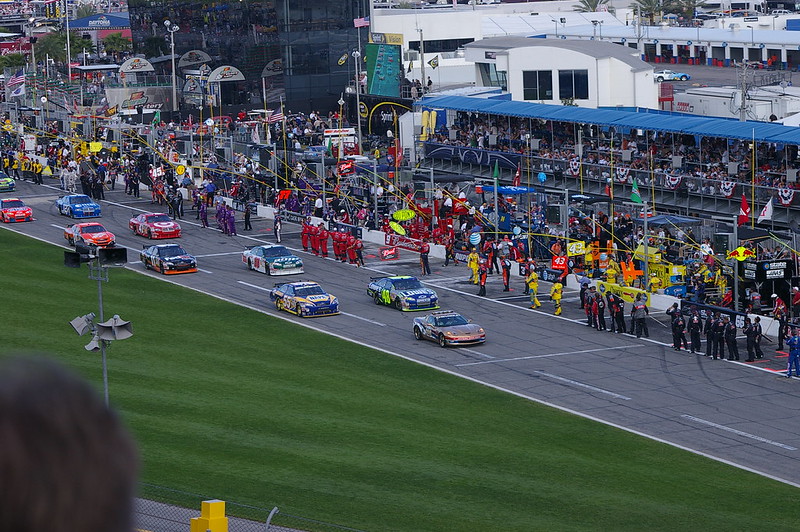
Four simple words carry enormous weight. “Drivers, start your engines” signals the moment everyone has been waiting for.
The grand marshal delivers this command, and it’s an honor typically reserved for celebrities, military heroes, or racing legends. When those engines fire up, the sound hits you in the chest.
Forty high-performance motors creating a symphony of horsepower. Fans stand up. Phones come out.
The anticipation builds because that sound means the race is about to begin. Nothing else in sports compares to that specific moment when rumble becomes roar.
Pre-Race Driver Introductions
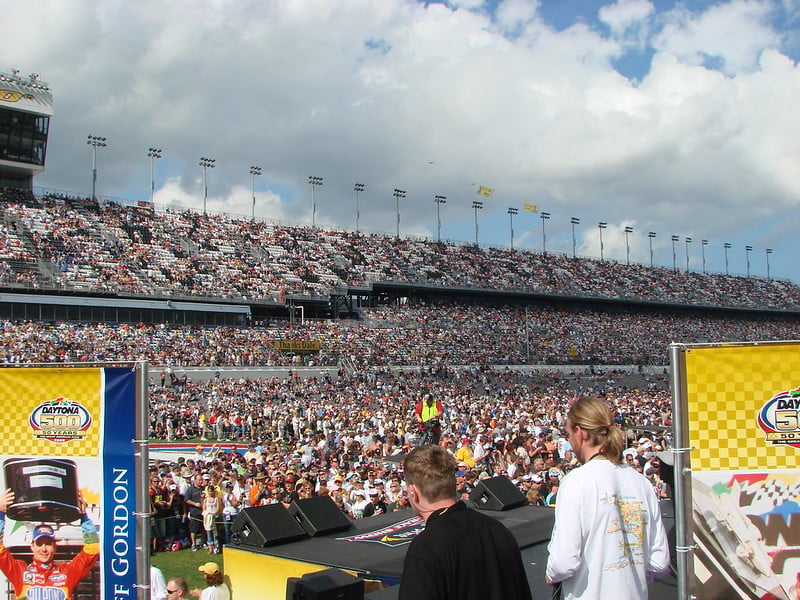
The drivers walk out onto the stage one by one. Each gets their moment in the spotlight before climbing into their cars.
You see them in a different context here—not behind the wheel yet, but as people waving to the crowd, acknowledging the cheers. Rookie drivers get introduced to the biggest stage in American motorsports.
Veterans receive standing ovations. The crowd reaction tells you who the favorites are before a single lap gets run.
This tradition humanizes the competition and reminds everyone that real people are about to pilot these machines at nearly 200 miles per hour.
Victory Lane Champagne Showers
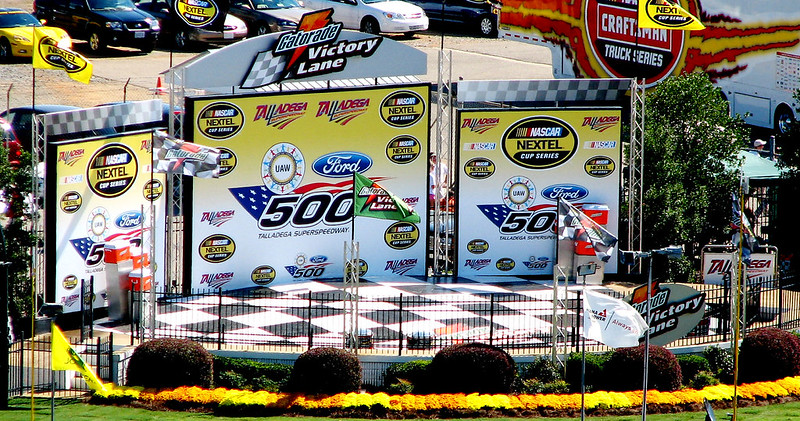
The winner circles the track with the checkered flag. Then comes Victory Lane, where champagne bottles get shaken and sprayed in every direction.
The winning team drenches each other, crew members slip on the wet pavement, and cameras capture every moment of pure joy. This celebration started in other racing series but became deeply ingrained at Daytona.
The champagne shower represents more than just a party. It marks the culmination of years of work, millions of dollars invested, and the realization of a dream that only one team out of forty achieves each year.
The Harley J. Earl Trophy
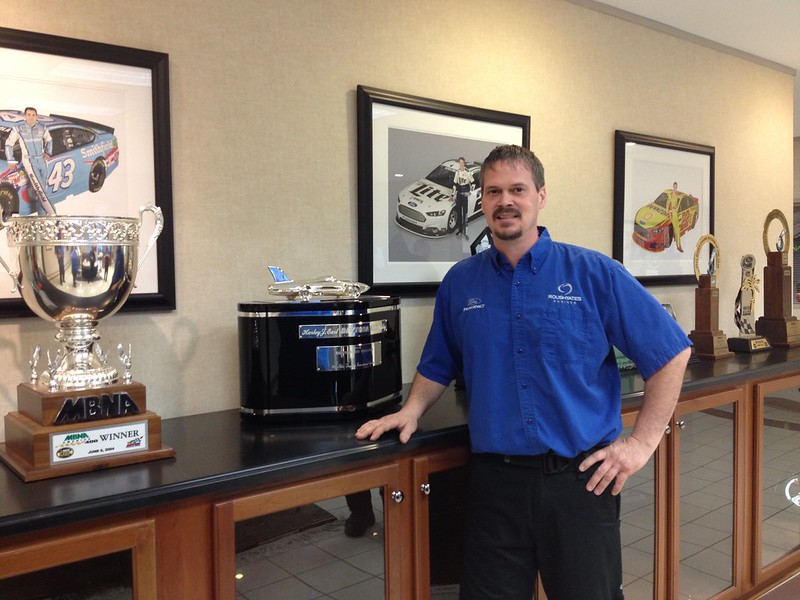
The trophy itself stands nearly four feet tall and weighs over 100 pounds. Harley J. Earl designed it, the same man who revolutionized automotive design at General Motors.
The sterling silver trophy features a race car on top and has been awarded since 1998. Lifting this trophy takes effort.
Winners often need help hoisting it above their heads for the traditional photo. The weight serves as a physical reminder of the achievement.
Every champion’s name gets engraved on it, creating a permanent record of greatness that future winners will see when they claim their own place in history.
Infield Camping
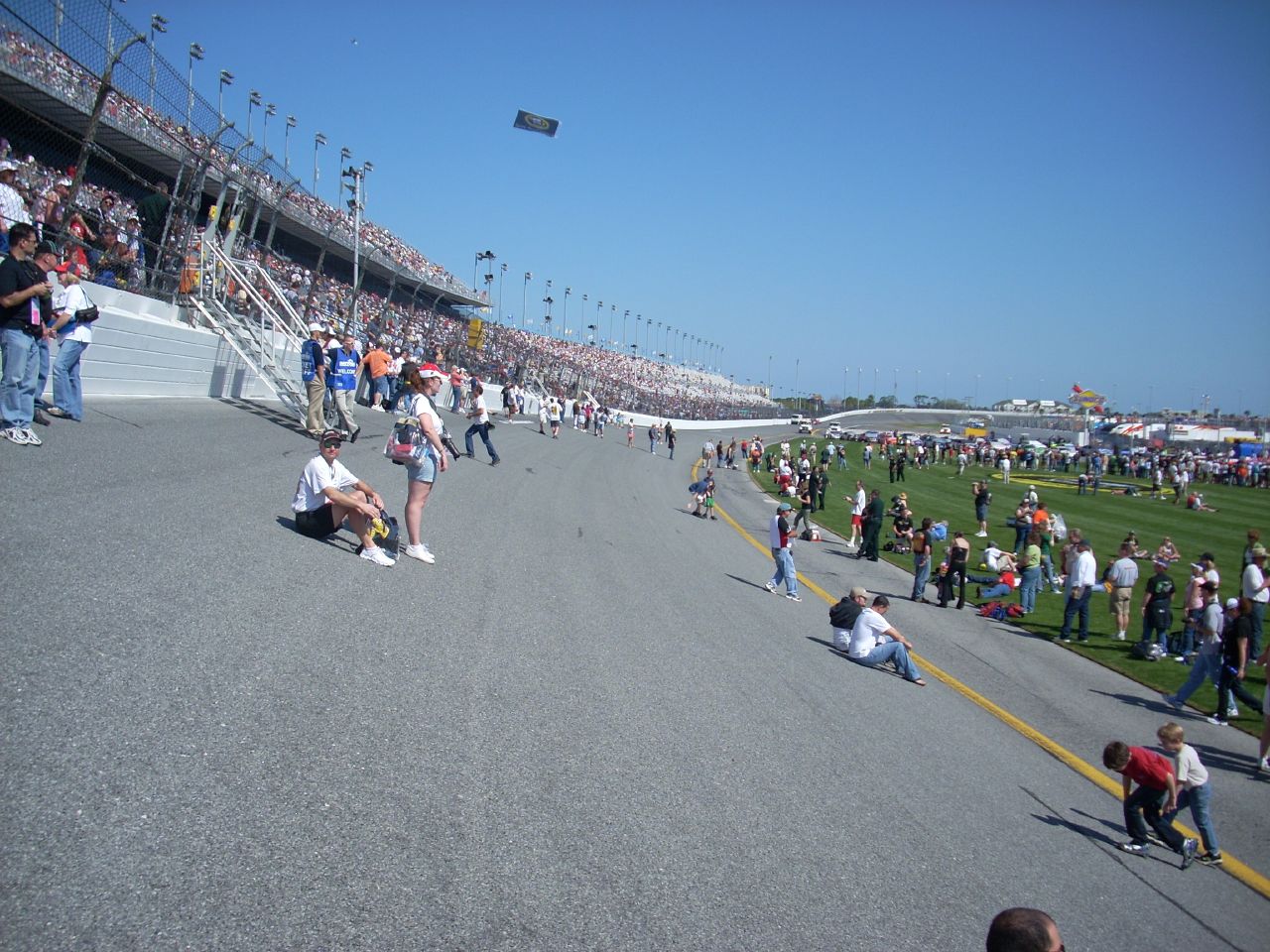
Thousands of fans arrive days before the race and set up camp in the infield. RVs create temporary neighborhoods.
Grills fire up. Strangers become friends over shared meals and racing stories. The infield offers a completely different experience than the grandstands.
You feel closer to the action, even if you can’t see every turn. The culture here runs wild—parties last until dawn, and everyone embraces the chaos.
Some families have been camping in the same spots for decades, passing down the tradition to younger generations who now bring their own children. This tradition transforms the race from a single-day event into a weekend-long festival.
You don’t just watch racing. You live it.
The National Anthem Performance
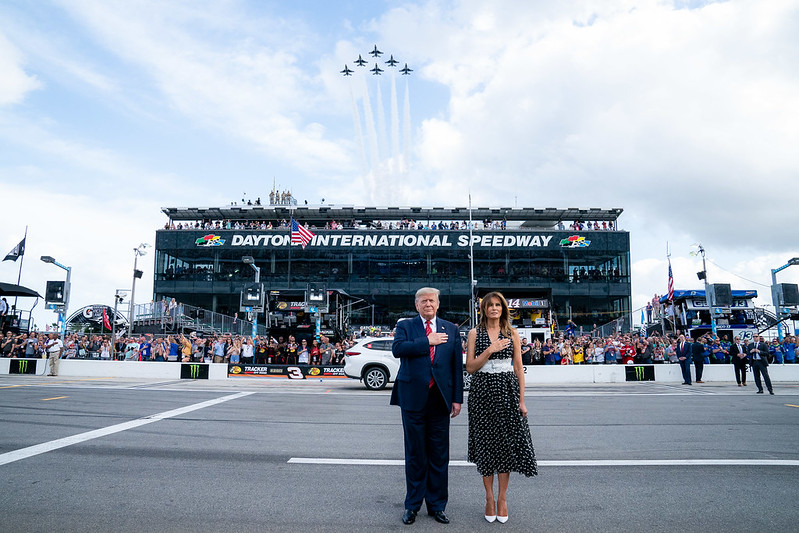
Before any race car fires up, someone performs the national anthem. Daytona brings in country stars, pop singers, and sometimes military choruses.
The crowd grows quiet. Hats come off. Hands go over hearts. This moment grounds everything that follows.
The pageantry of racing meets the solemnity of national pride. Fighter jets often perform a flyover precisely as the anthem concludes, adding a thunderous exclamation point to the performance.
The timing has to be perfect, and when it works, the effect gives you goosebumps.
The Pace Car Leading the Field
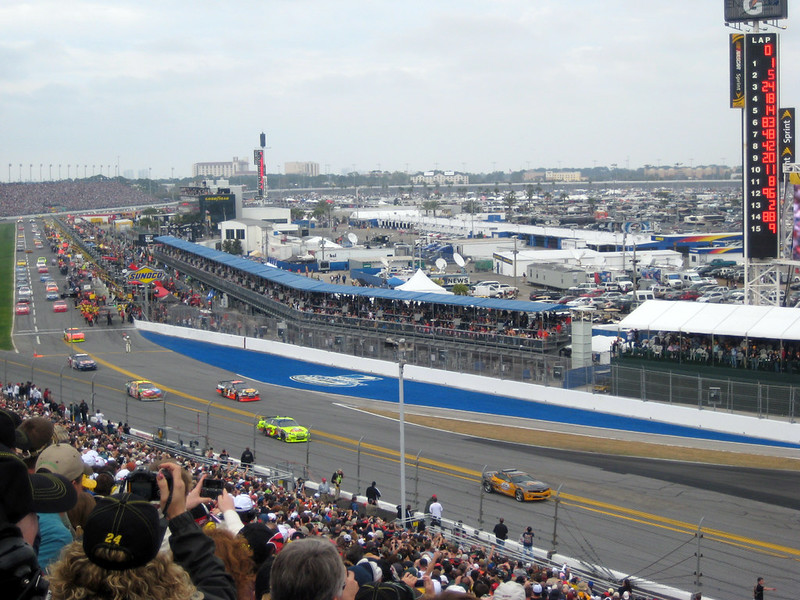
The pace car rolls out ahead of the pack during caution laps and before the green flag drops. Daytona typically features a special edition car for this role—often a high-performance version of a production vehicle that will later be sold to collectors.
Riding in the pace car has become a coveted privilege. Celebrities, contest winners, and VIP guests get the chance to lead the pack around the track.
The pace car sets the speed, and drivers must stay behind it in formation. When it peels off into pit road, the race begins for real.
This tradition serves a practical purpose but has evolved into something ceremonial. The pace car represents the calm before the storm.
Pre-Race Military Honors
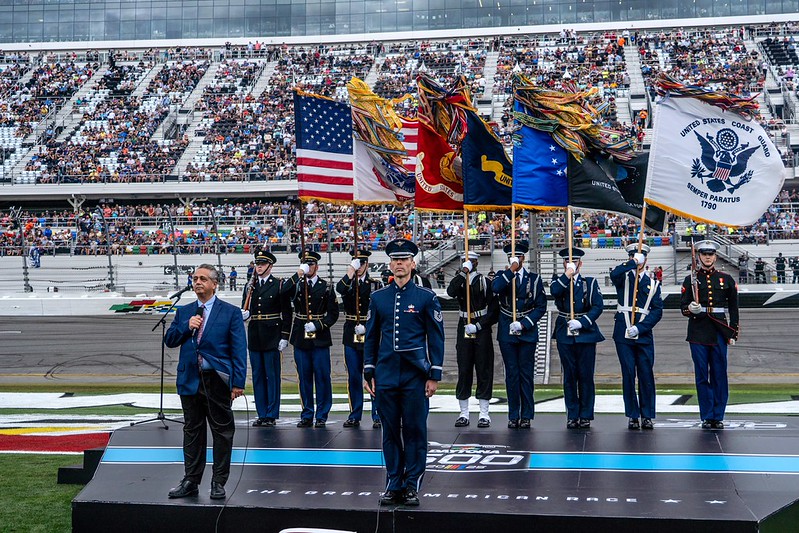
The military presence at Daytona runs deep. Color guards present the flags. Veterans get recognized during pre-race ceremonies.
Active service members often serve as honorary race officials. You see it in the crowd too. Military uniforms scattered throughout the grandstands.
These fans come to Daytona because racing and military culture share certain values—teamwork, precision, courage under pressure. The race honors that connection explicitly, making it part of the event rather than an afterthought.
The Green Flag Drop
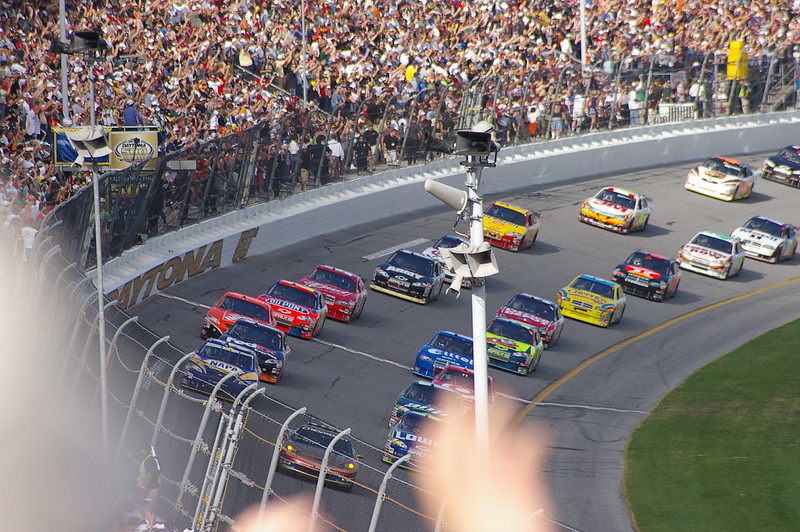
The official drops the green flag, and chaos erupts. Engines scream. Forty cars accelerate simultaneously.
The roar from the crowd rivals the roar from the track. That first lap determines so much. Drivers jockey for position.
Some play it safe. Others make aggressive moves right away. As a fan, you feel the tension release when that flag drops.
The waiting ends. The race finally begins. This moment repeats throughout the race after caution periods, but the initial green flag carries special weight.
Everything that happens over the next few hours flows from this single instant.
Post-Race Burnouts
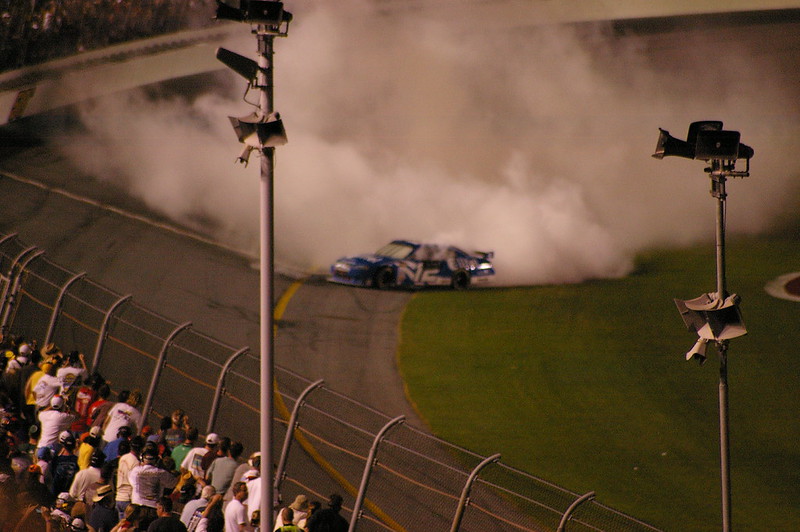
The winner crosses the finish line and immediately starts spinning donuts. Smoke pours from the tires. The car rotates in tight circles on the track while the crowd goes wild.
This wasn’t always a tradition, but it has become expected. Drivers celebrate by destroying their equipment in the most spectacular way possible.
The burnout says something simple: we won, and nothing else matters right now. The car did its job. The tires served their purpose.
Now it’s time to celebrate. Fans wait for this moment. Some record it on their phones. Others just soak it in.
The smell of burning rubber drifts through the grandstands.
Weather Delays and Fan Patience
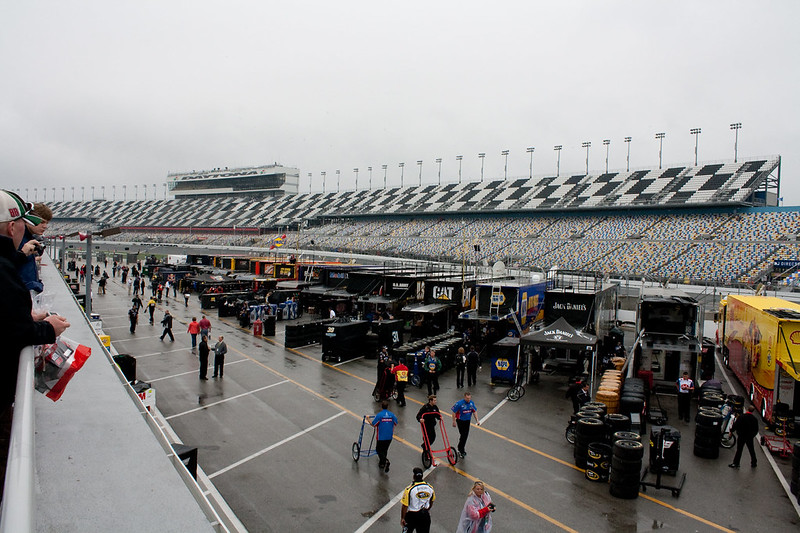
Rain delays happen at Daytona. Sometimes they last hours. Sometimes the race gets postponed to the next day.
But fans don’t leave. You see people waiting under tarps, huddled together in the grandstands.
The infield campers have it easier—they just retreat to their RVs and keep the party going. Track workers scramble to dry the surface with jet dryers, a process that takes considerable time.
This tradition isn’t planned, but it reveals something about racing fans. They wait because they came for the race, and they’ll see it through regardless of weather.
Some of the most memorable Daytona 500s have included rain delays. The waiting becomes part of the story.
Radio Scanners and Driver Audio
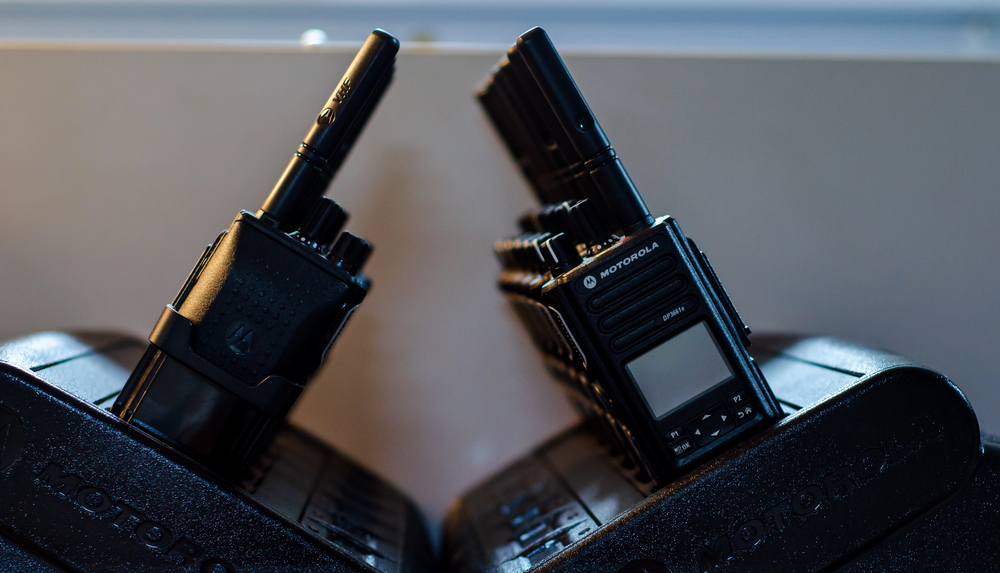
Fans bring radio scanners to listen in on driver communications and team radio. You hear the strategy discussions, the frustrations, the adjustments being made in real time.
This access brings you inside the competition in a way television broadcasts can’t match. Modern technology has made this easier.
Apps let you stream team radio through your phone. But the tradition started with dedicated racing fans bringing actual scanners to the track, tuning into different frequencies throughout the race.
Listening to driver radio changes how you watch the race. You understand why certain decisions get made.
You hear the personality of each driver and crew chief. The technology bridges the gap between spectator and participant.
Family Traditions Across Generations
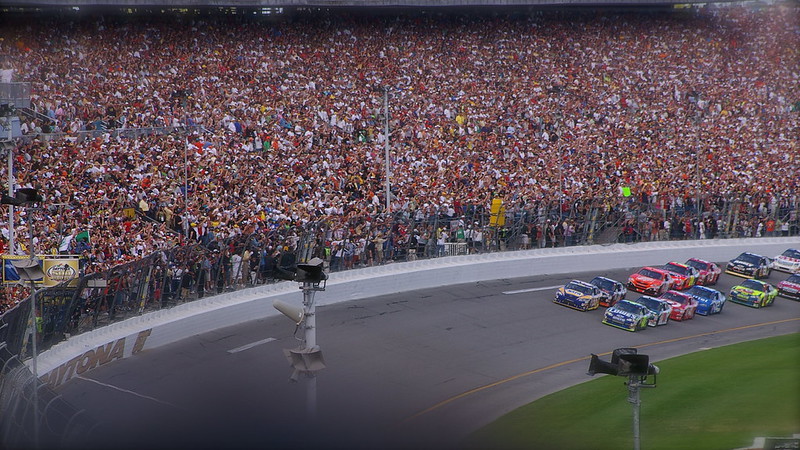
Decades fold into each other at Daytona, where some families return generation after generation. Fifty years of dust, noise, and memories bind them together.
When grandparents show up with wide-eyed kids in tow, history rides along quietly. Tales surface during long waits – victories called out by name, seat numbers remembered exactly, skies recalled as clear or storm-thrashed.
Moments stick, not because they’re grand, but because they repeat. Out here, young ones strut around in old-school race gear handed down from granddads.
Folks show up each season right back in their usual spots. Faces behind the snack counter? Known like neighbors.
Little habits pile up – this gate gets used first, that lot holds the car best, mid-afternoon means food runs begin. What sticks isn’t the staged event – it’s the quiet habit passed down at home.
Though small, these moments link generations through shared rhythm rather than spectacle. A child learns speed not just by watching but by touching an old trophy during breakfast talk.
While broadcasts fade, such gestures remain alive in routine.
Where Memory Meets Thunder
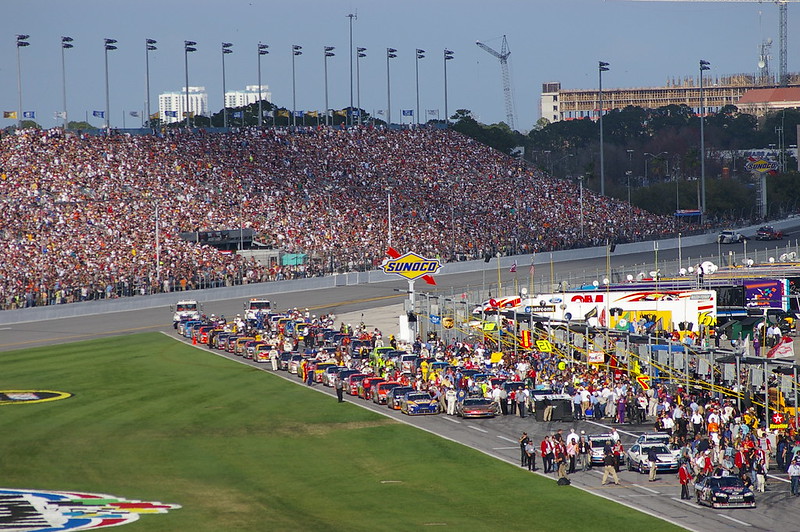
Waving high, the checkered flag marks the finish. A new winner steps forward this time. Still, certain things never shift.
Rooted deep, old customs hold fast even when speed rules. Sunburn stings your arms. Ears still hum from engine noise.
Memories stick like sand in shoes. Speed decides the winner on track – yet what stays longer are the moments between laps.
Tradition wraps around speed, gives it weight. Fans gather yearly, drawn less by finish lines than shared rhythm.
History does not whisper here. It roars alongside new faces learning old chants. A single weekend turns asphalt into ceremony.
Time blurs when engines scream past memory. February brings your return. Waiting, the old ways hold their place.
More from Go2Tutors!

- The Romanov Crown Jewels and Their Tragic Fate
- 13 Historical Mysteries That Science Still Can’t Solve
- Famous Hoaxes That Fooled the World for Years
- 15 Child Stars with Tragic Adult Lives
- 16 Famous Jewelry Pieces in History
Like Go2Tutors’s content? Follow us on MSN.