The Science Behind Why Icebergs Are So Dangerous to Ships
Icebergs have been sinking ships since humans first sailed the northern seas. Most of us know about the Titanic – that massive ship from 1912 that went down after hitting ice on its maiden voyage.
But what exactly makes these floating ice chunks so deadly? It’s not just their size that causes problems.
Let’s break down the real reasons why icebergs continue to threaten ships, even in our age of advanced technology.
Most of It Hides Underwater
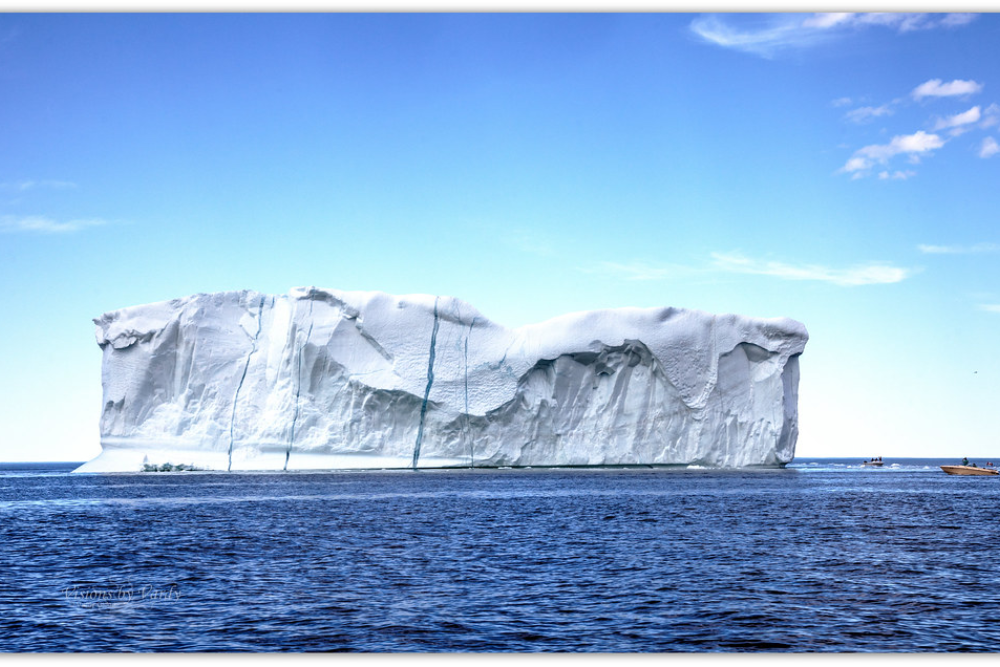
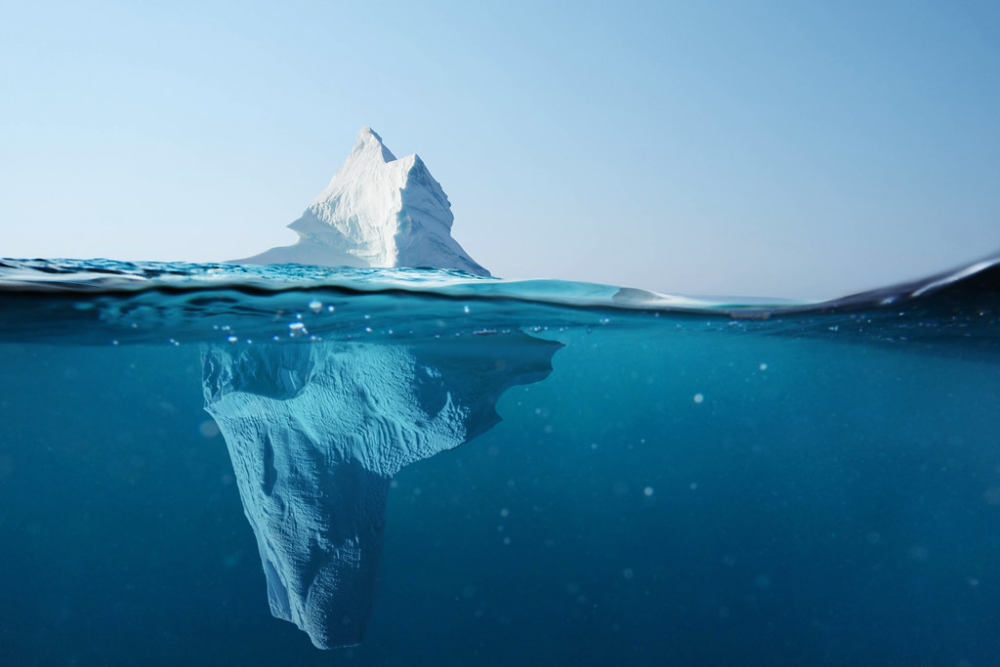
You know that saying about only seeing “the tip of the iceberg”? It comes from a real problem – about 90% of an iceberg stays hidden below the waterline where no one can see it.
Ship captains might spot a smallish ice chunk ahead and think they can safely pass nearby. Bad idea. That visible piece might have an underwater ice shelf stretching hundreds of feet to the side.
It’s like trying to avoid a mostly invisible obstacle with your ship’s life on the line.
Hard as Concrete

The ice in your freezer shatters easily. Icebergs?
Not so much. They’re made from ancient glacial ice that’s been squashed under enormous pressure for centuries, creating something closer to solid rock than the ice cubes in your drink.
When ships hit this stuff, it’s the metal hull that crumples, not the ice. Some recovered pieces from shipwrecks show metal bent and torn like it was aluminum foil rather than thick steel plating.
Radar Can’t See Them Well
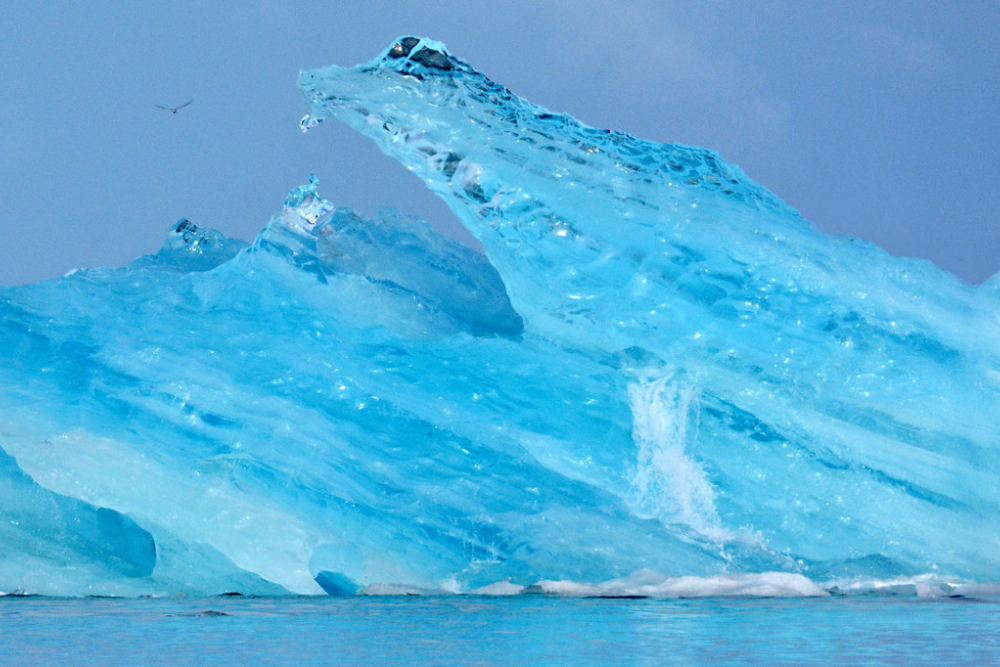
You’d think modern radar would solve the iceberg problem, but these frozen hazards are sneaky. Their smooth, sloped surfaces tend to deflect radar signals away instead of bouncing them back to the ship.
Worse yet, the smaller chunks of ice (with delightful names like “growlers” and “bergy bits”) sit so low in the water they barely register on radar at all. They’re just big enough to punch a hole in your hull but small enough to hide from your equipment.
They Never Sit Still

Trying to track icebergs is like herding cats. Ocean currents push them one way, while winds might shove them another.
As they melt unevenly, their center of gravity shifts, causing them to roll or move in completely unexpected directions. A captain might plot a safe course based on an iceberg’s position, only to find it’s drifted right into their path hours later.
They’re constantly moving targets that don’t play by the rules.
They Make Their Own Fog
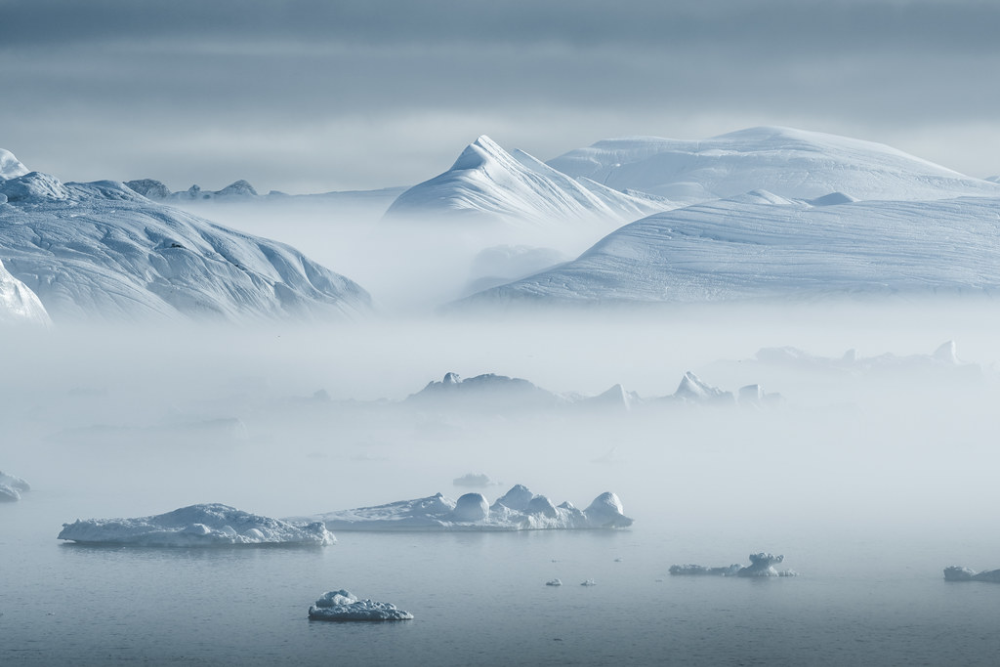
As if spotting icebergs wasn’t hard enough, they create their own personal fog machines. When the cold ice meets warmer air over the ocean, it creates dense fog banks that can stretch for miles.
So, just when you need clear visibility the most, icebergs literally cloud the situation. Many ships have slowed to a crawl in these fog banks, only to hit the very iceberg that created the fog in the first place.
Cold Makes Metal Brittle
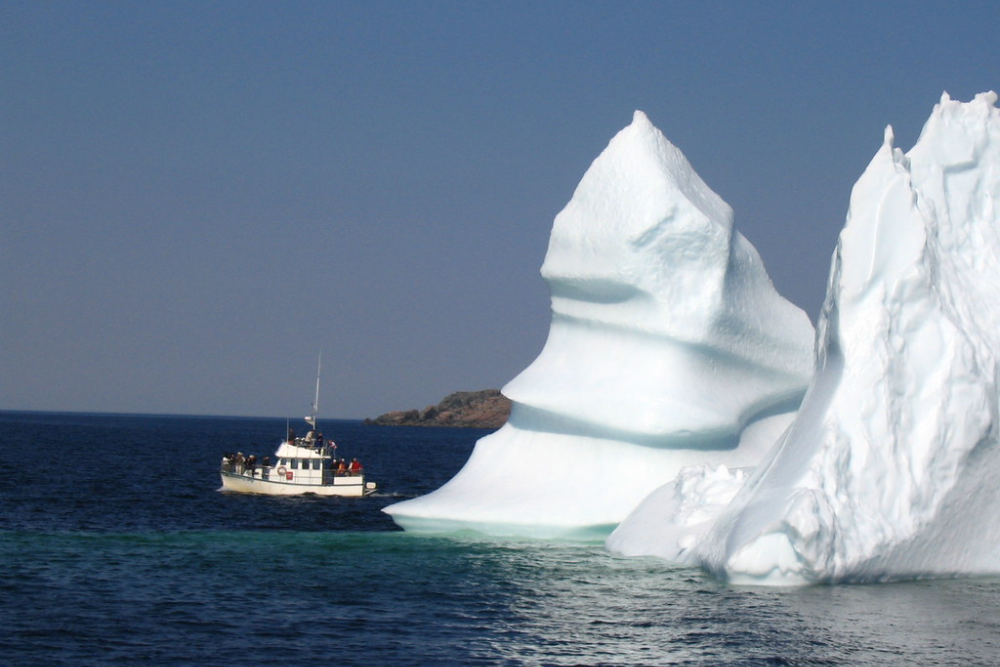
Steel hulls don’t handle sudden cold very well. When warm ship metal suddenly contacts ice, the rapid cooling makes the steel more brittle and prone to cracking rather than bending.
The Titanic’s steel has been studied extensively, and many experts believe the frigid North Atlantic temperatures that night made the ship’s hull more likely to fracture on impact. Modern steel is better, but physics is physics – extreme cold still affects metal badly.
They Explode Without Warning
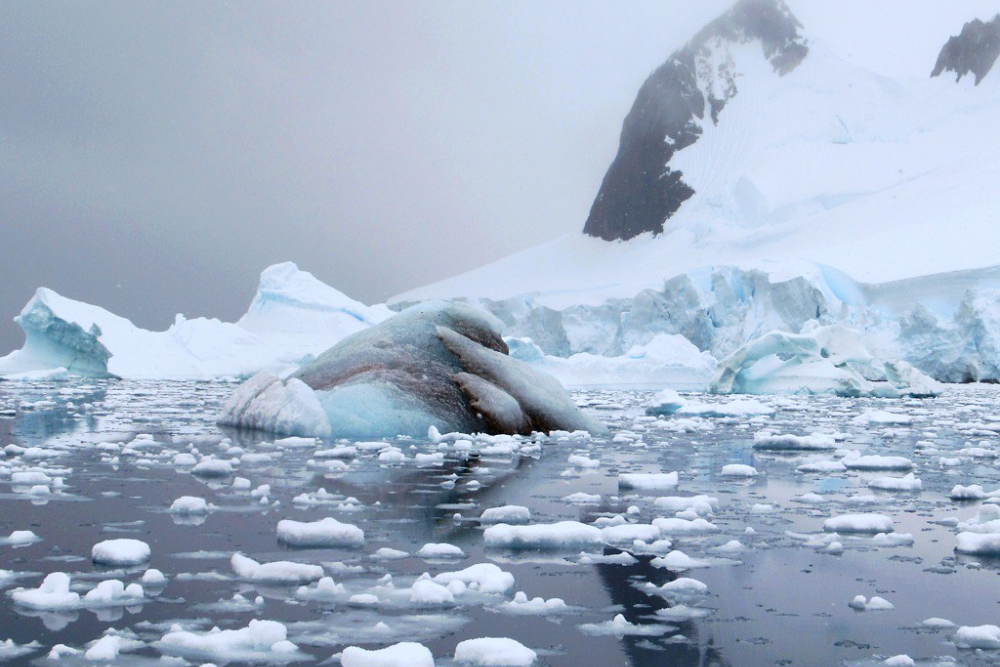
Icebergs can suddenly break apart in violent “calving” events that send huge chunks flying. A ship might be maintaining what seems like a safe distance from an iceberg when – crack! – a massive piece breaks off and crashes into the water nearby.
These breaks happen without warning and can swamp smaller vessels with waves or directly impact ships with fast-moving ice chunks weighing several tons each.
Unstoppable Force Meets Movable Ship
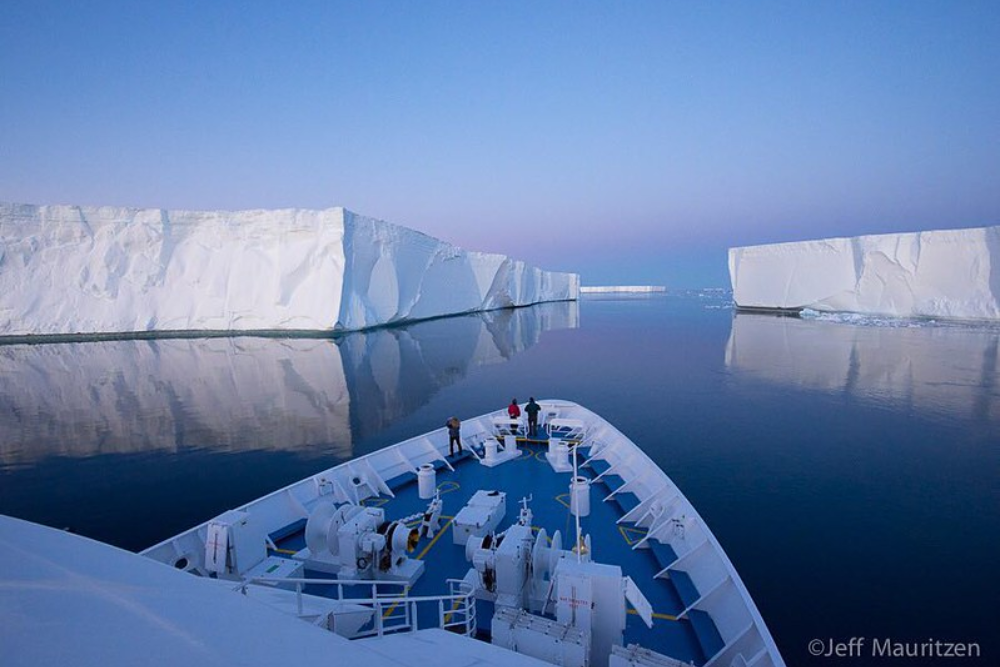
When we talk about collision energy, size matters. A lot.
Even a relatively small iceberg might weigh hundreds of thousands of tons. When that much mass meets even the sturdiest ship, the physics are brutal.
The energy released in such collisions measures in the hundreds of megajoules – similar to detonating several hundred pounds of explosives against your hull. There’s simply no contest.
The Water’s Deadly Cold

Even if you survive the initial impact with an iceberg, you face another killer: the water itself. North Atlantic waters where icebergs roam hover just above freezing.
Fall overboard and you’ve got maybe 15-30 minutes before hypothermia makes it impossible to swim. The Titanic’s passengers didn’t just die from drowning – many froze to death in water so cold it feels like being stabbed with thousands of tiny knives.
They Mess With Sonar
Underwater detection gets weird around icebergs. The boundary between ice and water plays havoc with sonar signals, creating false readings or acoustic “shadow zones” where objects become invisible to sound waves.
For submarines and vessels using underwater detection systems, this creates dangerous blind spots exactly when precise navigation matters most.
They Create Weird Water Currents

Large icebergs actually disturb the water flow around ships, creating unpredictable currents and pressure waves that can affect steering. A ship might suddenly find its rudder less responsive exactly when precise maneuvering is needed most.
It’s like trying to steer a car through a powerful crosswind that appears out of nowhere – except this crosswind could sink your vessel.
They’re Masters of Disguise

Light plays strange tricks around icebergs. Sun glare on water can completely hide them from view, while refraction through temperature layers can make them appear closer or farther than they actually are.
Experienced Arctic captains tell stories of icebergs that seemed miles away suddenly appearing much closer, or disappearing from view entirely in certain lighting conditions, only to reappear dangerously close.
They Eat Away at Ships
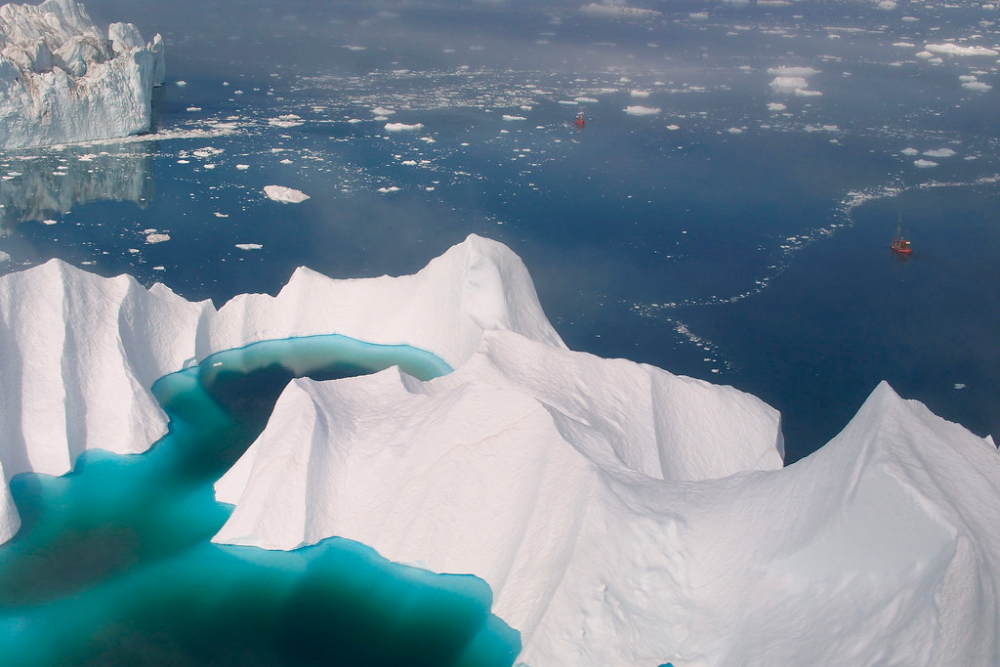
The freshwater from icebergs creates patches of less salty water around them. This sets up what engineers call galvanic corrosion cells on metal ship hulls, essentially accelerating rust in localized areas.
Ships that regularly sail iceberg-prone waters often show unusual corrosion patterns that weaken their structure over time. It’s like the icebergs are slowly eating away at vessels even without direct contact.
They Show Up Where You Don’t Expect

Icebergs don’t stay put in the Arctic. Ocean currents can carry them thousands of miles south into busy shipping lanes.
Each year, hundreds drift down from Greenland into the North Atlantic shipping corridors between Europe and North America. Ships crossing what should be normal, ice-free waters can suddenly encounter these refugees from the north.
It’s like finding a polar bear on a Florida beach – deadly and completely unexpected.
Respect the Ice or Pay the Price
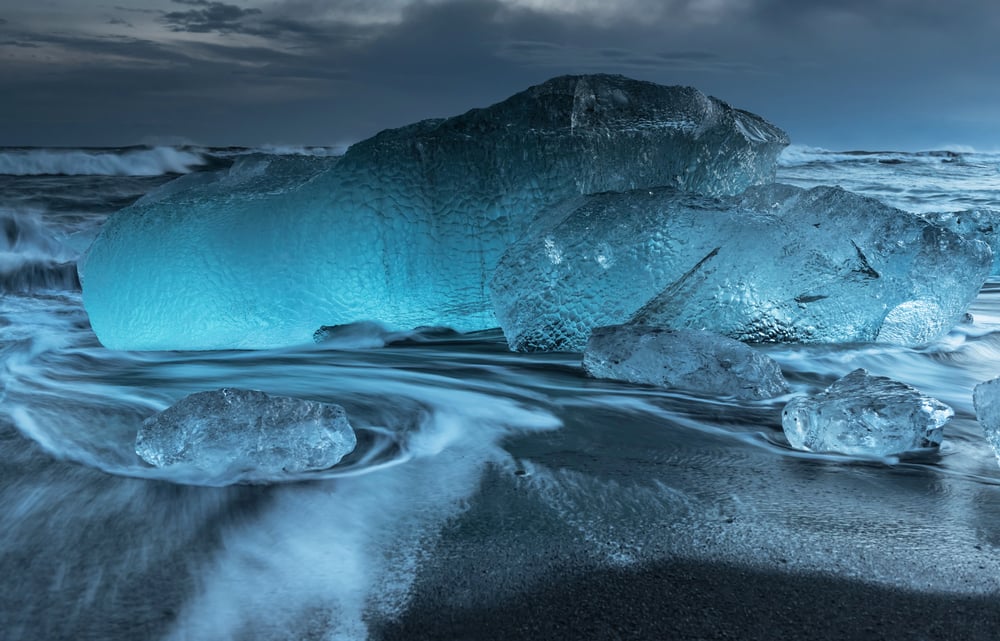
Even with all our fancy technology and centuries of seafaring knowledge, icebergs still sink ships. The brutal physics hasn’t changed – they’re massive, hard as rock, mostly hidden, and constantly on the move.
No ship ever won a fight with an iceberg, and none ever will. The old sailor’s wisdom still applies: give these frozen monsters plenty of space.
The ocean might seem big enough for everyone, but when you share it with icebergs, they always get the right of way.
More from Go2Tutors!

- The Romanov Crown Jewels and Their Tragic Fate
- 13 Historical Mysteries That Science Still Can’t Solve
- Famous Hoaxes That Fooled the World for Years
- 15 Child Stars with Tragic Adult Lives
- 16 Famous Jewelry Pieces in History
Like Go2Tutors’s content? Follow us on MSN.



