Historical Mining Facts About Big Sky Country
Ever wondered what transformed Montana from empty wilderness into the rugged state we know today? The answer lies buried deep in the earth – literally.Montana’s mining story shaped not just the state, but helped build modern America.
From gold rushes to copper booms, these discoveries created fortunes, built cities, and left a complex legacy that continues today.Here are 12 fascinating facts about Montana’s mining legacy that reveal how Big Sky Country earned its reputation as the ‘Treasure State.’
The Geology That Made It Possible
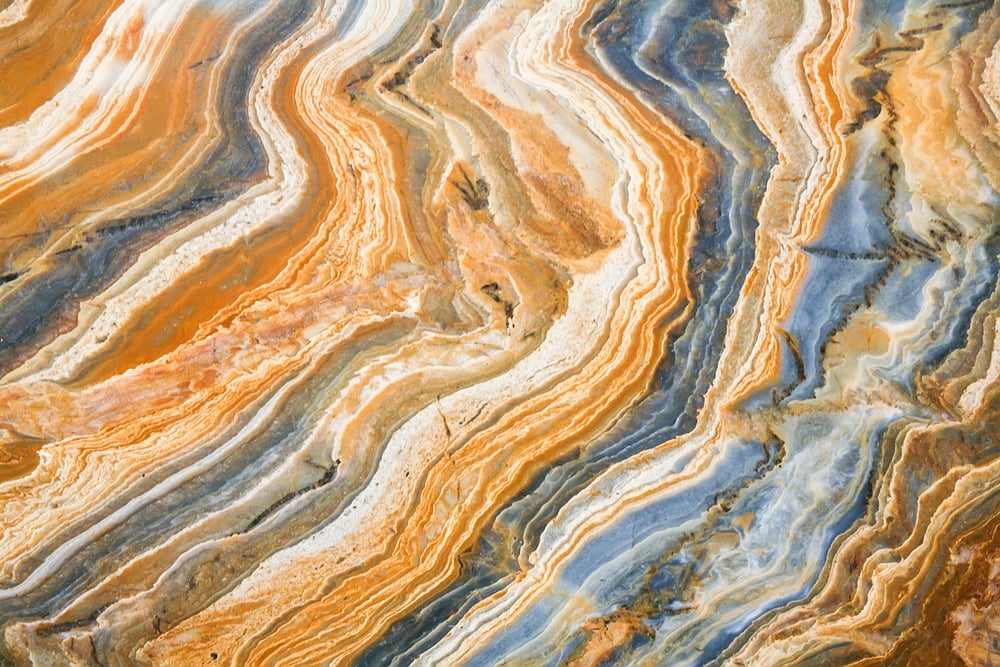
Ever wonder why Montana became such a mining powerhouse? The answer lies in ancient geological forces that shaped the landscape millions of years ago.This geologic process and its rich mineral results extended well beyond Bannack and are responsible for southwest Montana becoming the catalyst that gave life to Big Sky Country.
The Boulder Batholith around Butte and parts of the Idaho Batholith reaching into Montana created massive underground treasure deposits. Think of these geological formations as ancient treasure chests, created when molten rock forced minerals into every crack and crevice.
Virginia City’s Overnight Success
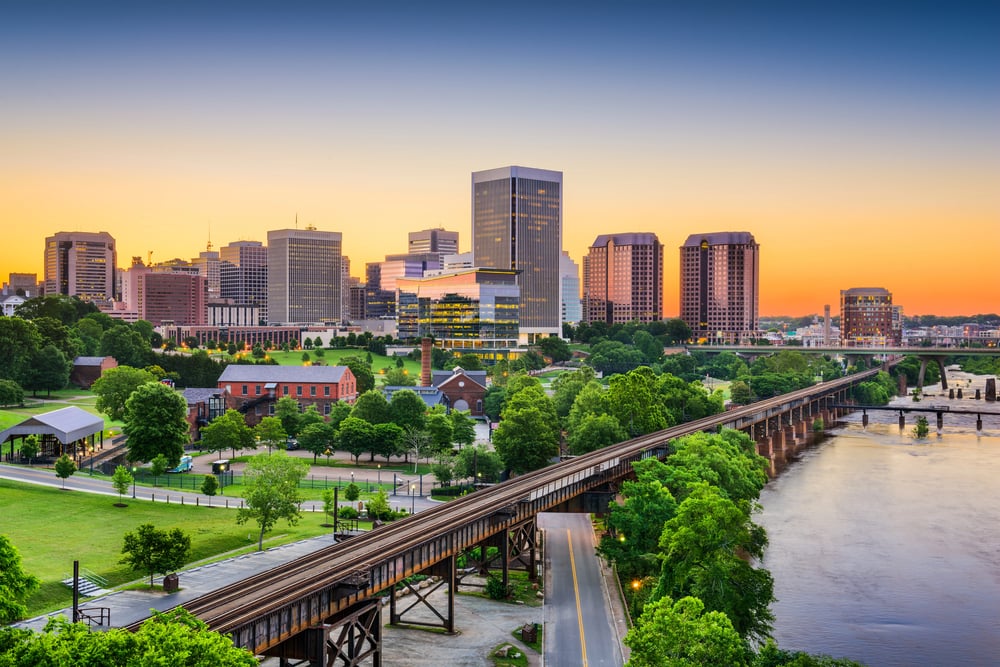
Picture a town exploding from nothing to 30,000 residents in just one year. The spectacular gold deposit discovered in Alder Gulch on May 26, 1863, led to the rapid growth of this colorful and legendary gold camp town.
Thousands of fortune-seekers rushed to the area, and by 1864 the Virginia City area boasted 30,000 residents. That’s faster growth than most modern tech startups! The human drama must have been incredible – imagine the chaos, excitement, and wild west atmosphere as people from across the world descended on this remote gulch.
Like Go2Tutors’s content? Follow us on MSN.
Silver’s Spectacular Rise and Fall

What happens when government policy directly impacts an entire industry? Montana’s silver boom provides a perfect case study.Silver mining in Montana peaked in 1892, when Montana mines produced 19 million troy ounces of silver.
But then economic forces shifted dramatically. After the Panic of 1893, which was partly blamed on an overabundance of silver coinage, President Grover Cleveland called an emergency session of Congress, which repealed the Sherman Silver Purchase Act. Imagine being a silver miner and watching government policy literally shut down your entire industry overnight.
The Three Copper Kings’ Epic Battle

Ever heard of a business rivalry so intense it shaped an entire state’s politics? Meet Montana’s ‘Copper Kings’ – a trio whose feud became legendary.Three men fought for control of Butte’s mining wealth.
These three “Copper Kings” were William A. Clark, Marcus Daly, and F. Augustus Heinze.This wasn’t just business competition – it was personal warfare fought through newspapers, elections, and court battles.
These men literally bought politicians and entire towns to gain advantages over each other. Their rivalry makes modern corporate battles look like friendly disagreements.
Railroad Revolution Changes Everything

How did railroads transform Montana mining from local enterprise to industrial powerhouse? The impact was revolutionary.Also in 1883, the Northern Pacific Railroad laid tracks into Butte, greatly aiding the economics of mining on a large scale.
Before railroads, miners were limited to what they could transport by wagon or riverboat. After? Suddenly Montana copper could power America’s growing electrical grid. The railroad didn’t just change transportation – it changed Montana’s entire economic destiny.
Like Go2Tutors’s content? Follow us on MSN.
The Berkeley Pit Era Begins
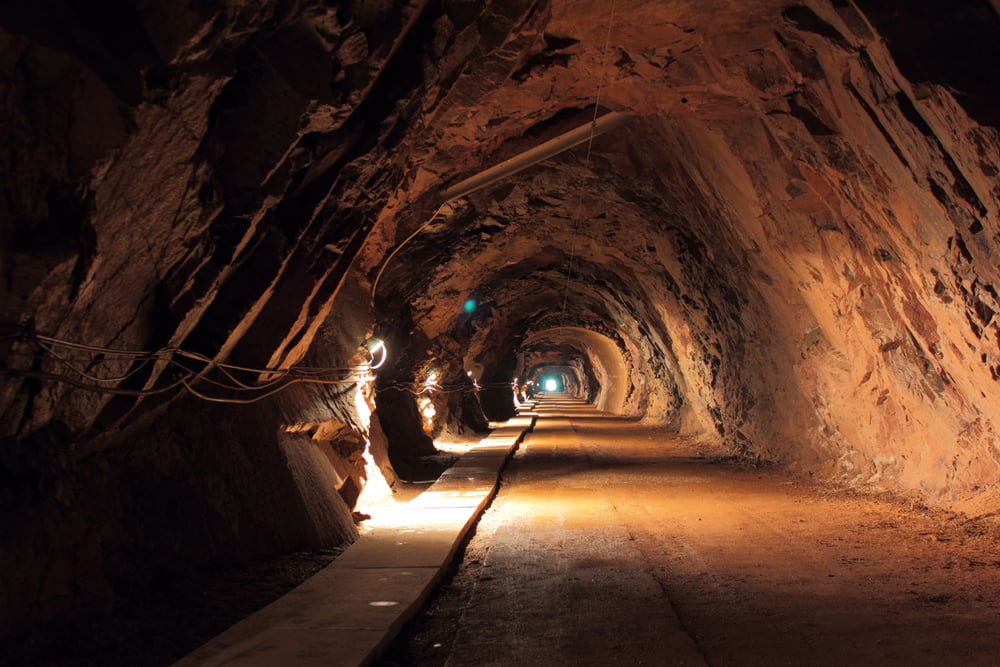
Picture the year 1955: after nearly a century of dangerous underground mining, technology offered a seemingly better solution. Aside from, and more important than, economic motives, the Pit was also opened because of the simple fact that open pit mining is much less hazardous for the miners themselves.
Best guesses put the number of deaths in Butte’s underground mines, which operated for about a century, from the 1860s through 1976, at around 2,500, an average of about 25 deaths per year. The Berkeley Pit seemed like progress – safer for workers, more efficient for extraction. Nobody could have predicted what would happen next.
Communities Sacrificed for Copper

What would you do if a mining company told you your entire neighborhood had to disappear? The Anaconda Company faced this exact challenge in Butte.East Butte, Meaderville, McQueen, Dublin Gulch, and Finn Town were neighborhoods of immigrant miners close enough to the Berkeley Pit that the company deemed their destruction necessary to continue mining operations.
The Holy Savior church was buried under waste rock to make way for the continued expansion of the Berkeley Pit. Entire communities – churches, schools, homes, and memories – literally disappeared under mining operations.
The Toxic Lake Nobody Expected
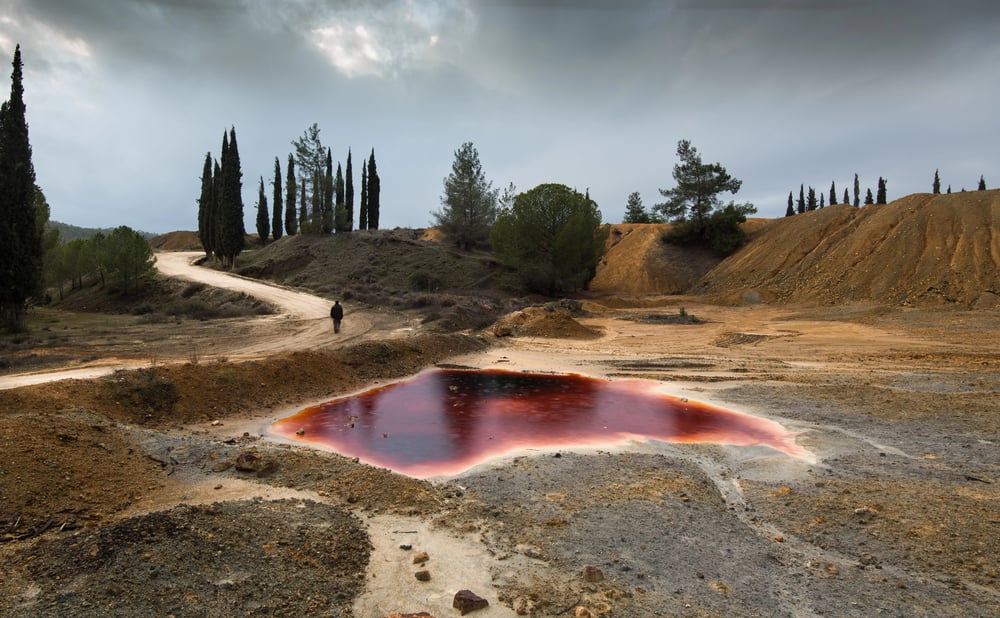
Ever wonder what happens when you stop pumping water out of a massive pit in the ground? The Berkeley Pit provides a sobering answer.When the pit was closed, the water pumps in the nearby Kelley Mine, 3,800 ft (1,200 m) below the surface, were turned off, and groundwater began to slowly fill the Berkeley Pit. By 2023, the pit contained more than 30 billion gallons of acidic water, rising hundreds of feet and posing risks to groundwater and the ecosystems around Butte.
The water became so toxic it can dissolve metal and poses ongoing environmental challenges.
Like Go2Tutors’s content? Follow us on MSN.
When Nature Meets Mining Toxicity

Picture thousands of migrating birds seeing what appears to be a large lake – a perfect rest stop during their long journey. Tragically, appearances can be deadly.
In 1996, 342 snow geese carcasses were recovered from the pit by researchers performing water quality testing. The most heartbreaking incident occurred more recently: On November 28, 2016, upwards of 60,000 snow geese landed in the pit during inclement weather.
Three to four thousand of the geese died. Nature couldn’t distinguish between a lake and a toxic waste site.
America’s Most Expensive Cleanup
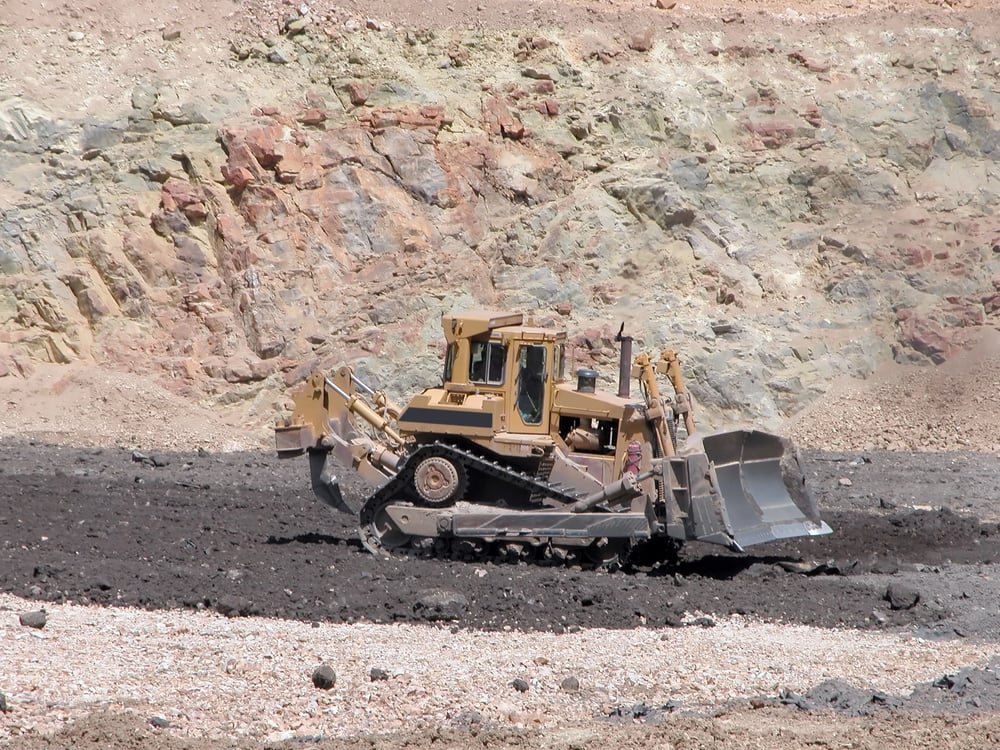
What does it cost to address over a century of mining impacts? The Berkeley Pit represents one of the most expensive environmental cleanup efforts in American history.The Berkeley Mine Pit is now the most expensive site on the EPA’s superfund list.
The Critical Water Level (CWL) is 5,410 feet above sea level. We like to refer to this level as the “protective water level” because it is the lowest elevation in the Butte valley, the stream bottom of Silver Bow Creek.
The ongoing monitoring and treatment will continue indefinitely – essentially forever.
Ghost Towns Tell the Story
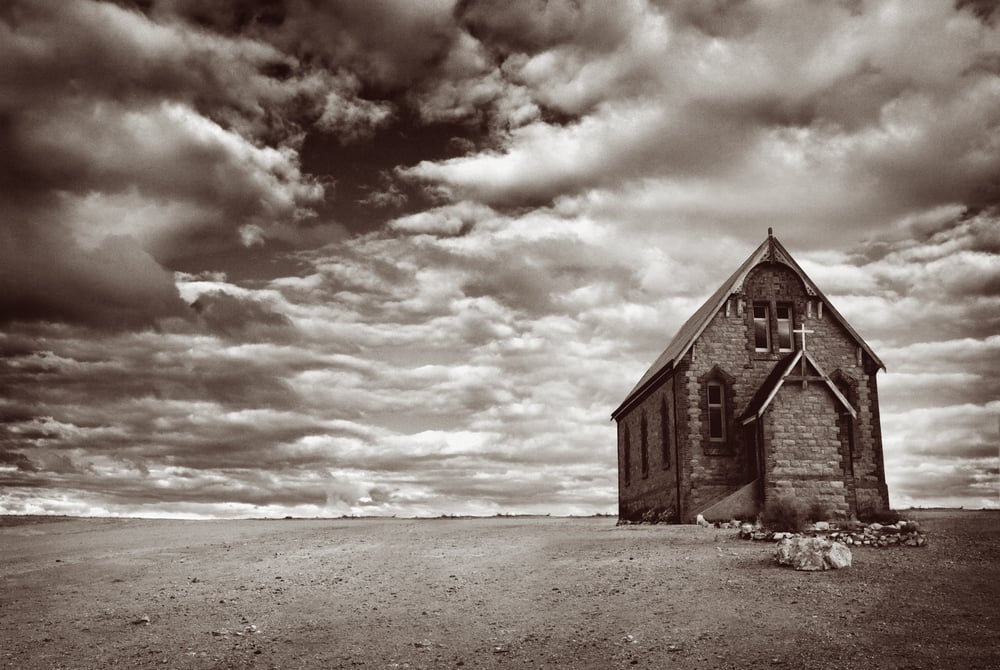
What happens to boomtowns when the boom ends? Montana’s landscape is dotted with the answer.Towns grew rapidly, and while some endured, others faded into ghost towns when the ore ran out.
These abandoned communities aren’t just tourist attractions – they’re monuments to the boom-bust cycle that defined Montana mining. Known as Montana’s Silver Queen, Granite is now a state park and encompasses a selection of historic buildings, an old mine, a mining camp, and a mill in Granite County. Once home to around 3,000 miners, the town is today a shell of its former self, home to deserted crumbling buildings.
Mining’s Complex Modern Legacy

Here’s the thing about Montana’s mining history – it’s not really history. Mining continues today, but with hard-learned lessons from the past.
Active mining takes place in 29 of Montana’s counties, and 26 minerals are mined in the Treasure State, the five most common of which are gold, silver, copper, lead and zinc. Modern Montanans face the ongoing challenge of balancing economic opportunity with environmental protection.
Recreation and tourism are more and more important to Montana’s economy. Many fear that the mine will destroy the river, both for the fishermen and floaters who use the river extensively, but also for the ranchers who depend on its clean water.
The Treasure That Built America

Think about this: every time you flip a light switch, plug in your phone, or drive a car, you’re using copper. And much of that copper came from Montana’s hills.
Over the active lifespan of the Berkeley, approximately 320 million tons of ore and over 700 million tons of waste rock were mined from the Pit. Put another way, “The Richest Hill on Earth” produced enough copper to pave a four-lane highway four inches thick from Butte to Salt Lake City and 30 miles beyond.
Montana’s mining legacy shows us that progress always comes with consequences. The minerals that built modern America also created challenges that generations continue to address.
But here’s the remarkable part: Montanans keep working to honor their history while protecting their future.The next time you see Montana’s big sky, remember what lies beneath – a story of human ambition and the ongoing challenge of living responsibly with our planet’s resources.
More from Go2Tutors!

- 16 Historical Figures Who Were Nothing Like You Think
- 12 Things Sold in the 80s That Are Now Illegal
- 15 VHS Tapes That Could Be Worth Thousands
- 17 Historical “What Ifs” That Would Have Changed Everything
- 18 TV Shows That Vanished Without a Finale
Like Go2Tutors’s content? Follow us on MSN.