Strange Laws from the 90s That Still Exist
The 1990s gave us dial-up internet, boy bands, and some truly bizarre legislation. While most people remember the decade for its fashion choices and music trends, lawmakers were busy passing rules that would make anyone scratch their head.
Some of these laws were responses to real concerns of the time, while others seem like someone was having a bad day at the office. Here’s the interesting part: many of these oddball regulations never got repealed.
Beepers in restaurants
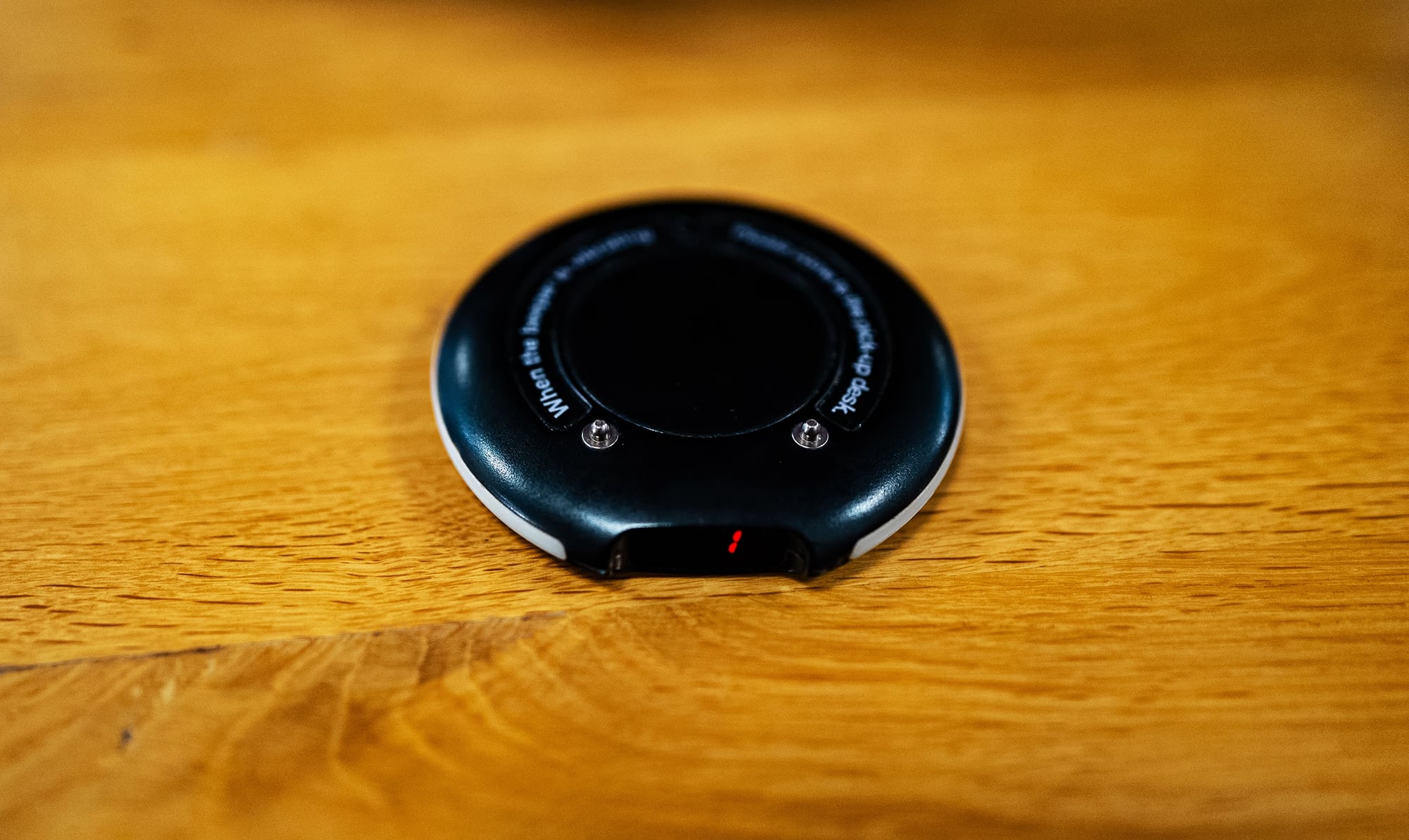
Florida decided in 1990 that restaurant workers couldn’t carry beepers while serving food. The law came about because people worried these devices were only used by people involved in questionable activities.
Restaurant owners had to fire employees or make them leave their beepers at home. The assumption was wildly off base since plenty of regular folks used beepers for legitimate work and family emergencies.
Internet cafes can’t have more than four terminals

In 1999, Florida struck again with a law limiting internet cafes to just four computer terminals. Lawmakers worried these places would turn into illegal operations for activities they didn’t approve of.
The restriction made it nearly impossible for legitimate businesses to turn a profit or serve their communities effectively. Many entrepreneurs who wanted to bring internet access to underserved neighborhoods found themselves blocked by this arbitrary number.
Margarine must be a different color than butter

Wisconsin passed regulations in the 1990s requiring margarine to look distinctly different from butter. The dairy state wanted to protect its butter industry from cheaper alternatives that might confuse consumers.
Margarine manufacturers had to add coloring agents or keep their product white, which made it look unappetizing on store shelves. This protectionist measure stayed in place long after people learned to tell the difference between the two products.
No fortune telling for money

Several states, including Maryland, strengthened their bans on paid fortune telling services during the 1990s. Lawmakers classified tarot readers, palm readers, and psychics as fraudsters taking advantage of vulnerable people.
Anyone caught charging for these services could face fines or even jail time. The laws didn’t account for entertainment value or the fact that adults should be free to spend their money however they choose.
Arcade games limited by time

South Carolina implemented restrictions in 1991 that prevented arcade game sessions from lasting too long. The state capped how much time someone could play certain games in one sitting, worried about creating addictive behaviors.
Arcade owners had to program their machines to shut down after specific intervals, regardless of whether players had credits left. Kids who got really good at games found themselves forcibly logged out just when they were about to beat their high scores.
Bulletproof vests during crimes

New Jersey passed a law in 1999 making it a separate offense to wear body armor while committing another crime. Lawmakers wanted to discourage criminals from protecting themselves during illegal activities, adding extra years to sentences.
The logic seemed backward to many people since someone planning to break the law probably wasn’t worried about this additional charge. Law enforcement supported it anyway, arguing it showed premeditation and intent to engage with police.
Throwing things at buses

Massachusetts made it specifically illegal in 1996 to throw objects at public transportation vehicles. The law came after several incidents where people tossed bottles, rocks, and other items at passing buses.
Penalties included hefty fines and possible jail time, even for relatively harmless objects like paper orbs. Transit authorities pushed for the legislation after bus drivers reported feeling unsafe and passengers got injured by broken glass.
Sleeping on refrigerators outdoors

Pennsylvania banned the practice of sleeping on top of outdoor refrigerators in 1999. The oddly specific law addressed safety concerns after someone actually did this and got hurt.
Apparently, old refrigerators left outside became makeshift beds or lounging spots in certain areas. The state decided this behavior needed its own legal prohibition rather than falling under existing public nuisance laws.
Singing off-key in public

North Carolina technically made it illegal to sing out of tune in public spaces during the early 1990s. The law probably started as a joke or was part of broader noise ordinance regulations.
Nobody ever got arrested for having a bad voice, but the rule remained in legal books. Musicians and karaoke enthusiasts unknowingly risked citations every time they performed without perfect pitch.
Fake wrestling must be advertised as fake

Some states passed laws in the 1990s requiring wrestling promotions to clearly label their events as entertainment rather than legitimate sport. Lawmakers wanted consumers to know they were watching choreographed performances, not real athletic competitions.
Wrestling companies had to include disclaimers in their advertising and at venues. Fans who already knew the outcomes were scripted found the legal requirement both amusing and unnecessary.
Dentures by prescription only

Alabama maintained and reinforced rules in the 1990s that prevented people from buying dentures without a prescription from a licensed dentist. The regulation aimed to protect consumers from poorly fitted teeth that could cause health problems.
Critics argued it drove up costs and made dental care less accessible for people who couldn’t afford full dentist visits. The law created a monopoly that benefited dental professionals while limiting patient options.
No bowling on Sundays before noon

Several municipalities across the United States kept or passed laws restricting bowling alley hours on Sunday mornings. These blue laws reflected religious traditions about keeping the Sabbath quiet and reserved for worship.
Bowling alley owners lost potential business from people who wanted to roll a few frames after early church services. The restrictions slowly faded as society became more secular, but some communities never officially repealed them.
Modem speed restrictions

Some local governments in the mid-1990s tried to regulate how fast modems could operate within their jurisdictions. Officials worried that high-speed data transmission might interfere with emergency communications or other critical systems.
The laws became instantly outdated as technology advanced rapidly beyond what legislators imagined. Internet service providers had to navigate a confusing patchwork of regulations that made no technical sense.
Ferret ownership bans

New York City reinforced its ban on pet ferrets throughout the 1990s despite protests from animal lovers. City officials claimed ferrets posed health risks and might form wild colonies if released.
Ferret enthusiasts argued these domesticated animals were no more dangerous than cats or small dogs. The ban forced thousands of residents to give up their pets or risk steep fines and confiscation.
Goldfish as prizes

Several states passed laws during the 1990s prohibiting carnival games from giving away live goldfish as prizes. Animal welfare advocates pushed for these regulations, arguing that fish won at fairs often died quickly from poor care.
Carnival operators had to switch to stuffed animals or other non-living rewards. The laws reflected growing awareness about treating animals humanely, even small ones that people didn’t take seriously.
No more than three unrelated people in a house

Numerous college towns strengthened occupancy laws in the 1990s limiting how many unrelated adults could live together. Legislators claimed these rules prevented overcrowding and maintained neighborhood character.
Students and young professionals saw them as discrimination against their lifestyles and housing choices. The regulations made finding affordable housing nearly impossible in university areas where rent was already expensive.
Alcohol-free beer still age-restricted

Several states passed laws in the 1990s requiring people to be 21 or older to purchase non-alcoholic beer. The reasoning was that these beverages might encourage underage drinking or serve as gateway products.
Teenagers who wanted to feel grown up by drinking something that tasted like beer without the effects found themselves legally blocked. Stores had to card everyone buying these products even though they contained less alcohol than some cough medicines.
Where these laws live now

Most of these regulations still technically exist because removing laws takes just as much work as creating them. Legislators have to notice outdated rules, propose repeals, and get enough votes to eliminate them from the books.
More from Go2Tutors!

- The Romanov Crown Jewels and Their Tragic Fate
- 13 Historical Mysteries That Science Still Can’t Solve
- Famous Hoaxes That Fooled the World for Years
- 15 Child Stars with Tragic Adult Lives
- 16 Famous Jewelry Pieces in History
Like Go2Tutors’s content? Follow us on MSN.



