Lincoln Facts That History Books Often Leave Out
Most people know Abraham Lincoln as the president who preserved the Union and ended slavery. They picture the somber figure from the penny or the towering memorial in Washington.
But the man behind that iconic beard lived a far stranger and more complicated life than textbooks usually mention. Some of these details got left on the cutting room floor of history because they didn’t fit the marble monument narrative.
Others just seemed too odd to be true.
He Was a Wrestling Champion
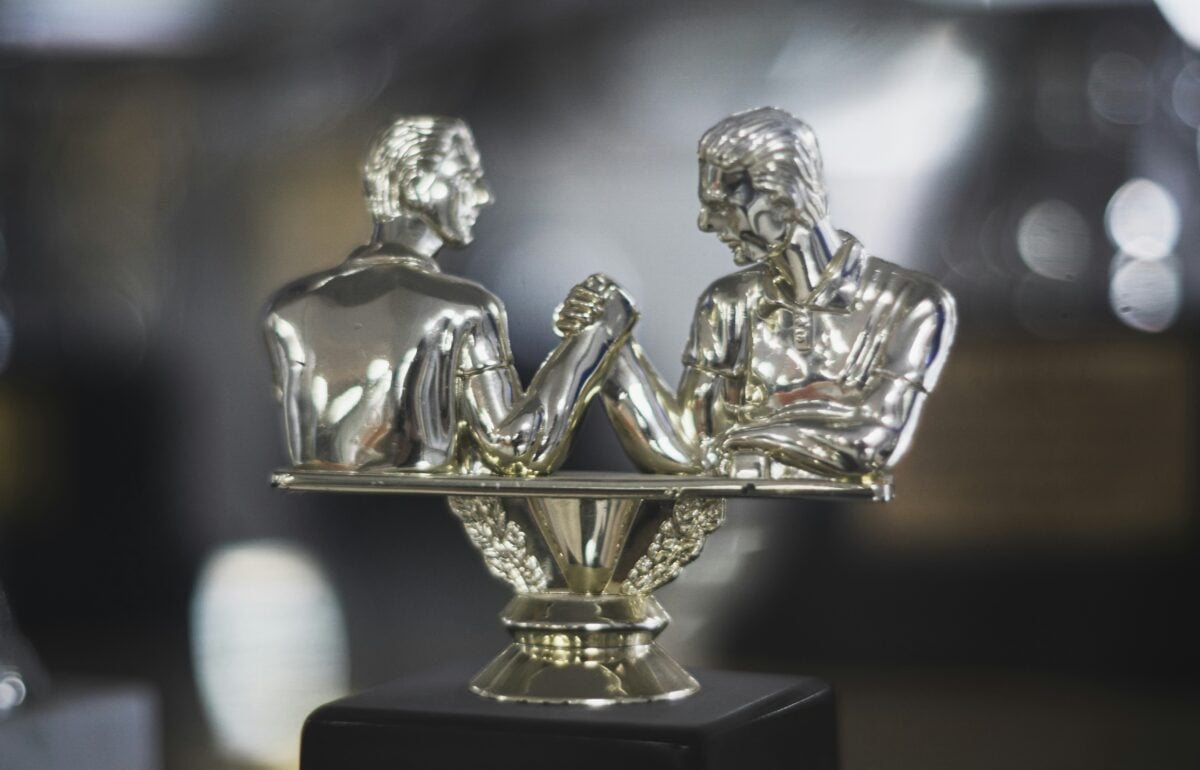
Lincoln stood 6’4″ in an era when the average man barely reached 5’7″. That height came with surprising strength.
Before entering politics, he competed in nearly 300 wrestling matches and lost only one. His signature move involved grabbing opponents by the neck and shaking them like rag dolls.
The future president once threw a challenger so hard the man landed several feet away and refused a rematch. Local toughs in New Salem, Illinois learned not to mess with the lanky store clerk.
When a gang leader named Jack Armstrong challenged him, Lincoln accepted on the condition that it be a fair fight. He won decisively, earning Armstrong’s lifelong friendship and respect.
The National Wrestling Hall of Fame inducted Lincoln in 1992, making him the only president with that distinction.
His Depression Nearly Killed Him

Lincoln battled what he called “melancholy” throughout his life. In January 1841, after breaking off his engagement with Mary Todd, he became so despondent that friends removed all razors and knives from his room.
He stayed in bed for days, unable to work or eat. Friends feared he would take his own life. He wrote to his law partner John Stuart: “I am now the most miserable man living.
If what I feel were equally distributed to the whole human family, there would not be one cheerful face on earth.” This wasn’t teenage angst.
Lincoln was 32 and already a successful lawyer and politician. The depression returned in waves throughout his presidency, particularly after military defeats.
The Patent in His Name

Lincoln remains the only U.S. president to hold a patent. In 1849, he invented a device to lift boats over shoals and obstructions in rivers. The contraption used inflatable bellows attached to the vessel’s hull.
When the boat ran aground, crew members could inflate the bellows to lift it over the obstacle. The invention never went into production. Lincoln whittled a small wooden model, which now sits in the Smithsonian.
His background on flatboats navigating the Mississippi inspired the design. He had witnessed boats getting stuck on sandbars countless times and thought he could solve the problem.
The patent number was 6,469.
He Got Suspended from His Own Law License
In 1855, the Illinois Supreme Court temporarily suspended Lincoln’s law license. The reason?
He failed to pay a court fee of $4.80. This wasn’t poverty—Lincoln was already a prosperous attorney. He simply forgot to pay the fee after winning a case.
The suspension lasted only until he paid up, which he did immediately after being notified. Still, the future president spent a brief period as a lawyer who couldn’t practice law.
Court records show he paid the fine with no recorded complaint or explanation for the oversight.
His Long String of Electoral Losses
Before becoming president, Lincoln lost more elections than he won. He ran for state legislature in 1832 and lost.
He ran for Congress in 1843 and lost. He ran for Senate in 1855 and lost.
He ran for Senate again in 1858 and lost to Stephen Douglas in what became known as the Lincoln-Douglas debates. That Senate race gained him national attention despite the loss.
Douglas won the seat, but Lincoln won the argument in the eyes of many Northerners. Two years later, the Republican party nominated Lincoln for president largely because he had lost that Senate race.
If he had won, he would have been tied to the Senate and unavailable for the presidential nomination.
His Son Was Saved by His Future Assassin’s Brother
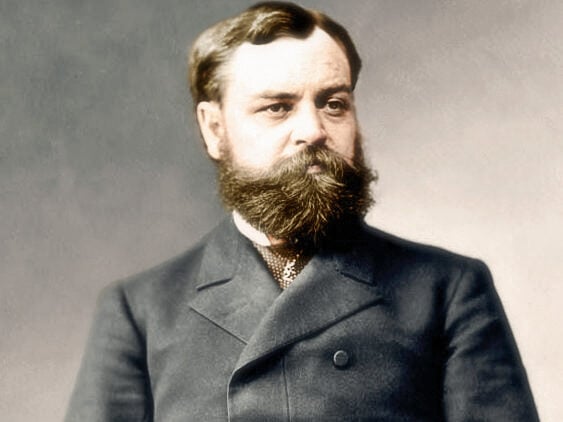
Robert Todd Lincoln, the president’s oldest son, nearly died in a train accident in 1864 or 1865 (accounts vary on the exact date). He was standing on a crowded platform in Jersey City when the train began moving.
Robert lost his footing and fell into the gap between the platform and the moving train car. A stranger grabbed his coat collar and pulled him to safety.
That stranger was Edwin Booth, one of America’s most famous actors and the brother of John Wilkes Booth, who would assassinate President Lincoln at Ford’s Theatre. Edwin had no idea who he had saved.
Robert recognized the famous actor and thanked him by name. Edwin learned the young man’s identity only later.
The Premonition That Haunted Him

Lincoln told several people about a recurring dream he had in the weeks before his death. In the dream, he walked through the White House and heard people crying.
He searched for the source of the grief, moving from room to room. Finally, he entered the East Room and saw a corpse lying in state, surrounded by mourners and soldiers standing guard.
“Who is dead in the White House?” he asked a soldier in the dream. “The President,” came the reply.
“He was killed by an assassin.” Lincoln reportedly told this dream to his wife Mary and his friend Ward Hill Lamon just days before going to Ford’s Theatre.
Lamon begged him not to attend the play.
He Pardoned His Assassin’s Brother
Before the assassination, Lincoln showed mercy to John Wilkes Booth’s brother Junius in an unrelated matter. Junius Booth Jr. had been arrested for making disloyal statements in 1862.
The case reached Lincoln’s desk, and he pardoned the actor despite evidence of Confederate sympathies. The pardon came with no conditions and no public acknowledgment.
Lincoln signed it as one of hundreds of similar cases that crossed his desk during the war. Junius never knew he owed his freedom to the man his brother would murder three years later.
His Unusual Relationship with Animals

Lincoln hated hunting and refused to kill animals even for food. As a boy, he wrote an essay condemning cruelty to animals that shocked his teachers with its passion.
When his sons brought home stray cats, Lincoln let them stay despite Mary’s protests. The White House was filled with cats during his presidency.
He once stopped a military procession to rescue three kittens he found shivering in a telegraph hut. His officers waited while the president of the United States, in the middle of a war, made sure the kittens were warm and fed.
He carried them inside his coat for the rest of the journey. Grant’s memoirs mention Lincoln’s concern for the welfare of army horses and mules.
He Fired His Bodyguard and Died for It
Ward Hill Lamon served as Lincoln’s self-appointed bodyguard throughout most of the Civil War. A former law partner and skilled fighter, Lamon took the job seriously.
He carried multiple pistols and knives and slept outside Lincoln’s bedroom door when threats seemed credible. Lincoln found this excessive and often dismissed Lamon’s concerns.
On April 14, 1865, Lincoln sent Lamon on an assignment to Richmond. Lamon begged not to go, sensing danger.
Lincoln insisted. That night, Lincoln attended Ford’s Theatre with a single guard who left his post to get a drink.
John Wilkes Booth walked into the unguarded box and fired a single shot. Lamon arrived back in Washington too late, consumed with guilt for the rest of his life.
The Father He Never Forgave
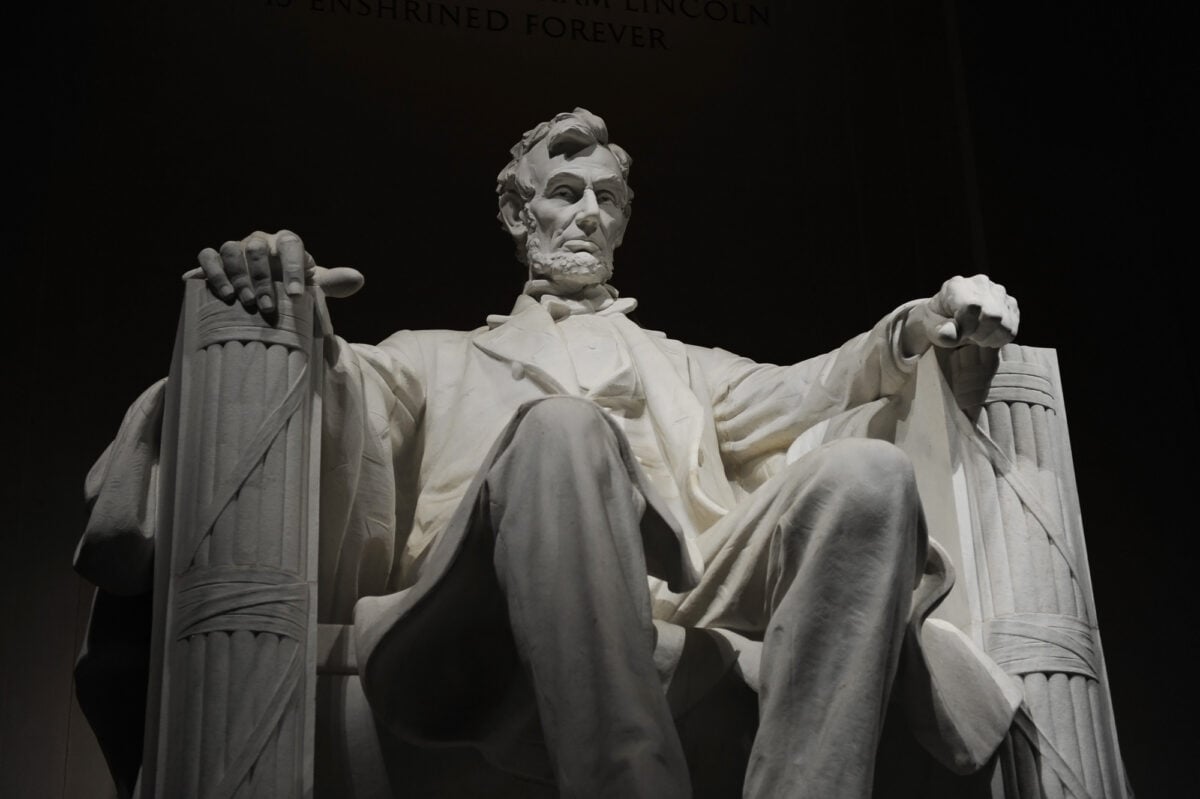
Lincoln’s relationship with his father Thomas was cold and complicated. When Thomas lay dying in 1851, he asked to see his son one last time.
Lincoln refused to visit. He sent a letter instead, offering spiritual comfort but no physical presence.
Thomas died without seeing his son. Lincoln rarely mentioned his father in speeches or letters.
When he did, the words were neutral or critical. Thomas had hired out young Abraham to neighbors for manual labor and kept the wages, which was legal but bred resentment.
After becoming president, Lincoln never visited his father’s grave. This stark absence speaks louder than most things Lincoln said about his childhood.
His Pockets on the Night He Died
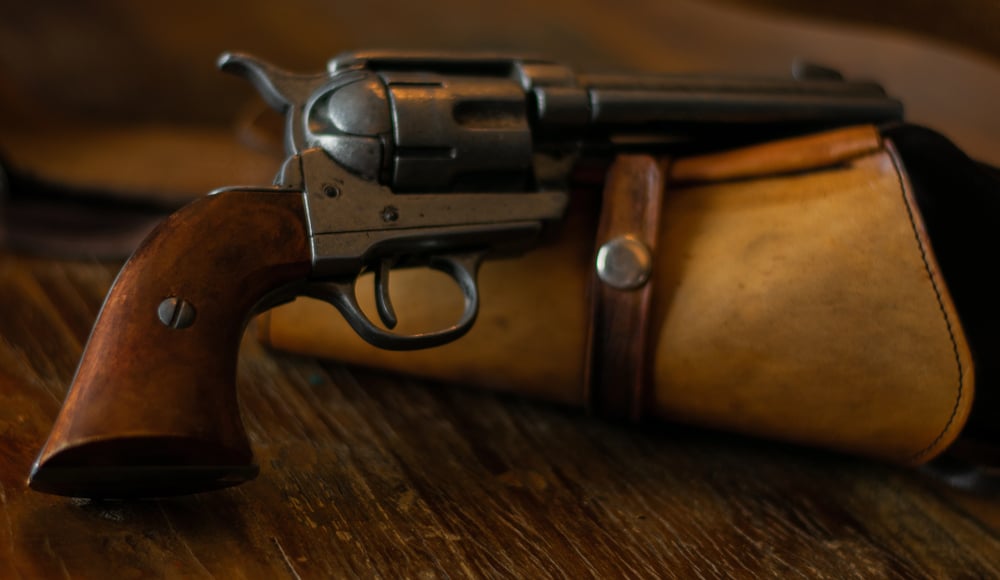
When John Wilkes Booth shot Lincoln, the president was carrying some odd items. His pockets contained two pairs of spectacles, a pocketknife, a watch fob, a linen handkerchief, a brown leather wallet containing a Confederate five-dollar bill, and eight newspaper clippings.
All the clippings praised Lincoln’s policies and leadership. The Confederate bill raises questions historians still debate.
Did someone give it to him out of curiosity? Did he take it from a captured Confederate officer? The Library of Congress preserves these items today.
The newspaper clippings suggest that even Lincoln, often wracked with self-doubt, needed occasional reminders of his accomplishments.
He Grew the Beard Because a Child Asked
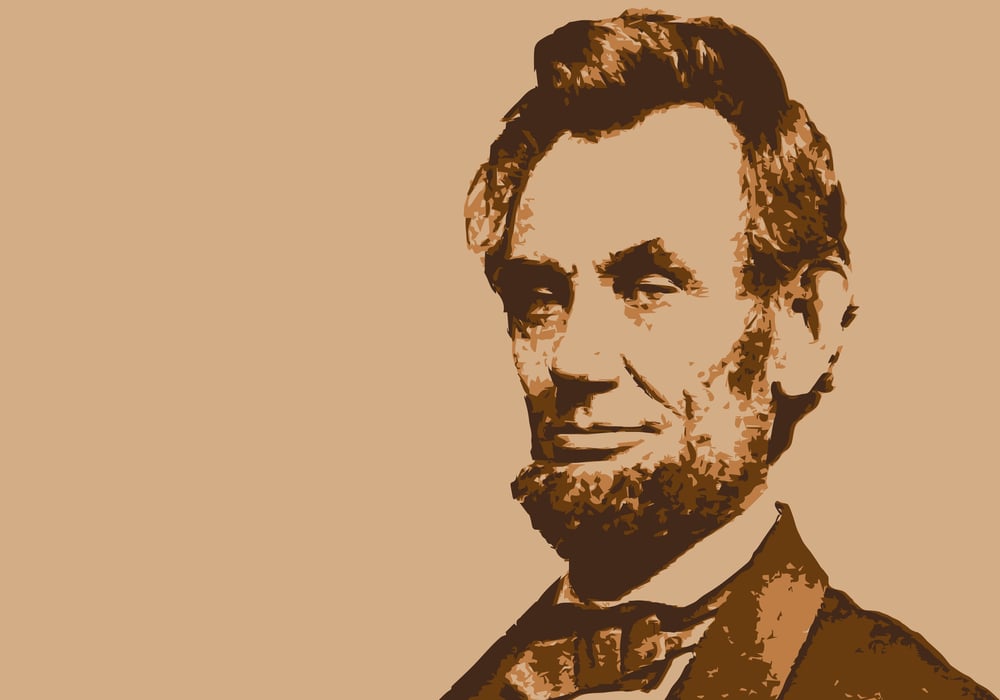
In October 1860, 11-year-old Grace Bedell wrote to presidential candidate Lincoln suggesting he grow a beard. “You would look a great deal better if your face is so thin,” she wrote.
“All the ladies like whiskers and they would tease their husbands to vote for you and then you would be President.” Lincoln wrote back: “As to the whiskers, having never worn any, do you not think people would call it a silly affection if I were to begin it now?” But he did begin.
By the time he left Springfield for Washington in February 1861, he had a full beard. When his train stopped in Grace’s hometown of Westfield, New York, he asked for her by name, stepped off the train, and gave her a kiss.
He wore the beard for the rest of his life.
He Kept a Crazy Folder
Lincoln maintained a folder in his desk labeled “Assassination.” It contained over 80 letters threatening his life.
He read each one and filed it away without much concern. Some included detailed plans for how the writer intended to kill him.
Others were vague rants. A few came from people who claimed divine instruction to murder the president.
His secretaries begged him to take the threats seriously. Lincoln shrugged them off. “If anyone wants to kill me, he will do it,” he told them.
The folder grew thicker as the war progressed, but Lincoln’s precautions did not. He walked around Washington without guards, attended the theater regularly, and rode alone to the Soldiers’ Home on the outskirts of the city.
The threats were real. His indifference was genuine.
What the Marble Won’t Show

History tends to smooth out the wrinkles. The monument builders want clean lines and simple stories.
But Lincoln was a man who wrestled for sport, battled his own mind, invented things, lost elections, rescued cats, and refused to see his dying father. He carried newspaper clippings about himself and ignored death threats.
He grew a beard because a child suggested it and died partly because he sent his bodyguard away. These details don’t diminish his achievements.
They make them more remarkable. The man who saved the Union wasn’t a marble statue making speeches.
He was a person who struggled and doubted and kept going anyway. That’s worth remembering.
More from Go2Tutors!

- The Romanov Crown Jewels and Their Tragic Fate
- 13 Historical Mysteries That Science Still Can’t Solve
- Famous Hoaxes That Fooled the World for Years
- 15 Child Stars with Tragic Adult Lives
- 16 Famous Jewelry Pieces in History
Like Go2Tutors’s content? Follow us on MSN.