Unusual Materials Used to Build Historic Cars
Begun as one big test of trial and error, the first days of cars unfolded without clear rules. Not only did builders craft motors and moving parts, yet they wrestled with what shells could hold them together.
Metal won out in time, still it wasn’t destined from day one. Pressed by price limits, missing supplies, also wild guesses, creators reached for materials we’d now find odd, maybe absurd.
Imagine labs buzzing not with tricks, but purpose. Every substance picked answered real pressures – war shortages, clunky factories, hopes that slim, low-cost vehicles might catch on.
Picture odd ingredients steering wild turns in car stories nobody saw coming.
Wood Bodies And Frames
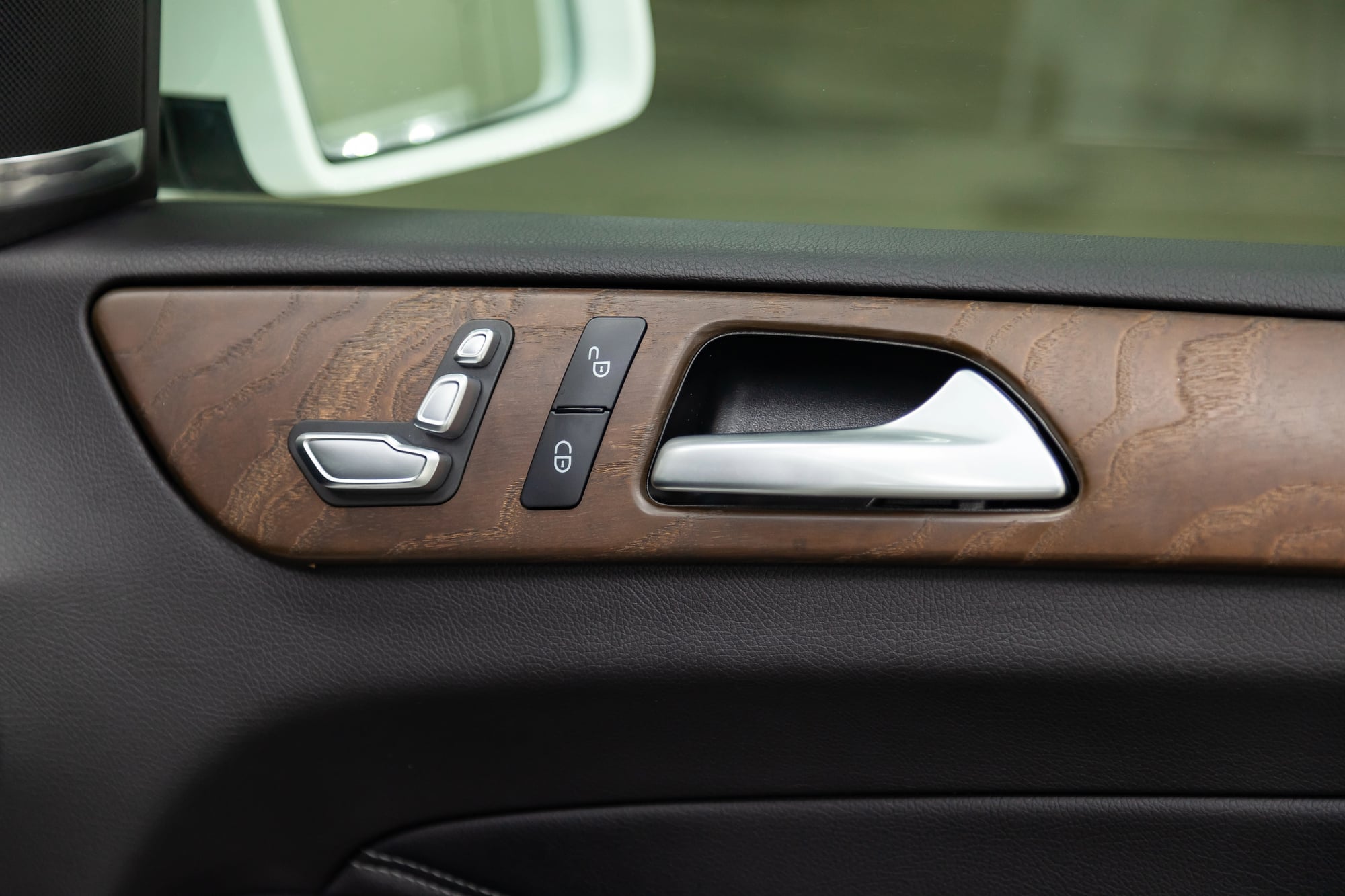
In the earliest days of motoring, wood was an obvious choice. Carriage builders already knew how to shape it, repair it, and join it together.
Many early automobiles borrowed heavily from horse-drawn construction methods, using wooden frames and body panels mounted to metal running gear.
Wood offered flexibility and ease of production, but it came with clear limits. Exposure to weather caused warping and decay, and crashes often led to splintering rather than controlled deformation.
As speeds increased and expectations changed, wood gradually gave way to metal. Still, its influence lingered, especially in framing techniques that informed later construction methods.
Wicker Seating
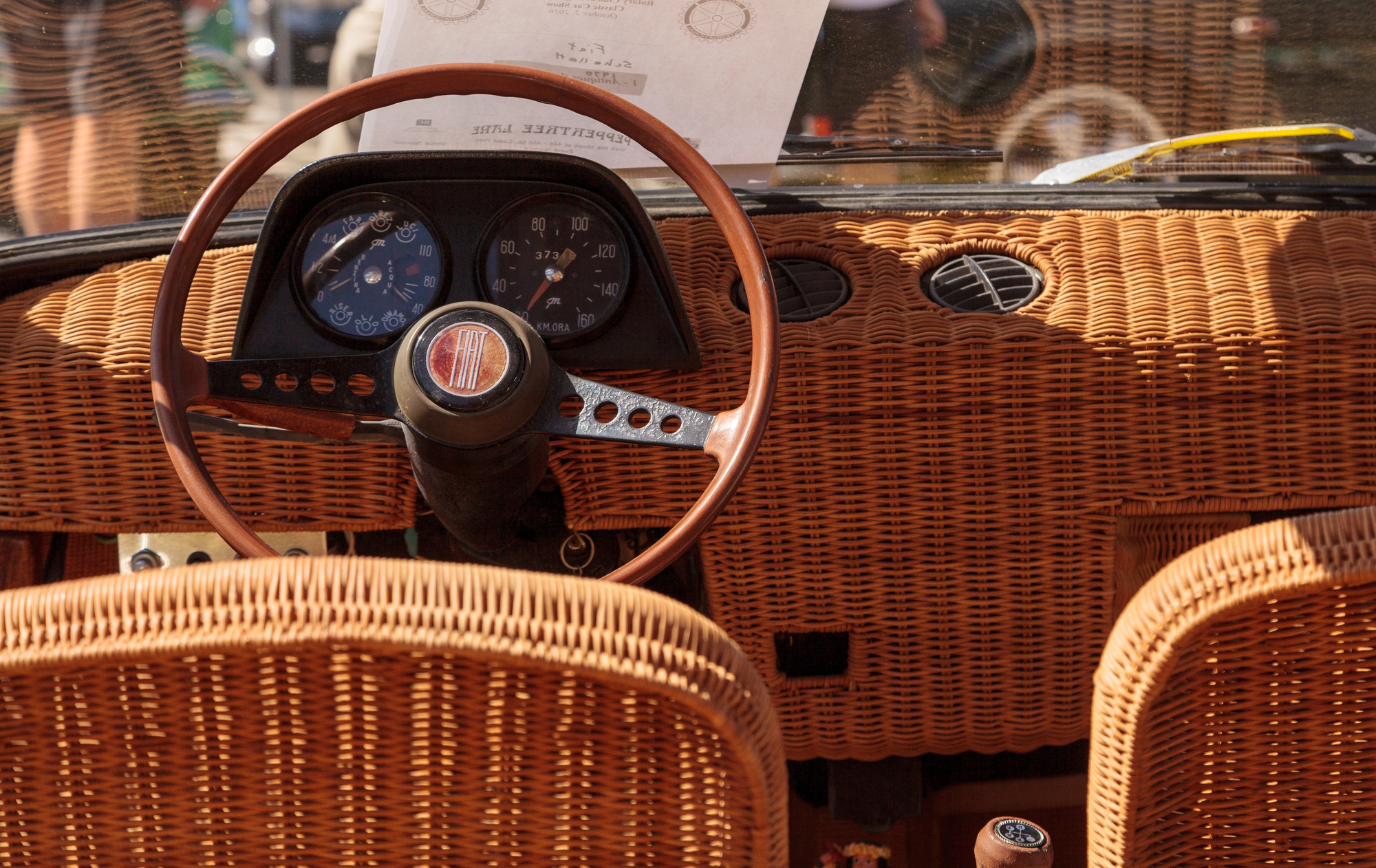
Some of the earliest race cars featured seats made from wicker, a material more commonly associated with porch furniture. The logic was simple and practical.
Wicker was lightweight, breathable, and relatively easy to replace if damaged.
At a time when comfort was secondary to performance and durability, wicker served its purpose well. Drivers endured long races exposed to the elements, and airflow through the seating helped manage heat.
As racing evolved and safety concerns grew, wicker disappeared from the cockpit, replaced by sturdier and more protective designs.
Aluminum Panels

Aluminum may not seem unusual today, but in the early twentieth century it was expensive and difficult to work with. Its use in cars signaled ambition rather than thrift.
Designers valued its light weight, which improved performance and efficiency at a time when engines were relatively weak.
Crafting aluminum panels required skilled labor and careful shaping. Dents were common, and repairs were costly.
Over time, advances in metallurgy and manufacturing made aluminum more practical. What began as a niche experiment eventually became a cornerstone of modern vehicle design.
Fabric Bodies
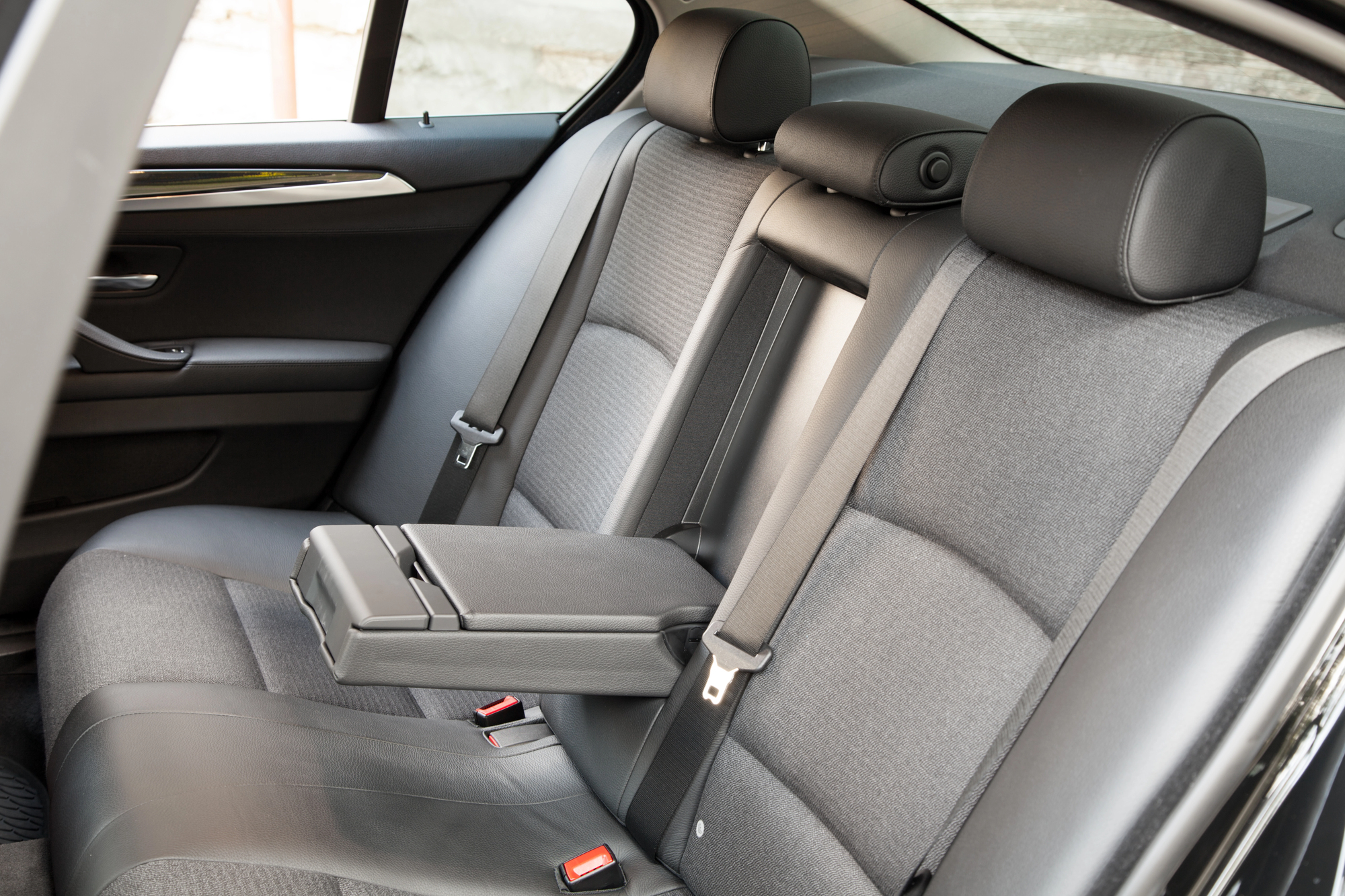
During periods of material scarcity, especially in the years surrounding global conflicts, fabric emerged as a surprising substitute for metal body panels. These cars used wooden frames covered with treated cloth, often reinforced with resins or coatings to add durability.
Fabric bodies were lighter and cheaper to produce, but they lacked long-term resilience. Weather exposure took its toll, and the perception of fragility limited consumer confidence.
Even so, these vehicles demonstrate how necessity can drive innovation, pushing builders to rethink what counts as a viable structural material.
Magnesium Alloys

Magnesium alloys appeared in several historic performance cars, prized for their extremely low weight. Engineers seeking speed advantages were willing to accept higher costs and greater complexity in exchange for improved acceleration and handling.
The challenges were significant. Magnesium was difficult to cast consistently and required careful handling during manufacturing.
Repairs were tricky, and corrosion was a constant concern. Despite these drawbacks, magnesium helped advance lightweight design principles that still influence high-performance engineering today.
Bakelite And Early Plastics

Long before plastic interiors became common, early synthetic materials like Bakelite found their way into dashboards, knobs, and trim pieces. These materials offered consistent shapes, electrical insulation, and a modern appearance that metal and wood struggled to match.
Bakelite was brittle and prone to cracking, but it represented a major shift in thinking. Cars were no longer assembled entirely from traditional materials.
Instead, they became platforms for experimenting with industrial chemistry. This quiet transformation paved the way for the extensive use of polymers in later decades.
Fiberglass Bodies
Fiberglass marked a turning point in automotive construction. It allowed manufacturers to create complex shapes without heavy stamping equipment, opening the door for low-volume production and bold designs.
Sports cars and concept vehicles embraced fiberglass for its flexibility and cost advantages.
The material was not without flaws. Early fiberglass panels varied in quality and could suffer from cracking over time.
Still, it enabled small manufacturers to compete creatively and challenged the assumption that metal was the only viable body material. Fiberglass reshaped both aesthetics and accessibility in car design.
Cardboard-Based Composites

During extreme shortages, some manufacturers experimented with composite panels that included processed cardboard. These materials were layered and treated to improve strength, offering a stopgap solution when metal supplies were limited.
These cars were never meant to last decades. They were products of their moment, built to keep transportation moving under difficult conditions.
While their longevity was limited, they highlight the lengths engineers went to maintain mobility when conventional options were unavailable.
Rubber Components Beyond Tires

Rubber found its way into more than just tires in historic cars. Early designers used it for suspension elements, engine mounts, and even body isolation systems.
The goal was to reduce vibration and improve ride comfort on rough roads.
Rubber’s flexibility offered immediate benefits, but durability remained a challenge. Exposure to heat and environmental factors shortened lifespan.
Even so, these early applications laid the groundwork for modern vibration control systems that remain essential in today’s vehicles.
Stainless Steel Panels

Stainless steel body panels appeared as bold statements rather than practical solutions. The material resisted corrosion and promised longevity, but it was heavy and difficult to shape.
Manufacturing required specialized techniques that drove up costs.
The visual impact was undeniable. Cars built with stainless steel stood out instantly, projecting a futuristic image that matched the optimism of their era.
While the approach never became mainstream, it remains one of the most visually distinctive material experiments in automotive history.
Paper-Based Interior Elements
Paper and fiberboard appeared in interior panels, headliners, and insulation during various periods. These materials were inexpensive, lightweight, and easy to form.
In an era before strict durability standards, they served their purpose well.
Over time, wear and moisture exposure revealed their limitations. Still, their use reflects a broader willingness to treat cars as evolving products rather than permanent objects.
Interiors, in particular, became testing grounds for materials that balanced cost and comfort.
What These Choices Reveal
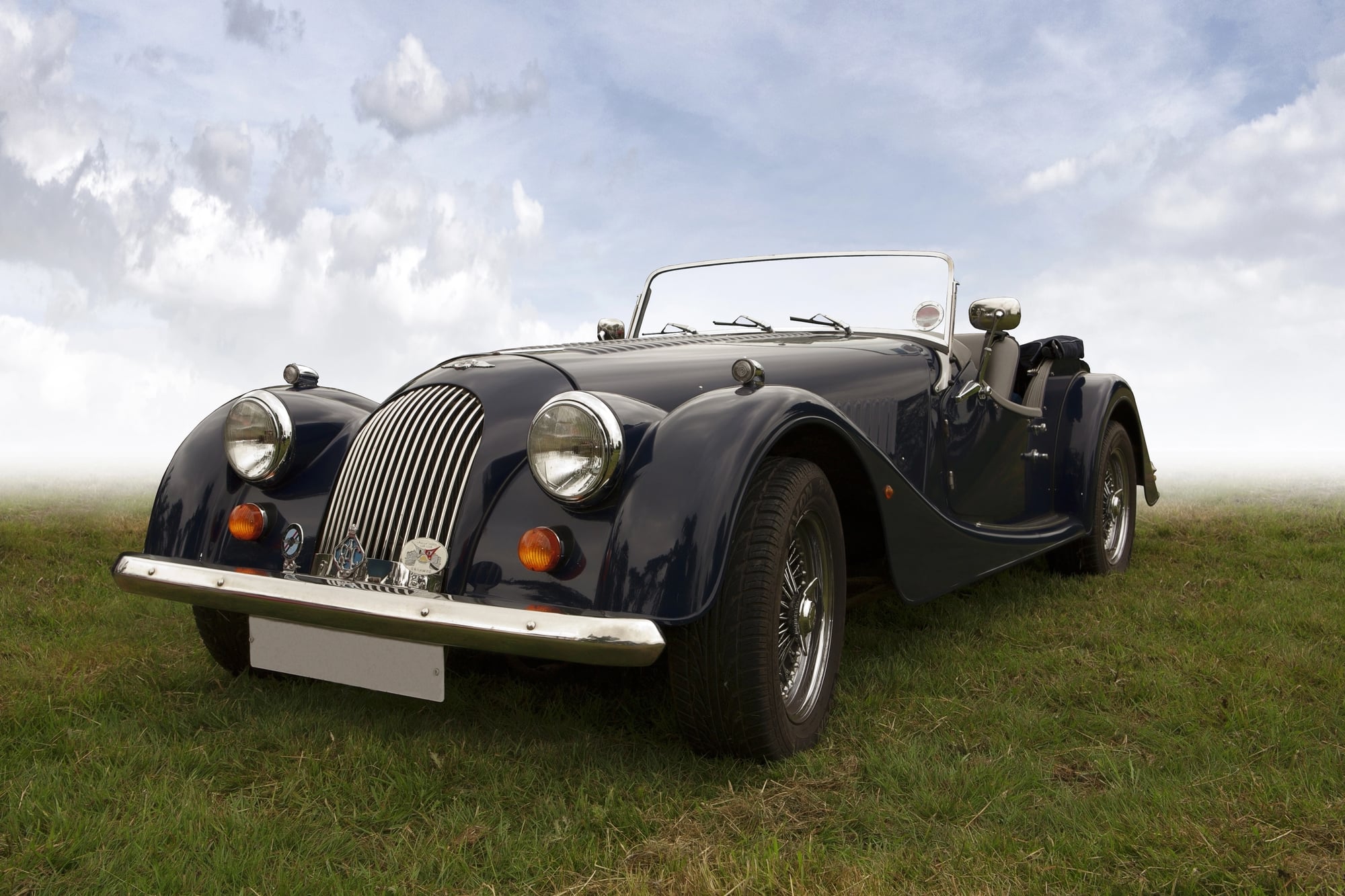
Unusual materials in historic cars were rarely about novelty alone. They reflected real constraints and ambitions, whether saving weight, reducing cost, or working around supply shortages.
Each experiment added to a growing body of knowledge about safety, durability, and manufacturability.
Many of these materials disappeared not because they failed outright, but because better options emerged. Progress in automotive design often involves discarding good ideas in favor of better ones, informed by hard lessons learned on the road.
Why It Still Matters Today

Out of nowhere, wheels began rolling on inventions shaped by trial more than plan. Not only did tinkerers craft motors, yet they questioned every piece meant to hold them together.
Metal won in the end – steel claimed the frame – but back then, nobody could tell. Shortages nudged builders toward odd choices; so did wonderment.
Things once tested would today seem outlandish, almost dreamlike. Not tricks – these tests answered real needs.
When war cut supplies, builders used what they could find. Machines back then could only shape certain stuff, so choices narrowed.
A hunch spread: small cost, light frame – that is what buyers wanted. Step into stories where wood, plastic, even paper played parts under the hood.
More from Go2Tutors!

- The Romanov Crown Jewels and Their Tragic Fate
- 13 Historical Mysteries That Science Still Can’t Solve
- Famous Hoaxes That Fooled the World for Years
- 15 Child Stars with Tragic Adult Lives
- 16 Famous Jewelry Pieces in History
Like Go2Tutors’s content? Follow us on MSN.