15 Vintage Photos of Life in the 1950s
The 1950s holds a special place in American memory as a decade of prosperity, optimism, and transformation. Families grew, suburbs sprawled, and a new middle class emerged with money to spend on cars, appliances, and entertainment.
Television sets became living room centerpieces, teenagers developed their own culture, and the country seemed to hum with possibility despite the underlying tensions of the Cold War era. These snapshots from everyday life capture what it really looked like to live through those years.
Let’s take a look at some scenes that defined the decade.
Drive-in movie theaters packed with families
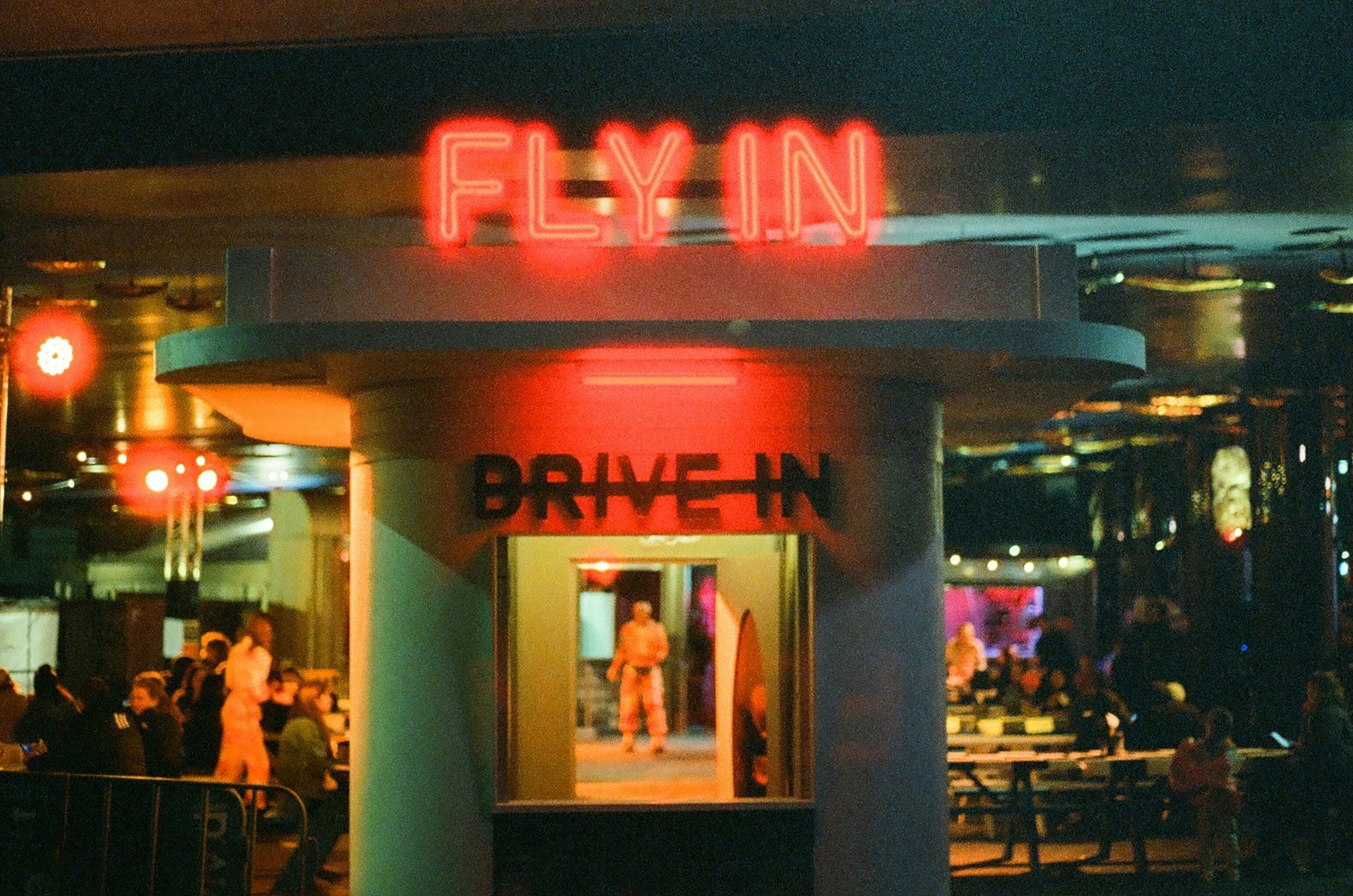
Cars lined up in neat rows under the stars while families settled in with snacks and blankets for a double feature. Drive-ins became the perfect weekend destination because parents could bring young children without worrying about disturbing other moviegoers.
The whole experience cost just a few dollars per carload, making it an affordable treat that brought communities together under the glow of enormous outdoor screens.
Soda fountains bustling with teenagers
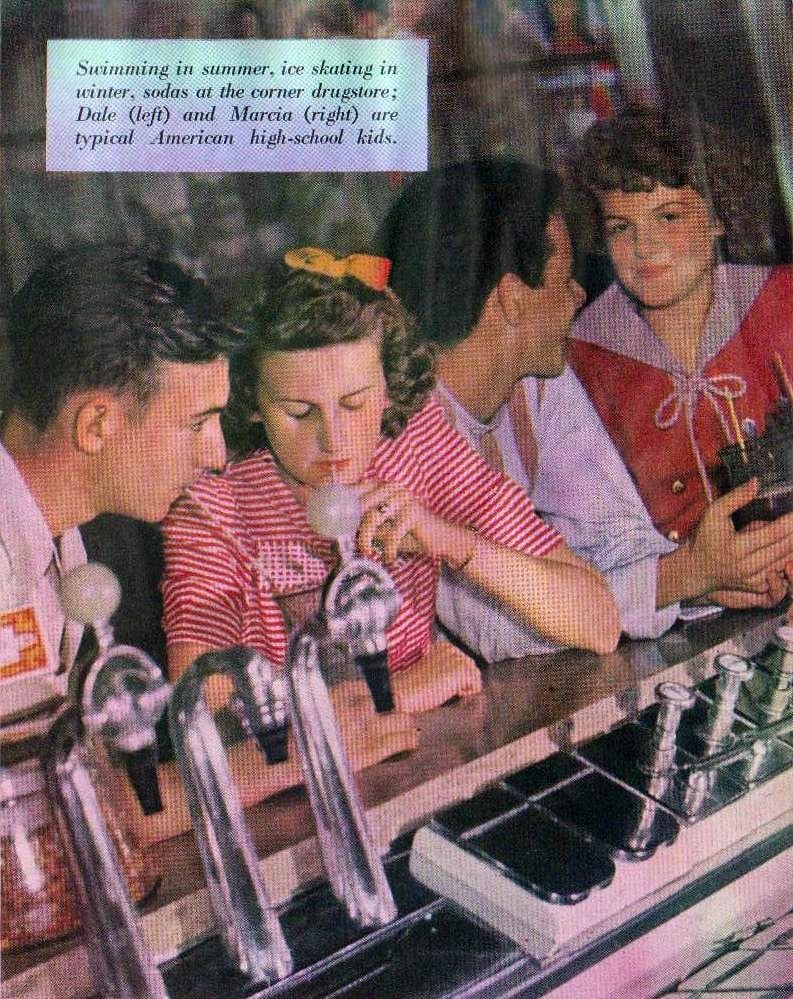
Local drugstores featured long counters where teens gathered after school to sip cherry Cokes and share the latest gossip. The soda jerk behind the counter knew everyone’s usual order and served up ice cream floats with practiced flair.
These spots became unofficial community centers where young people could socialize away from parental supervision, though never too far from watchful adult eyes.
Milkmen making early morning deliveries
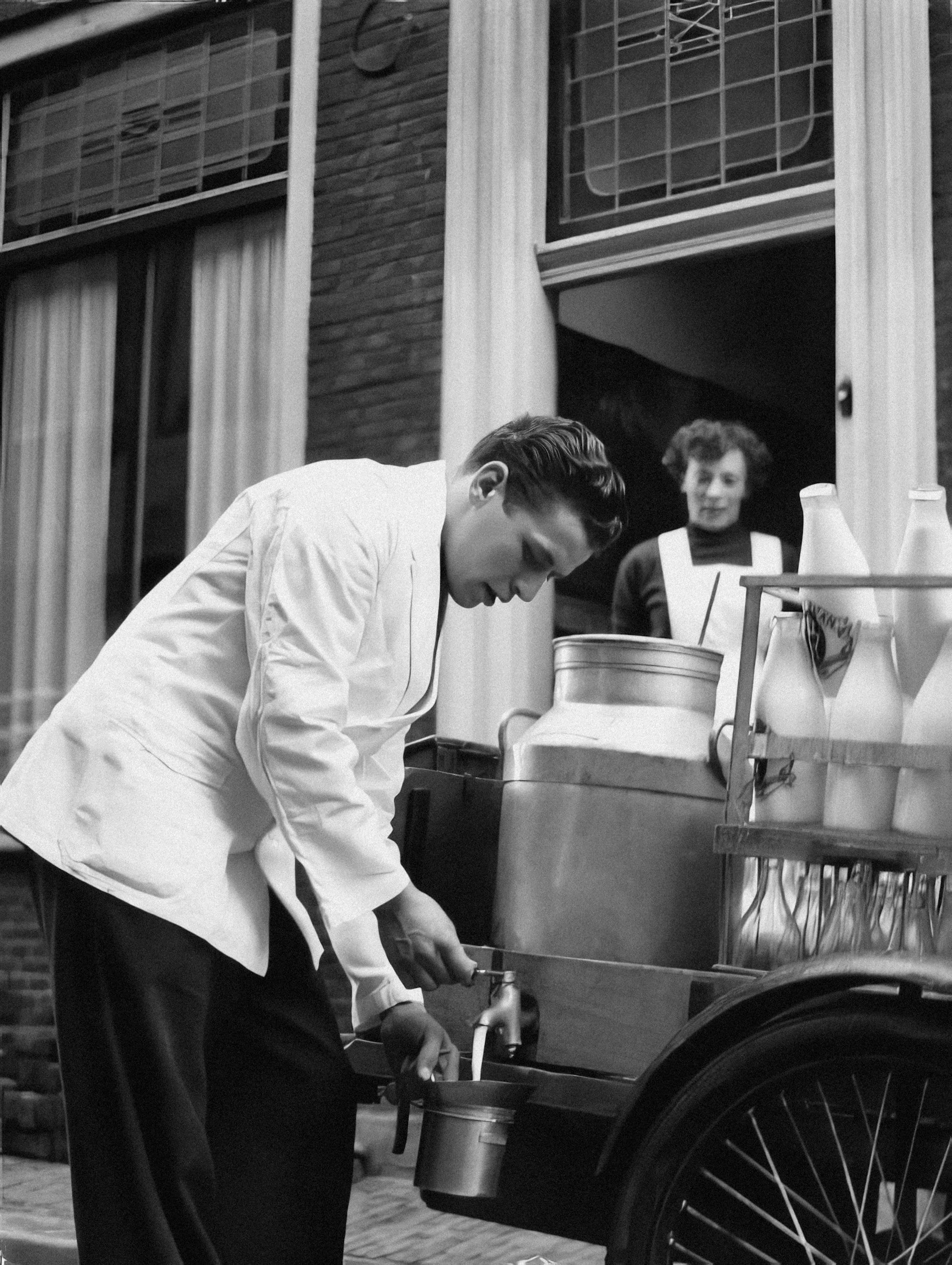
Before sunrise, milkmen quietly placed glass bottles on front porches across neighborhoods throughout America. Families left empty bottles out for exchange and sometimes notes requesting extra cream or eggs.
This daily ritual created a rhythm to household life that disappeared as supermarkets expanded and refrigerators grew larger.
Women in full skirts and pearls doing housework
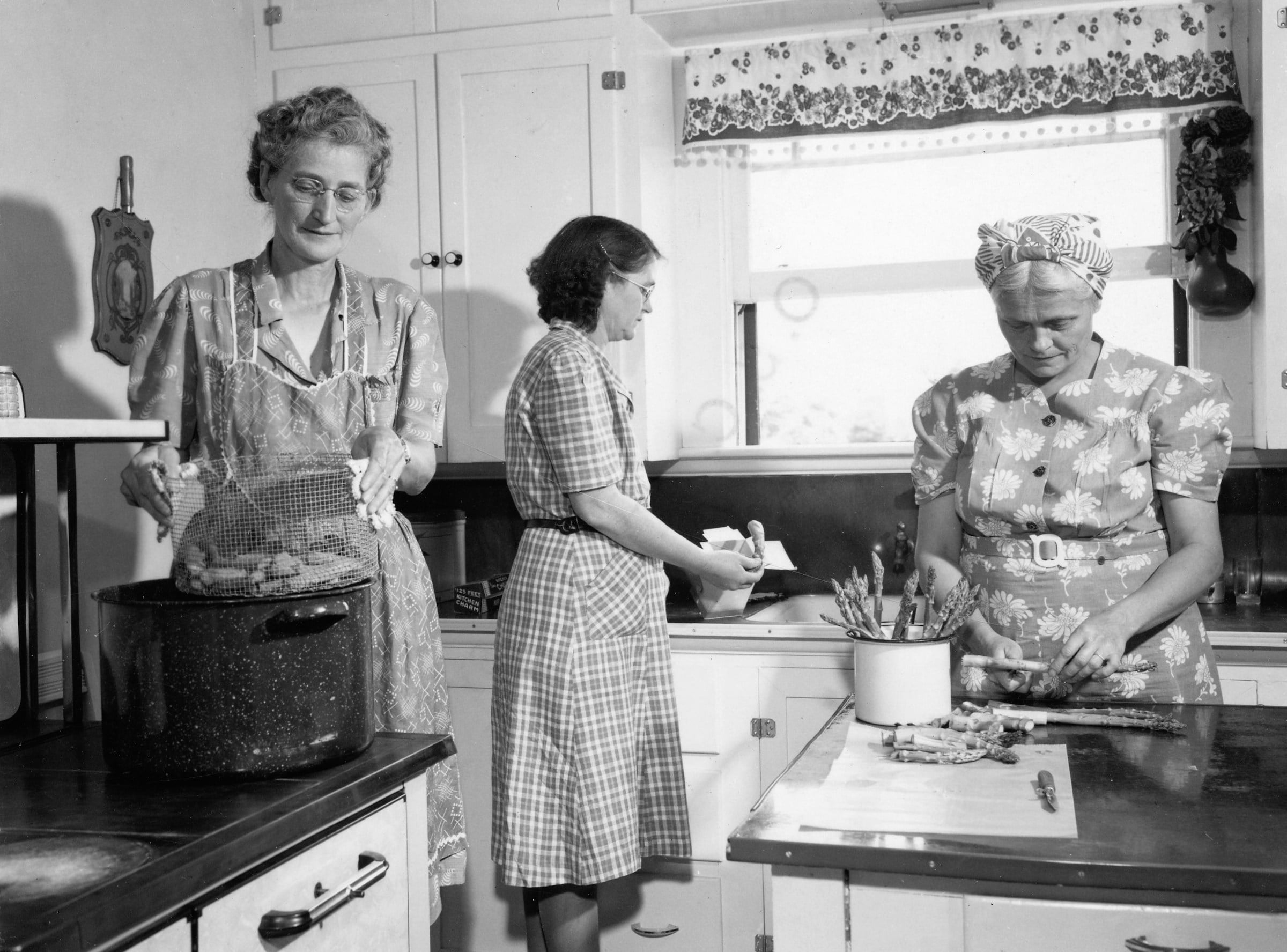
Homemakers dressed up even for mundane tasks like vacuuming or preparing dinner, often wearing heels and jewelry around the house. Magazine advertisements and television shows reinforced this polished image of domestic life.
The reality involved tremendous amounts of work without modern conveniences, though the photos rarely showed the exhaustion behind those carefully applied smiles.
Children playing freely in the streets
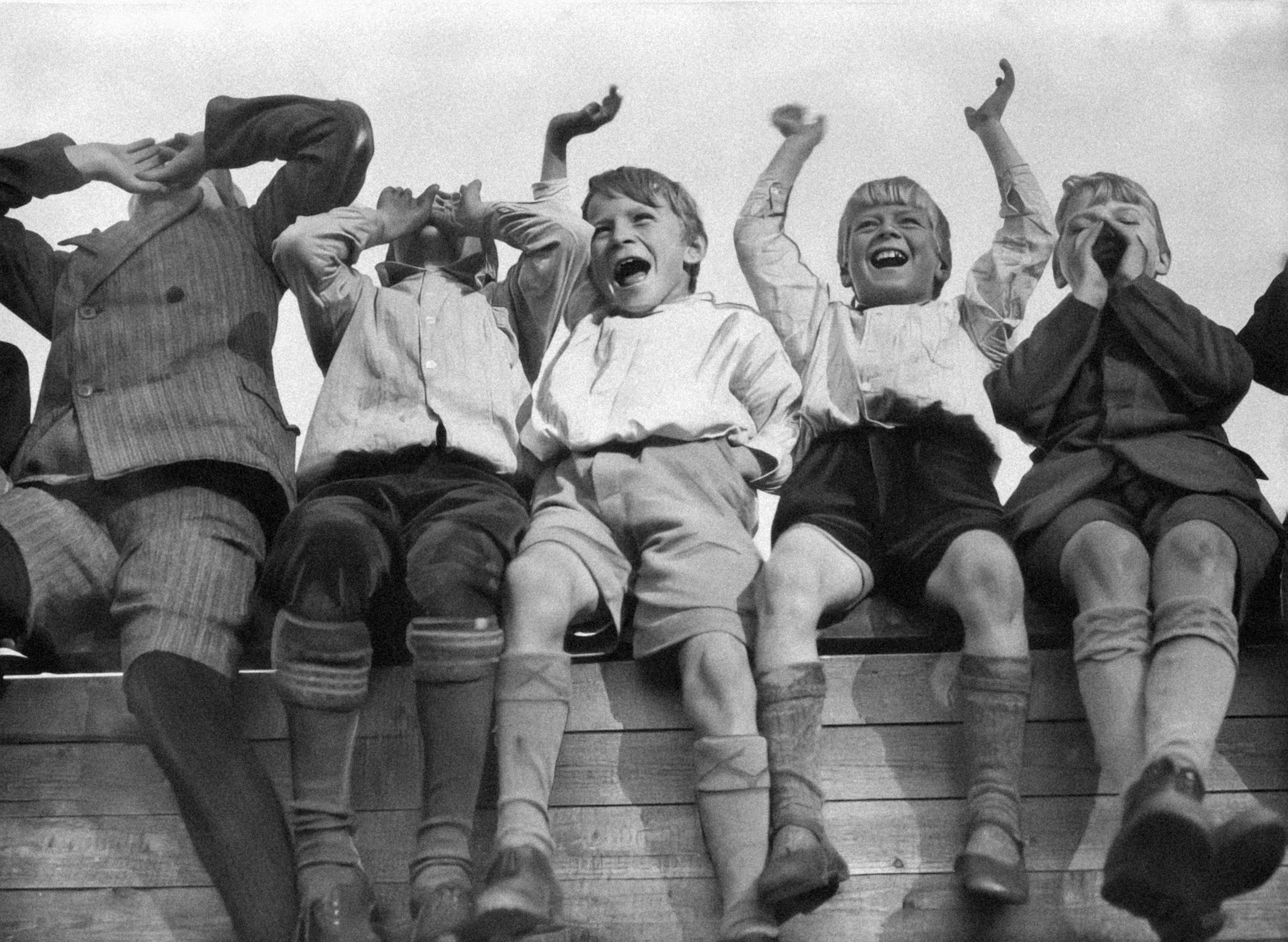
Kids spent entire summer days outside without adult supervision, returning home only when streetlights flickered on. Neighborhoods felt safe enough that parents thought nothing of letting young children roam several blocks from home.
Games like kick the can, stickball, and hopscotch filled the hours before dinner, and scraped knees were badges of honor rather than causes for alarm.
Families gathered around new television sets
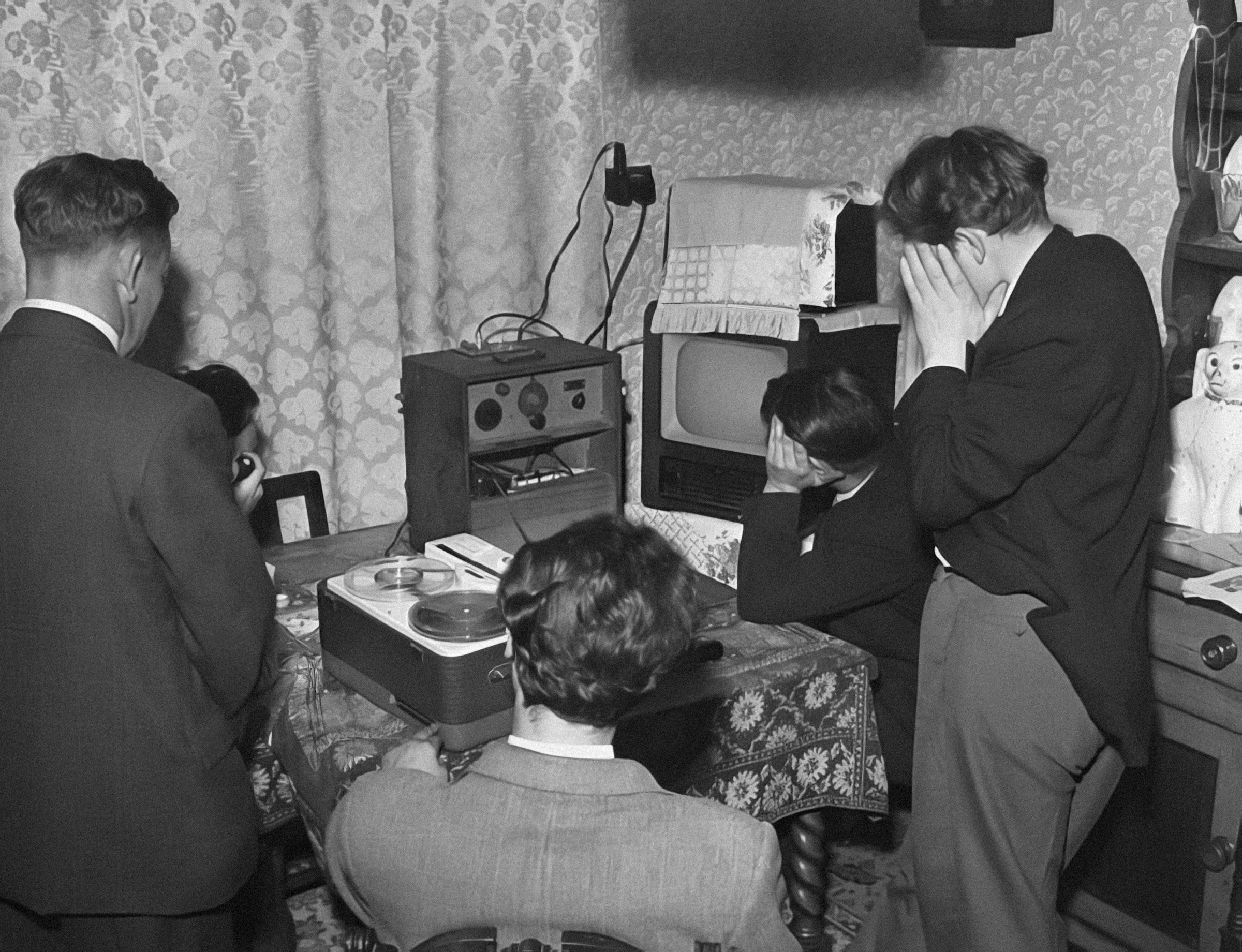
Living rooms rearranged themselves to face the newest household possession, with everyone scheduling their evenings around favorite programs. Shows aired once and disappeared forever unless you caught them live, creating shared cultural moments when millions watched the same thing simultaneously.
The blue glow from those small black-and-white screens became a new kind of hearth around which families assembled.
Diners serving blue-plate specials
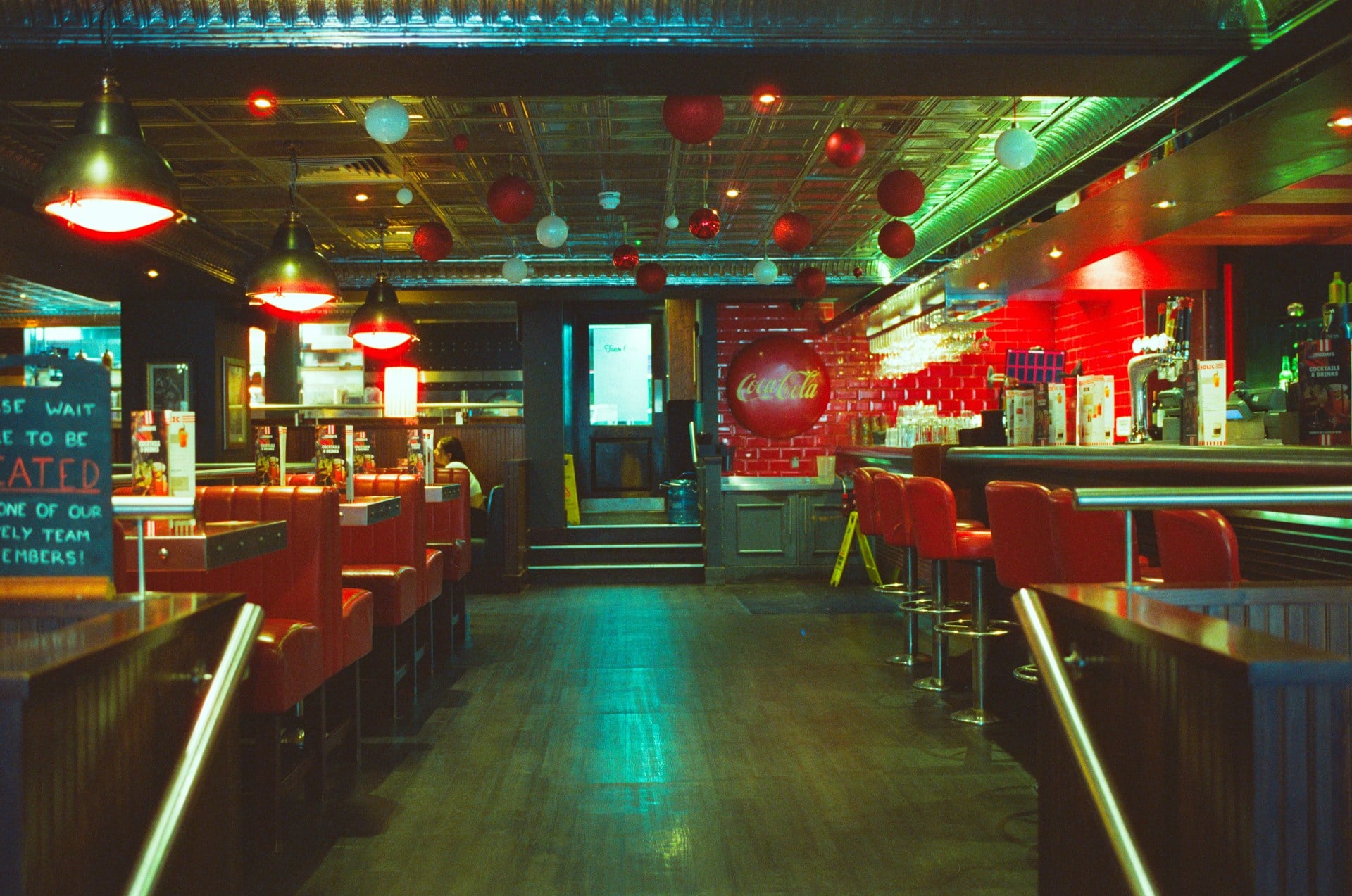
Chrome-trimmed restaurants with vinyl booths offered hearty meals at prices that seem unbelievable today. Waitresses in crisp uniforms knew their regular customers by name and often their usual orders too.
The jukebox in the corner played the latest hits while the smell of coffee and grilled onions filled the air.
Gas station attendants in uniform
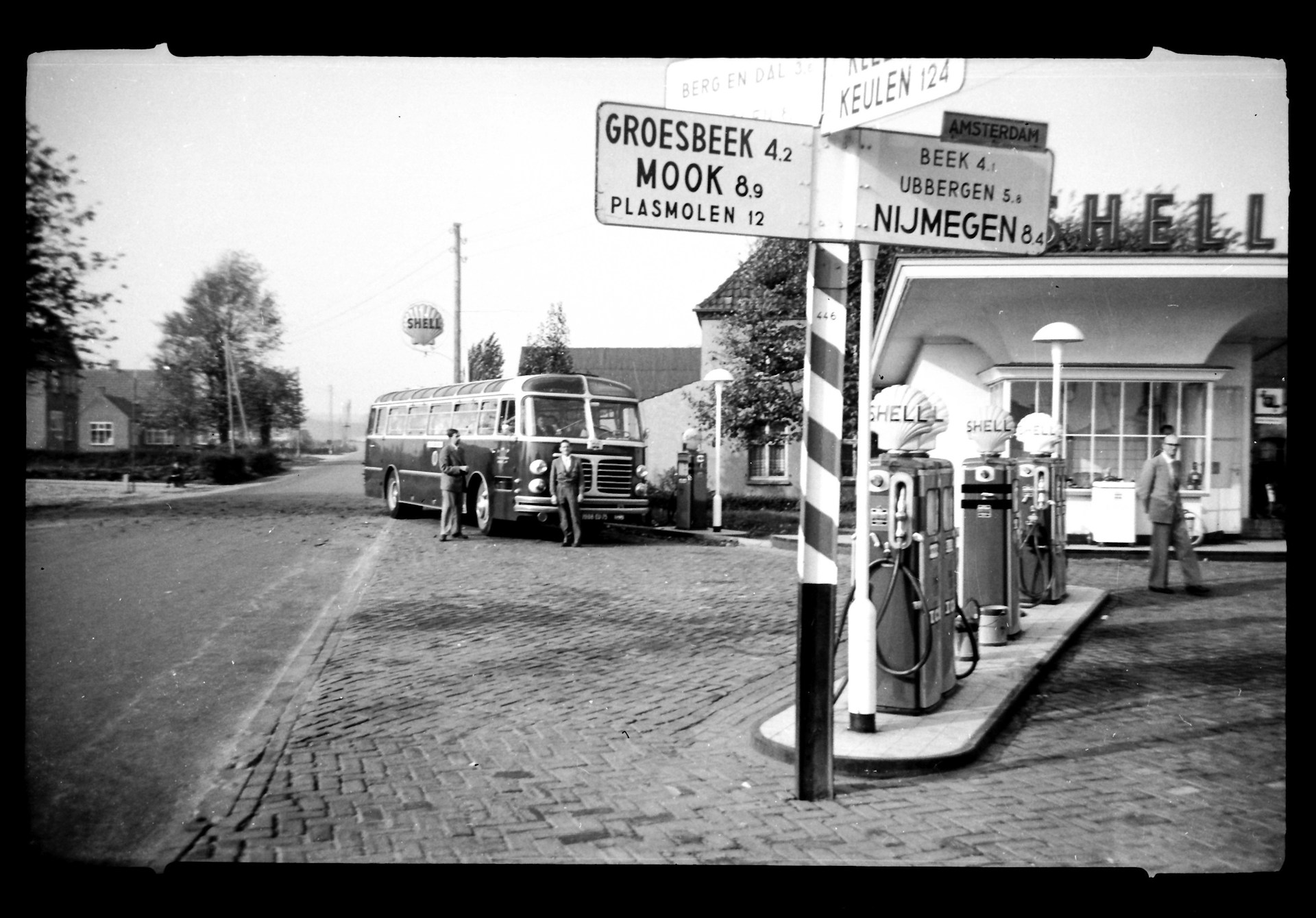
Pulling into a service station meant a team of attendants rushed out to pump gas, check oil, clean windshields, and inspect tire pressure. Full service came standard with every fill-up, and drivers rarely left their vehicles.
Those attendants in matching shirts and caps took pride in their work and competed to provide the fastest, friendliest service on the block.
Sock hops in high school gymnasiums
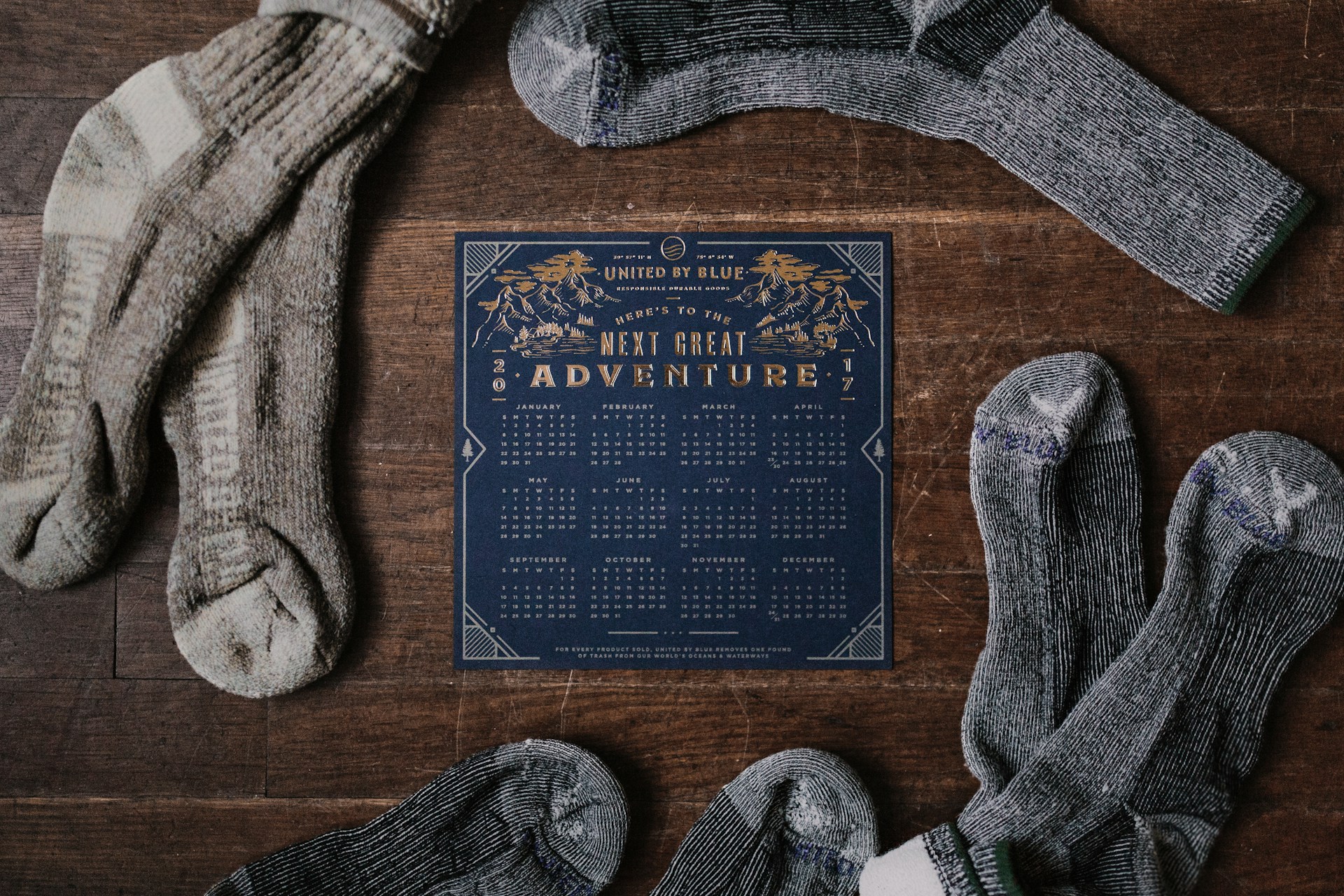
Teenagers kicked off their shoes to protect the gym floor and danced in their socks to rock and roll records. These chaperoned events gave young people a taste of independence while staying within the bounds of what adults considered acceptable.
The music was loud, the dancing was energetic, and the social hierarchies of high school played out on the dance floor.
Backyard barbecues with neighbors
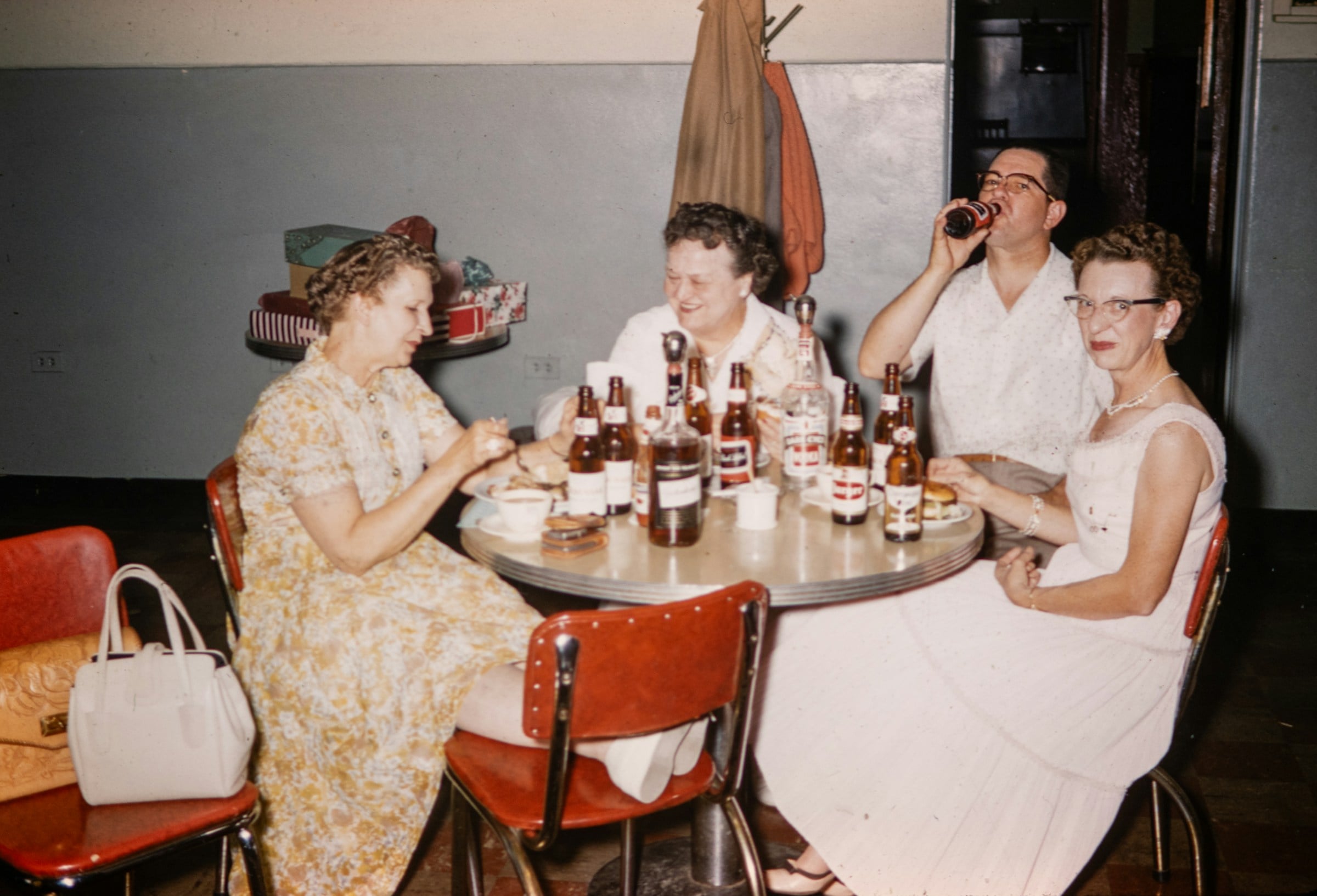
Suburban families fired up charcoal grills on warm evenings and invited everyone on the block to join them. Fathers manned the grill wearing aprons with jokey slogans while mothers brought out potato salad and lemonade.
These casual gatherings strengthened community bonds and showed off new patios, lawn furniture, and the latest in outdoor cooking equipment.
Greaser culture and hot rods
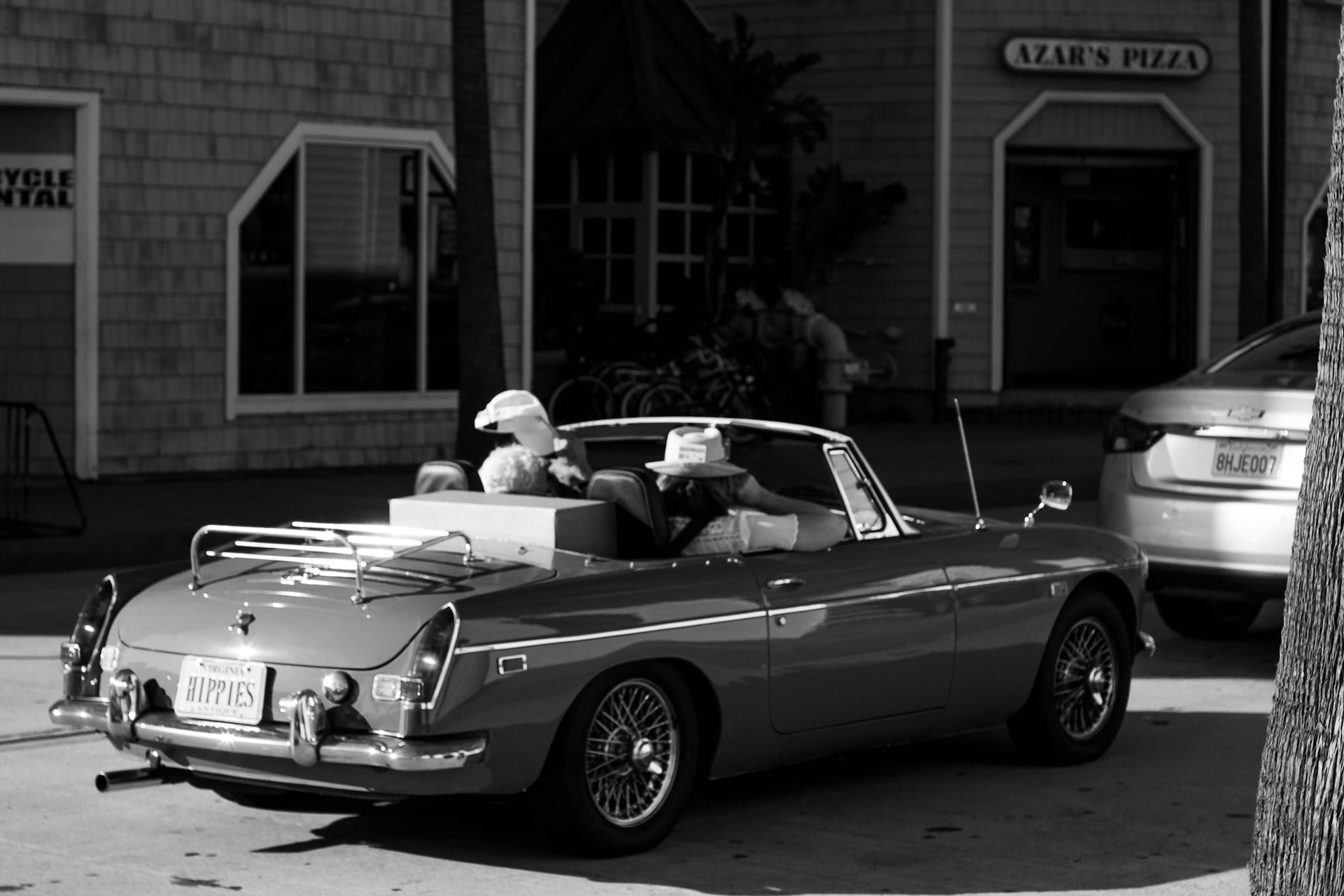
Young men spent countless hours customizing cars in their driveways, lowering suspensions and adding chrome details. Slicked-back hair, leather jackets, and rolled-up jeans became a uniform for those who rejected the clean-cut image promoted by mainstream culture.
Cruising main street on weekend nights turned into a ritual where style mattered as much as speed.
Department stores at Christmas
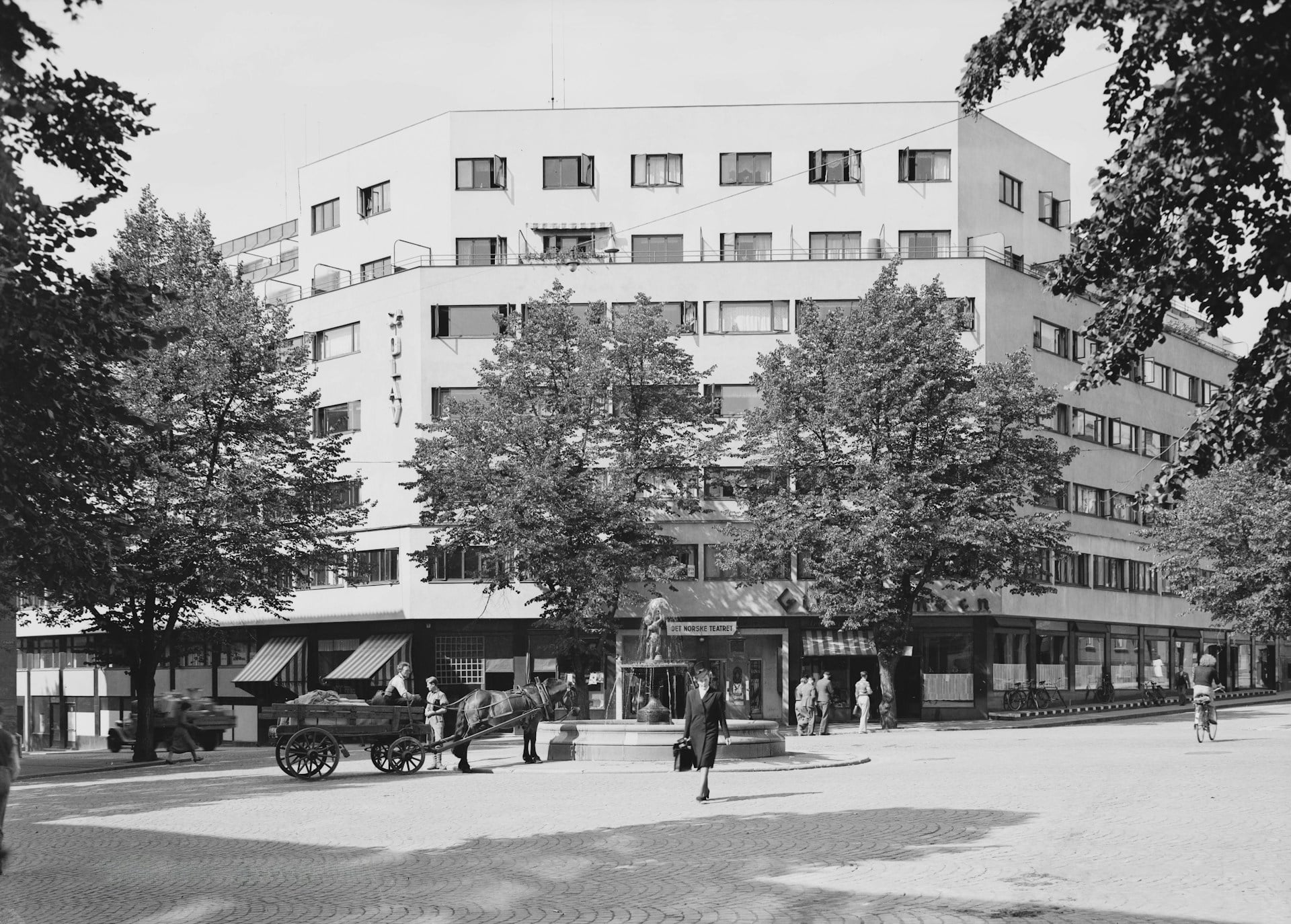
Elaborate window displays drew crowds to downtown shopping districts during the holiday season, and children pressed their noses against the glass to see animated scenes. Inside, shoppers navigated multiple floors of merchandise while elevator operators announced each department.
Santa held court in a special area where kids could whisper their wishes while parents waited in long lines.
Poodle skirts and saddle shoes
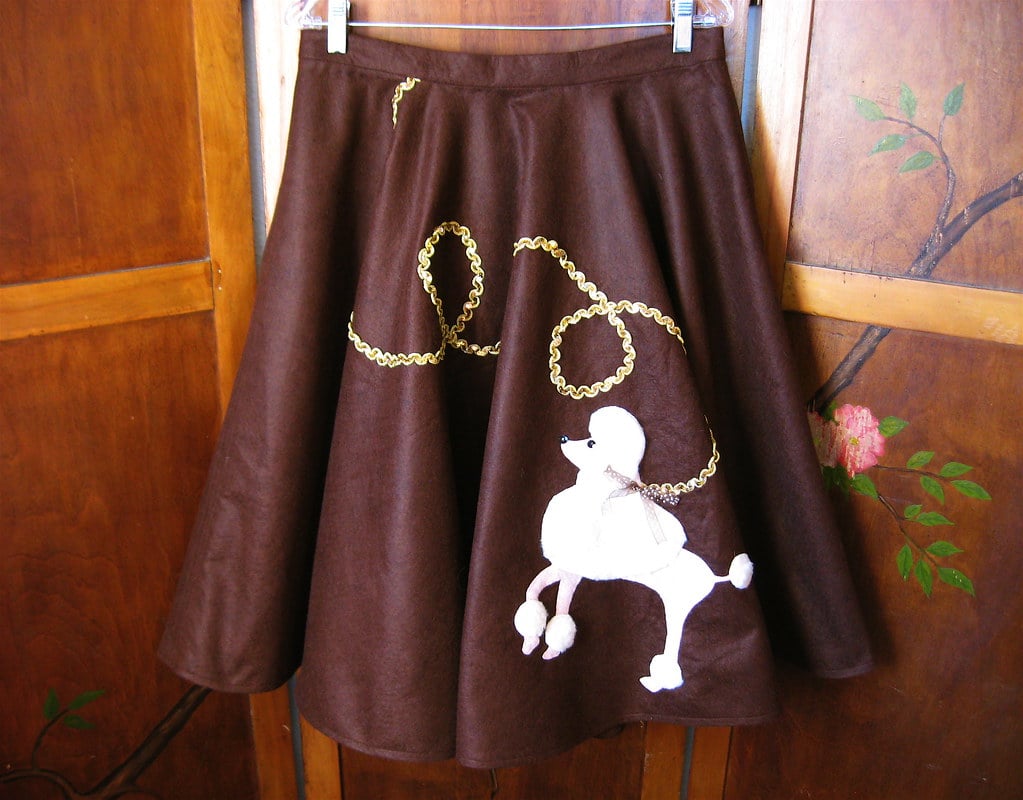
This iconic outfit became shorthand for the entire decade, though it represented just one strand of fashion during those years. Girls paired the felt skirts with tight sweaters and scarves tied just so, creating a look that seemed both innocent and rebellious.
School dress codes enforced strict rules about hemlines and sleeve lengths, making these outfits a careful balance between style and propriety.
Fallout shelters and duck-and-cover drills

Under those bright skies, fear still crept in quiet ways. Drills sent kids scrambling beneath desks, pretending it might help.
Instead of picnics, some parents dug pits into the ground – cool, dark rooms below where cans sat lined up like soldiers. Water jugs stood ready too, waiting on shelves that smelled of dirt and concrete.
Life looked full from afar, yet underneath, nerves twitched at every news bulletin. Peace felt possible, but only if luck held.
Jukeboxes in corner hangouts
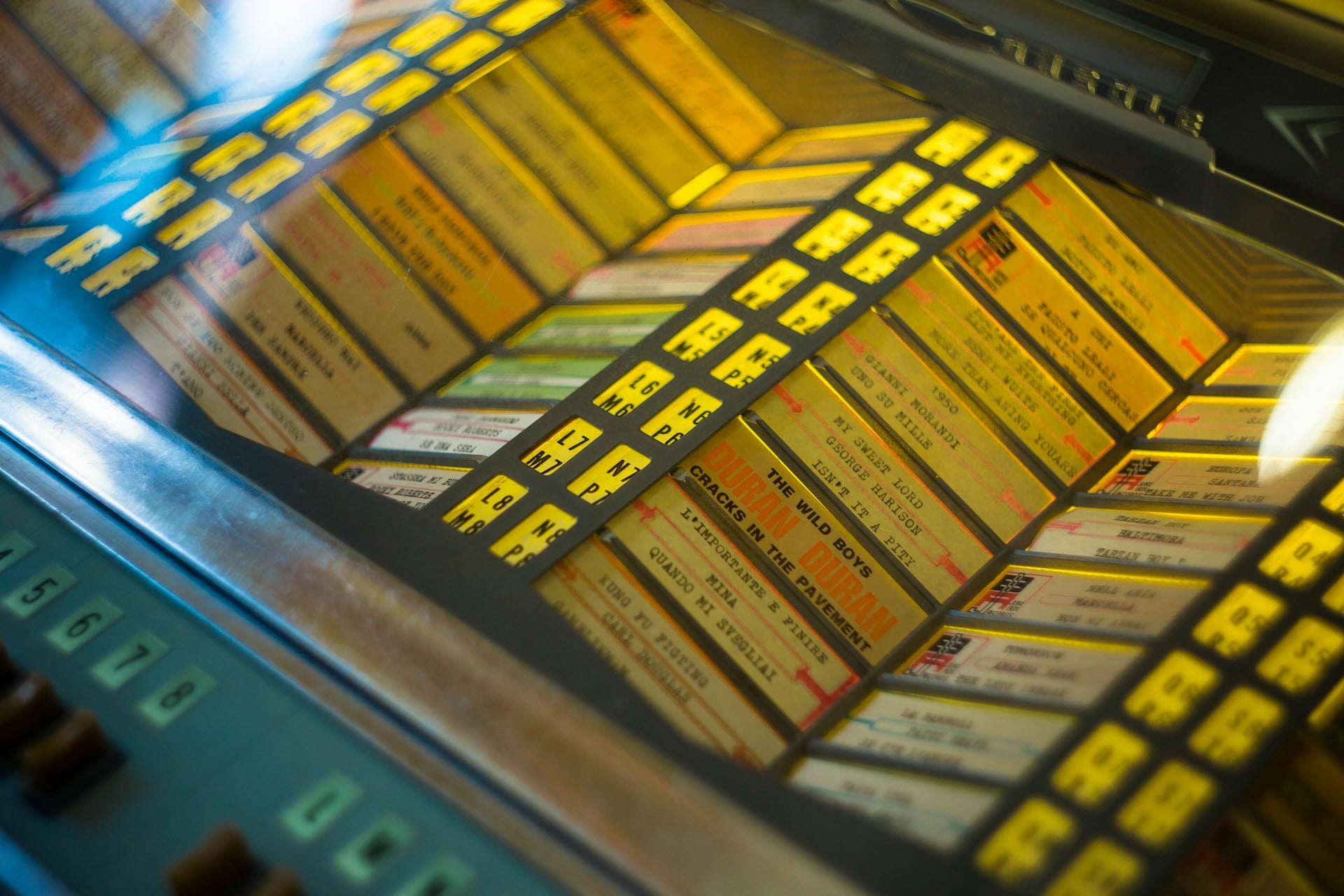
Bright boxes holding 45s waited quietly, set to spin fresh tunes for five cents. Together, buddies gathered coins to pick what played next during lazy hours.
One track chosen, one song skipped – choices mattered when cash ran short. The clunk of gears shifting, then silence right before sound began – that hush lives nowhere now.
Looking back through the lens
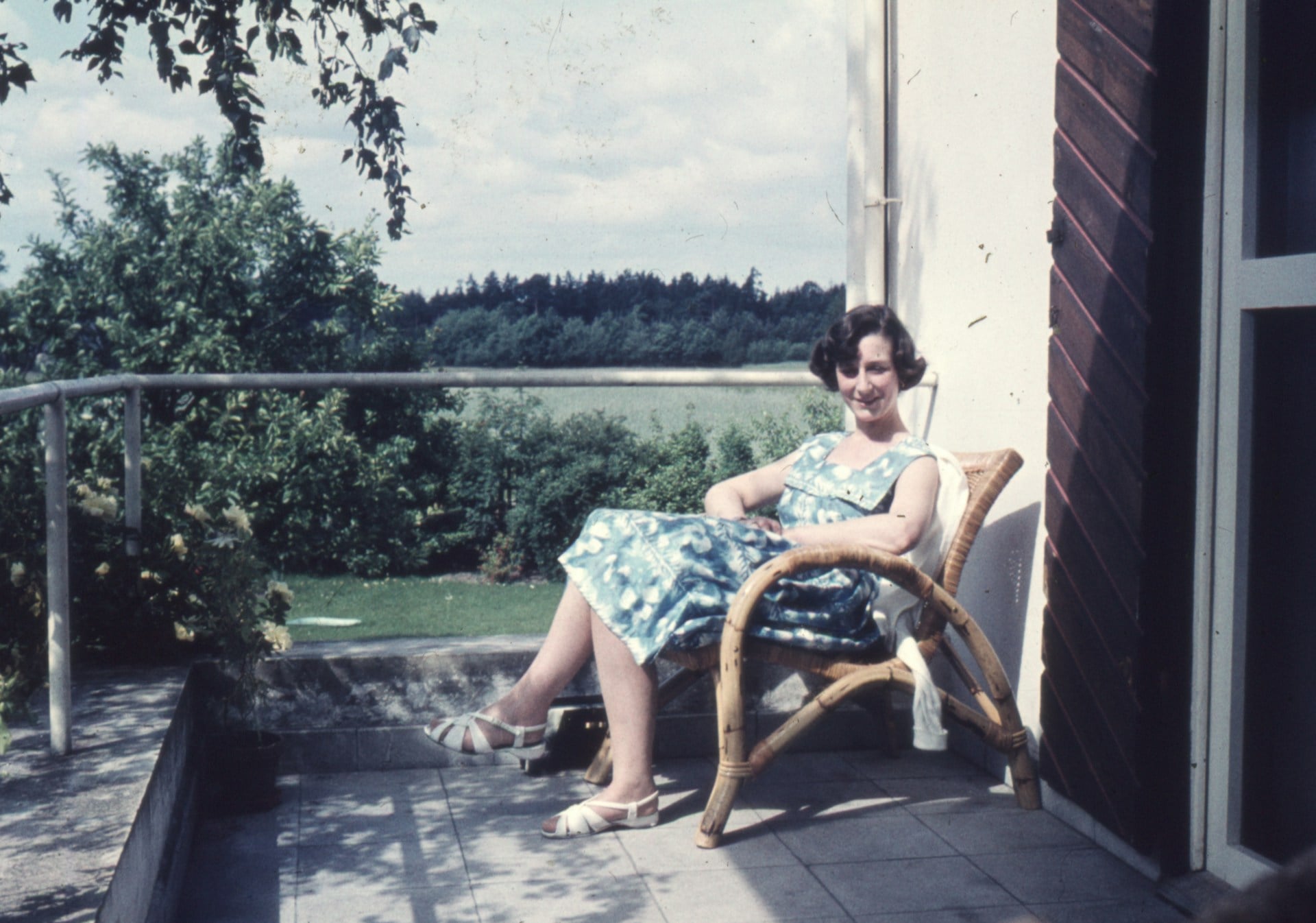
Looking at these photos shows how each time period hides tensions under calm appearances. Not everyone shared in the better lives some found during the 1950s, even though progress was real for plenty.
What stands clear now is not just the gains made back then but also the work ignored, seen less as a peak moment to copy and more like one part of a longer journey still moving.
More from Go2Tutors!

- The Romanov Crown Jewels and Their Tragic Fate
- 13 Historical Mysteries That Science Still Can’t Solve
- Famous Hoaxes That Fooled the World for Years
- 15 Child Stars with Tragic Adult Lives
- 16 Famous Jewelry Pieces in History
Like Go2Tutors’s content? Follow us on MSN.