Snacks That Secretly Changed Their Flavor
Food companies rely on nostalgia and brand loyalty to keep customers coming back for decades. People develop deep connections to their favorite snacks and expect them to taste exactly the same as they did in childhood.
But behind the scenes, manufacturers quietly tweak recipes for various reasons, from cutting costs to meeting new regulations, and they hope nobody notices the difference. Turns out, people definitely notice when their beloved snacks start tasting wrong.
Cadbury chocolate in America

Hershey bought the rights to produce Cadbury chocolate in the United States and changed the recipe to match American preferences. The original British version uses a higher percentage of milk and different processing methods that create a creamier texture.
American Cadbury now tastes noticeably different, with a grainier texture and less rich flavor. British expats and chocolate fans who’ve tried both versions can immediately tell them apart.
The change sparked enough complaints that some specialty stores now import the original British version at premium prices.
Hydrox cookies lost their identity
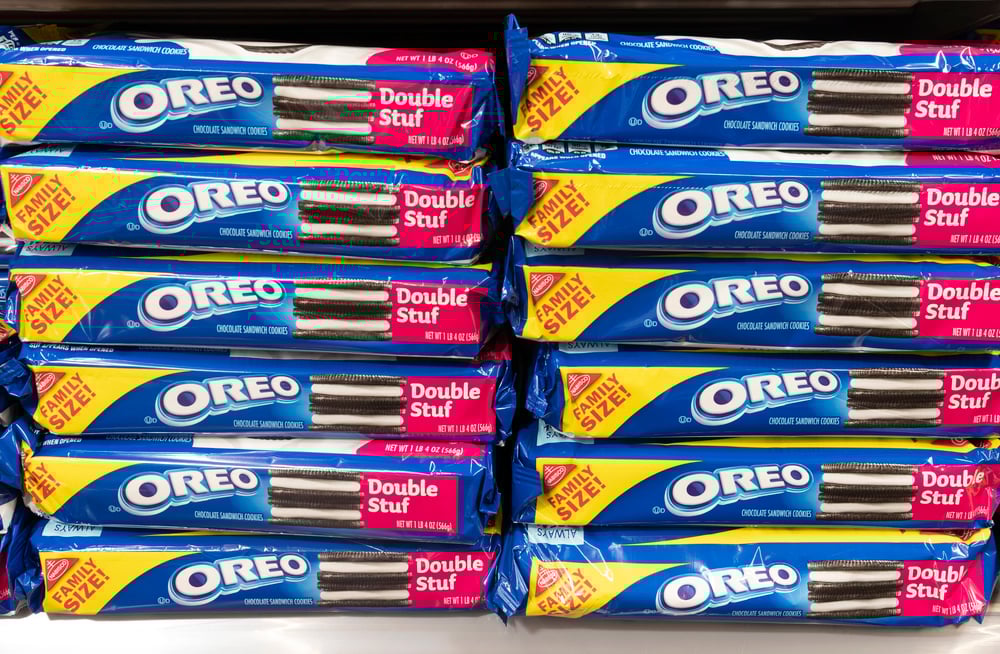
Hydrox cookies actually came before Oreos, but most people think they’re the knockoff because Oreos became more popular. In 1999, Keebler reformulated Hydrox to make them taste more like their competitor.
The original recipe had a more bitter chocolate flavor that longtime fans preferred. After the change, the cookies lost what made them unique and became just another Oreo imitator.
The brand changed hands several times and the current owner claims to use the original recipe, but many longtime fans insist something still tastes different.
Butterfinger got a complete overhaul
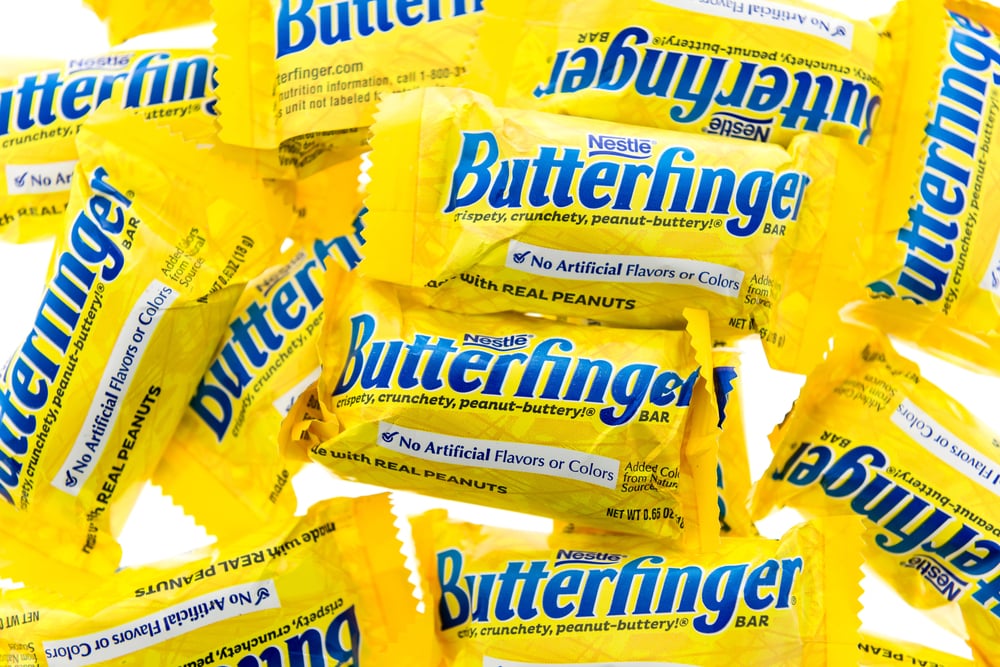
Ferrero bought Butterfinger from Nestle in 2018 and immediately announced they were ‘improving’ the recipe. The new version removed TBHQ, a preservative many consumers wanted gone, and changed the chocolate coating.
Fans noticed right away that the texture became less flaky and the peanut butter filling tasted smoother. Many people preferred the original crumbly, messier version and complained loudly on social media.
The company insisted the changes were upgrades, but nostalgic fans disagreed and still mourn the old Butterfinger.
Kraft Mac and Cheese went natural
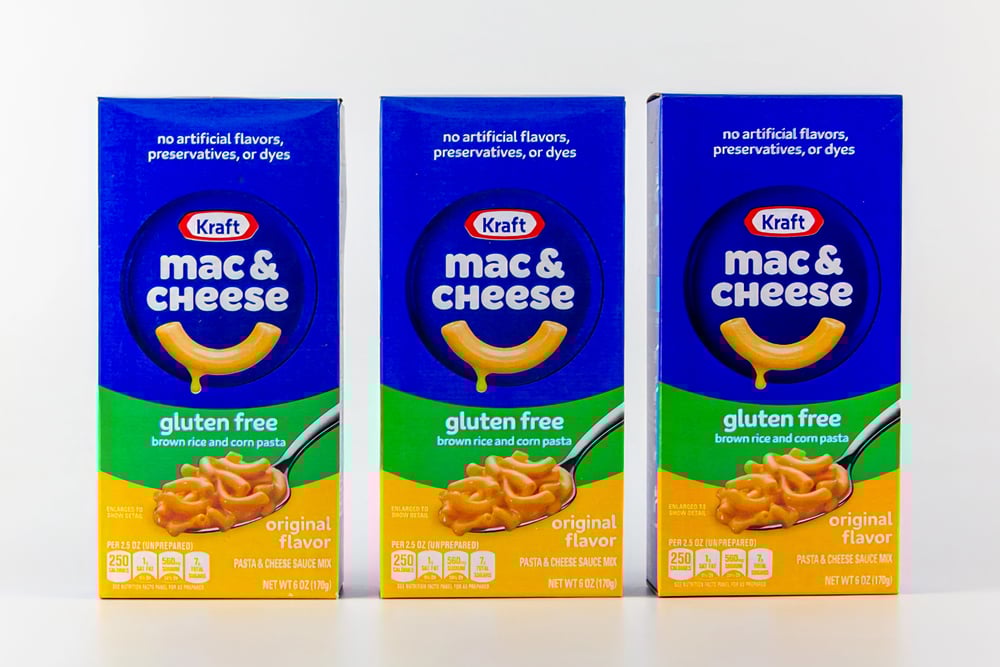
Kraft removed artificial dyes from their iconic Mac and Cheese in 2015 and didn’t tell anyone about the change for three months. The company wanted to see if customers would notice the difference before making a big announcement.
They replaced yellow dyes with natural spices like paprika and turmeric. Most people didn’t detect the change during the quiet rollout period.
When Kraft finally revealed what they’d done, some customers insisted it tasted different even though blind taste tests showed otherwise.
Pepsi’s sweetener swap caused problems
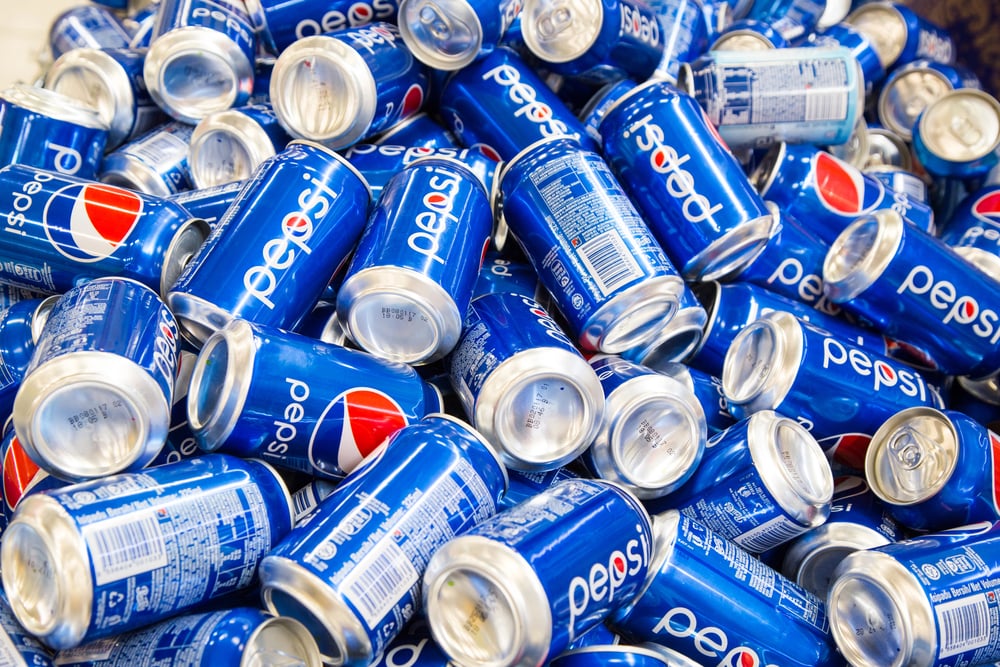
Pepsi replaced half the high fructose corn syrup in their regular soda with sucralose in 2015 to reduce calories. The change went into Pepsi True, a new product that failed pretty quickly.
They also experimented with aspartame levels in Diet Pepsi multiple times based on consumer concerns. Each sweetener change affected the flavor profile in ways fans could detect.
The company eventually had to bring back the original Diet Pepsi formula alongside the new version because customers demanded it.
Gatorade dropped brominated vegetable oil
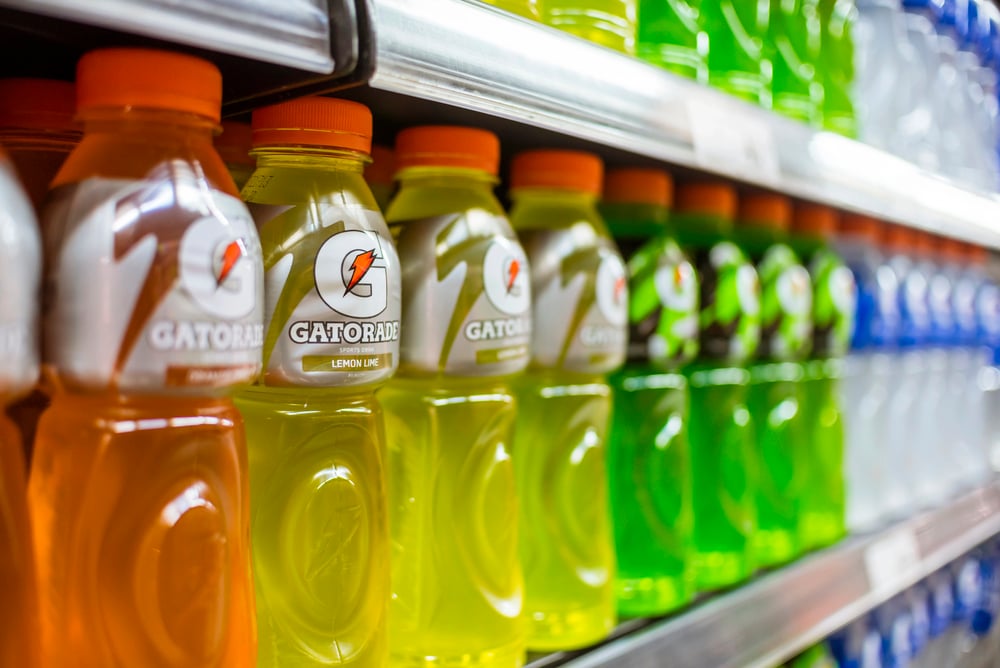
Gatorade removed brominated vegetable oil from their recipe in 2013 after customer petitions raised health concerns. This ingredient kept the flavoring oils mixed throughout the drink instead of separating.
Without it, the company had to reformulate using different emulsifiers. Some longtime drinkers noticed a slight change in texture and how the drink settled in the bottle.
The health-conscious change was worth it to most people, but athletes who’d been drinking it for decades could tell something shifted.
Original recipe Coke became New Coke became Classic
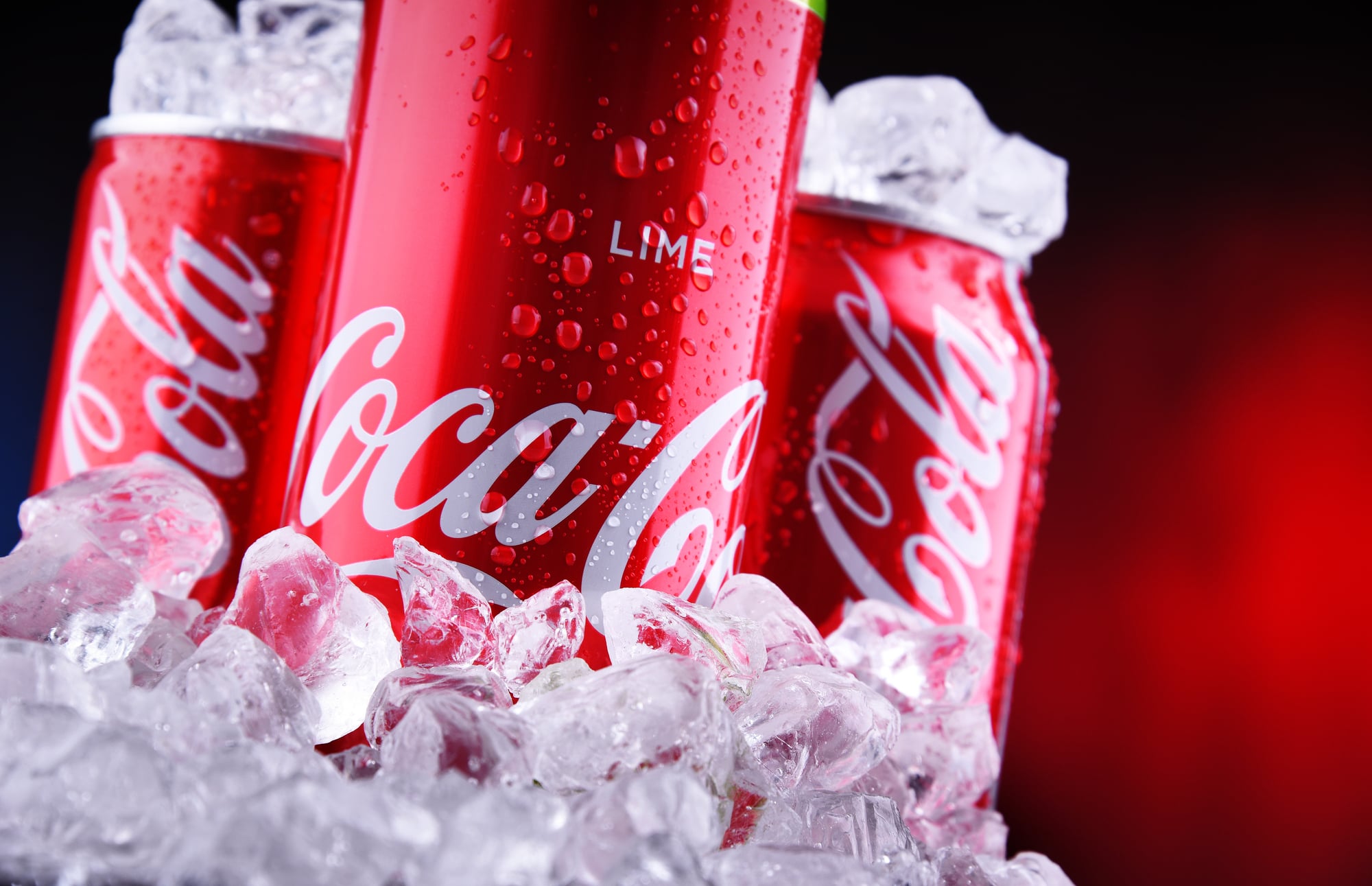
Everyone knows about the New Coke disaster of 1985 when Coca-Cola changed their formula and customers revolted. The company brought back the original as Coca-Cola Classic after just 79 days.
But here’s the twist nobody talks about: when they reintroduced Classic, they started using high fructose corn syrup instead of pure cane sugar for most American production. Mexican Coke still uses cane sugar, which is why people say it tastes better.
The formula changed twice in the same year, and most people only remember the first switch.
Hidden Valley Ranch kept tweaking
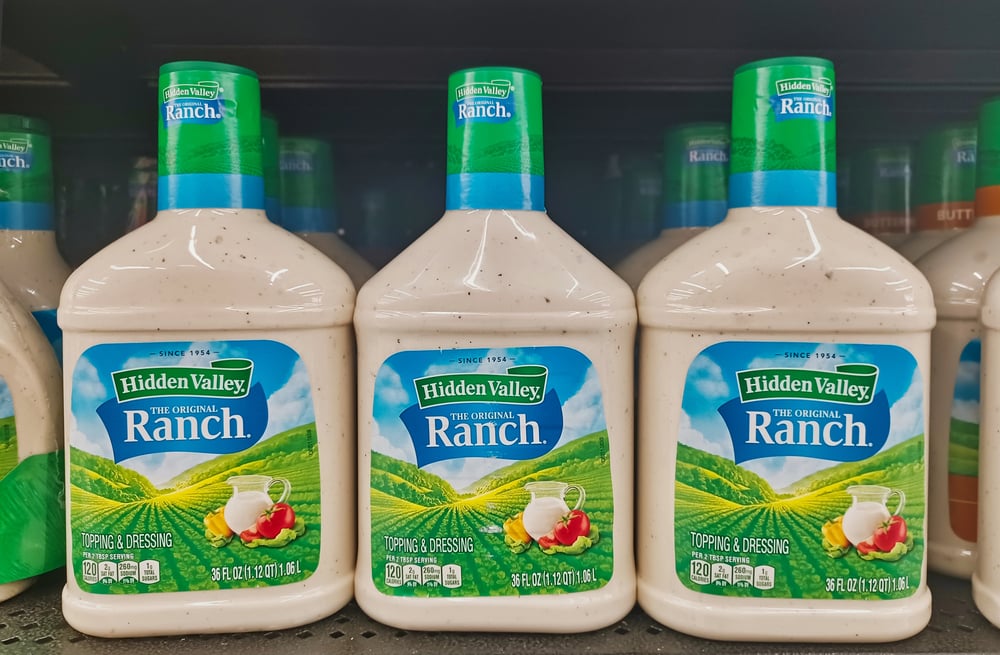
Hidden Valley has modified their ranch dressing recipe several times over the decades to reduce fat content and change preservatives. The original version from the actual Hidden Valley Ranch in California tasted quite different from what’s sold today.
Each small change seemed minor on its own, but longtime fans insist the current version tastes nothing like the ranch dressing from the 1970s or 80s. The company argues they’ve improved shelf stability and consistency.
Ranch purists now make their own from scratch using the original seasoning packets.
Trix cereal lost its artificial colors
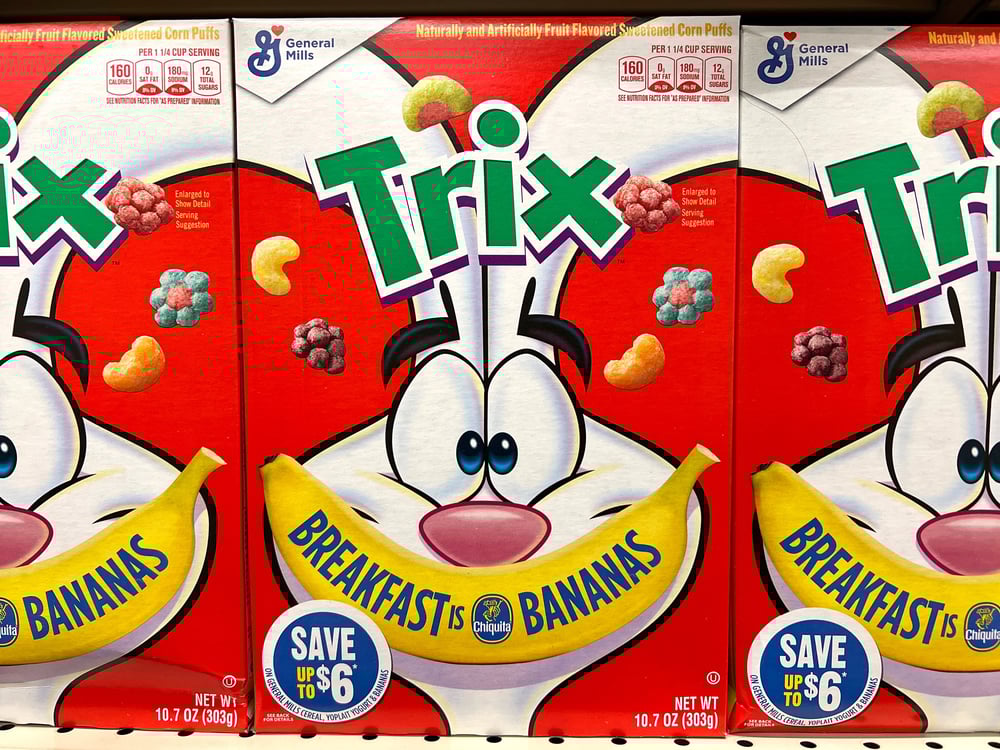
General Mills removed artificial colors and flavors from Trix in 2016, switching to natural alternatives from fruits and vegetables. The cereal pieces became much paler and less vibrant than the neon colors kids remembered.
Customer complaints poured in so heavily that General Mills brought back the artificial colors just two years later. The company now sells both versions, letting parents choose between natural and original.
This rare reversal showed that sometimes people actually prefer artificial ingredients when they’re used to them.
Pop-Tarts’ filling changed consistency
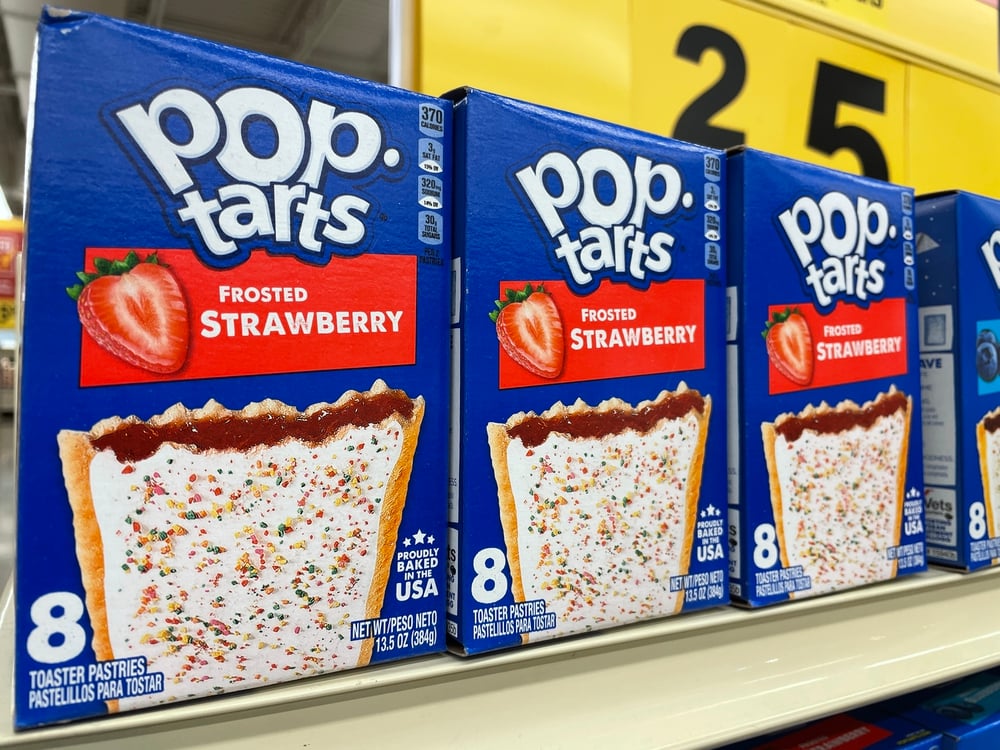
Kellogg’s adjusted the Pop-Tarts filling recipe over the years to improve shelf life and change sweetener ratios. Early Pop-Tarts from the 1960s had a thinner, more jam-like filling.
Modern versions use a thicker paste that doesn’t flow as much when heated. Some flavors changed more noticeably than others, with strawberry getting the most complaints.
Vintage recipe enthusiasts claim the original versions tasted more like actual fruit and less like sugar paste.
Yoplait reduced sugar significantly
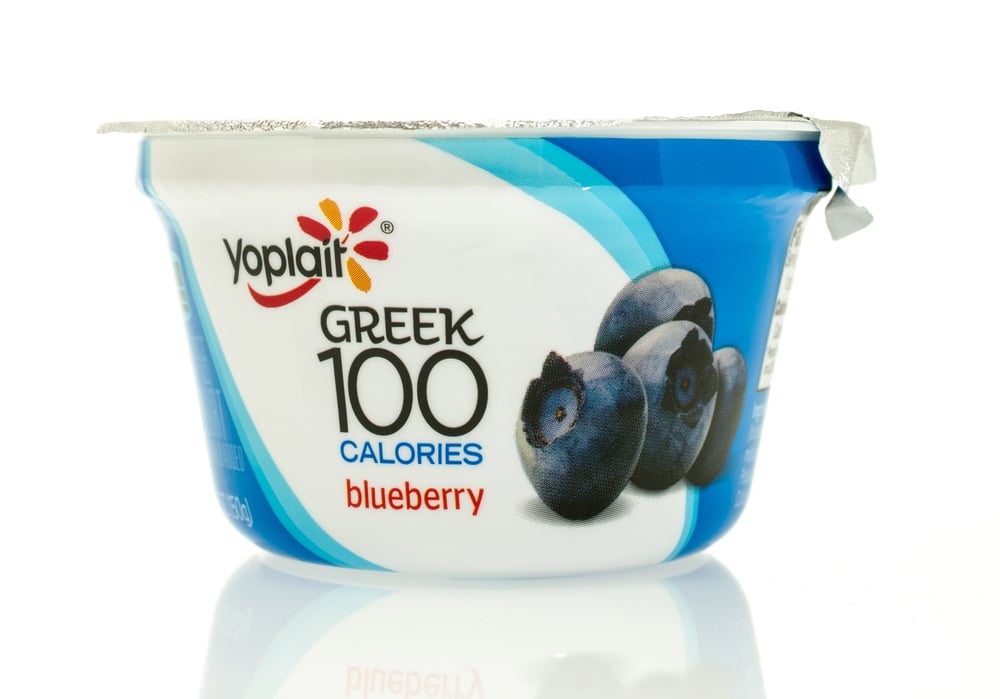
Yoplait reformulated many of their yogurt varieties between 2016 and 2017 to reduce sugar content by about 25 percent. The company responded to health concerns and changing dietary guidelines.
They replaced some sugar with natural sweeteners and modified the fruit preparation. Regular customers noticed the less sweet flavor immediately.
Some appreciated the healthier profile while others switched to different brands that still tasted like their memories.
Fig Newtons became softer
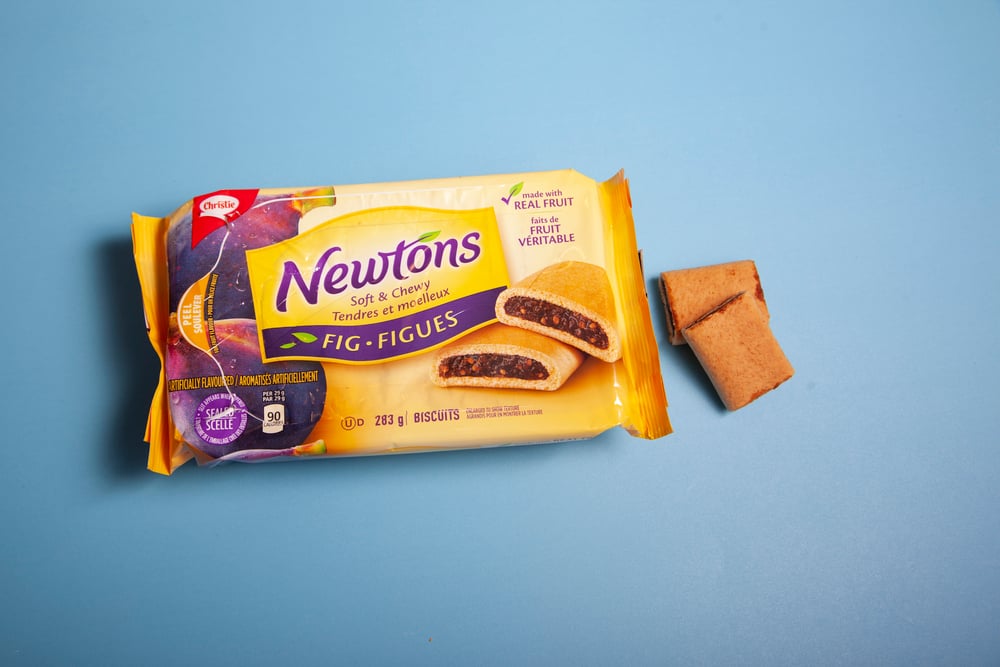
Nabisco changed the Fig Newton recipe gradually over several decades, making the cookie part softer and the filling less dense. The original versions from the early 1900s had a much firmer, almost hard texture.
Modern Fig Newtons feel almost cake-like compared to the chewy originals. The company also shortened the official name to just Newtons and introduced new fruit varieties.
Older customers who remember the original texture often feel disappointed by the softer version.
Cracker Jack reduced the prize quality
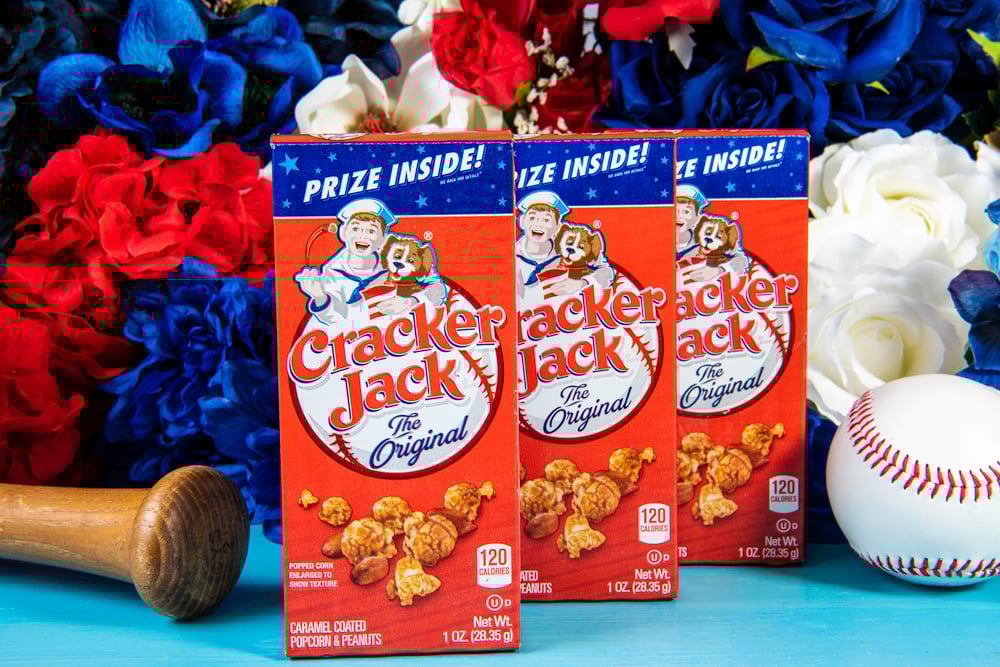
While not exactly a flavor change, Cracker Jack replaced physical prizes with digital codes in 2016, and many people swear the snack itself tastes different now. The company changed ownership several times, and each new owner modified the recipe slightly.
The caramel coating became less sticky and the peanuts seemed smaller. Long-time fans insist both the prizes and the flavor quality declined.
The nostalgia factor made every small change feel like a bigger betrayal.
Dunkaroos returned with modifications
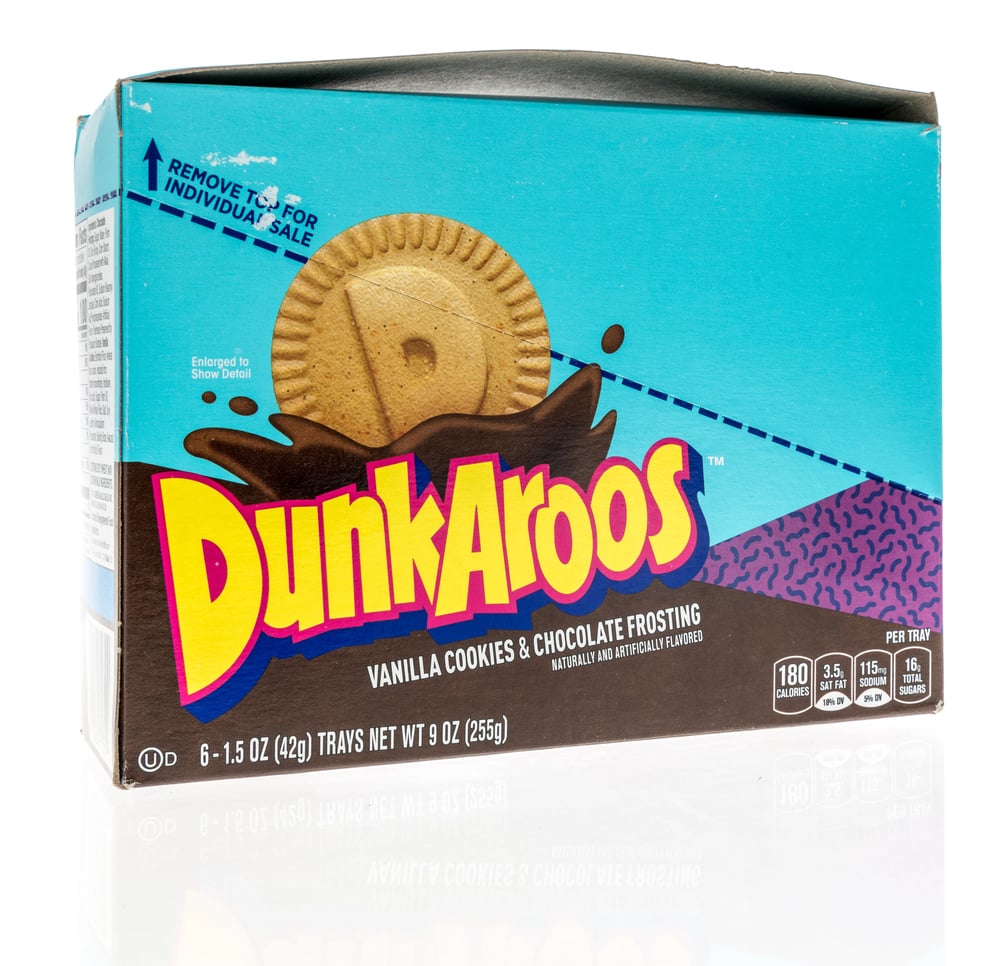
When General Mills brought Dunkaroos back in 2020 after a long absence, they reformulated the recipe for modern production facilities. The cookies tasted slightly different and the frosting had a different texture than the 1990s version.
Millennials who grew up with the original noticed right away and complained online. The company insisted they tried to match the original as closely as possible.
Sometimes bringing back a discontinued product highlights how much manufacturing processes and ingredients have changed.
Wheat Thins changed their oil
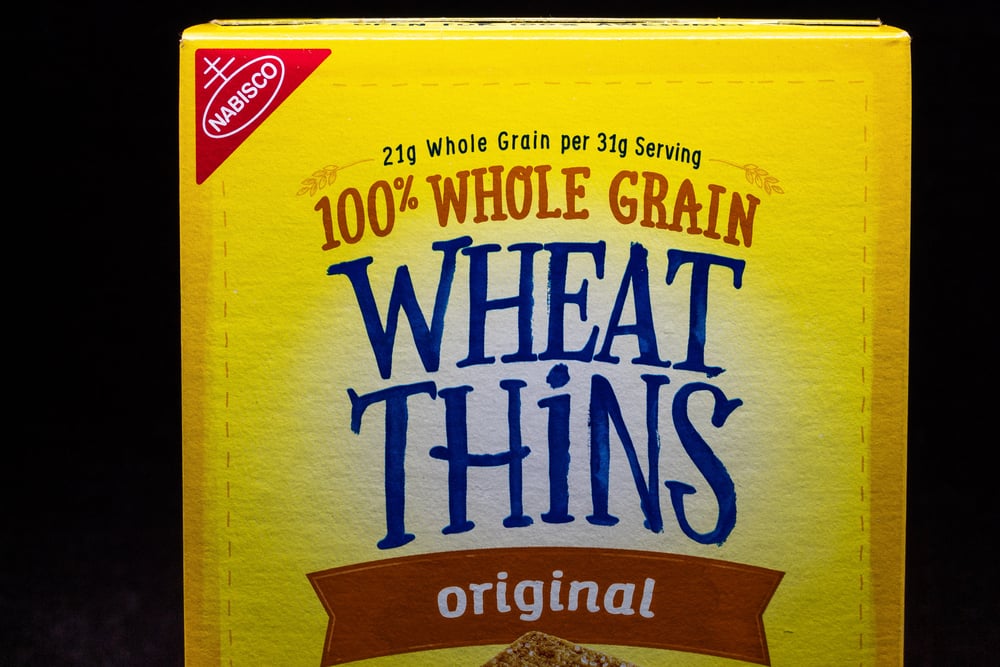
Over time, Nabisco switched oils in Wheat Thins, adjusting spices now and then. Salt levels dropped slowly; the grain taste grew stronger instead.
A few people liked the lighter path it took, though some longed for the deeper, butter-kissed version before. Changes arrived without fanfare, no press, no headlines.
When placed next to vintage packs, today’s batch looks different – tastes off too.
Nestlé Toll House chips shrank slightly

A little while ago, Nestlé made small tweaks to its Toll House chocolate chips. Though hardly noticeable at first glance, the pieces now measure just shy of what they used to be.
Instead of staying rigid during baking, these updated bits melt smoother across each batch. A new mix inside the cocoa affects how evenly they spread when heated.
Shape retention took a back seat to better flow mid-bake. Some found the flavor dialed down a notch on sugariness.
Home cooks who rarely pay attention missed it entirely. Those deep into mixing bowls and timers? They caught every shift right away.
Recipe changes shape our food memories

Tastes stuck in your head from youth? They’re usually ghosts. Recipes shift – money, rules, new science – all tugging at ingredients.
That off note you notice? Could mean cleaner labels, safer stuff, less harm to the planet. Flavor ties tight to old feelings, though.
A bite today might score higher on paper, yet still miss the mark of what lived in your lunchbox twenty years ago. Tweaking a product risks anger.
Leaving it alone risks irrelevance. Nobody claps either way.
More from Go2Tutors!

- The Romanov Crown Jewels and Their Tragic Fate
- 13 Historical Mysteries That Science Still Can’t Solve
- Famous Hoaxes That Fooled the World for Years
- 15 Child Stars with Tragic Adult Lives
- 16 Famous Jewelry Pieces in History
Like Go2Tutors’s content? Follow us on MSN.



