Riddles to Test Your Logic
Getting your brain to work in unusual ways can be surprisingly fun. Riddles have been around for centuries, challenging people to think beyond the obvious and find answers hiding in plain sight.
They’re not just games for kids either. Adults love them too, whether it’s to pass time, break the ice at parties, or simply prove they’ve still got sharp minds.
The best part? You don’t need any special skills or knowledge to enjoy them, just a willingness to think differently.
Ready to put your brain to the test? Let’s jump into some riddles that will make you scratch your head, smile when you figure them out, and maybe even groan at how simple the answers were all along.
What runs but never walks

This classic riddle stumps people because they immediately think of living things. The answer is water, specifically a river or stream.
It flows constantly, moving forward without stopping, yet it never takes a single step. The trick here is recognizing that ‘runs’ has more than one meaning, and the riddle plays with that double sense perfectly.
The more you take, the more you leave behind

Most people start thinking about physical objects when they hear this one. But the answer is footsteps.
Every time someone takes a step forward, they leave a footprint behind them. Walk ten steps, and there are ten prints marking where they’ve been.
It’s one of those riddles where the answer feels obvious once revealed, yet it tricks almost everyone at first.
What has keys but no locks

People often imagine physical locks when they hear this riddle. The answer is a piano.
It has dozens of keys that produce different notes when pressed, but not a single lock anywhere on it. A computer keyboard works as an answer too, though piano is the traditional response.
The riddle works because it forces the brain to move away from the most common association with the word ‘keys.’
I’m tall when I’m young and short when I’m old

This one makes people think about living creatures that grow and then shrink with age. The answer is a candle.
When it’s new, it stands tall and unused. As it burns, it melts down and gets shorter until there’s almost nothing left.
Some people also say a pencil works, since it gets shorter with use through sharpening and writing.
What can travel around the world while staying in a corner

Geography doesn’t help solve this riddle at all. The answer is a stamp.
It sits in the corner of an envelope, never moving from that spot, yet it travels to different cities, states, and countries as the letter makes its journey.
Before email took over, stamps were essential for communication across distances, making this riddle more relatable to older generations.
What has hands but cannot clap
The human instinct is to think of actual hands attached to arms. But the answer is a clock.
It has two or three hands that point to numbers, showing hours, minutes, and sometimes seconds. Despite having these ‘hands,’ a clock can’t bring them together to make any noise.
Wall clocks, wristwatches, and grandfather clocks all fit this description.
What gets wetter the more it dries

This riddle contradicts itself on purpose to confuse people. The answer is a towel.
When someone uses it to dry off after a shower or wash their hands, the towel absorbs that moisture and becomes wetter itself. The more dishes or people it dries, the more soaked it becomes.
Eventually, it needs to be hung up or thrown in the dryer.
I have cities but no houses

Maps come to mind immediately with this riddle. The answer is exactly that, a map.
It shows cities, towns, roads, and rivers, but it’s just a flat representation. There are no actual buildings, people, or trees on a map, just symbols and names marking where things exist in real life.
Globes work as answers too, for the same reason.
What begins with T, ends with T, and has T in it

The wording makes this sound like a word puzzle at first. But the answer is a teapot.
It starts with the letter T, ends with the letter T, and literally contains tea inside it when in use. The riddle plays with the double meaning of ‘T’ as both a letter and the drink itself.
Clever wordplay makes this one memorable.
What has a head and a tail but no body

Coins fit this description perfectly. Every coin has a ‘heads’ side, usually featuring a person’s profile or national symbol, and a ‘tails’ side with different imagery.
Yet there’s no body connecting these two sides, just a flat disc of metal. Flipping a coin to make decisions has been common for generations, making this riddle easily relatable.
The more there is, the less you see

Darkness is the answer that catches most people off guard. When there’s more darkness in a room, visibility drops dramatically.
Turn off the lights completely, and seeing anything becomes nearly impossible. The riddle works because people expect ‘more’ to mean better or clearer, but here it means the opposite.
What can fill a room but takes up no space

This one challenges how people think about physical matter. The answer is light.
It can illuminate an entire room, reaching every corner and making everything visible, yet it doesn’t occupy any physical space itself. Air works as an alternative answer since it fills rooms completely but isn’t solid or taking up space in the traditional sense.
I’m always coming but never arrive
Tomorrow is the answer that frustrates many people once they hear it. No matter how long someone waits, tomorrow never actually comes because once it arrives, it becomes today.
The concept plays with time in a way that feels both simple and profound. Philosophers have used similar ideas to discuss how humans perceive time.
What goes up but never comes down

Age is the straightforward answer here. People get older with each passing year, and that number only increases.
There’s no way to reverse it or make it go backward, no matter how much someone might want to. Birthdays keep adding to the total, making this riddle both relatable and slightly sobering for adults.
A single-eyed thing that can’t spot anything
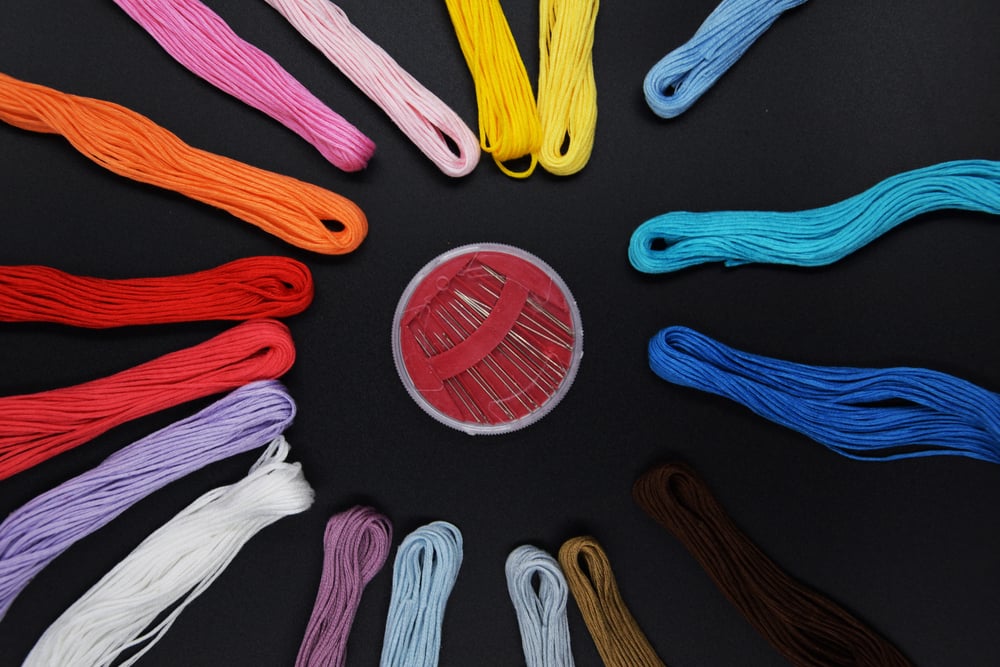
A tiny opening up top lets thread slide through – that’s what makes a needle fit the clue. Called an “eye,” yet can’t see anything at all.
This tool’s been used since ancient times, popping up in nearly every home across ages. Because so many folks know sewing stuff, the puzzle just clicks.
What’s something you can grab but not toss

A chill or sickness – that’s what pops into mind when folks react with eye rolls and grins. One person might get it from someone else, yet nobody actually tosses it like a baseball.
Here, ‘catch’ means falling ill, not grabbing something mid-air. This shows how words shift meaning based on context – leading to smart little puzzles.
A thing with a neck yet missing a head
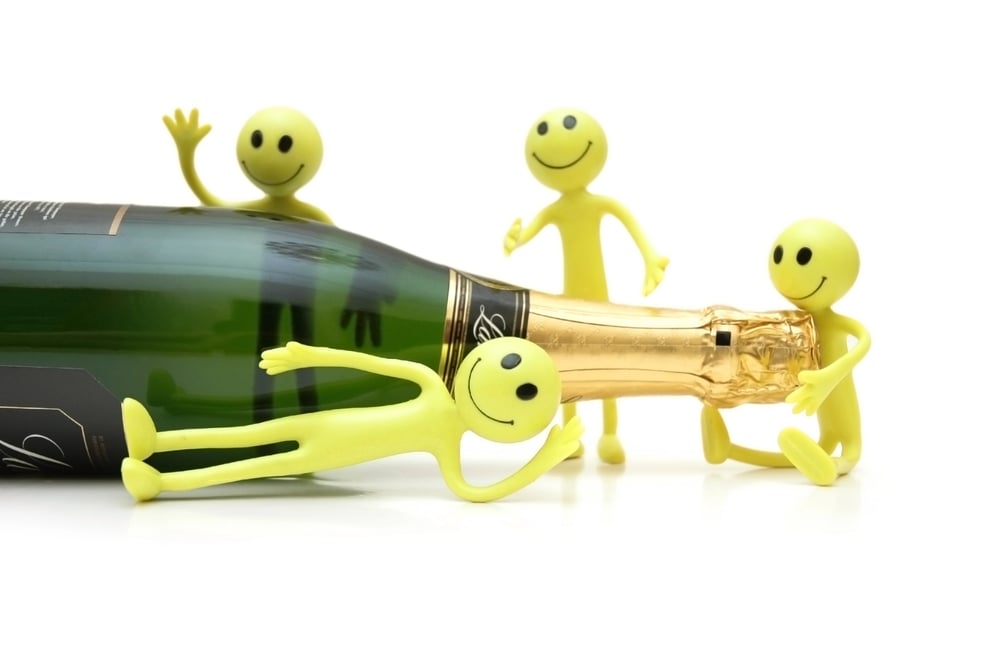
A bottle matches that idea exactly. Near the top, the slim section’s known as the neck – though nothing like a head sits on top, only an opening.
Things like wine containers, drink bottles, or any glass type usually have this trait. The puzzle clicks when ‘neck’ tricks you into thinking animals, making it harder to link it to regular items.
It’s yours, yet people around tend to use it way more often

One word – your name – hits different once spoken. You might say it now and then, like when signing up somewhere or meeting someone new, yet others toss it around nonstop, calling you by it every day.
It’s how folks pick you out in a crowd, which makes this puzzle kind of sneaky – it shows something obvious that we barely notice.
Where thinking blends with giggles

Riddles live where annoyance meets delight. But they mess with words so much that guessing feels pointless – until the answer shows up, anyway.
Then suddenly it makes sense, which is oddly fun. Or maybe because they spark laughs on road trips or break silences at parties, who knows?
Still, flipping your thoughts around like that’s tough but worth it. And honestly, the good ones don’t fade – they hang around, itching to trap someone else later.
More from Go2Tutors!

- The Romanov Crown Jewels and Their Tragic Fate
- 13 Historical Mysteries That Science Still Can’t Solve
- Famous Hoaxes That Fooled the World for Years
- 15 Child Stars with Tragic Adult Lives
- 16 Famous Jewelry Pieces in History
Like Go2Tutors’s content? Follow us on MSN.



