Storytelling Lessons from Pinocchio Day (Feb 23)
February 23 is often linked to the enduring legacy of The Adventures of Pinocchio, the serialized tale by Carlo Collodithat first appeared in the early 1880s before being published as a book in 1883. What began as a children’s story in Italy has since become one of the most retold narratives in literary history.
Adaptations like Pinocchio helped cement its global reach, but the original text remains sharper and more layered than many realize. Beneath its fairy-tale structure lies a surprisingly disciplined storytelling engine.
Pinocchio is not simply about a wooden puppet who wants to become real. It is about consequences, temptation, identity, and the cost of maturity.
The story’s durability offers a masterclass in narrative construction. Here’s a closer look at the storytelling lessons that continue to resonate every February 23 — and long after.
Transformation Must Be Earned

Pinocchio’s journey is structured around growth that unfolds slowly and painfully. He does not wake up one morning wiser or kinder.
Instead, he stumbles into trouble repeatedly, often because he chooses immediate gratification over responsibility. This gradual arc is what gives the story emotional weight.
Transformation feels meaningful when it is earned through experience rather than granted as a reward for simply existing. Modern storytelling often rushes character growth to satisfy pacing demands.
Pinocchio reminds writers that real change is rarely tidy. The longer the path to growth, the stronger the payoff.
Consequences Drive Momentum
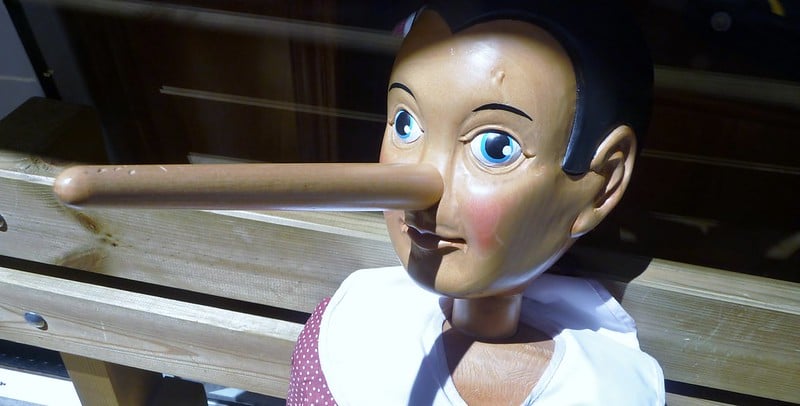
Few narrative devices are as memorable as Pinocchio’s nose growing longer when he lies. The image is vivid, simple, and immediate.
More importantly, it reinforces a core principle: actions produce visible consequences. Throughout the story, every poor decision escalates the stakes.
Skipping school leads to exploitation. Trusting the wrong characters leads to danger.
Consequences are not delayed or abstract; they are tangible and often uncomfortable. Strong storytelling relies on this cause-and-effect rhythm.
When choices matter, tension builds naturally.
A Flawed Protagonist Creates Energy
Pinocchio is impatient, gullible, and frequently selfish. He is not designed to be admirable at the start.
He is designed to test the limits of forgiveness and resilience. Flawed protagonists generate narrative propulsion.
Their imperfections create friction, and friction sustains engagement. Readers remain invested not because the hero is perfect, but because the hero is struggling to improve.
The discomfort of watching Pinocchio fail is precisely what makes his eventual growth compelling.
Clear Desire Anchors the Plot

At the center of the story is a simple, powerful desire: Pinocchio wants to become real. That longing anchors every episode, even when the plot detours through carnivals, puppet theaters, and dangerous adventures.
A clear central desire acts as a compass. No matter how strange or episodic the journey becomes, the audience understands what the character ultimately wants.
Stories without that anchor risk feeling scattered. Pinocchio’s clarity of purpose keeps the narrative cohesive.
Escalation Keeps the Stakes Rising
The early chapters involve mischief and minor disobedience. As the story unfolds, the stakes intensify.
Pinocchio faces hunger, manipulation, and physical danger. The world becomes less forgiving as his mistakes compound.
Escalation is critical to sustaining attention. Each new challenge must feel slightly larger or more complex than the last.
Pinocchio’s journey never remains static. The consequences deepen, and the risks grow sharper.
This steady climb prevents the narrative from losing momentum.
Supporting Characters Shape Moral Contrast
Geppetto embodies patience and unconditional care. The Blue Fairy represents guidance and second chances.
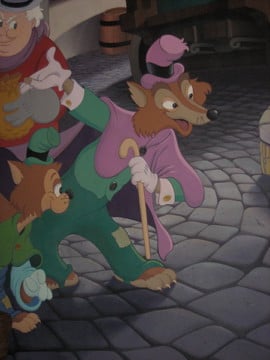
Antagonistic figures such as tricksters and exploiters highlight the dangers of naivety. Supporting characters are not decorative; they are structural.
They provide contrast that clarifies the protagonist’s flaws. In Pinocchio, these figures do not simply offer advice.
They test, challenge, and redirect him. Effective storytelling surrounds the central character with forces that reveal who they truly are.
Symbolism Strengthens Emotional Impact
Pinocchio’s wooden body is not incidental. It symbolizes incompleteness, immaturity, and rigidity.
The transformation into a donkey represents surrendering responsibility in exchange for pleasure. The growing nose externalizes dishonesty in a way no lecture could.
Symbolism works best when it is integrated seamlessly into action. In this story, fantastical elements carry emotional meaning without feeling forced.
The symbols serve the narrative rather than overshadow it. That balance allows readers to engage with deeper themes without feeling preached to.
Darkness Adds Contrast
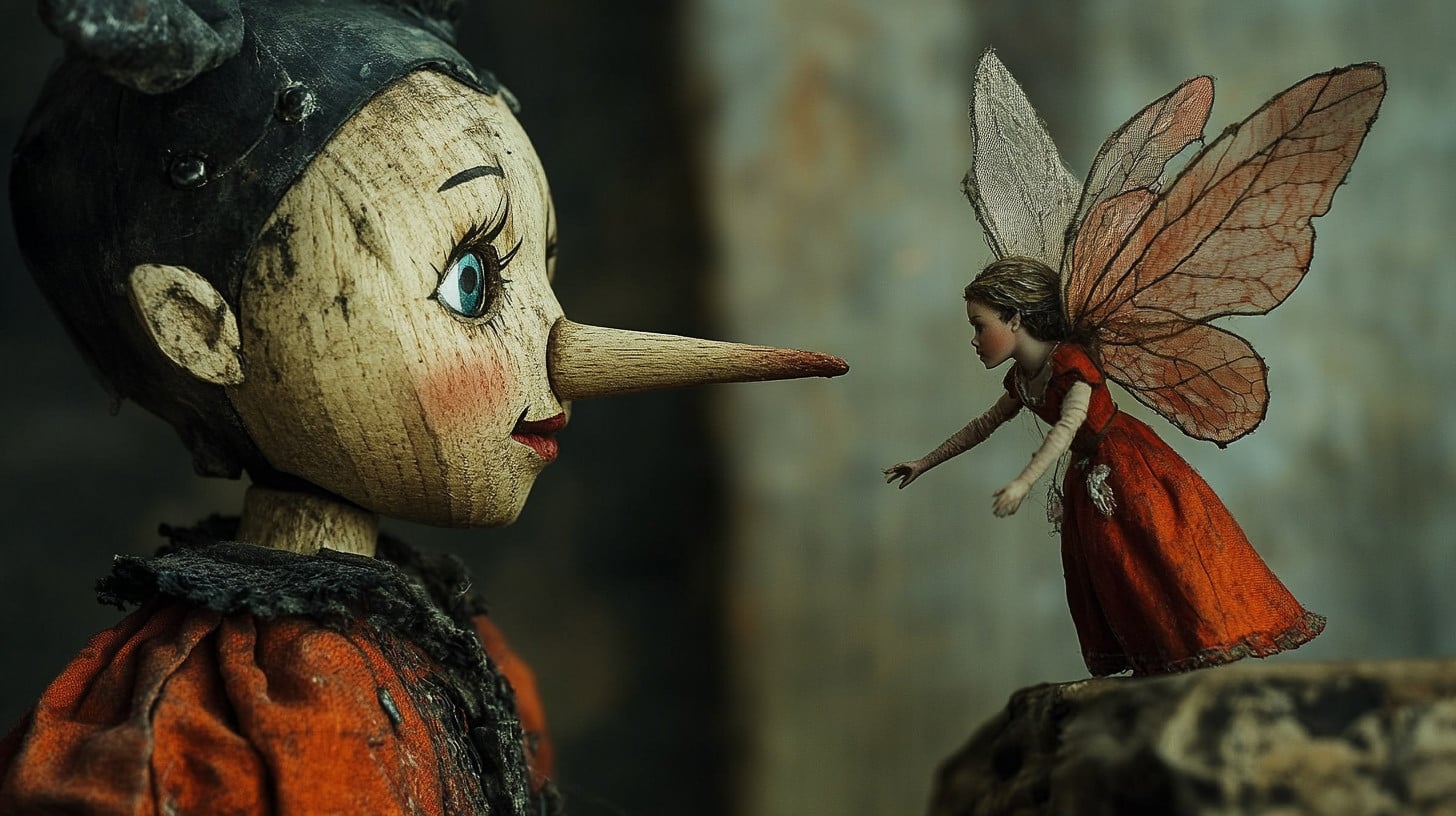
Collodi’s original narrative includes moments that feel stark and unsettling. The tone is not uniformly cheerful.
There are scenes of abandonment, hunger, and fear. This darkness amplifies the impact of redemption.
When characters face genuine peril, their survival and growth feel substantial. Shielding a story from discomfort often weakens its emotional resonance.
Pinocchio demonstrates that shadow and light must coexist for transformation to feel real.
Moral Lessons Without Heavy Instruction
Although the story carries clear moral implications, it avoids long moralizing speeches. Instead, it allows events to illustrate lessons.
Pinocchio learns not through lectures but through lived experience. Readers tend to resist overt preaching.
Stories that demonstrate rather than declare their themes are more persuasive. Pinocchio shows that narrative consequence can be more powerful than direct instruction.
The lesson lands because the audience witnesses it unfold.
Episodic Structure with Thematic Unity
The story unfolds in distinct episodes, almost like a string of cautionary tales. Yet each episode connects back to the same core theme: responsibility and becoming ‘real.’
Episodic storytelling can risk fragmentation. Pinocchio avoids that trap by tying every adventure to the protagonist’s central arc.
The repeated pattern of temptation and consequence reinforces thematic unity. Writers can experiment with varied scenarios as long as they orbit a consistent emotional core.
Adaptability Across Mediums

Pinocchio has survived countless reinterpretations across stage, film, and literature. Each adaptation reshapes tone and emphasis, yet the skeleton of the story remains intact.
Stories that endure are built on foundational human themes. Identity, belonging, honesty, and growth transcend cultural shifts.
Pinocchio’s adaptability reveals the strength of its narrative architecture. A well-constructed story can evolve without losing its essence.
Redemption as a Reflection of Maturity
By the time Pinocchio becomes a real boy, the transformation feels earned. He has demonstrated responsibility and empathy.
The change is not cosmetic; it reflects internal development. Redemption resonates most when it mirrors growth.
It should feel like the natural conclusion of accumulated choices. In Pinocchio, the final reward is not random.
It emerges from a series of trials that reshape the protagonist from the inside out.
Why Pinocchio Still Speaks to Writers Today
Still holding strong well past one hundred years since it first appeared, Pinocchio shapes how stories are built. Fantasy weaves through it, yet choices always carry weight – this balance seems to never age.
Structure hides under playful moments, showing wild imagination needs careful bones. Beneath the charm lies something precise, almost quiet in its demands.
February twenty-third isn’t really about marking a book’s birthday. It’s noticing how some tales stick around, long after they’re told.
A puppet made of wood shows writers something quiet: change doesn’t come free. Risks need weight.
Decisions carry weight too. Even now, when stories flash by in seconds, his path holds firm.
Not because it’s clever. Because it’s worn smooth by what happens next, then next again.
Time hasn’t worn it down.
More from Go2Tutors!

- The Romanov Crown Jewels and Their Tragic Fate
- 13 Historical Mysteries That Science Still Can’t Solve
- Famous Hoaxes That Fooled the World for Years
- 15 Child Stars with Tragic Adult Lives
- 16 Famous Jewelry Pieces in History
Like Go2Tutors’s content? Follow us on MSN.