17 Most Valuable Land Purchases in American History
Earth once served as America’s steady coin. Through sweeping land grabs or quiet deals between owners, progress frequently followed who held what plot – and how much they paid.
Certain buys redrew maps fast. A few shifted towns, trades, and zones slowly, without noise.
Far beyond just land swaps, each agreement shows what happens when bold moves meet smart planning at the right moment. Peering into America’s past reveals some land deals that changed everything.
These weren’t just expensive – they shaped nations. Value here isn’t about price tags alone.
Think decades, even centuries, of consequence. Some were quiet swaps, others roared through headlines.
Each left footprints deeper than money could buy. Worth? It hides in borders drawn, cities built, futures redirected.
Not every dollar spent shouted its importance at the time. Yet hindsight shows which ones bent history.
Louisiana Purchase

In 1803, the United States acquired roughly 828,000 square miles from France for $15 million, a figure that would equal hundreds of billions in modern terms when measured by economic impact. The deal instantly doubled the nation’s size and secured control of the Mississippi River.
At about three cents per acre, it remains one of the most consequential bargains ever negotiated. More than farmland changed hands.
The purchase unlocked westward expansion, reshaped trade routes, and laid the groundwork for future states stretching to the Rocky Mountains.
Florida Purchase
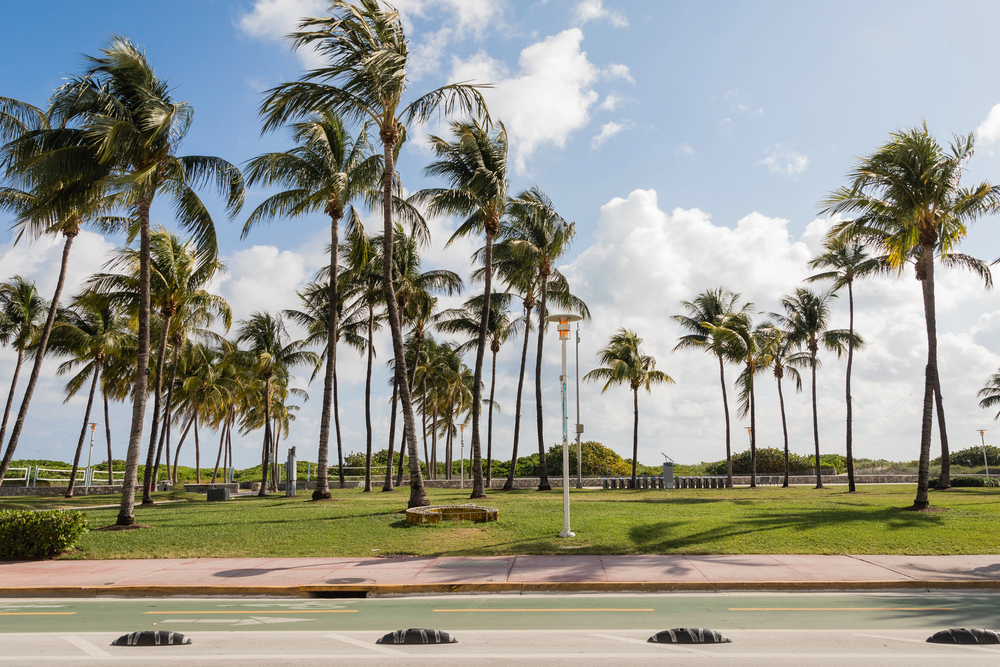
In 1819, the U.S. agreed to acquire Florida from Spain through the Adams–Onís Treaty, assuming $5 million in claims against Spain. While modest compared to later transactions, the deal secured strategic control of the Southeast and eliminated European presence along a vulnerable border.
Florida’s eventual growth into one of the most populous and economically significant states highlights the purchase’s long-term value. Ports, tourism, agriculture, and aerospace development all trace back to that early 19th-century agreement.
Texas Annexation

When Texas joined the United States in 1845, the land itself had already been wrested from Mexico. The financial terms involved federal assumption of Texan debt totaling roughly $10 million.
The territory spanned about 389,000 square miles, dramatically expanding American reach southwest. Beyond acreage, Texas introduced access to vast oil reserves discovered decades later.
What seemed like a political gamble became a cornerstone of American energy production and military positioning.
Mexican Cession

The Treaty of Guadalupe Hidalgo in 1848 transferred approximately 529,000 square miles from Mexico to the United States for $15 million. The acquisition included present-day California, Nevada, Utah, and parts of Arizona, New Mexico, Colorado, and Wyoming.
Gold was discovered in California just days before the treaty was signed. The timing transformed the cession into an economic catalyst.
Within a few years, migration surged westward, accelerating infrastructure development and reshaping the national economy.
Gadsden Purchase
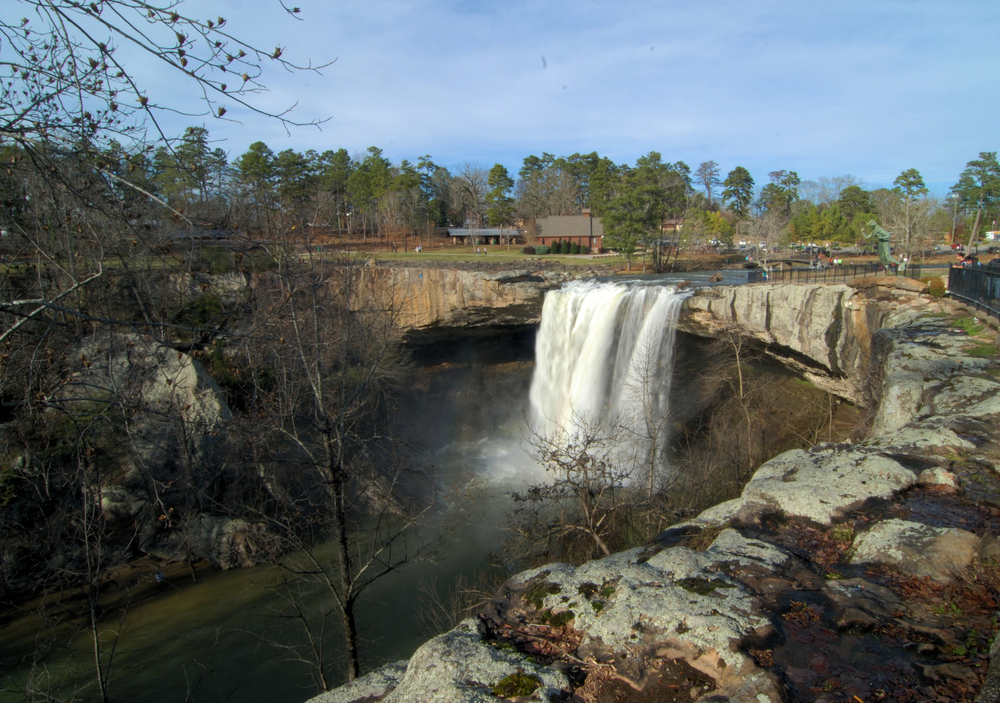
In 1853, the United States paid $10 million for about 29,670 square miles of land south of the Gila River, now part of Arizona and New Mexico. Though smaller in scale, the purchase secured a feasible southern route for a transcontinental railroad.
Rail access defined commerce in the 19th century. Control of that corridor meant influence over trade, settlement patterns, and military logistics across the Southwest.
Alaska Purchase
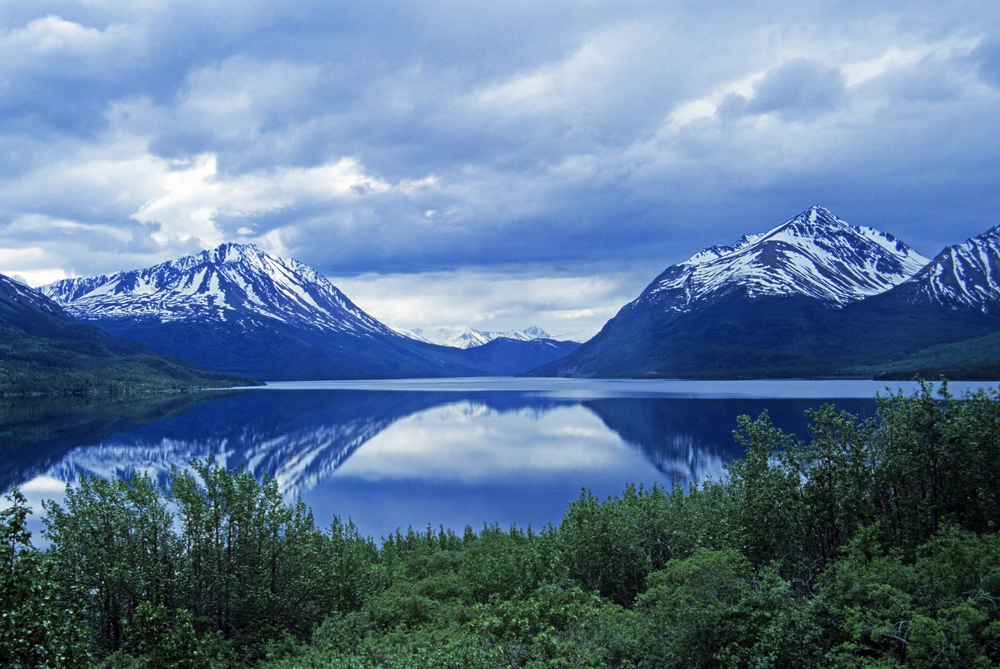
In 1867, the U.S. purchased Alaska from Russia for $7.2 million, covering roughly 586,000 square miles. Critics initially dismissed the deal as ‘Seward’s Folly,’ questioning the value of what seemed like frozen wilderness.
Over time, Alaska revealed enormous reserves of oil, natural gas, minerals, and fisheries. Strategic military positioning during World War II and the Cold War further underscored its importance.
What once seemed extravagant became indispensable.
Manhattan Purchase

In 1626, Dutch colonists reportedly acquired Manhattan for goods valued at around $24. Though the precise details are debated, the island’s subsequent development into the financial capital of the United States renders the transaction almost mythic.
Measured by today’s property values, the land beneath Manhattan’s skyline represents trillions of dollars in real estate. Few purchases illustrate the compounding value of location as dramatically.
Central Park Land Acquisition

During the 1850s, New York City used eminent domain to acquire roughly 843 acres for Central Park. The cost exceeded $5 million at the time — a significant public expenditure.
Yet the park became an anchor for surrounding property values. Residential and commercial development flourished along its borders, generating tax revenue far beyond the initial outlay.
Urban green space proved to be an economic engine as well as a civic amenity.
The Alaska Native Claims Settlement
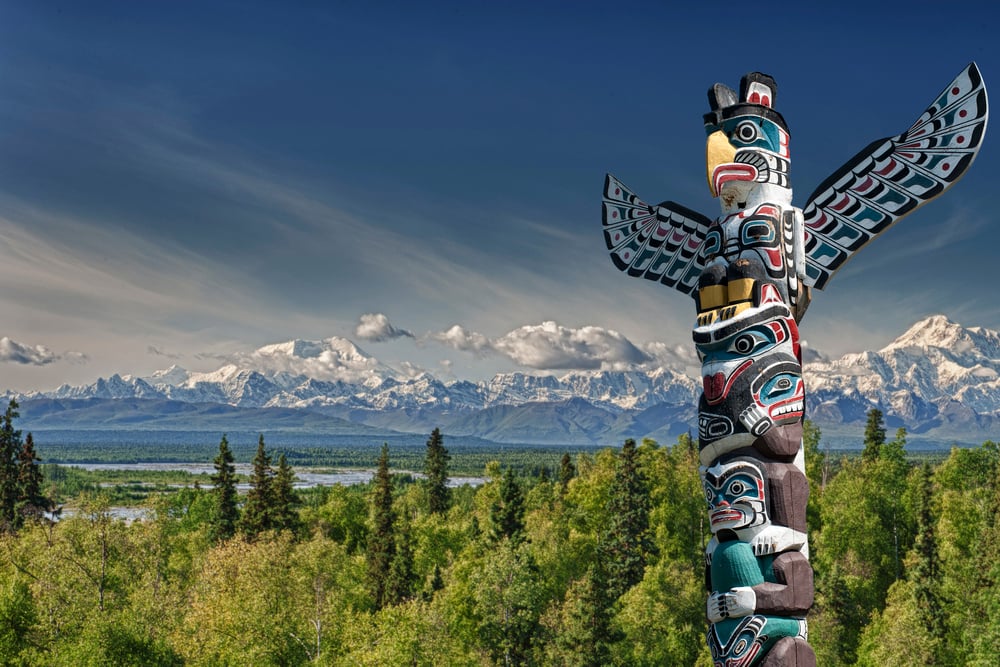
In 1971, Congress enacted a settlement transferring 44 million acres of land and nearly $1 billion to Alaska Native corporations. While structured differently from earlier territorial purchases, the agreement reshaped land ownership across the state.
The deal clarified resource rights and enabled corporate development of energy and infrastructure projects. It remains one of the largest land transfers in American history by acreage.
The Louisiana Territory Railroad Grants
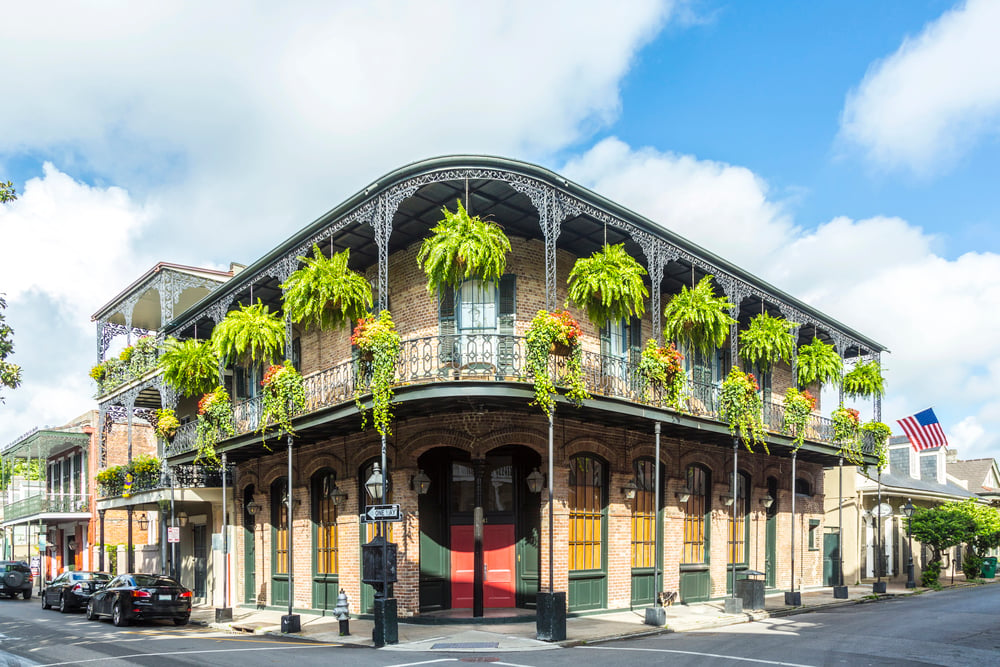
During the 19th century, the federal government granted millions of acres to railroad companies to incentivize construction. These grants effectively transferred public land into private hands in exchange for infrastructure.
Railroads increased land value exponentially. Towns emerged along tracks, agricultural markets expanded, and regional economies integrated.
Though controversial, the strategy turned undeveloped acreage into productive corridors.
The Columbia River Basin Projects

Federal acquisition of land for dams and irrigation projects in the early 20th century reshaped the Pacific Northwest. Massive public investments secured land for hydroelectric power generation and agricultural expansion.
Electricity from these projects powered cities and wartime manufacturing. Farmland irrigated by the Columbia River transformed into one of the nation’s most productive agricultural zones.
The Tennessee Valley Authority Lands

Established in 1933, the Tennessee Valley Authority required extensive land purchases for dams, reservoirs, and power plants across several states. The scale of federal acquisition was enormous.
The resulting infrastructure reduced flooding, electrified rural communities, and stimulated economic growth. The land itself became the backbone of long-term regional transformation.
Irvine Ranch Development

In the late 19th and early 20th centuries, vast tracts in Southern California were consolidated into what became the Irvine Ranch. Spanning over 93,000 acres, the property eventually evolved into master-planned communities and commercial hubs.
As Southern California expanded, land once considered agricultural proved ideal for suburban growth. The development strategy demonstrated how long-term stewardship could multiply land value over generations.
The King Ranch Holdings
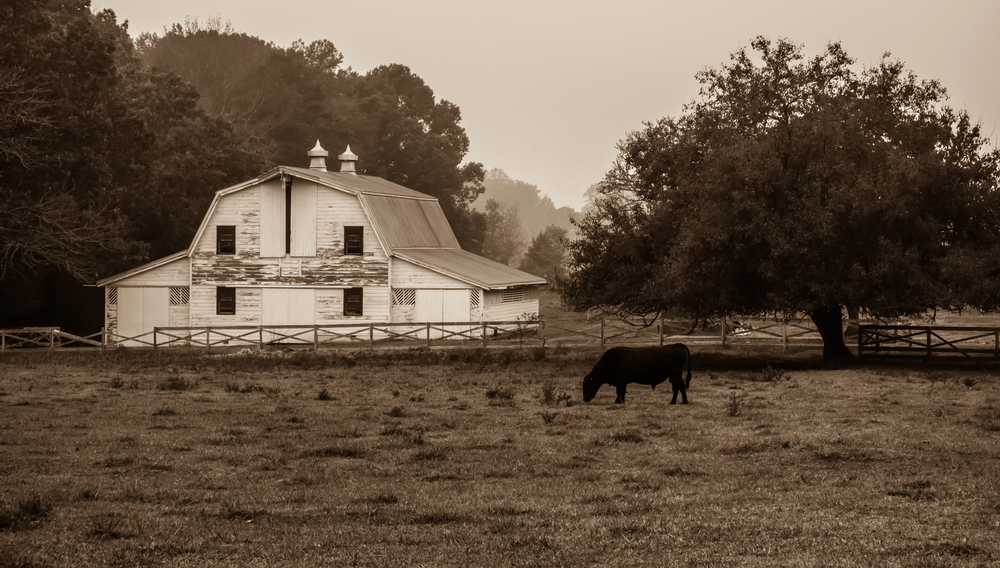
Founded in the mid-1800s in Texas, the King Ranch encompassed more than 825,000 acres at its peak. While assembled through multiple acquisitions, the consolidated land became one of the largest ranches in the world.
Its scale supported cattle production, farming, and later energy ventures. The value of the land extended beyond livestock, becoming a diversified economic asset.
The Purchase of the Presidio

Originally a Spanish fort, the Presidio in San Francisco eventually became federal property before being transferred to the National Park Service in the 1990s. Though not a traditional purchase in its final stage, earlier acquisitions secured control of prime waterfront land.
Today, the Presidio blends historic preservation with commercial leasing and parkland. Its real estate value reflects both location and legacy.
The Prudhoe Bay Oil Fields
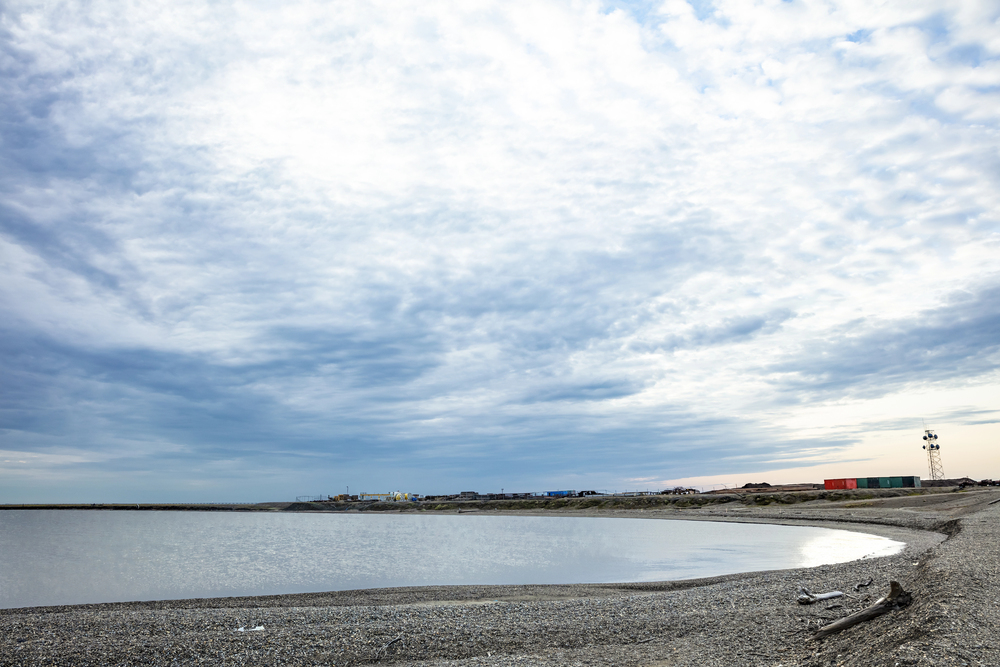
While structured as leases and development rights rather than outright purchases, control of land surrounding Prudhoe Bay in Alaska represented one of the most economically significant territorial arrangements in U.S. history. Oil production there reshaped domestic energy markets and state revenue streams.
Land in remote Arctic conditions proved more valuable than many fertile regions farther south.
The Purchase of Governors Island

In 2003, the federal government sold Governors Island in New York Harbor to the state and city for $1. The nominal price masked the enormous value of the land itself, which spans 172 acres in a prime location.
The transfer allowed redevelopment for public space, education, and cultural institutions. Sometimes the most valuable land deals hinge less on price and more on strategic stewardship.
The Ground Beneath the Nation

What a price shift – from pennies per acre when France sold Louisiana to ceremonial handovers in today’s urban centers – each deal mirrors its era’s drive. Vast swaths added territory beyond imagination during westward pushes.
Meanwhile, smaller shifts redefined city blocks or tapped oil, timber, and minerals feeding factories nationwide. Cardboard holds memories shaped by ink and time, yet soil whispers older tales – through valleys, lakes, under open skies.
Worth here wasn’t measured in cash alone. Passed down like breath from parent to child.
Always, that earth laid roots for everything rising after.
More from Go2Tutors!

- The Romanov Crown Jewels and Their Tragic Fate
- 13 Historical Mysteries That Science Still Can’t Solve
- Famous Hoaxes That Fooled the World for Years
- 15 Child Stars with Tragic Adult Lives
- 16 Famous Jewelry Pieces in History
Like Go2Tutors’s content? Follow us on MSN.