Famous Tourist Traps That Are Worth It
Hidden gems get top billing in travel talk. A backstreet coffee spot often beats a famous site swarmed with tourists.
Instead of joining long lines, people chase quieter options. Online posts warn about crowded spots where prices climb and authenticity slips away.
These places feel built for cameras, not daily life. Every now and then, certain spots keep pulling in huge numbers, not because of ads or slogans, instead due to something deeper.
Hidden behind rows of gift shops and strict entry windows, these often-mocked locations carry real history, bold design choices, moments you can’t fake.
Sure, lines stretch long – yet what waits inside holds its ground. Take a pause on judgment.
Some widely ridiculed landmarks manage, quietly, to earn every bit of attention they get.
Eiffel Tower
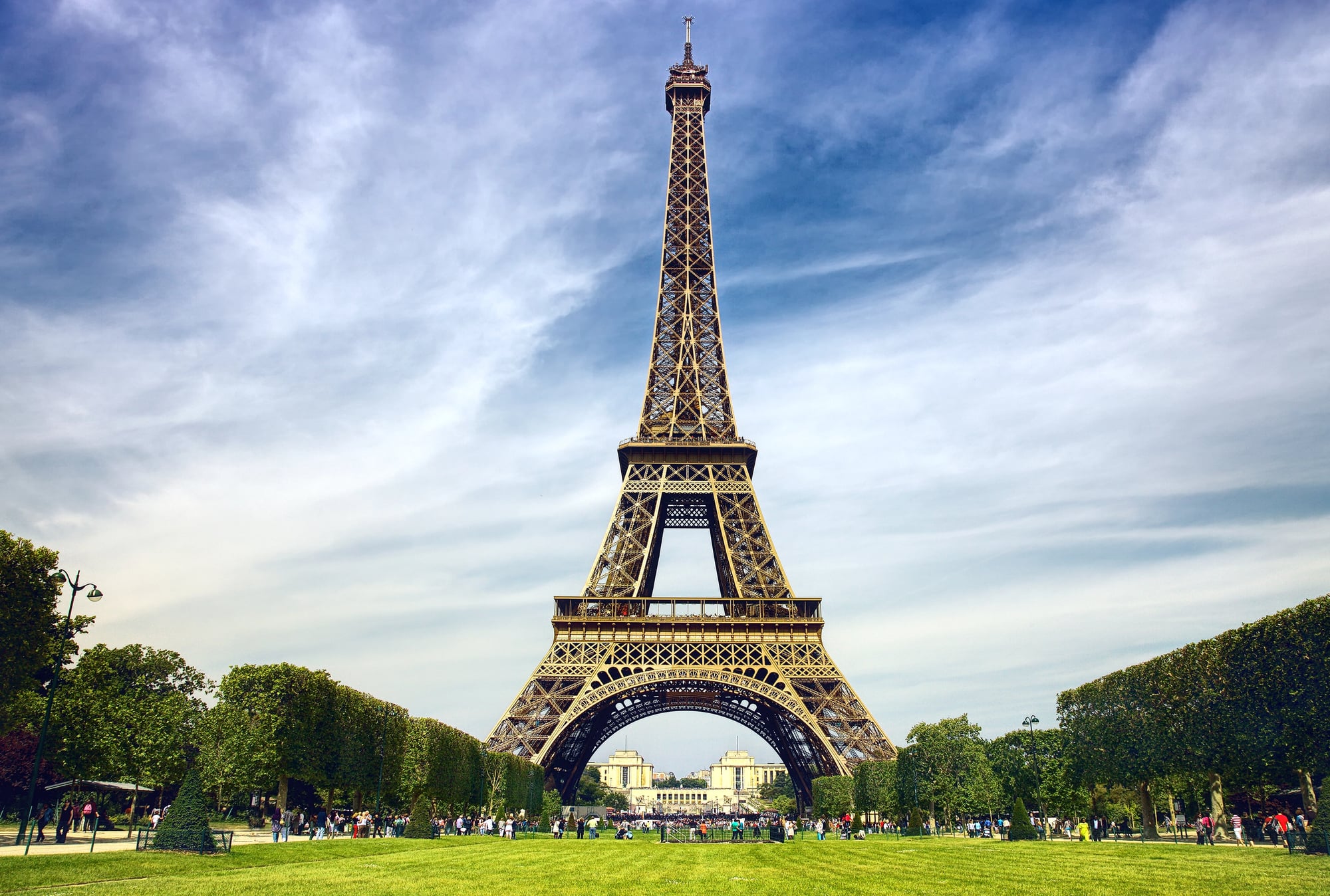
The Eiffel Tower often tops lists of overhyped attractions. Lines can stretch for hours, and the surrounding area hums with vendors selling miniature replicas.
At first glance, it can feel like the definition of a postcard cliché.
Yet the structure itself remains astonishing. Completed in 1889 for the Exposition Universelle, it stood as the tallest man-made structure in the world at the time, reaching 1,083 feet.
What was once criticized by artists as an industrial eyesore has become the defining symbol of Paris. Standing beneath its iron latticework reveals the complexity of its engineering in a way photographs cannot capture.
The view from the top reframes the entire city. The Seine curves through neighborhoods that unfold for miles, and landmarks like Notre-Dame and Sacré-Cœur settle into their geographic context.
The experience is not subtle, but it is powerful. Its fame stems from scale, history, and perspective rather than novelty.
Times Square
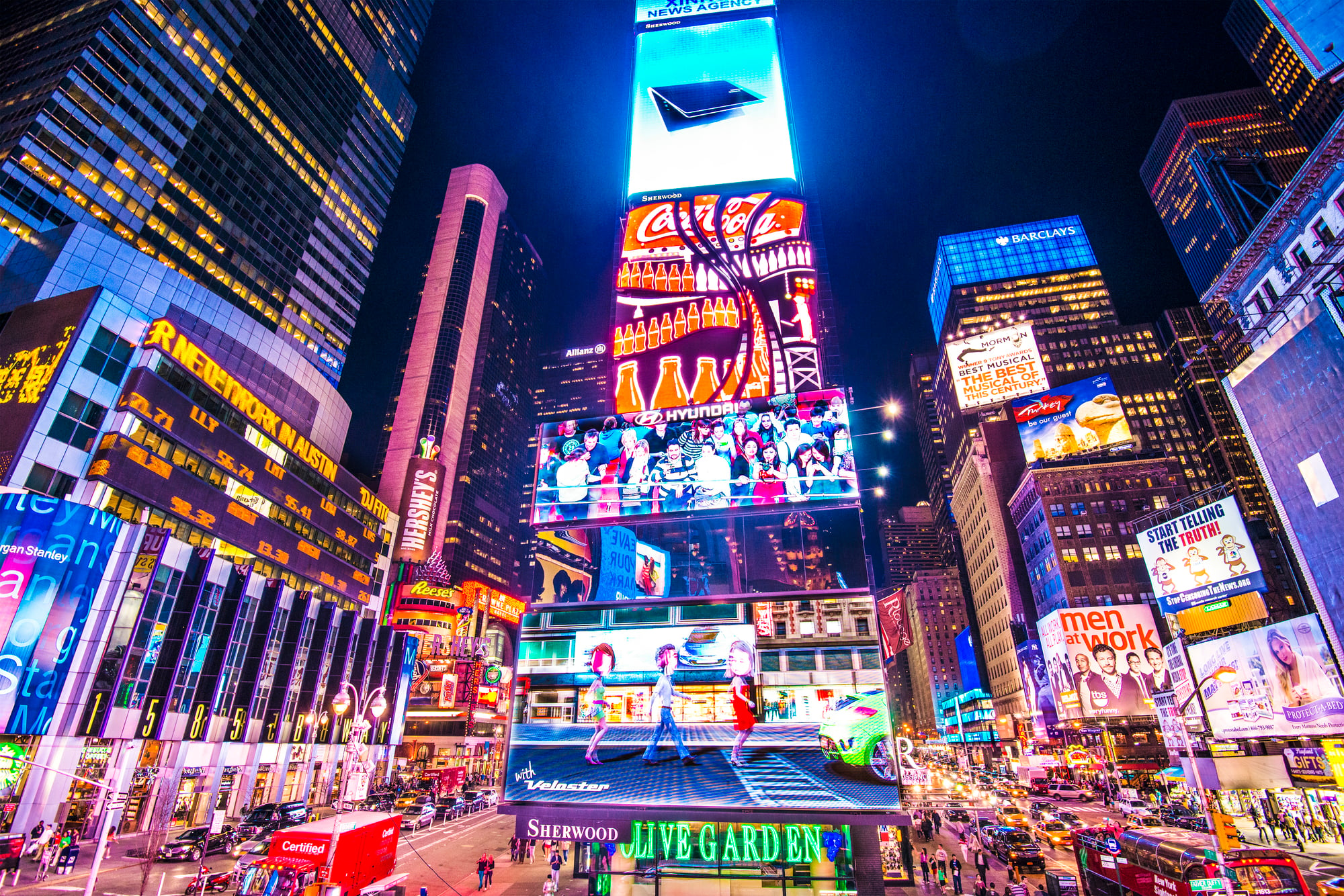
Times Square is loud, bright, and unapologetically commercial. Massive digital billboards flash advertisements across towering facades, and the sidewalks are rarely quiet.
Many seasoned travelers advise passing through quickly rather than lingering.
Even so, Times Square offers something difficult to replicate anywhere else. Located at the junction of Broadway and Seventh Avenue, it represents the concentrated pulse of New York City.
More than 300,000 pedestrians pass through daily, and the square serves as a backdrop for global broadcasts and cultural moments.
The spectacle is intentional. The screens, the theater marquees, and the constant movement create a sensory experience that mirrors the city’s ambition.
It may not provide quiet charm, but it delivers energy at full volume. Dismissing it overlooks the fact that its intensity is precisely what makes it memorable.
The Colosseum
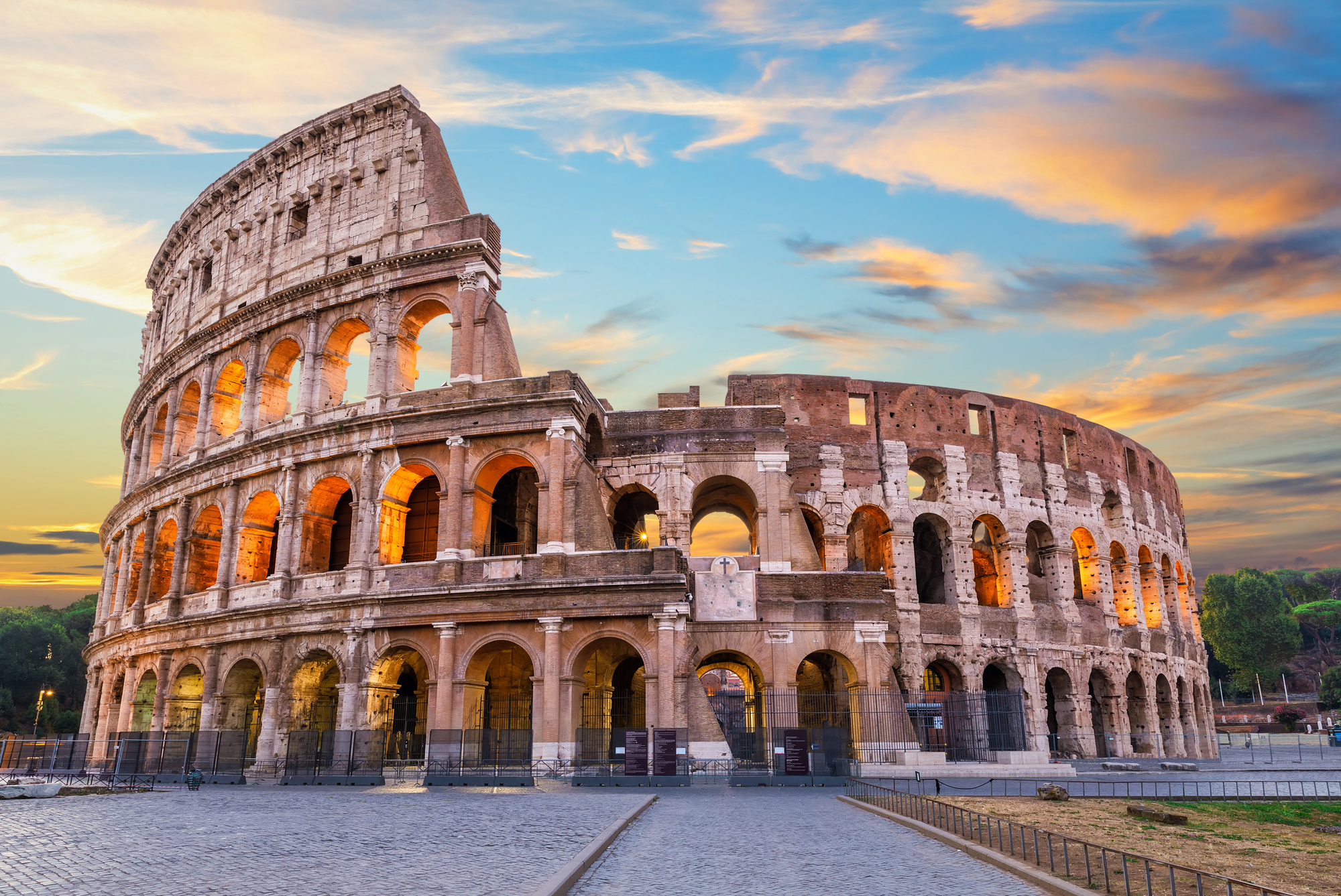
Few sites carry the historical gravity of the Colosseum in Rome. Built between 70 and 80 CE, this massive amphitheater once seated over 50,000 spectators for public spectacles.
Today, it draws millions annually, and ticket queues can test anyone’s patience.
Still, stepping inside its stone corridors brings ancient Rome into sharp focus. The layered arches, underground chambers, and weathered seating tiers reflect engineering sophistication that allowed complex events to unfold efficiently.
Its design influenced stadium construction for centuries.
The Colosseum does not rely on imagination alone. Its scale speaks directly to the magnitude of Roman public life.
The crowds of modern visitors echo the crowds of antiquity in a strange way. Popularity has followed it across millennia for a reason.
The London Eye
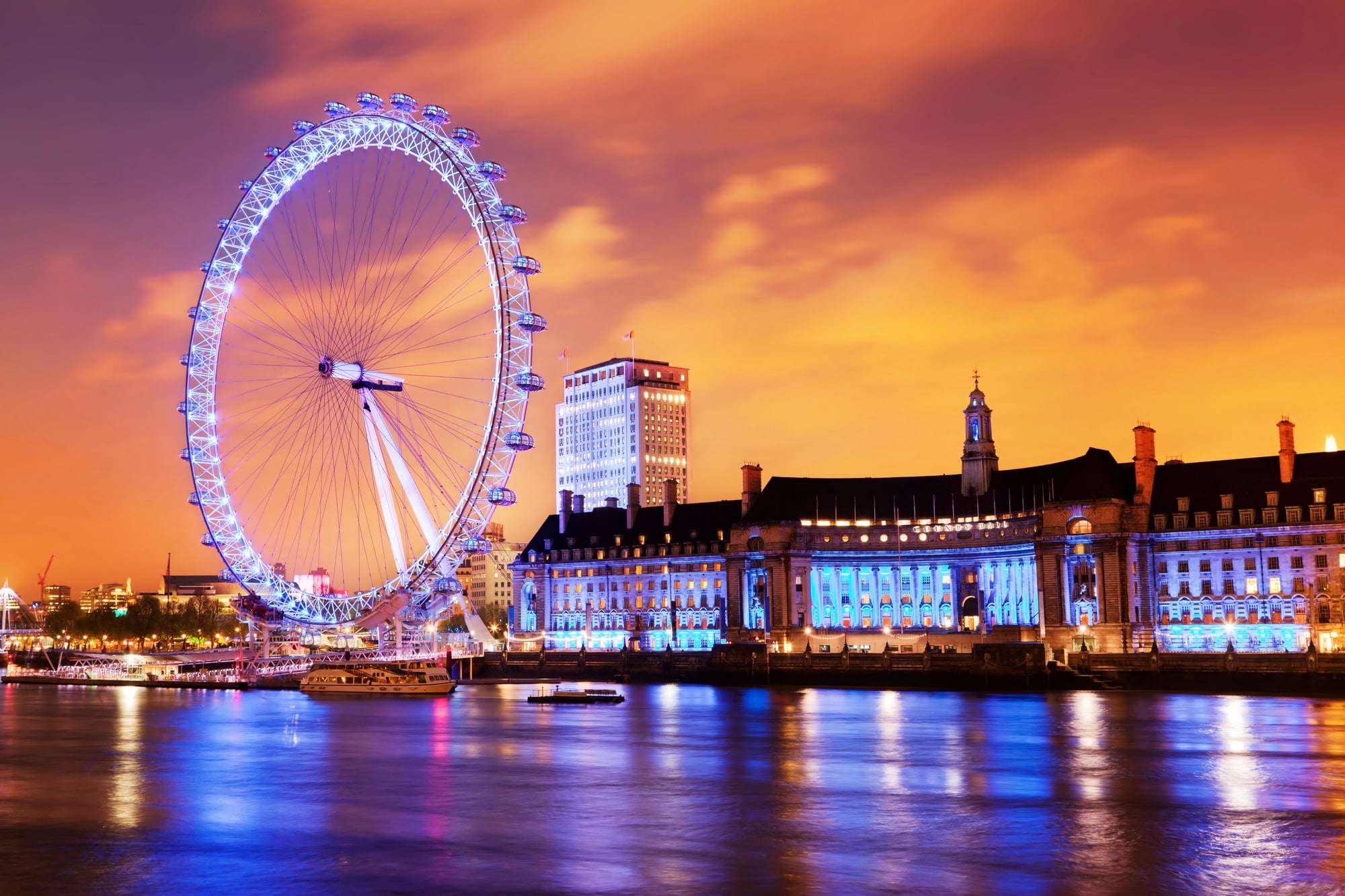
Rising 443 feet above the River Thames, the London Eye has been labeled expensive for what amounts to a slow rotation. The wheel completes a full circle in about 30 minutes, which some critics describe as underwhelming.
In reality, the gradual ascent is the point. The enclosed glass capsules allow uninterrupted views of London’s skyline stretching for miles.
Landmarks such as the Houses of Parliament and St. Paul’s Cathedral align along the river in a way that feels carefully arranged.
Unlike fast observation decks, the London Eye provides time to absorb details. The city reveals itself layer by layer, from historic stone structures to modern skyscrapers.
The steady pace encourages reflection rather than rushing through the experience.
The Hollywood Walk Of Fame
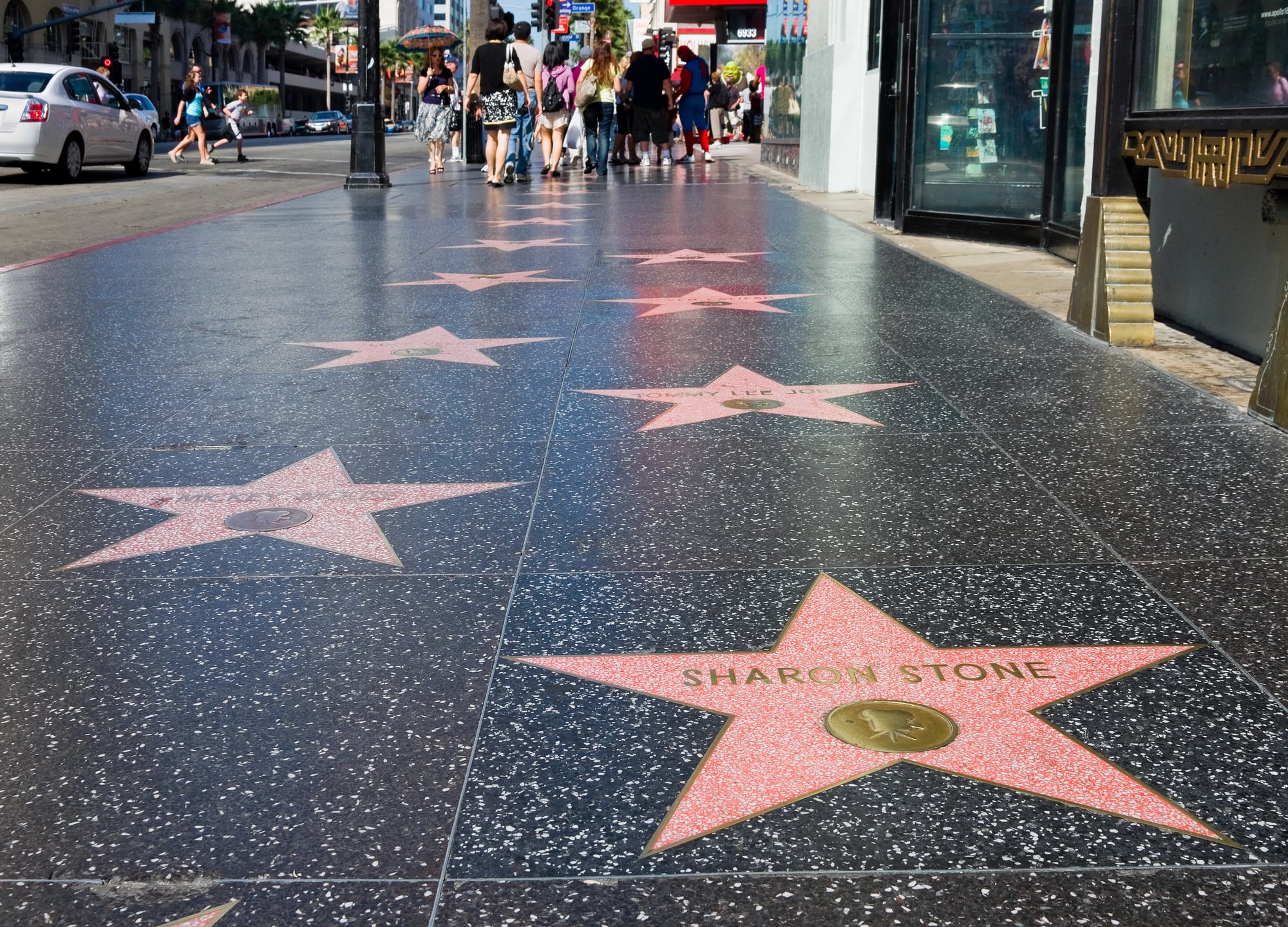
The Hollywood Walk of Fame extends more than 15 blocks along Hollywood Boulevard and Vine Street, featuring over 2,700 stars honoring figures in entertainment. The surrounding area can feel chaotic, with street performers and souvenir shops competing for attention.
Yet the names embedded in the sidewalk represent decades of global cultural influence. Film, television, music, and radio have shaped shared experiences across generations, and the stars serve as physical markers of that impact.
The setting may lack subtlety, but the significance of the individuals honored there remains substantial. Standing above a familiar name creates a tangible link to cultural history.
The walk functions less as a polished monument and more as a democratic archive of entertainment.
The Blue Lagoon
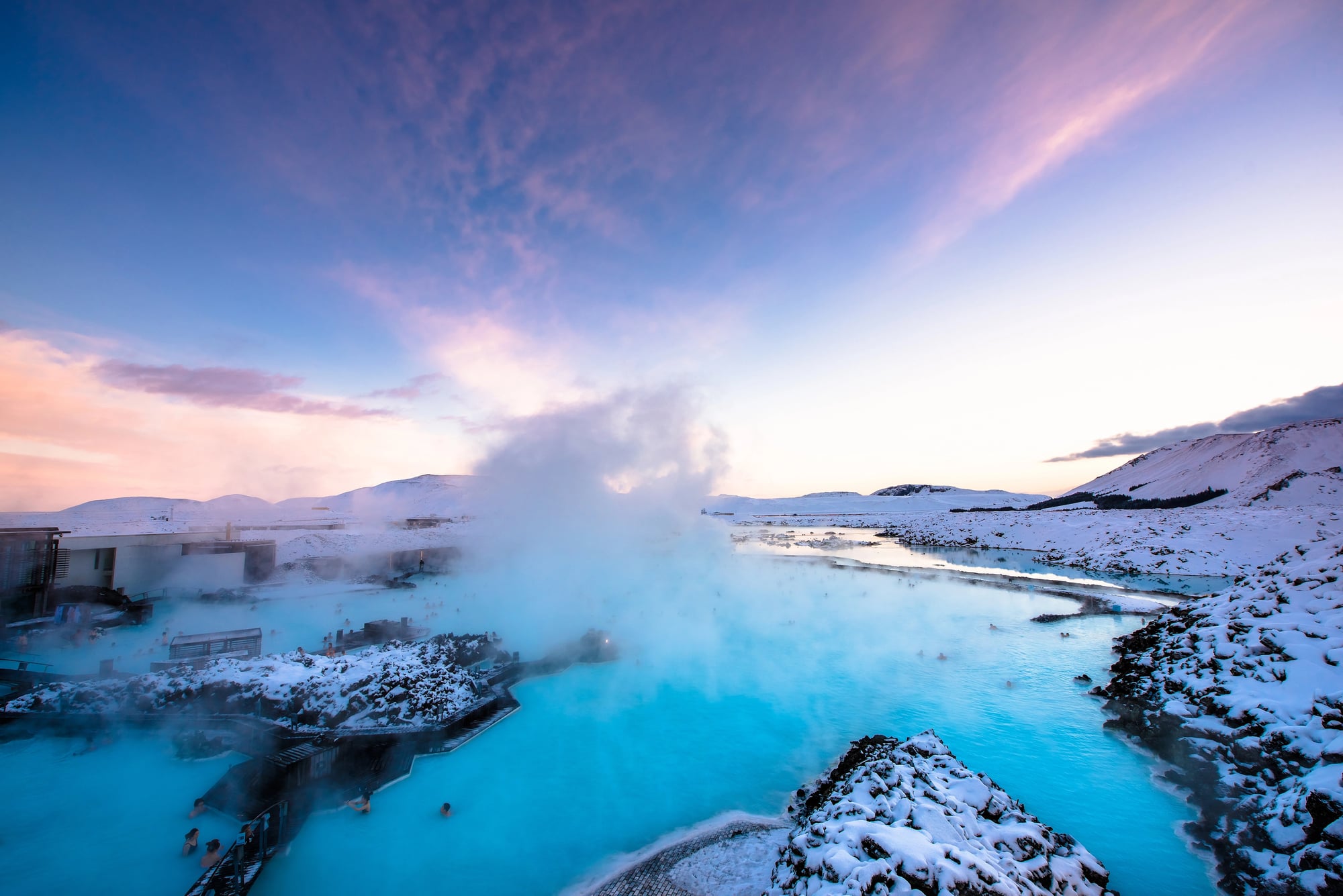
Iceland’s Blue Lagoon frequently sparks debate because it is man-made rather than a natural hot spring in the traditional sense. Formed from geothermal runoff near a power plant, its milky-blue waters appear almost artificial against the dark volcanic landscape.
Despite that origin, the lagoon’s mineral-rich water, maintained at temperatures between 98 and 104 degrees Fahrenheit, offers a uniquely soothing experience. Silica and other minerals suspended in the water create its distinctive color and are believed to have skin benefits.
Surrounded by black lava fields stretching for miles, the contrast between warmth and rugged terrain heightens the atmosphere.
The experience feels curated, but it also feels genuinely immersive. Visitors float in steaming water beneath open sky, framed by one of the planet’s most dramatic landscapes.
Las Vegas Strip
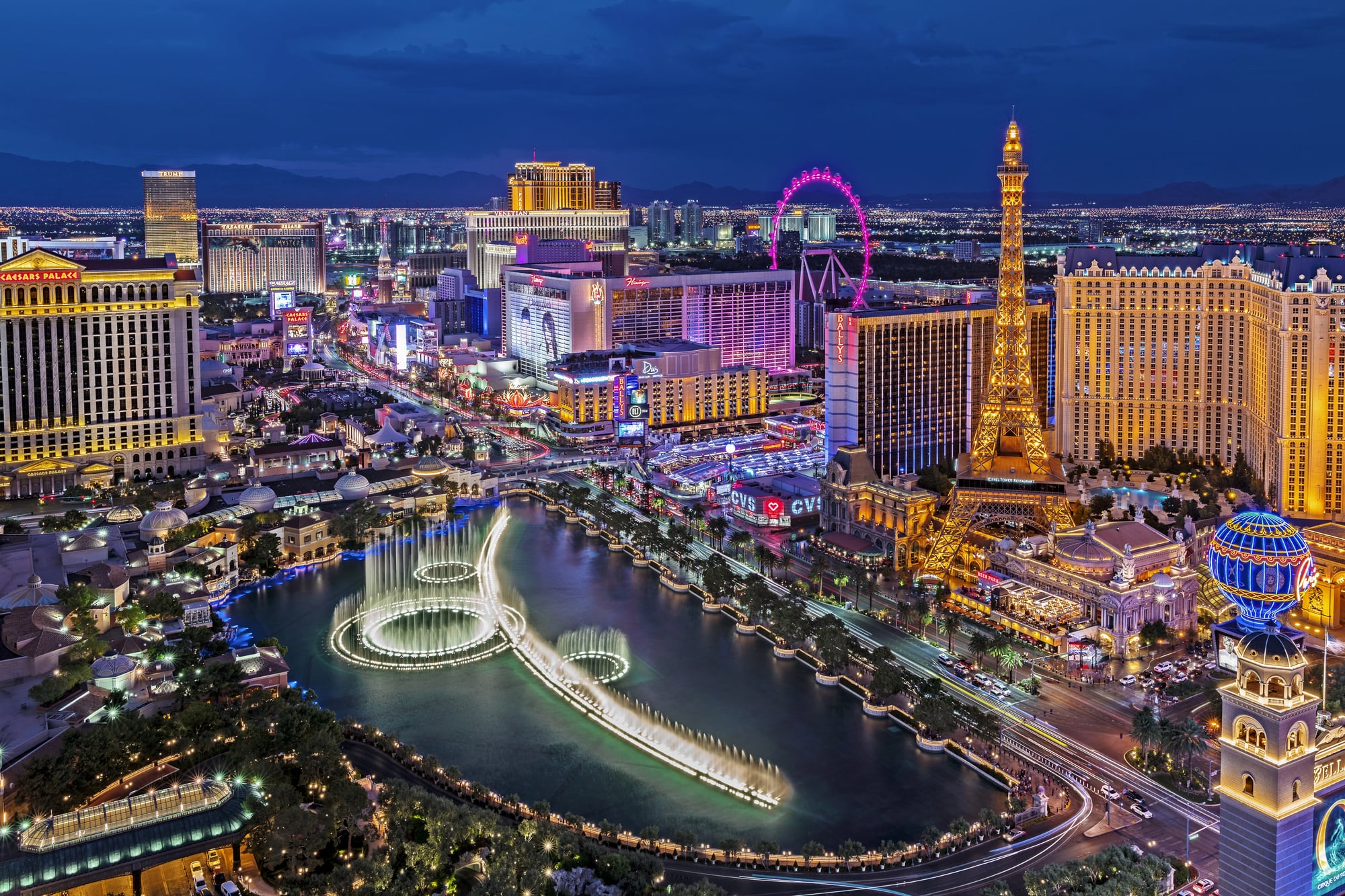
The Las Vegas Strip embraces spectacle without apology. Spanning roughly four miles, it features replicas of global landmarks, choreographed fountain shows, and towering hotels illuminated by neon light.
Critics often reduce it to excess packaged for visitors.
At the same time, the Strip represents a remarkable concentration of design and entertainment. Resorts like the Bellagio and the Venetian showcase elaborate interiors, performance venues host internationally recognized artists, and architectural ambition shapes the skyline.
After sunset, the transformation is dramatic. The glow of lights extends for miles into the desert, creating one of the most recognizable nightscapes in the United States.
The Strip thrives on theatricality, but the scale and execution elevate it beyond simple novelty.
Machu Picchu
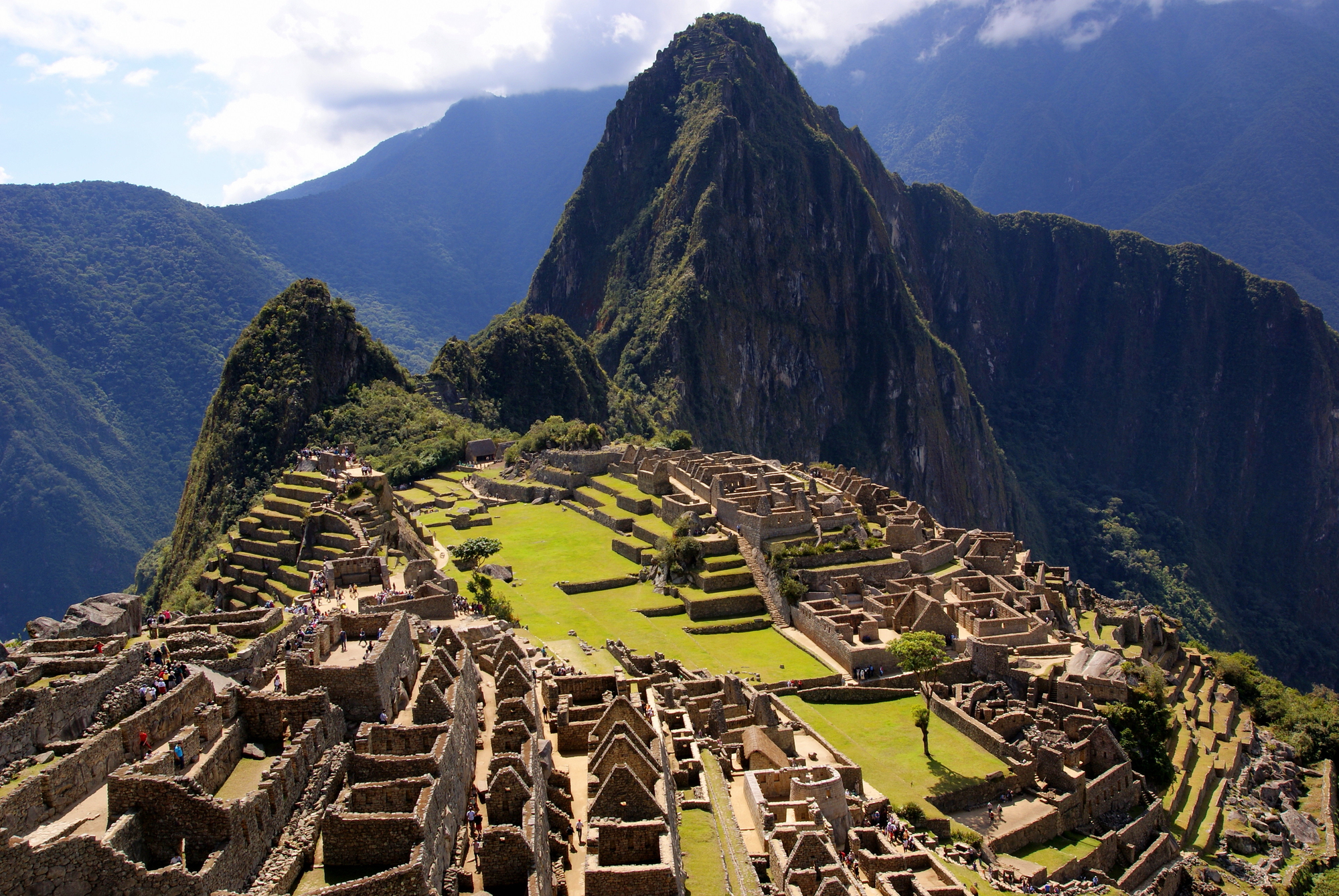
Perched more than 7,000 feet above sea level in Peru’s Andes Mountains, Machu Picchu stands as one of the world’s most photographed archaeological sites. Strict visitor limits now regulate access in order to preserve its 15th-century stonework.
The Inca citadel’s layout reflects advanced understanding of agriculture, astronomy, and construction. Terraced fields cling to steep mountain slopes, and precisely cut stones fit together without mortar.
Rediscovered in 1911 by American historian Hiram Bingham, the site has since become emblematic of pre-Columbian achievement.
Its fame is inseparable from its setting. Mist drifts through surrounding peaks, and the sense of elevation is palpable.
The journey to reach it, whether by train or hiking trail, adds to its gravity. Its popularity stems from authentic historical and geographic significance rather than marketing alone.
The Louvre
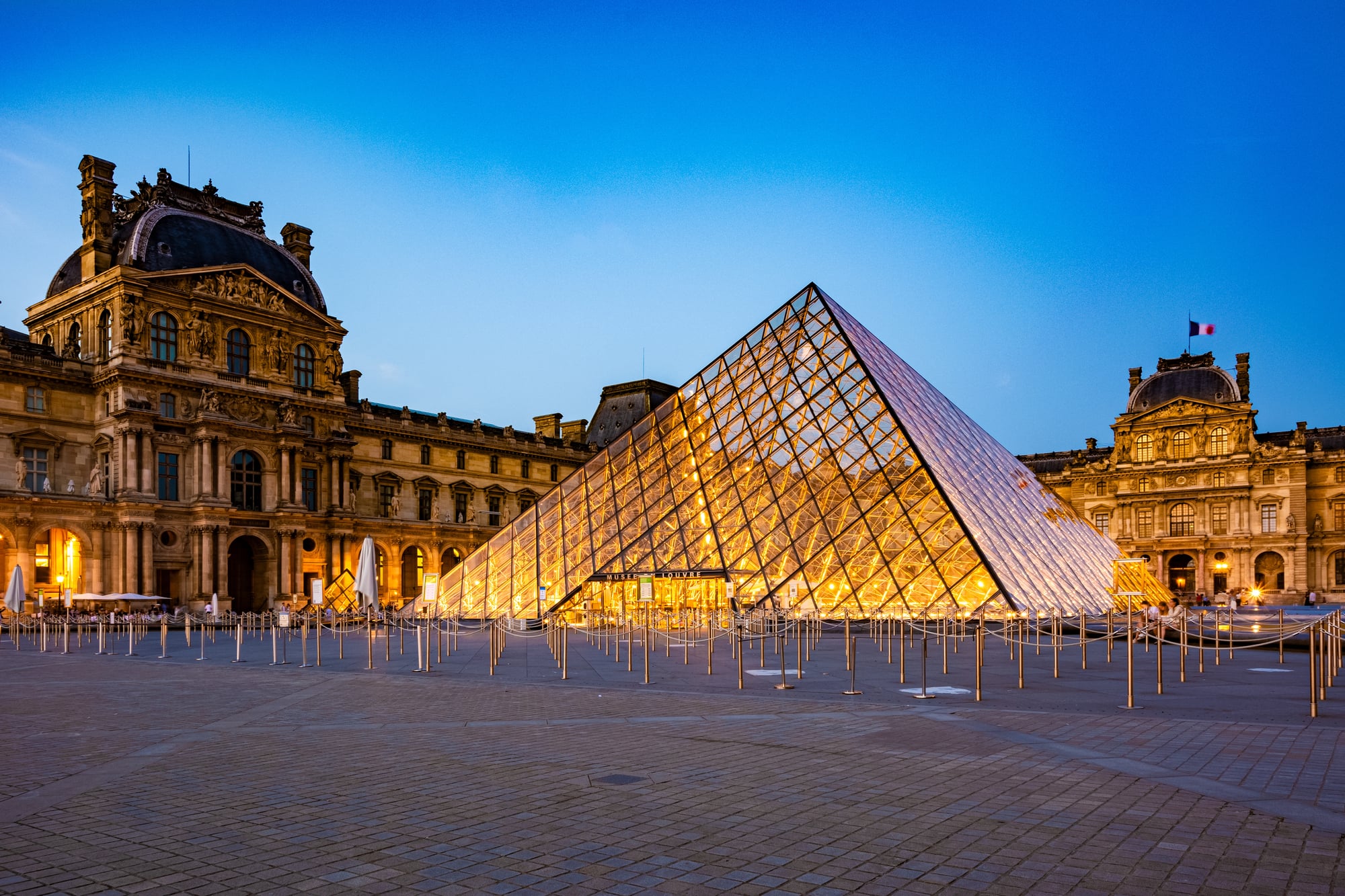
The Louvre in Paris houses more than 35,000 works of art and welcomes millions of visitors annually. Its vast size can overwhelm even determined travelers, and the room housing the Mona Lisa often draws dense crowds.
Yet the museum’s scale reflects centuries of cultural accumulation. Originally a medieval fortress and later a royal palace, the building itself carries layers of architectural history.
Its collections span ancient Egyptian artifacts, Renaissance masterpieces, and 19th-century paintings.
Moving through its galleries offers a condensed survey of global art history. The experience requires patience and planning, but few places gather such a breadth of artistic achievement under one roof.
Its reputation is built on depth rather than hype.
Why Popular Places Still Matter
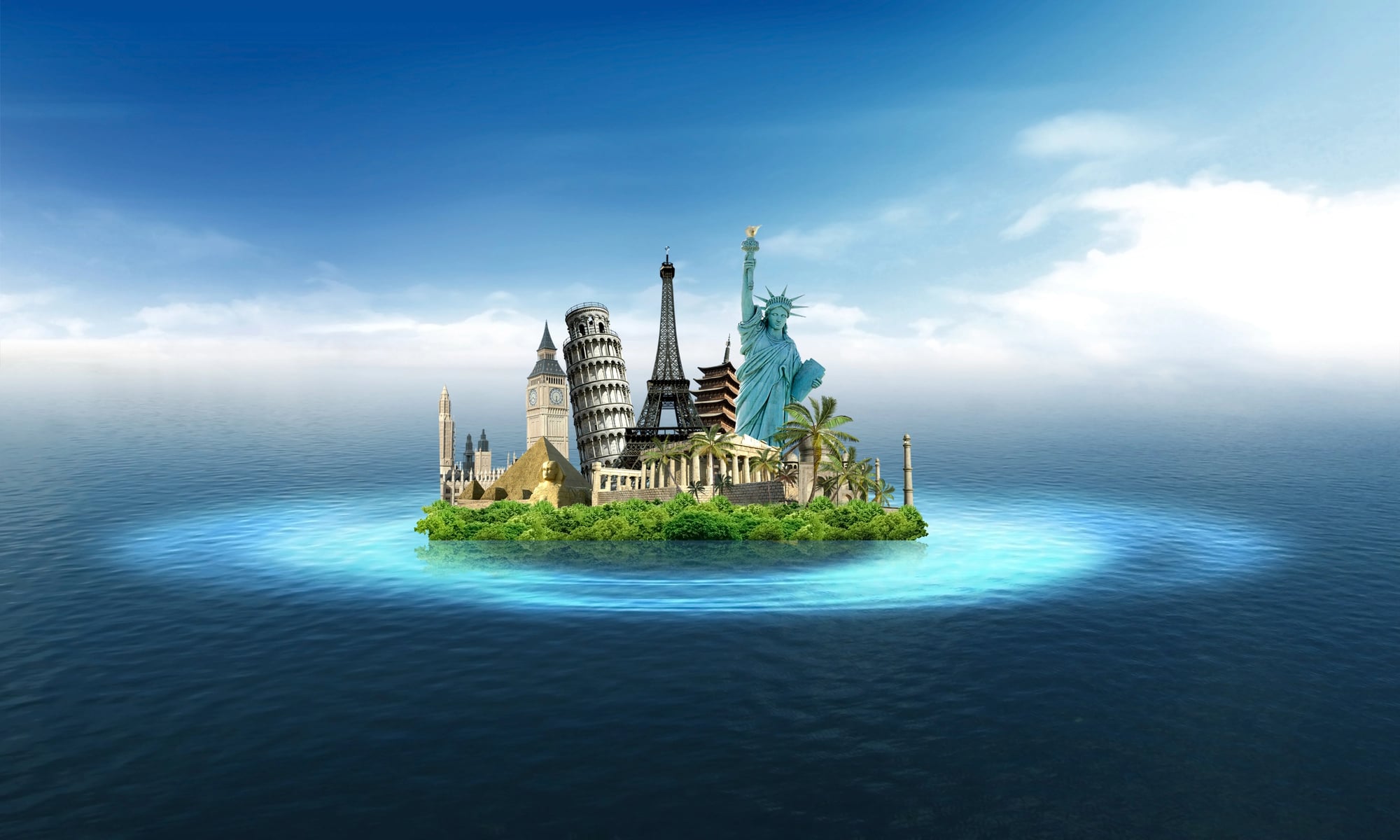
Popularity doesn’t always mean a place lacks worth – sometimes it’s crowded for good reason. What looks like a gimmick might actually be centuries of meaning built into stone and space.
Big crowds gather not just by chance, but because few spots deliver quite the same weight. Seen from another angle, size alone can’t explain why certain sites pull people in year after year.
It’s the layers beneath – the stories, shapes, silences – that keep drawing eyes upward and feet forward. Few replicas match the original, especially when history lives inside the walls.
Most people on the move today want places few others know, mistaking hidden spots for realness. Yet moments felt together hold weight too.
Standing where countless others stood links a person to stories stretching across time and land.
More from Go2Tutors!

- The Romanov Crown Jewels and Their Tragic Fate
- 13 Historical Mysteries That Science Still Can’t Solve
- Famous Hoaxes That Fooled the World for Years
- 15 Child Stars with Tragic Adult Lives
- 16 Famous Jewelry Pieces in History
Like Go2Tutors’s content? Follow us on MSN.