18 Vibration Patterns That Carry Information in Nature
Nature operates on a complex network of vibrations, from the microscopic tremors of molecules to the massive oscillations of tectonic plates. These aren’t just random movements—they’re sophisticated communication systems that have evolved over millions of years to transmit crucial information across species and environments.
Animals, plants, and even geological formations use vibrational patterns to share everything from mating calls to earthquake warnings. Here is a list of 18 fascinating vibration patterns that carry vital information throughout the natural world.
Elephant Infrasonic Communication
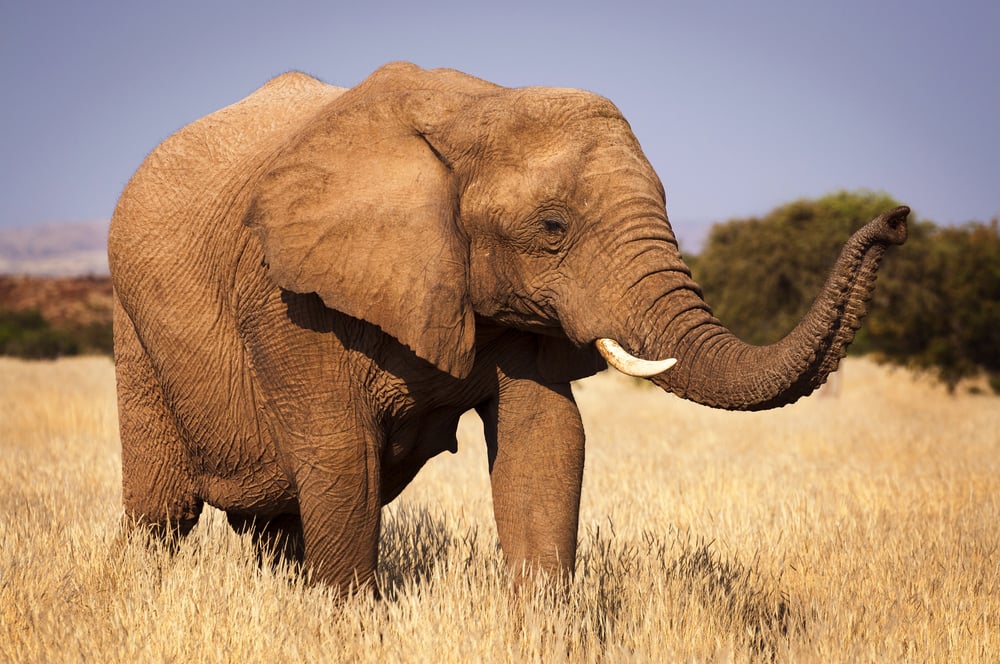
Elephants produce low-frequency rumbles below the range of human hearing, typically between 5-24 Hz, that can travel for miles through the ground and air. These infrasonic calls allow herds to coordinate movements across vast distances, warn of predators, and even announce when a female is ready to mate.
The vibrations travel through their feet and up their leg bones, creating a sophisticated long-distance telephone system that connects elephant communities across the African savanna.
Spider Web Vibrations
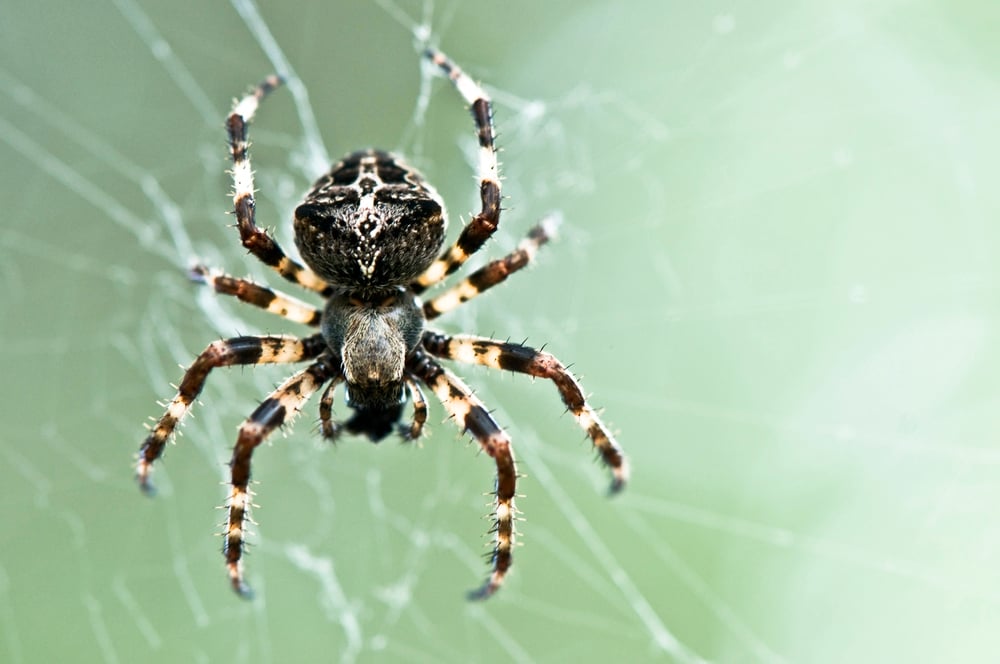
A spider’s web functions like a finely tuned musical instrument, with each strand calibrated to transmit specific vibrational frequencies. When prey gets caught, the struggling creates distinct vibration patterns that tell the spider exactly what type of creature is trapped, its size, and its precise location on the web.
Spiders can even distinguish between the vibrations of potential prey and those of a potential mate approaching their web.
Like Go2Tutors’s content? Follow us on MSN.
Honeybee Waggle Dance Vibrations
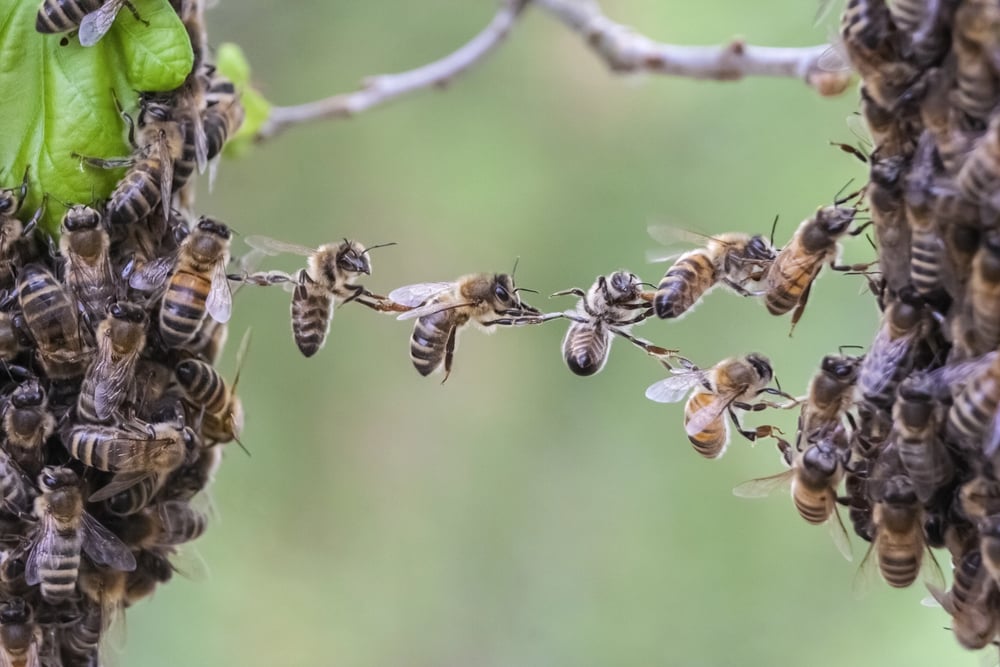
Honeybees communicate the location of flower patches through a remarkable dance that combines movement with precise vibrations. The dancing bee vibrates her flight muscles at around 250 Hz while performing figure-eight patterns, with the duration and angle of the dance indicating both distance and direction to the food source.
These vibrations travel through the honeycomb structure, allowing other bees to decode the message even in complete darkness.
Woodpecker Drumming Codes
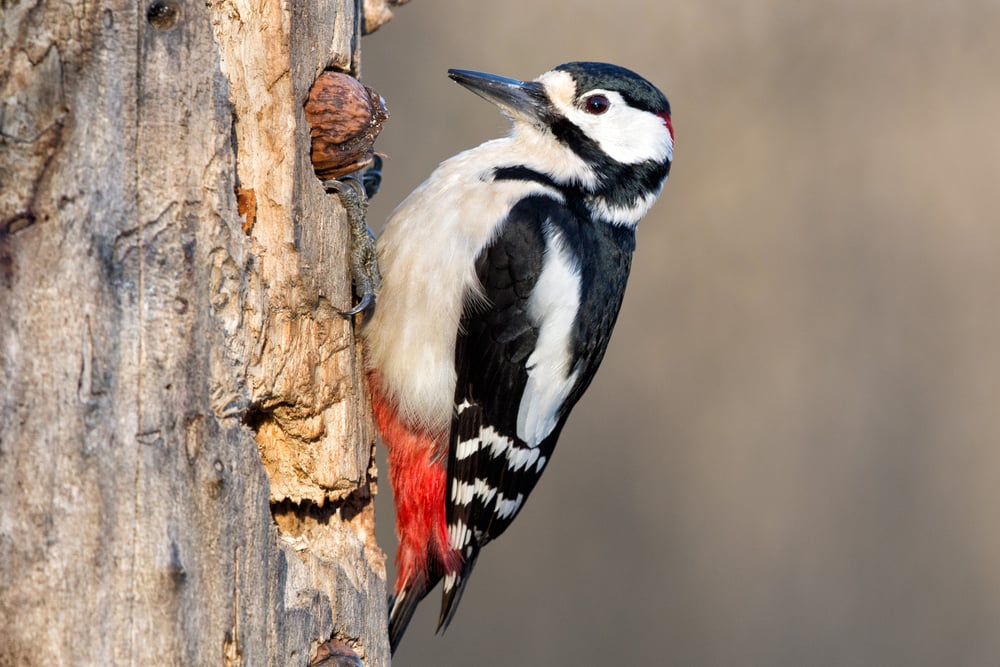
Different woodpecker species use distinct drumming patterns on tree trunks to establish territory and attract mates, much like Morse code tapped out on wood. Each species has its own rhythm signature—some drum in rapid-fire bursts while others use slower, more deliberate beats.
The vibrations travel through the wood and can be detected by other woodpeckers up to a quarter-mile away, making dead trees into natural telegraph systems.
Termite Head-Banging Alerts
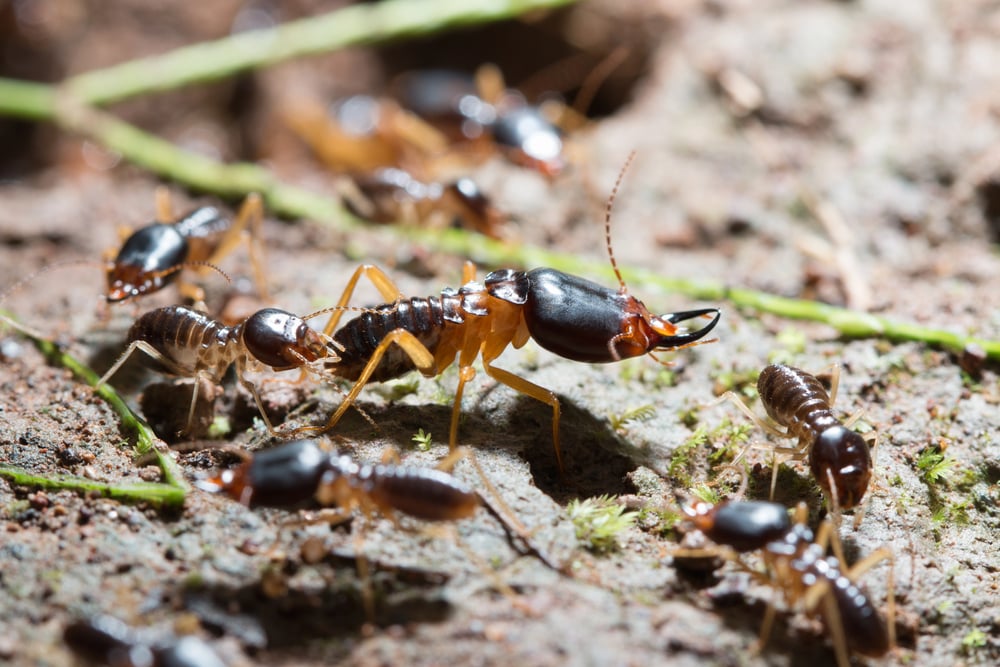
When soldier termites detect danger, they rapidly bang their heads against tunnel walls to create alarm vibrations that spread throughout the colony. These warning signals travel at speeds of up to 10 feet per second through the termite mound’s complex architecture.
The vibrations trigger an immediate defensive response, with workers sealing off tunnels and soldiers rushing toward the threat location.
Like Go2Tutors’s content? Follow us on MSN.
Fish Lateral Line Sensing
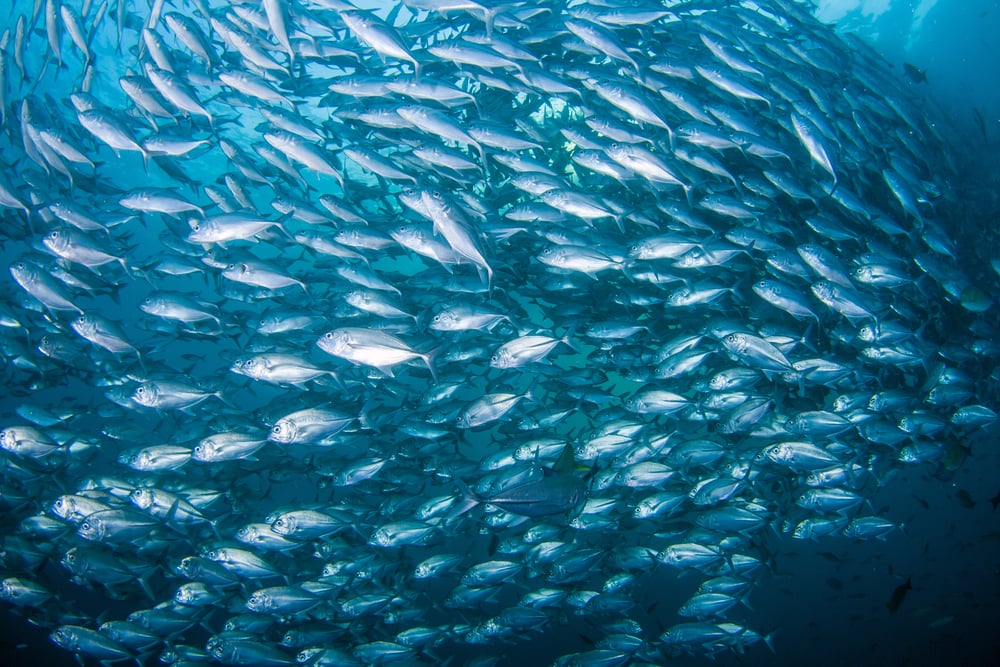
Fish possess a remarkable sensory system called the lateral line that detects minute water vibrations created by moving objects, other fish, and even subtle current changes. This system allows schooling fish to move in perfect synchronization, as each individual responds to the pressure waves created by its neighbors.
Predatory fish use these same vibrations to locate prey in murky water where vision fails.
Seismic Communication in Kangaroo Rats
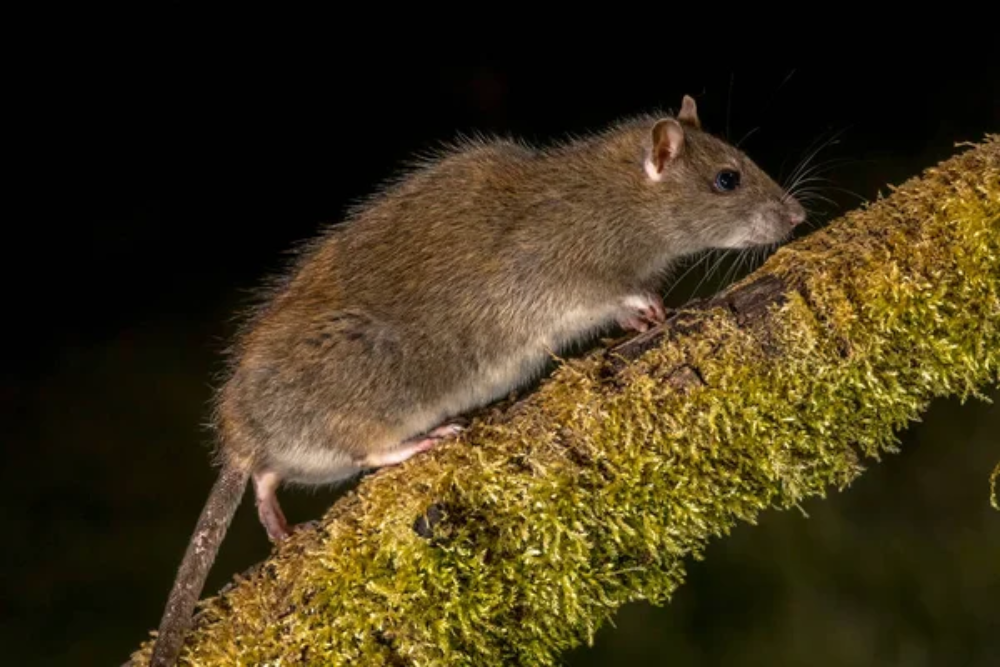
Kangaroo rats thump their powerful hind legs against the ground to create seismic signals that warn neighbors of approaching predators like snakes and owls. These foot-drumming patterns vary in intensity and rhythm depending on the type and proximity of the threat.
The vibrations travel efficiently through sandy desert soil, creating an early warning system that spans entire kangaroo rat communities.
Plant Root Network Vibrations
Recent research has revealed that plant roots can detect and respond to vibrations from neighboring plants, insects, and even underground water sources. Some plants increase their root growth toward the source of water-dripping sounds, while others alter their chemical defenses when they detect vibrations from herbivorous insects.
This underground communication network helps plants compete for resources and defend against threats.
Like Go2Tutors’s content? Follow us on MSN.
Frog Chorus Synchronization
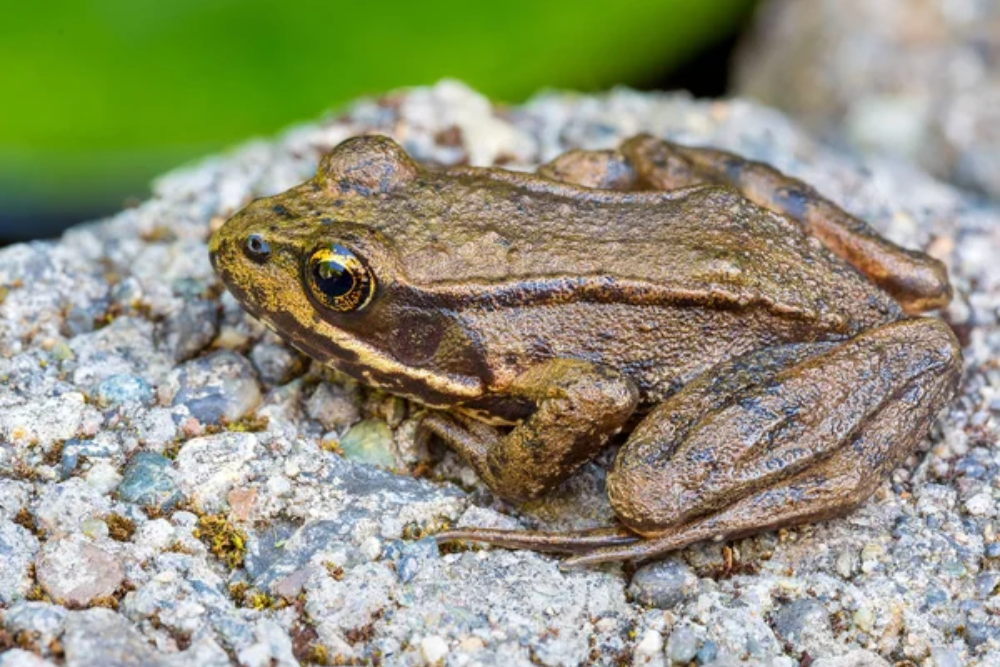
Male frogs in breeding choruses don’t just call randomly—they synchronize their vocalizations using vibration cues to create coordinated acoustic displays. This synchronization helps individual frogs stand out to potential mates while also confusing predators that rely on pinpointing single callers.
The ground vibrations from hundreds of calling frogs can be detected by sensitive equipment from considerable distances.
Bat Echolocation Patterns
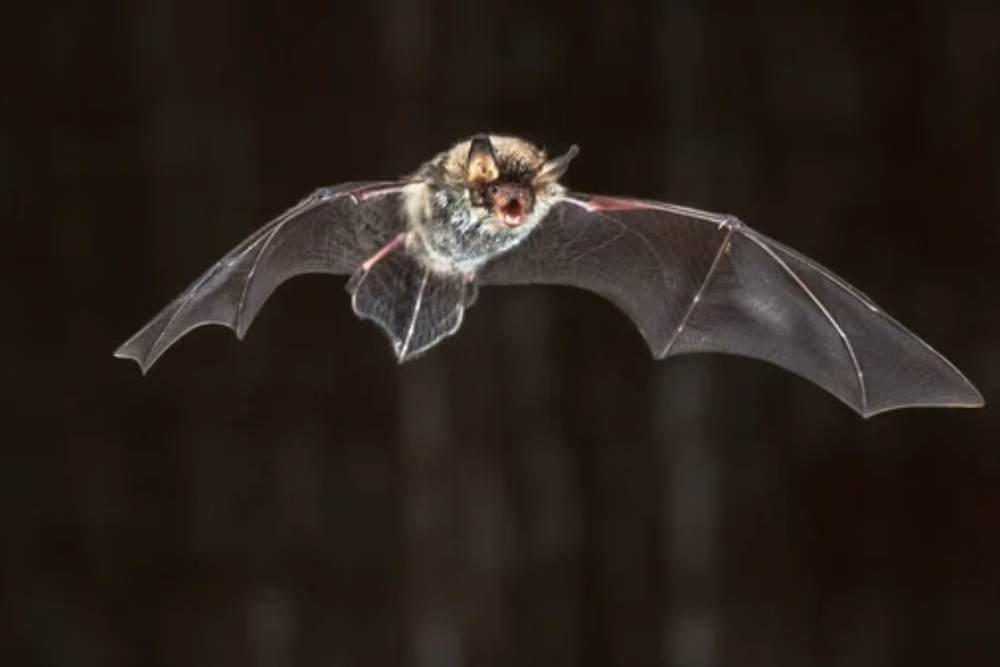
Bats emit ultrasonic calls and interpret the returning echoes to navigate and hunt in complete darkness, with different species using distinct frequency patterns and call structures. These acoustic vibrations provide incredibly detailed information about object size, texture, distance, and even movement patterns.
Some bats can distinguish between edible and poisonous moths based solely on the acoustic signatures of their wing beats.
Dolphin Signature Whistles

Each dolphin develops a unique acoustic signature—essentially a name—that other dolphins can recognize and mimic to get that individual’s attention. These signature whistles are learned early in life and remain consistent throughout the dolphin’s lifetime.
The vibrations travel efficiently through water, allowing dolphins to maintain contact across miles of ocean and coordinate complex hunting strategies.
Like Go2Tutors’s content? Follow us on MSN.
Caterpillar Vibrational Warnings
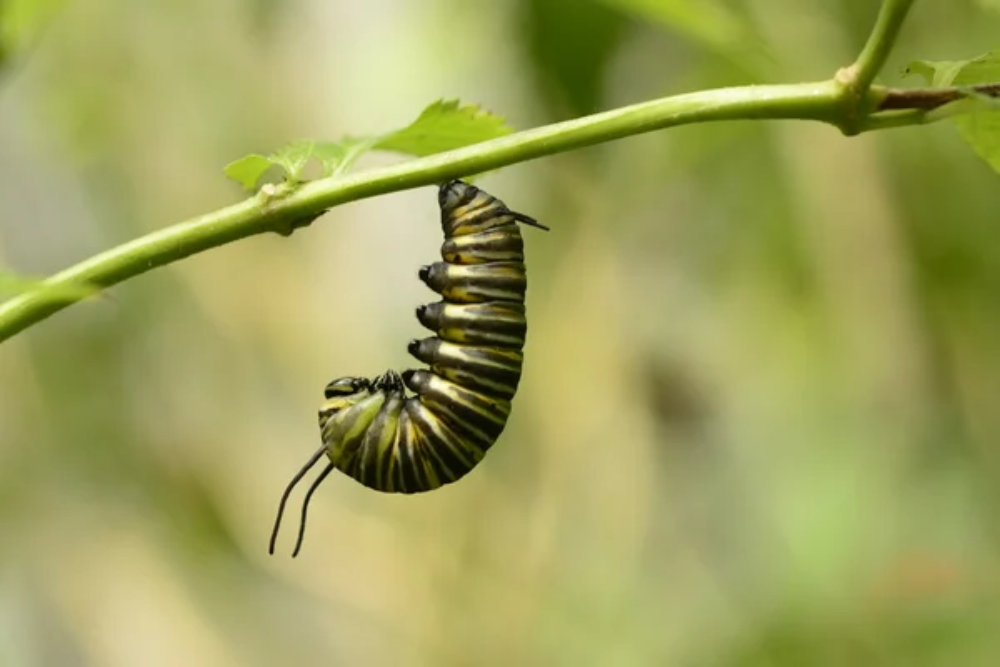
Many caterpillars create vibrations by scraping specialized body parts against leaves or stems when they detect predators or competitors. These signals can warn nearby caterpillars to drop from plants or freeze in place to avoid detection.
Some species even use different vibrational patterns to indicate different types of threats, creating a surprisingly sophisticated early warning system.
Bird Wing-Beat Signatures
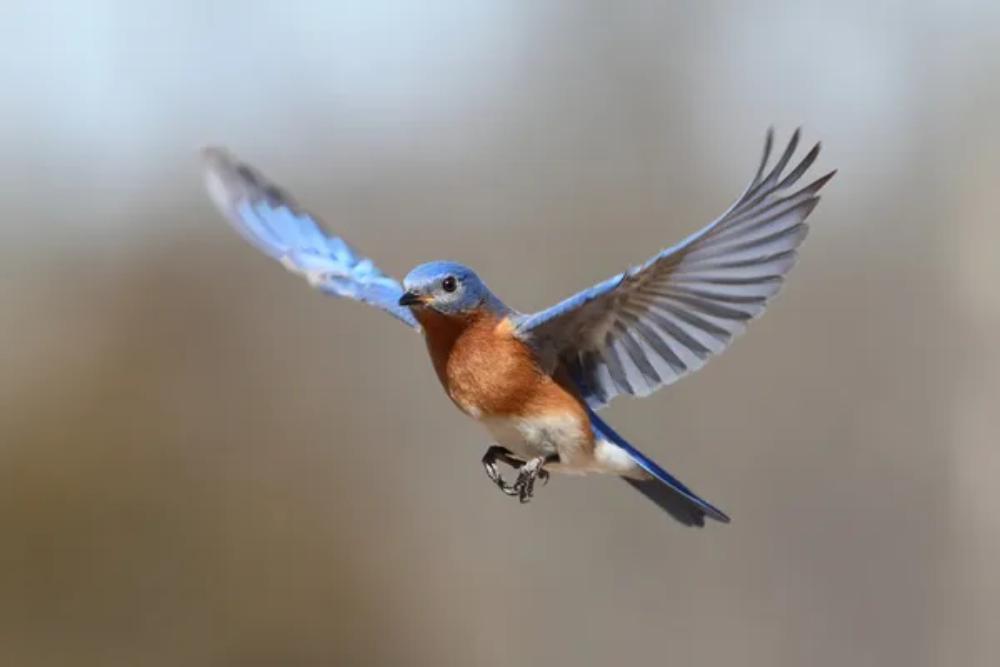
The distinctive wing-beat patterns of different bird species create unique acoustic signatures that other birds can recognize from considerable distances. These vibrations help birds identify potential competitors, predators, or members of their own species during migration or territorial disputes.
Experienced birders can often identify species by sound alone, even when the birds are too far away to see clearly.
Scorpion Sand Vibrations
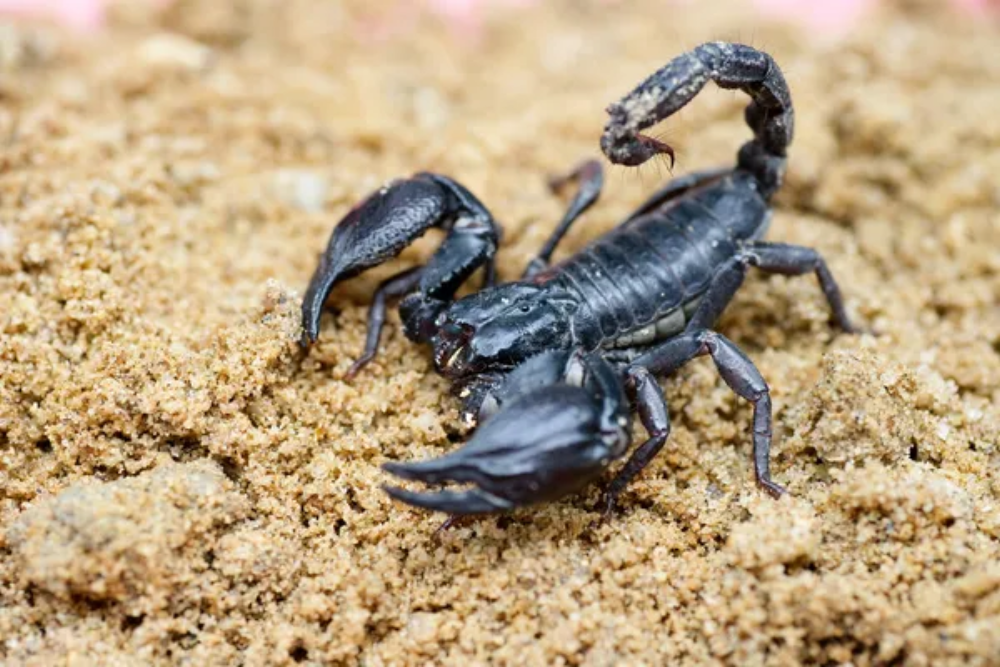
Scorpions use their legs to detect minute vibrations in sand that reveal the presence of prey, predators, or potential mates moving nearby. They can distinguish between the vibrations created by different types of insects and even determine the size and direction of movement.
This vibrational sensing is so precise that scorpions can successfully hunt in complete darkness using touch alone.
Like Go2Tutors’s content? Follow us on MSN.
Whale Long-Distance Songs

Large whales produce complex songs that can travel hundreds of miles through the ocean water, using low-frequency vibrations that penetrate the deep sound channel. These acoustic signals help whales locate mates across vast ocean basins and may also serve to coordinate feeding activities.
Some whale songs have been detected by underwater microphones thousands of miles from their source.
Ant Trail Vibrations
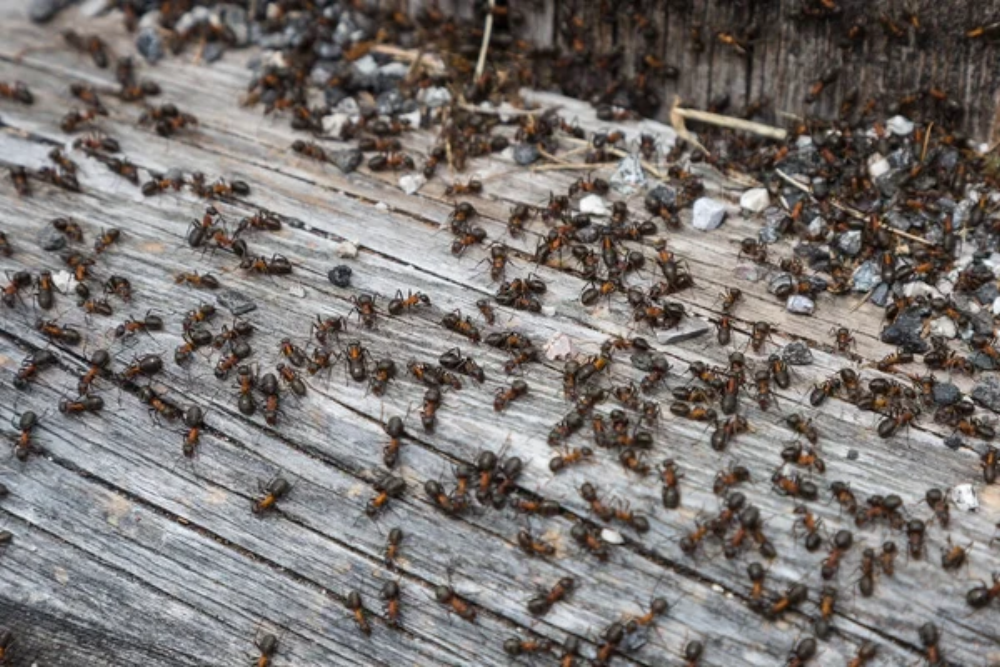
Ants create vibrations by drumming their abdomens against the ground or nest surfaces to communicate information about food sources, threats, or nest maintenance needs. These mechanical signals work alongside chemical pheromone trails to create a multi-modal communication system.
Different vibration patterns can indicate urgency levels, with faster drumming typically signaling more immediate needs.
Snake Tongue Vibration Detection
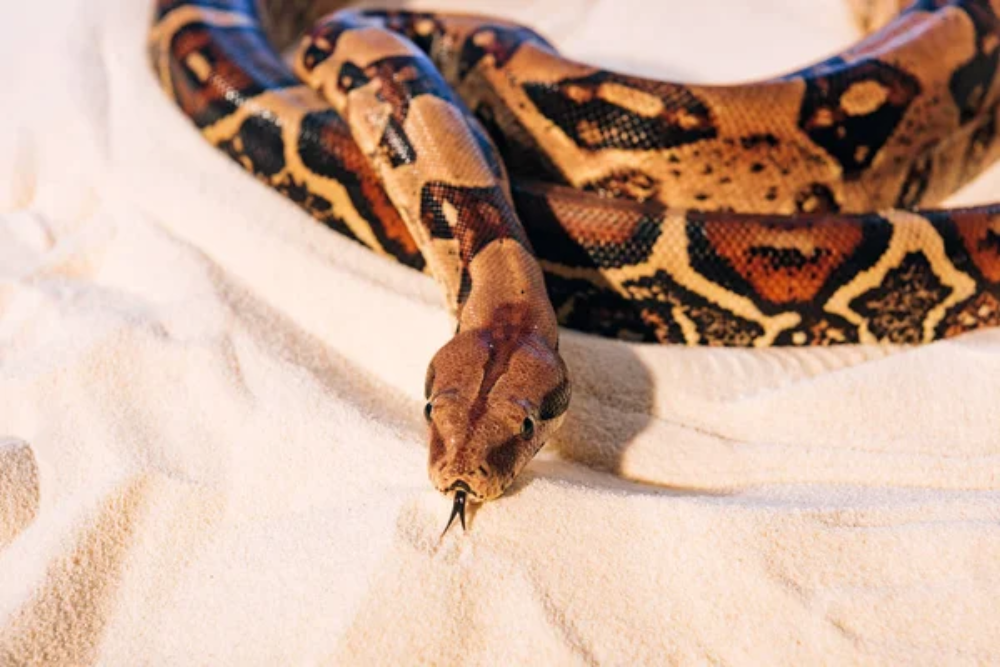
Snakes use their forked tongues not just for chemical detection but also to sense vibrations transmitted through the air and ground. The tongue picks up minute particle movements that correspond to sound waves and ground vibrations, helping snakes locate prey and detect approaching threats.
This dual-purpose sensory system makes snakes remarkably effective hunters despite their lack of external ears.
Like Go2Tutors’s content? Follow us on MSN.
Beaver Tail Slapping
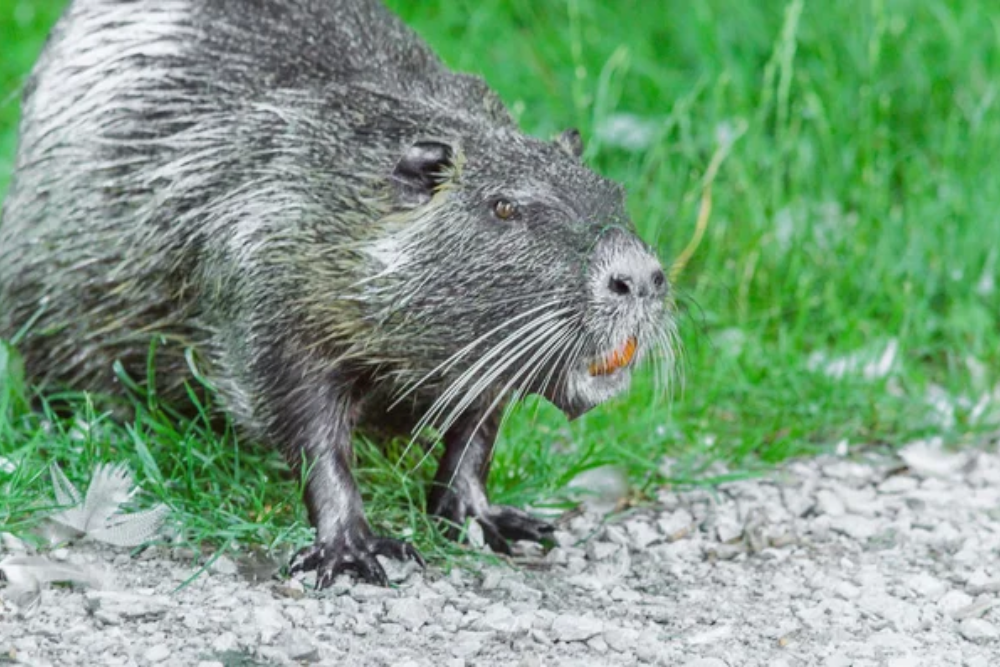
Beavers slap their large, flat tails against the water surface to create loud acoustic signals that warn family members of approaching danger. These tail slaps produce both airborne sound waves and underwater vibrations that can be detected by other beavers throughout their pond system.
The intensity and repetition pattern of the slaps convey information about the type and severity of the perceived threat.
Nature’s Endless Conversation

These vibrational communication systems reveal that the natural world is far more interconnected and chatty than most people realize. From the ground-shaking calls of elephants to the delicate tremors detected by spider webs, creatures large and small have evolved remarkable ways to share information through mechanical waves.
Understanding these natural communication networks not only deepens our appreciation for the complexity of ecosystems but also inspires new technologies for human use. The next time you’re in nature, remember that you’re surrounded by countless conversations happening through vibrations you can’t even perceive.
More from Go2Tutors!

- 16 Restaurant Chains That Went Too Fast
- 12 Things Sold in the 80s That Are Now Illegal
- 15 Strange Things People Have Tried to Ban (And Failed)
- 16 Collectibles People Tossed Out Too Soon
- 17 Myths from Your Childhood That Were Actually Based on Real Things
Like Go2Tutors’s content? Follow us on MSN.