15 Things You Couldn’t Do 15 Years Ago
Fifteen years doesn’t sound like that long. It’s within living memory.
Most people reading this were adults in 2010 and remember it clearly — the phones, the habits, the way things just worked. But spend a few minutes thinking about what a normal Tuesday looks like today versus then, and the gap becomes pretty startling.
A handful of things that feel completely ordinary now simply didn’t exist yet. Or they existed in a form so limited they barely counted.
Here’s what’s changed.
Stream Music Without Owning a Single Song
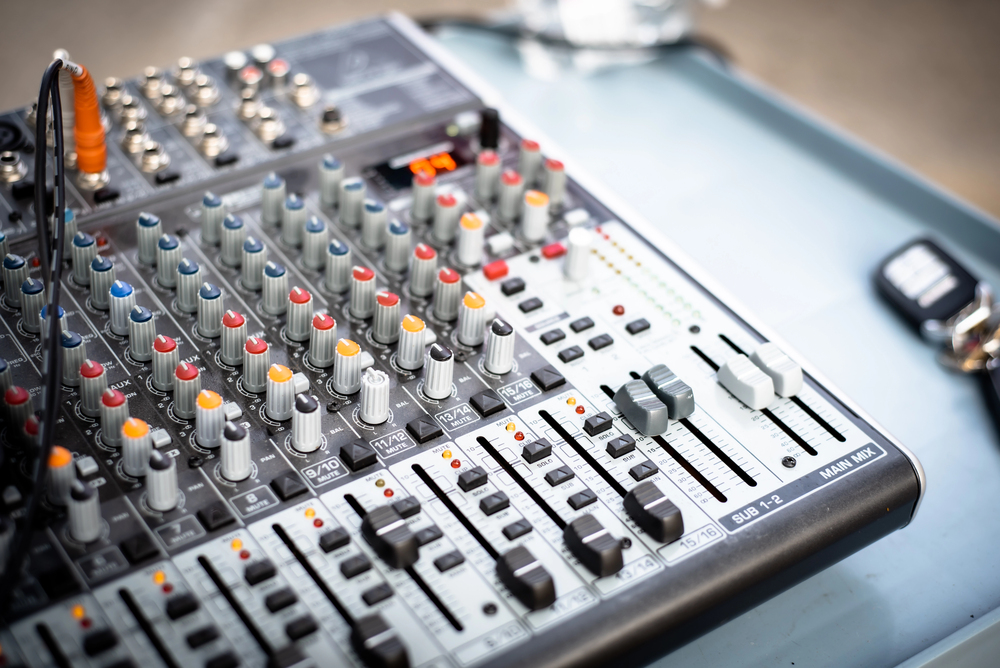
In 2010, your music library was yours. You bought it, downloaded it, and stored it on a device with a fixed amount of space.
If you wanted something, you paid for it or pirated it. The idea that you’d pay a flat monthly fee and get access to virtually every song ever recorded — instantly, on any device — wasn’t something most people had experienced yet.
Spotify existed in parts of Europe but hadn’t reached the US. Services like Rdio were just getting started.
Today, millions of people have never bought a digital song. They just search and play.
The whole relationship with music ownership flipped.
Get a Ride Without Calling Anyone

Getting a taxi in 2010 meant standing on a curb waving your arm, calling a dispatch number, or asking your hotel to arrange one. You had no idea how long it would take.
You paid in cash, often didn’t know the final price until you arrived, and had no way to review the driver or rate the experience.
Uber launched in 2010. Lyft followed in 2012.
The concept of opening an app, seeing exactly where your driver is, knowing the price upfront, and paying automatically without touching your wallet — that was genuinely new.
It sounds boring now. It wasn’t then.
Order Food Without Speaking to a Single Person
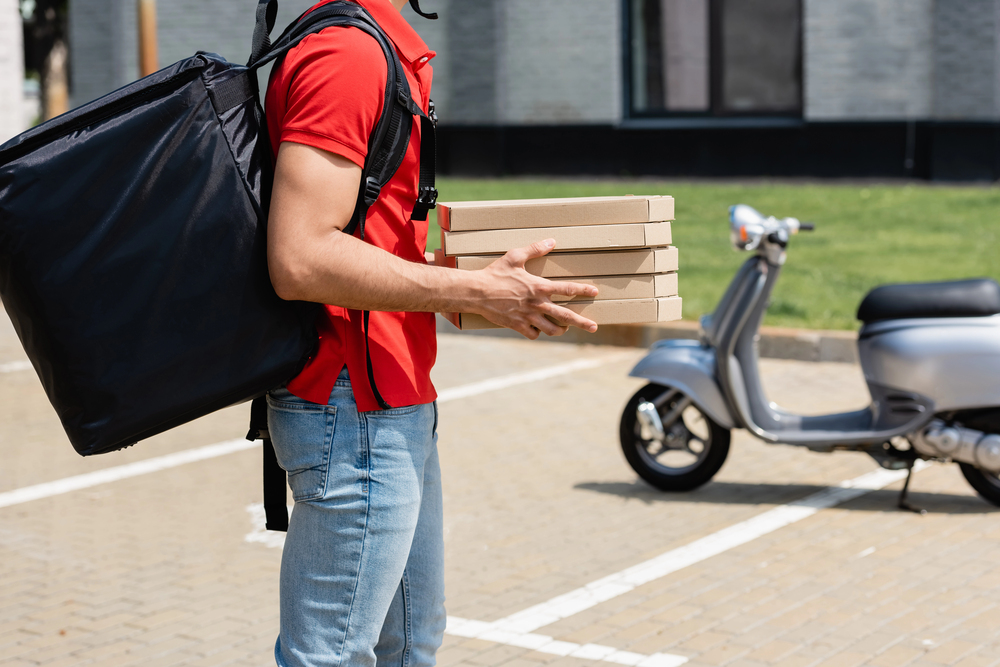
Calling a restaurant to place a delivery order used to be the only option. You’d wait on hold, repeat your address twice, and hope they got it right.
Now you can browse a full menu, customize every item, pay, and track your delivery — all without saying a word.
Food delivery apps transformed what “ordering in” actually means.
Video Call Someone on the Other Side of the World for Free
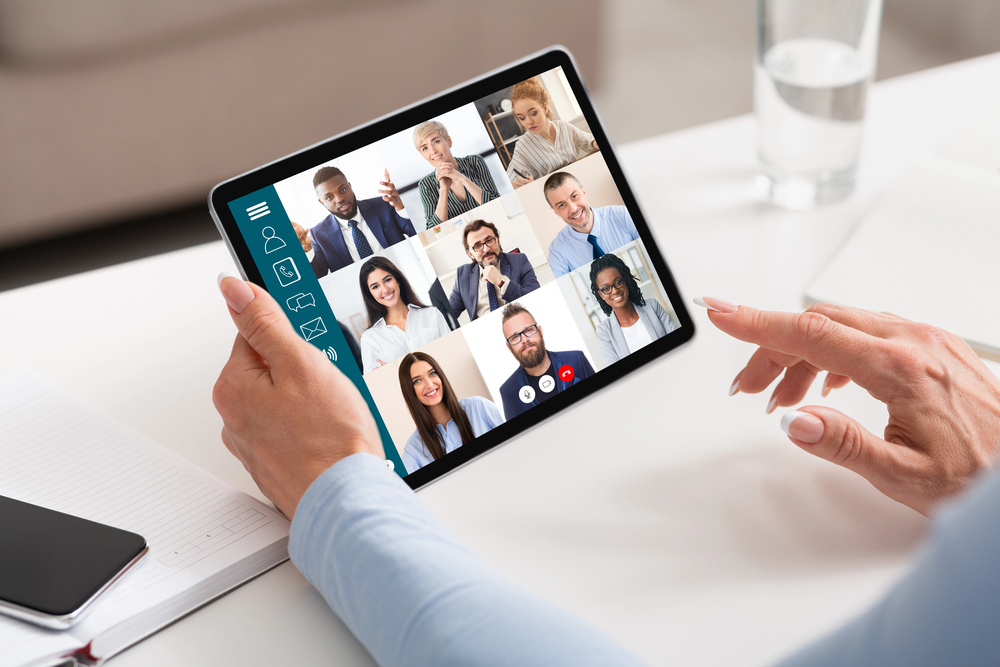
Video calling existed in 2010, but it was clunky. Skype worked, sort of, if both people had the right setup and the internet held up.
Doing it from a phone, smoothly, in HD, was not something most people were doing. FaceTime launched in June 2010 and only worked over Wi-Fi at first.
WhatsApp didn’t add calling until 2015. The idea of pulling out your phone and showing your grandmother your new apartment in real time, from anywhere, just because you felt like it — that became normal surprisingly fast.
Work From a Coffee Shop Like It Was Your Office
Remote work existed in 2010, but it was the exception and usually required a lot of IT support to pull off. Cloud-based tools that let you access your documents, join a meeting, collaborate on a file in real time, and talk to colleagues via chat — all from a laptop at a cafe — weren’t fully there yet.
Google Docs was around, but Slack didn’t exist. Zoom didn’t exist. Notion didn’t exist.
The infrastructure for a fully remote job, where you never need to be in a physical office, came together gradually through the 2010s.
The pandemic then forced millions of companies to actually use it.
Watch Any TV Show Whenever You Wanted
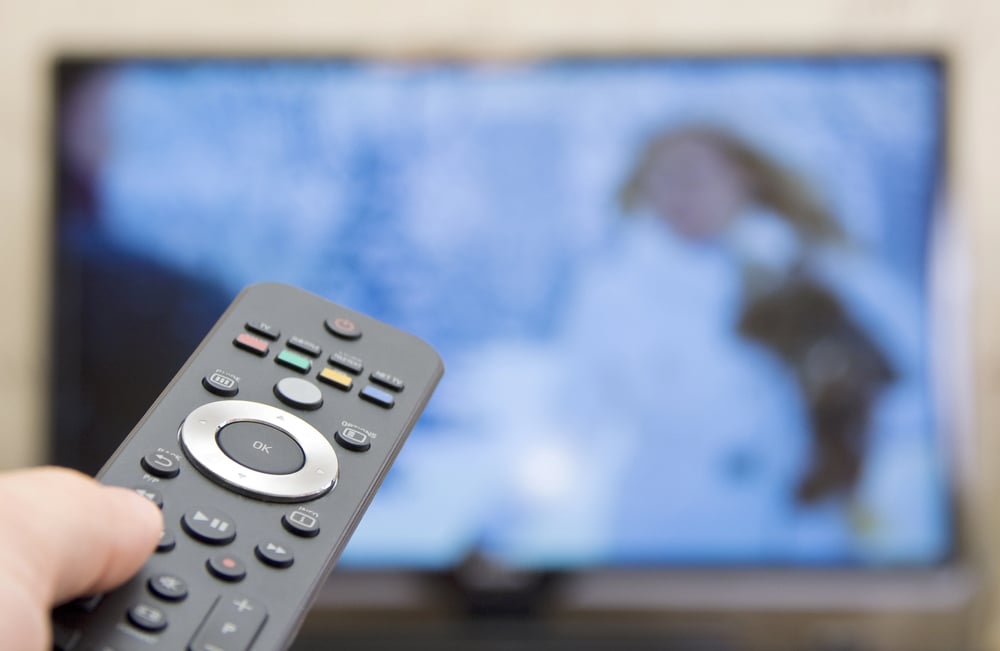
Netflix had streaming in 2010, but the library was thin. Most current shows weren’t on it.
HBO, NBC, ABC — their content was locked behind cable or a broadcast schedule. If you missed an episode, you waited for the rerun or watched a shaky clip on YouTube.
Streaming as it exists now — where you can watch virtually any show, on demand, on your phone or TV or laptop, without a cable subscription — took years to build.
HBO Max, Disney+, and Peacock didn’t launch until 2020 or later.
Get Turn-by-Turn Navigation from Your Phone
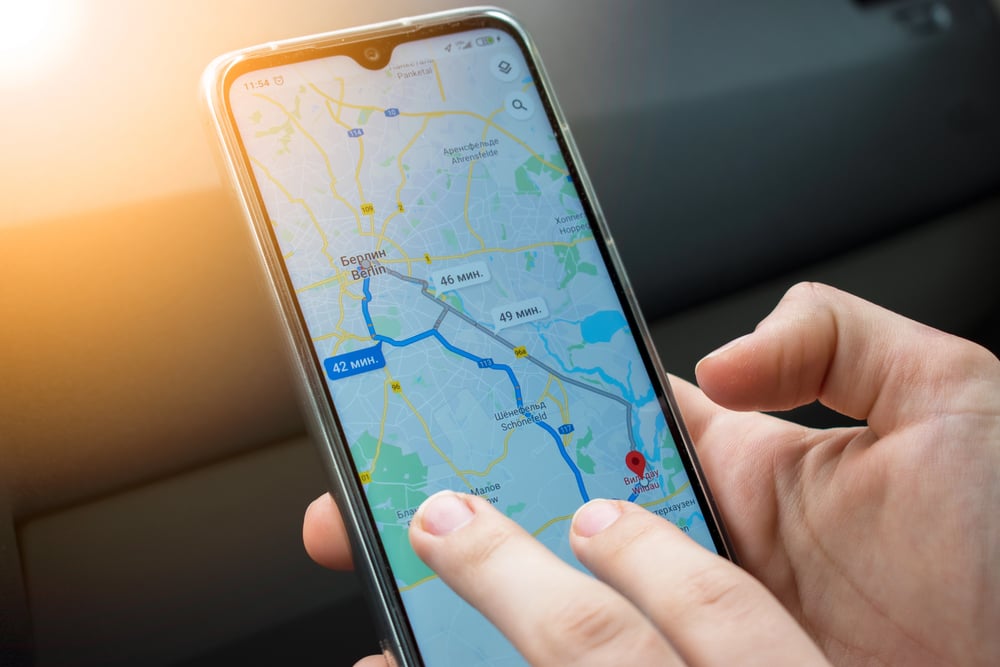
Google Maps launched in 2005, but using it for real-time turn-by-turn navigation from a smartphone — with voice prompts, live traffic, and rerouting — became widely available around 2009 to 2010.
For many people, though, this was still new in 2010. Dedicated GPS devices from Garmin or TomTom were still common purchases.
The idea that your phone would just… tell you where to go… was still settling in.
Now people have lost the ability to navigate without it. Which is its own kind of story.
Pay for Things with Your Watch
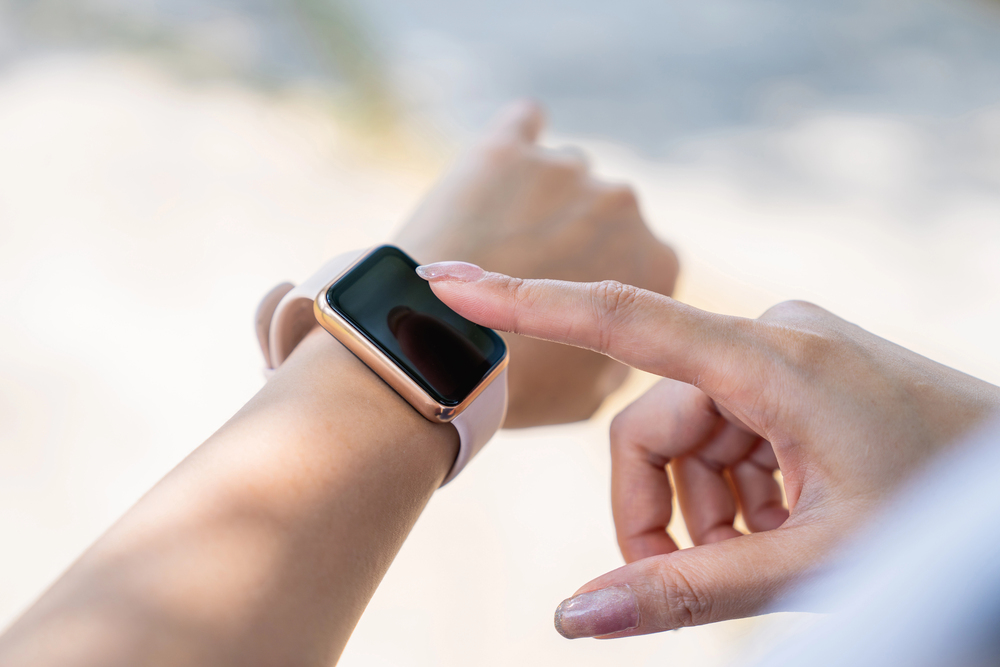
Contactless payments via phone or wearable were not a thing in 2010. Apple Pay launched in 2014.
Google Pay followed. The idea that you’d hold your wrist near a card reader at the grocery store to pay for your groceries — no wallet, no card, no cash — would have sounded strange.
Today some people leave the house without a wallet entirely.
Talk to Your House
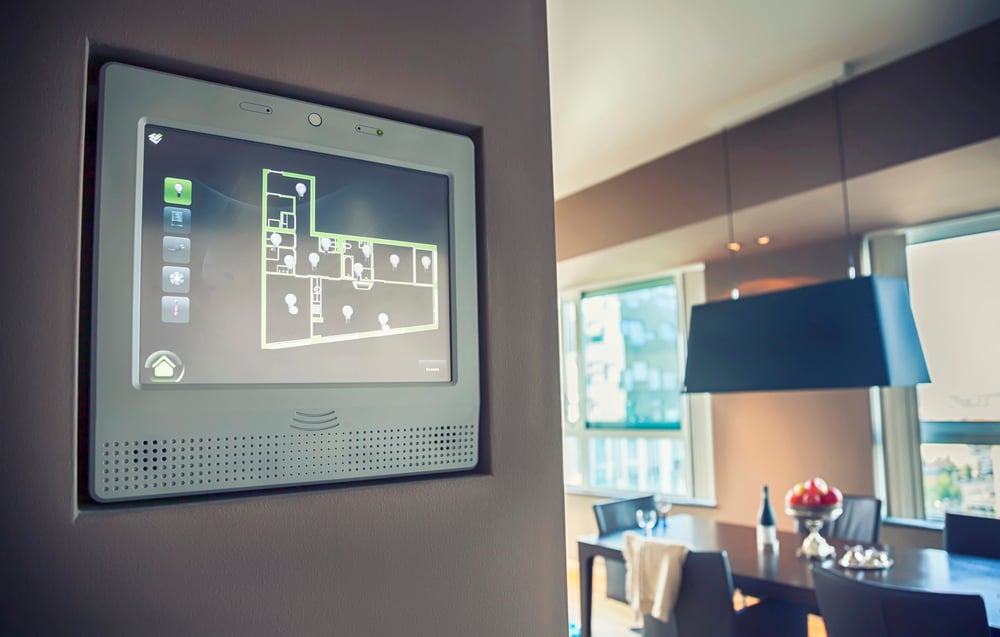
Smart speakers didn’t exist. Amazon Echo launched in 2014.
Before that, asking a device in your home to turn off the lights, play a specific playlist, set a timer, or tell you the weather simply wasn’t possible.
Your home didn’t listen. Now a lot of homes do.
Learn Almost Any Skill Online for Free or Close to It

YouTube was around in 2010, but the depth of instructional content wasn’t what it is now. Platforms like Coursera launched in 2012, Skillshare in 2010, and Khan Academy was still building out.
The idea that you could learn to code, pick up a language, study for a professional certification, or master a musical instrument through free or low-cost online content — from your couch, at your own pace — became dramatically more accessible through the early 2010s.
Print a Physical Object at Home
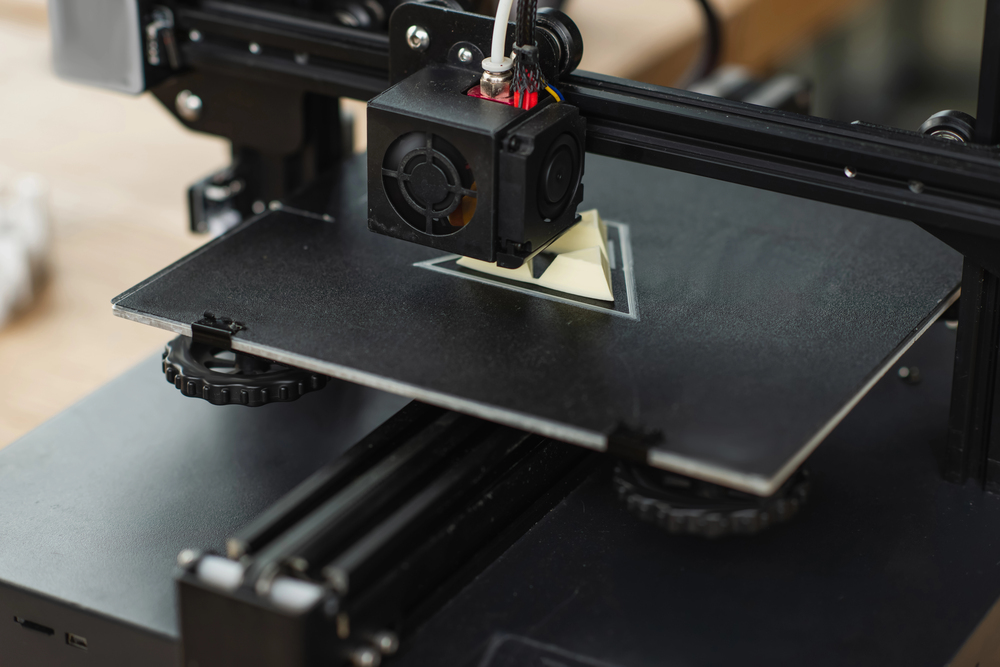
3D printing existed in industrial settings well before 2010, but affordable desktop 3D printers for consumers didn’t really arrive until around 2012 to 2013.
The MakerBot Replicator brought home printing to a wider audience. The idea that you could design something on your computer and print it as a physical object in your house — a replacement part, a toy, a custom bracket — was firmly in the “future” category in 2010.
Know What Song Is Playing Within Seconds
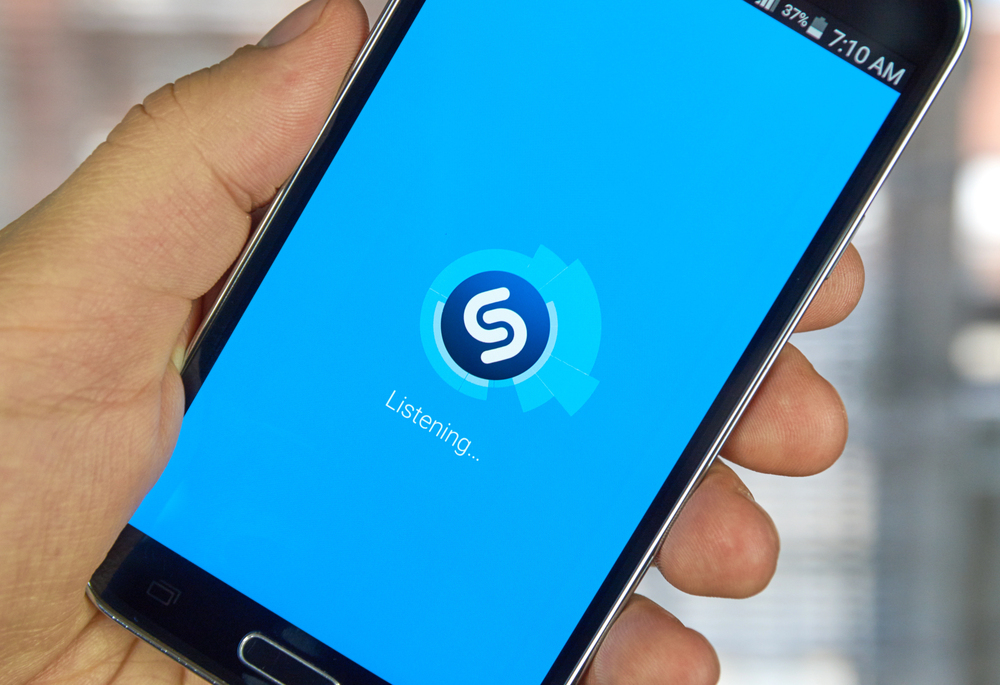
Shazam actually launched in 2002, but it required calling a phone number and holding your phone up to the speaker, then waiting for a text message back.
On smartphones, it became an app around 2008. But the experience of pulling out your phone, tapping a button, and having the song title appear in under five seconds while you’re standing in a restaurant — accurate, instant, free — that level of reliability came later as the technology matured.
For many people, it still feels like a small miracle.
Store Thousands of Photos Without Buying Anything
Back in 2010, phone cameras chewed through storage quick. Snap a few shots, hit the limit, then dig out the cable just to move images somewhere else.
There was no seamless way to keep everything safe online. Services like Google Photos or iCloud hadn’t stepped in yet to quietly save each picture behind the scenes.
Memory lived on devices, not servers. That changed once Google rolled out its system in 2015.
Monitor Heart Rate, Sleep And Steps At Home

Back in 2010, fitness tracking was still a rough idea – Fitbit started one year earlier – but devices didn’t yet follow heartbeat nonstop, break down sleep cycles, check blood oxygen levels, spot odd pulses, or send alerts right to your skin.
That shift came after Apple introduced its watch in 2015. What we now gather without effort on our physiology once needed clinical tools just a short while back.
Same Day Delivery When You Buy Something

It took until 2015 for Amazon to roll out same-day delivery, while its two-day Prime service was only spreading widely back in 2010.
Getting something ordered in the morning and arriving before nightfall – possible now across big cities and lots of goods – hasn’t been around long.
Earlier, buying online usually involved seven days of waiting, plus constant checks on a shipping update screen.
The Hidden Side Everyone Ignores
Strange, really, how fast novelty fades. First moment a person tapped a phone to buy coffee – heads turned.
Just twelve months after that? Blank stares. This pattern repeats.
New things show up, feel weird, then turn into background noise. What once amazed now seems basic.
What you see here does not focus on devices or software alone. Slow shifts in routine shaped how days unfold now, each small change slipping in without announcement.
The way people moved through their mornings back then seems unfamiliar today, even if only ten years passed. Distant? Maybe not. Yet clearly altered, like a room seen after new light hits the walls.
Try listing those differences and the weight of them becomes real.
More from Go2Tutors!

- The Romanov Crown Jewels and Their Tragic Fate
- 13 Historical Mysteries That Science Still Can’t Solve
- Famous Hoaxes That Fooled the World for Years
- 15 Child Stars with Tragic Adult Lives
- 16 Famous Jewelry Pieces in History
Like Go2Tutors’s content? Follow us on MSN.


