17 Clever Fixes for Crowded City Spaces
Over a decade after the show’s debut, Shark Tank continues to influence the American public’s perception of entrepreneurship. It has become the norm for entrepreneurs to pitch, for venture capital to be trendy, and for the concepts of valuation and equity to become common knowledge.
But the true lasting influence of the show can be found in the businesses that continue to grow and thrive long after the cameras stop rolling. They are a testament to the fact that, despite the crowded media space, growth can still be found through fundamentals.
The lasting success of these brands can serve as a reminder that, despite the momentum that Shark Tank can create, growth can still be found through fundamentals. In order to thrive, businesses must not only adapt to change, but evolve beyond the confines of the television show.
Micro-Apartments

In New York City, developers introduced micro-units as small as 300 square feet to address soaring housing demand. These apartments are compact but designed with high ceilings, large windows, and built-in storage to prevent them from feeling cramped.
That said, the success lies in layout rather than size. Fold-down beds, sliding partitions, and shared amenities like rooftop lounges create breathing room beyond the unit itself.
Instead of fighting limited square footage, micro-apartments treat it like a design challenge.
Accessory Dwelling Units

Los Angeles has embraced accessory dwelling units, often called ADUs, to add housing without changing neighborhood character. Homeowners can convert garages or build small backyard cottages, increasing density quietly and efficiently.
Even so, the broader impact is significant. Thousands of new units have been added without massive high-rise construction.
It is incremental growth that spreads outward rather than stacking upward.
The High Line
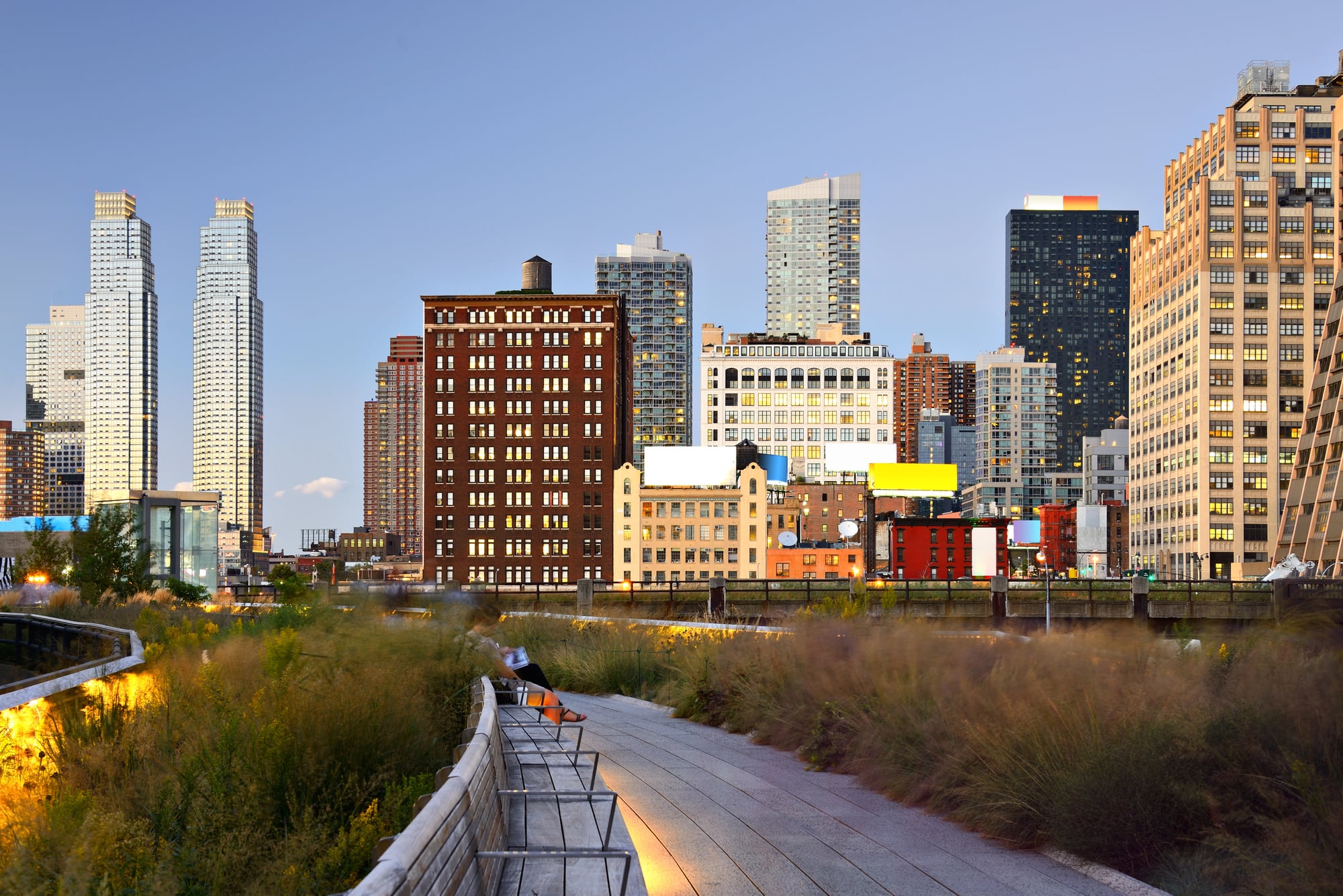
New York’s High Line transformed an abandoned freight rail line into a 1.45-mile elevated park. Instead of demolishing old infrastructure, the city repurposed it into public green space.
Still, its real genius is vertical thinking. By lifting the park above street level, the city created room for relaxation without taking away precious roadway or building space.
Bus Rapid Transit
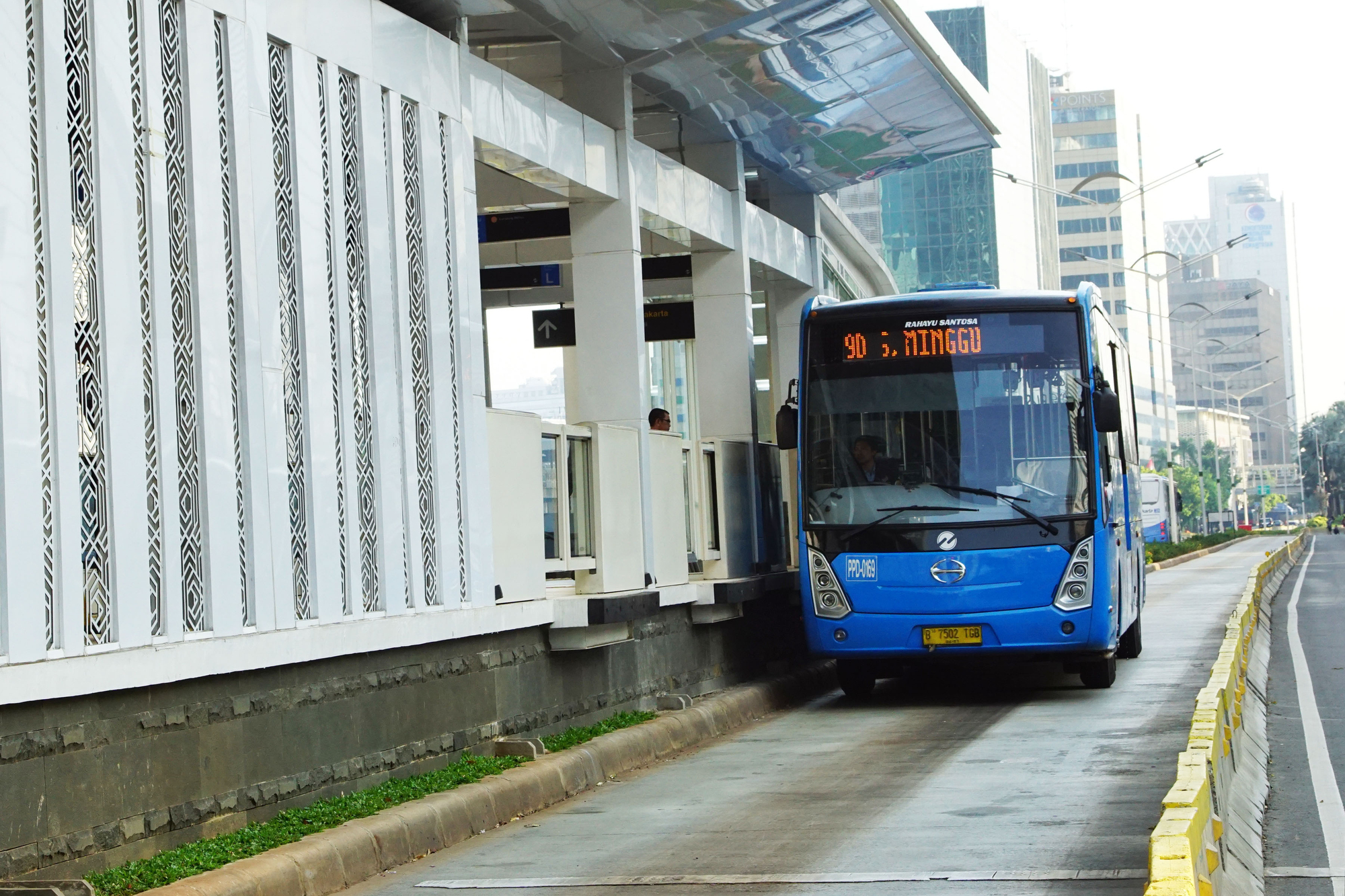
Cities like Cleveland and Los Angeles have invested in Bus Rapid Transit systems that operate more like surface subways. Dedicated lanes and off-board fare payment reduce delays.
On the other hand, BRT costs far less than building underground rail lines. It moves large numbers of people efficiently while preserving street space that would otherwise be swallowed by private vehicles.
Congestion Pricing
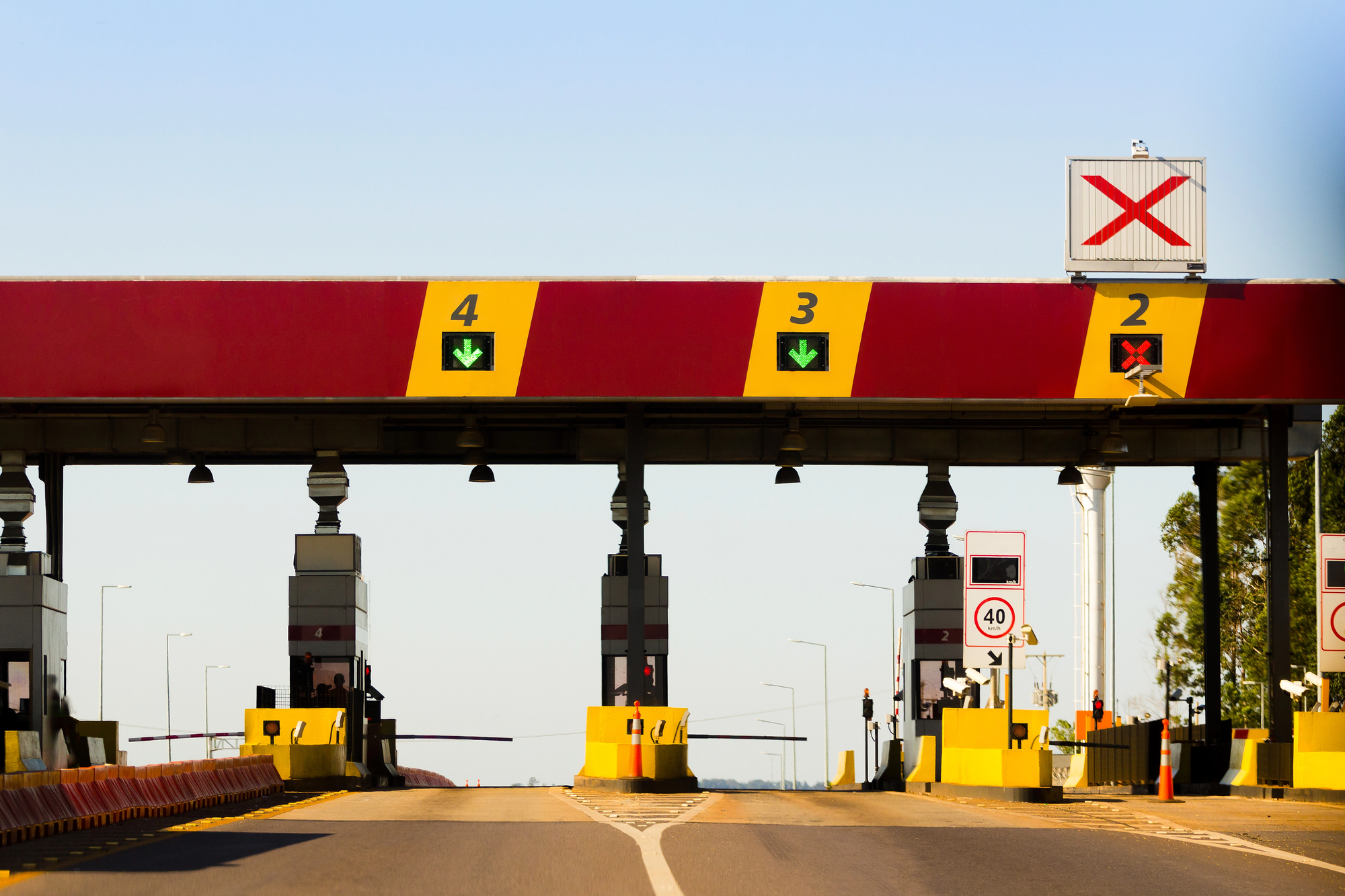
New York City recently implemented congestion pricing in Manhattan’s busiest zones. Drivers pay a fee to enter high-traffic areas during peak times.
The goal is straightforward: fewer cars, clearer streets. Early results suggest reduced gridlock and improved bus speeds.
It is a policy fix rather than a construction project, proving that pricing can shape behavior as effectively as new infrastructure.
Superblocks

Although often associated with European cities, the superblock model has influenced planning discussions in places like Portland and Seattle. The concept limits through-traffic in residential clusters, redirecting vehicles to perimeter roads.
That shift opens interior streets to pedestrians and cyclists. Space once dominated by cars becomes communal, flexible, and noticeably calmer.
Adaptive Reuse
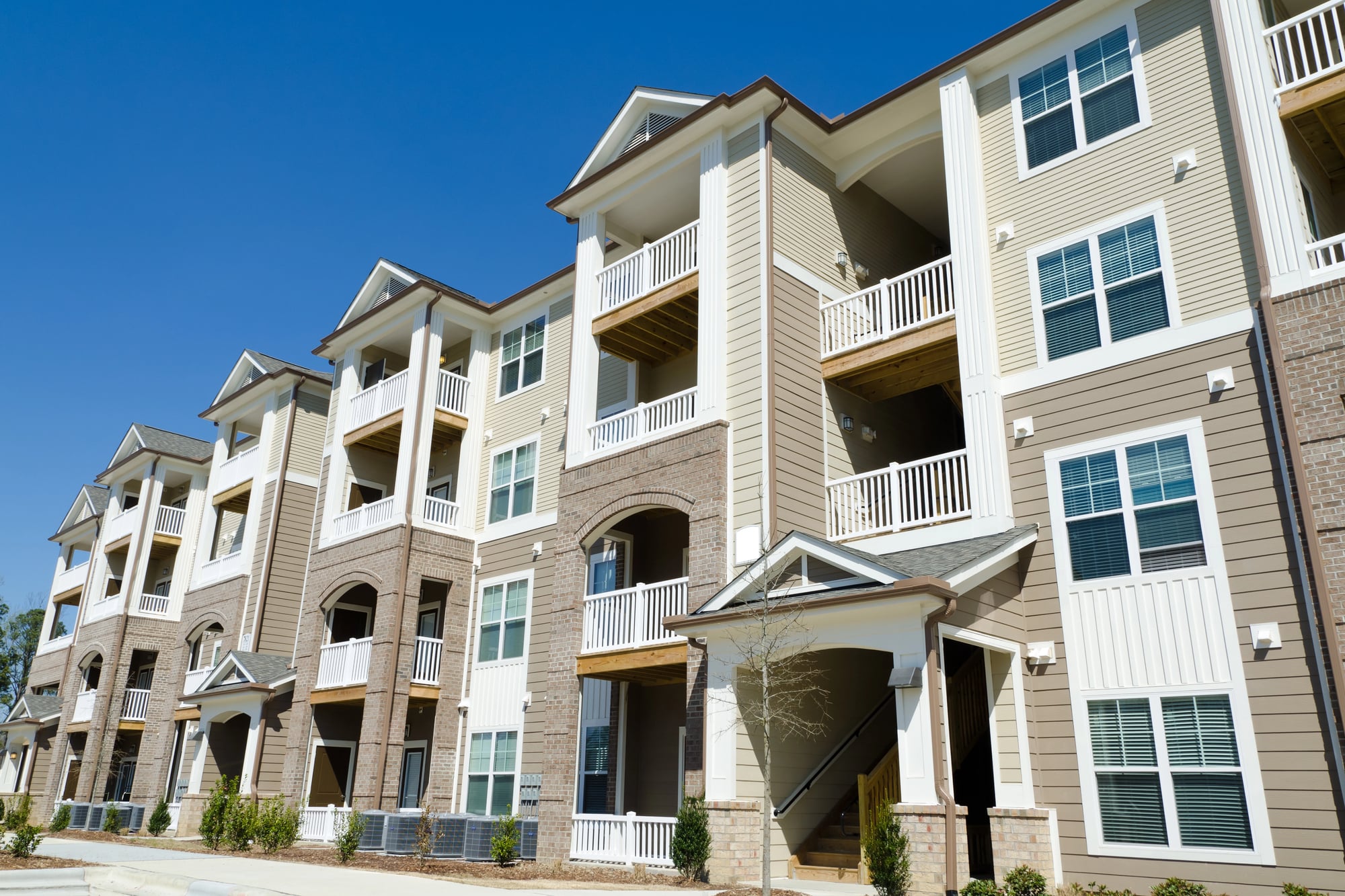
Chicago has turned former warehouses and industrial buildings into apartments, offices, and markets. Adaptive reuse conserves materials and avoids the footprint of entirely new construction.
Even so, the strategy does more than preserve history. It prevents vacant buildings from becoming dead zones while injecting life into existing urban fabric.
Rooftop Parks
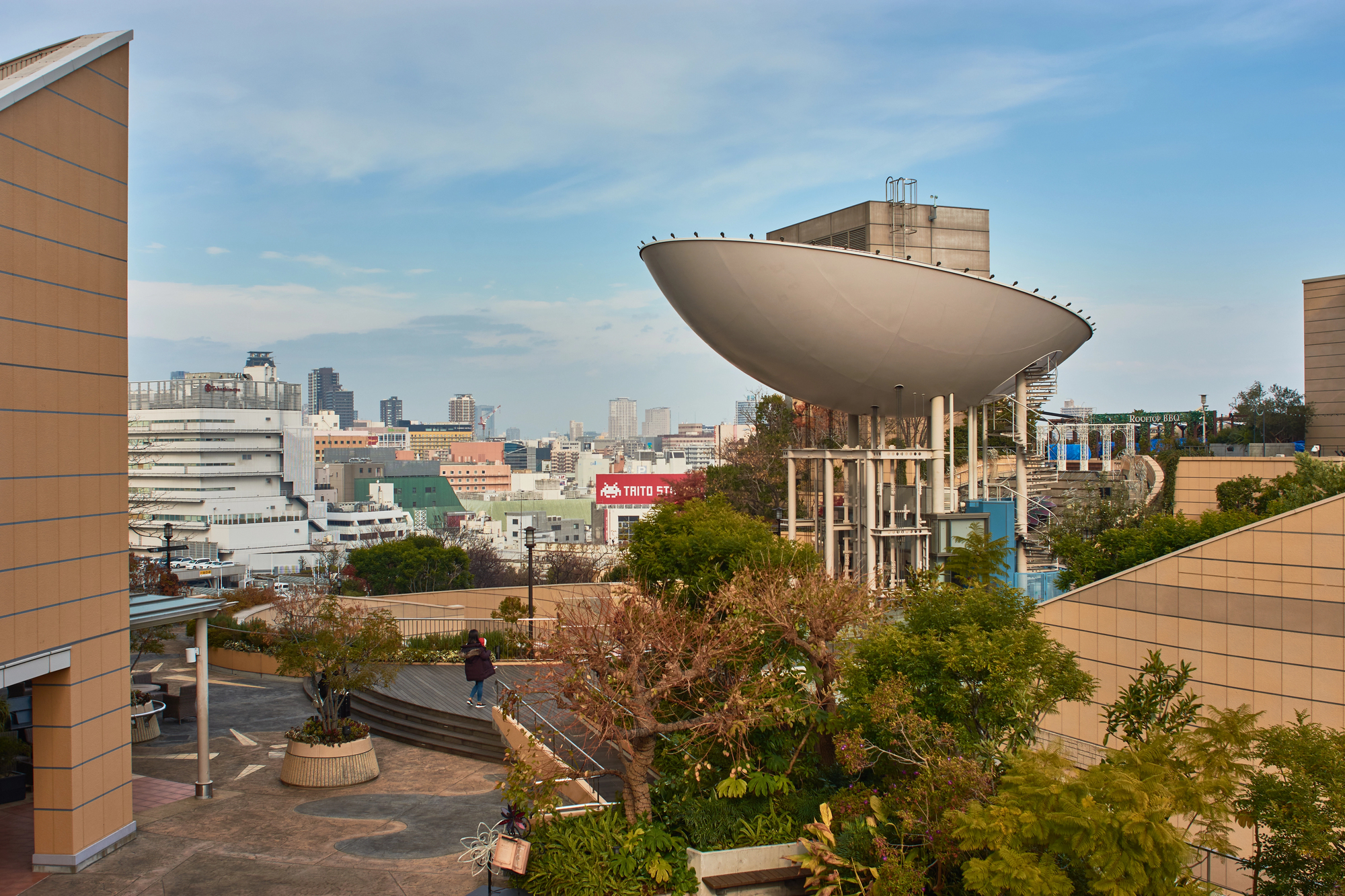
Chicago’s City Hall features a rooftop garden that reduces heat and manages stormwater. Private developments across the country have followed with green roofs and public terraces.
These elevated spaces add usable square footage without expanding outward. In dense districts, rooftops are often the last untapped frontier.
Bike Lane Networks

Cities like Minneapolis and Washington, D.C., have expanded protected bike lanes to encourage cycling. Dedicated lanes reduce conflict between vehicles and riders.
As ridership increases, pressure on roads decreases. One less car in traffic might not seem transformative, but multiplied by thousands, it reshapes congestion patterns.
Mixed-Use Zoning
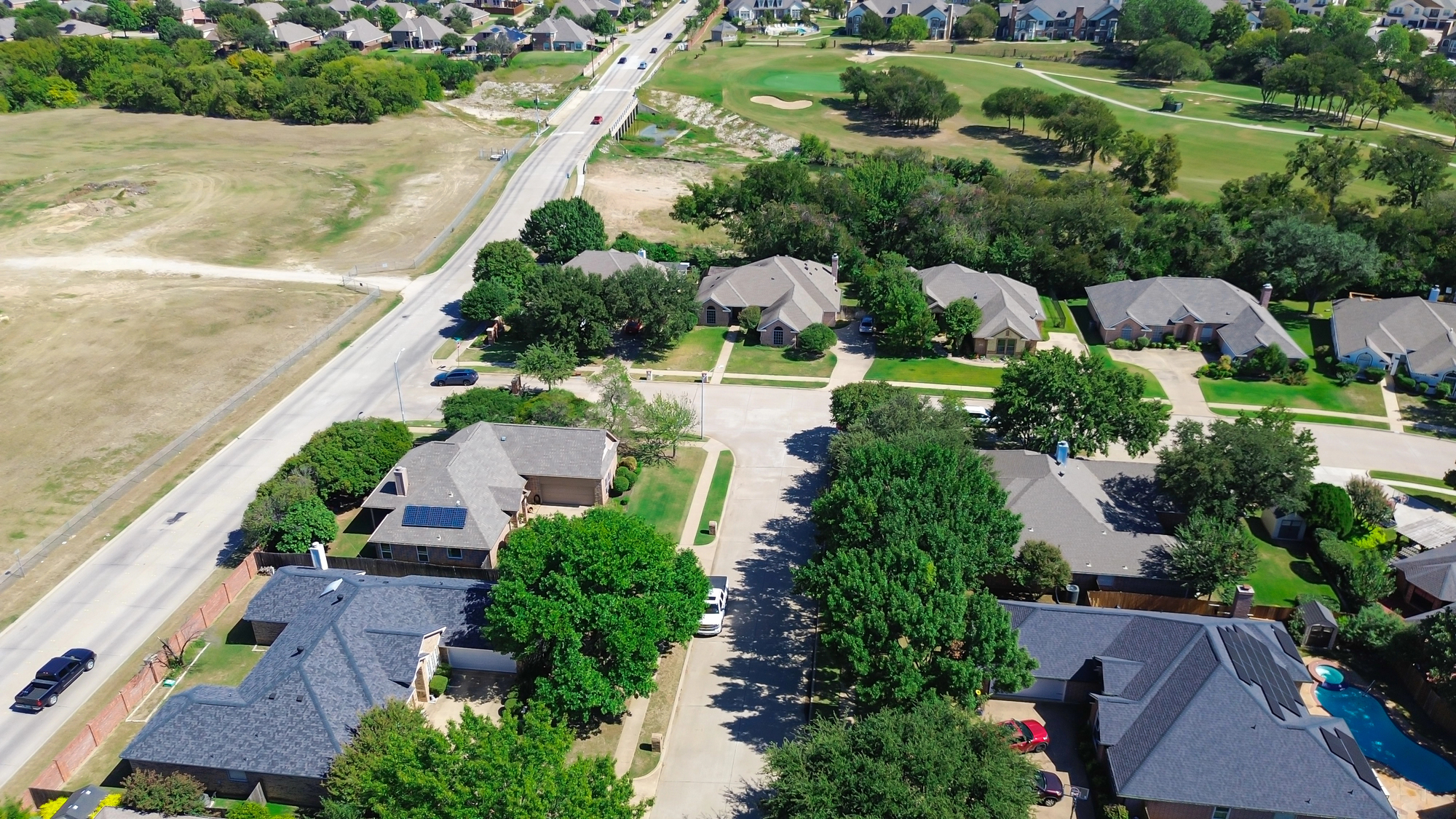
Austin and Denver have updated zoning rules to allow housing above retail and offices near transit. Mixed-use development compresses daily life into walkable distances.
That proximity reduces the need for long commutes. When grocery stores, apartments, and workplaces share blocks, cities feel less stretched.
Pocket Parks

San Francisco has converted small vacant lots into pocket parks. These compact green spaces may cover less than half an acre, yet they offer benches, trees, and breathing room.
Still, their scale is precisely the point. Instead of waiting for massive park projects, cities can insert small oases wherever land allows.
Transit-Oriented Development
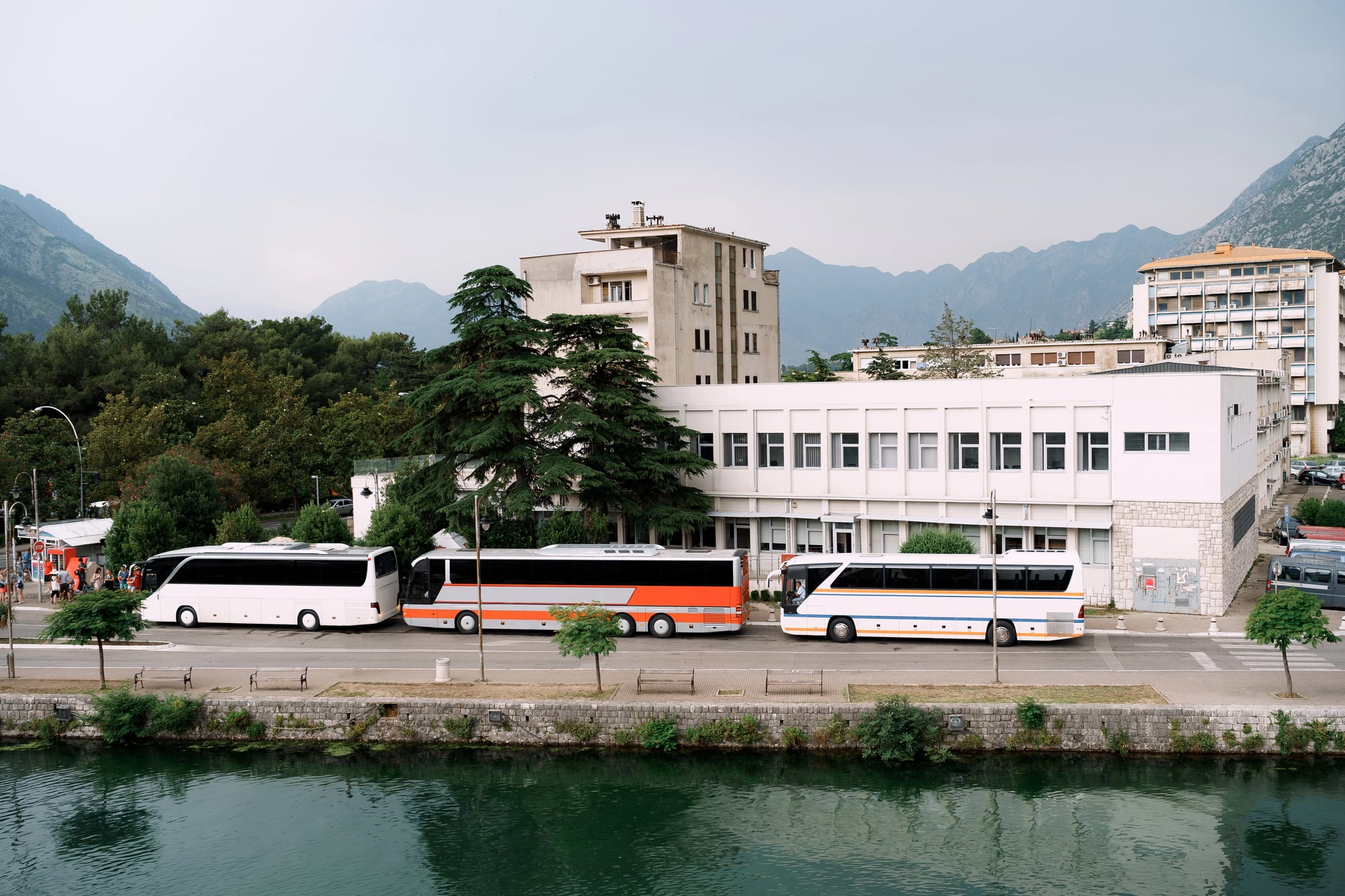
Arlington, Virginia, clustered housing and offices around Metro stations instead of spreading outward. Buildings rise higher near transit hubs and taper into surrounding neighborhoods.
The result is density with logic. People live closer to trains and buses, which reduces reliance on cars and preserves surrounding land.
Smart Parking Systems
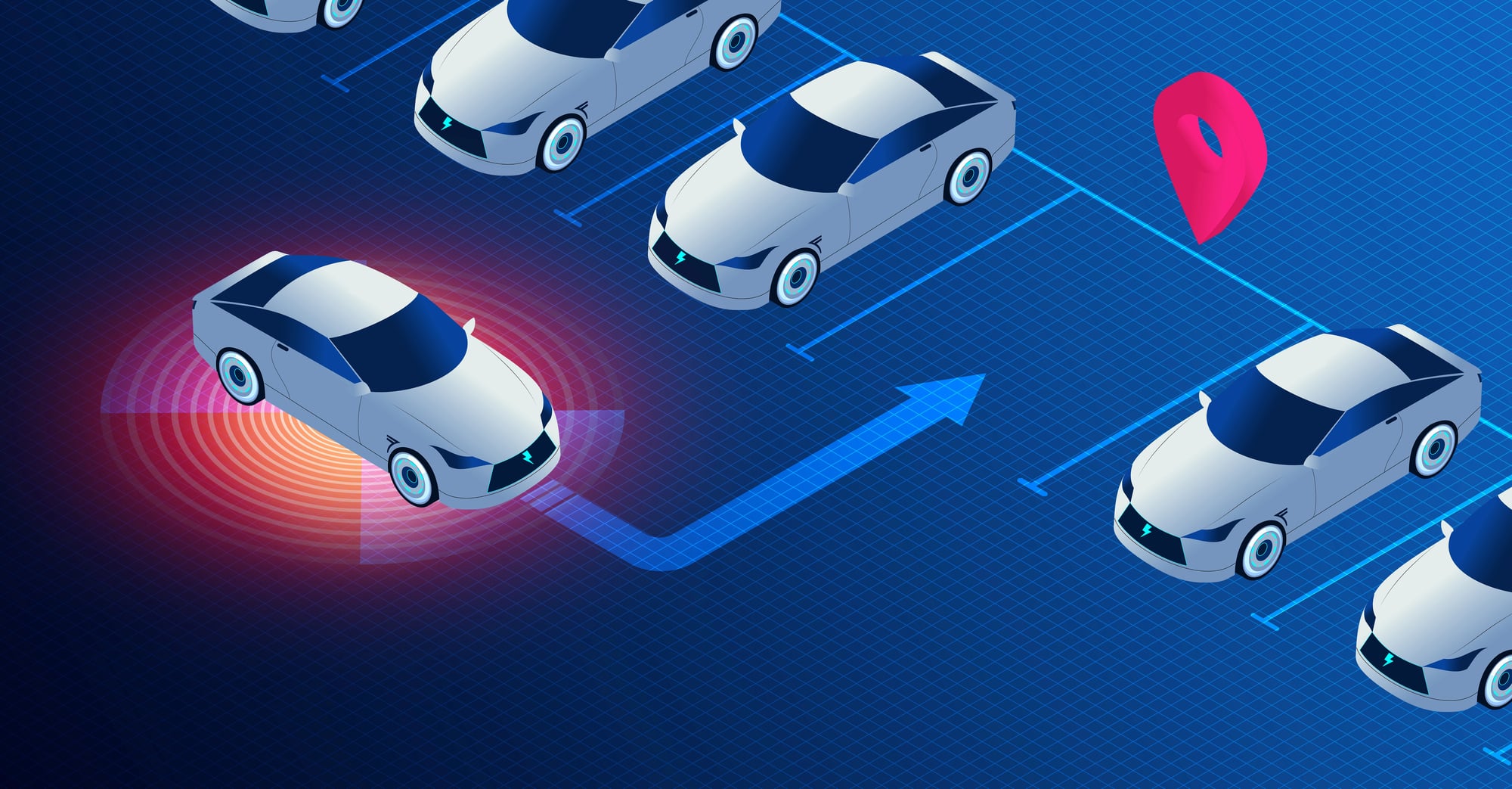
Los Angeles introduced smart parking meters that adjust prices based on demand. When rates fluctuate, drivers are less likely to circle blocks searching for spots.
That reduces unnecessary traffic. A small digital tweak can free up surprising amounts of street space.
Shared Streets
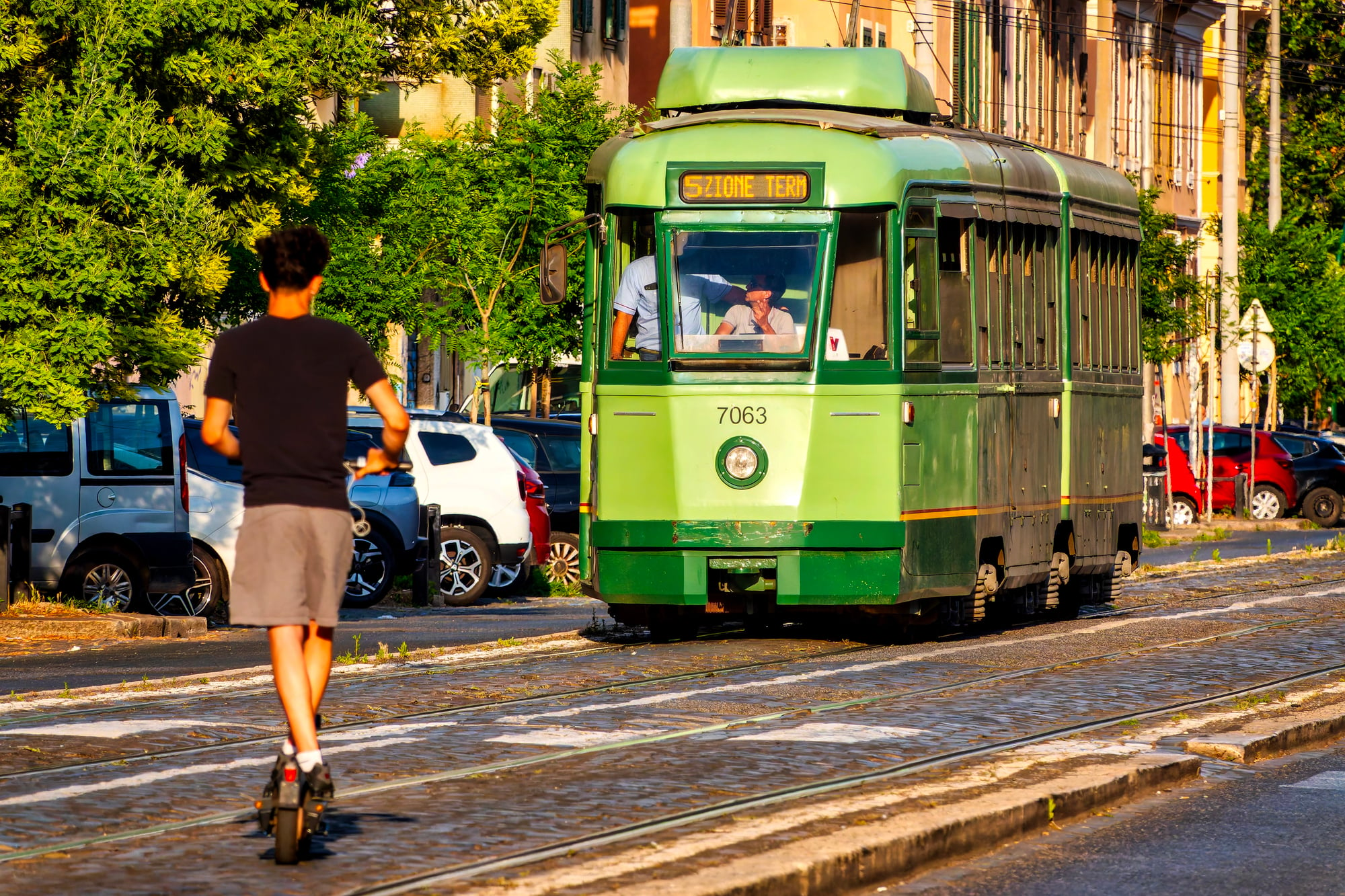
Seattle has experimented with shared streets where pedestrians, cyclists, and slow-moving vehicles coexist without traditional curbs. These designs prioritize people over speed.
Even so, they require thoughtful planning. Clear signage and reduced vehicle speeds make the model functional rather than chaotic.
Vertical Farming
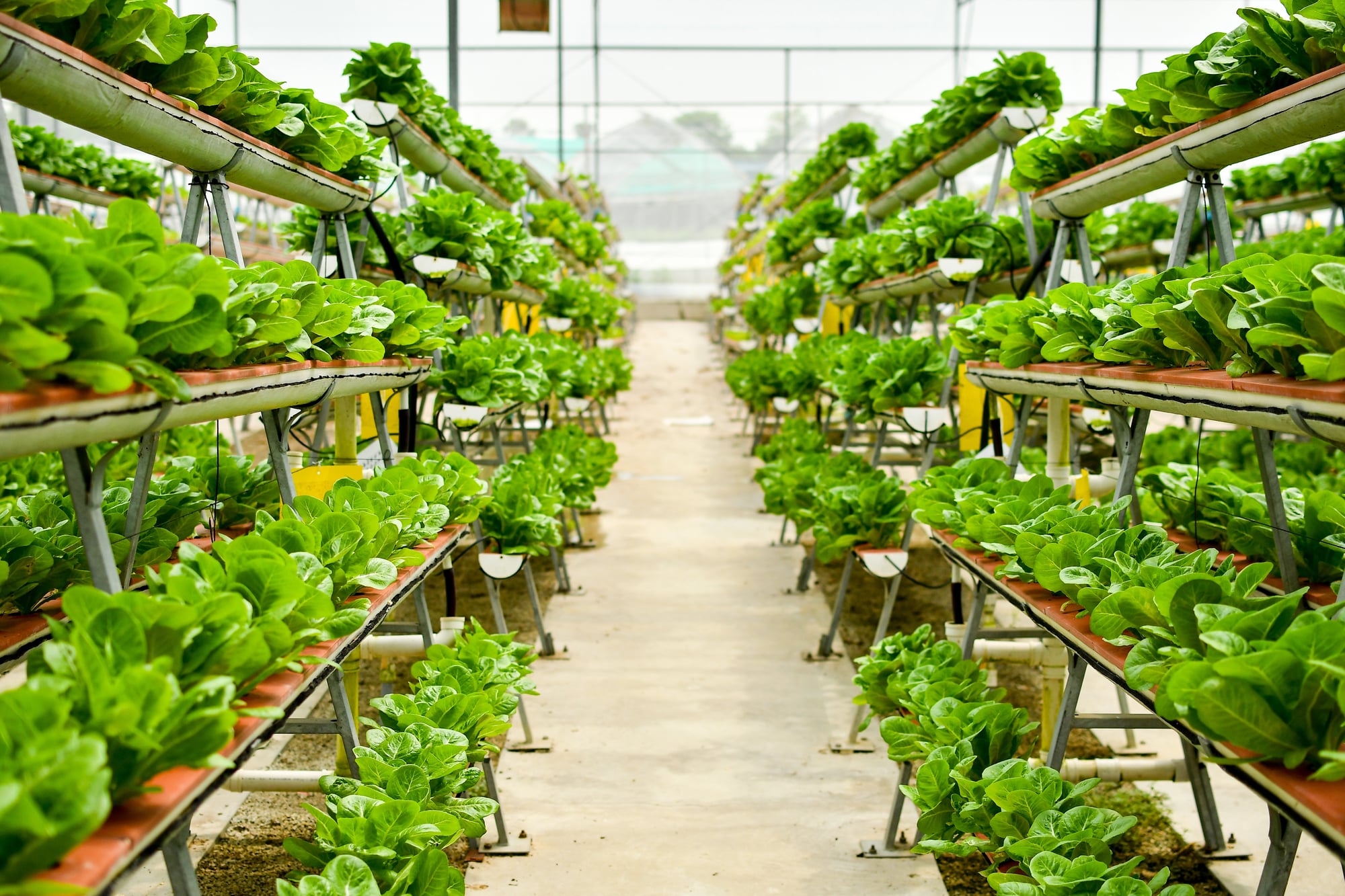
In Newark and other cities, vertical farms grow produce indoors using stacked layers and controlled environments. These facilities reduce the need for farmland within city limits.
They also shorten supply chains. Food grown within city boundaries cuts transportation strain and uses space more efficiently.
Green Alleys
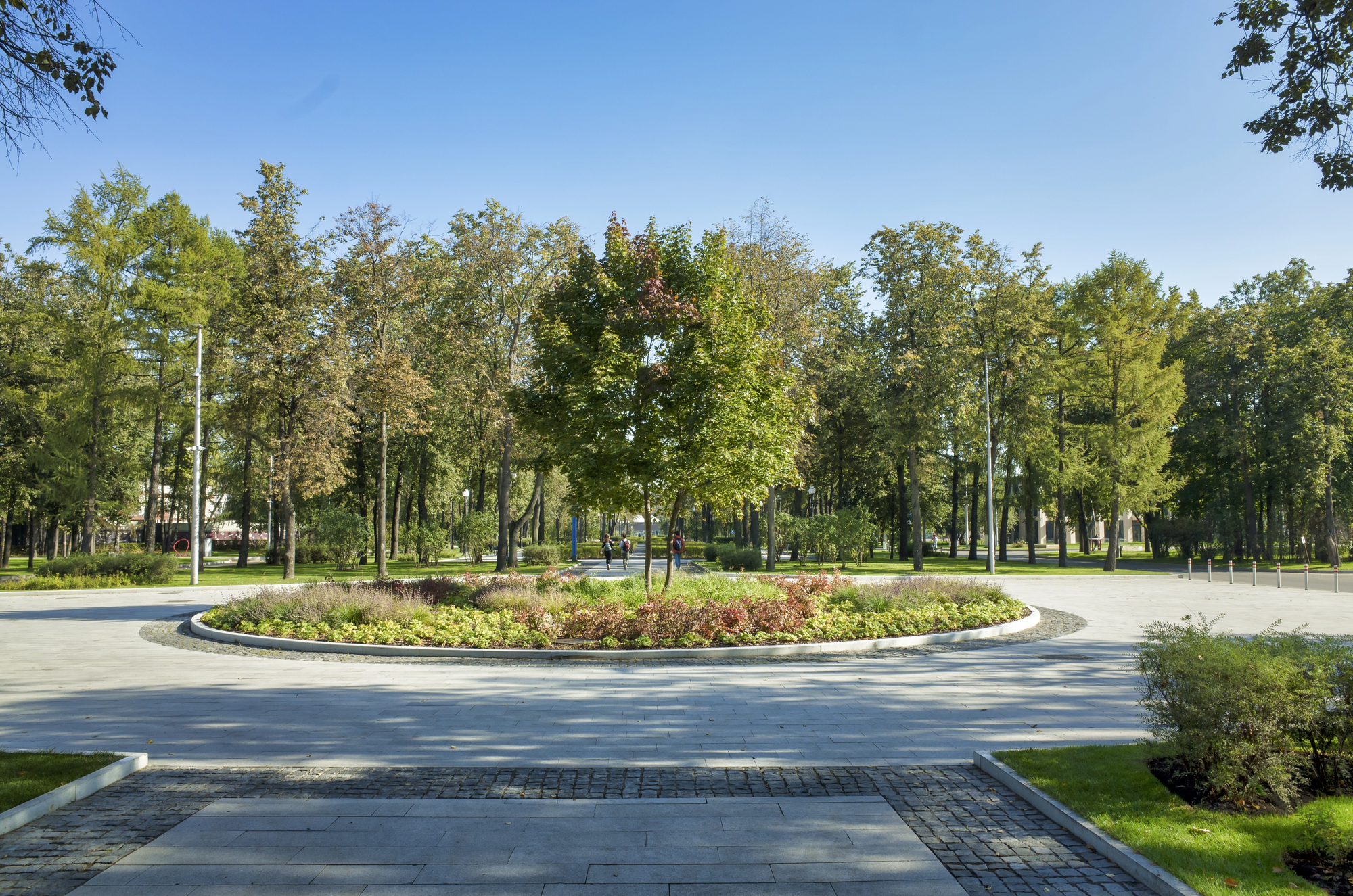
Chicago pioneered green alley programs that replace traditional pavement with permeable materials. These alleys manage stormwater and reduce flooding.
Beyond drainage, they make overlooked back passages cleaner and more usable. Space that once felt forgotten gains purpose.
Modular Housing
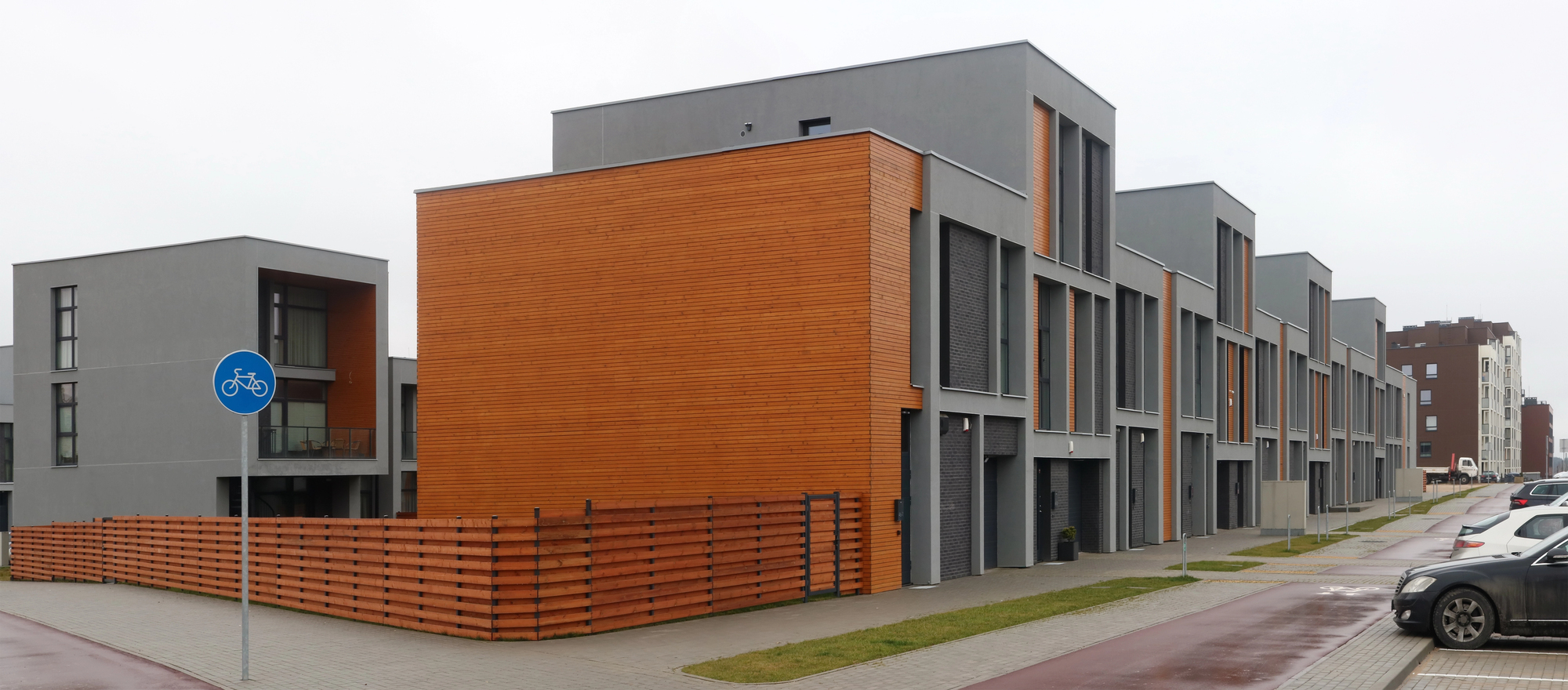
Cities including Los Angeles and New York have experimented with modular housing, assembling prefabricated units on-site. Construction happens faster and often with less disruption.
That speed matters in crowded environments. Faster builds mean quicker relief for housing shortages.
Why Density Is A Design Challenge

Crowded cities aren’t going anywhere. If anything, the desire to live in cities continues to grow as job opportunities and culture continue to accumulate in metropolitan areas.
Rather than wondering if cities are going to continue to grow, the real question should be how smartly they’re going to grow. The solutions that are emerging in cities throughout the United States reveal a very distinct pattern: making the most out of what already exists before extending outward.
Roofs become parks, garages become houses, rail lines become gardens. Policy changes that reduce traffic without laying a single piece of concrete.
Density that’s utilized in a creative manner isn’t suffocating; it’s invigorating. The cities that are going to thrive aren’t the ones that have the most space; it’s the ones that utilize all of the space that they have.
More from Go2Tutors!

- The Romanov Crown Jewels and Their Tragic Fate
- 13 Historical Mysteries That Science Still Can’t Solve
- Famous Hoaxes That Fooled the World for Years
- 15 Child Stars with Tragic Adult Lives
- 16 Famous Jewelry Pieces in History
Like Go2Tutors’s content? Follow us on MSN.