The Most Expensive Movie Sets Ever Constructed
Hollywood has always been willing to spend ridiculous amounts of money to create the perfect backdrop for a story. Directors and producers have built entire cities, recreated historical periods in stunning detail, and constructed elaborate worlds that only exist on screen.
Some of these sets cost more than most people will earn in several lifetimes. Here are some of the priciest movie sets ever built for the big screen.
Cleopatra’s Ancient Rome

The 1963 film Cleopatra nearly bankrupted 20th Century Fox with its elaborate sets that recreated ancient Rome and Egypt. The production built a massive replica of the Roman Forum that covered several acres and included full-scale temples and government buildings.
The set for Alexandria featured a functioning harbor with real boats and a recreation of the famous lighthouse. The total budget for Cleopatra reached $44 million, which would be over $400 million today, making it one of the most expensive films ever made when adjusted for inflation.
Titanic’s Full-Scale Ship
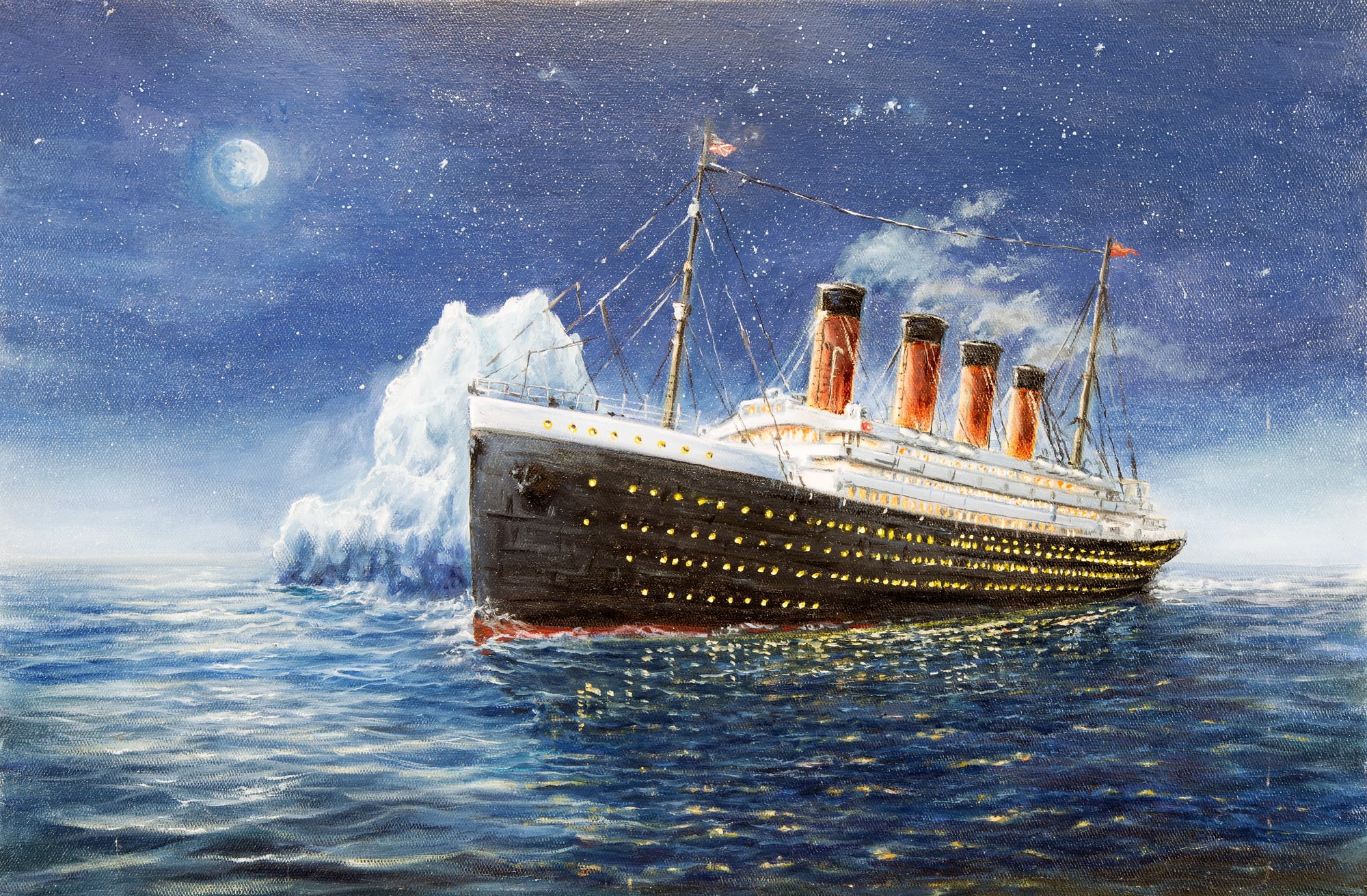
James Cameron insisted on building a nearly full-size replica of the Titanic for his 1997 blockbuster, and the set became one of the most expensive ever constructed. The replica measured 775 feet long, which was about 90 percent of the actual ship’s size, and sat in a massive tank in Baja California, Mexico.
The tank held 17 million gallons of water and could tilt to simulate the ship sinking. The production spent around $40 million just on the ship set and the tank, not counting all the interior sets built separately on soundstages.
Waterworld’s Floating Atoll
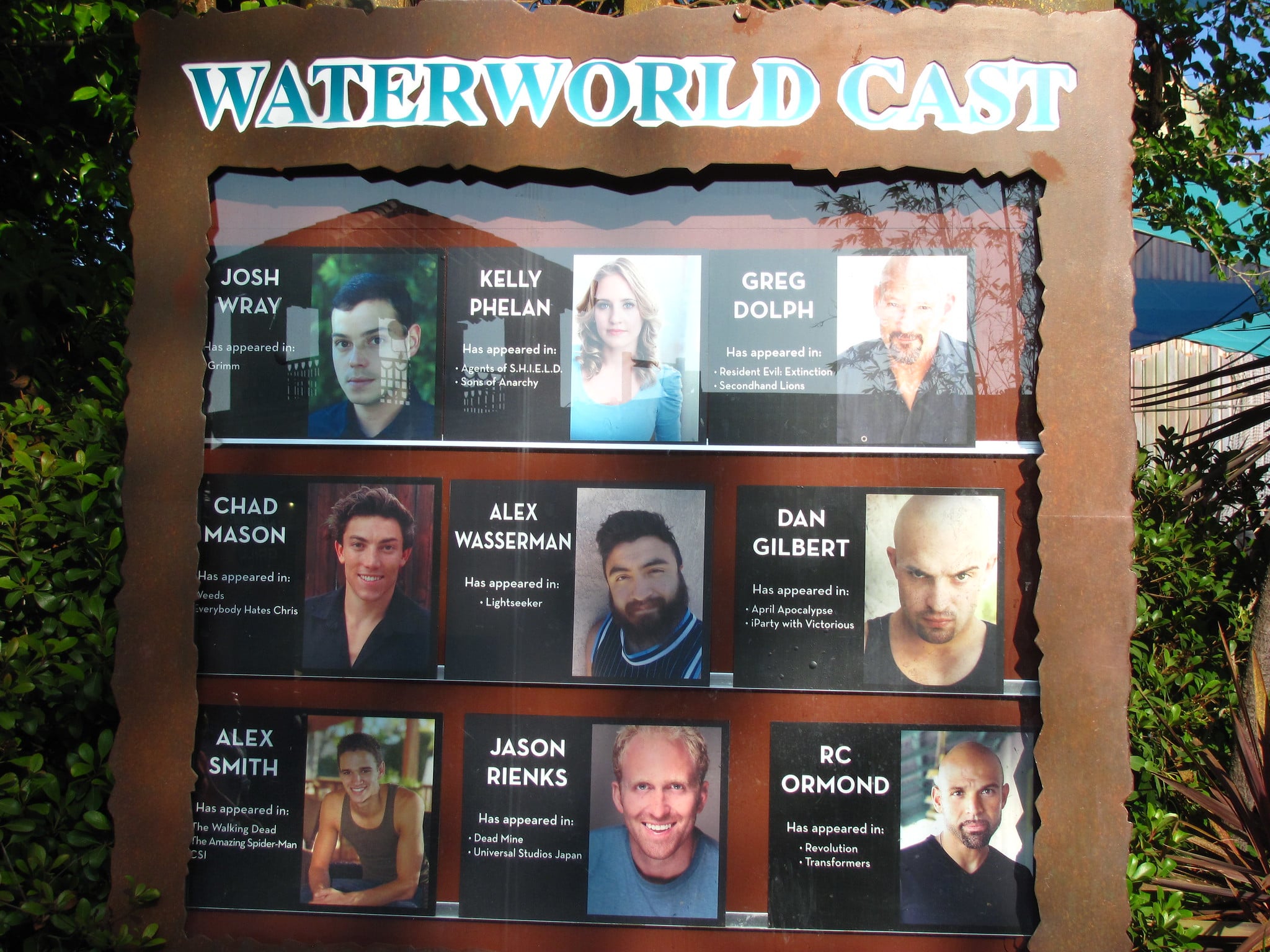
Waterworld holds the record for one of the most troubled and expensive productions in Hollywood history, largely due to its ambitious floating sets. The crew built a massive floating atoll that covered a quarter mile of ocean surface off the coast of Hawaii.
The entire set could be towed out to sea each day for filming and brought back to shore at night. Constant repairs from saltwater damage and several hurricanes that destroyed parts of the set pushed costs sky-high.
The movie’s budget ballooned to $175 million in 1995, making it the most expensive film ever made at that time.
Pirates Of The Caribbean’s Harbor Town
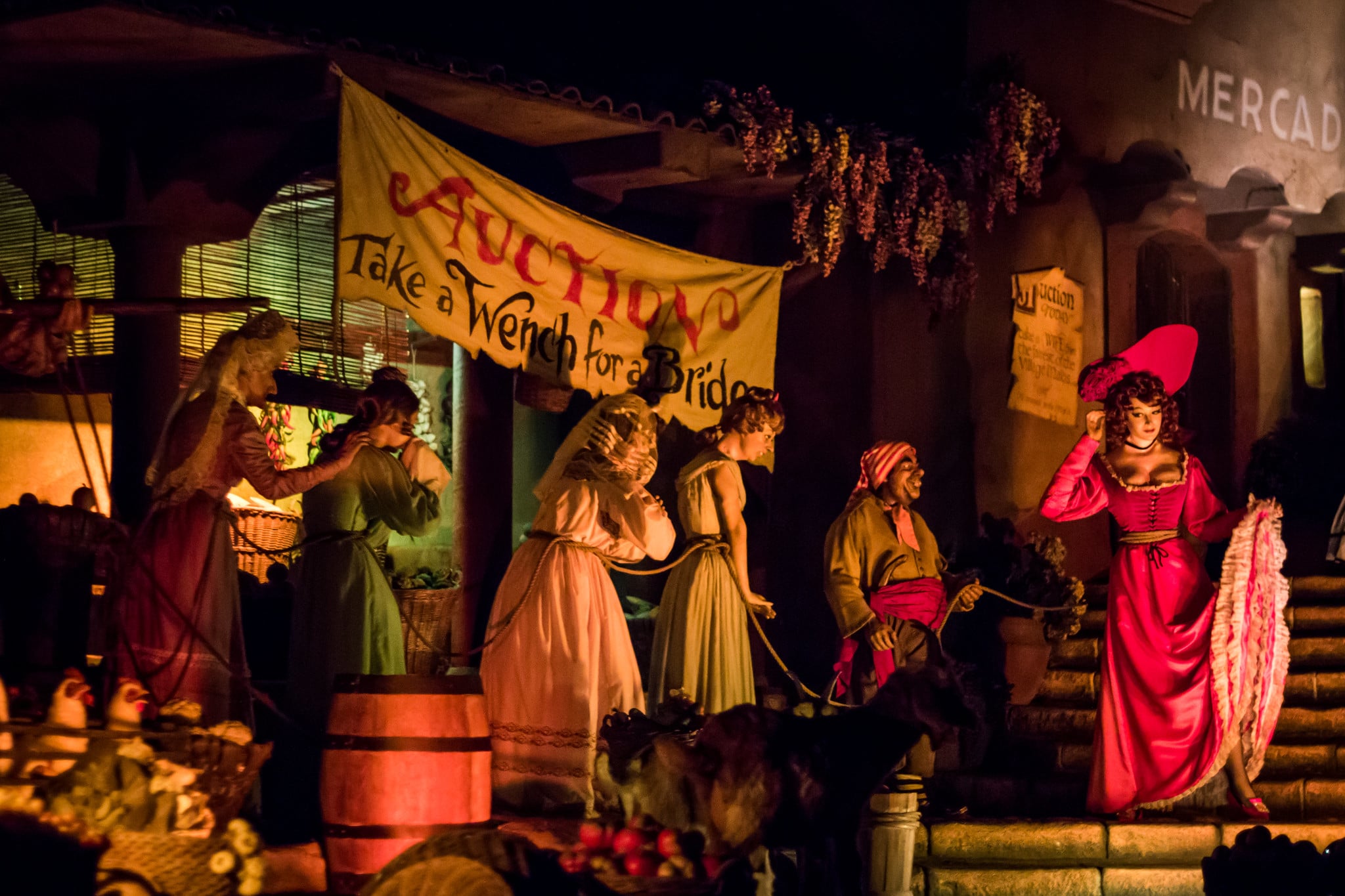
The Pirates of the Caribbean franchise built an entire 18th-century Caribbean port town on the island of Saint Vincent for the sequels. The massive set included dozens of buildings, a working harbor, a fortress, and even functioning interiors for many structures.
Unlike most movie sets that are just facades, these buildings had multiple floors and detailed rooms that could be filmed from any angle. The production spent over $50 million creating this location, which was later destroyed by a hurricane but had already served its purpose for the films.
Ben-Hur’s Chariot Racing Arena
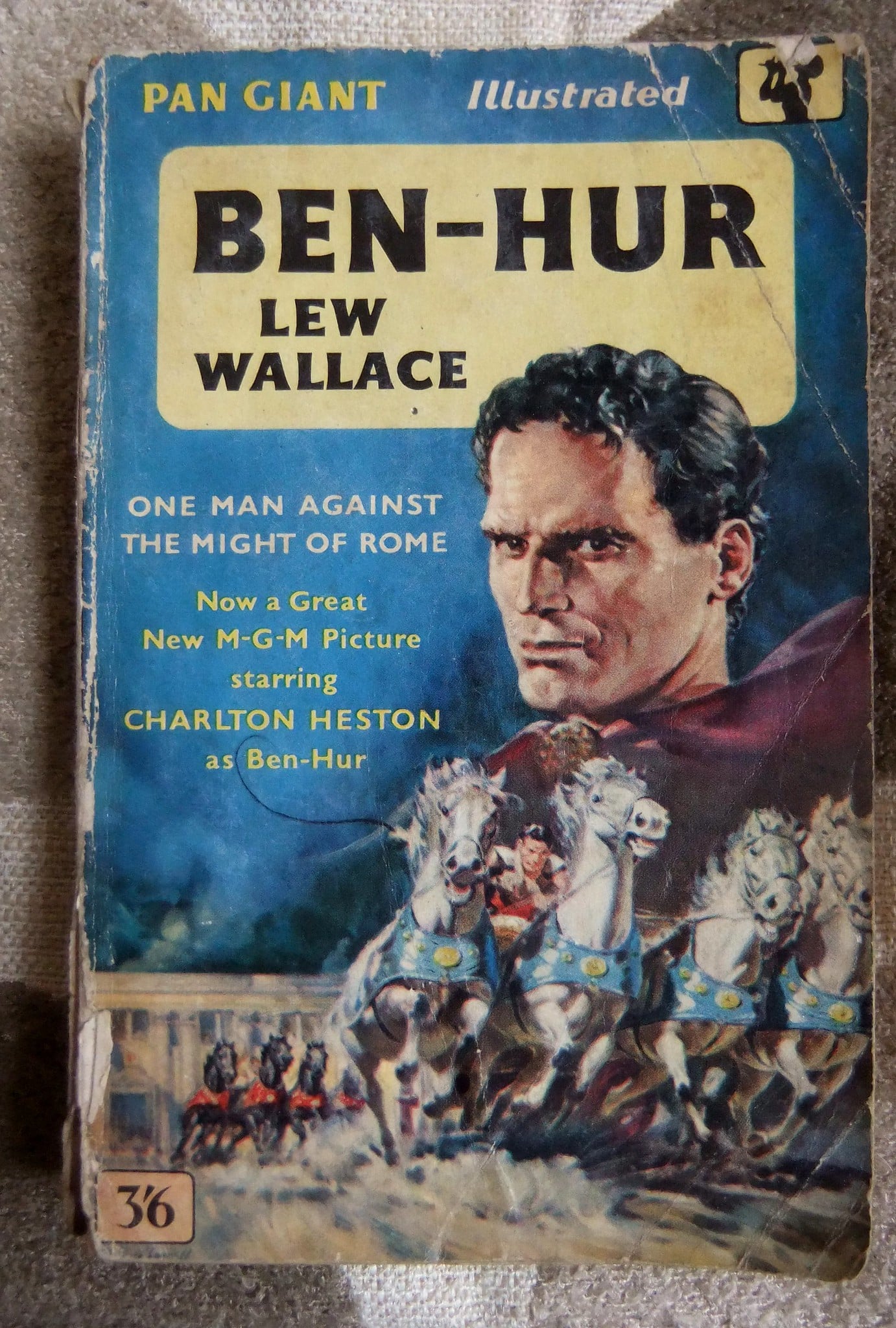
The 1959 version of Ben-Hur built the largest outdoor set in film history for its famous chariot race sequence. The arena covered 18 acres and took over a year to construct outside Rome, with crews carving it into a hillside.
The set could hold thousands of extras and featured a full racing track that was one-third of a mile around. Building the massive structure cost about $4 million in 1959 dollars, which would be over $40 million today, and it was used for just one sequence in the film.
Avatar’s Virtual Pandora

While Avatar’s sets were largely digital, the physical production facilities built specifically for the film cost a fortune. James Cameron constructed a massive soundstage in New Zealand with specially designed systems to capture the actors’ performances for the digital world.
The stage included elaborate motion-capture equipment, custom lighting rigs, and systems that had never been used in filmmaking before. The production spent over $40 million on physical infrastructure alone before even starting to build the digital world of Pandora.
The Wizard Of Oz’s Emerald City
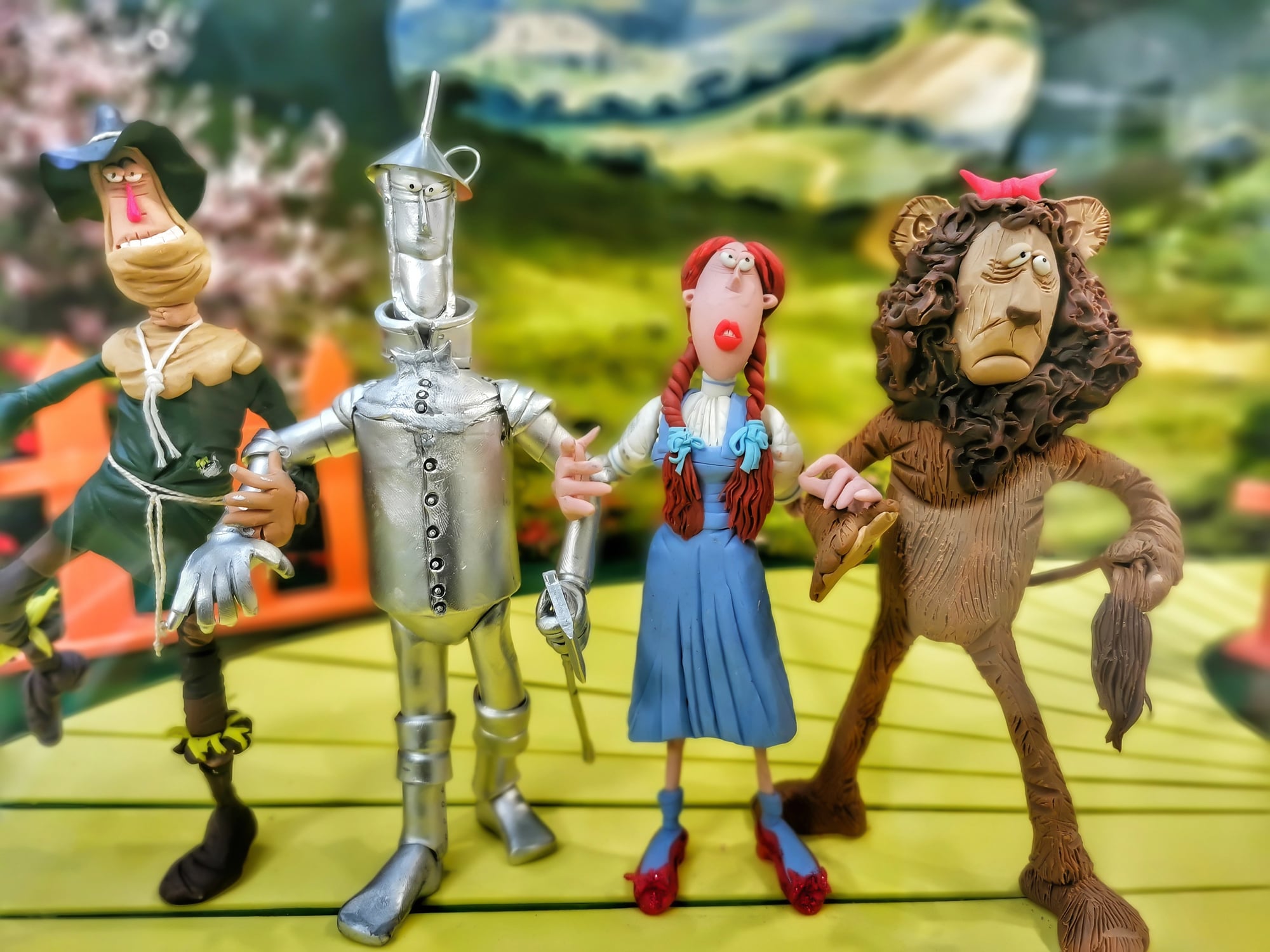
The Wizard of Oz created the elaborate Emerald City set in 1939 using innovative techniques and materials that were expensive for the era. The production painted everything in different shades of green and used emerald-colored makeup on the actors and horses.
The Yellow Brick Road was made from actual bricks painted yellow, and the set included intricate details throughout the city. MGM spent about $3 million on the entire production, with a significant portion going to these elaborate sets, making it one of the most expensive films of the 1930s.
Spider-Man’s New York Streets
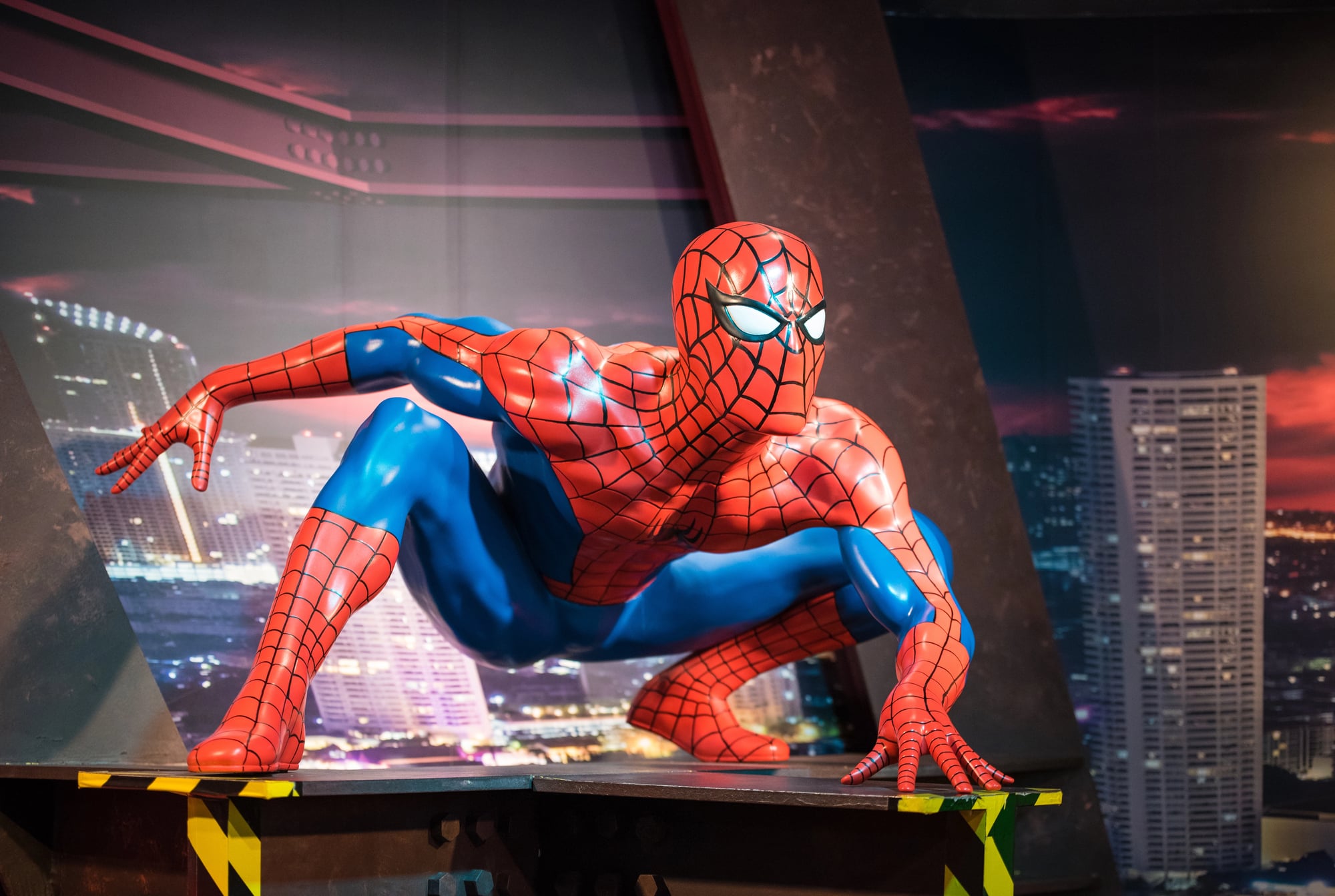
The original Spider-Man trilogy built extensive recreations of New York City streets on soundstages and backlots because filming in the actual city proved too difficult. The production constructed entire blocks of buildings, complete with storefronts, fire escapes, and period-appropriate details.
These sets could be controlled for lighting and weather conditions, making filming more efficient despite the high construction costs. Each set piece cost millions to build, but the production used them across multiple films, which helped justify the expense.
Blade Runner 2049’s Dystopian Los Angeles

Blade Runner 2049 constructed massive practical sets depicting a future Los Angeles covered in pollution and urban decay. The production built an entire junkyard wasteland, a protein farm with giant pools, and elaborate casino ruins in the desert.
Director Denis Villeneuve insisted on using practical sets wherever possible rather than relying only on green screens and digital effects. The studio spent over $150 million on the total production, with a huge portion going to these detailed physical environments that created the film’s unique atmosphere.
The Lord Of The Rings Trilogy’s Helm’s Deep
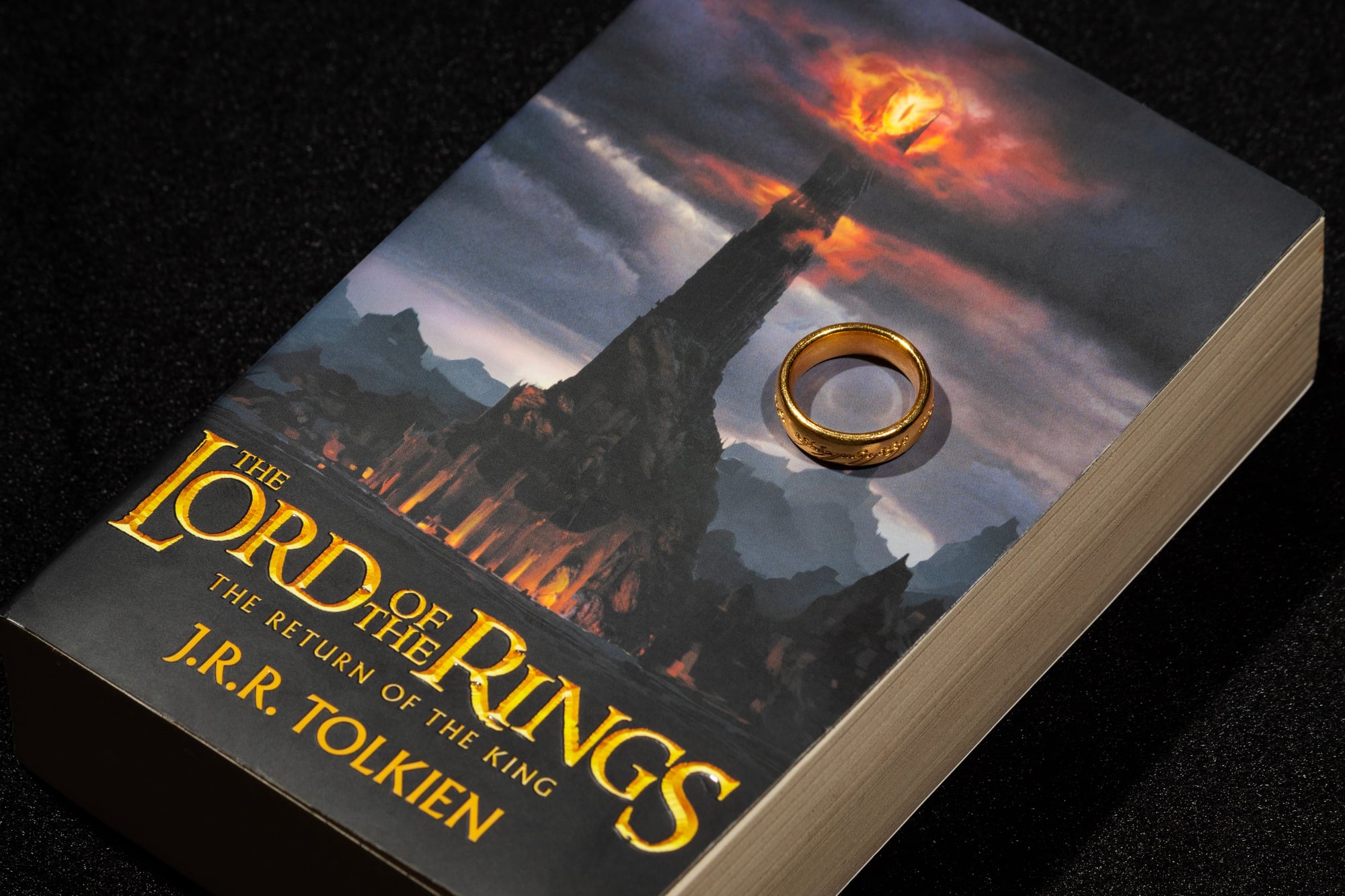
The Battle of Helm’s Deep required building one of the largest outdoor fortress sets ever constructed for The Lord of the Rings: The Two Towers. The massive castle and surrounding battlements stood three stories tall and stretched across a quarry in New Zealand.
The production built the fortress to withstand real explosions, stunt work, and the presence of hundreds of actors and extras. Peter Jackson’s team spent months constructing this single location, which became one of the most iconic battle scenes in cinema history.
Star Wars Prequel Trilogy’s Naboo Palace
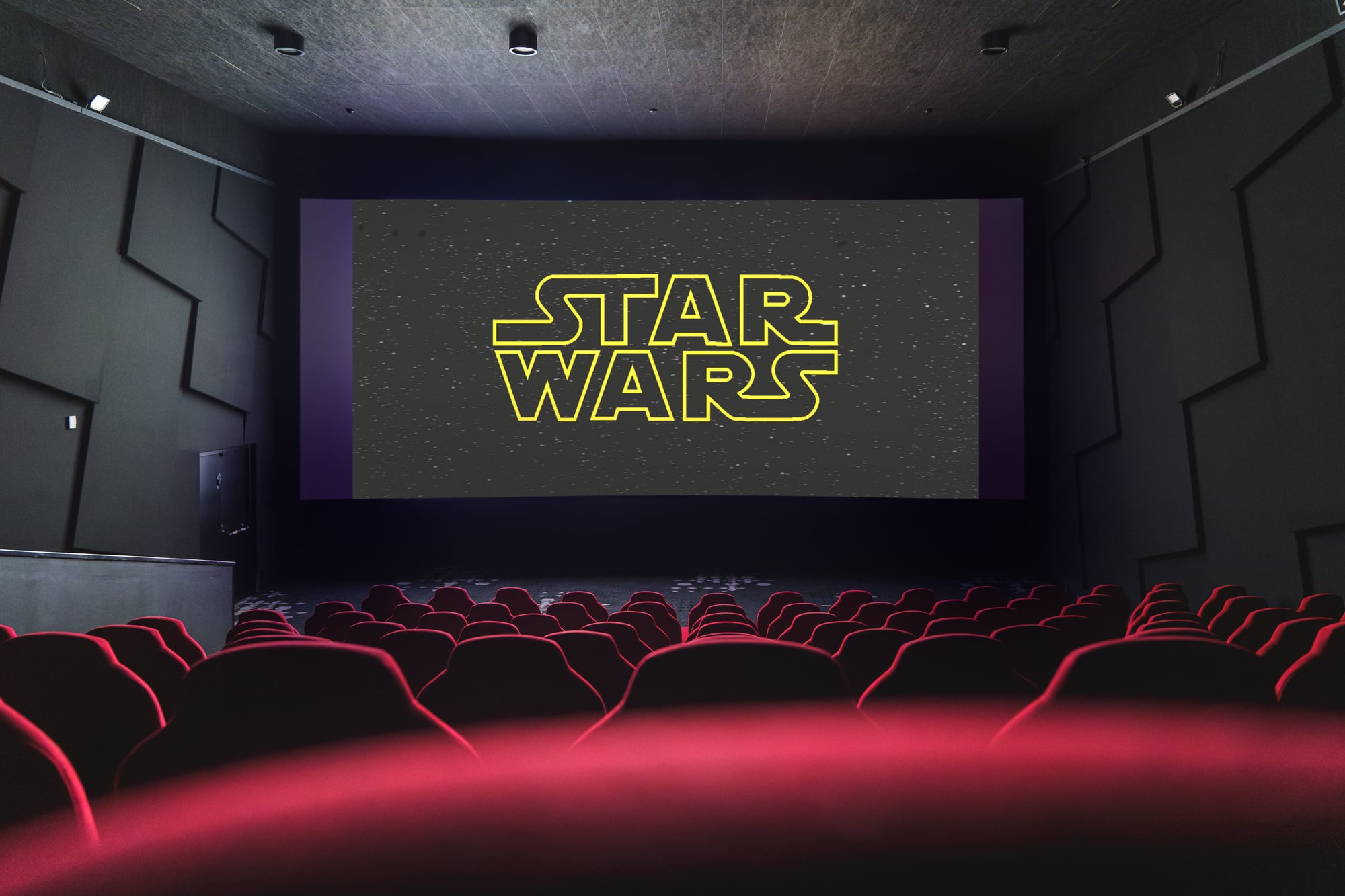
The Star Wars prequels built elaborate physical sets for Queen Amidala’s palace on Naboo, combining real architecture with digital extensions. The production used the Royal Palace of Caserta in Italy for some scenes but also constructed massive soundstage sets replicating its grand halls.
These sets featured intricate details, including hand-painted murals, custom furniture, and elaborate costumes that matched the environment. George Lucas spent lavishly on creating physical spaces that actors could interact with before adding digital elements in post-production.
Batman V Superman’s Gotham And Metropolis
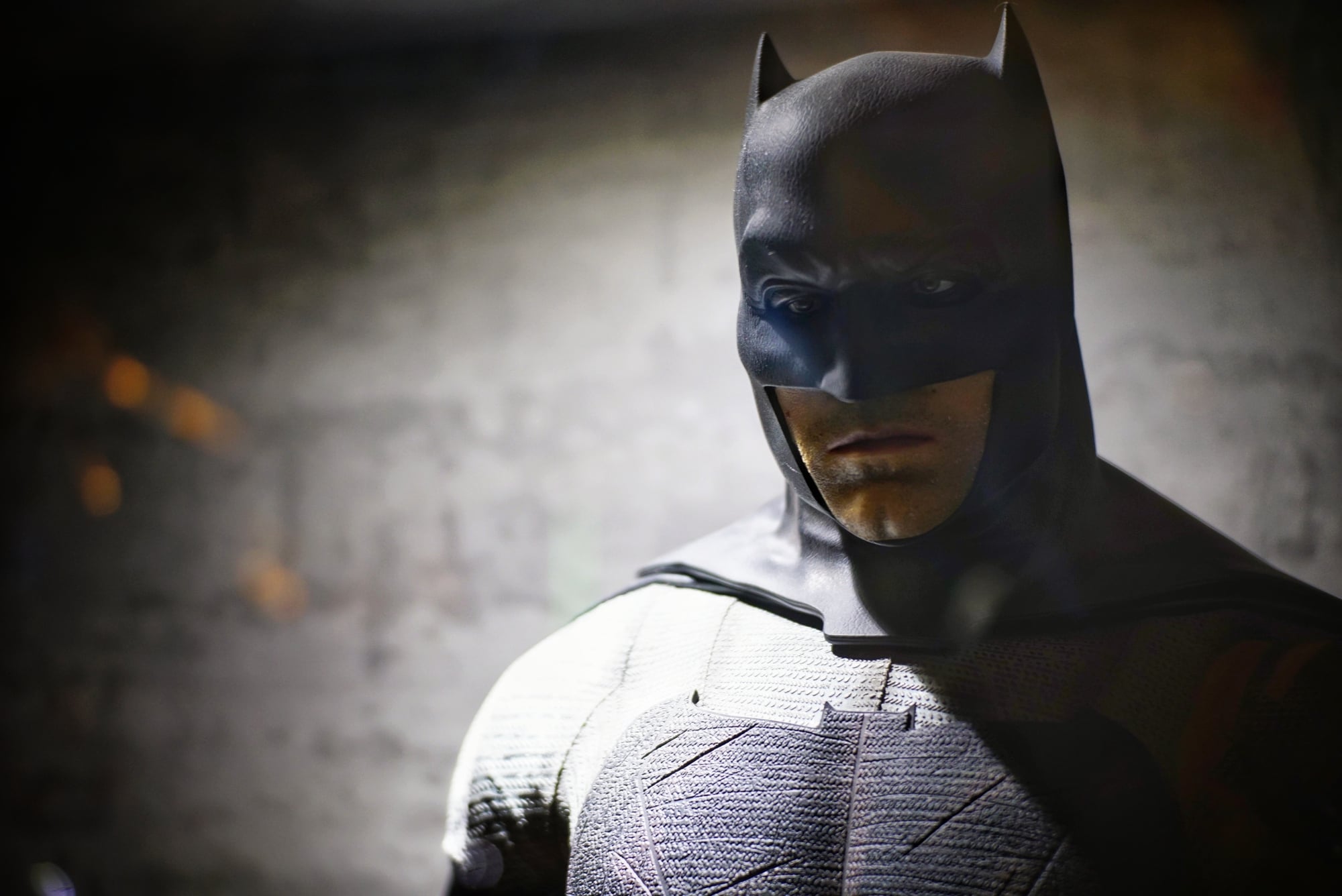
Batman v Superman: Dawn of Justice built extensive urban sets representing both Gotham City and Metropolis, often using the same locations redressed for different looks. The production constructed entire city blocks with detailed storefronts, apartments, and street-level details that could be destroyed during action sequences.
The studio spent over $250 million on the total production, with massive portions going to these elaborate urban environments. Some sets were built specifically to be demolished, meaning they were used once and then destroyed for dramatic effect.
Gladiator’s Roman Colosseum

Ridley Scott’s Gladiator recreated ancient Rome and built a partial replica of the Colosseum that combined practical sets with digital extensions. The physical set covered about one-third of the actual arena and stood several stories tall, with detailed architecture and seating areas.
The production spent months constructing this centerpiece, which had to support elaborate fight scenes and the movement of actors, animals, and chariots. The film’s total budget reached $103 million, with the Roman sets eating up a significant chunk of that money.
Transformers Franchise’s Cityscapes
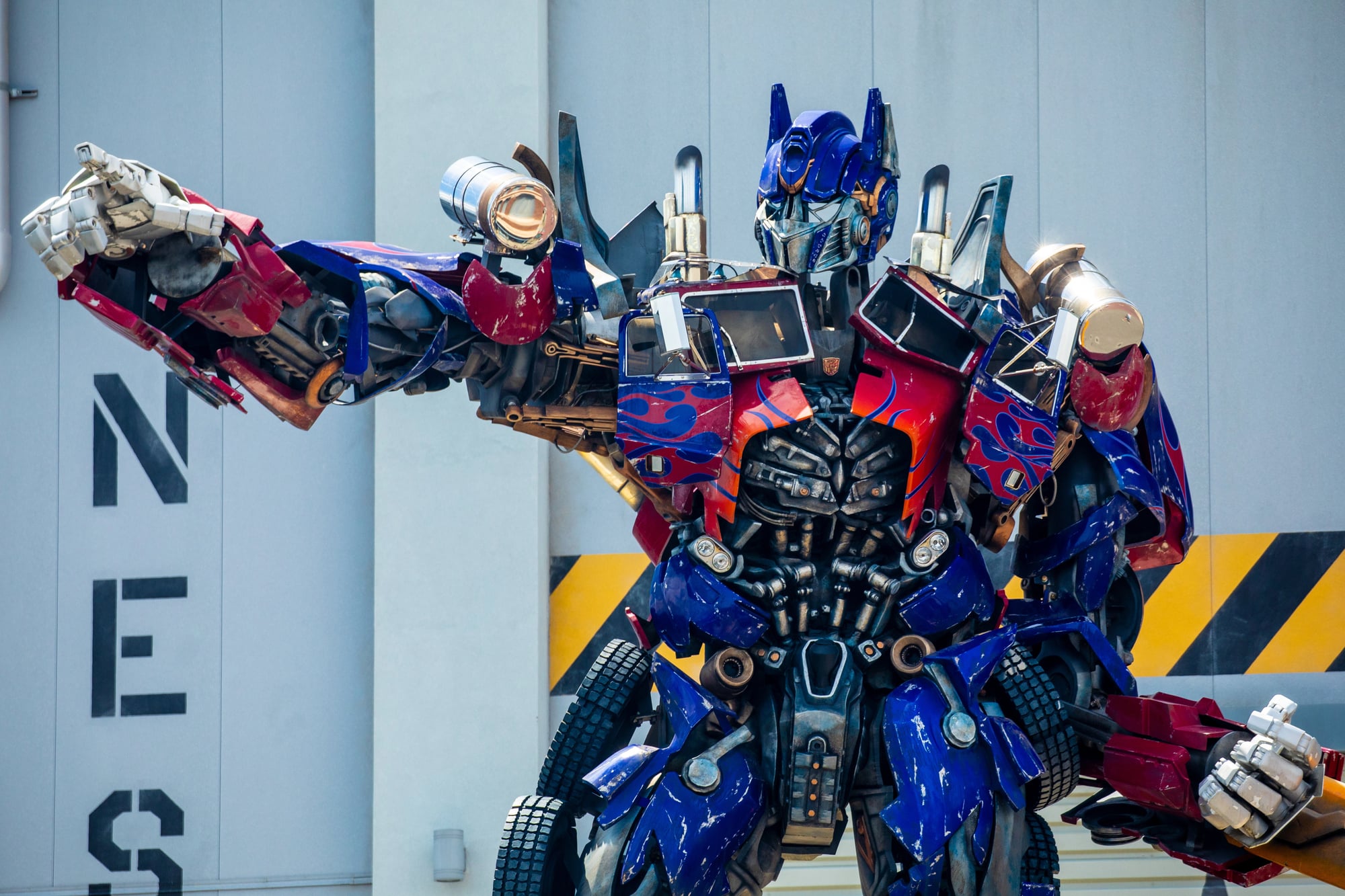
Giant robot battles shaped how cities were built on movie sets – whole neighborhoods rose just so cameras could catch them crumbling. Instead of relying only on computers, filmmakers erected real streets filled with cars and buildings meant to explode, collapse, or burn during filming.
Though visual effects added scale later, heavy wreckage demanded actual walls, roads, and debris made from concrete and steel. One explosion never worked twice, forcing crews to rebuild sections between shots for fresh damage every time.
Budgets regularly soared past 150 million dollars per film, much of it feeding the cycle of building things up to tear them down again.
From Soundstages To Standing Sets

Spending big on detailed movie sets reveals just how committed creators are to showing exactly what they imagine. Even though computer graphics shape much of today’s cinema, many directors stick with real structures because actors respond better and images feel more solid.
Costly builds tend to leave lasting marks, popping up years later in conversations about classic films. When viewers see a stunning mountain range or a futuristic skyline stretch across the screen, odds are someone poured millions into constructing a world seen for mere moments.
More from Go2Tutors!

- The Romanov Crown Jewels and Their Tragic Fate
- 13 Historical Mysteries That Science Still Can’t Solve
- Famous Hoaxes That Fooled the World for Years
- 15 Child Stars with Tragic Adult Lives
- 16 Famous Jewelry Pieces in History
Like Go2Tutors’s content? Follow us on MSN.