15 Most Dangerous Tourist Destinations
Travel is, at its best, an act of deliberate discomfort — a willingness to go somewhere unfamiliar, encounter things you don’t fully understand, and return changed by the experience. Most of the time, the discomfort is manageable: a language barrier, unfamiliar food, a long bus ride on a bad road.
But some destinations take that discomfort into a different register entirely, where the risks are real, the stakes are high, and the decision to visit requires considerably more than a good sense of adventure.
The places on this list attract visitors for all kinds of reasons — history, natural wonder, spiritual significance, or simply the particular appeal that comes with going somewhere most people won’t. What they share is a level of danger that makes them unlike almost anywhere else on earth.
Some of that danger is geological. Some are political.
Some are simply the result of being one of the most remote or inhospitable environments the planet has to offer. All of it is worth understanding before you go — and in some cases, before you decide whether to go at all.
Death Valley, USA
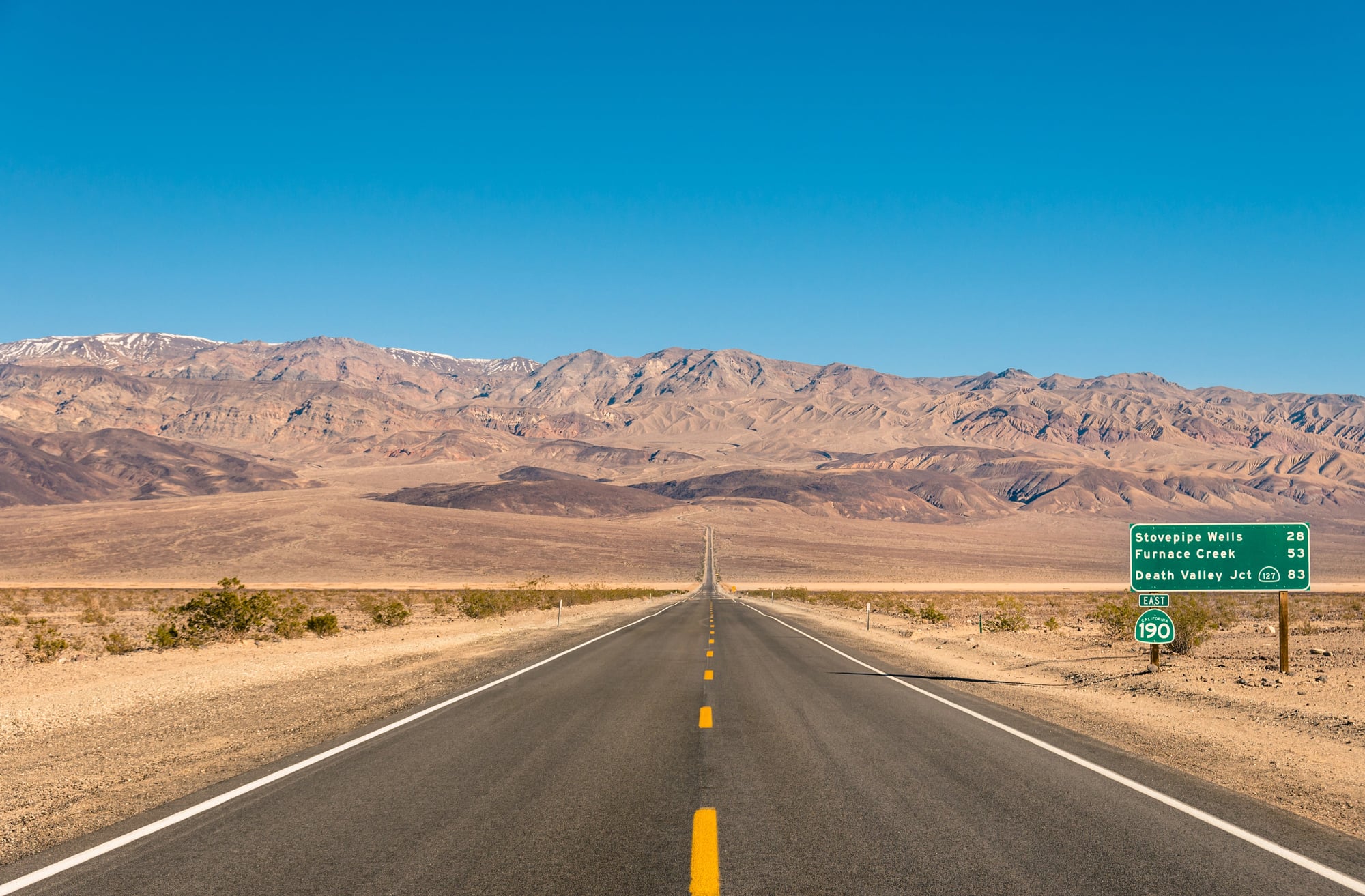
The name is not an exaggeration. Death Valley in California holds the record for the highest reliably recorded air temperature on earth — 56.7 degrees Celsius (134 Fahrenheit), measured in 1913 — and summer temperatures regularly exceed 50 degrees.
People die here every year, almost always because they underestimated the heat, ran out of water, or broke down in a car far from help. The park receives over a million visitors annually, the vast majority of whom have a perfectly safe time, but the ones who don’t tend to make headlines.
The danger is specific and preventable, but it requires taking seriously the idea that the landscape is genuinely trying to kill you if you let it. Rangers recommend hiking only before 10am in summer, carrying far more water than you think you’ll need, and telling someone exactly where you’re going.
The Danakil Depression, Ethiopia
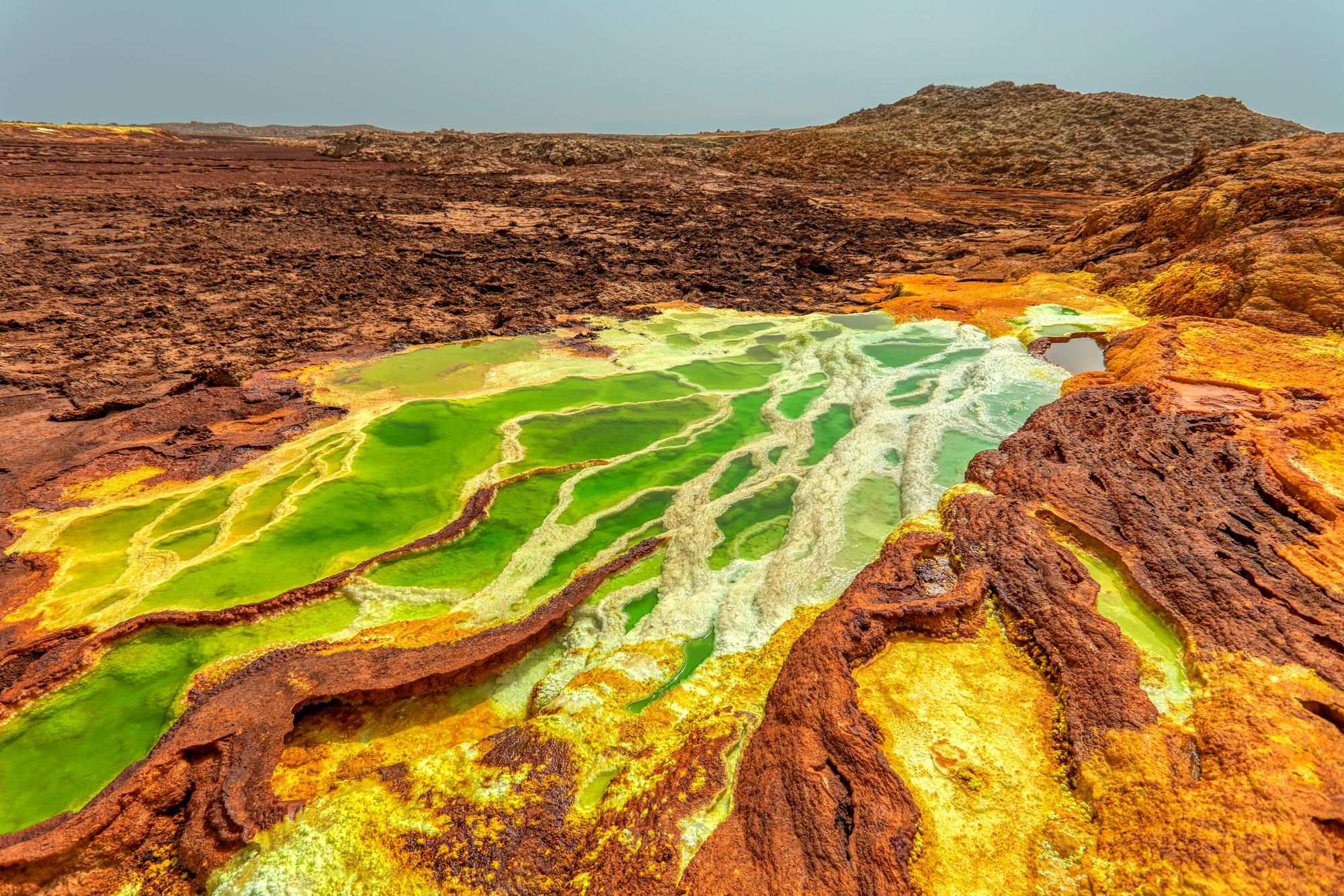
The Danakil Depression sits at the junction of three tectonic plates in northeastern Ethiopia and is considered one of the most hostile environments on earth. Temperatures regularly exceed 50 degrees Celsius, the landscape is dotted with active volcanoes and hydrothermal vents, and the ground in places is covered with a crust of salt over pools of acidic water.
It also happens to be one of the most visually extraordinary places on the planet — a surreal, otherworldly terrain of neon-yellow sulphur fields, lava lakes, and salt flats that draw a steady stream of adventurous tourists. Tours operate through the area with local guides who know the terrain, but the combination of extreme heat, remote location, and political instability in the surrounding Afar region makes this firmly a trip for experienced travellers who have done their research.
Mount Everest, Nepal/Tibet
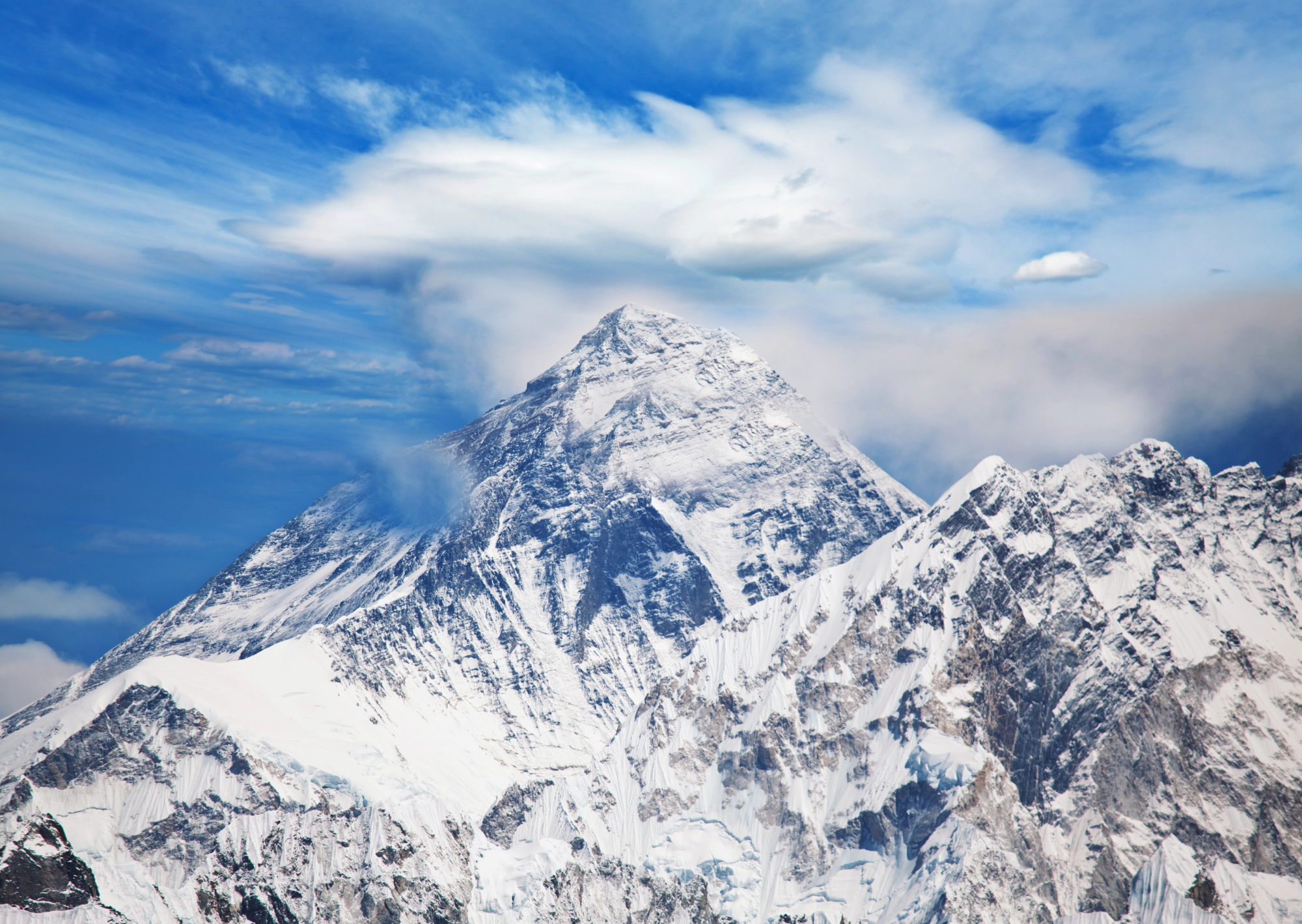
More than 300 people have died attempting to climb Everest, and many of their bodies remain on the mountain — the conditions making retrieval impossible. The peak sits at 8,849 metres, well into the “death zone” where oxygen levels are insufficient to sustain human life for extended periods, and climbers face risks including altitude sickness, avalanche, frostbite, exhaustion, and sudden, violent weather changes.
In recent years, the mountain has also become notorious for overcrowding — images of long queues of climbers on fixed ropes near the summit went viral and prompted serious discussion about the commercialisation of high-altitude mountaineering. A permit from the Nepali government now costs $11,000, and the total cost of a guided expedition typically runs to $30,000–80,000.
People still die every season, and the mountain has not become meaningfully safer as it has become more accessible.
Skeleton Coast, Namibia
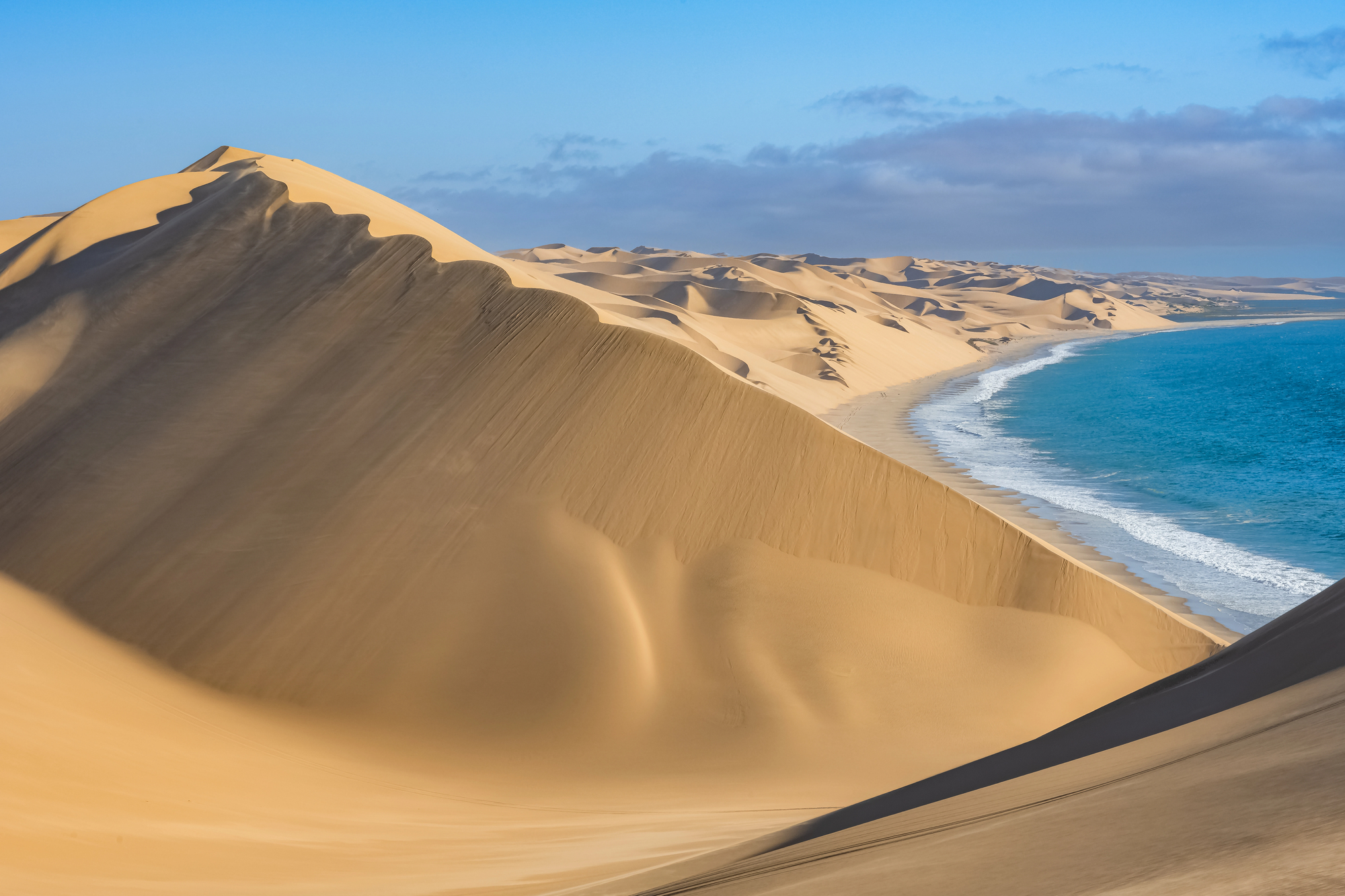
The Skeleton Coast takes its name from the whale and seal bones left by the 19th-century whaling industry, though it could equally be named for the many ships that have wrecked along its shores. The coastline stretches for roughly 500 kilometres along the north of Namibia, where the cold Benguela Current meets the Namib Desert, creating dense fog, strong surf, and conditions that make navigation extremely difficult.
Shipwrecks are scattered along the shore, and the area is so remote that survivors of wrecks historically often died before they could be reached. Today the coast is a national park and a destination for wildlife tourism — it supports large colonies of Cape fur seals, alongside lions that have adapted to desert life — but the remoteness, the unpredictable weather, and the sheer inaccessibility of much of the coastline make it a trip that requires serious preparation.
Oymyakon, Russia
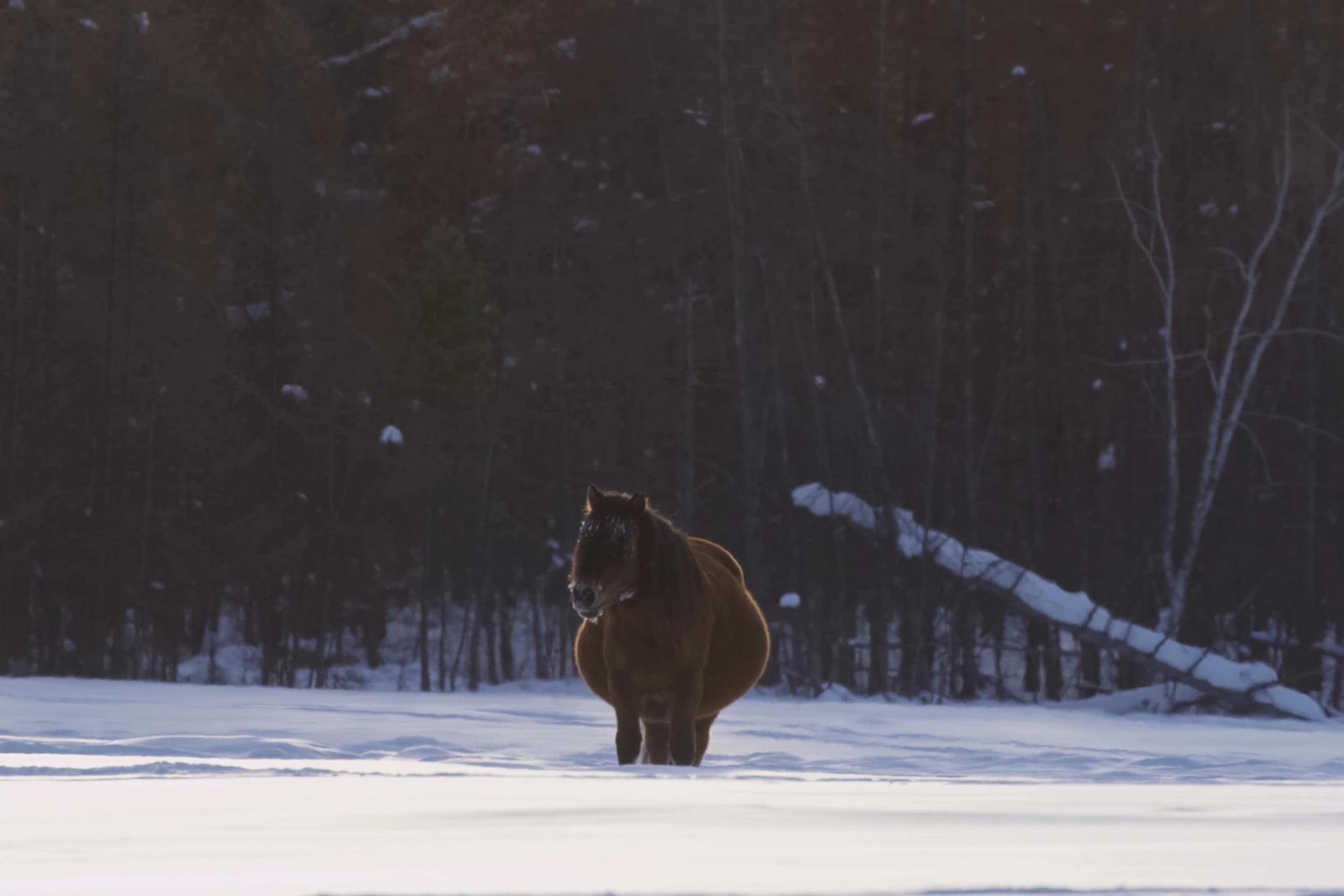
Oymyakon is a small village in the Sakha Republic of northeastern Russia and is widely considered the coldest permanently inhabited place on earth. The lowest recorded temperature is −67.7 degrees Celsius, and average January temperatures sit around −50.
Cars must be kept running constantly to prevent engines from freezing. Glasses can freeze to your face.
Exposed skin can develop frostbite within minutes. The village has around 500 permanent residents who have adapted their lives entirely around the cold, but for visitors, the experience is one of controlled exposure to conditions that can become life-threatening extremely quickly.
A small number of travellers visit each year, drawn by the extreme reputation of the place, and the majority survive — but it requires proper equipment, careful planning, and a genuine respect for what sustained exposure to those temperatures can do to the human body.
The Bermuda Triangle
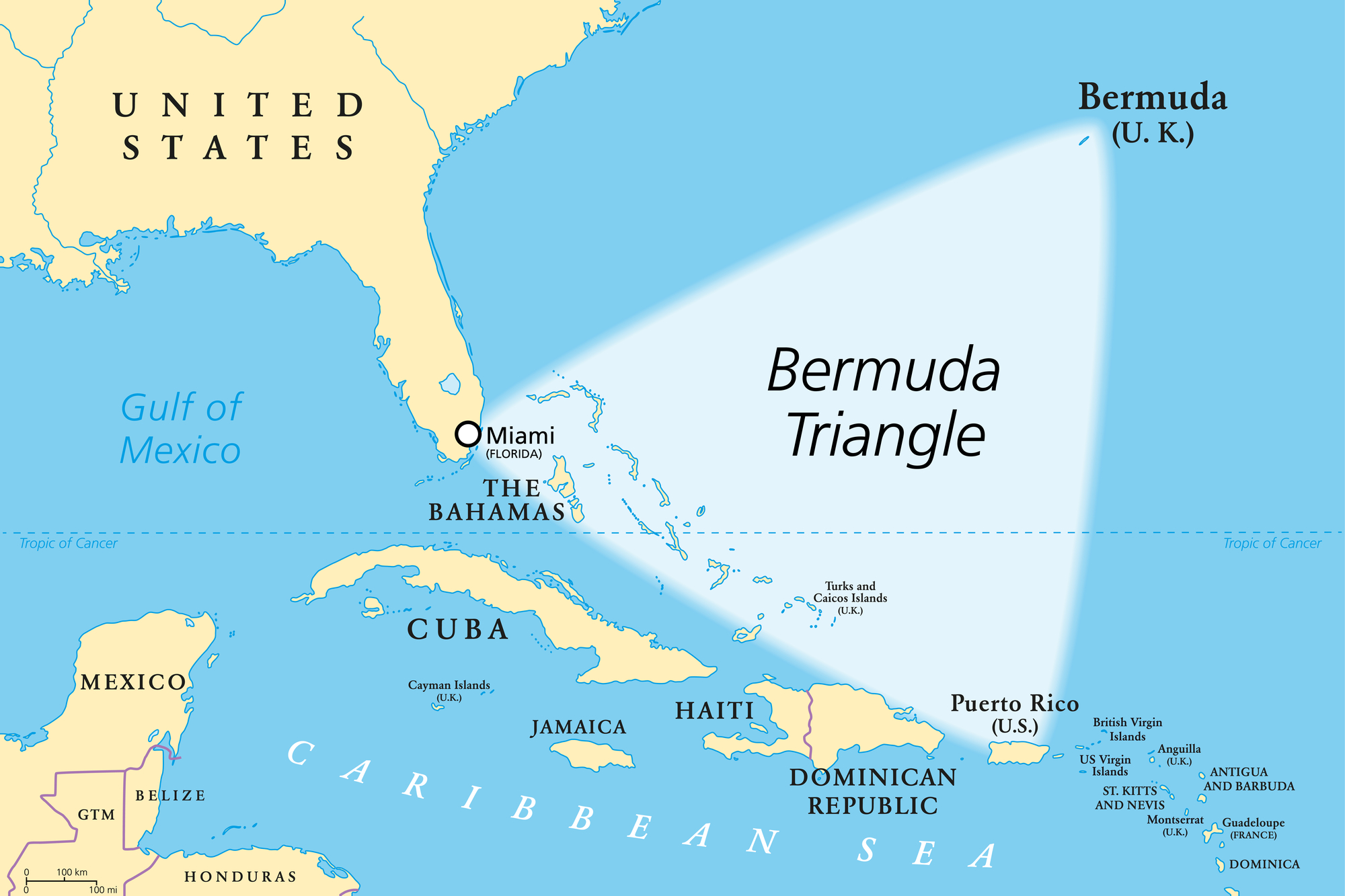
The Bermuda Triangle — the loosely defined area between Miami, Bermuda, and Puerto Rico — has generated more mythology per square kilometre than almost anywhere else on earth. The reality, as most researchers now acknowledge, is that the area’s accident rate is not statistically higher than other heavily trafficked stretches of ocean, and many of the disappearances attributed to it have mundane explanations involving weather, human error, or simply the normal hazards of open-ocean travel.
What is true is that the Atlantic in this region can produce extremely sudden and violent storms, the ocean floor contains some significant geographical features that make wreck recovery difficult, and the volume of air and sea traffic through the area is enormous. The danger is real but not supernatural — it’s the Atlantic Ocean in a busy flight corridor, which is enough to be going on with.
Ilha da Queimada Grande (Snake Island), Brazil
Off the coast of São Paulo lies a small island that the Brazilian government has closed to almost all visitors for very good reason: it is home to an estimated 2,000 to 4,000 golden lancehead pit vipers, a species found nowhere else on earth whose venom can cause flesh to necrotise around the bite site. The snakes evolved in isolation, feeding on migratory birds, and the density of the population — estimated at somewhere between one and five snakes per square metre in some areas — makes the island genuinely hazardous in a way that few places are.
Access is restricted to approved researchers and the Brazilian navy, which maintains a lighthouse on the island. The lighthouse keeper position was discontinued after, according to local legend, a keeper and his family were killed by snakes that entered through the windows.
Whether or not that story is accurate, the government has decided not to test it further.
Kabul, Afghanistan
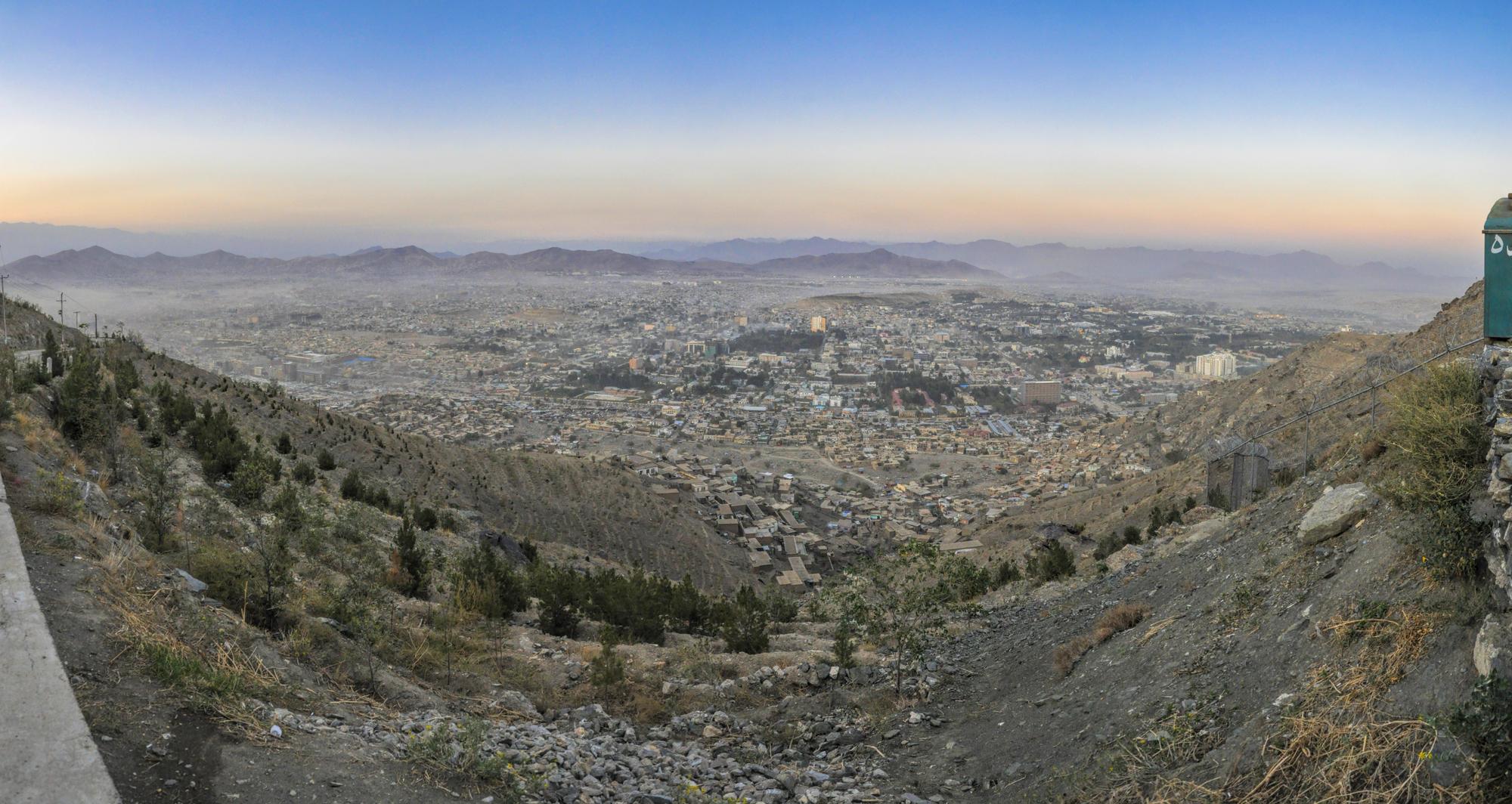
Afghanistan has faced decades of conflict, and Kabul — the capital — has been at the centre of much of it. Since the Taliban returned to power in 2021, the security situation has remained deeply unpredictable.
The threat of terrorist attacks, kidnapping, and targeted violence against foreigners is significant, and most Western governments currently advise against all travel to the country. A small number of journalists and aid workers remain in the country, and some adventurous travellers have entered despite the warnings, but the risks are not theoretical — foreign nationals have been detained, and the infrastructure for assisting travellers in distress is essentially non-existent.
The country’s history, its landscapes, and the resilience of its people make it a place many travellers are drawn to in concept; the current reality makes it one of the hardest places on earth to visit responsibly.
The Amazon Rainforest, Brazil/Peru/Colombia
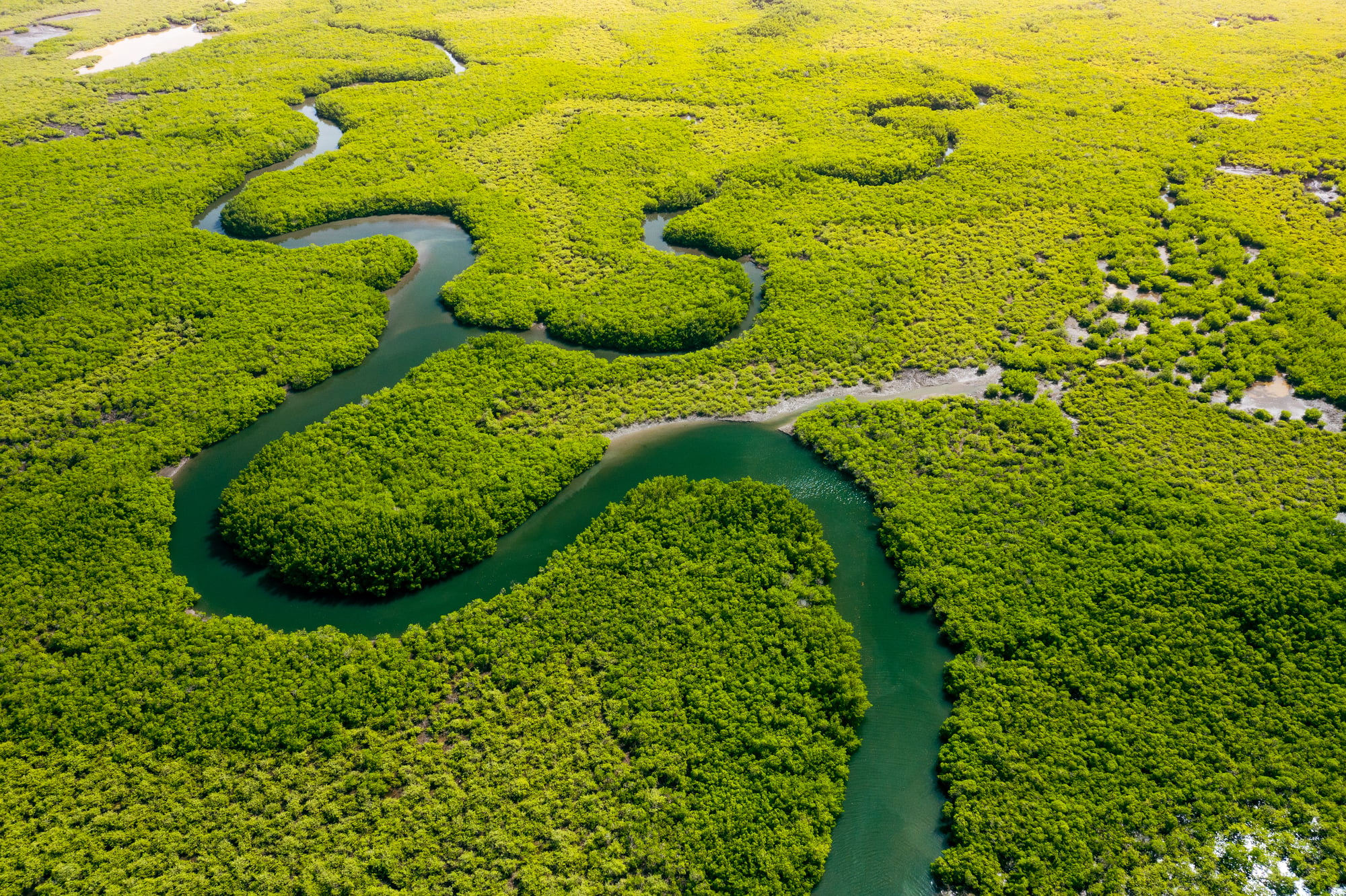
The Amazon is not dangerous in the way that a conflict zone is dangerous — there are no armed groups specifically targeting tourists in most of the accessible areas. But the sheer scale and remoteness of the forest creates its own category of risk.
The Amazon covers more than 5.5 million square kilometres, large portions of which have no mobile signal, no roads, and no infrastructure of any kind. Getting lost is a genuinely serious prospect.
The forest itself contains a comprehensive inventory of things that can harm a person: venomous snakes, bullet ants, electric eels, jaguars, candiru fish, and a variety of parasites and diseases that are not easily treated in remote locations. Guided tours through reputable operators are the standard approach, and millions of visitors experience the Amazon safely each year — but those who venture into the deeper interior without adequate preparation and local knowledge are taking risks that have, on multiple occasions, proved fatal.
Chernobyl Exclusion Zone, Ukraine
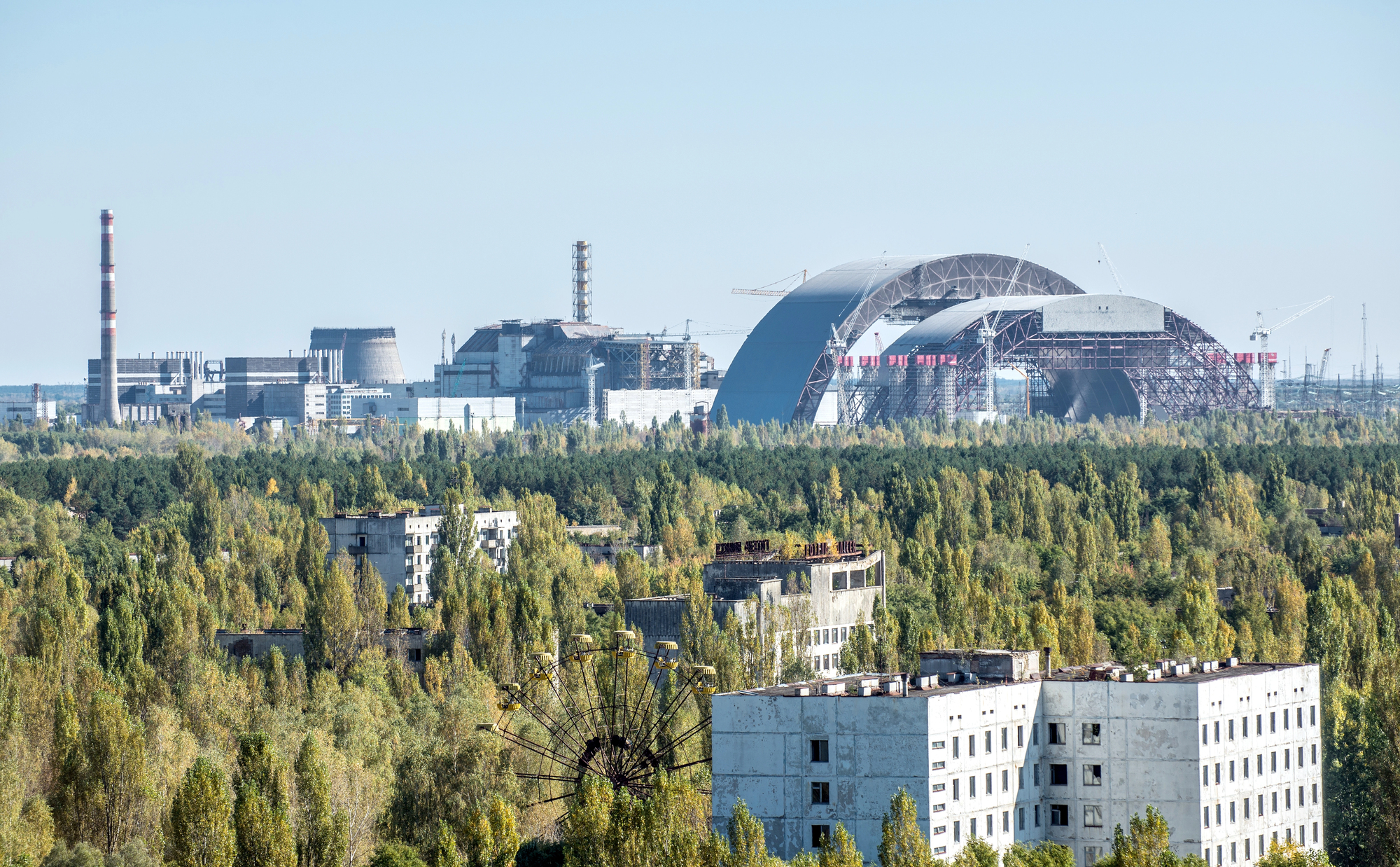
The site of the 1986 nuclear disaster has, somewhat improbably, become a popular tourist destination. Tours through the exclusion zone around the former Chernobyl Nuclear Power Plant began operating in the 1990s and have grown significantly since the HBO miniseries brought the disaster to a new generation’s attention.
The radiation levels in the areas open to tourists are considered relatively low by most scientific assessments, and short visits are generally thought to expose visitors to less radiation than a long-haul flight. The danger has become more complex since Russia’s full-scale invasion of Ukraine in 2022, which included military activity in and around the exclusion zone.
The site is currently off-limits to tourists due to the ongoing conflict, and the combination of radiation, unexploded ordnance, and active military presence in the surrounding region makes it, for now, genuinely inaccessible and genuinely dangerous.
Lake Natron, Tanzania
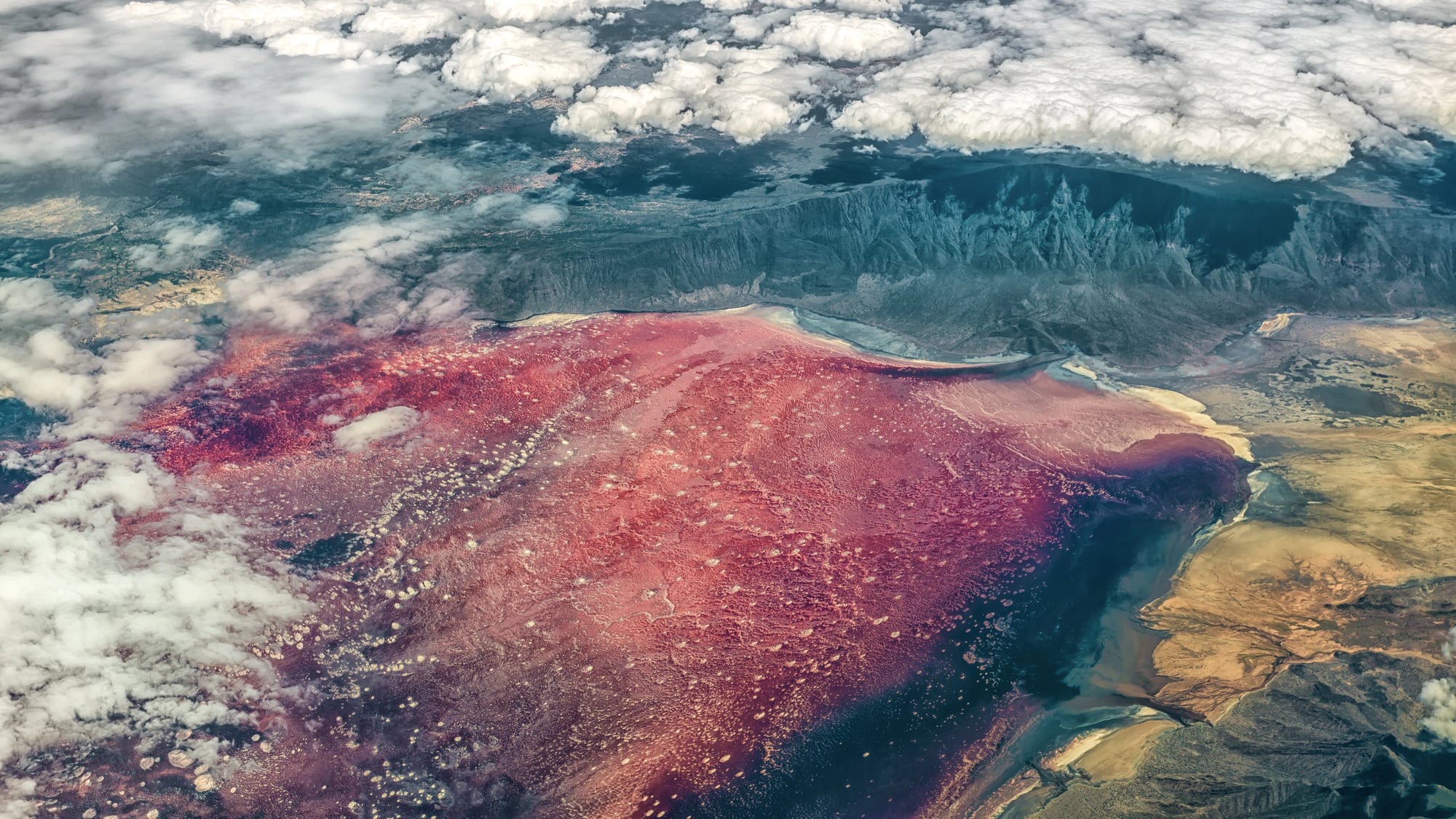
Lake Natron in northern Tanzania is one of the most caustic bodies of water on earth. Fed by volcanic hot springs and with a pH approaching 12, the lake’s waters are highly alkaline and can calcify animals that die in them — a process that produces the eerily preserved, stone-like carcasses that photographer Nick Brandt documented in a widely shared series of images.
The water temperature can reach 60 degrees Celsius in places, and the combination of heat, alkalinity, and the toxic sodium carbonate that encrusts the shoreline makes it hostile to most forms of life. Flamingos, uniquely adapted to the conditions, breed there in enormous numbers.
Visitors can walk around the lake’s edge with care, but entering the water is not recommended, and the remote location in the East African Rift Valley makes any medical emergency difficult to address quickly.
North Sentinel Island, India
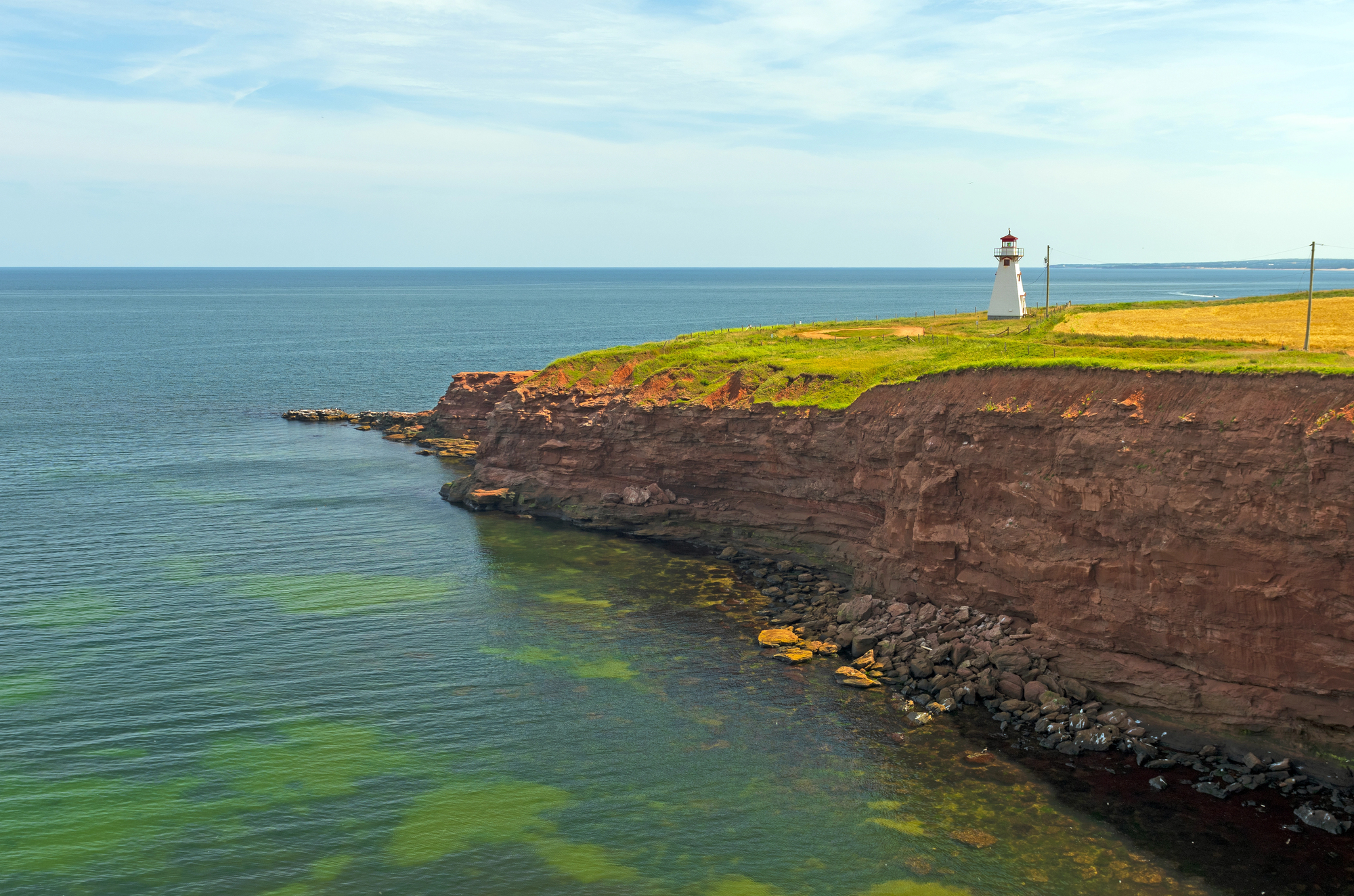
North Sentinel Island in the Andaman Sea is home to the Sentinelese people, one of the last populations on earth to have avoided contact with the outside world. They have consistently and sometimes violently rejected all attempts at contact, and the Indian government has passed laws prohibiting approaches to the island within three nautical miles — both to protect visitors from the Sentinelese and to protect the Sentinelese from diseases to which they have no immunity.
In 2018, an American missionary named John Allen Chau illegally made his way to the island and was killed by the Sentinelese. The Indian government declined to pursue the matter or recover his body, citing both the legal situation and the danger of any approach.
The island is not a tourist destination in any conventional sense — it is a place where the message from its inhabitants has been clear and consistent, and where the responsible response is simply to leave them alone.
Erta Ale, Ethiopia
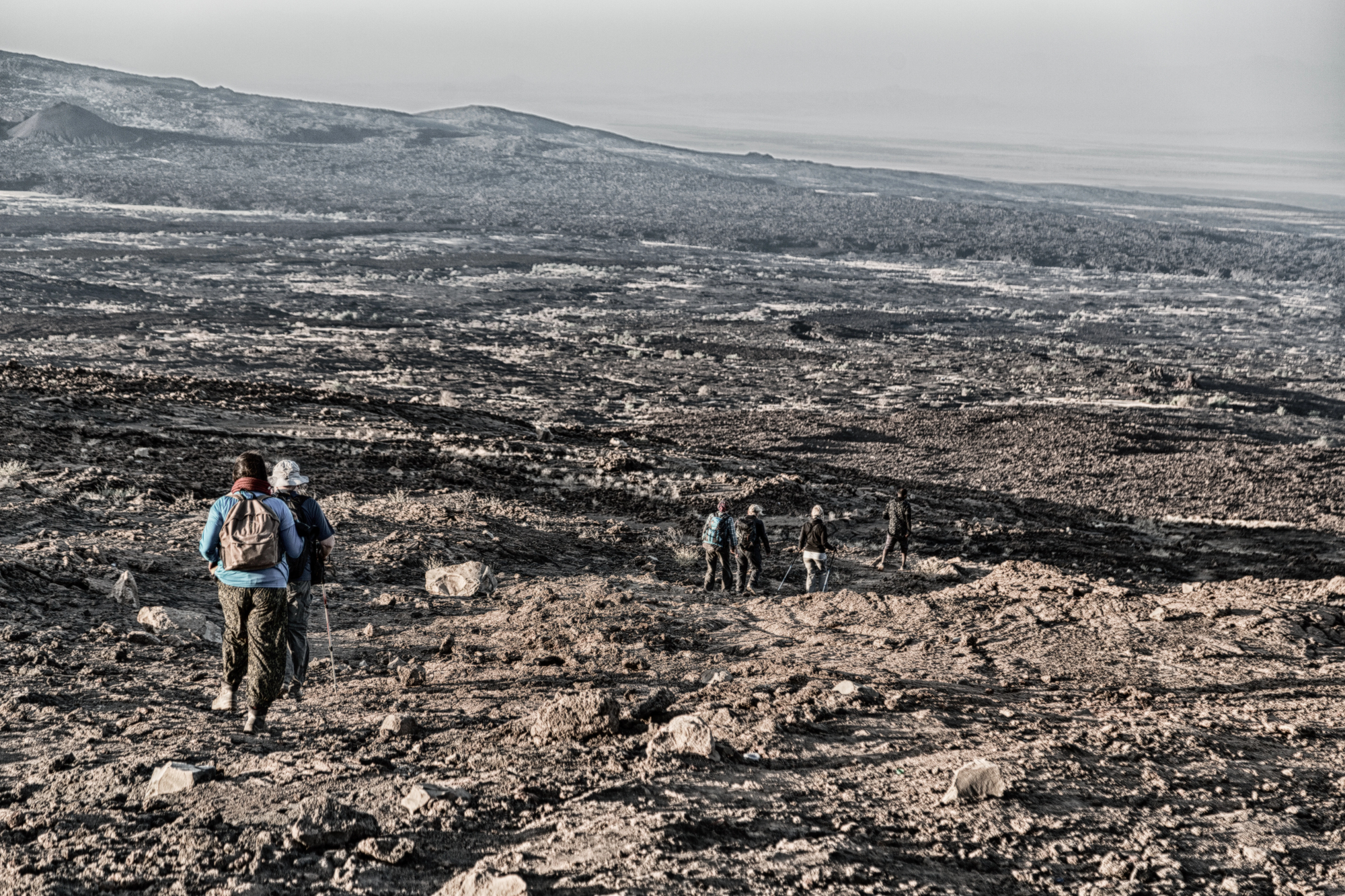
Erta Ale is a shield volcano in the Afar region of Ethiopia and one of the few places on earth where you can look directly into a persistent lava lake. The crater has contained active lava almost continuously for over a century, and the sight of liquid rock churning and glowing in the darkness is extraordinary enough to draw visitors willing to make the difficult journey to get there.
The journey is part of the danger — the volcano sits in one of the most remote parts of the Afar Depression, accessible only by long drives across harsh terrain and then a several-hour hike, often undertaken at night to avoid the heat.
In 2012, a group of tourists was attacked by armed rebels at the summit, resulting in deaths and kidnappings. Security has improved since then and tours continue to operate, but the combination of active volcanic hazard and regional political instability makes this firmly one for those who have genuinely weighed the risks.
Acapulco, Mexico
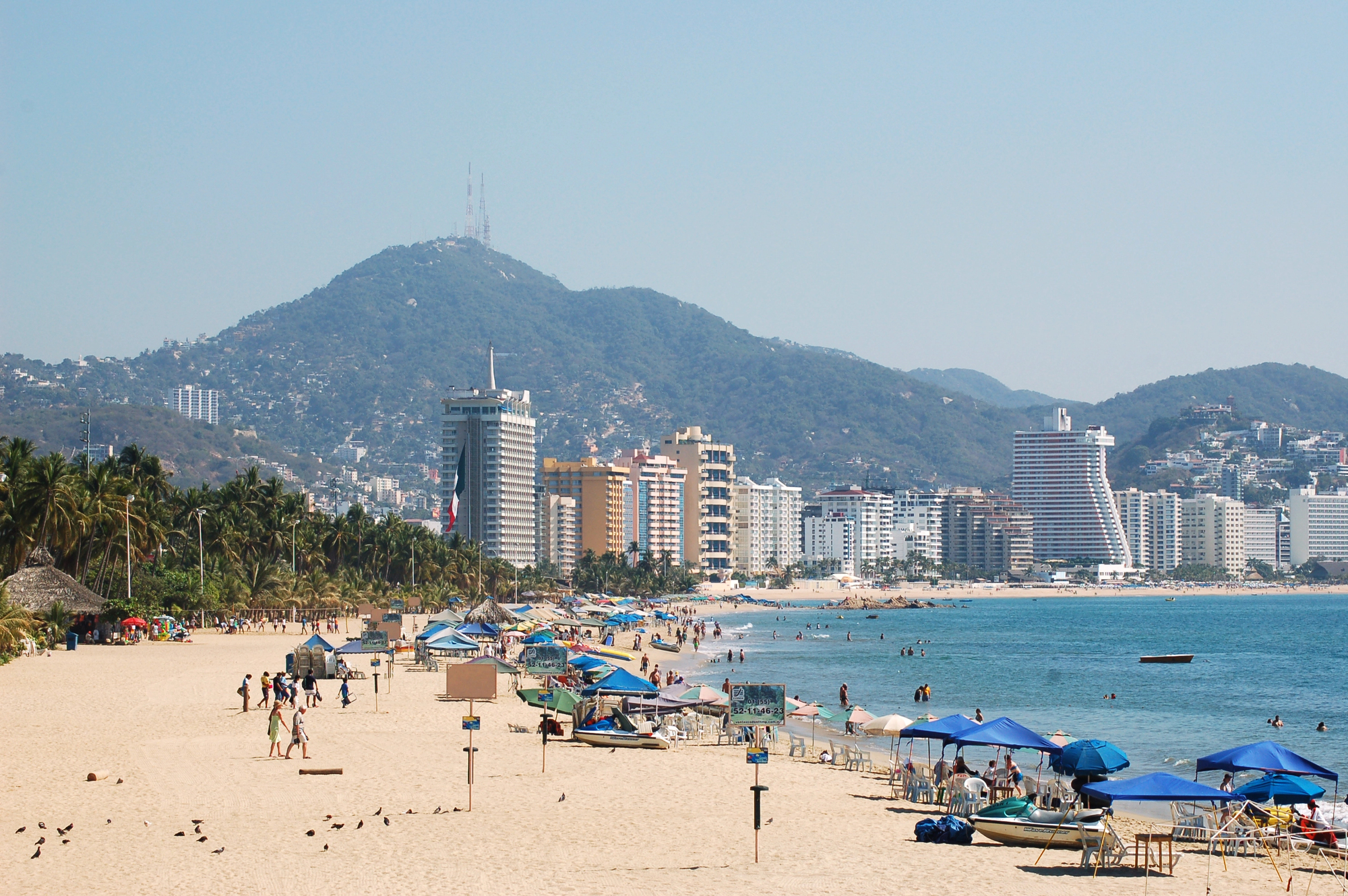
Acapulco was once the jewel of Mexican tourism — a glamorous Pacific resort city that attracted Hollywood stars and international visitors from the 1950s through the 1980s. The city still has its cliff divers, its beaches, and its extraordinary natural bay.
It also has one of the highest homicide rates of any city in the world, the result of sustained and violent competition between organised crime groups for control of the port and surrounding territory. The Mexican government has worked to improve security in certain tourist areas, and some visitors continue to travel there without incident.
Most Western governments currently advise against travel to Guerrero state, in which Acapulco sits, due to crime. The tragedy of the city is inseparable from what it used to be — and the gap between the beauty of the place and the violence that has consumed it is one of the more sobering stories in recent travel history.
Mogadishu, Somalia
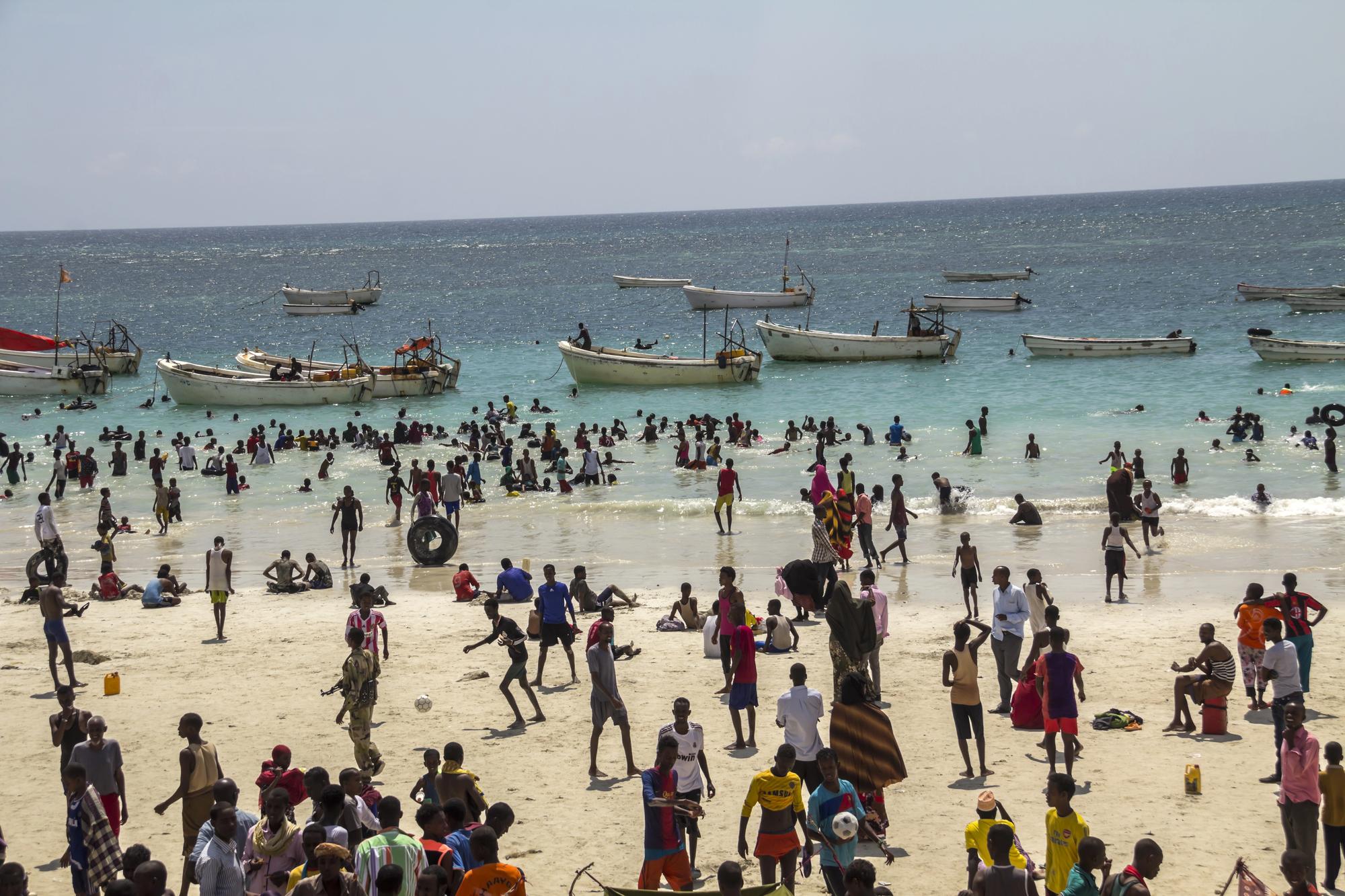
Somalia has experienced sustained civil conflict since the collapse of the central government in 1991, and Mogadishu — the capital — has been at the centre of much of it. The city has stabilised significantly compared to its most dangerous period in the early 1990s and 2000s, and a small number of journalists, aid workers, and even some adventurous tourists have visited in recent years.
The threat of terrorism from Al-Shabaab, kidnapping, and general instability remains high, however, and virtually every travel advisory in the world recommends against visiting. A tiny subculture of so-called “last chance” travellers specifically seeks out places like Mogadishu — drawn by the very inaccessibility that makes them dangerous — but the risks are substantial and the infrastructure for managing emergencies is minimal.
Somalia has a coastline, a history, and a culture of genuine richness and depth; access to any of it safely remains, for now, profoundly difficult.
On The Question Of Whether To Go

Looking at such a list, it might seem clear which spots are risky only if you’re unready – say, Death Valley with too little water or Everest without skill or funds – while others feel unsafe no matter what. Yet truth sits elsewhere: some locations let careful planning keep harm at bay.
Others? Forces there move on their own rhythm, indifferent to caution, readiness irrelevant once chaos starts.
Here, it’s about you: what danger feels worth facing for the sake of being there, can you truly handle it if things go wrong? Elsewhere – war areas, nations in chaos, spots where harm comes from humans, not weather – thinking shifts, usually leading to one clear outcome, better to stay away until conditions improve.
Some corners of Earth amaze more than others. When risk fades, those risky spots won’t vanish – they’ll wait.
More from Go2Tutors!

- The Romanov Crown Jewels and Their Tragic Fate
- 13 Historical Mysteries That Science Still Can’t Solve
- Famous Hoaxes That Fooled the World for Years
- 15 Child Stars with Tragic Adult Lives
- 16 Famous Jewelry Pieces in History
Like Go2Tutors’s content? Follow us on MSN.