Interesting Facts About The Acropolis
Up on a rocky outcrop overlooking today’s Athens sits the Acropolis – known by nearly everyone on Earth. This old fortress perches atop time itself, silent through centuries as rulers changed below.
Temples carved long ago still show how deeply art and thought once thrived here. What remains speaks not with words but shapes frozen in stone.
Right off, most folks spot the Parthenon fast. Yet the whole Acropolis tells thicker tales beneath that fame.
Through ages it shifted – now stronghold, now sacred ground. One era prayed here under gods, another rang with soldiers’ boots inside its walls.
What keeps drawing people to the Acropolis? A few surprising details begin to explain its lasting pull.
Each stone holds more than weight – stories build up where history settles slowly. Not just age makes it stand out, but how light shifts across marble by morning changes everything.
Even silence between visitors carries something old. Moments like these add up without needing grand explanations.
Mystery isn’t forced – it slips in through cracks most overlook.
The Acropolis Stands On A Natural Limestone Hill
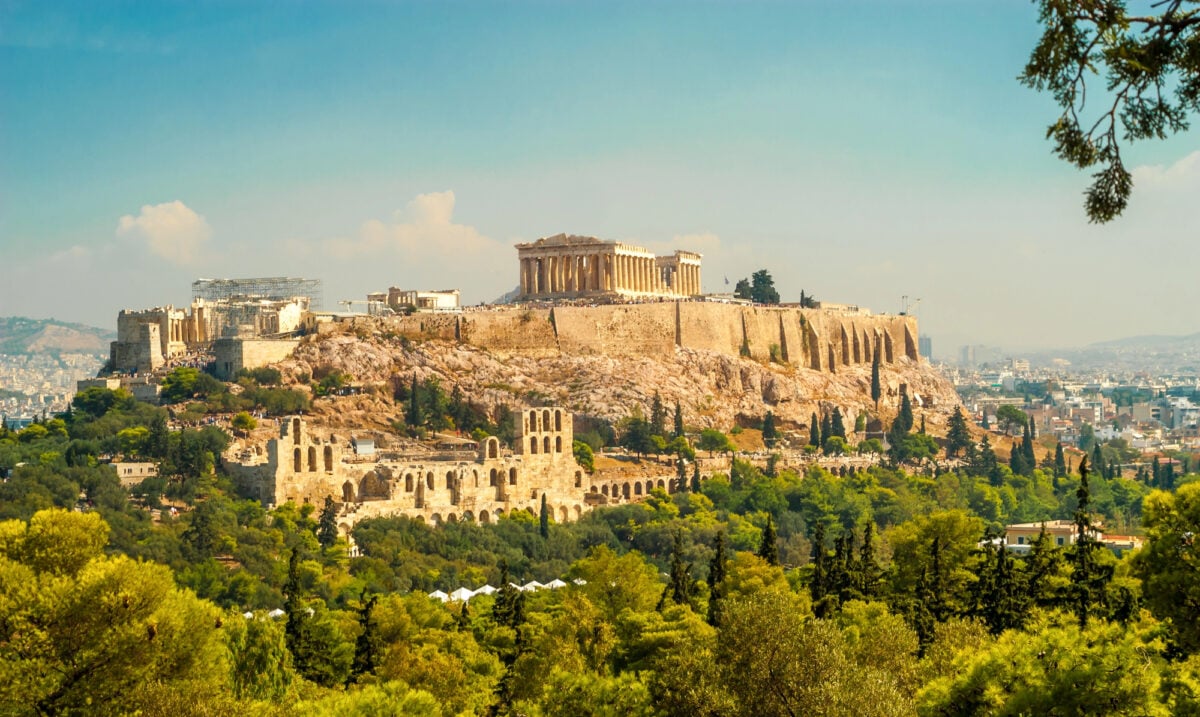
The Acropolis sits on a flat-topped limestone hill about 490 feet above sea level. This natural elevation made it an ideal defensive position in ancient times, allowing early inhabitants to monitor the surrounding land for potential threats.
Because of its steep sides, the hill could be easily fortified with walls and gates. Ancient Greek communities often built important structures on elevated ground for protection and visibility.
Over time, the hill became the spiritual and political heart of Athens, with temples and monuments rising above the city below.
The Word ‘Acropolis’ Means ‘High City’
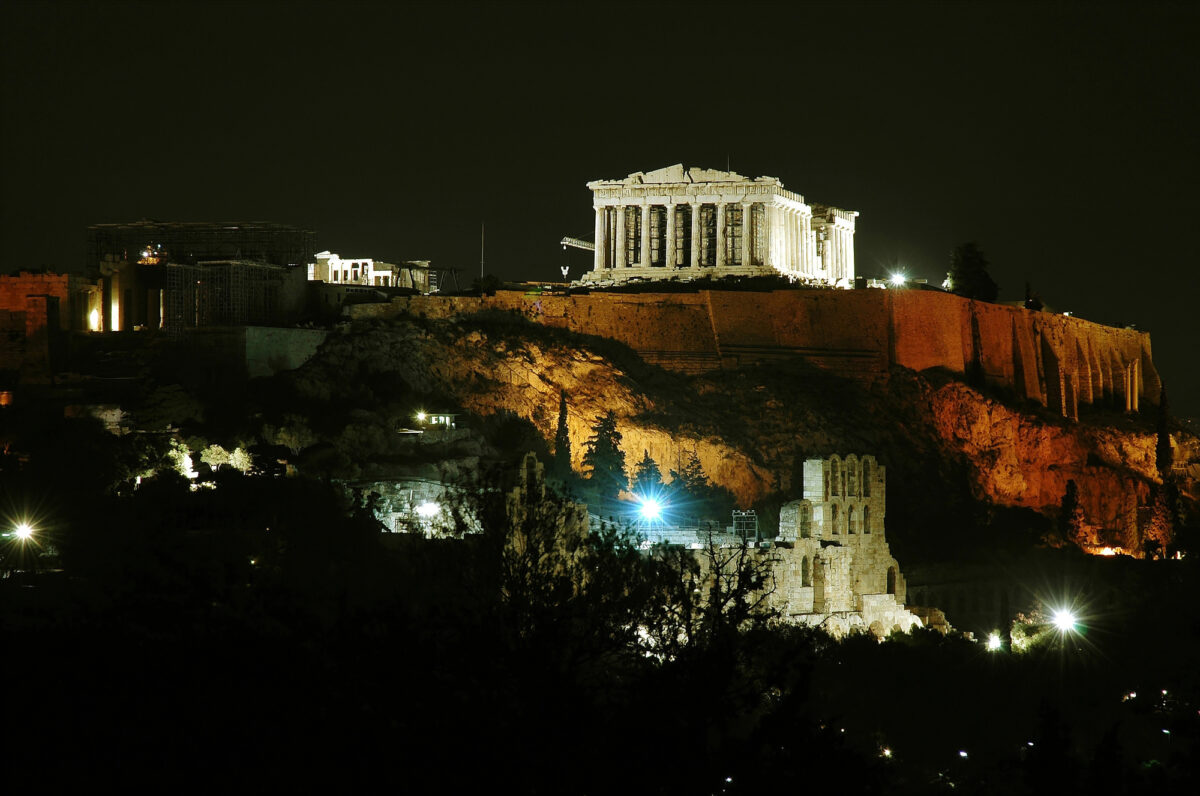
The name ‘Acropolis’ comes from two Greek words: ‘akron,’ meaning high, and ‘polis,’ meaning city. Together they describe a settlement built on elevated ground.
Many ancient Greek cities had their own acropolis, which served as a fortified center and place of worship. However, the Acropolis of Athens became the most famous example.
Today when people refer to ‘the Acropolis,’ they almost always mean the one in Athens, whose monumental buildings have become symbols of classical Greece.
The Parthenon Was Dedicated To Athena
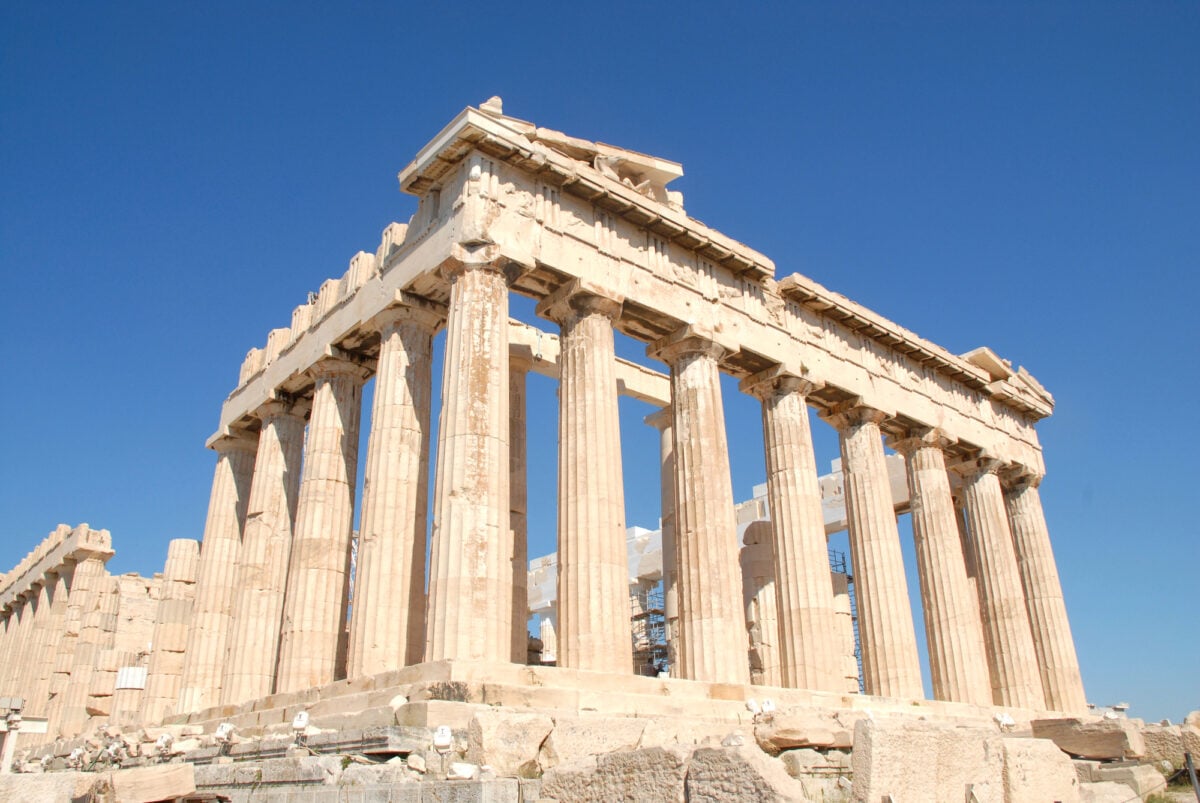
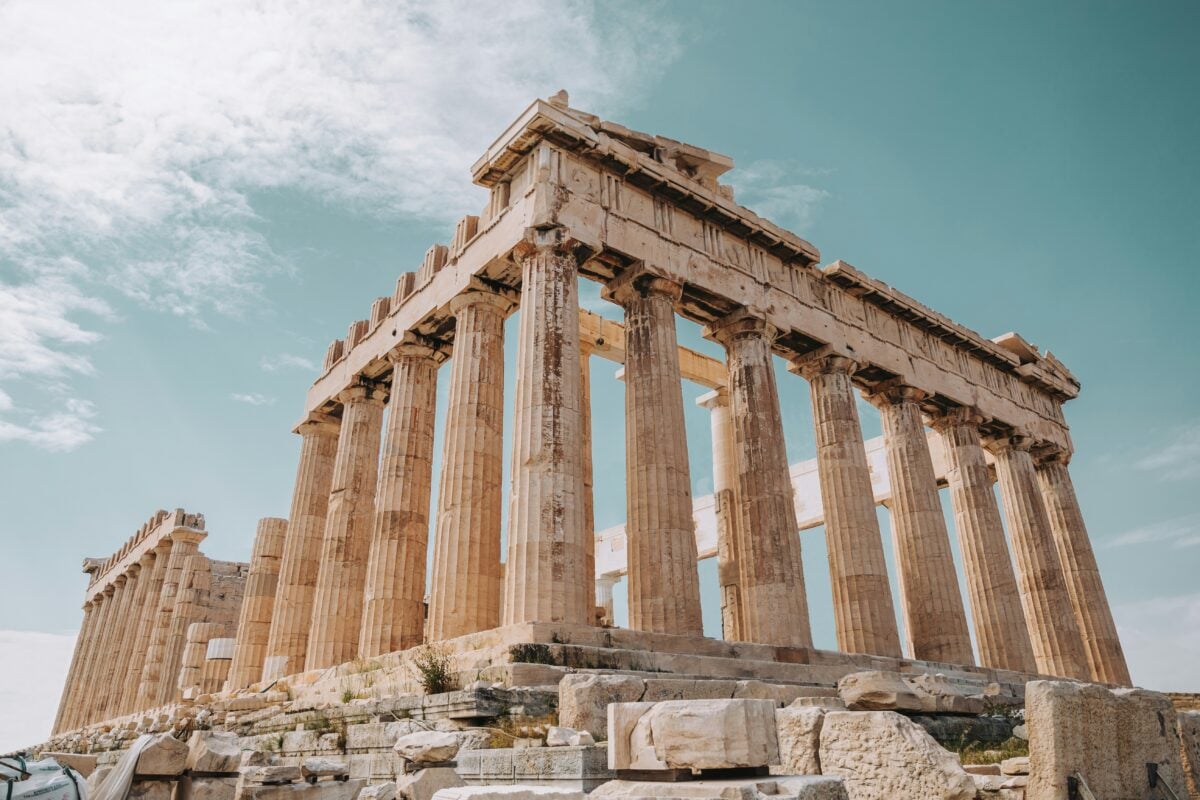
The Parthenon is the most famous structure on the Acropolis. Built in the 5th century BCE, the temple was dedicated to Athena, the goddess considered the protector of Athens.
Constructed mainly from white Pentelic marble, the Parthenon was designed to house a massive statue of Athena made of gold and ivory. The temple also served as a treasury and a symbol of the city’s power.
Even in its partially ruined state today, the Parthenon remains one of the greatest architectural achievements of the ancient world.
Construction Was A Massive Project
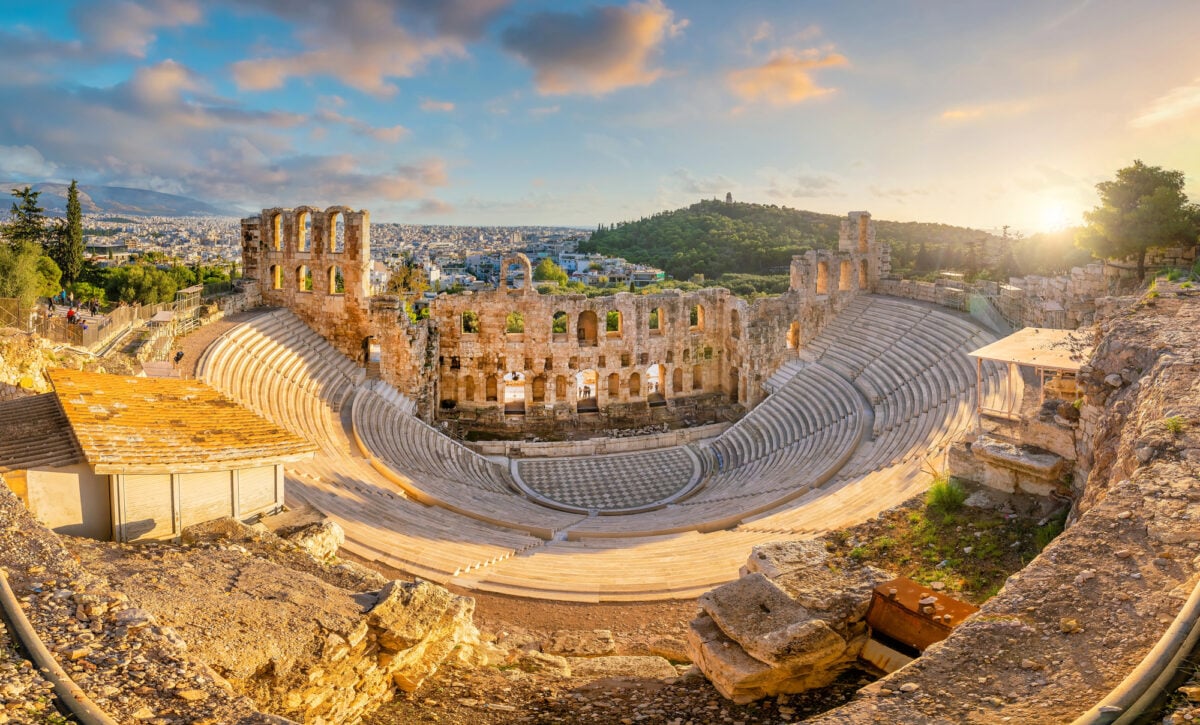
The main buildings on the Acropolis were constructed during the leadership of the Athenian statesman Pericles in the 5th century BCE. This period followed the Greek victory over the Persian Empire and marked the height of Athens’ cultural influence.
Thousands of workers participated in the construction effort, including architects, sculptors, laborers, and skilled stonecutters. Materials had to be quarried from nearby mountains and transported up the steep hill.
Despite the scale of the project, the major structures were completed in only a few decades, demonstrating the remarkable organization and craftsmanship of ancient Greek builders.
The Parthenon Uses Optical Illusions
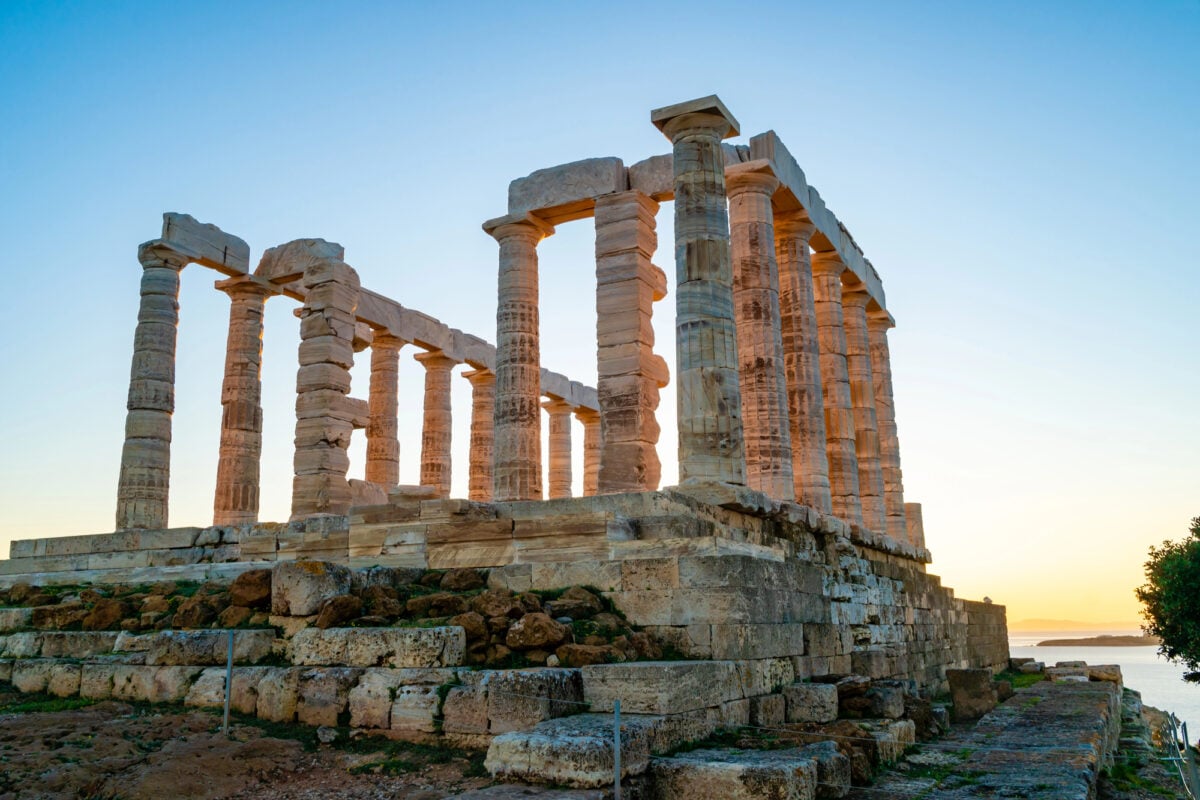
Ancient Greek architects carefully designed the Parthenon to appear perfectly straight and balanced to the human eye. In reality, many of the temple’s lines are slightly curved.
The columns, for example, bulge subtly in the middle to prevent them from appearing thin at a distance. The floor platform also curves upward slightly toward the center.
These adjustments create the visual impression of flawless symmetry, showcasing the advanced architectural knowledge of ancient Greek designers.
The Acropolis Once Held Many Statues
During ancient times, the Acropolis was filled with statues, altars, and decorative sculptures. Many were dedicated to gods, heroes, or important civic figures.
Large bronze statues of Athena once stood prominently on the hill, visible to ships approaching Athens from the sea. These statues reflected both religious devotion and civic pride.
Although many original sculptures were damaged or removed over the centuries, fragments and replicas still give visitors a sense of how richly decorated the Acropolis once was.
The Site Was Used Long Before The Parthenon
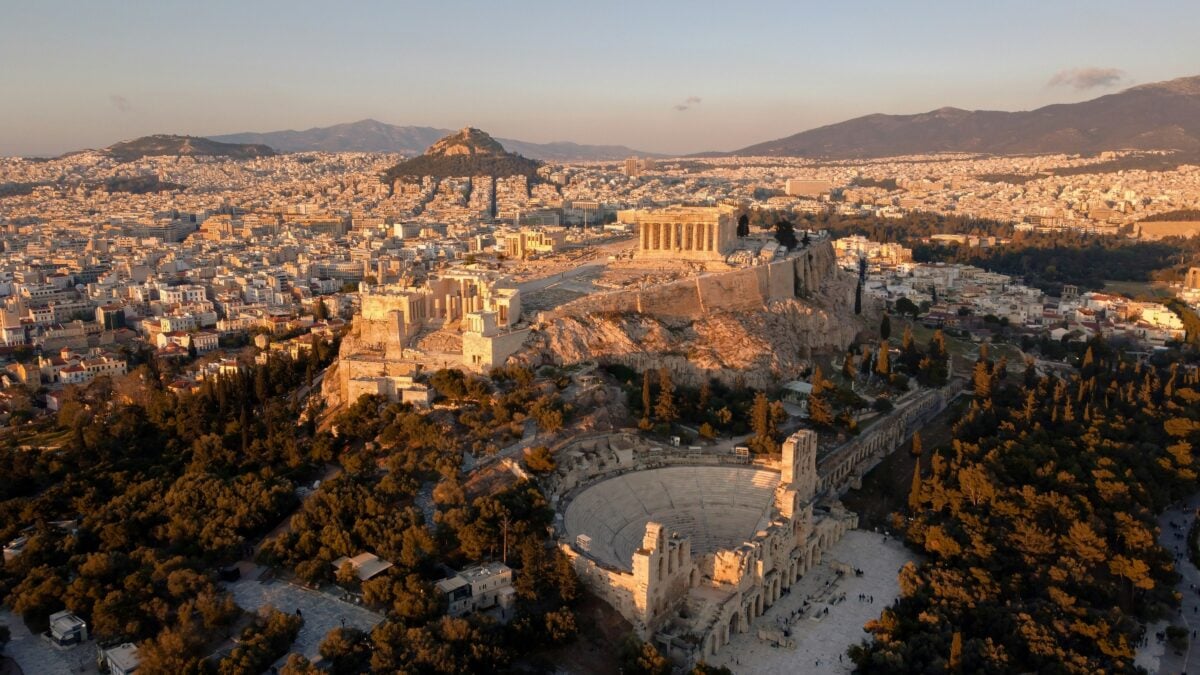
Archaeological evidence suggests that people lived on the Acropolis hill thousands of years before the famous temples were built. Early settlements appeared there during the Bronze Age.
The elevated location provided natural protection and access to fresh water sources nearby. As Athens developed into a powerful city-state, the hill gradually evolved into a sacred space dedicated to the gods.
This long history makes the Acropolis not just a classical monument but also a site with deep prehistoric roots.
The Acropolis Was Damaged During Wars
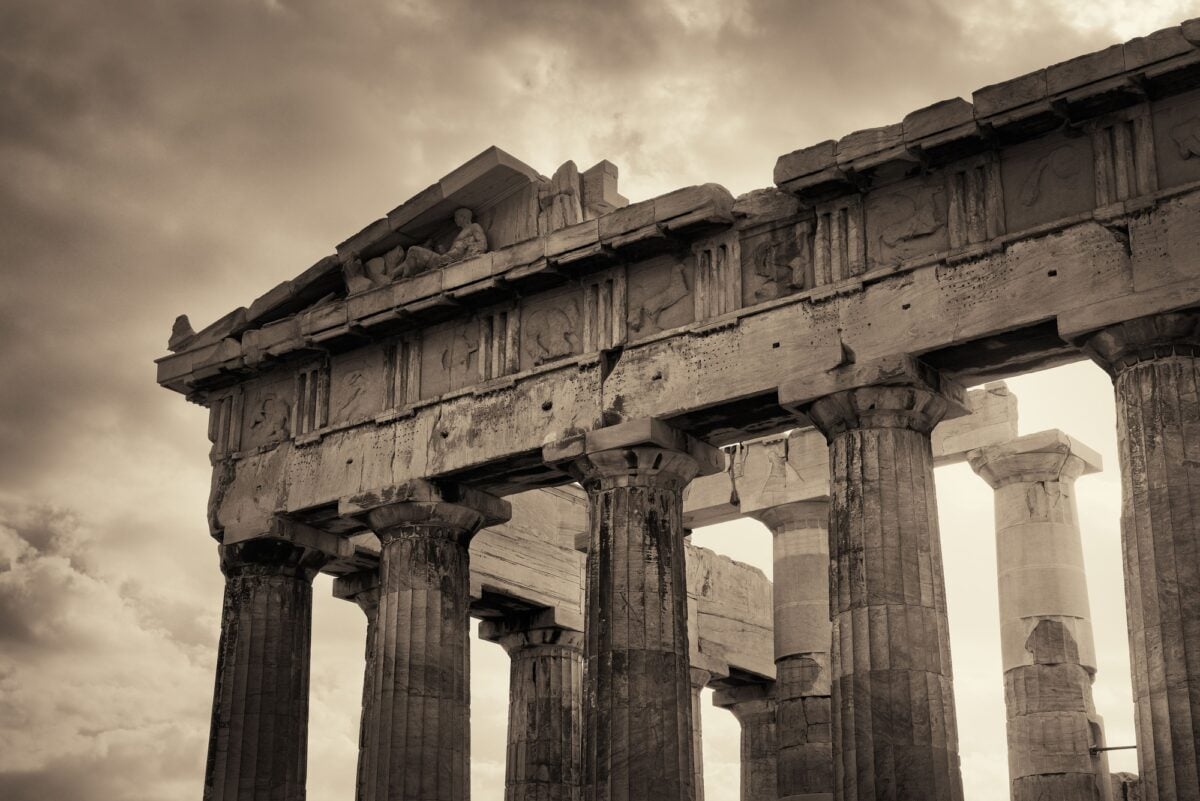
Over the centuries, the Acropolis suffered damage from several conflicts. One of the most significant events occurred in 1687 during a war between the Ottoman Empire and Venice.
At the time, the Parthenon was being used as a storage area for gunpowder. A Venetian artillery strike caused a massive explosion that destroyed much of the temple’s interior.
The blast left the Parthenon in ruins and caused damage that remains visible today.
The Buildings Were Once Brightly Painted
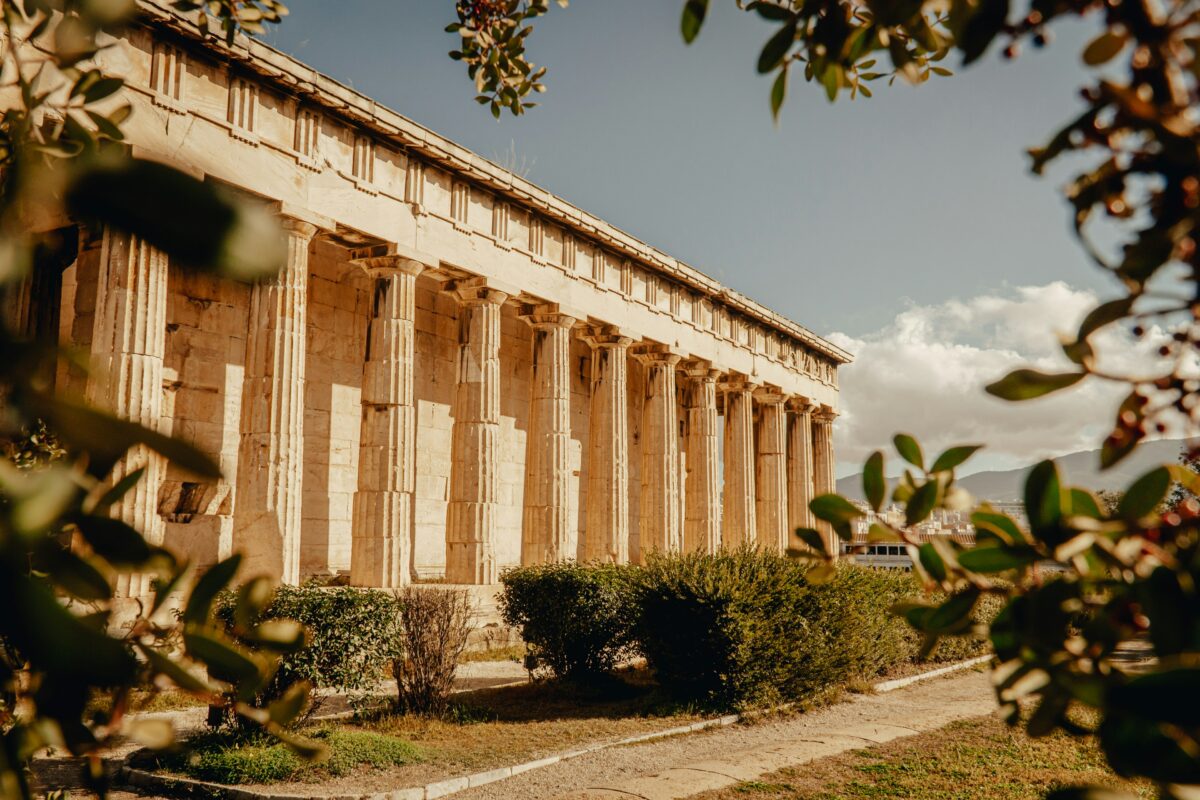
Modern visitors often imagine ancient Greek temples as pure white marble structures. In reality, the buildings of the Acropolis were originally decorated with vibrant colors.
Architects and artists painted statues, friezes, and architectural details in shades of red, blue, and gold. These colors made the temples stand out dramatically under the Mediterranean sun.
Although most of the paint has faded away over time, scientific analysis has confirmed that ancient Greek architecture was far more colorful than many people realize.
The Erechtheion Has Unique Columns
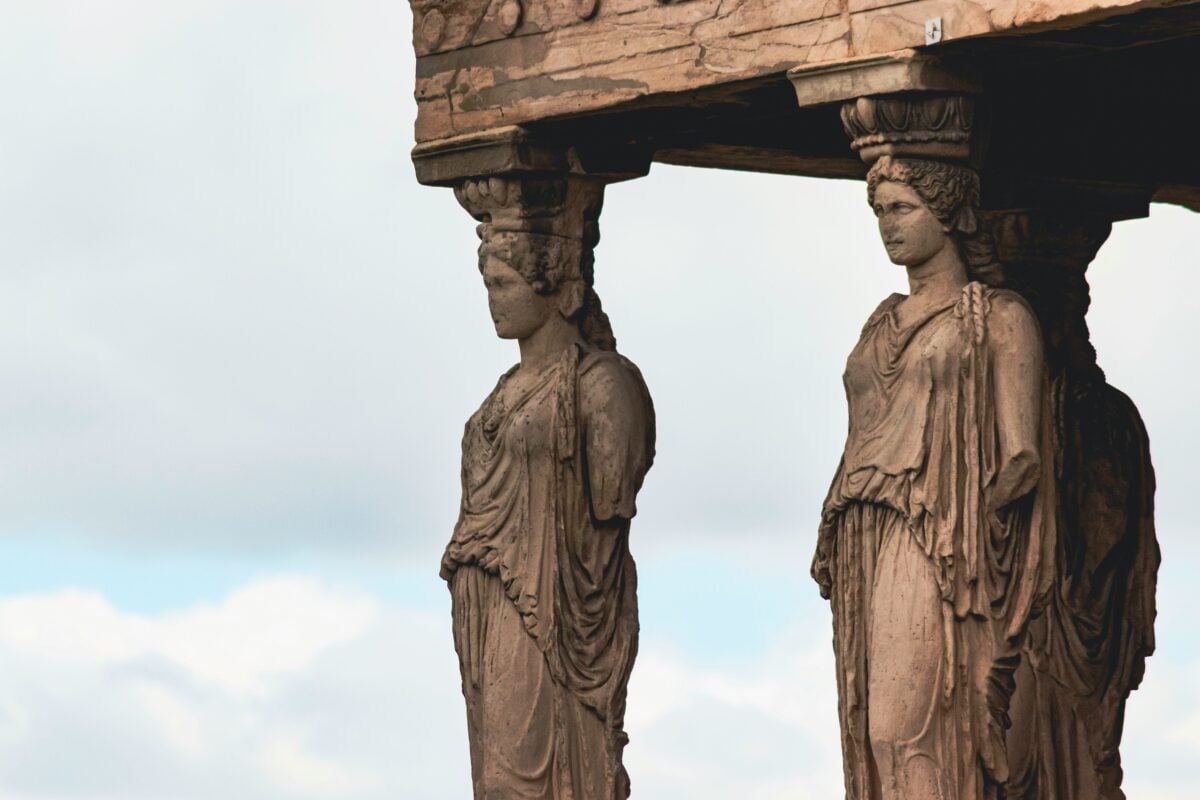
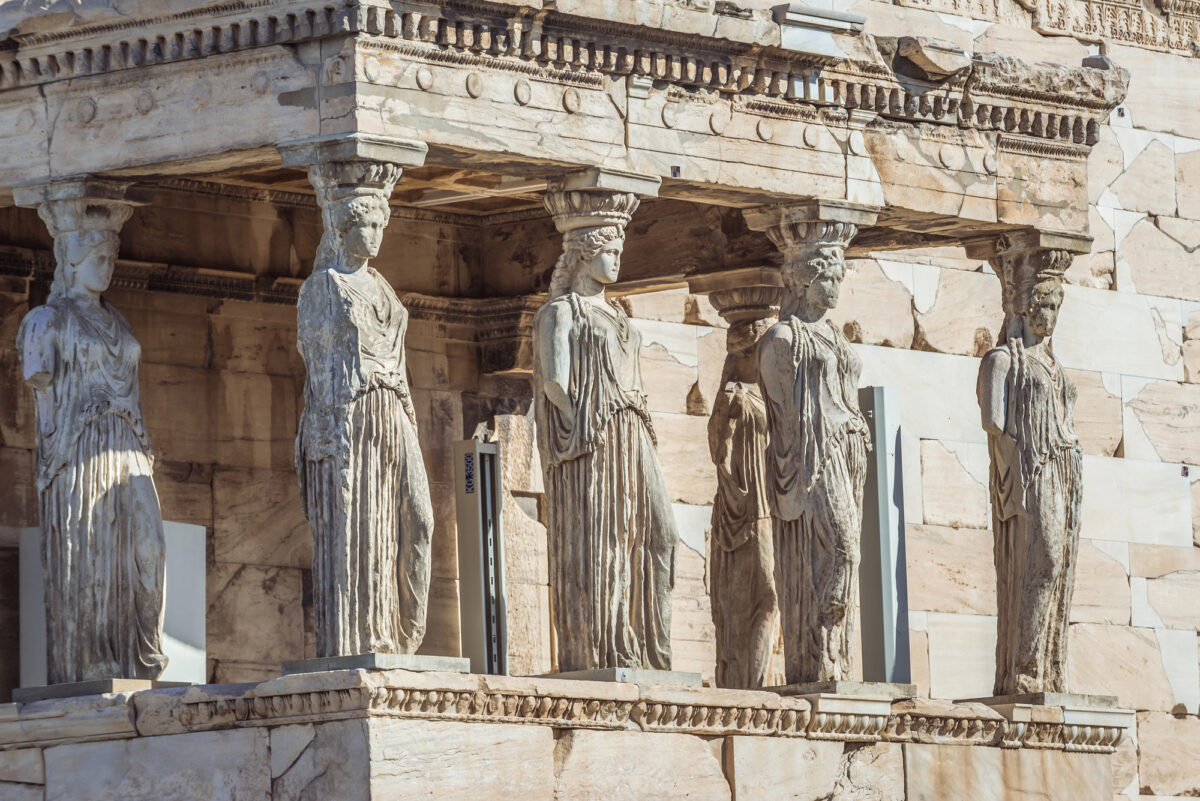
Another famous structure on the Acropolis is the Erechtheion, a temple known for its unusual design. One of its most distinctive features is the Porch of the Caryatids.
Instead of traditional columns, the porch is supported by six sculpted female figures carved from marble. These statues serve both as architectural supports and works of art.
The graceful figures remain one of the most recognizable examples of ancient Greek sculpture and architecture working together.
The Acropolis Became A Christian Church
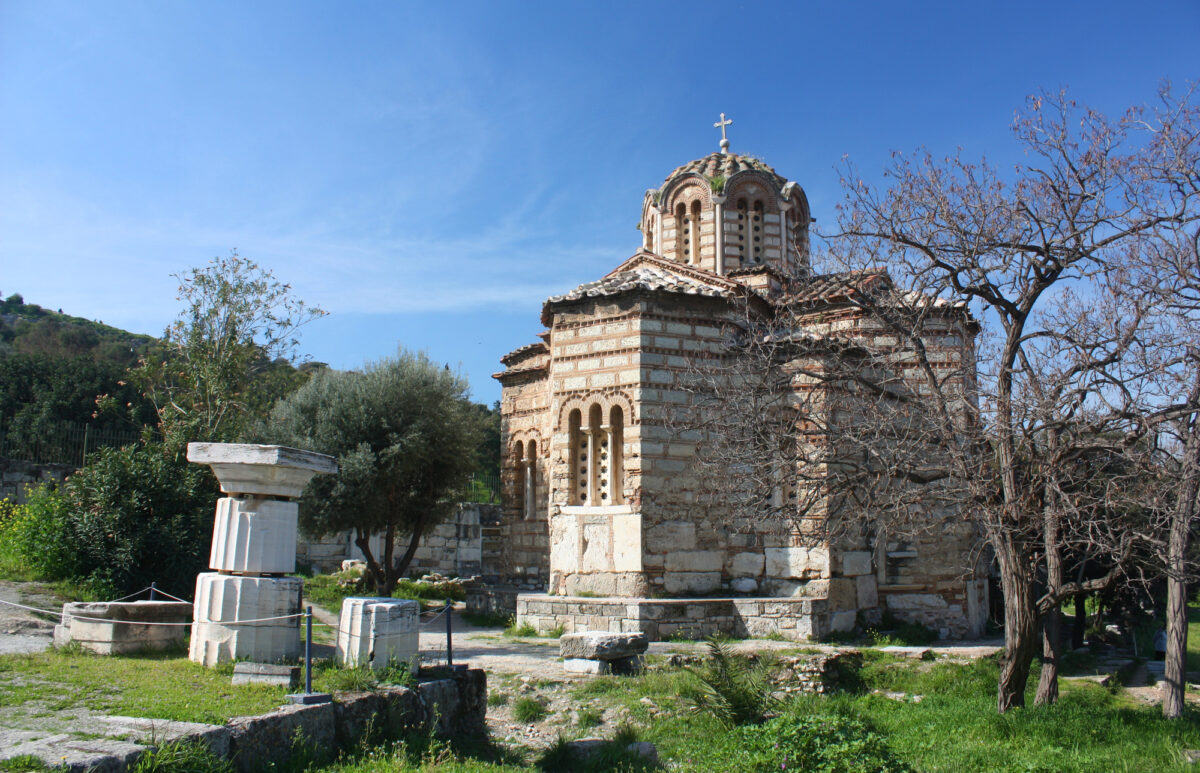
After the rise of Christianity in the Roman Empire, the Parthenon was converted into a Christian church. The temple was dedicated to the Virgin Mary and served as a place of worship for centuries.
During this period, some sculptures and decorative elements were altered to reflect Christian traditions. The building’s purpose shifted from honoring Athena to serving the Christian community.
This transformation shows how ancient monuments were often adapted rather than abandoned as cultures changed.
The Site Later Became A Mosque
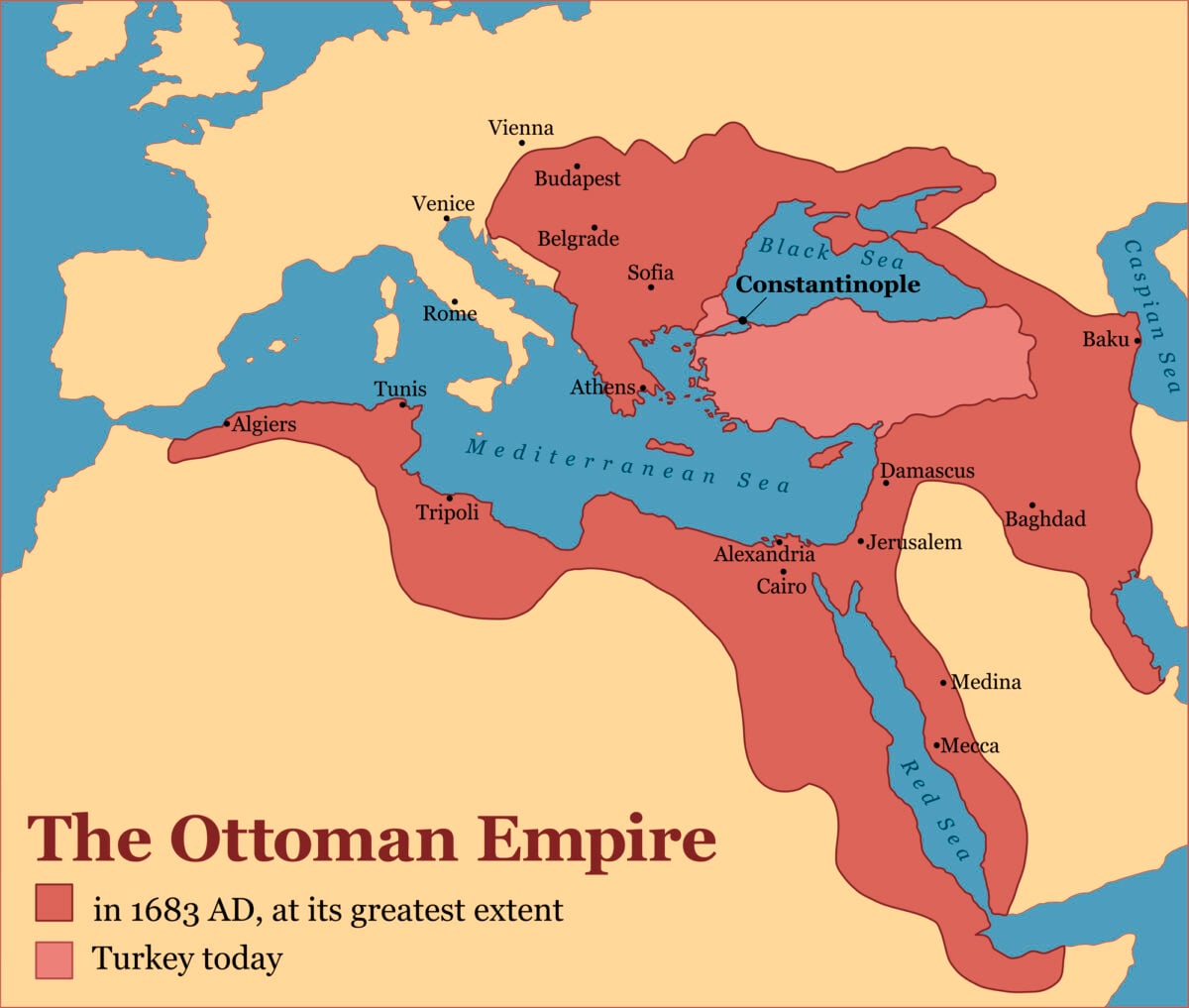
When the Ottoman Empire controlled Athens, the Parthenon was converted again, this time into a mosque. A minaret was added, and the building continued to serve as a religious center.
These changes reflected the shifting political and cultural landscape of the region. The Acropolis remained an important location even as new powers ruled the city.
The layers of transformation reveal how the site adapted to different historical periods.
Restoration Work Has Continued For Decades
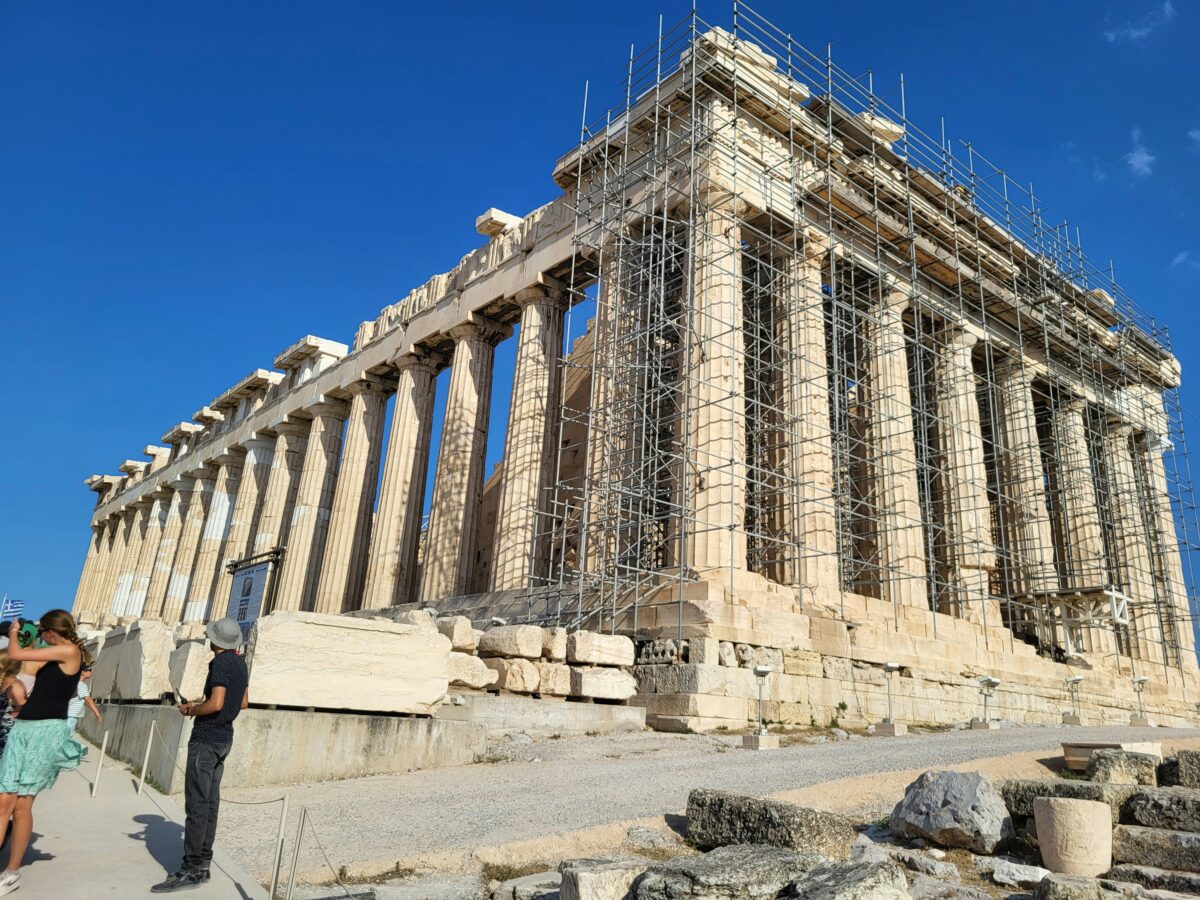
Modern restoration efforts began in the 20th century and continue today. Experts carefully study the original materials and construction methods used by ancient builders.
Many damaged stones have been reinforced or replaced using marble from the same quarries used in ancient times. The goal is to preserve the monuments while maintaining historical accuracy.
Because of the complexity of the structures, restoration work on the Acropolis remains an ongoing project.
Millions Of Visitors Climb The Hill Each Year
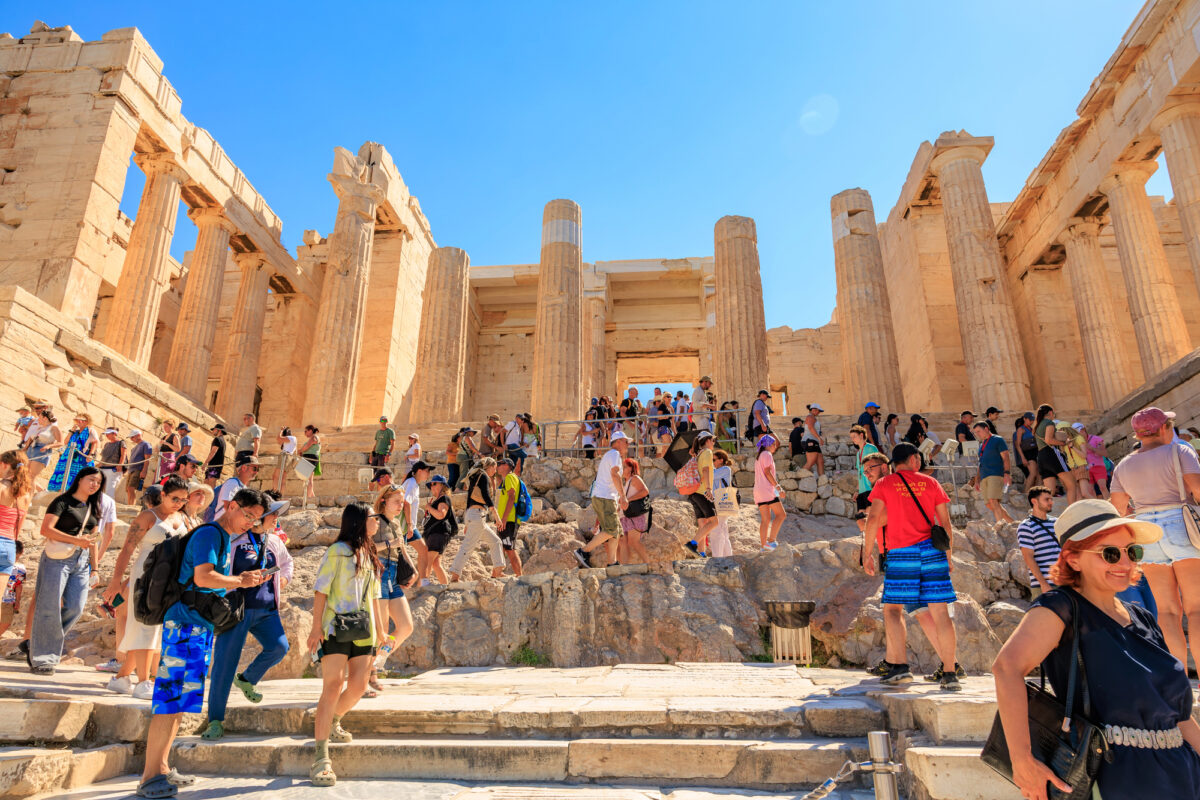
Today the Acropolis is one of the most visited historic sites in the world. Millions of tourists travel to Athens every year to see the ancient temples and enjoy the sweeping views of the city.
Visitors climb the stone pathways that lead up to the hill, passing through the monumental gateway known as the Propylaea. The experience connects modern travelers with a place that has been central to Greek culture for thousands of years.
The Acropolis Is A UNESCO World Heritage Site
Back in 1987, UNESCO gave the Acropolis a special status. Because of its deep roots in history, it stands out across cultures.
Built on a rocky hilltop, the Acropolis quietly stands as a quiet force behind much of what we see in modern design and thought. From its columns came ideas that slipped into Europe’s way of building, creating, even thinking – shaping minds long after stone was set.
A visit here later on stays possible because care today keeps its story alive. What remains speaks when people take time to look closely.
Why The Acropolis Still Inspires The World
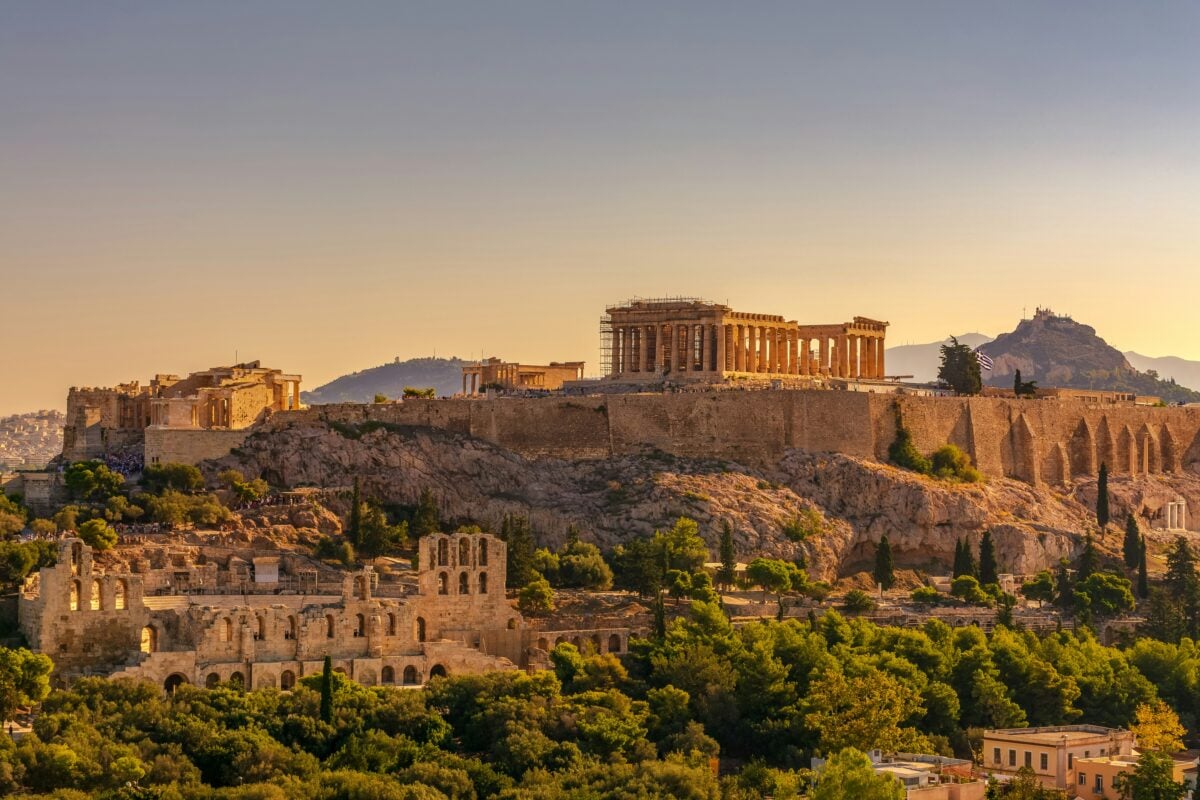
Standing tall above the city, the Acropolis means something deeper than just old stones. What it shows grows from minds and hands active long ago in Athens – where thinking soared and art took bold forms.
Beauty shaped how people built on the hill. What stood there – exact shapes, smooth statues – shows minds tuned to learning, order, pride.
Life wasn’t just lived; it was formed carefully, like stone under thought. Still now, the Acropolis stirs those who design buildings, study the past, or wander far.
Above Athens it stands – just as it did long ago – a quiet proof of what imagination builds to last.
More from Go2Tutors!

- The Romanov Crown Jewels and Their Tragic Fate
- 13 Historical Mysteries That Science Still Can’t Solve
- Famous Hoaxes That Fooled the World for Years
- 15 Child Stars with Tragic Adult Lives
- 16 Famous Jewelry Pieces in History
Like Go2Tutors’s content? Follow us on MSN.



