The Real Science of Auroras
The northern and southern lights have captivated humanity for thousands of years, inspiring myths, folklore, and scientific curiosity. These shimmering curtains of color dancing across polar skies aren’t just beautiful—they’re the visible evidence of invisible forces at work between the sun and Earth.
While ancient cultures attributed these lights to spirits, gods, or cosmic battles, modern science has unraveled the complex physics behind one of nature’s most spectacular displays. Understanding auroras requires diving into plasma physics, magnetism, atmospheric chemistry, and even a bit of electrical engineering.
Here is a list of scientific facts that explain how these celestial light shows actually work.
Earth’s Magnetic Shield Does the Heavy Lifting

Our planet acts like a giant bar magnet with a protective bubble called the magnetosphere stretching thousands of miles into space. When the solar wind hits this magnetic field, most particles get deflected around Earth, keeping us safe from harmful radiation.
The magnetosphere gets compressed on the sun-facing side and stretched out on the night side, creating a teardrop shape that looks eerily similar to how water flows around a rock in a stream. Without this magnetic shield, the solar wind would slowly strip away our atmosphere, much like what happened to Mars billions of years ago.
Coronal Mass Ejections Create the Best Displays

While regular solar wind produces auroras, the most spectacular shows come from coronal mass ejections or CMEs. These are massive bursts where the sun literally hurls billions of tons of plasma into space at speeds up to four million miles per hour.
When a CME aimed at Earth arrives—typically taking about three days to make the journey—it can trigger geomagnetic storms that push auroras far south of their usual haunts. The May 2024 storms brought visible auroras as far south as Florida and Texas, a rarity caused by particularly powerful CMEs slamming into Earth’s magnetic field.
Particles Funnel Toward the Poles

Earth’s magnetic field lines act like highways guiding charged particles toward the north and south magnetic poles. The field lines are nearly vertical at the poles and horizontal at the equator, creating natural funnels where particles from space can penetrate into the upper atmosphere.
This explains why auroras typically appear in oval-shaped zones centered around the magnetic poles rather than at the geographic poles. During major geomagnetic storms, these auroral ovals expand, allowing people at lower latitudes to witness the spectacle.
Green Comes From Oxygen at Lower Altitudes
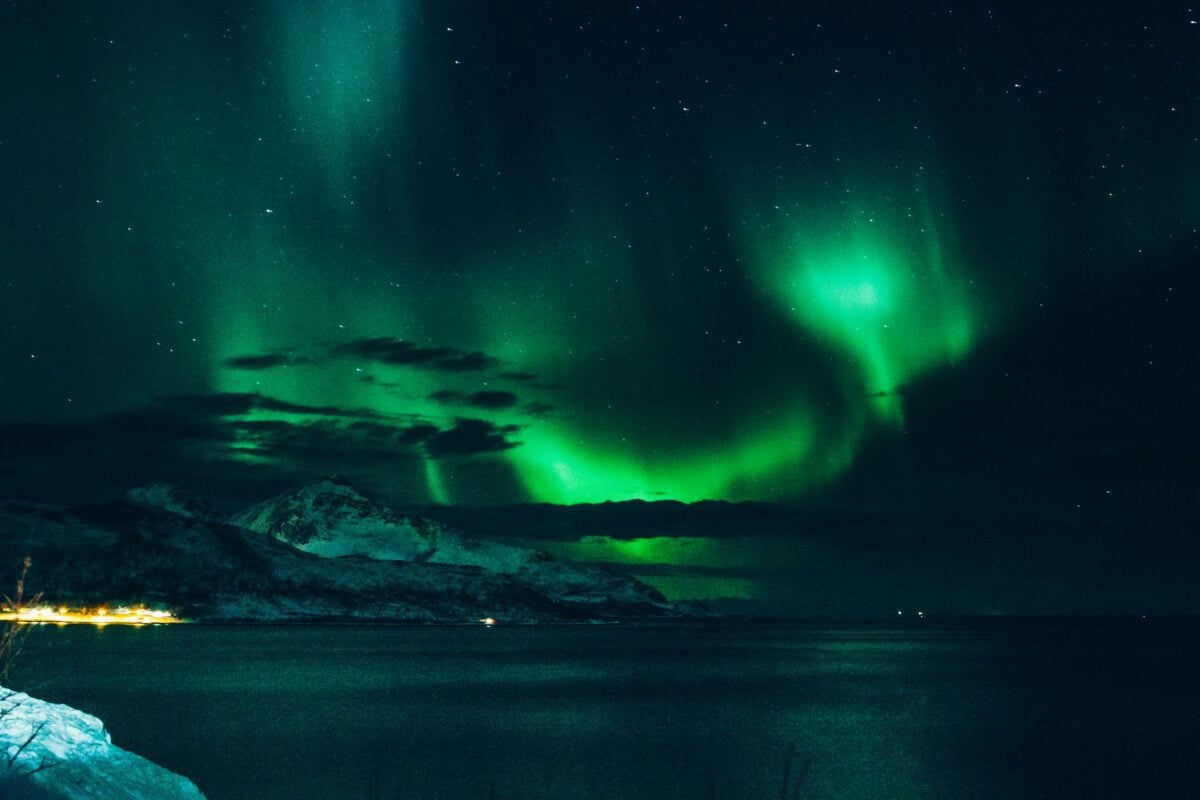
The most common aurora color—that brilliant yellowish-green—happens when solar particles collide with oxygen atoms about 60 to 95 miles above Earth’s surface. When oxygen gets excited by these collisions, it takes about 0.7 seconds to calm down and release that energy as green light at a very specific wavelength of 557.7 nanometers.
This particular shade of green also happens to be right in the sweet spot where human eyes are most sensitive, making it stand out even more dramatically. The concentration of oxygen at this altitude combined with our eye’s biology means green dominates most aurora displays.
Red Auroras Form Much Higher Up

Red auroras appear at altitudes above 120 miles where the atmosphere is incredibly thin and oxygen atoms are spread far apart. At these heights, oxygen emits red light at 630 nanometers, but there’s a catch—oxygen needs about 100 seconds to release this particular color.
That’s an eternity in atomic terms, giving other atoms plenty of time to bump into the excited oxygen and steal its energy before it can glow red. Only at very high altitudes where collisions are rare can oxygen hang onto its excitement long enough to produce that deep crimson glow along the upper edges of aurora displays.
Blue and Purple Signal Nitrogen’s Role

When you see blue or purple tinges in an aurora, especially along the lower borders, that’s nitrogen molecules joining the party. Nitrogen emits blue and purple light when hit by very energetic particles that penetrate deep into the atmosphere, sometimes as low as 60 miles above the surface.
Unlike oxygen, nitrogen releases its light almost instantly—within millionths of a second—so it can glow even in the denser lower atmosphere where atoms constantly collide. Pink auroras are often a mixture of red from oxygen and blue from nitrogen blending together like watercolors.
Auroral Zones Follow Magnetic Geography

The best places to see auroras aren’t at the North or South Poles but in ring-shaped zones roughly 1,300 to 1,900 miles across, centered on the magnetic poles. These auroral ovals sit around 67 degrees magnetic latitude, putting prime viewing locations in places like Fairbanks, Alaska, northern Scandinavia, Iceland, and parts of Canada in the north.
The southern auroral zone passes over Antarctica and the southern tips of South America, Australia, and New Zealand. During quiet conditions, the ovals are small and stuck near the poles, but during geomagnetic storms they expand dramatically toward the equator.
Aurora Shapes Tell Energy Stories
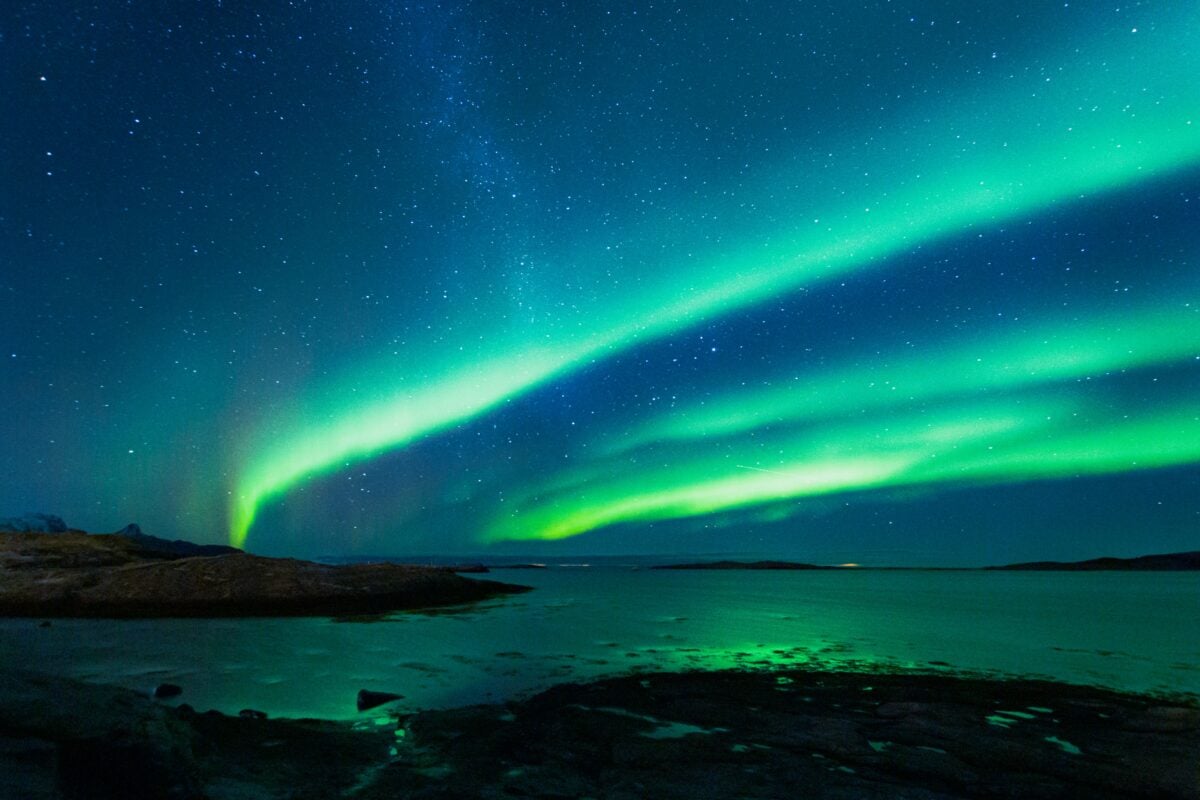
Auroras come in distinct forms that reveal what’s happening in space. Quiet arcs stretch across the sky like glowing ribbons when conditions are calm, while dancing curtains with vertical rays indicate rapidly changing magnetic fields.
During intense storms, auroras can form coronas that appear to radiate from directly overhead, creating a spectacular canopy effect. The most dramatic displays feature pulsating patches that flicker on and off, sometimes synchronized across hundreds of miles, driven by waves of particles cascading down from space.
Other Planets Have Their Own Light Shows

Jupiter hosts the solar system’s most powerful auroras—they’re permanently active and larger than Earth itself. Jupiter’s magnetic field is roughly 20,000 times stronger than ours, and its rapid rotation (a day on Jupiter is only 10 hours) helps generate constant auroral displays visible in ultraviolet and X-ray wavelengths.
Saturn, Uranus, and Neptune all show auroras too, while Mars has unusual auroras that appear in patches rather than ovals because Mars lacks a global magnetic field. Even some moons like Jupiter’s Ganymede and Saturn’s Titan produce their own small-scale auroral glows.
Auroras Actually Make Sounds

For centuries, indigenous peoples described hearing the auroras—crackling, popping, or rustling sounds—but scientists dismissed these accounts as imagination. Recent research proved the sounds are real and occur about 230 feet above the ground during cold, calm nights with temperature inversions.
When geomagnetic fluctuations hit these atmospheric layers, accumulated electrical charges discharge rapidly, creating audible claps and crackles. The sounds happen simultaneously with visible aurora movements because both are triggered by the same solar particles, though the light comes from 60 to 200 miles up while the sound originates much closer to Earth.
Power Grids Face Real Threats
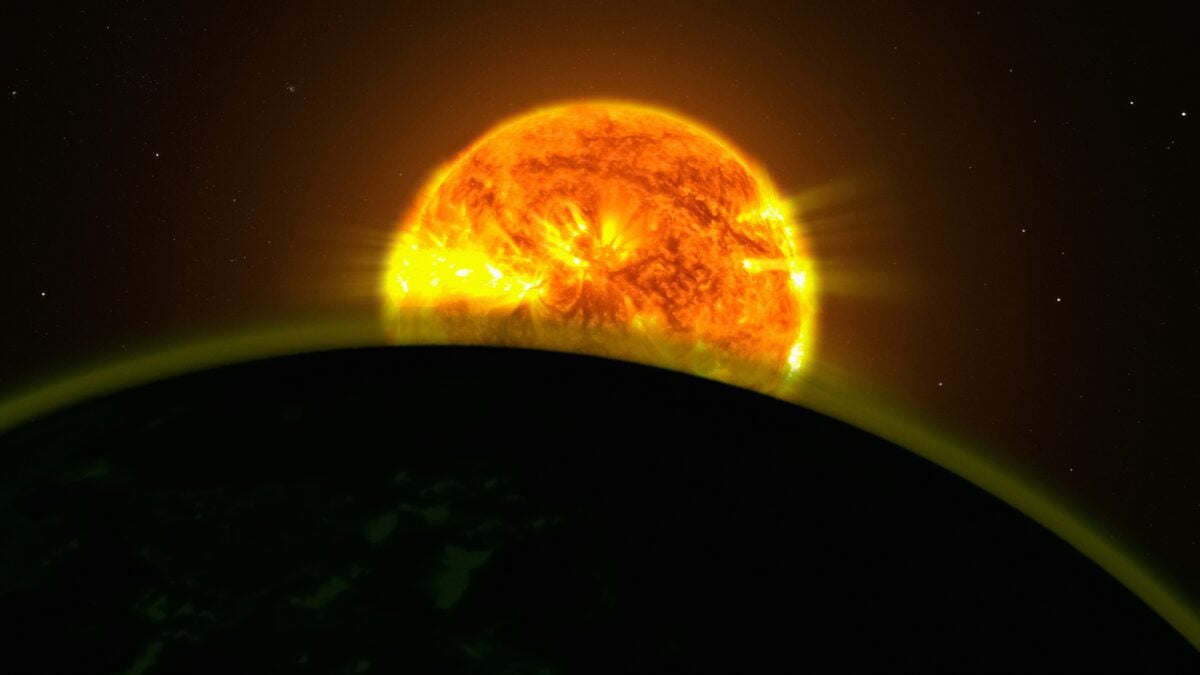
Geomagnetic storms that create beautiful auroras can wreak havoc on electrical infrastructure by inducing powerful currents in long transmission lines. In March 1989, a geomagnetic storm plunged Quebec into darkness for nine hours, affecting six million people and damaging transformers.
The problem happens because fluctuating magnetic fields create direct current in power lines, which disrupts transformers designed to handle alternating current. Large transformers can take over a year to replace and cost millions of dollars, making severe space weather a legitimate infrastructure concern that utilities now actively monitor and prepare for.
Scientists Can Predict Auroras With Short Warning
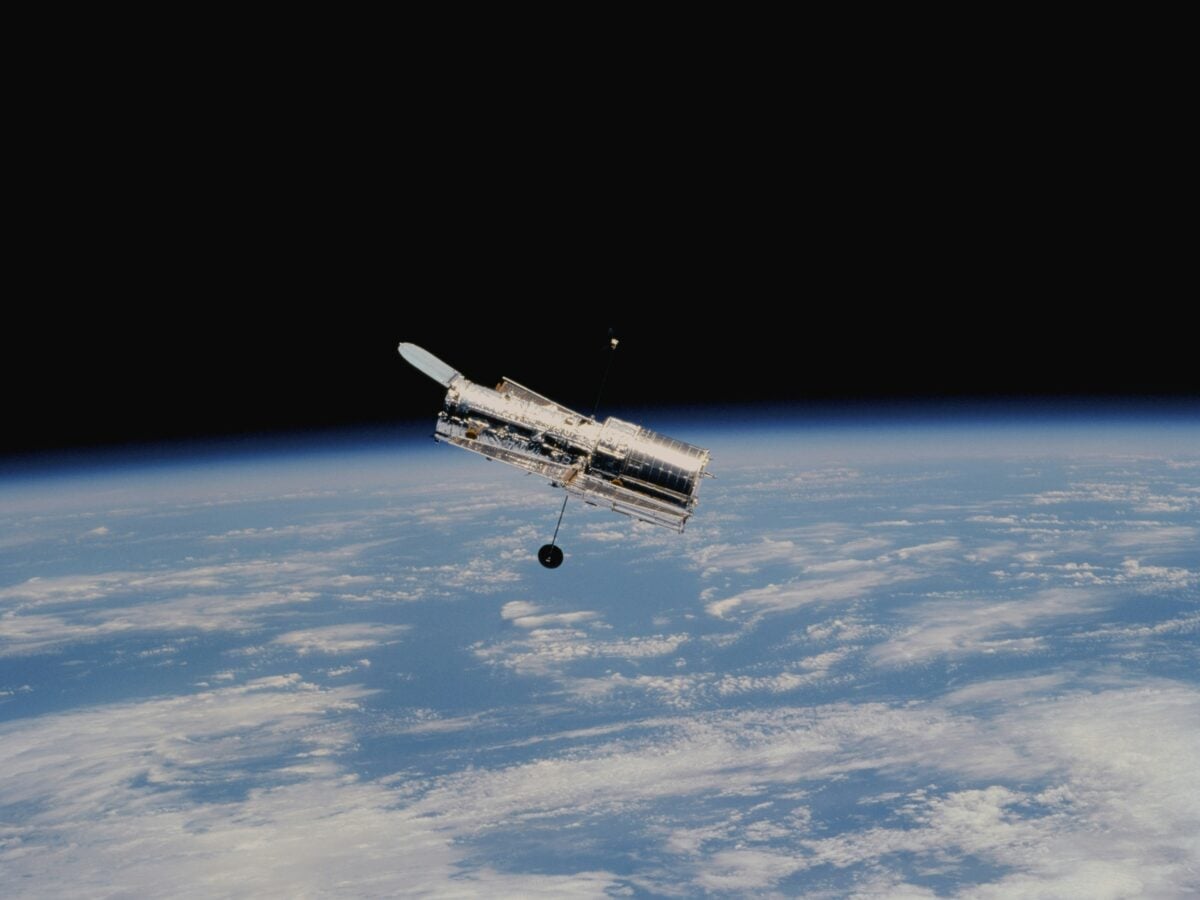
Satellites positioned at a special point about one million miles from Earth can detect incoming solar wind before it hits our planet. This Lagrange point gives forecasters a 15 to 45-minute warning to predict aurora intensity with remarkable accuracy.
Predicting days in advance is trickier and involves spotting CMEs leaving the sun, then calculating whether they’ll hit Earth—a process that’s gotten better but still imperfect. Real-time measurements of solar wind speed, density, and magnetic field orientation determine whether conditions will produce weak glimmers or dramatic displays visible at lower latitudes.
The Northern Lights Outshine the Southern Lights

Scientists recently discovered that the northern hemisphere actually receives more intense auroral activity than the southern hemisphere, contradicting the assumption that both poles experience equal displays. Earth’s magnetic south pole sits farther from the planet’s rotational axis than the north pole, affecting how solar wind interacts with the magnetosphere.
This asymmetry means charged particles preferentially flow toward the northern auroral zone, potentially making northern lights slightly more intense and frequent. It’s a subtle difference but one that could have implications for understanding space weather impacts on different hemispheres.
Altitude Determines Color Intensity
Auroras typically occur between 60 and 200 miles up, with different colors dominating at different heights. Low-energy particles from gentle solar wind produce red auroras at extreme altitudes above 180 miles, while moderate energy creates the common green glow between 60 and 95 miles.
The most energetic particles punch deepest into the atmosphere, exciting nitrogen below 60 miles and creating blue and purple borders at the bottom of auroral curtains. This vertical color arrangement creates a layered effect where reds cap the top, greens dominate the middle, and blues frame the bottom during intense displays.
Solar Cycles Drive Long-Term Patterns

The sun follows an 11-year cycle of activity, swinging between solar minimum when sunspots and flares are rare, and solar maximum when the sun becomes a turbulent powerhouse. Aurora frequency closely tracks this cycle—during solar maximum, auroras become more common and intense, sometimes appearing weekly at high latitudes.
We’re currently approaching solar maximum in 2025, which explains the recent uptick in dramatic auroral displays reaching lower latitudes. Understanding these cycles helps scientists predict when aurora chasers will have the best odds of witnessing spectacular shows.
Historical Records Reveal Past Superstorms
The most powerful geomagnetic storm in recorded history struck in September 1859, known as the Carrington Event after astronomer Richard Carrington who observed the triggering solar flare. Auroras appeared as far south as Cuba and Hawaii, and telegraph systems worldwide sparked, shocked operators, and even caught fire.
Some telegraph operators discovered they could send messages without batteries, powered solely by currents induced by the geomagnetic storm. If a Carrington-level event hit today, estimates suggest it could cause up to 2.6 trillion dollars in damage to modern electrical and satellite infrastructure, making it a serious concern for our technology-dependent civilization.
When Science Meets Spectacle
The auroras represent a perfect intersection where fundamental physics becomes visible art painted across the night sky. What started as mythological tales of spirits and gods transformed into our understanding of plasma dynamics, magnetism, and Earth’s protective systems.
Modern aurora science doesn’t diminish the magic of these displays—it amplifies it by revealing the invisible connections between our sun and planet, the violence and beauty of space weather, and how charged particles traveling millions of miles can illuminate our atmosphere in ways that still take our breath away. The lights that once terrified or inspired ancient peoples now serve as both a spectacular reminder of our cosmic neighborhood and a practical warning system for our technological infrastructure.
More from Go2Tutors!

- The Romanov Crown Jewels and Their Tragic Fate
- 13 Historical Mysteries That Science Still Can’t Solve
- Famous Hoaxes That Fooled the World for Years
- 15 Child Stars with Tragic Adult Lives
- 16 Famous Jewelry Pieces in History
Like Go2Tutors’s content? Follow us on MSN.



