18 Traditions That Mean More Than You Think
Some things get passed down without explanation. You do them because your parents did, because everyone at the table does, because it feels wrong not to. Most traditions start that way — wordless, almost automatic. But behind the blowing of candles and the clinking of glasses, there’s usually something older and stranger and more human than you’d expect.
Here are 18 traditions that carry more weight than most people realize.
Blowing Out Birthday Candles

The Greeks started this one. They baked round cakes to honor Artemis, the goddess of the moon, and lit candles on top to make them glow like the full moon. The smoke from the blown-out flames was believed to carry prayers up to the gods.
Now you do it every year, eyes closed, wishing for something you probably won’t say out loud. The prayer part didn’t really go anywhere.
Clinking Glasses Before You Drink

There are two theories. One says it started as a way to prove your drink wasn’t poisoned — you’d slosh a little of your cup into someone else’s so neither of you could be sneaky about it. The other says the sound was meant to ward off evil spirits, since bells and chimes were thought to scare them away.
Either way, when you clink glasses at a dinner party, you’re either accusing everyone of attempted murder or holding a tiny exorcism. Both feel appropriate sometimes.
Throwing Rice at Weddings
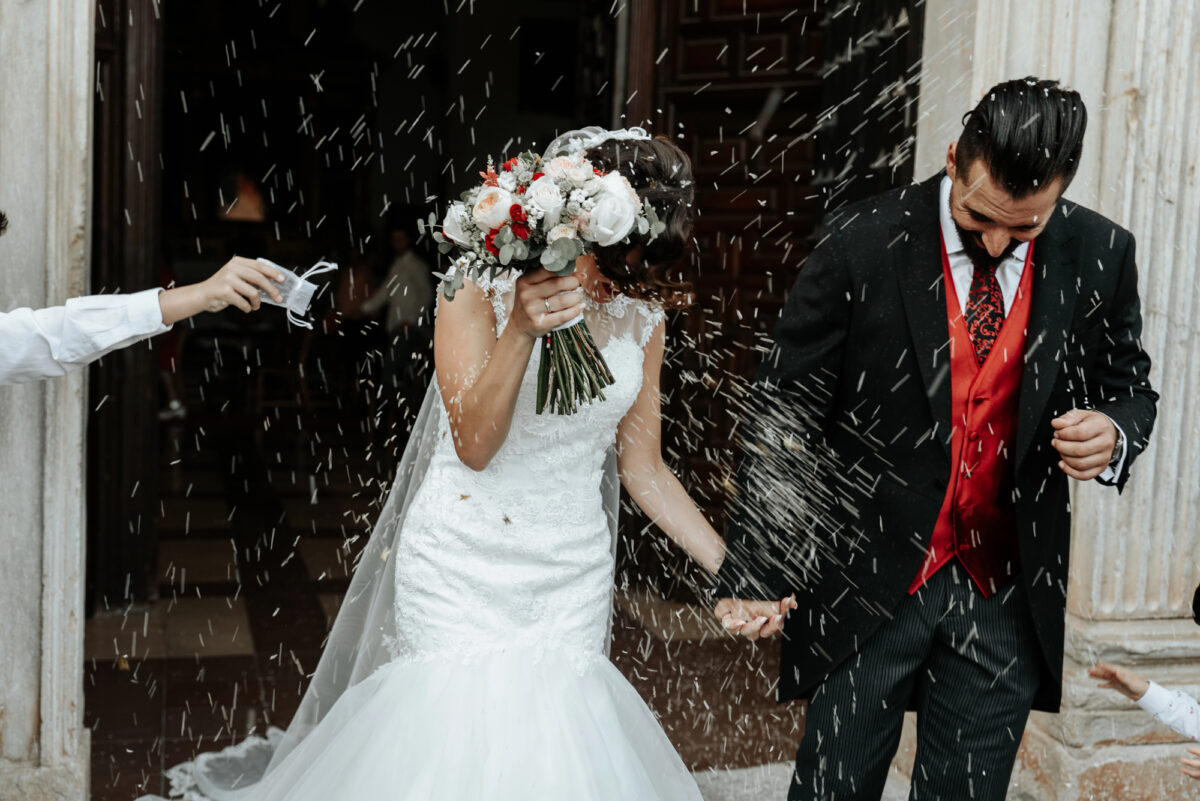
Rice meant abundance. Throwing it at a couple as they left the ceremony was a way of wishing them a full life — full pantry, full house, full family. The symbolism was pretty direct.
Many places have swapped rice for flower petals or bubbles over the years, mostly for practical reasons. But the gesture is the same: you’re not just celebrating, you’re sending something forward with them.
Knocking on Wood
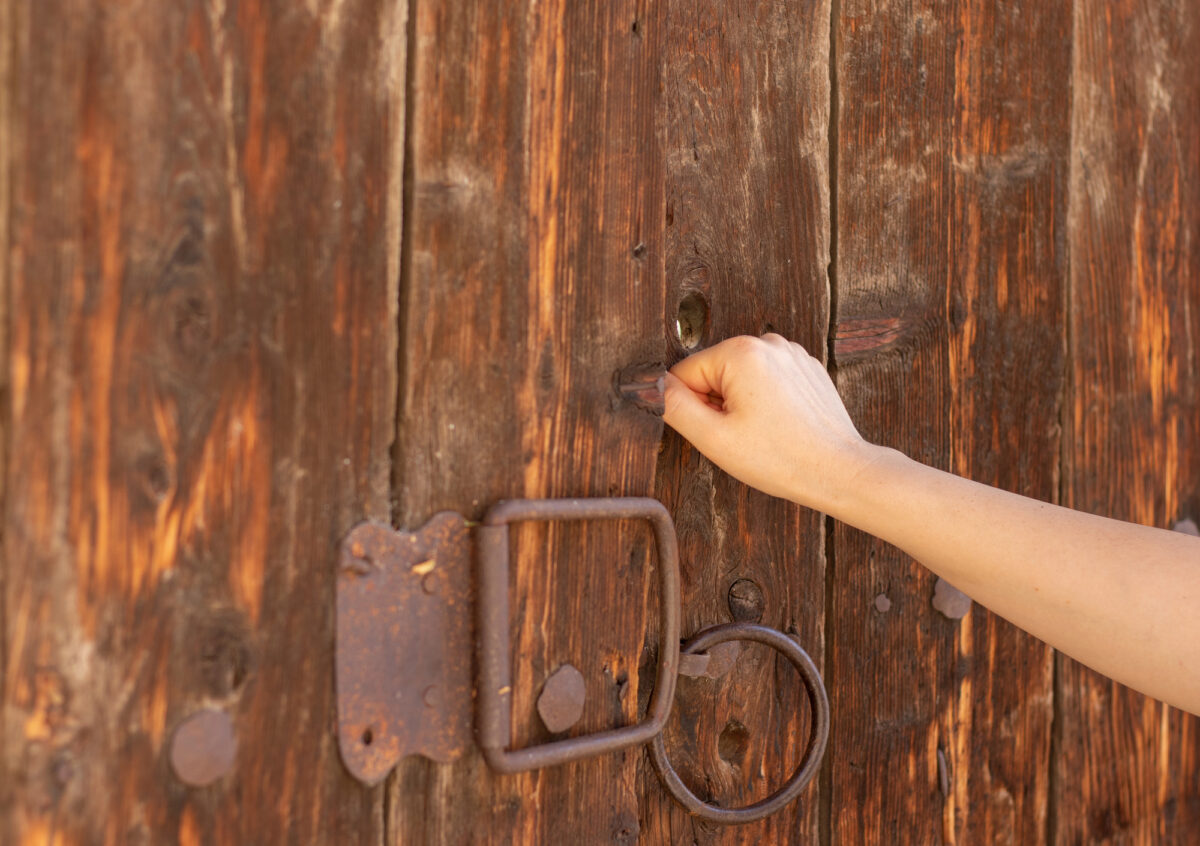
The oldest versions of this come from cultures that believed spirits lived inside trees. Touching the wood was a way of asking those spirits for protection, or thanking them after something good happened. You’d knock to wake them up, essentially.
Now people do it mid-sentence after saying something optimistic, half-joking, half-meaning it. The reflex hasn’t left even when the belief has.
The Handshake

Handshakes showed you weren’t carrying a weapon. Extending your right hand — the hand most people would hold a sword or knife in — was a gesture of peace. Gripping and shaking it was meant to dislodge anything hidden up the sleeve.
Every business meeting, every new neighbor, every job interview. All of it traces back to the same message: I’m not here to hurt you.
The Family Dinner Table
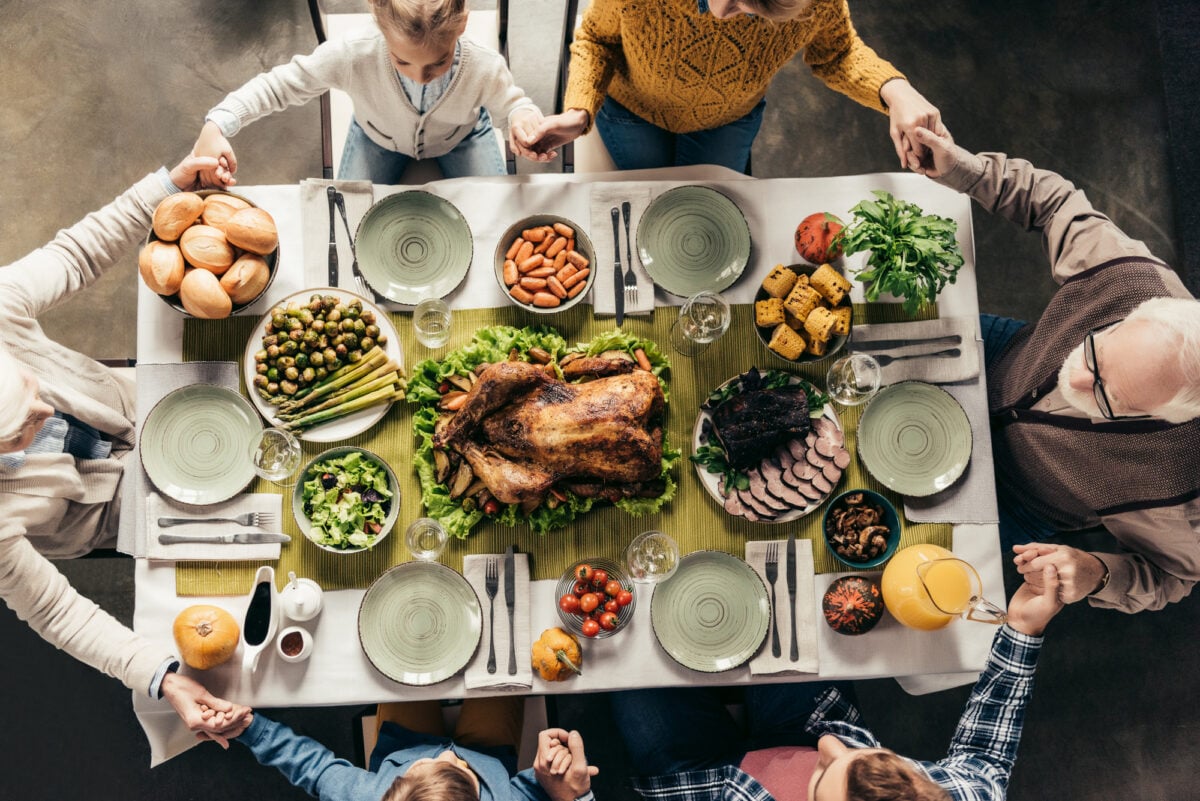
It’s not just about food. Eating together has been a signal of trust across nearly every culture in history. Sharing a meal meant you weren’t enemies. It meant you belonged to the same group.
When families eat together regularly, kids do better in school, communication improves, and people feel less isolated. The science caught up to what the tradition already knew.
New Year’s Resolutions
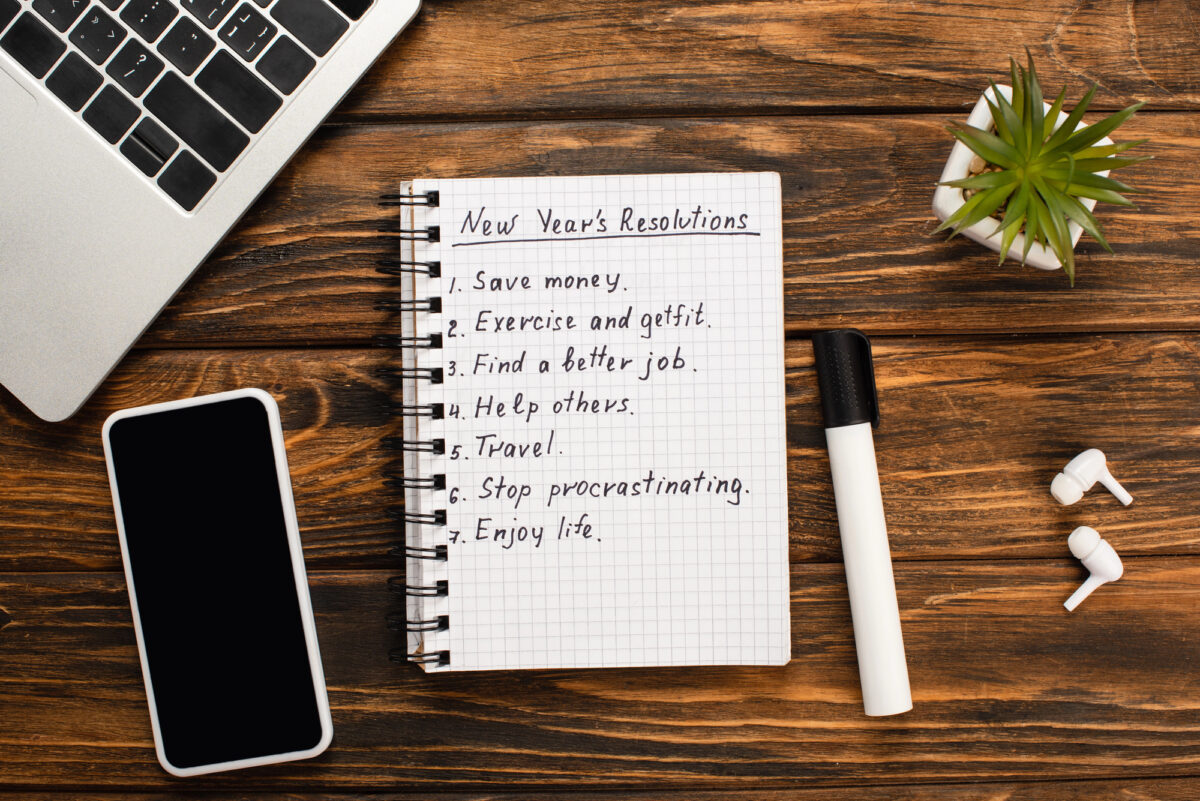
The Babylonians made promises to their gods at the start of each year — usually to pay off debts and return borrowed items. The Romans made vows to Janus, the two-faced god of beginnings, who looked backward and forward at the same time.
The modern version is messier and less theological. But the impulse is the same: use the turn of the year as a reason to try again. Give yourself a clean line to step over.
Opening Gifts on Christmas Morning

The timing matters. Christmas gifts connect to the story of the Magi bringing offerings, but also to the older Roman festival of Saturnalia, where people exchanged presents and social hierarchies were temporarily suspended. Masters gave gifts to servants. Wealth moved in unexpected directions.
The morning ritual — the tree, the stockings, the gathering before the rest of the day begins — creates a moment that belongs to everyone in the room equally, even for just a few hours.
Tossing a Coin Into a Fountain

The original version wasn’t whimsical. Throwing something valuable into a body of water was a sacrifice — an offering to whatever god or spirit controlled it. Water sources were sacred and unpredictable. You gave something to ensure safe passage, a good harvest, protection for the people you loved.
Now it’s a penny and a vague wish at a mall fountain. But the instinct to give something in exchange for hope is the same one that’s been in humans for thousands of years.
The First Dance at a Wedding
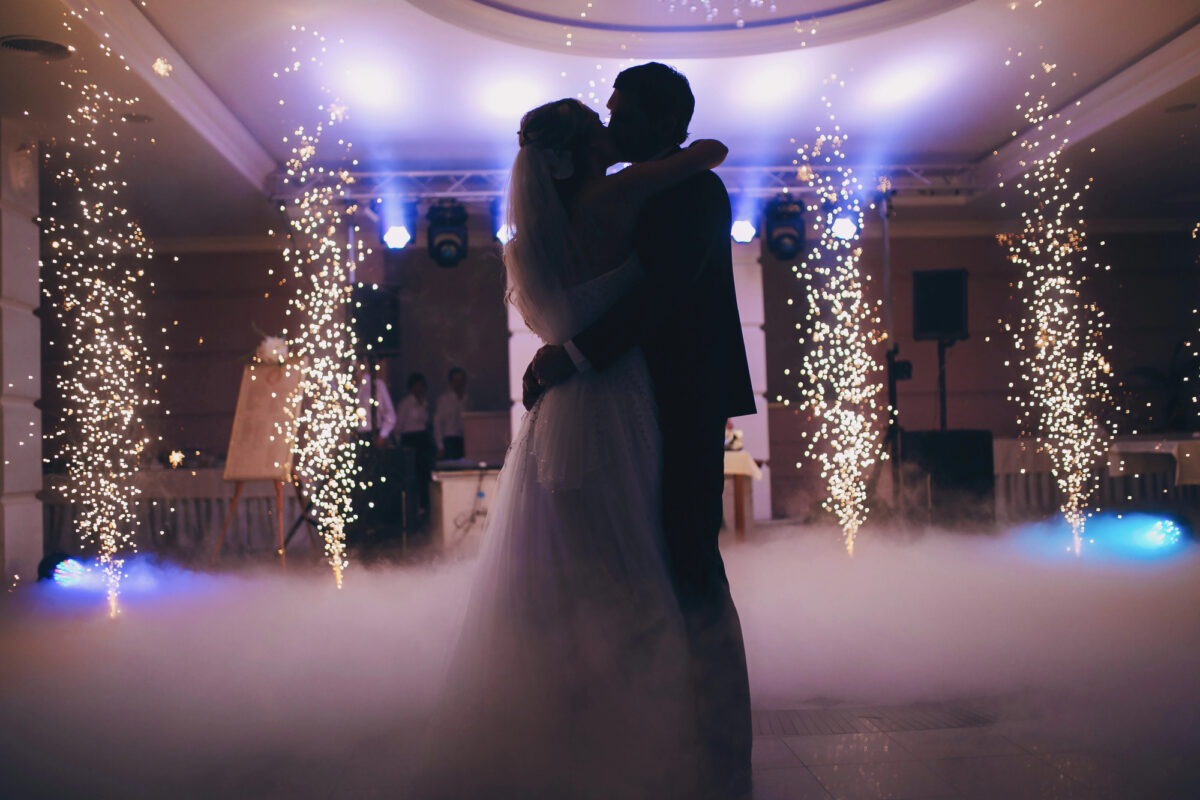
In older European traditions, the couple’s first dance after their ceremony was a public declaration. The community watched to affirm that the marriage was real, witnessed, and accepted. It wasn’t entertainment — it was closer to a seal on a document.
Now the song choice alone gets weeks of discussion. But the watching still matters. Standing in a circle around two people as they move together is still a form of saying: we see this, we acknowledge it, we’ll remember it.
Passing Down Recipes
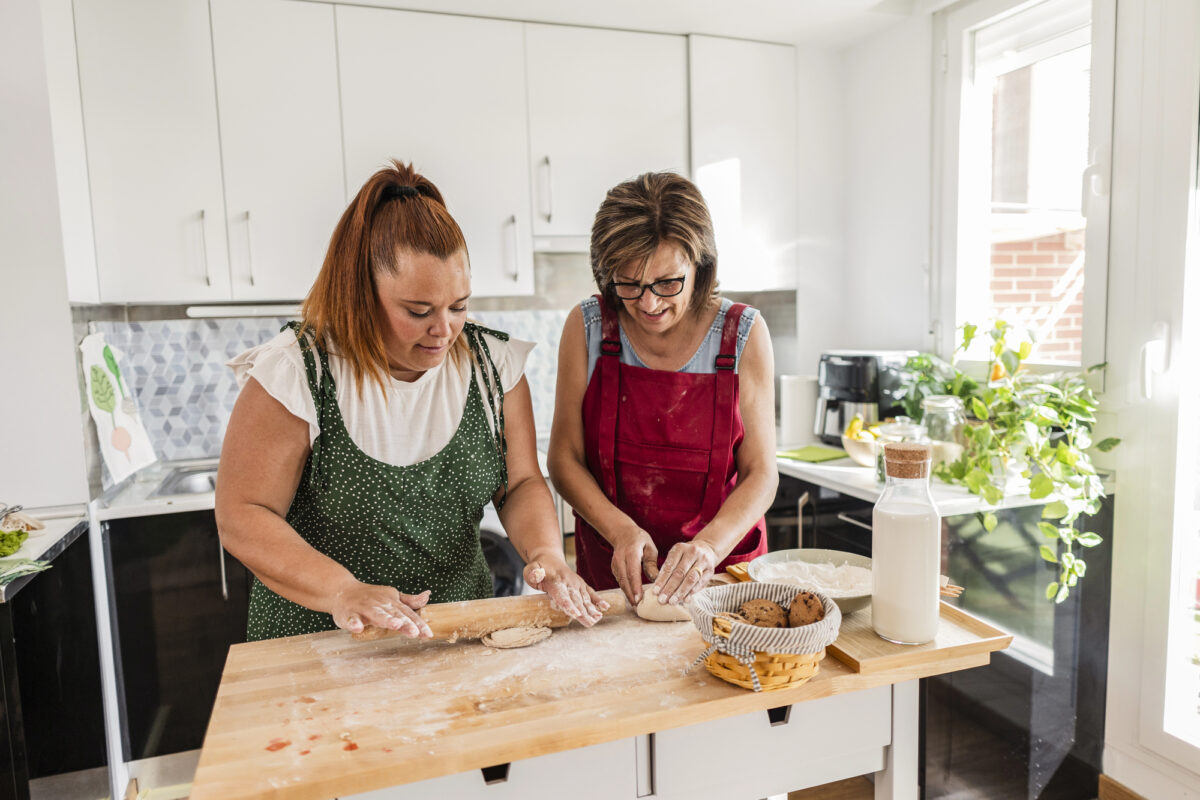
There’s nothing formally valuable about a handwritten recipe card. But when a grandmother passes one to a grandchild, something else is being transferred alongside the instructions. A version of that person. A way of moving through a kitchen. The particular way someone measures a handful.
Recipes carry identity in a way that’s hard to replicate. When the person is gone, the dish becomes one of the places they still exist.
Lighting Candles for the Dead
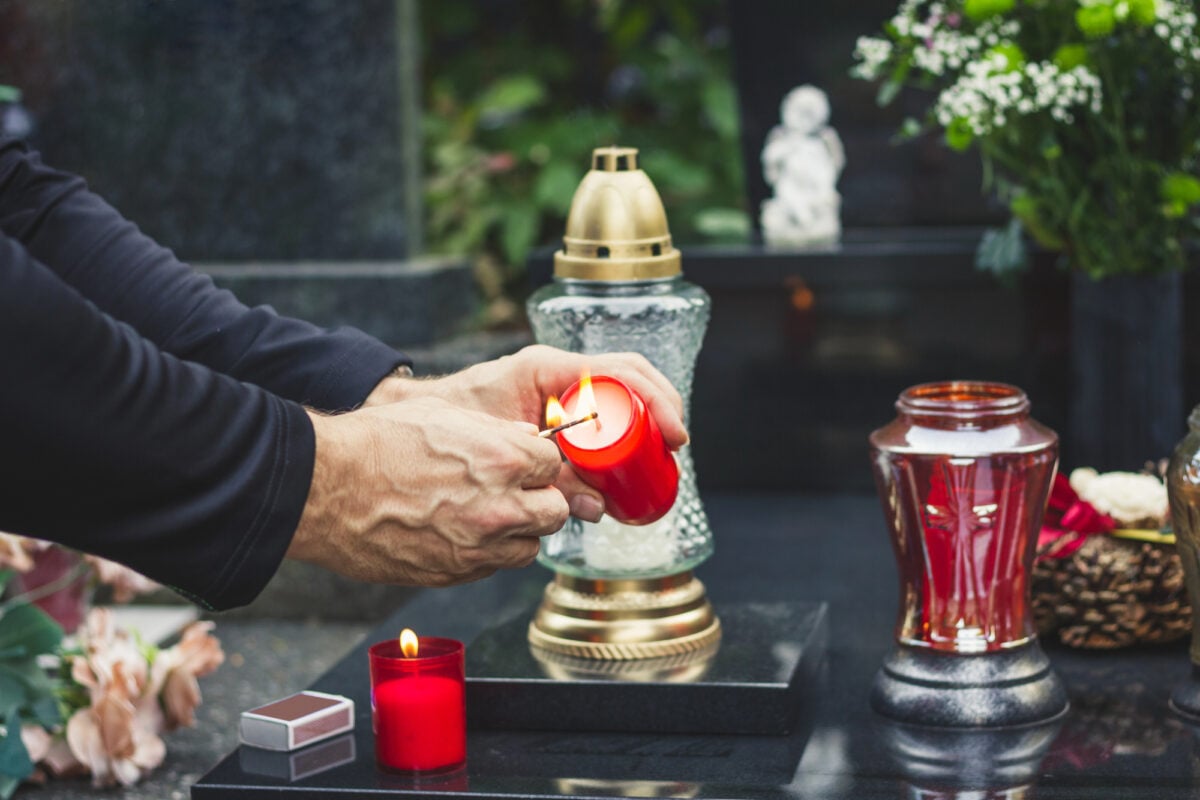
Across religions and cultures that have no other overlap — Catholic, Jewish, Buddhist, Hindu, Shinto — people light candles for those who have died. The specifics vary, but the act is essentially the same: fire as presence, light as a way of saying someone is still here, still thought of, still carried.
It’s one of the oldest things humans do. The candle doesn’t accomplish anything practical. That’s exactly the point.
Giving Flowers at Graduations

Cut flowers die quickly. That’s always struck some people as an odd choice for a celebration. But that impermanence is part of what makes them fitting for transitions. A graduation is an ending as much as a beginning — the closing of one chapter before another opens.
Flowers mark the moment without trying to hold onto it. They bloom, they’re given, and they fade. The ceremony does the same.
Breaking a Wishbone
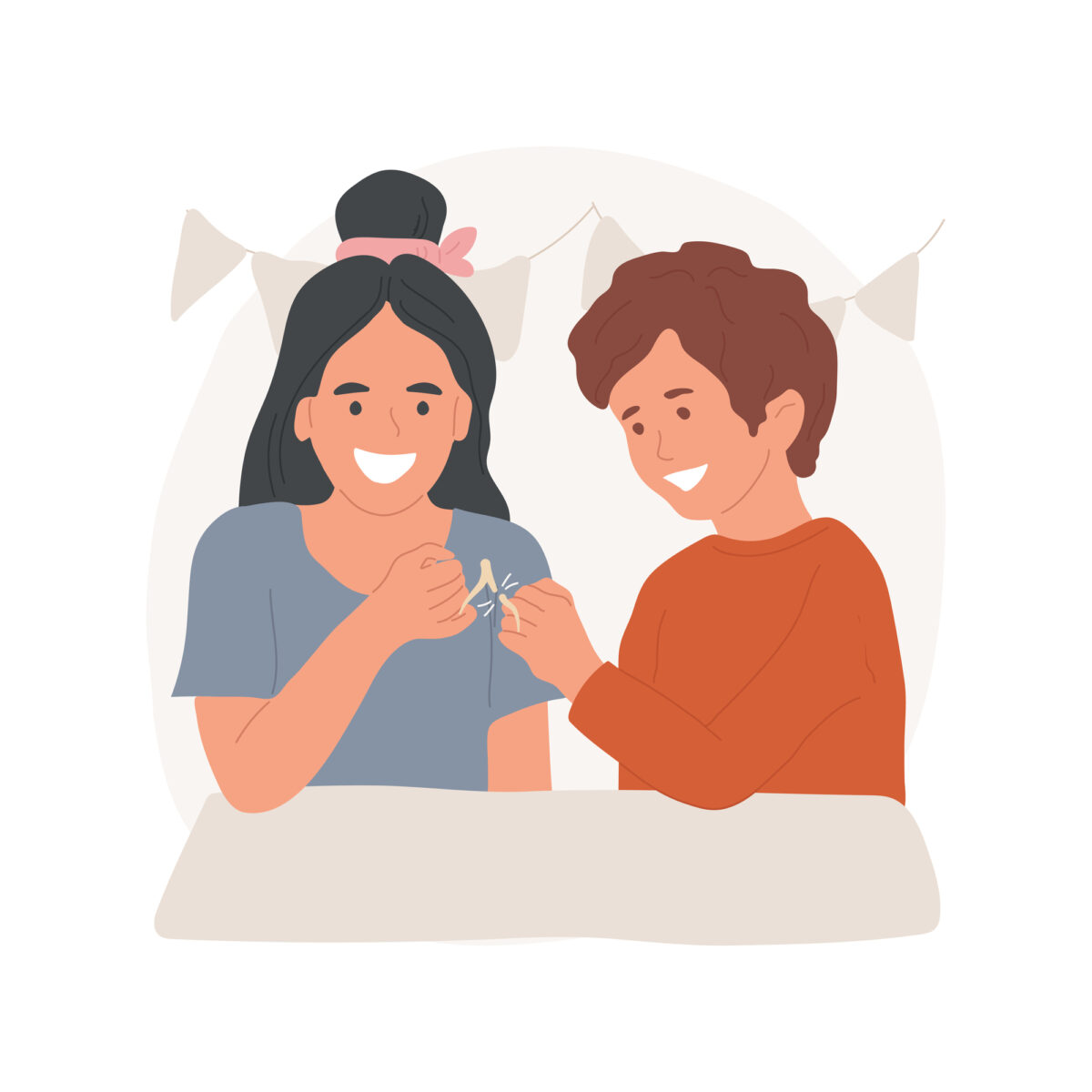
When two people pull at opposite ends of a dried wishbone and one end snaps larger, the person holding the bigger piece gets their wish. The Romans did this. So did the Etruscans before them.
The original belief was that the bone held the power of the bird. By breaking it, you released that power. The one who received more of it received more luck.
Now it happens over the Thanksgiving leftovers, sometimes forgotten, sometimes fiercely contested. The superstition is old enough that no one can fully trace it — which gives it a kind of dignity.
The Bedtime Story

Telling tales at bedtime has been around forever, though reading books that way started more recently. Think of flames flickering, shadows moving, someone speaking into the quiet. Those stories helped calm worries. The world made more sense because of them. When life felt broken, they offered ways forward.
Night after night, reading aloud to a kid isn’t just routine – it’s ancient. Calm settles into their body, slow and steady. Because of the sound of your voice, danger feels far away. Over time, tales start shaping what makes sense in the world.
Wearing Black at Funerals
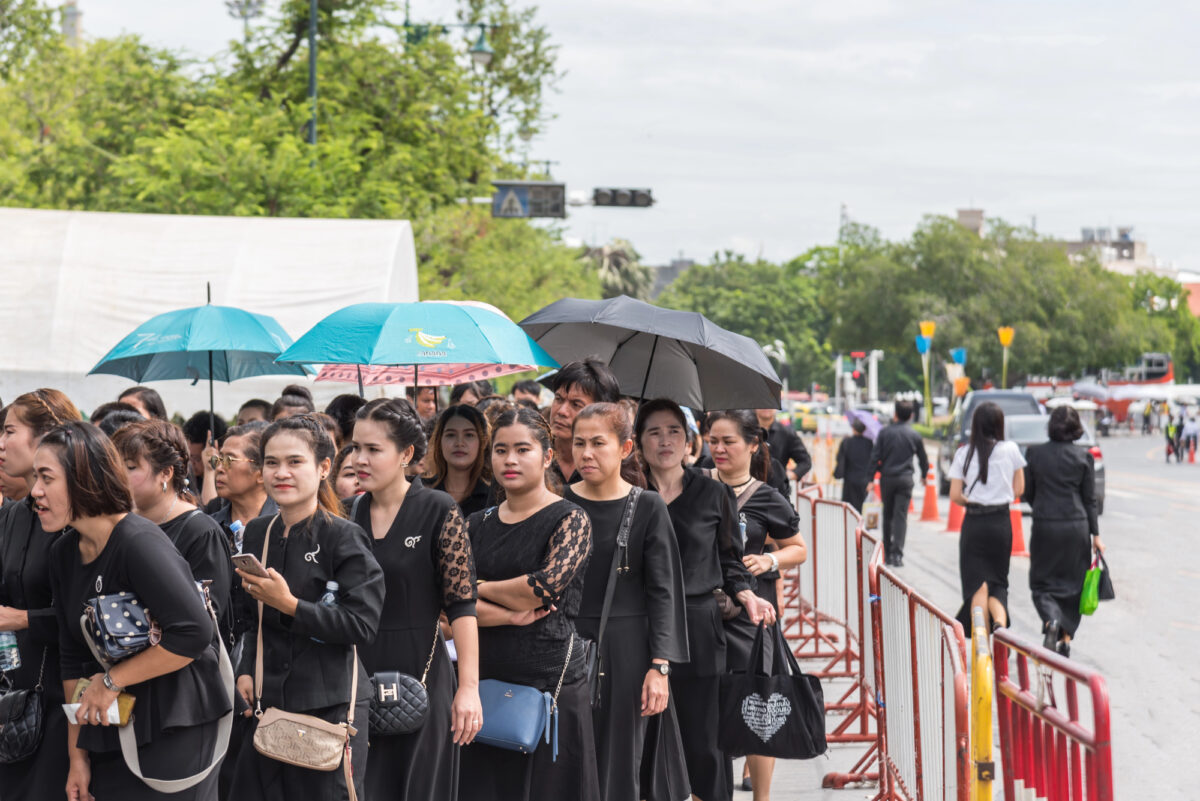
Draped in shadow, mourners hoped ghosts would pass them by. Romans pulled dark wool close, face half-hidden beneath heavy folds. Back then, covering up wasn’t about sorrow – it was camouflage. Medieval halls vanished under cloths, walls and chairs swallowed by fabric. If a soul wandered through at dusk, better not to catch its eye.
Away went the old rules long ago. Left behind? Only the hue, acting like a note passed between people, maybe even yourself, saying sorrow’s here, meant to be seen.
The Toast Before a Meal

Before forks touch food, a moment often stops the noise. Not always named, sometimes silent, it slips in after chairs scrape the floor. This pause comes not from rules but habit, shaped by home or memory. Instead of diving straight into plates, hands may fold, heads bow, eyes close. The kitchen’s steam hangs in the air while someone speaks softly. Words might thank, reflect, or simply mark time passing. Even without belief, such seconds slow what rushes forward. Eating waits, just briefly, behind breath and silence. That break belongs less to doctrine than rhythm – daily life pausing on purpose.
A space opens in some homes for prayer. Elsewhere, someone might speak of thanks – or simply nod toward those present. Either way, the silence has weight. More than eating begins when time stops like this.
Leaving the Last Bite
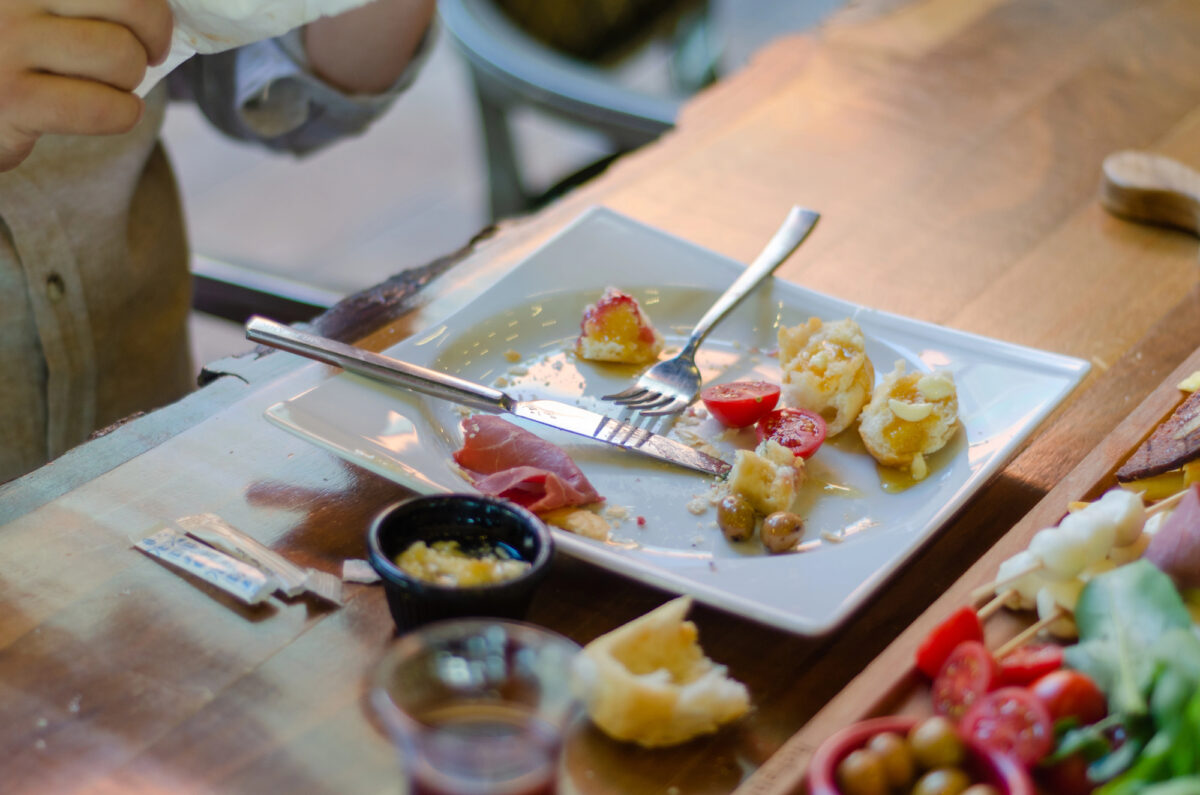
A bit left behind means something different across places. When food remains, it can speak without words. Some Eastern European customs see emptiness as rude, fullness as good manners. A leftover morsel might thank the cook silently. In certain Middle Eastern homes, a clean plate pressures the host to refill it. Abundance gets honored by what stays uneaten. East Asian settings sometimes treat extra portions as proof of generosity. The gesture whispers satisfaction. Not finishing becomes politeness shaped like hunger.
Not like the West, where clearing your plate matters most. Still, it speaks the same idea – eating as more than just filling up. Each mouthful, along with what gets left behind, hints at how someone sees their place in the moment.
What Is Held Beyond Speech

Odd how habits stick, even if you question their meaning. Mid-sentence, your hand taps wood without thought. A breath held before candle smoke rises carries a silent hope. At a grave, fire flickers – and something shifts inside. Belief isn’t required for it to matter.
Long after the reasons faded, the motion remains. Not because it means something fixed, but because hands stretch forward anyway. A breath held. One tiny move declaring: this instant isn’t like the rest. Notice it now.
Beneath it all could lie a single custom, older than most remember. Not just one person but all of them, through time, holding certain instances apart. Because something shifts when we stop and say: this matters.
Every category follows this rhythm: scarcity, state of preservation, culture’s ongoing interest. Mass-made things tossed away gain worth simply due to lack of survival.
Objects linked to franchises, famous players, or lasting cultural moments find ready buyers – thanks to existing emotional pull. More often than not, what separates treasure from trash lies in proof of origin, verification by experts, and package intact.
Truth is, no guarantee exists – remember those Beanie Baby letdowns? Still, if you dig deep before diving in, rewards sometimes follow.
More from Go2Tutors!