17 Things You Could Buy for a Penny Back in the Day
A small coin might seem like nothing now. Yet it once had value that mattered.
Back then, people counted each one carefully. Today, most just leave them behind without thinking.
A single cent back then held more weight than we might think today. During the decades from the 1880s through the 1920s, it often covered a little pleasure, like candy or a ride.
Instead of vanishing into pocket change, it paid for barbershops or vaudeville glimpses. Time moved slower on budgets, making one coin do what now takes several.
Here’s a closer look at seventeen things Americans could once buy for just one cent.
Penny Candy

A single cent used to open the door to candy shops. Inside, kids might trade one penny for candy, sometimes a hard candy that tested their teeth.
Other times it was black licorice or a flat strip of gum. Glass jars filled with color stood on counters, full and waiting.
Hands reached in, picked items one at a time, while store owners tallied treats without machines. Back in the day, small sweets meant something beyond flavor.
Counting pennies at the store taught numbers without textbooks. Each little buy became a habit, passed down like old stories.
A Local Newspaper
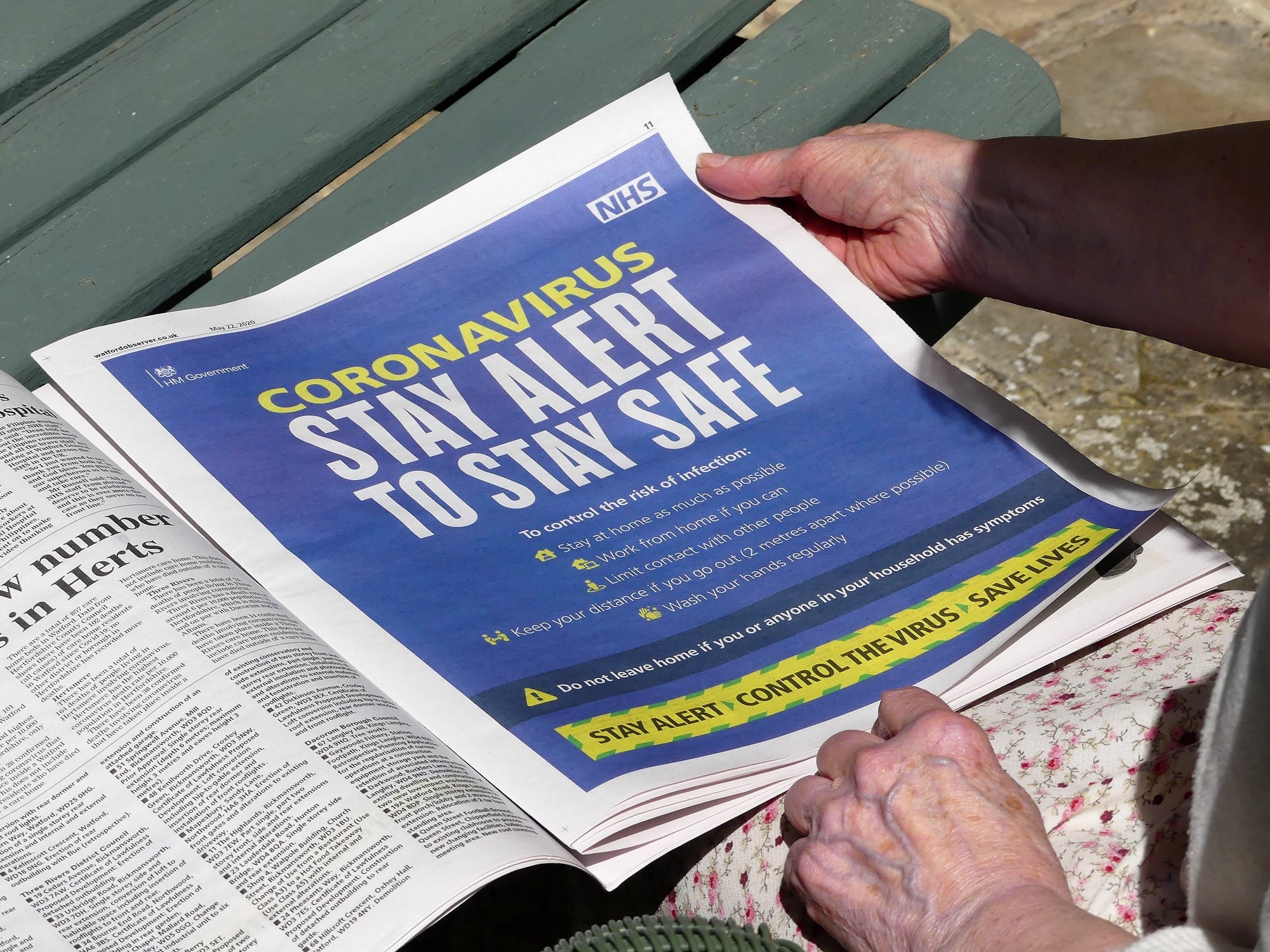
Back then, papers such as the New York World and the New York Journal cost just one cent. Because of that price, regular people could finally afford daily news.
These cheap dailies sparked what became known as penny press reporting. For the first time, workers found stories meant for them.
A single penny bought news on government clashes, street violence, money matters, or people’s strange lives. Because it cost almost nothing, everyone started reading every day – turning what was once rare into something ordinary by morning light.
A Postcard

During the early 1900s, postcards were both fashionable and affordable. In many cases, sending a postcard required only a one-cent stamp for domestic delivery.
People used them the way modern users send quick text messages — short updates, travel notes, or simple greetings. The low cost encouraged frequent communication, long before long-distance phone calls were common.
A Streetcar Ride (Short Routes)
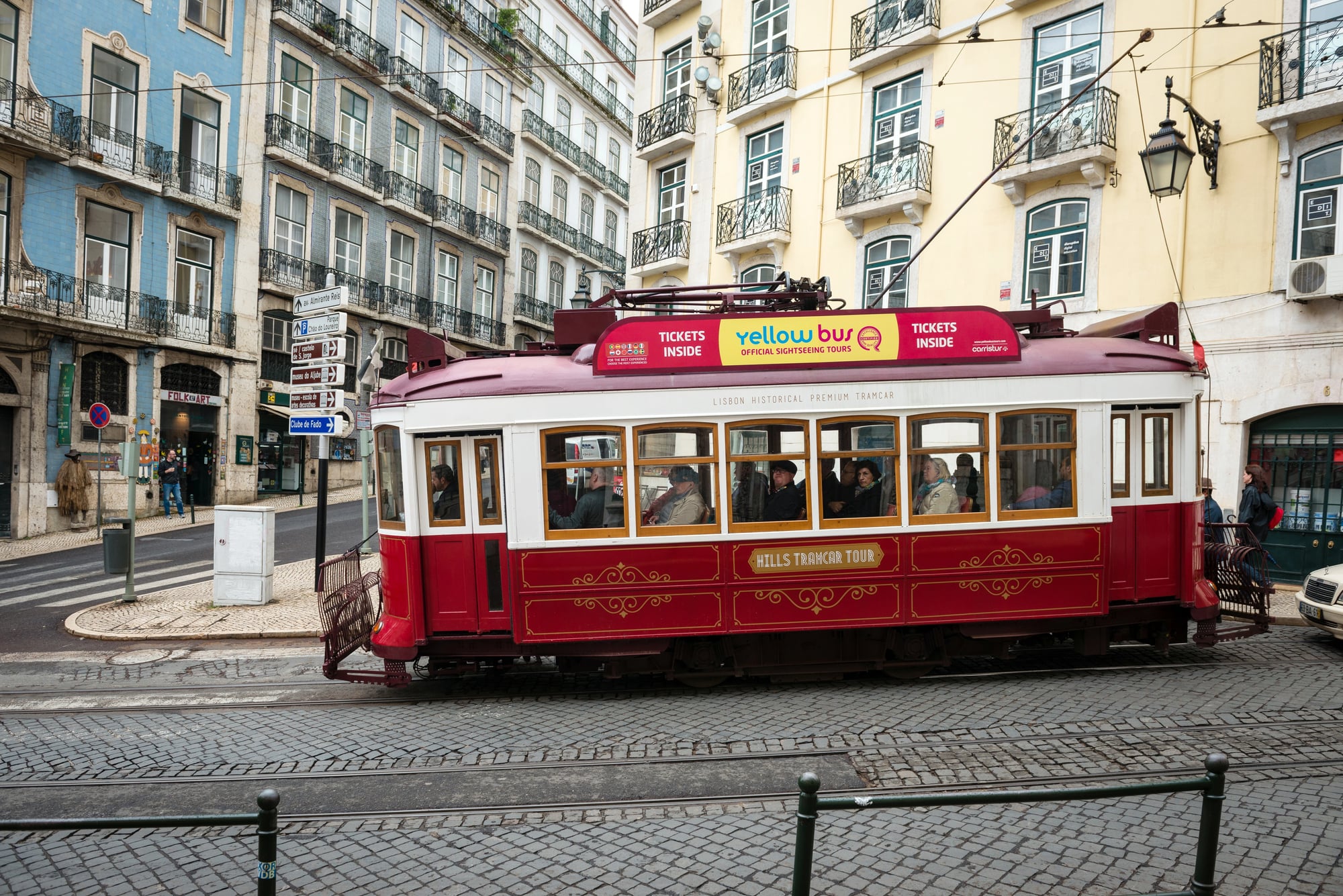
In some cities during the late 19th century, very short streetcar rides or transfers could cost a penny. While full fares were typically five cents, promotional fares and brief hops were occasionally offered for less.
Urban transportation was expanding rapidly at the time, and even a single cent could contribute to mobility within growing industrial cities. That small fare symbolized the early democratization of public transit.
A Public Weighing Machine Check

Early coin-operated weighing machines appeared in train stations and public squares around the turn of the century. For one penny, a person could step onto the platform and receive a small printed card with their weight.
These machines were both practical and novel. They reflected the rise of automation and coin-operated devices, small glimpses of a mechanized future taking shape.
Fresh Produce

At outdoor markets in the early 1900s, certain fruits and vegetables could be purchased individually for a penny. Apples, onions, or small bunches of herbs were often priced low enough for even modest budgets.
Buying produce this way meant meals were assembled piece by piece. A penny still held purchasing power, especially in rural areas where food was locally grown.
A Glass Of Soda At A Pharmacy Fountain

Before bottled soft drinks dominated shelves, soda fountains inside pharmacies served flavored carbonated beverages. Some early offerings, especially plain soda water or simple syrups, could be purchased for a penny.
These counters became social gathering spots. For a small coin, customers could enjoy a cool drink and conversation, turning a quick refreshment into a community moment.
A Needle And Thread

Basic sewing supplies were inexpensive and widely available. A single needle or small spool of thread could sometimes be purchased for a penny in general stores.
At a time when clothing was mended rather than discarded, these small purchases mattered. A penny’s worth of thread could extend the life of a garment by months.
A Pencil

Mass production made writing tools affordable by the late 19th century. Simple wooden pencils were often sold individually for one cent.
Access to inexpensive writing supplies supported expanding public education. That penny purchase could help a child practice arithmetic, compose letters, or copy lessons at school.
A Loaf Of Stale Bread
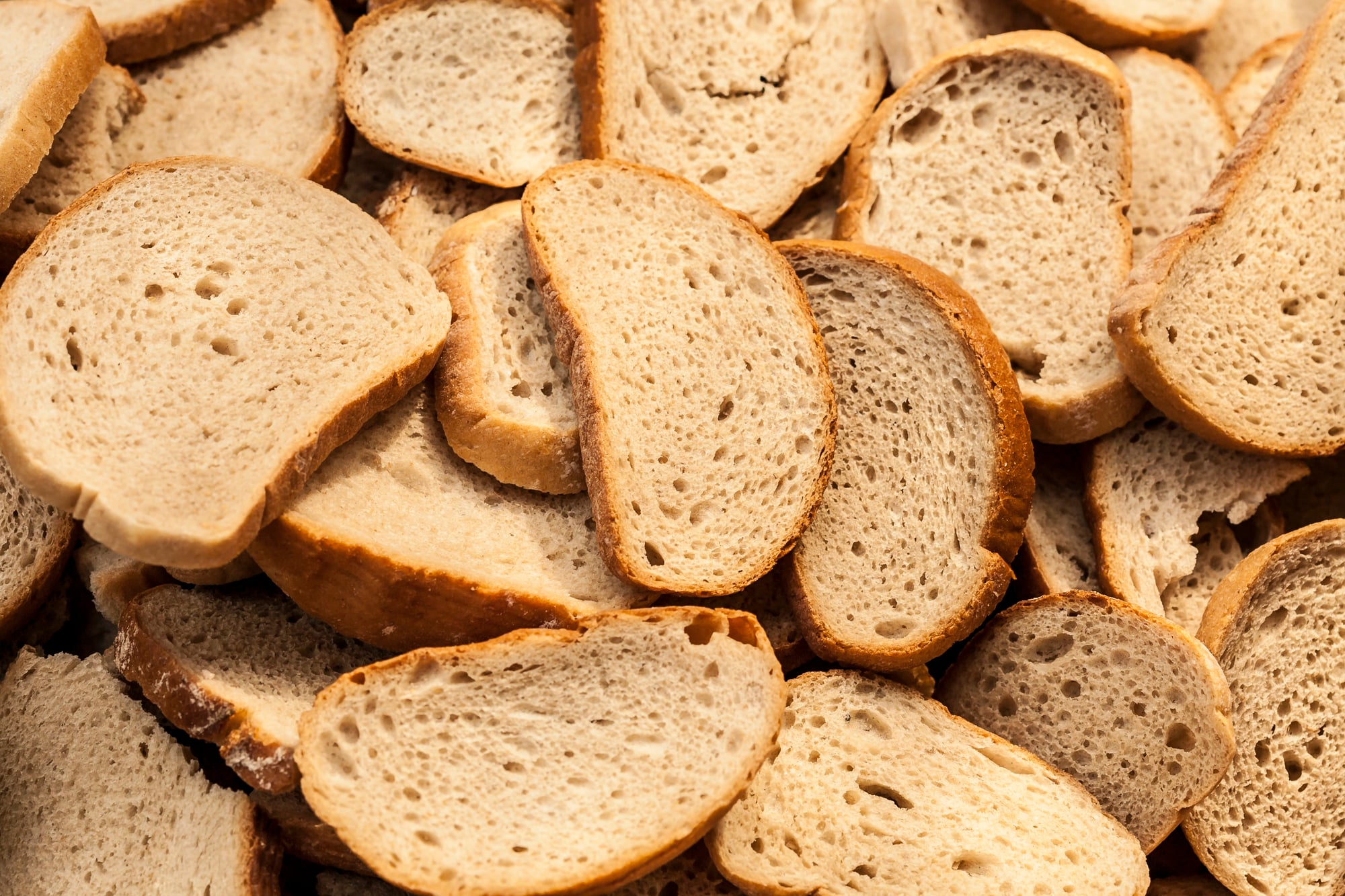
While a fresh loaf typically cost more, bakeries often sold day-old bread at steep discounts. In some cases, stale loaves were offered for a penny to avoid waste.
Families with tight budgets relied on such bargains. Bread remained a staple, and even discounted loaves played a practical role in daily meals.
A Piece Of Coal (Small Quantity)
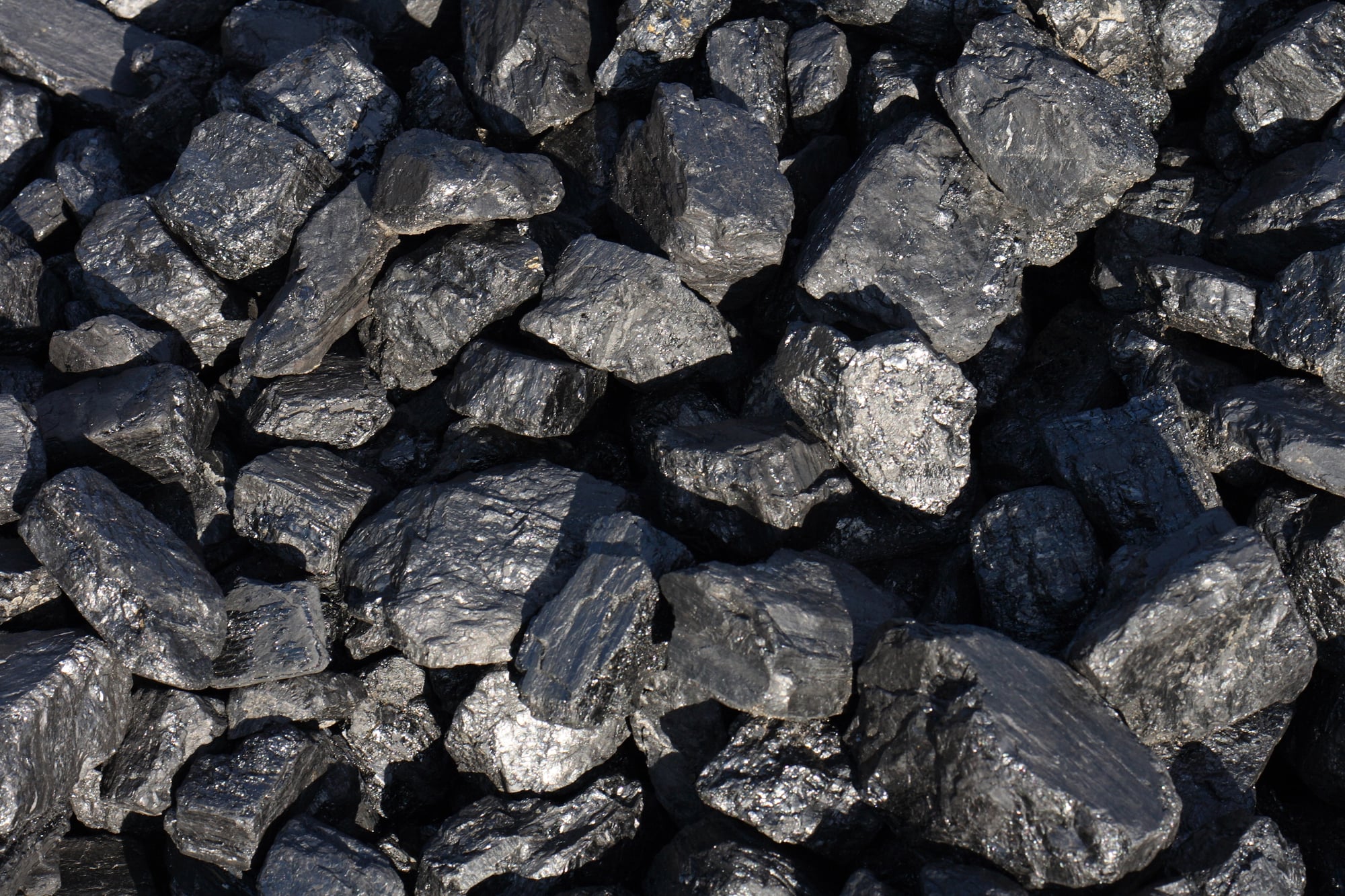
Coal powered homes and industry during this era. While bulk purchases cost more, small quantities could sometimes be bought for a penny, especially in mining towns.
Heating was a constant need in colder climates. Even a modest amount of fuel made a difference, particularly during harsh winters.
Admission To A Penny Arcade Game

Penny arcades emerged in the early 1900s, filled with mechanical entertainment devices. For one cent, patrons could watch short moving pictures, operate simple games, or view novelty machines.
These arcades were early ancestors of modern entertainment complexes. The cost was low enough to invite curiosity, turning spare change into amusement.
A Shoeshine (Promotional Or Child Rate)

Standard shoeshines often cost five cents, but in some cities children or promotional offers reduced the price to a penny. Street shoeshine stands were common in busy commercial districts.
A polished pair of shoes signaled professionalism. Even a small coin could contribute to appearance and opportunity.
A Cup Of Coffee (Early 1900s Rural Areas)

In certain rural regions or small-town establishments around the turn of the century, basic coffee could occasionally be sold for a penny. Prices varied widely, but inexpensive refills were not uncommon.
Coffeehouses and diners were social anchors. The affordability of a simple cup made these spaces accessible to workers and travelers alike.
A Printed Flyer Or Handbill

Businesses and traveling shows distributed printed advertisements cheaply. In some cases, small handbills or informational pamphlets were sold for a penny.
These materials spread news about performances, products, and local events. Cheap printing technology helped information circulate rapidly.
A Single Egg

Egg prices fluctuated seasonally, but in agricultural communities during peak supply, individual eggs could sometimes be purchased for a penny.
Food pricing was closely tied to local production. When supply was high, even a single cent carried purchasing power at the market stall.
A Public Telephone Call (Very Early Usage)
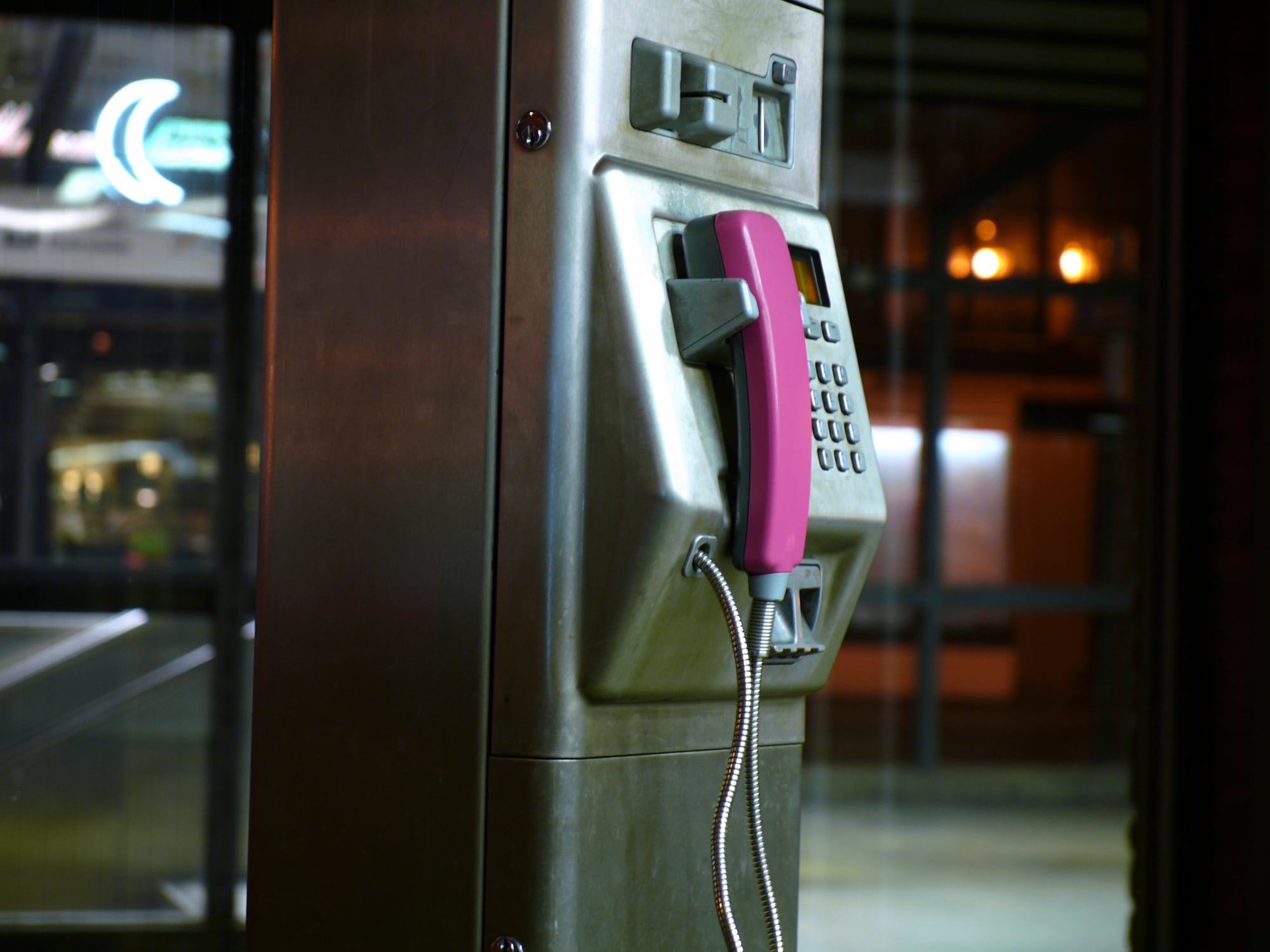
Back when payphones first showed up in the 1800s, dropping just a penny could get you a quick chat nearby – until prices went up. People found it strange, tossing coins into a machine just to talk, yet that small act signaled big shifts in how tech was weaving into daily life.
A short while after launch, prices climbed steadily – yet those first cheap calls showed how open the door once was. Not long before, anyone could reach out for almost nothing, a fleeting taste of what connection meant back then.
That moment didn’t last, but it stuck in memory like an old dial tone.
When A Penny Meant Something
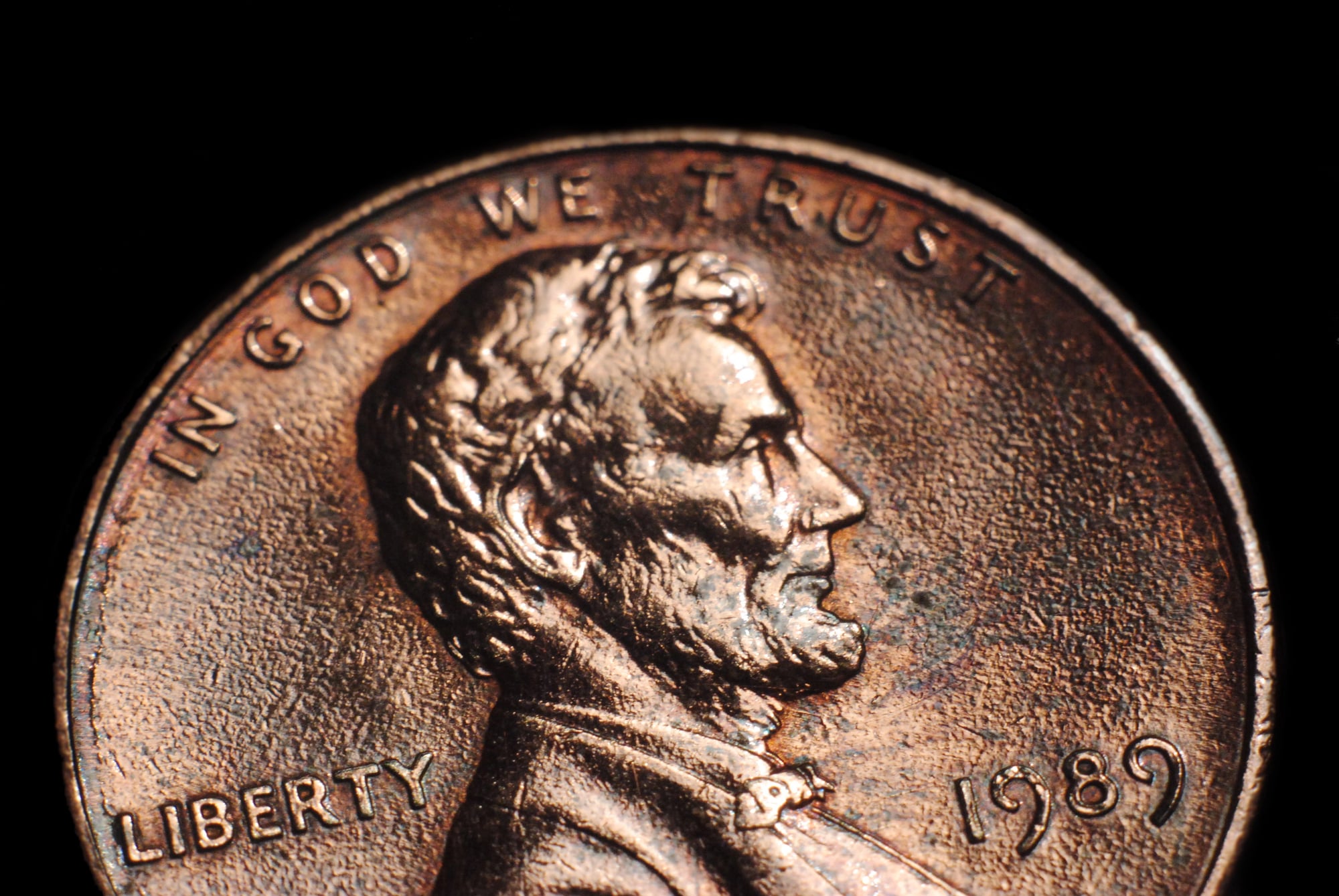
A few coins could stretch further back when the century first began. Paychecks didn’t go far, work took most of a day, yet money still bought something real.
Though times were tight, small change wasn’t meaningless at the store counter. One penny now? Almost useless.
Years ago, that coin fed you, informed you, helped your work, even entertained you. Such change shows not just rising prices but shifting lives – machines changed how we live, what we want, where value sits.
Money feels different because everything around it has moved. A small coin used to mean something real in daily life.
Today its value feels more like memory – showing just how differently we see worth after one hundred years.
More from Go2Tutors!

- The Romanov Crown Jewels and Their Tragic Fate
- 13 Historical Mysteries That Science Still Can’t Solve
- Famous Hoaxes That Fooled the World for Years
- 15 Child Stars with Tragic Adult Lives
- 16 Famous Jewelry Pieces in History
Like Go2Tutors’s content? Follow us on MSN.



