Historical Monarchs With Very Short Reigns
Becoming king or queen usually means years of power, luxury, and influence. But throughout history, some rulers barely had time to warm their thrones before their reigns ended abruptly.
These monarchs held the crown for days, weeks, or just a few months before death, betrayal, or politics cut their time short. Let’s look at some rulers whose brief moments on the throne became footnotes in history books.
Emperor Quintillus
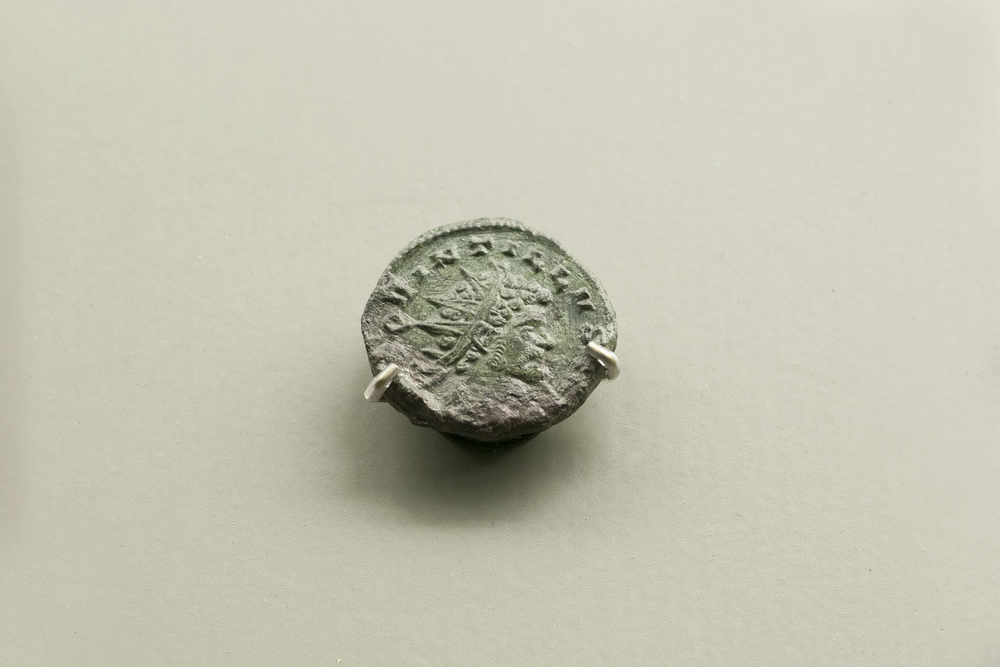
This Roman emperor ruled for just 17 days in the year 270 AD, making his reign one of the shortest in Roman history. Quintillus claimed the throne after his brother Emperor Claudius II died from plague, but the Roman legions had other plans.
They quickly declared their own favorite, a general named Aurelian, as the rightful emperor instead. Quintillus either took his own life or was eliminated by Aurelian’s supporters, depending on which ancient source you believe.
Lady Jane Grey
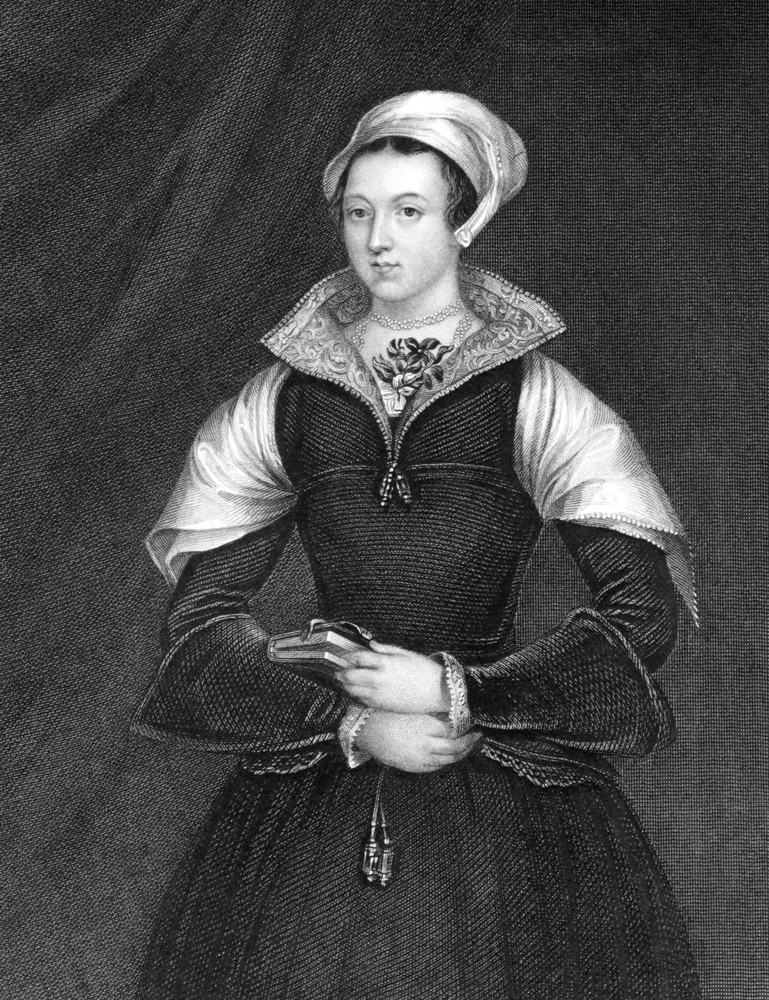
England’s nine-day queen never wanted the crown in the first place. The 16-year-old was manipulated by ambitious relatives who forced her onto the throne in 1553 after King Edward VI died.
The English people supported Edward’s half-sister Mary instead, and within just over a week, Jane was arrested and thrown in the Tower of London. She was beheaded eight months later at age 17, becoming one of the most tragic figures in British royal history.
Emperor Didius Julianus
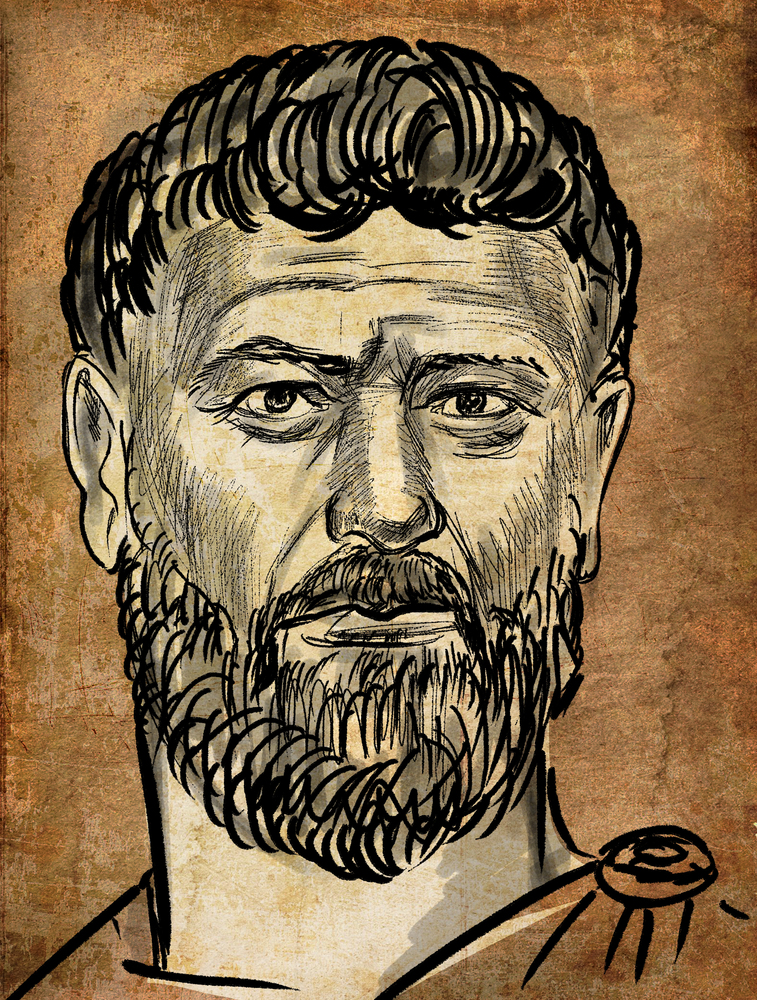
This Roman senator literally bought the throne at auction in 193 AD and lived to regret it. After the Praetorian Guard assassinated the previous emperor, they held a bizarre bidding war where Didius won by offering the largest cash payment to each soldier.
He ruled for exactly 66 days before the Roman Senate had him executed when a rival general marched on Rome. His reign proves that sometimes the prize isn’t worth the price paid.
King Luís Filipe of Portugal
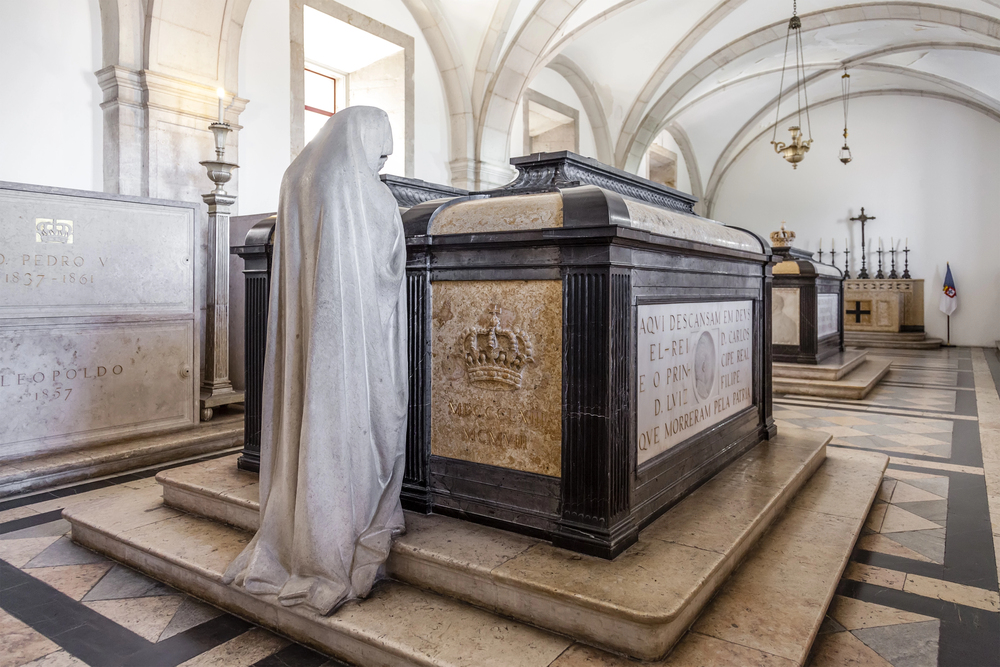
Portugal’s shortest-reigning monarch held the title for approximately 20 minutes. In 1908, assassins attacked the royal family’s carriage in Lisbon, shooting King Carlos and Crown Prince Luís Filipe.
The king died instantly, which technically made Luís the new king as he lay wounded in the carriage. He died about 20 minutes later, making him king for less time than it takes to watch a sitcom episode.
Pope Urban VII
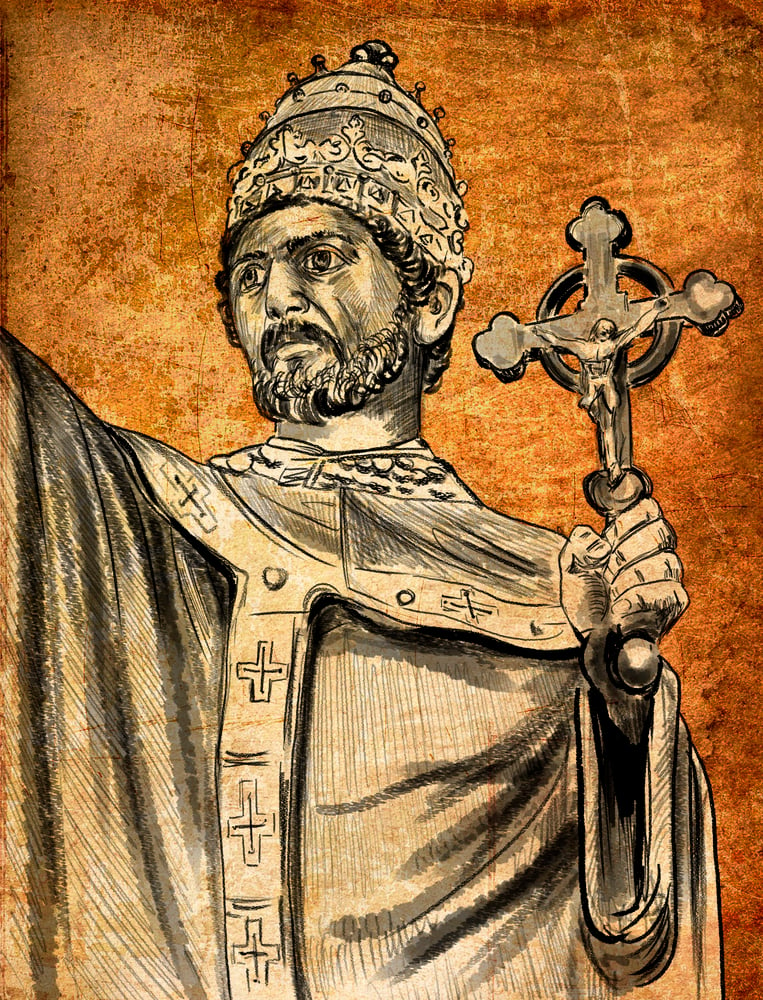
The Catholic Church’s briefest pope never even had his coronation ceremony. Urban VII contracted malaria just days after his election in 1590 and died 12 days later.
He spent most of those days too sick to perform any papal duties. Despite his incredibly short time as pope, he’s still remembered for trying to ban the new trend of using nicotine in churches, which was just becoming popular in Europe at the time.
King Dipendra of Nepal
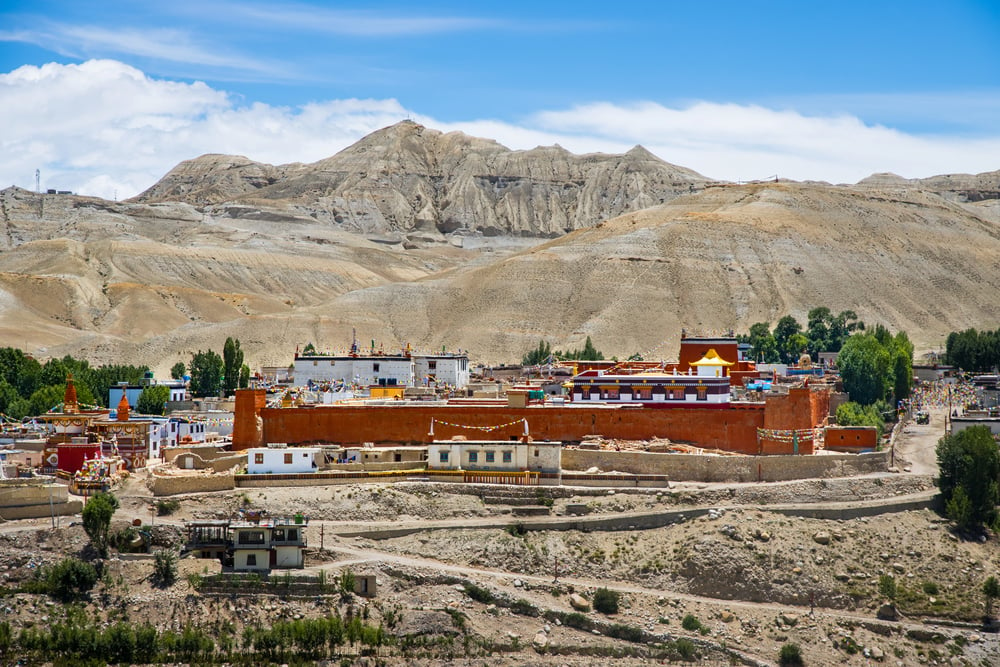
Nepal’s most controversial monarch reigned for just three days while in a coma. In 2001, Crown Prince Dipendra allegedly shot most of his family at a royal dinner, including his father the king, before turning the gun on himself.
Since the king died immediately but Dipendra survived on life support, he technically became king while unconscious. He died three days later, and many Nepalese still dispute the official version of events.
Emperor Pertinax

This capable Roman administrator lasted only 87 days as emperor in 193 AD. Pertinax tried to reform the corrupt Praetorian Guard, which turned out to be a fatal mistake.
The guards were used to taking bribes and living comfortably, and they didn’t appreciate someone trying to make them actually work. A group of about 300 guards broke into the palace and killed him, then auctioned off the throne to the highest bidder.
King Tribhuwana of Thailand
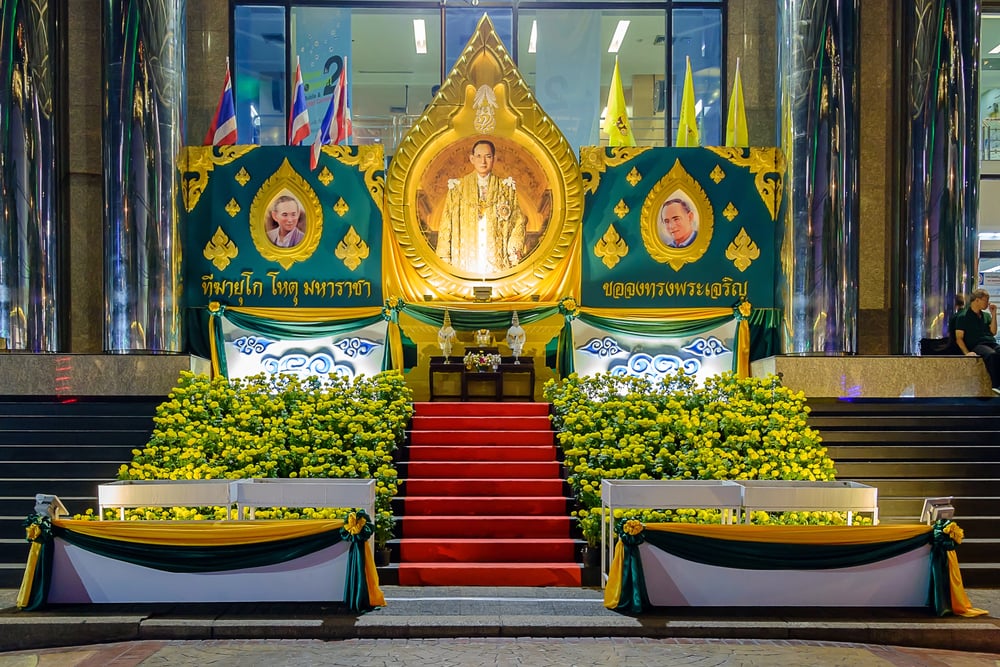
Thailand’s King Tribhuwana ruled the Ayutthaya Kingdom for approximately two hours in 1448. He ascended the throne in the morning after his father’s death, but nobles who opposed him staged a coup that same day.
By afternoon, he was deposed and replaced with his uncle. Some historical records suggest he was quietly eliminated shortly after, though details remain unclear.
Emperor Herakleios the Younger
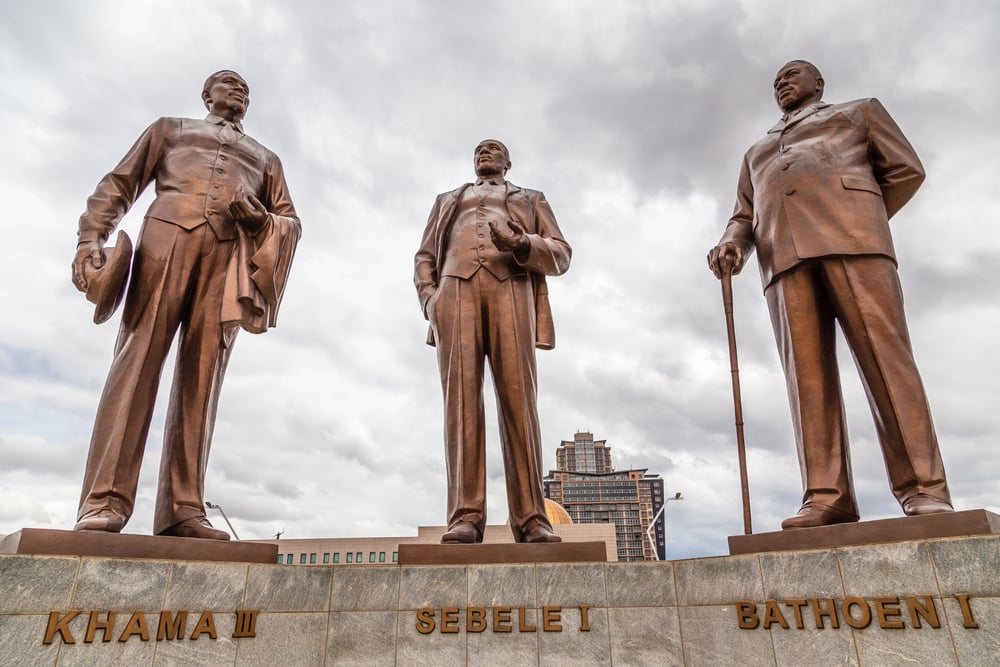
This Byzantine co-emperor reigned alongside his father for just four months in 641 AD before dying under mysterious circumstances. He had been sickly his entire life, suffering from tuberculosis since childhood.
Shortly after becoming emperor, his health rapidly declined and he died, though rumors suggested his stepmother might have poisoned him to clear the way for her own sons. Nobody ever proved the poisoning allegations.
King João VI of Kongo
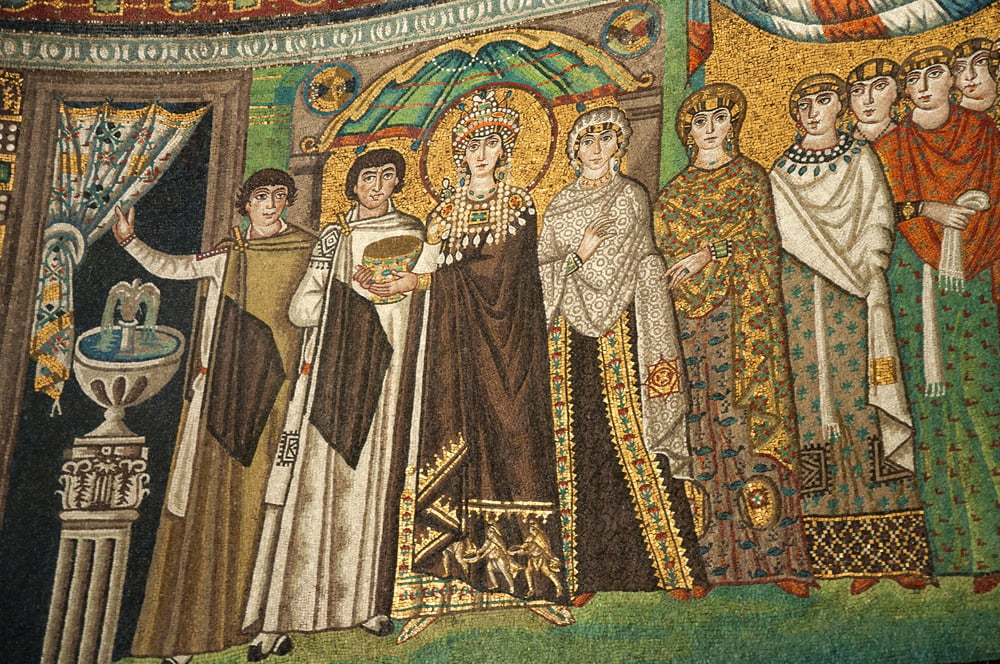
This Central African king ruled for less than a day in 1567. He was crowned in the morning during a ceremony in the Kingdom of Kongo’s capital, but rival factions within the nobility assassinated him before sunset.
His murder sparked a civil war that devastated the kingdom for years. The exact details of why he was killed so quickly have been lost to history.
King William III of Sicily
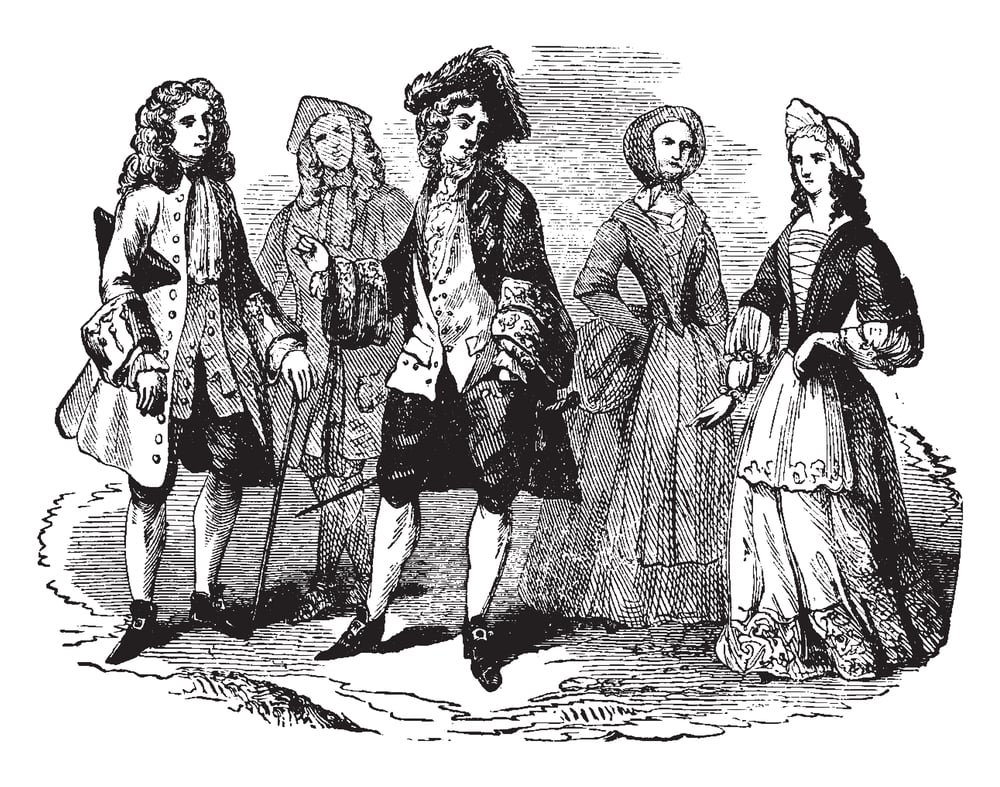
Sicily’s young king reigned for nine months in 1194 before being captured and imprisoned at age four. The German emperor invaded Sicily and took the child king prisoner, ending his brief reign.
William spent the rest of his life in various prisons and monasteries, dying around age 40. His capture marked the end of the Norman dynasty in Sicily and the beginning of German rule.
Emperor Napoleon II
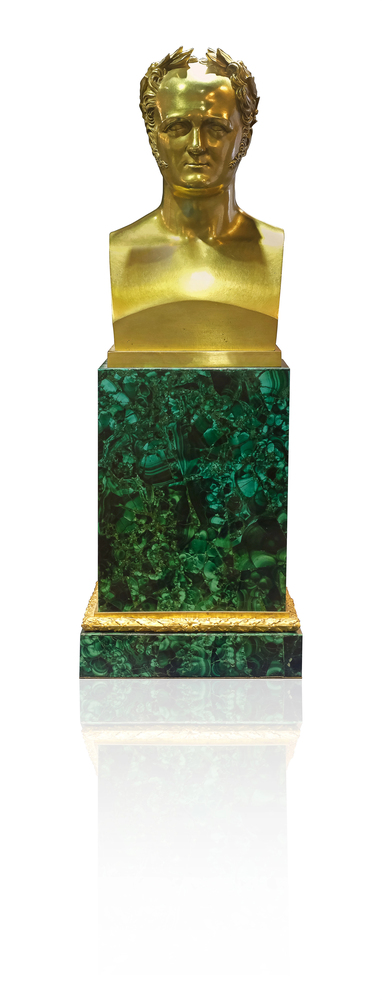
France’s forgotten emperor technically reigned for just 15 days in 1815, though he never actually ruled. When Napoleon Bonaparte abdicated after losing at Waterloo, he declared his young son the new emperor.
But allied forces rejected this completely, and the boy never sat on a throne or issued a single order. He grew up in Austria using a different title and died of tuberculosis at age 21.
King Æthelred of Wessex
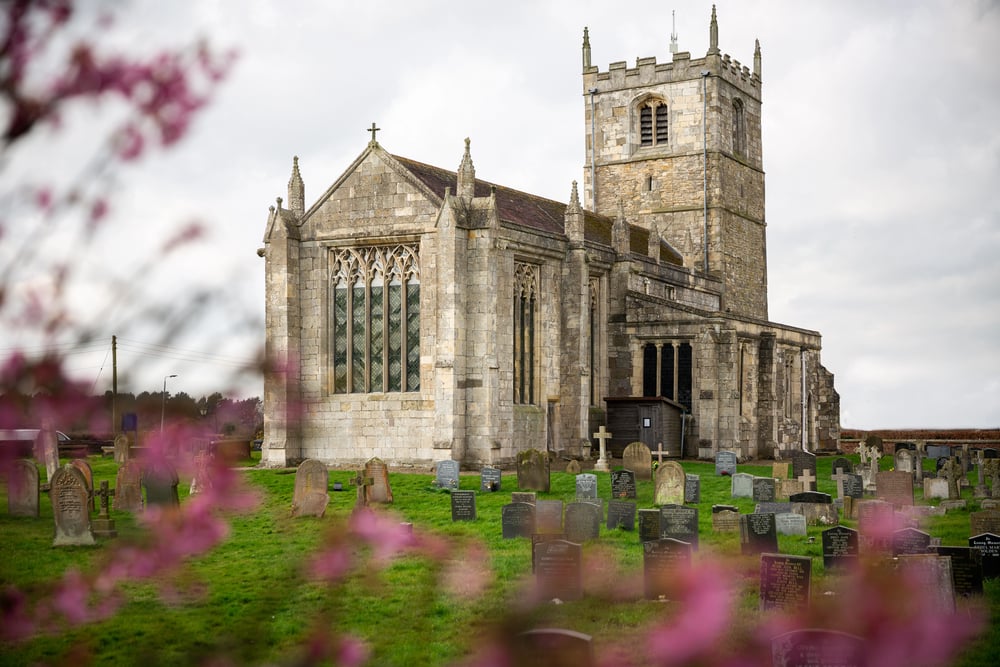
A ruler from Anglo-Saxon times held power in southern England around 865 to 866 AD, right when Viking attacks peaked. Throughout his short time as king, he battled Danish forces taking over wide areas of the land.
Battle injuries led to Æthelred’s death, after which his younger sibling – Alfred, later called the Great – took control. Though most say his rule lasted just a year, a few experts suggest it could’ve been closer to five.
Evidence from those days is so patchy that certainty remains out of reach.
King Michael of Romania
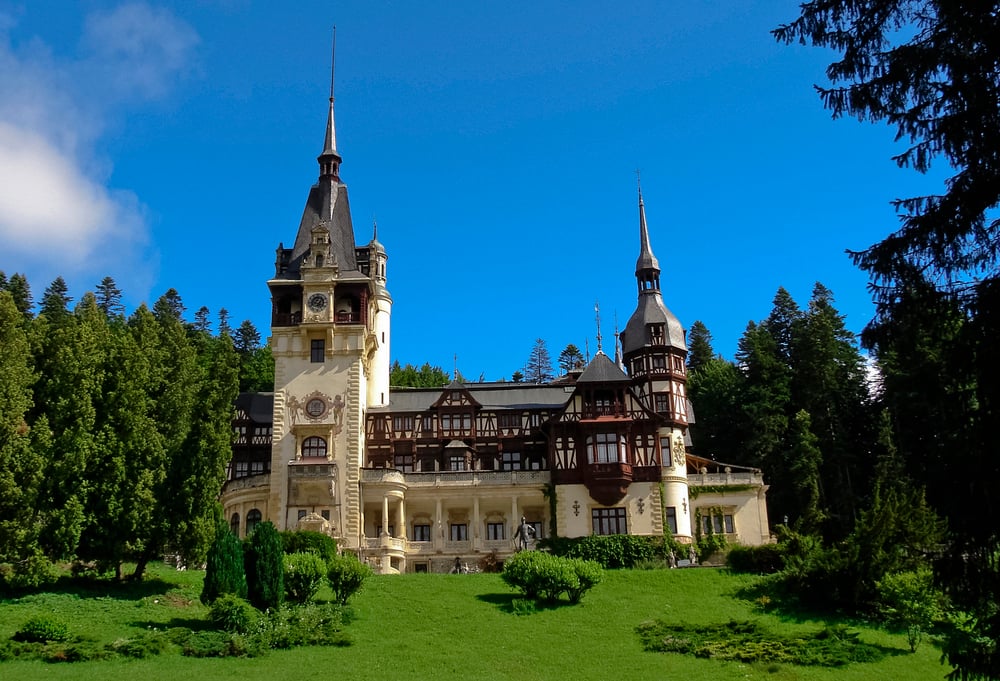
Youngest monarch ever, Romania’s king began his first rule at just five. Three years passed when another power shift removed him completely.
He came back at eighteen during tense times in 1940. Seven years split between periods on the throne added up fast.
Communists took control by 1947, leaving no room for royalty. Out went the crown, off he went into foreign lands.
Decades moved slowly while homesickness grew stronger. Finally, gray-haired and weary, he stepped again onto native soil in the nineties.
King Edward Five of England
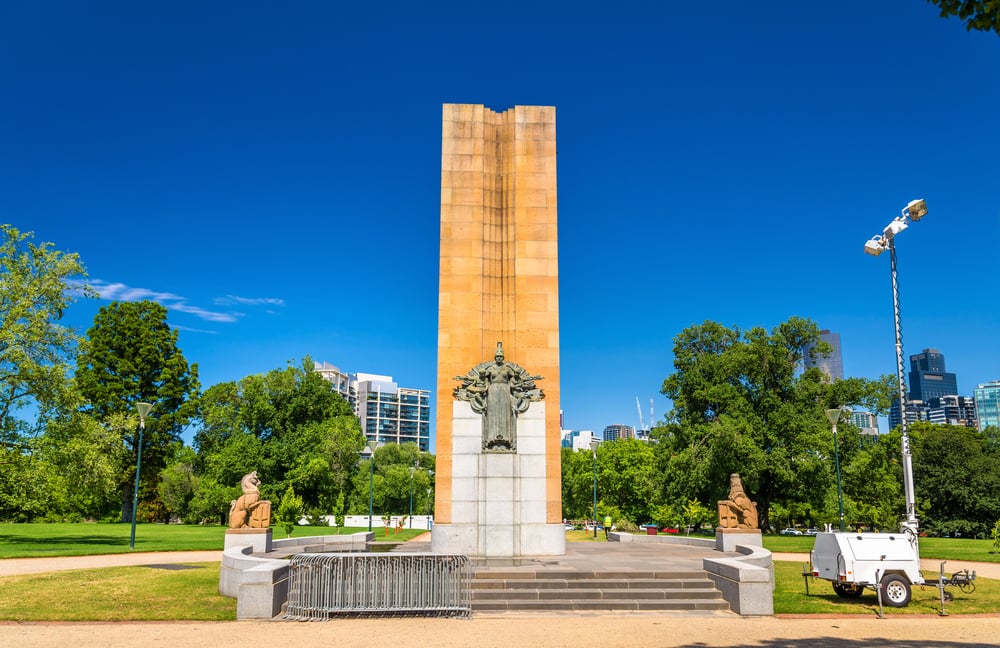
One summer in 1483, a child ruled England – just long enough for stories to remember him. Twelve years old, he wore a crown others claimed was stolen.
His uncle stepped forward, calling the boys unfit, then wore the title himself. Locked inside stone walls near the river, they faded from sight.
Decades later, bones turned up beneath stairs, wrapped in cloth. Still, no voice can say where that king truly went.
When Crowns Slip Away
Power crumbles fast, even when crowned. That shiny throne?
It never cared about your family name or how badly you wanted it. Some rulers tasted victory – then vanished before the dust settled, yanked off stage by storms they didn’t see coming.
More from Go2Tutors!

- The Romanov Crown Jewels and Their Tragic Fate
- 13 Historical Mysteries That Science Still Can’t Solve
- Famous Hoaxes That Fooled the World for Years
- 15 Child Stars with Tragic Adult Lives
- 16 Famous Jewelry Pieces in History
Like Go2Tutors’s content? Follow us on MSN.