Everyday Skills People Were Expected to Just Know
Your grandparents likely swapped a tire, stitched a button on tight, even penned a clear note – no hesitation, no second thought. Nowadays, plenty of folks turn to online clips or phone a friend when faced with chores once seen as everyday know-how.
This drift didn’t crash overnight; it seeped through slowly, nudged forward by gadgets redefining survival basics and shifting grunt work to devices or experts. Still, those quiet abilities past generations are absorbed like air – they carry weight, maybe more than we admit.
Reading a Map Without GPS

Before smartphones put navigation in everyone’s pocket, people folded and refolded paper maps until the creases wore thin. You learned to orient yourself using landmarks, street names, and that little compass rose in the corner.
Getting lost meant pulling over to study the map under a dome light, not refreshing your screen.
The skill went deeper than just following roads. People developed a mental picture of their city or region, understanding how neighborhoods connected and which routes made sense.
They could give directions based on visual cues rather than turn-by-turn instructions. “Go past the old theater, turn where the gas station used to be” worked fine when everyone shared the same geographic reference points.
Balancing a Checkbook

Banks sent monthly statements, and you reconciled them line by line with your check register. This wasn’t optional financial nerdery.
It was how you avoided bouncing checks and getting hit with fees that actually hurt. You kept a running tally of deposits and withdrawals in a little booklet that lived in your wallet or purse.
The process taught people to track their spending in real time, not just review it later through an app. You knew what you had because you wrote it down every time money moved.
When the bank statement arrived, you checked off each transaction, hunting for errors or fraudulent charges. Most people got pretty good at basic arithmetic through sheer repetition.
Writing in Cursive
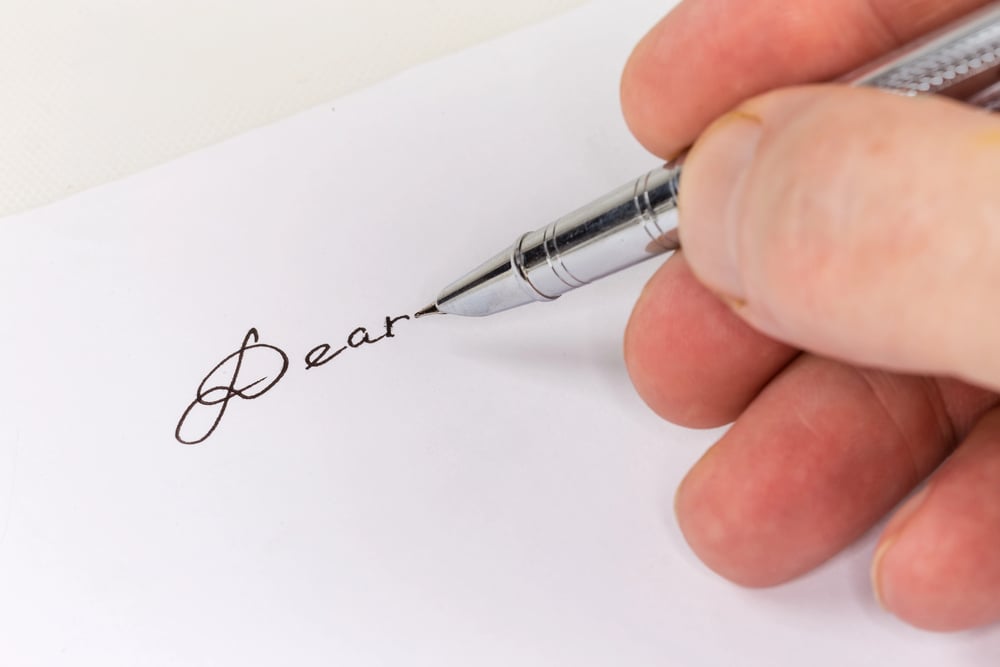
Schools drilled cursive writing for hours, and teachers expected you to use it for everything from homework to thank-you notes. The argument was that cursive was faster than printing and more mature.
Your handwriting became part of your identity, recognizable on envelopes and birthday cards.
Beyond just forming letters, people developed legible personal styles. Teachers could spot whose paper was from across the room.
Bad handwriting brought real consequences because no one could read your work. You practiced until your writing looked presentable, which meant different things to different generations but always involved some level of competence.
Using a Rotary Phone

You placed your finger in the numbered slot and rotated the dial all the way around until it stopped. Then you waited for it to return before dialing the next number.
Long phone numbers took real time, and getting one digit wrong meant starting over. No speed dial, no contacts list, just memory and practice.
People memorized important phone numbers because looking them up in a physical directory was inconvenient. You knew your own number, your parents’ number, maybe your best friend’s.
Emergency services were easy because everyone knew that pattern. The physical act of dialing created a rhythm that reinforced memory.
Basic Sewing Repairs
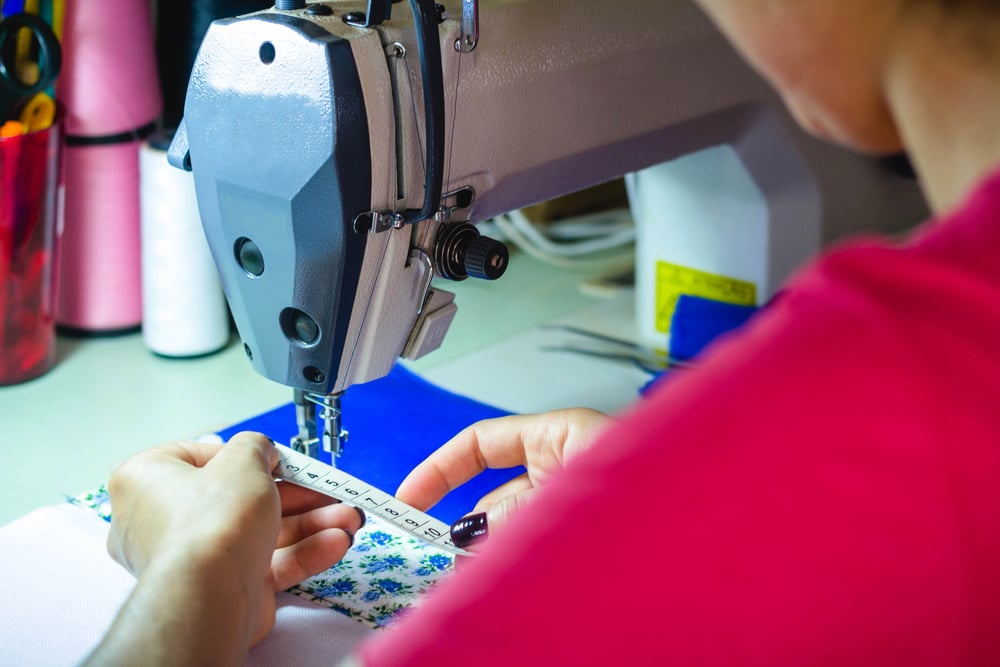
When a button fell off, you sewed it back on. When a hem came loose, you fixed it.
These weren’t special skills your grandmother possessed through magic. They were practical necessities because taking clothes to a tailor for every small problem was expensive and time-consuming.
You kept a basic sewing kit around with needles, thread in common colors, spare buttons, and maybe some safety pins. Threading a needle and making a few stitches took practice, but most people figured it out by watching someone else or just experimenting.
The stitches didn’t need to be beautiful. They needed to hold.
Starting a Fire

Not just with matches, though that was expected too. People understood how fires worked.
You needed fuel, air, and heat in the right proportions. Crumpled newspaper kindling under logs, with space for air to flow.
Starting fires in fireplaces, wood stoves, or campfires was common enough that most people had done it dozens of times by adulthood.
This extended to knowing when not to start fires. You checked which way the wind blew, whether conditions were too dry, if the chimney needed cleaning.
Fire safety wasn’t a separate topic. It was part of the same knowledge that let you build a fire in the first place.
Reading Analog Clocks

Every classroom had a round clock on the wall, and learning to tell time meant understanding how those hands moved. The big hand counted minutes, the small hand marked hours.
You learned to read them quickly enough that checking the time became automatic.
This included understanding concepts like “quarter past” and “half past” without converting everything to digital numbers. Time had a visual component.
You could glance at a clock and know roughly how much time had passed or remained. The skill connected to spatial reasoning in ways that digital displays don’t require.
Basic Car Maintenance
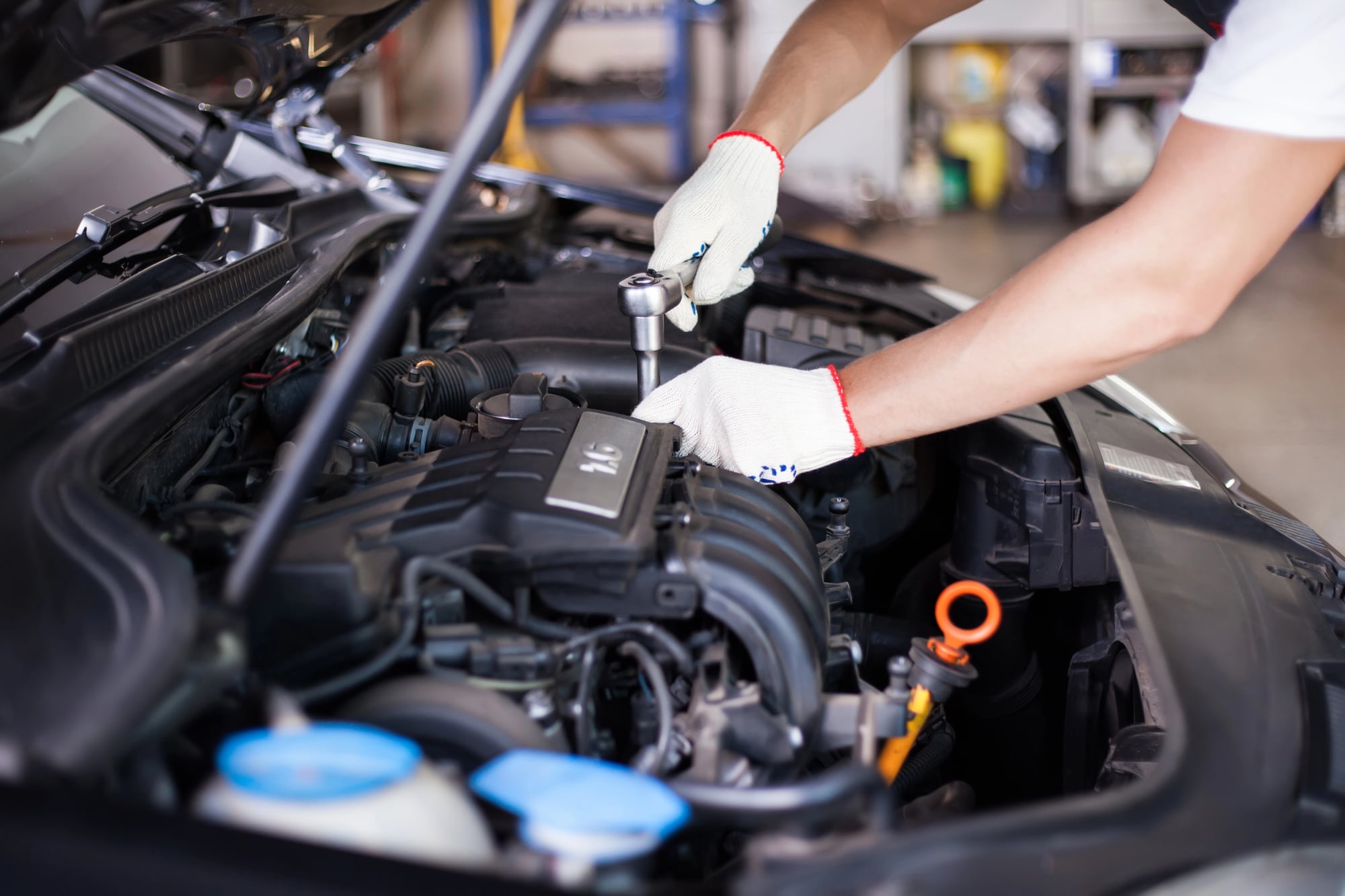
You knew how to check your oil, add windshield washer fluid, and jump-start a dead battery. These weren’t car enthusiast skills.
They were what you needed to keep a vehicle running and avoid getting stranded. Checking tire pressure, knowing when to get an oil change, recognizing weird sounds that meant something was wrong.
Many people also learned to change a tire, though that skill has faded faster than others. You kept a jack and spare tire in the trunk because flat tires happened, and cell phones weren’t around to call for help.
Getting your hands dirty was just part of owning a car.
Cooking Without Recipes

People cooked from memory and intuition more than from written instructions. They learned basic techniques by watching family members and understood how ingredients behaved.
You knew roughly how long things took to cook, what seasonings paired well, how to adjust when something went wrong.
This didn’t mean everyone was a great cook. It meant most people could prepare basic meals without looking anything up.
They understood ratios and could estimate measurements. Cooking was a daily task, not a special event requiring detailed instructions for every step.
Writing Formal Letters

You knew how to structure a proper letter with a date, greeting, body, and closing. Business letters followed specific formats that people learned in school and used throughout their lives.
Even personal letters had conventions about tone and organization.
This included understanding when formal writing was appropriate versus casual. You adjusted your language for different audiences and purposes.
Handwritten letters required planning because you couldn’t easily delete and rewrite. People thought through what they wanted to say before putting pen to paper.
Using a Library Card Catalog
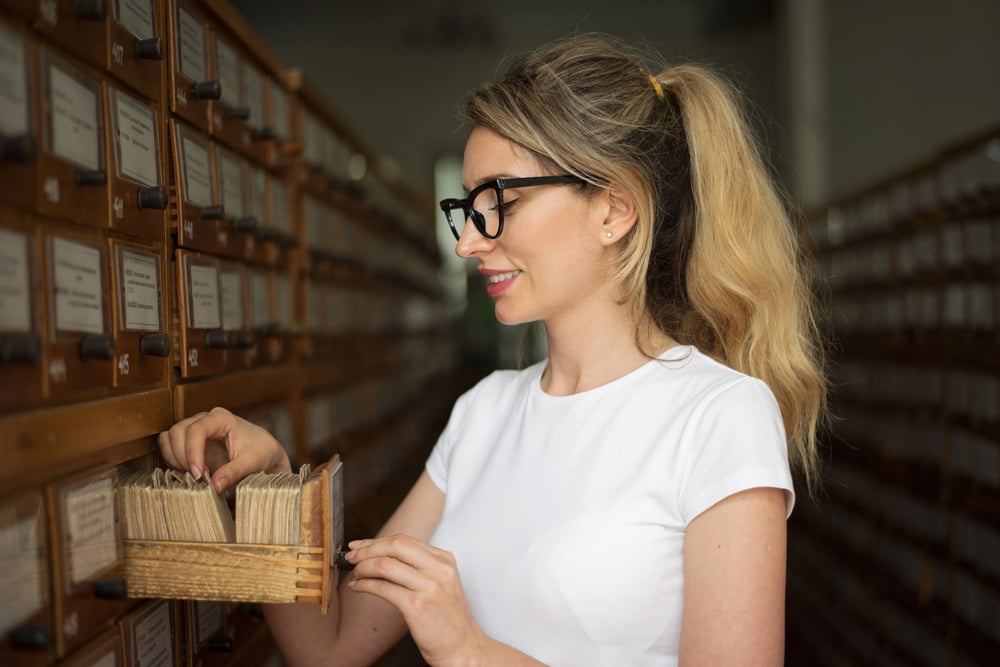
Those wooden drawers full of index cards organized knowledge before computers took over. You looked up books by author, title, or subject using a system that made sense once you understood it.
The Dewey Decimal System wasn’t just for librarians. Regular library users knew that 500s meant science, 900s meant history.
Finding information required knowing how to search and where to look. You moved between different sections of the library, checked reference books, used encyclopedias.
Research meant physical effort, not just typing into a search box. The skill included patience and systematic thinking.
Basic Home Repairs

You fixed things around the house yourself because calling a repair person for every small problem was expensive. Unclogging drains, replacing light fixtures, patching small damages in walls.
These tasks required some tools and willingness to figure things out, but most people managed.
This knowledge included knowing your limits. You attempted the repairs you understood and called professionals for the complicated or dangerous stuff.
Experience taught you which problems you could handle. The line between DIY and professional help was clearer because people had actually tried fixing things themselves.
Making Change in Your Head

Before digital registers calculated change automatically, store clerks counted it out by hand. Customers checked the math mentally.
Quick arithmetic wasn’t just for school. It was part of handling money in daily life.
You added prices, calculated tips, figured out if you had enough cash for your purchases.
People got fast at mental math through constant practice. You rounded numbers, used shortcuts, estimated totals while shopping.
This connected to the checkbook balancing habit. Managing money meant doing math regularly, and most people developed decent skills through necessity.
What Changed and What Stayed
These skills faded not because people became less capable but because the world stopped requiring them. Technology automated some tasks, made others obsolete, and changed what knowledge we needed to function.
A person who can navigate using GPS isn’t worse than someone who reads maps. They’re just operating in a different context.
But something shifted in how we think about competence. Previous generations assumed certain baseline skills because you needed them to get through the week.
Now we can specialize more, relying on tools and services to fill gaps. That brings advantages. It also means we’re less self-sufficient in some ways that used to matter.
The skills themselves aren’t worth romanticizing. Most of them were tedious when they were necessary.
Yet they created a different relationship with the physical world and with problem-solving. You expected to handle basic challenges yourself because there wasn’t always an easier option waiting in your pocket.
The Confidence Gap
What stands out isn’t merely the lost abilities, yet the quiet change in what we expect. Back then, folks believed learning came from stumbling forward – attempt, misstep, adjust, repeat.
These days, we lean into guides or those who know, almost without pause, especially since so much feels tangled beyond reason.
Yet in the middle of this change, we let go of tolerating short-term clumsiness when picking up fresh challenges. Earlier folks weren’t born sharper at doing these things.
They simply spent more time pushing through discomfort while working stuff out – since that’s what life demanded. Abilities grew on their own through doing them again and again, while each person stumbled forward at once.
The world keeps shifting. Outdated abilities fade as fresh ones take their place.
Yet expecting someone to face simple hurdles alone – without instant support or flawless guidance – is something to weigh. Not due to nostalgia for past methods, rather because skill grows from doing.
Every little piece you uncover eases the weight of what comes after. The understanding stays, long after the details fade.
More from Go2Tutors!

- The Romanov Crown Jewels and Their Tragic Fate
- 13 Historical Mysteries That Science Still Can’t Solve
- Famous Hoaxes That Fooled the World for Years
- 15 Child Stars with Tragic Adult Lives
- 16 Famous Jewelry Pieces in History
Like Go2Tutors’s content? Follow us on MSN.