Favorite Food Of 15 Historical Figures
The history books record the battles, the speeches, the discoveries, and the catastrophes. They rarely mention what someone ordered for dinner.
But food is one of the most revealing things about a person — what they craved, what they refused to eat, what they demanded no matter where they were in the world. These fifteen figures all left behind surprisingly specific records of what they loved to eat, and in most cases, it says something about who they were.
Napoleon Bonaparte — Chicken Marengo
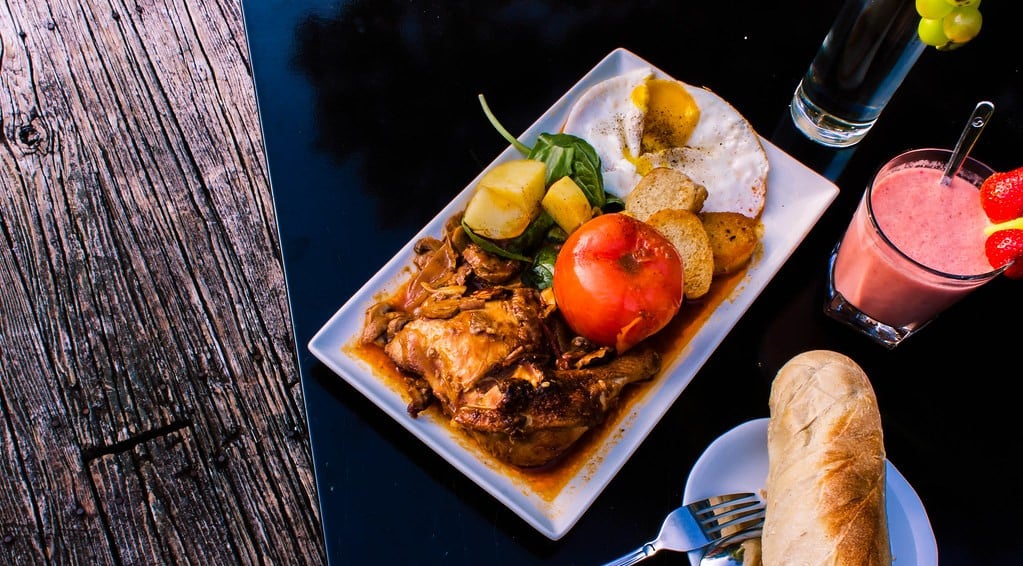
Napoleon was notoriously indifferent to food. He ate quickly, rarely finished a meal, and had little patience for long dinners. But one dish became closely associated with him: Chicken Marengo, a braised chicken dish prepared by his chef after the Battle of Marengo in 1800.
The story goes that the supply wagons hadn’t arrived and the chef foraged what he could — chicken, tomatoes, crawfish, eggs, and olive oil. Napoleon apparently enjoyed it so much that he demanded it be made after every subsequent victory.
Whether the full story is accurate or embellished over time, the dish exists to this day under his name.
Thomas Jefferson — Macaroni and Cheese
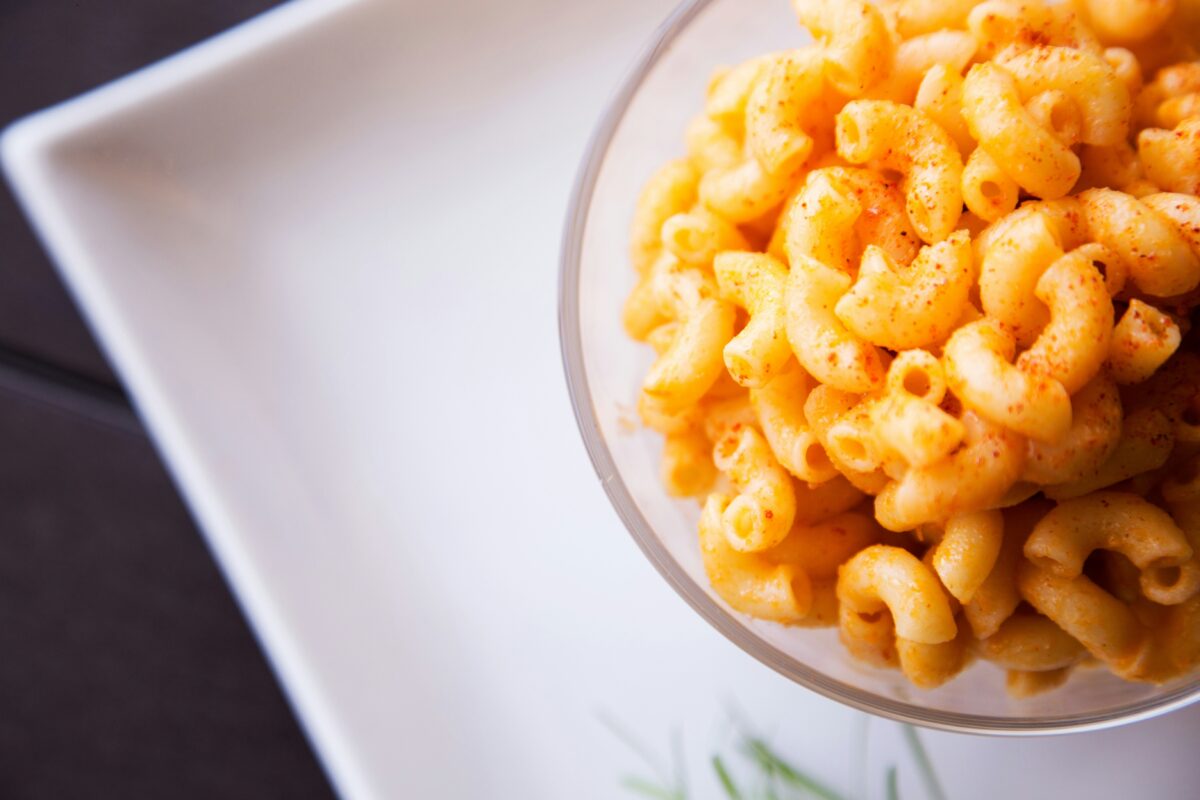
Jefferson encountered macaroni and cheese during his time as ambassador to France and became genuinely enthusiastic about it. He brought a pasta machine back to Monticello and served macaroni dishes at White House dinners, which helped introduce the dish to American fine dining.
He also brought vanilla ice cream, french fries, and waffles back from France. Jefferson’s table was a direct result of his travels and his curiosity, and his enthusiasm for macaroni specifically helped establish a dish that would eventually become one of the most consumed comfort foods in the United States.
Charles Darwin — Exotic Meat
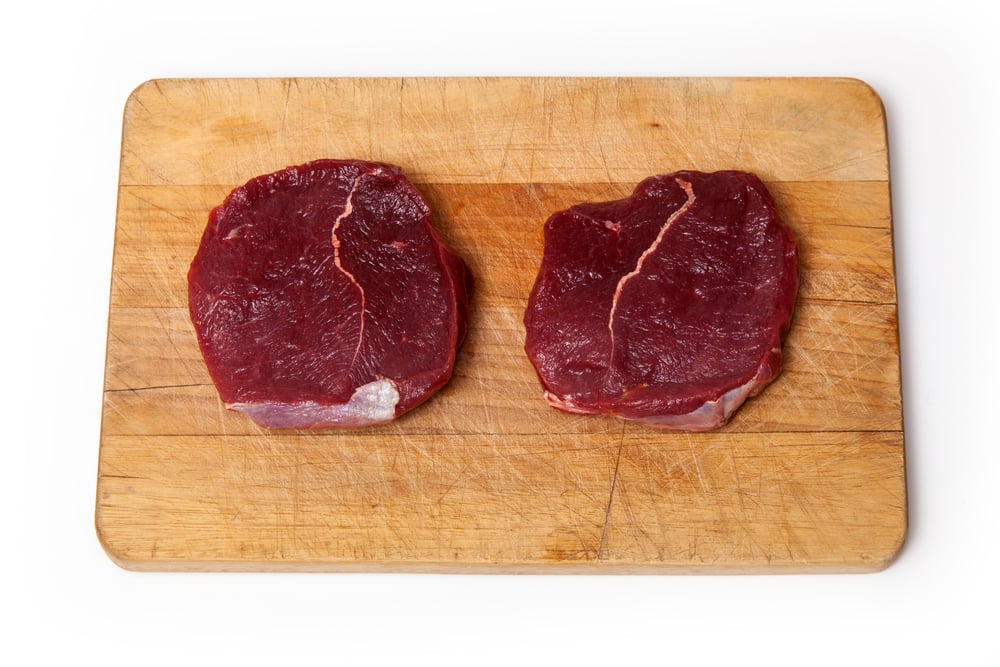
Darwin’s appetite ran in a specific direction: he wanted to eat things other people hadn’t. As a student at Cambridge, he founded the Glutton Club — a group dedicated to consuming animals not normally on the British menu.
They worked through owls, hawks, and bitterns before disbanding, the bittern reportedly being too tough to continue. On the Beagle voyage, he ate armadillo, puma, and giant tortoise, describing the last as delicious.
His willingness to consume almost anything was connected to genuine scientific curiosity, but it’s also clear he enjoyed the novelty. The man who theorized on the origin of species wanted to taste as much of it as possible.
Queen Victoria — Roast Beef and Potatoes
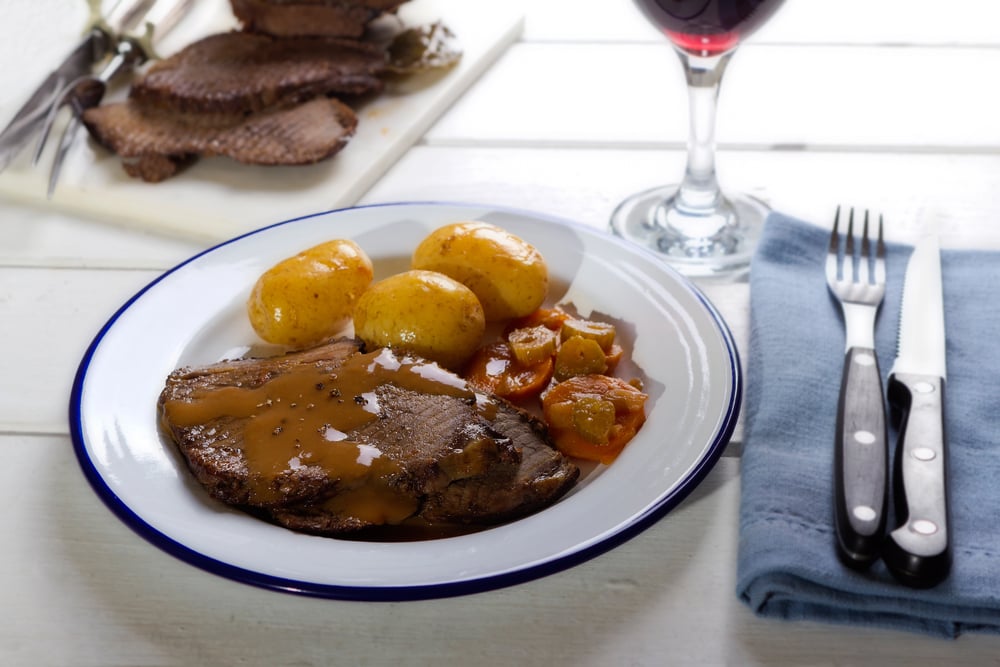
Victoria’s favorite meal was straightforward to the point of being unremarkable: roast beef with potatoes. She ate quickly — notoriously quickly — and courtly etiquette dictated that plates were removed when the monarch finished, which meant anyone eating with her often went hungry.
She had a particular weakness for potatoes in almost any form and ate them at most meals. Later in her reign she developed a fondness for Scotch broth and game from the Balmoral estate.
For a woman who ruled a quarter of the world, her tastes were resolutely, almost defiantly plain.
Adolf Hitler — Chocolate Cake
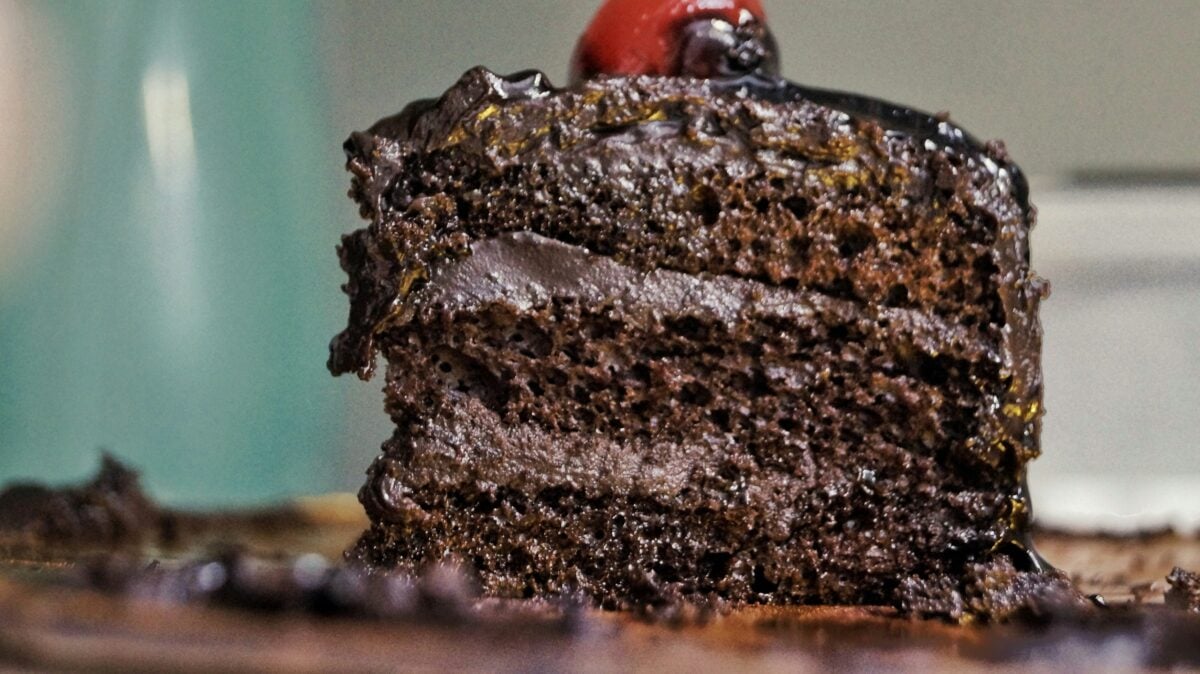
Hitler was a vegetarian for most of his adult life, driven partly by health concerns and partly by a genuine aversion to the idea of eating animals after his pet canary was killed by a cat in childhood. He avoided meat, though he occasionally ate liver dumplings and Bavarian sausages in earlier years.
What he couldn’t resist was sugar. His private physician noted his extraordinary consumption of chocolate cake and other sweets.
He would eat cake at almost any time of day, added excessive amounts of sugar to already sweet foods, and had a specific fondness for a dark chocolate and marzipan cake served at his preferred Viennese café. His sugar intake alarmed the people around him.
Winston Churchill — Oysters and Champagne
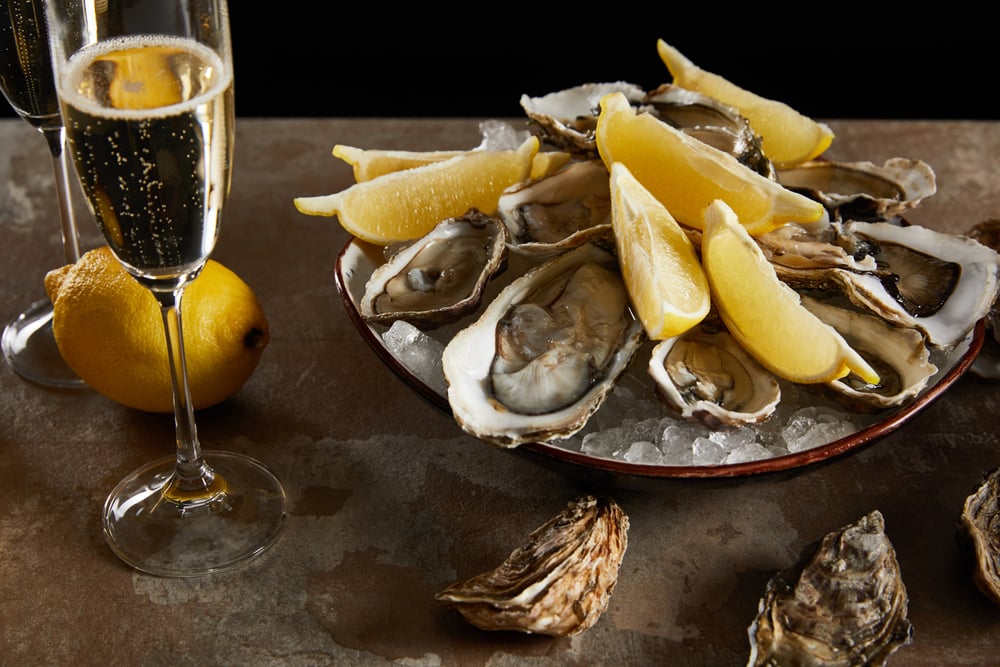
Churchill’s relationship with food and drink was one of enthusiastic excess. He ate oysters whenever possible, consumed large quantities of brandy and Champagne throughout the day — starting, famously, before most people had finished breakfast — and was particularly fond of roast beef and English mustard.
He kept a strict rule about mealtimes aboard warships and in wartime meetings: food was not to be delayed on his account under any circumstances. He could conduct entire strategy sessions while eating.
Champagne was described by him not as an indulgence but as a necessity, and the volume he consumed over a lifetime was genuinely staggering.
Marilyn Monroe — Stuffed Mushrooms
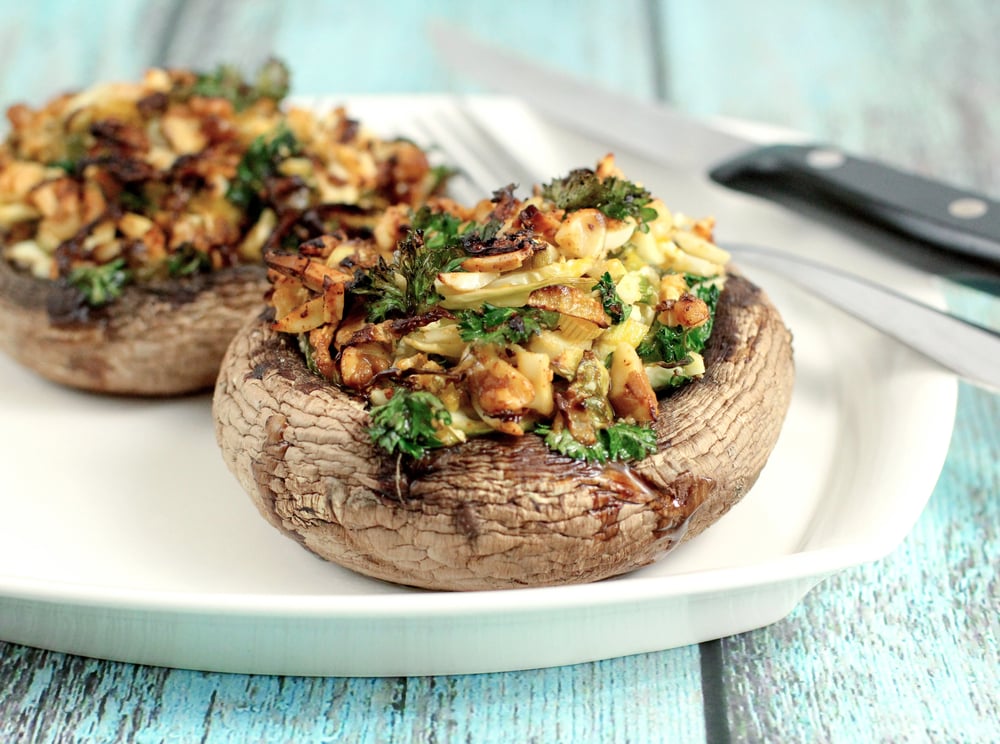
Monroe’s diet was recorded in unusual detail by a journalist in 1952, who published an account of a typical day of eating that included raw eggs beaten into warm milk for breakfast and a dinner of broiled liver, lamb chops, or steak with carrots.
But her genuine favorite, recorded in several accounts from people who cooked for her, was stuffed mushrooms. She made them herself and served them to guests.
The domestic, careful preparation of a delicate dish sat oddly against her public image, which was exactly the point — the woman in the kitchen was nothing like the woman on the poster.
Julius Caesar — Asparagus with Butter
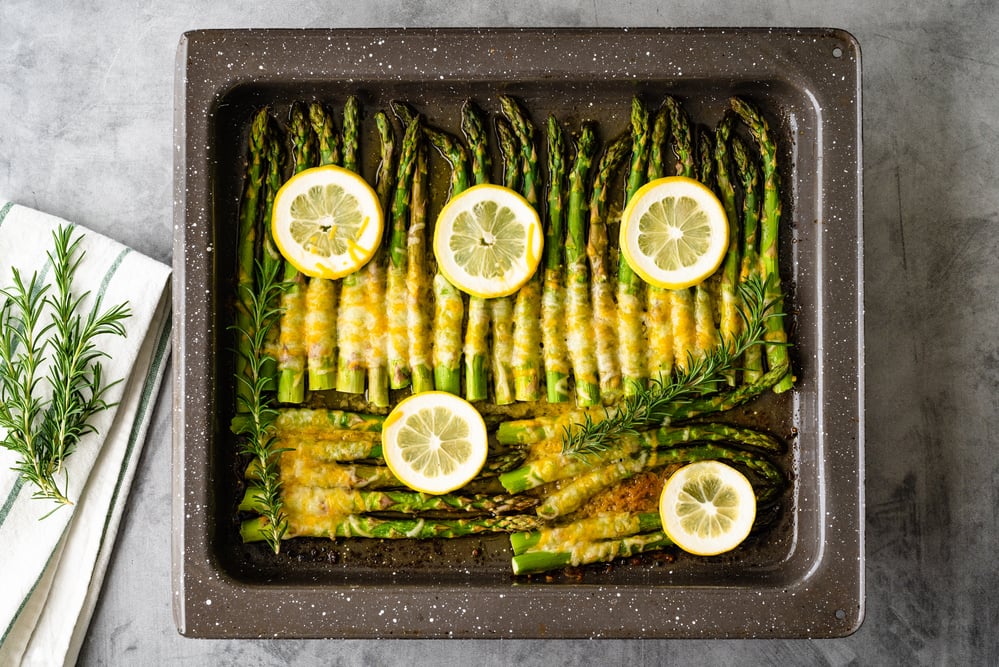
A story preserved by the Roman writer Suetonius describes Caesar once being served asparagus dressed with myrrh — an aromatic resin — rather than the butter he expected. His reaction was mild: he ate it without complaint and reportedly told his companions that they should be willing to eat whatever was put in front of them without making a fuss.
The anecdote reveals the preference by implication. Caesar ate asparagus often enough and specifically enough that the substitution of the dressing was notable.
Asparagus with butter was Roman comfort food for the ruling class, and Caesar apparently wanted his the proper way.
Benjamin Franklin — Corn and American Produce
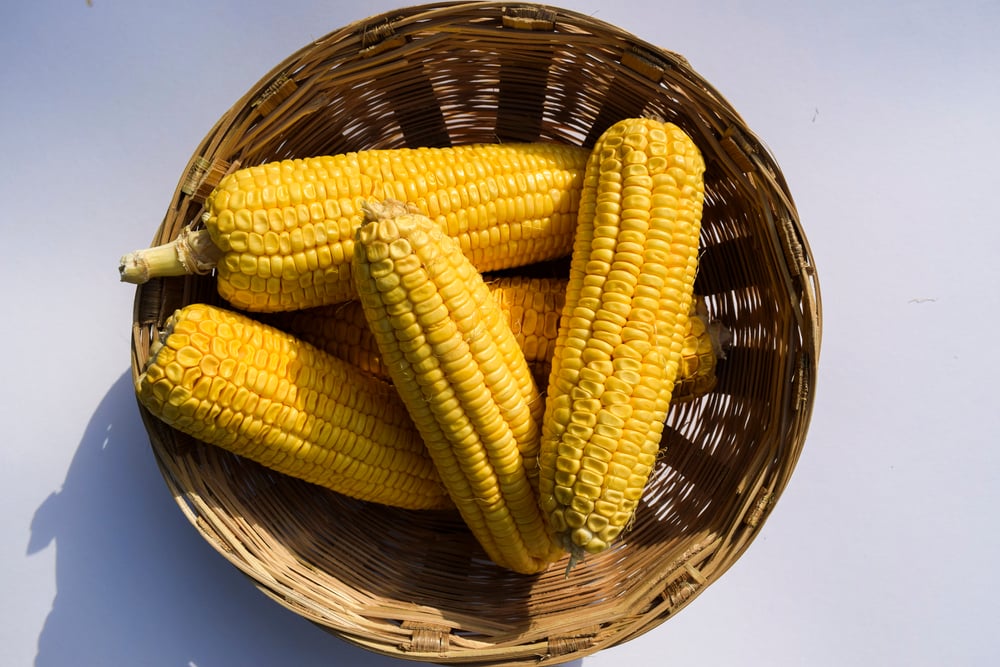
Franklin spent years living in France and England as a diplomat, surrounded by elaborate cuisine. His actual preferences kept returning to American staples.
He wrote warmly about corn in multiple letters, advocating for its virtues to European correspondents and describing American cornbread and hominy as underrated. He was one of the first Americans to promote local produce as a cultural matter of identity.
He also enjoyed Madeira wine to a degree that concerned his doctor. But corn — unglamorous, colonial, distinctly American — was what he came back to.
He wrote about it the way people write about the food of their childhood.
Cleopatra — Honey and Fenugreek
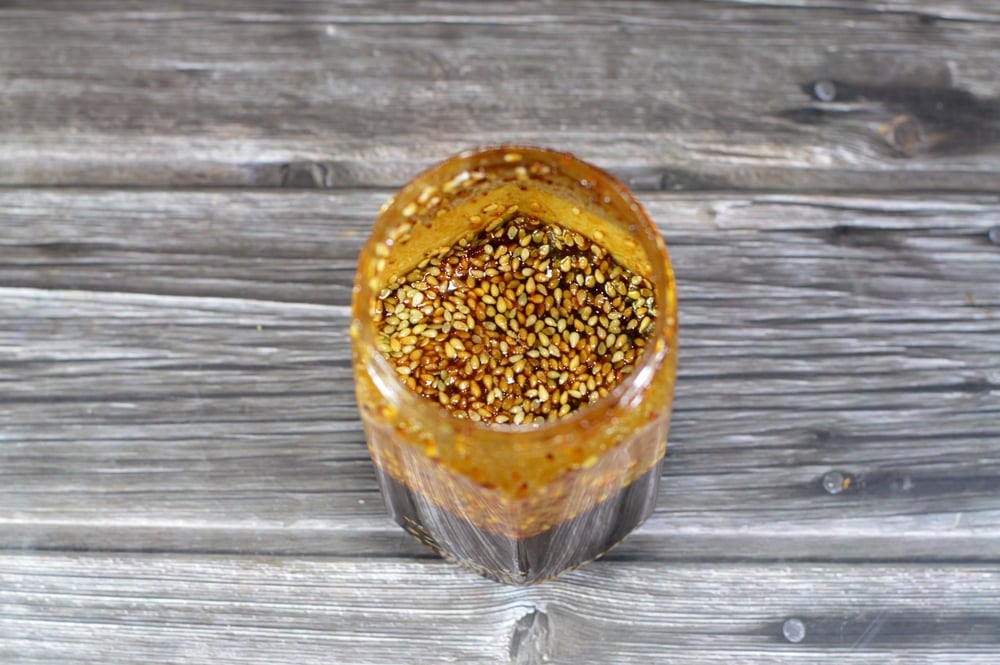
Ancient sources and modern analysis of Egyptian texts give a reasonably detailed picture of elite Ptolemaic dining. Cleopatra, like other members of the royal court, would have eaten dishes built around honey, fenugreek, figs, lentils, and heavily spiced meats.
Honey featured in everything from savory sauces to medicinal preparations. She was also documented as being deeply interested in the pharmacological properties of food and plant compounds.
Several ancient accounts describe her conducting experiments — not always benign ones — on food and its effects. Her interest in what she consumed was both pleasurable and scientific.
Abraham Lincoln — Gingerbread Men
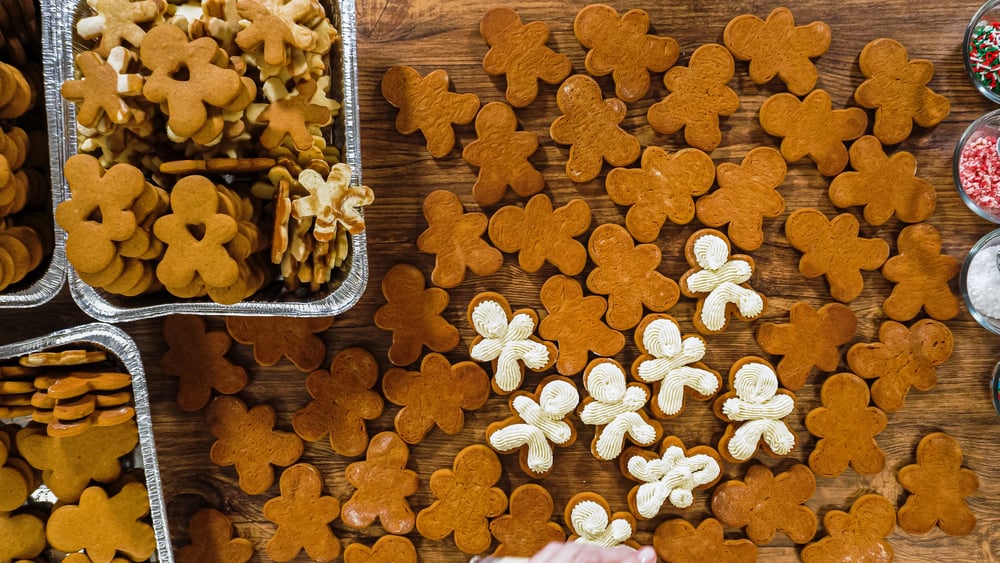
Lincoln’s early childhood in a Kentucky log cabin was marked by genuine poverty, and the foods of that period stayed with him. He was famously uninterested in elaborate meals as president, to the frustration of White House kitchen staff who prepared dishes he often barely touched.
What he did love, from childhood onward, was gingerbread. His mother made gingerbread men, and Lincoln recalled them specifically and with warmth in several accounts.
They were simple and sweet and connected to something in him that the elaborate state dinners never reached. He was known to eat them in his office during the war years.
Frida Kahlo — Black Bean Tamales and Mole
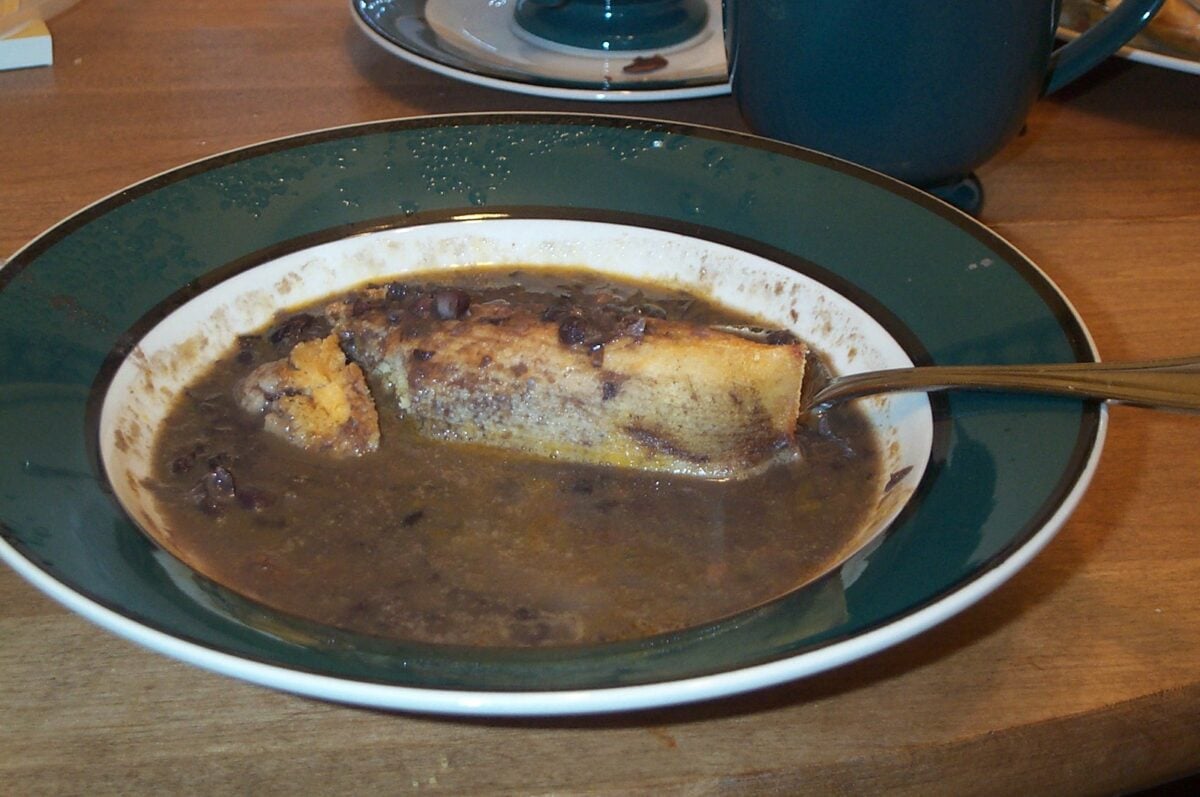
Kahlo was passionate about Mexican food in a way that was explicitly political. She rejected European cuisine and served traditional Mexican dishes at her home, La Casa Azul, as a deliberate statement about cultural identity.
Her kitchen in Coyoacán is preserved and documented, and her recipes were recorded by people who ate with her. Her absolute favorites were black bean tamales and mole negro — the complex dark sauce from Oaxaca that takes days to prepare properly.
She made a point of serving these dishes to foreign visitors who might have expected something more internationally palatable. The food was the message.
King Henry VIII — Roasted Meats and Marchpane
Henry’s appetite has become legendary, and the historical record largely supports the popular image. He consumed enormous quantities of roasted meats — venison, boar, and beef especially — and the royal kitchens at Hampton Court were specifically designed to feed hundreds of people multiple times a day.
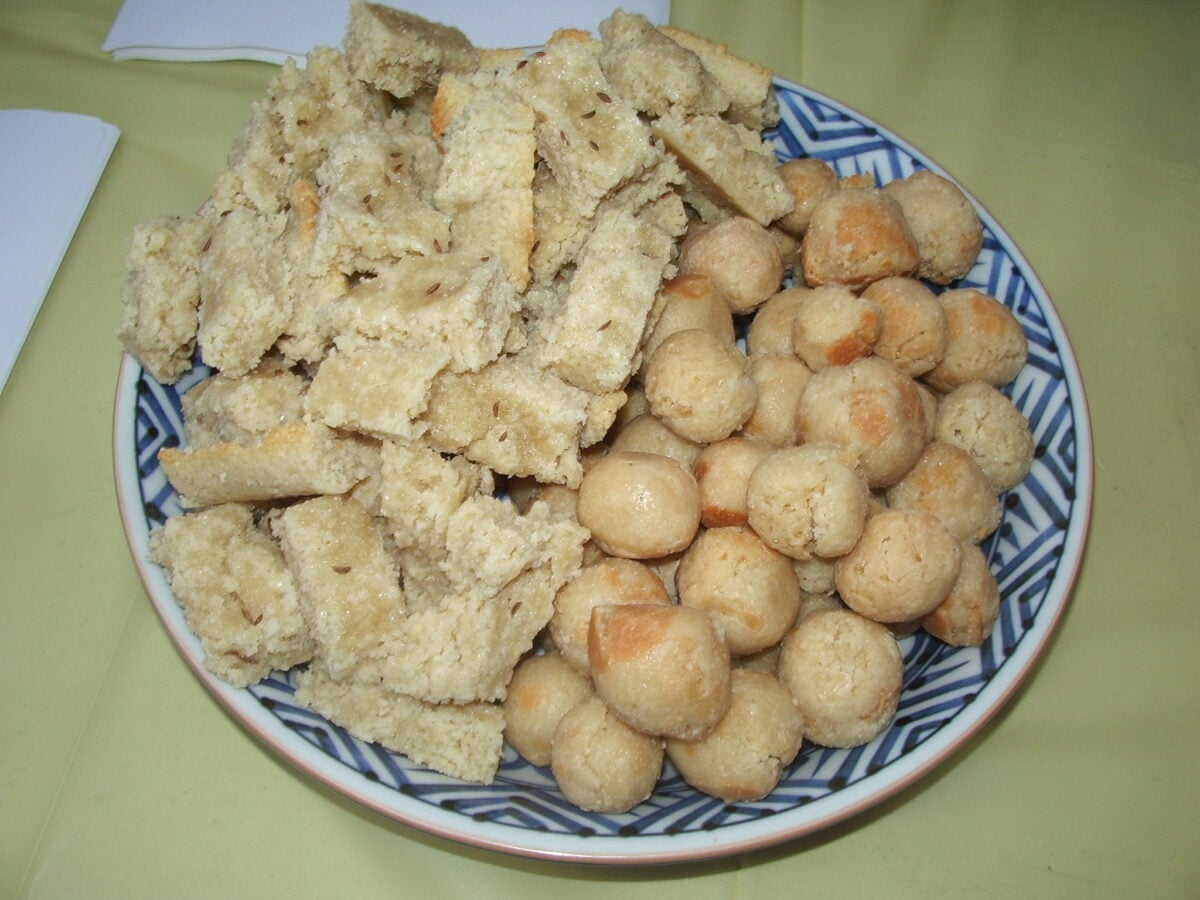
His true weakness was marchpane, the early English version of marzipan. Elaborate marzipan sculptures were created for royal banquets and Henry ate them with notable enthusiasm.
His girth in later life was partly the result of reduced physical activity following a jousting injury in 1536, but his lifelong relationship with sugar was a contributing factor.
Albert Einstein — Spaghetti
Einstein’s dietary habits were simple and repetitive by choice. He disliked elaborate meals and could eat the same thing for days without concern.
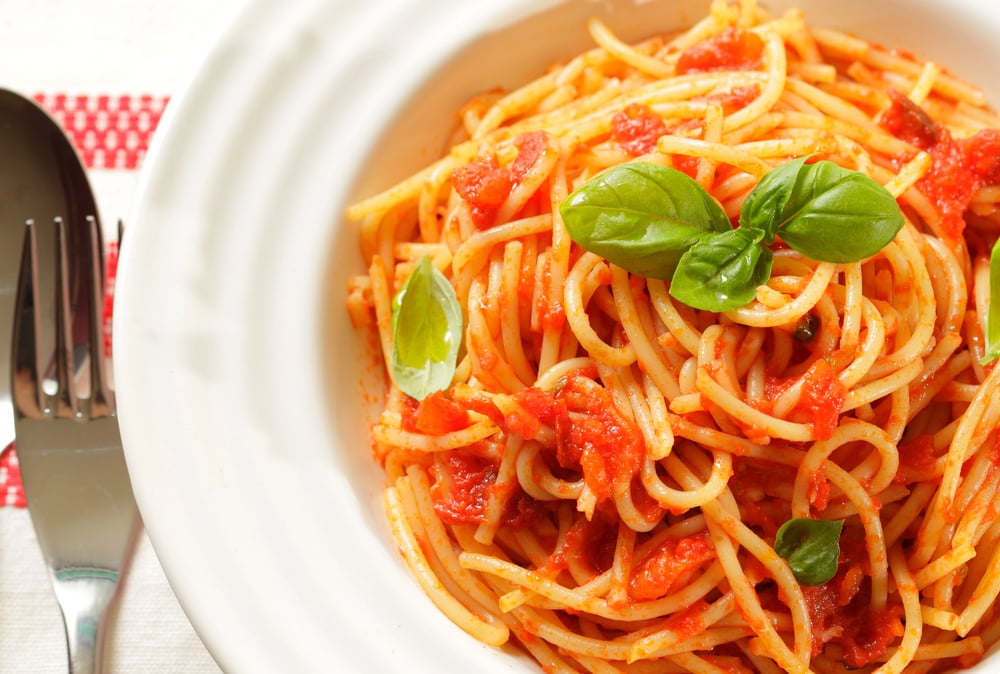
His genuine favorite, confirmed by family members and people close to him, was spaghetti — particularly with a simple tomato sauce. He also had a deep fondness for mushrooms, which appeared in many of his preferred dishes.
His approach to food mirrored his approach to clothing: he wore the same types of things repeatedly to eliminate the mental overhead of deciding. Spaghetti was reliable, satisfying, and required no particular thought.
For a man who spent his mental energy elsewhere, that apparently mattered.
Nikola Tesla — Honey and Vegetable Juice
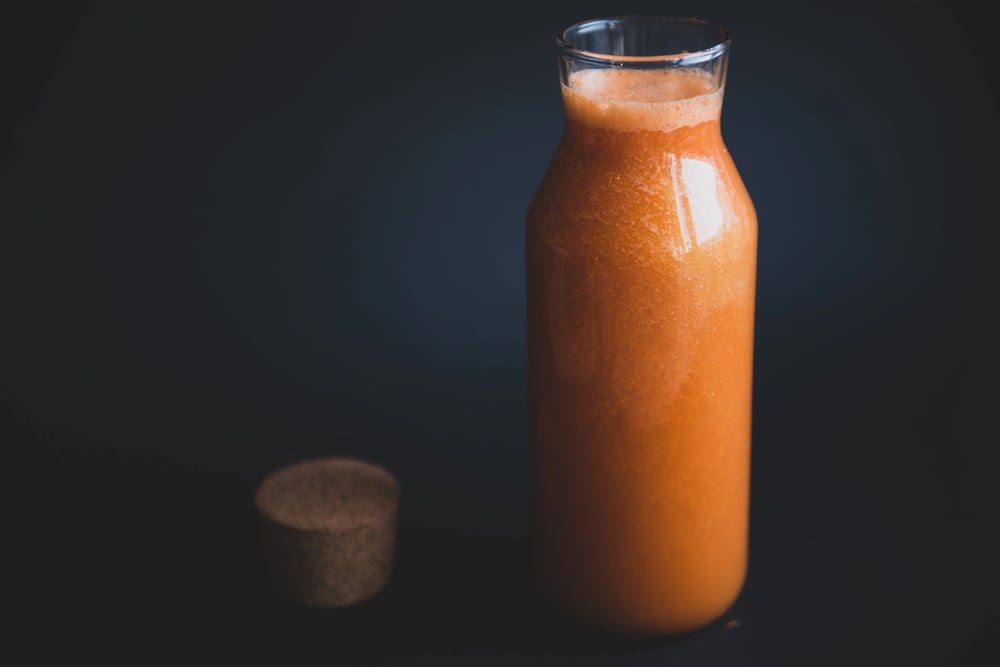
Tesla’s diet became increasingly restrictive and eccentric as he aged. He was a devoted vegetarian in his later years, eventually reducing his diet to honey, vegetable juices, and warm milk.
He developed an intense aversion to anything he considered excessive or overly stimulating. Earlier in life he had enjoyed a broader range of foods and was particularly fond of honey, which he consumed in large quantities and believed had medicinal and restorative properties.
He wrote about honey in almost reverential terms. The man who designed the modern electrical grid had strong opinions about bees.
What Gets Left Off the Menu
Someone always forgets the soup. History keeps tallies of empires raised, walls torn down, names etched into stone or erased by wind.
Love letters survive in pockets; battle scars get mapped on monuments. But dinner? Rarely gets remembered – unless it was poison.
A bite reveals what paperwork never could. Comfort hid in certain flavors.
Roots showed up in familiar dishes. Secret cravings surfaced late at night.
Butter, not myrrh – that was Caesar’s real choice. Far into the night, Lincoln chewed slowly on a piece of gingerbread at his desk while war raged outside.
Curiosity drove Darwin to taste whatever crossed his path, one bite at a time. Finding it takes knowing just where to check.
More from Go2Tutors!

- 16 Historical Figures Who Were Nothing Like You Think
- 12 Things Sold in the 80s That Are Now Illegal
- 15 VHS Tapes That Could Be Worth Thousands
- 17 Historical “What Ifs” That Would Have Changed Everything
- 18 TV Shows That Vanished Without a Finale
Like Go2Tutors’s content? Follow us on MSN.


