How algae is helping to fight climate change
Climate change has become one of the biggest challenges our planet faces today. Rising temperatures, extreme weather events, and increasing carbon dioxide levels threaten life as we know it.
But nature might have provided us with a simple yet powerful solution that has been around for billions of years. Algae, those green organisms that float in ponds and coat rocks at the beach, are turning out to be climate warriors in ways that scientists are just beginning to understand.
Let’s explore how these tiny green heroes work their climate-fighting powers. From capturing carbon faster than trees to producing clean fuel, algae offer hope for a cooler planet.
Carbon capture champions
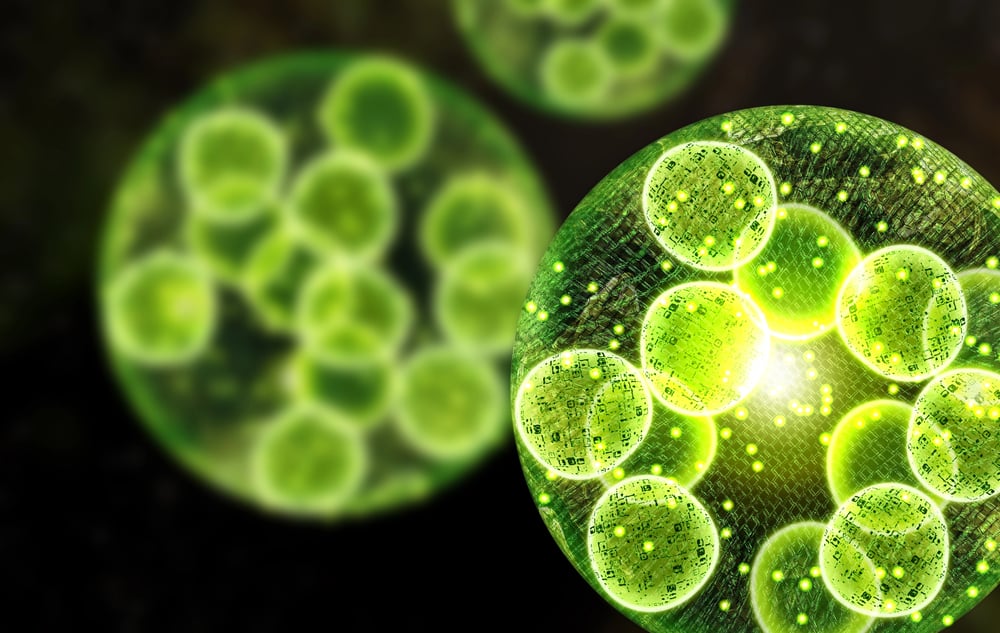
Algae can remove CO2 from the atmosphere up to 400 times more efficiently than trees when used with modern technology. This remarkable ability comes from their photosynthesis process, which works much faster than that of larger plants.
Unlike trees that take years to grow, algae multiply quickly and start capturing carbon right away. Their small size means they have a larger surface area compared to their volume, making them incredibly effective at absorbing CO2 from their surroundings.
Biofuel production powerhouses
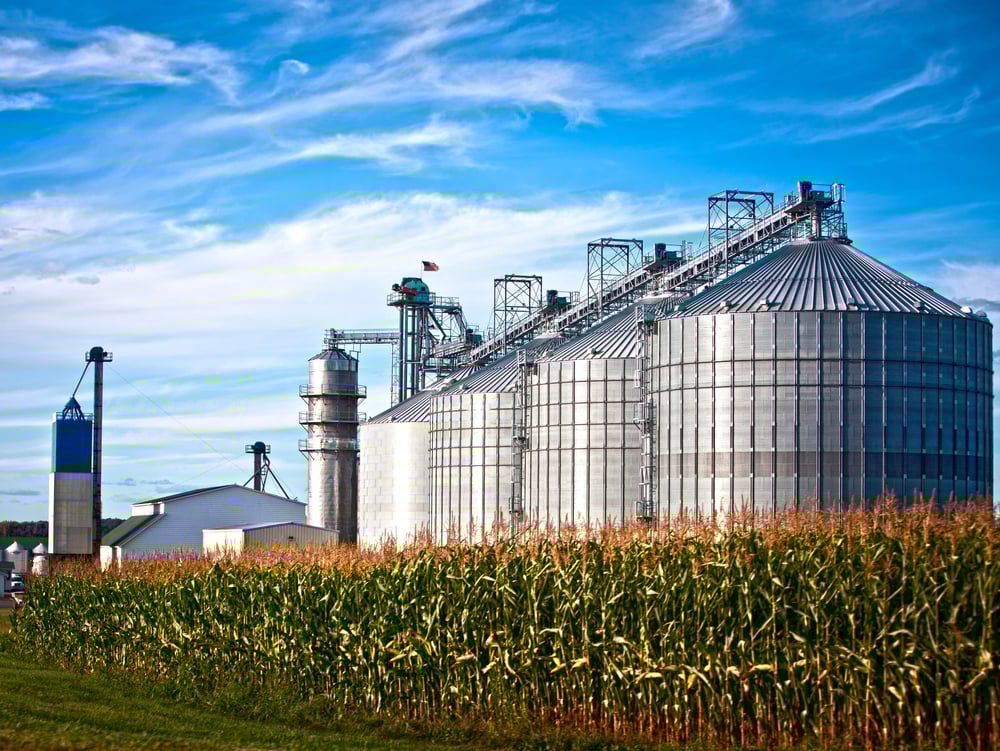
When algae grow, they absorb carbon dioxide during photosynthesis and convert it into organic matter that can be used to produce biofuels. These biofuels can replace petroleum-based fuels in cars, planes, and ships.
The process creates a circular system where carbon gets captured from the air, stored in algae, and then released again when the fuel burns. However, algae-based systems could capture approximately 80% of the CO2 emitted from a power plant when sunlight is available.
Ocean cleanup crews
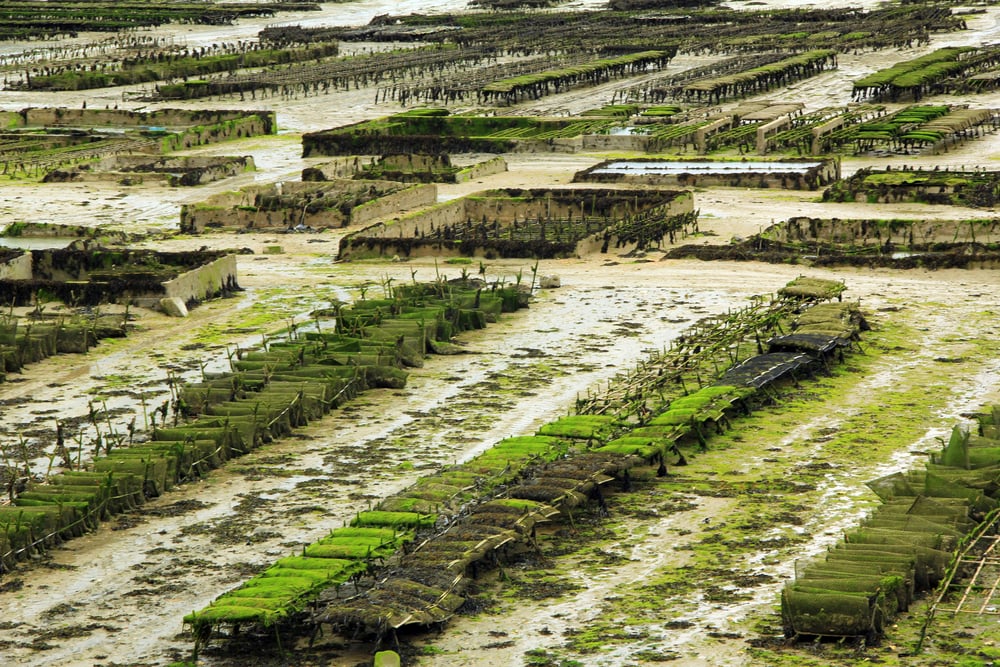
Marine algae play a crucial role in keeping our oceans healthy while fighting climate change. In the water, algae provide safe habitats for sea creatures while absorbing gases and nutrients like carbon dioxide, nitrogen, and phosphorus.
Large seaweed farms can absorb massive amounts of carbon from ocean water. When these algae die and sink to the ocean floor, they take that carbon with them, storing it away from the atmosphere for long periods.
Industrial air purifiers
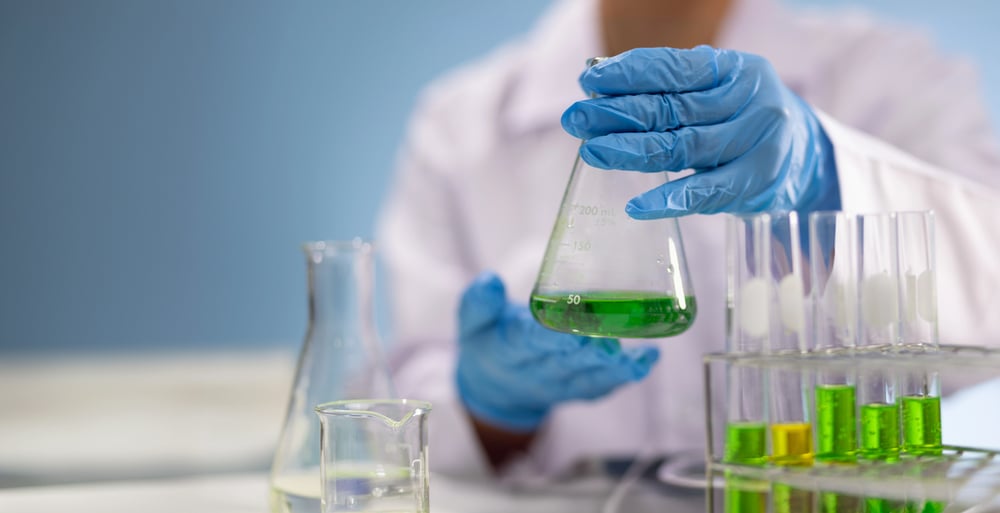
Many factories and power plants are now using algae systems to clean their emissions. Some companies have installed bioreactors that can capture 100 tons of CO2 per year using algae grown in controlled environments.
These systems work like living air filters, constantly eating up the harmful gases that would otherwise escape into the atmosphere. The best part is that the algae grown this way can then be harvested and turned into useful products.
Rapid growth advantage
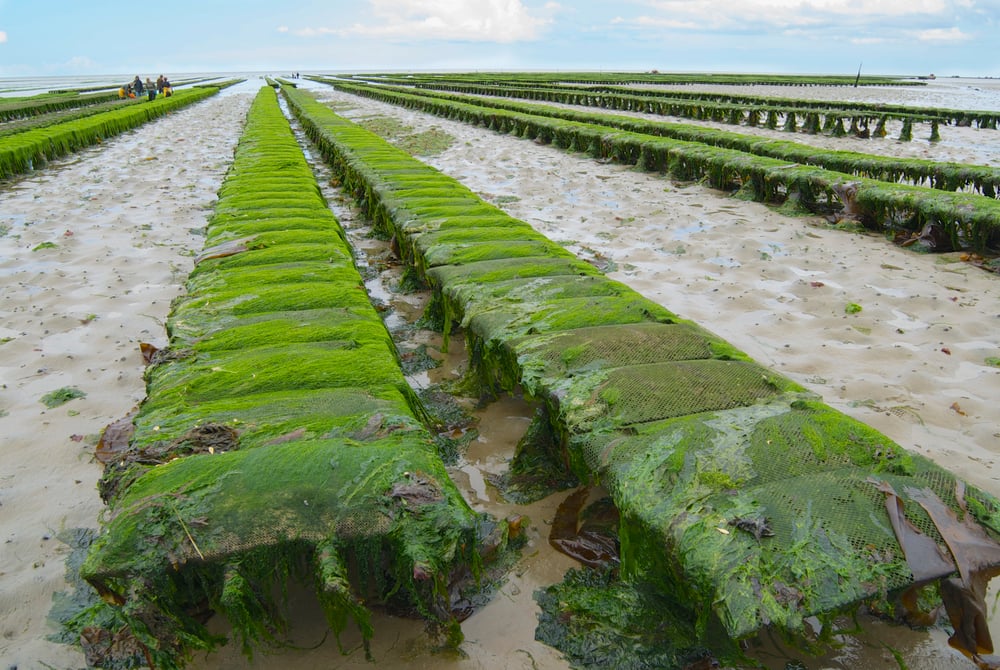
One of the biggest advantages algae have over other plants is their incredible growth speed. While trees take decades to mature, certain types of algae can double their weight in just 24 hours under the right conditions.
This means they can start removing carbon from the atmosphere almost immediately after being planted. Their fast growth also means they can be harvested frequently, providing a steady supply of biomass for various uses.
Oxygen production heroes
Beyond capturing carbon, algae are also fantastic oxygen producers. Every molecule of CO2 they absorb gets converted into oxygen through photosynthesis.
Marine algae produce about 70% of the oxygen we breathe, making them essential for life on Earth. By growing more algae, we not only remove harmful carbon but also increase the oxygen levels in our atmosphere.
Water treatment workers

Algae can clean up polluted water while fighting climate change at the same time. They absorb nutrients like nitrogen and phosphorus that cause harmful algae blooms in lakes and rivers.
Some wastewater treatment plants now use algae to clean sewage water while producing biomass that can be turned into fuel. This creates a win-win situation where water gets cleaner and carbon gets captured.
Food production potential

As algae capture carbon, they also create protein-rich biomass that can feed both humans and animals. Some types of algae contain more protein per gram than beef or chicken.
Large-scale algae farms could provide sustainable protein sources while removing carbon from the atmosphere. This could help reduce the climate impact of traditional farming, which produces significant greenhouse gas emissions.
Plastic replacement possibilities

Scientists are developing ways to turn algae into biodegradable plastics that could replace petroleum-based materials. Algae-driven carbon capture and manufacturing offer the potential for reducing CO2 emissions while producing commodities such as bioplastics.
These algae-based plastics break down naturally in the environment, unlike regular plastics that can last for hundreds of years.
Medicine and supplement sources

While fighting climate change, algae also produce compounds used in medicines and health supplements. Many algae species contain omega-3 fatty acids, vitamins, and antioxidants that benefit human health.
This dual purpose makes algae farming more economically viable, as farmers can sell both carbon credits and health products from the same crop.
Atmospheric carbon removal
Recent research shows that just one kilogram of cultivated algal biomass can remove about 1.83 kg of CO2 from the atmosphere. This means algae actually remove more carbon than their own weight, making them incredibly efficient carbon-fighting tools.
Large-scale algae farms could potentially remove billions of tons of carbon from the atmosphere each year.
From ancient organisms to modern solutions
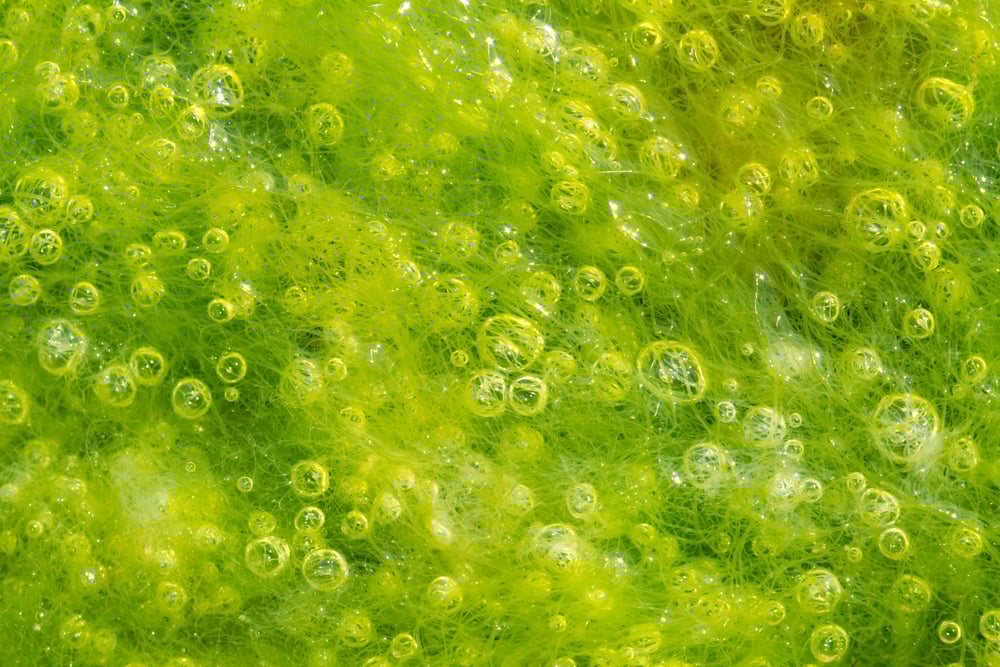
Algae have been on Earth for over 3 billion years, surviving mass extinctions and climate changes that wiped out countless other species. Today, these ancient survivors are helping us tackle our modern climate crisis.
More from Go2Tutors!

- The Romanov Crown Jewels and Their Tragic Fate
- 13 Historical Mysteries That Science Still Can’t Solve
- Famous Hoaxes That Fooled the World for Years
- 15 Child Stars with Tragic Adult Lives
- 16 Famous Jewelry Pieces in History
Like Go2Tutors’s content? Follow us on MSN.