Photos of 18 ugliest animals in the world
Not every animal gets to be a lion or a butterfly. Some creatures look like nature was tired, distracted, or just having a really bad day.
Yet these animals are just as fascinating, just as important, and honestly, way more interesting than the pretty ones. Here is a closer look at some of the world’s most visually striking creatures.
Fair warning: a few of these will make you do a double take.
Blobfish
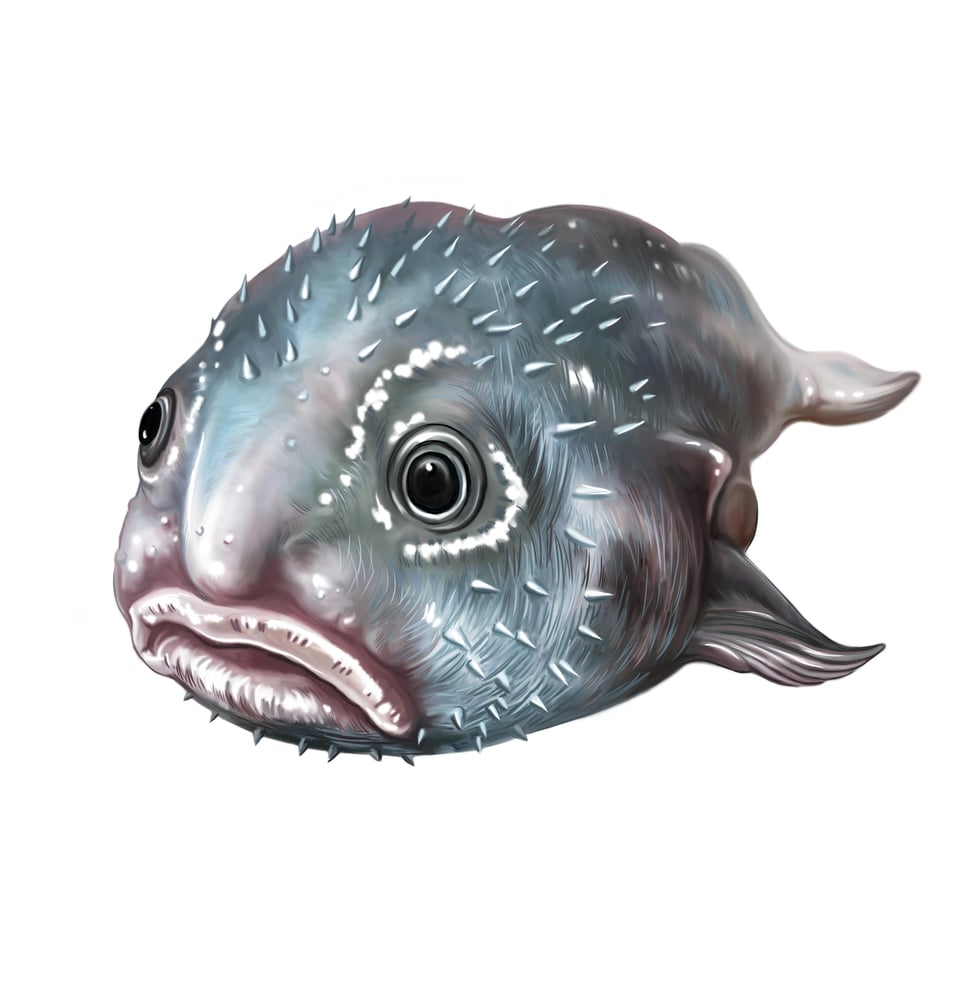
The blobfish looks like a sad, melting face pulled straight out of a cartoon. It lives deep in the ocean off the coast of Australia and New Zealand, where the pressure is so intense that its body has almost no muscle.
When pulled to the surface, that pressure change causes its flesh to collapse into a droopy, gelatinous blob. Underwater, it actually looks pretty normal, but up here? Not so much.
Mole Rat
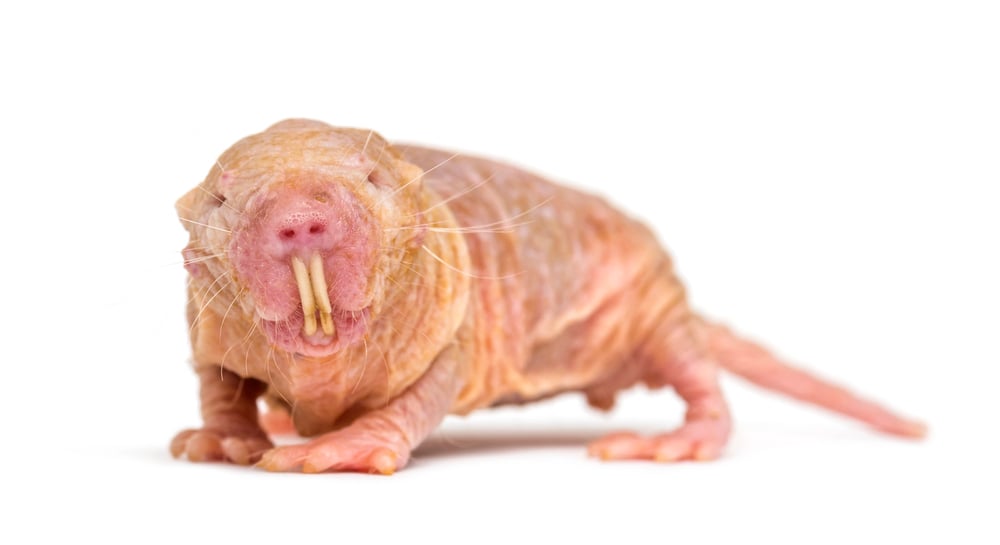
This small rodent looks like a wrinkled finger with teeth. Native to East Africa, the mole rat lives underground in colonies, much like ants or bees.
Its skin is loose, pale, and almost translucent, with very little hair to speak of. Despite its appearance, it is one of the longest-living rodents on earth and is nearly immune to cancer.
Aye-Aye
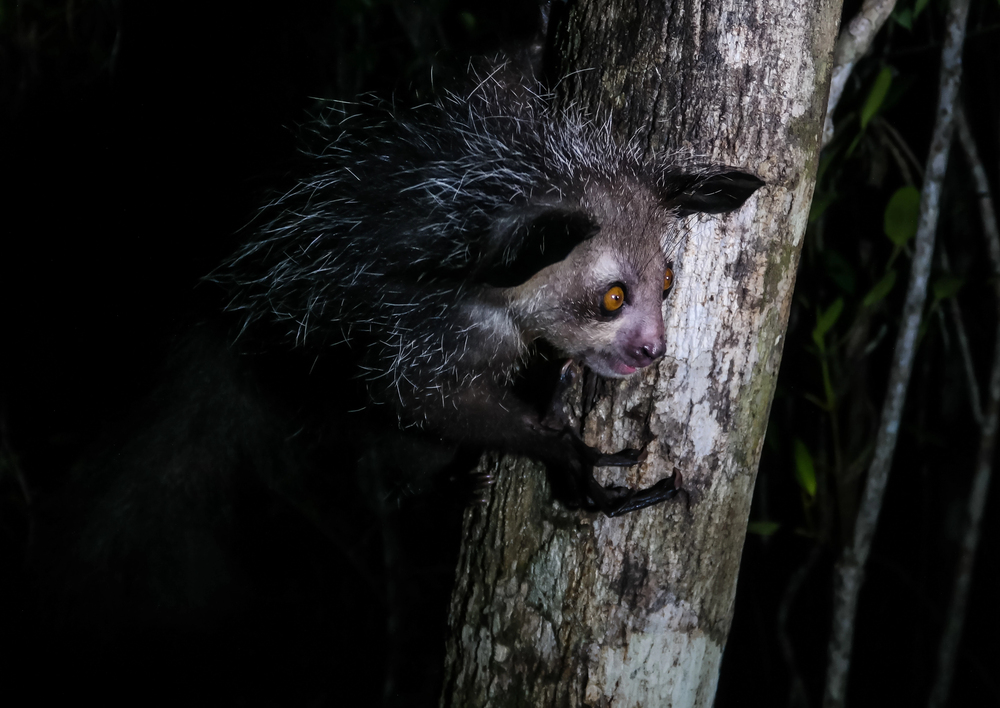
The aye-aye is a primate from Madagascar, and it looks like something assembled from spare parts. It has enormous bat-like ears, big glowing eyes, shaggy fur, and one extremely long, bony middle finger it uses to dig insects out of tree bark.
Many locals consider it a bad omen, which has led to serious threats to its survival. It is actually more closely related to humans than most people are comfortable admitting.
Star-Nosed Mole
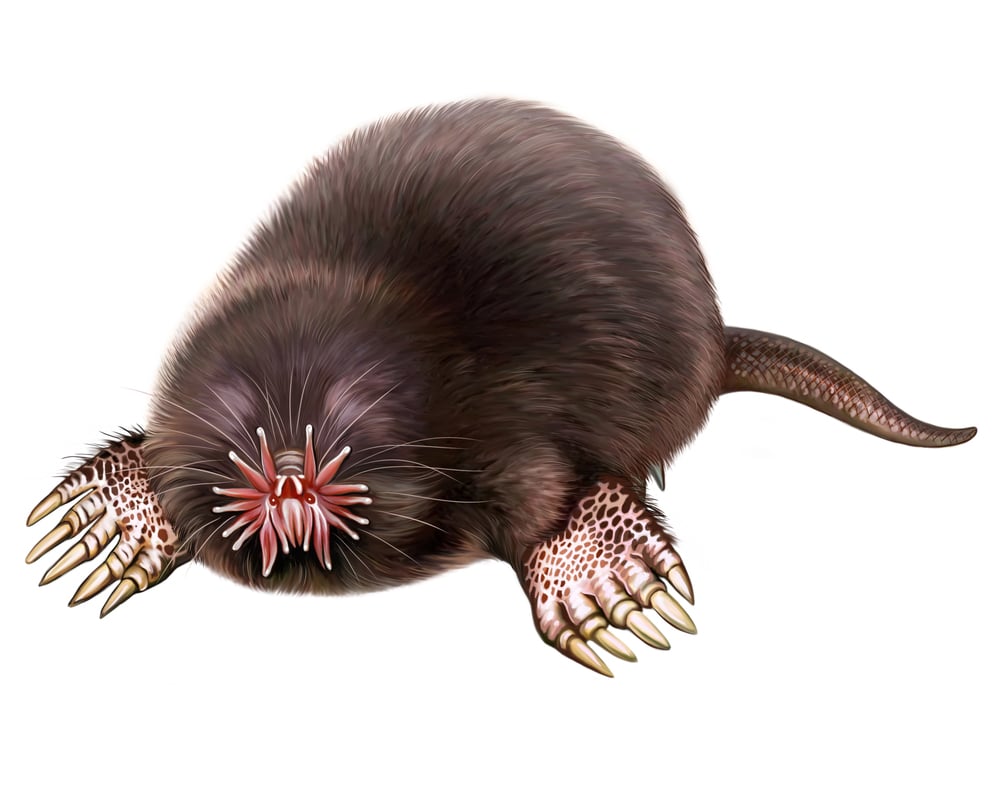
The star-nosed mole has 22 pink, fleshy tentacles arranged in a circle around its nose, making it look like a tiny alien. These tentacles are not just decorative.
They contain more nerve endings than any other body part of any known mammal. The mole uses them to ‘feel’ its environment at lightning speed while hunting for worms underground.
It can identify and eat prey in under 25 milliseconds.
Proboscis Monkey
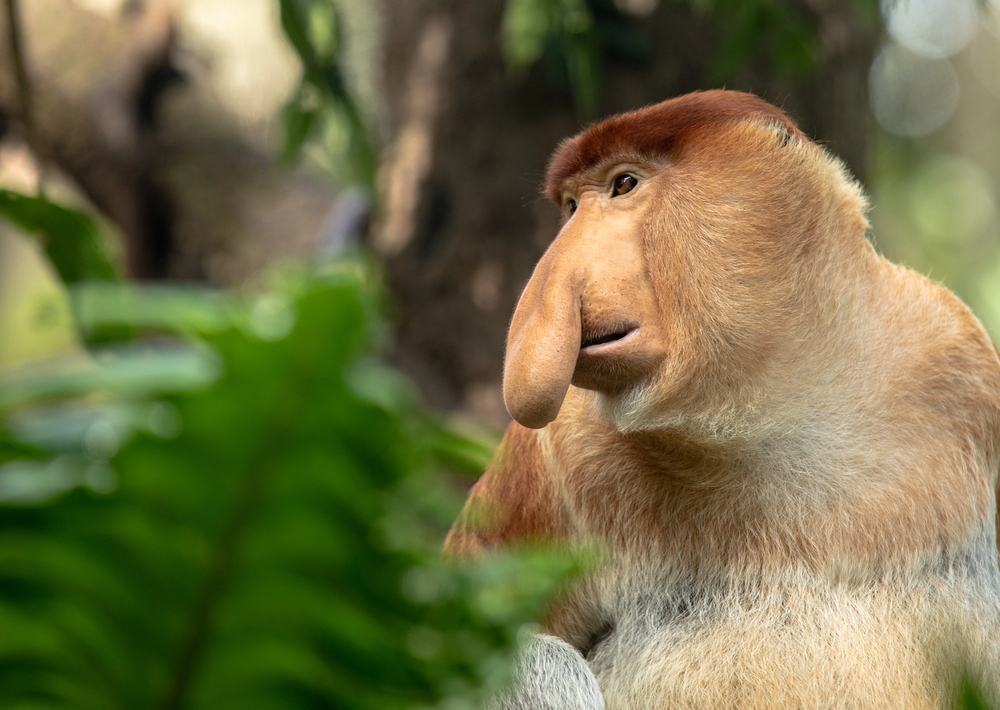
This monkey from Borneo has a nose so large it hangs down past its mouth. The bigger the nose, the more attractive the male is to females, which is a reminder that beauty standards vary widely in the animal kingdom.
Males also have notably round, protruding bellies that add to their unique look. They are surprisingly strong swimmers and are one of the few primates known to regularly dive into water.
Goblin Shark
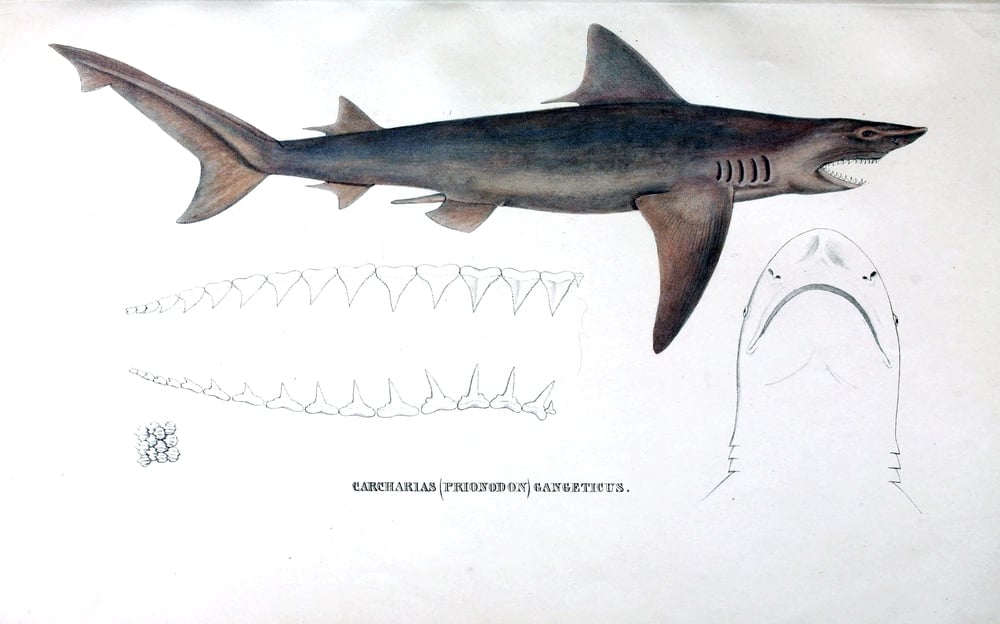
The goblin shark looks like a regular shark that got hit in the face with a shovel. It has a long, flat, protruding snout and a jaw that can shoot forward to catch prey, which makes it look even more unsettling.
It lives in deep ocean waters and is rarely seen by humans. Scientists believe it has barely changed in over 125 million years, earning it the nickname ‘living fossil.’
Warthog
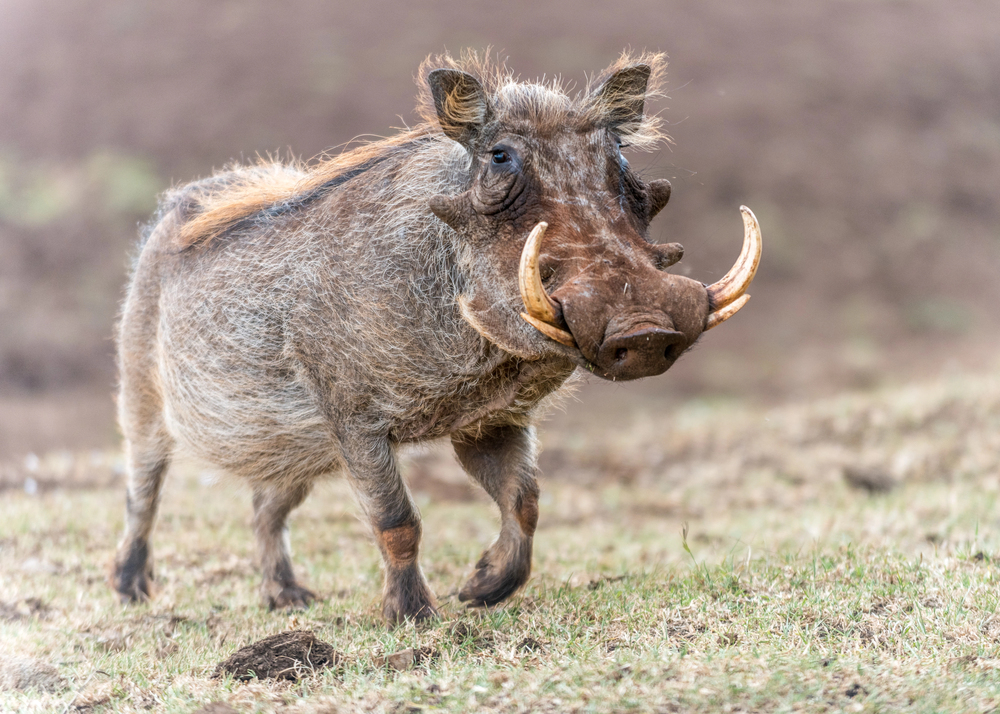
The warthog is not doing itself any favors with those large, curved tusks and bumpy facial warts. Found across sub-Saharan Africa, it uses those warts to protect its face during fights with other warthogs.
Its tusks can grow up to 25 inches long and are sharp enough to fend off predators. Despite the rough exterior, warthogs are highly social animals and surprisingly devoted parents.
Horseshoe Bat
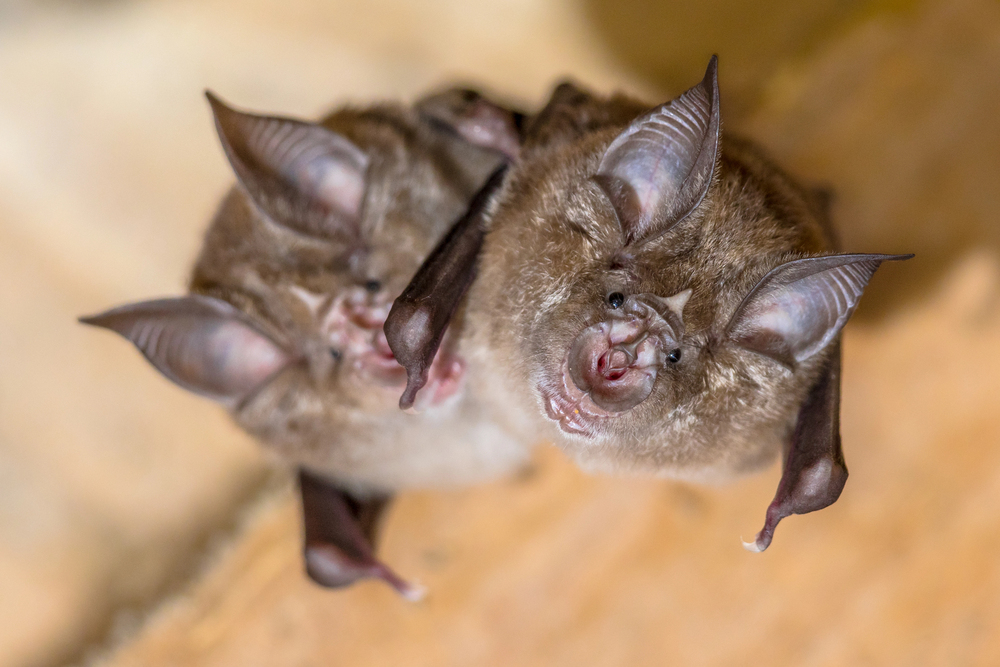
The horseshoe bat gets its name from the odd, horseshoe-shaped structure on its nose, which it uses to direct sound waves when it echolocates. Its face looks crumpled and overly complex, with layered folds of skin that would make most people uneasy.
These bats are found across Europe, Asia, and Africa. Their unusual facial structure actually makes them some of the most precise hunters in the bat world.
Monkfish
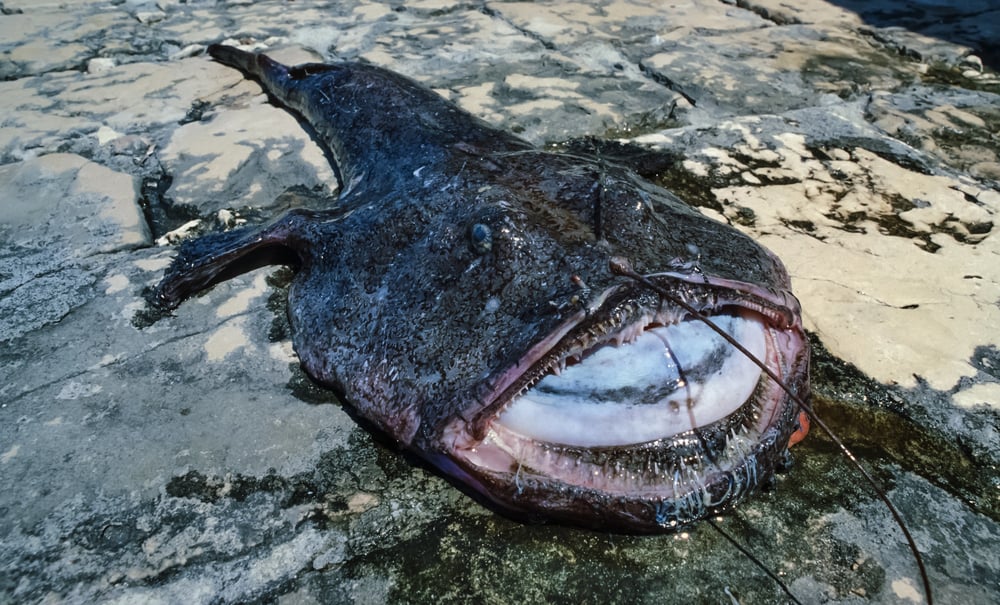
The monkfish has a huge, flat head, a wide mouth full of jagged teeth, and a body that tapers off into almost nothing. It sits on the ocean floor and uses a small, fleshy lure on its head to attract smaller fish directly into its mouth.
Despite looking terrifying, it is considered a delicacy in many countries, particularly in Europe. Restaurants often refer to it as ‘poor man’s lobster’ because of its firm, sweet flesh.
Hagfish
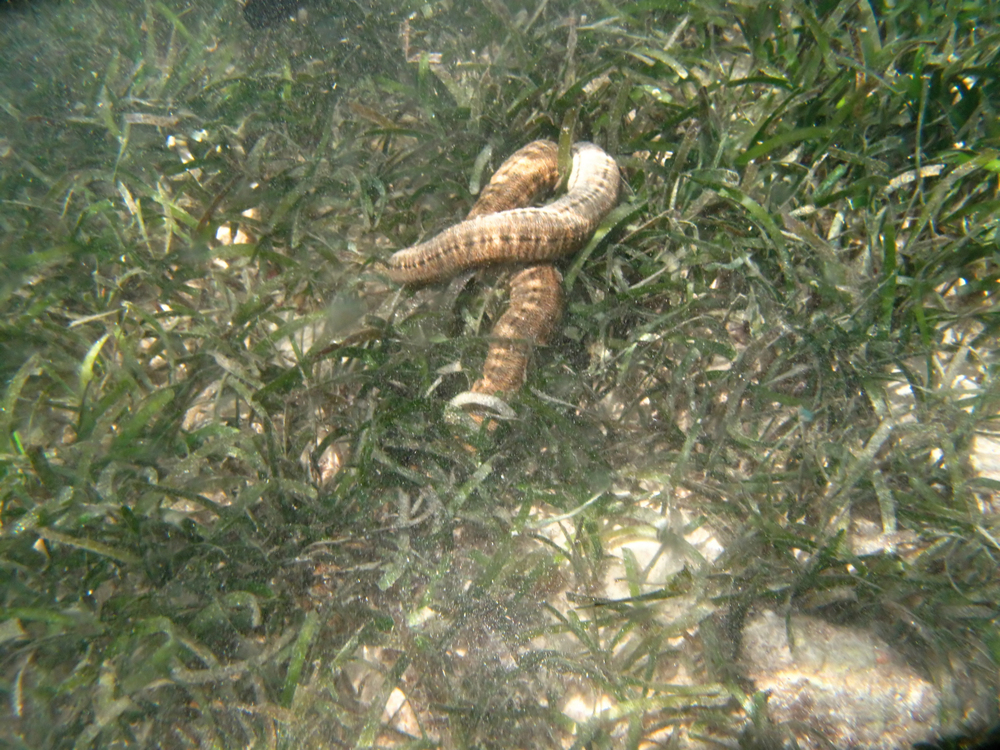
The hagfish is one of those creatures that seems to have no interest in being likeable. It has no jaw, no scales, and produces enormous amounts of thick, sticky slime when threatened.
It feeds by burrowing into the bodies of dead or dying sea creatures and absorbing nutrients through its skin. Scientists classify it as one of the most primitive vertebrates on earth, having survived for over 300 million years.
Marabou Stork
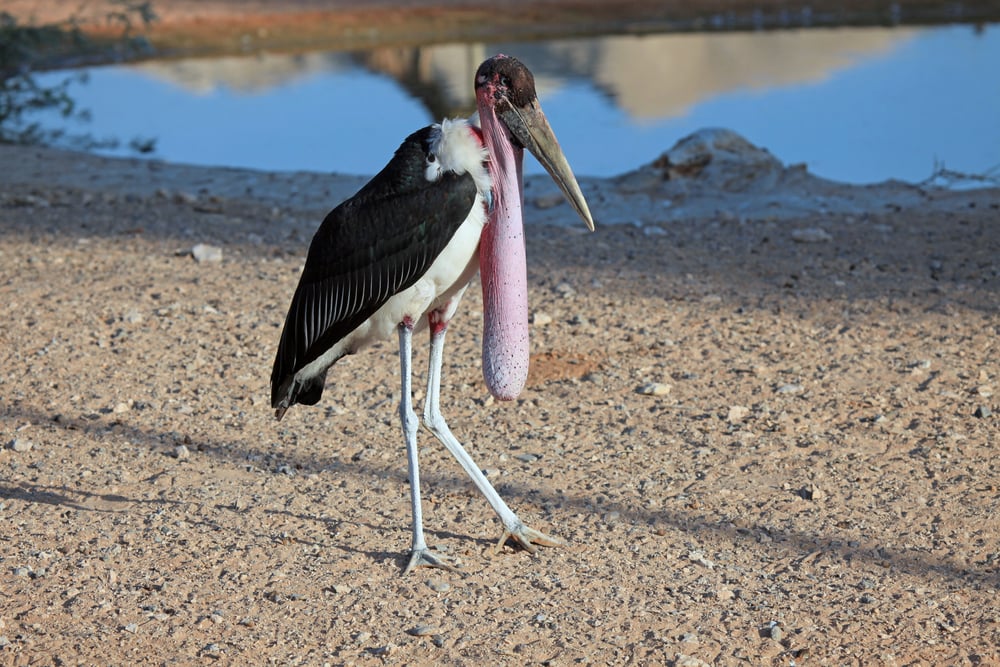
The marabou stork stands over 5 feet tall and has a bald, blotchy head, a hanging pink throat pouch, and a hunched posture that makes it look permanently grumpy. It is a scavenger, often seen around carcasses alongside vultures in sub-Saharan Africa.
Its bald head is actually a practical adaptation that keeps bacteria from sticking to feathers while it feeds. Despite its grim appearance, it plays a vital role in keeping ecosystems clean.
Titicaca Water Frog
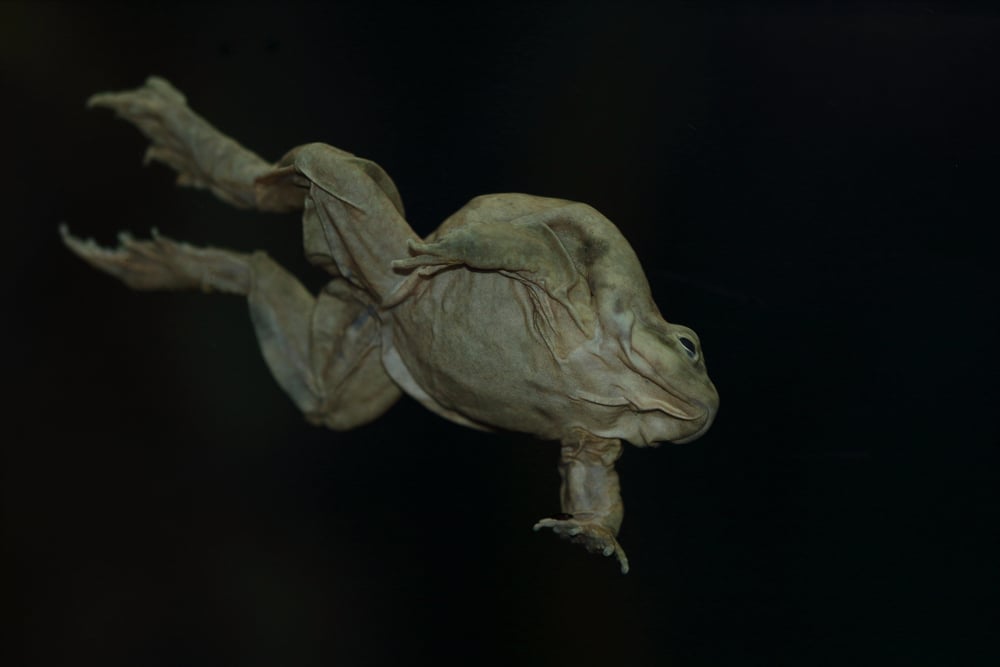
This frog from Lake Titicaca in South America has an enormous amount of loose, wrinkled skin that hangs off its body like an old, baggy suit. The extra skin helps it absorb oxygen directly from the cold lake water, since it rarely comes to the surface to breathe.
It can weigh over 2 pounds, making it one of the largest aquatic frogs in the world. It is critically endangered, largely due to pollution and over-harvesting.
California Condor
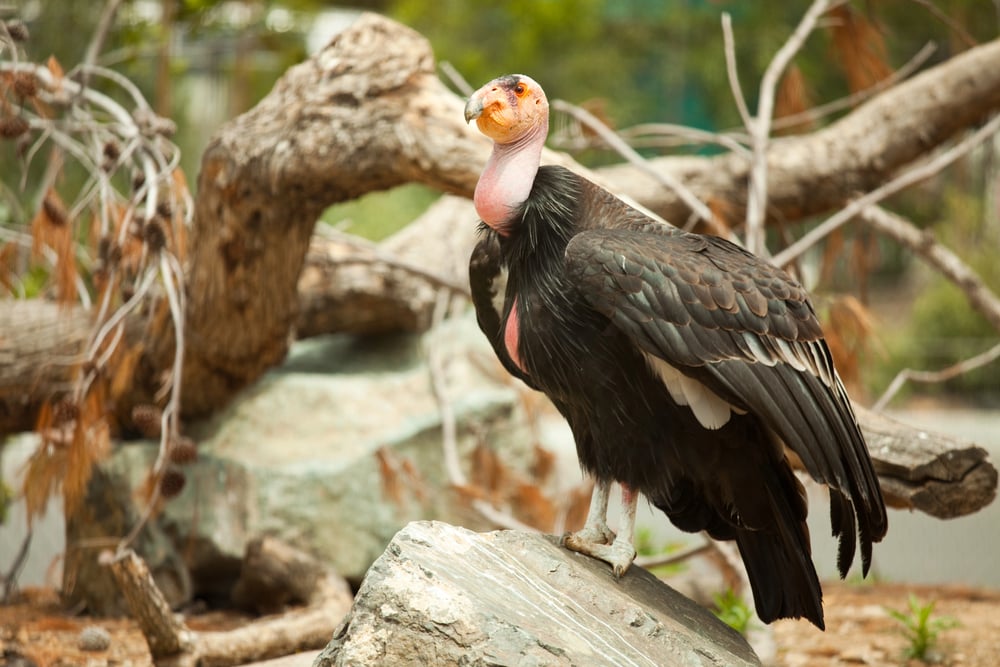
A huge shadow passes overhead – this is the California condor, North America’s biggest flyer, stretching close to ten feet from wingtip to wingtip. Sitting high on a thick, dark frame, its head shows bare skin, colored vivid red or bold orange.
Since it eats dead animals, having no feathers on its head keeps things tidy during messy meals, just like what happens with marabou storks. By the 1980s, so few remained that survival seemed unlikely.
What followed? A massive effort kicked in, turning into one of the longest and most detailed animal rescue missions ever seen across the United States.
Sphynx Cat
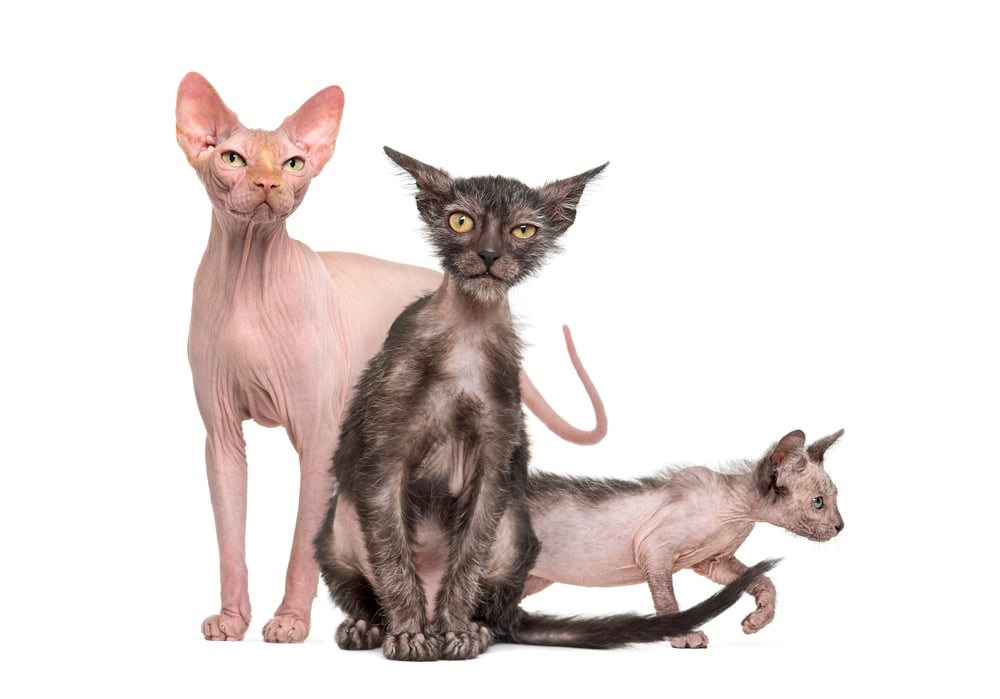
Warm to the touch, almost like worn leather, the sphynx cat lacks fur entirely – its bare skin folded into loose wrinkles. Born from rare hairless kittens found in 1960s Canada, it carries wide eyes and oversized ears that give off a constant look of surprise.
Not quite like other pets, it thrives on closeness, often seeking out human contact without prompting. Though odd at first glance, resembling something from another planet, its personality is anything but cold.
Red-Lipped Batfish
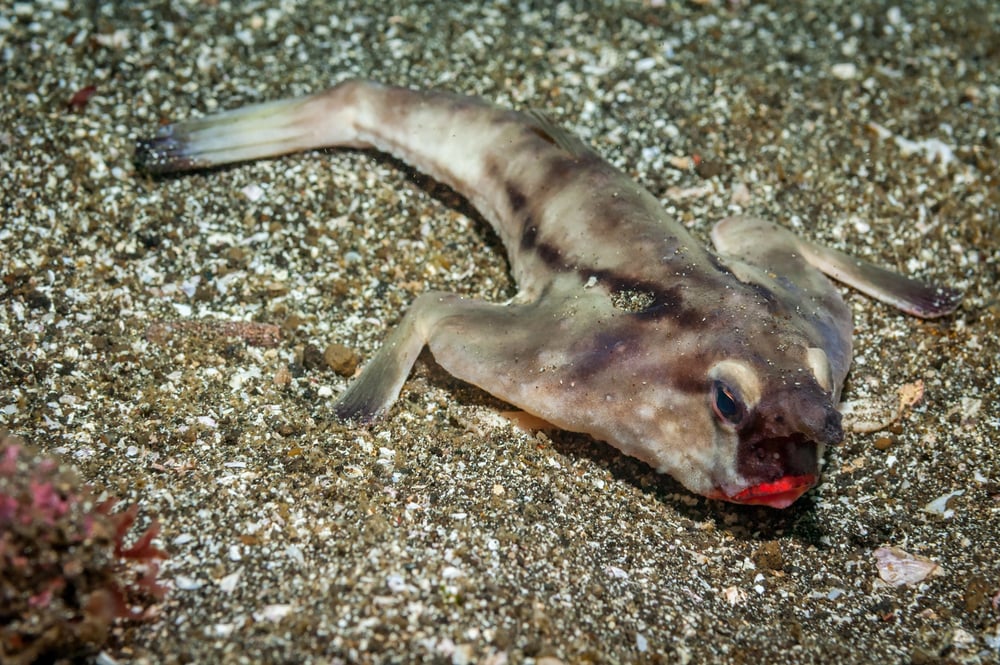
Down around the Galapagos, there’s a fish that crawls along the seafloor – fins dragging under it like stubby limbs. Shaped low and wide, its mouth curls into thick red folds, startling against pale skin.
Maybe those bold lips pull attention during courtship; researchers aren’t certain. Swimming doesn’t suit it well, movement clumsy, almost reluctant.
Yet it drifts through coral shadows, calm amid chaos, as if unaware how odd it appears next to sleeker neighbors.
Mata Mata Turtle
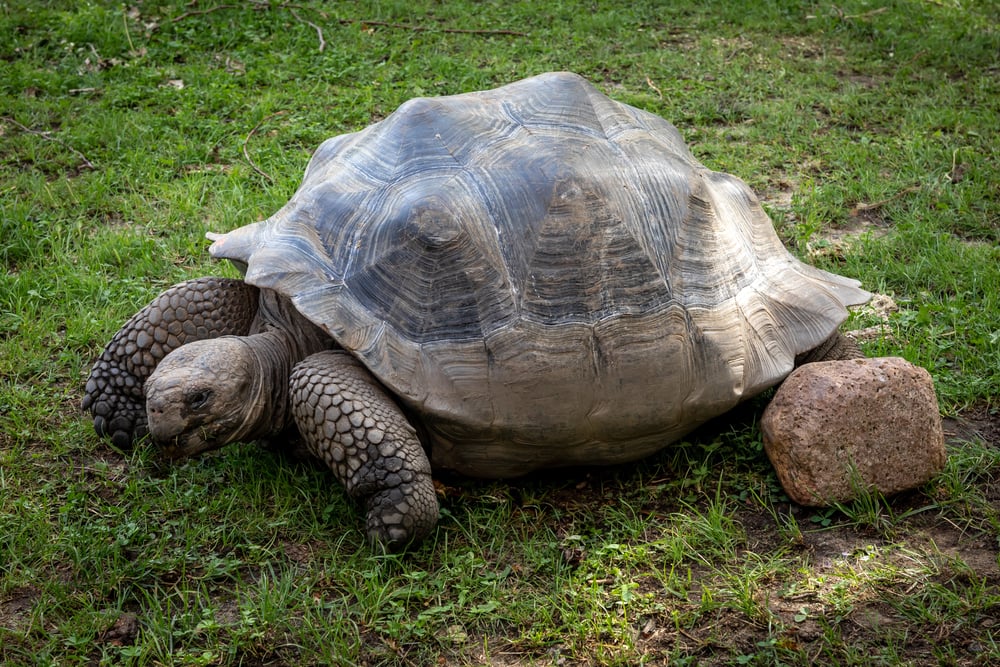
That South American mata mata turtle sits quiet on the bottom. Its shell lies low and rough, shaped unevenly.
Skin folds drape down the sides of its stretched-out neck. The head resembles something already rotted – like old plant stuff washed ashore.
Perfect disguise. Fish pass near without noticing.
Then – the mouth opens fast, sucking water and meal together. Movement? Almost none.
Hunting means staying frozen. Odd it may look, yet it works just fine.
Tarsier
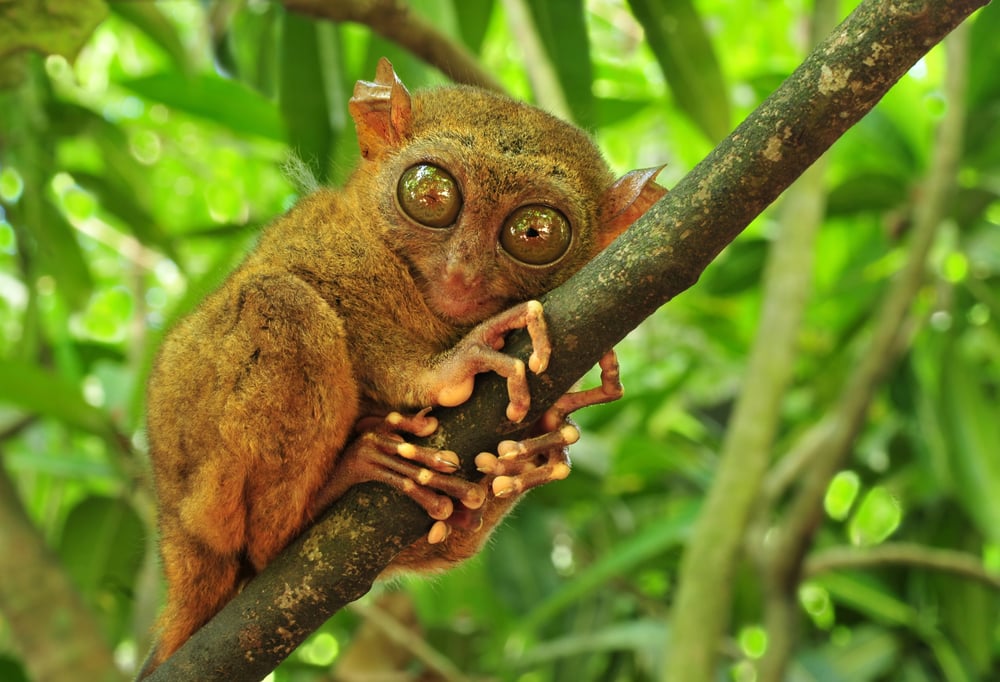
With huge eyes that stay fixed in place, the tarsier lives across Southeast Asia as a quiet night traveler. Because those eyes won’t shift inside their skulls, it turns its head wide – nearly half a circle – to scan around.
Resembling a soft little owl, it moves through trees without sound. Its eyeballs match the size of its brain, each one packed tightly into the skull.
Hunting only after dark, it springs forward suddenly, covering spaces 40 times longer than its body. Looks can deceive; this creature flies through gaps with startling reach.
Thorny Dragon
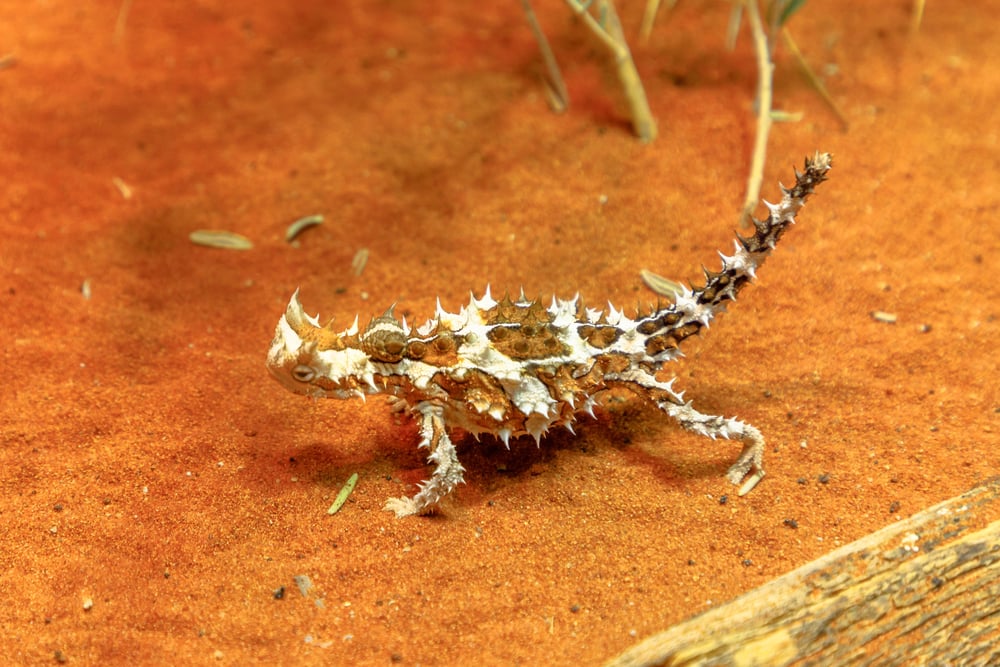
Sharp spikes cover every inch of the little desert lizard known as the thorny dragon. On its neck sits a fake head – lifted when danger nears – to throw off attackers.
Moisture clings to its rough skin overnight, sliding along fine grooves straight into its open mouth come morning. Stiff, uneven steps make it stumble forward like something rusted – but each twitch copies how leaves tremble under gusts.
From Australia’s harsh sands, this creature survives not by speed, but by disguise so odd it blends right in.
Where Ugly Meets Extraordinary
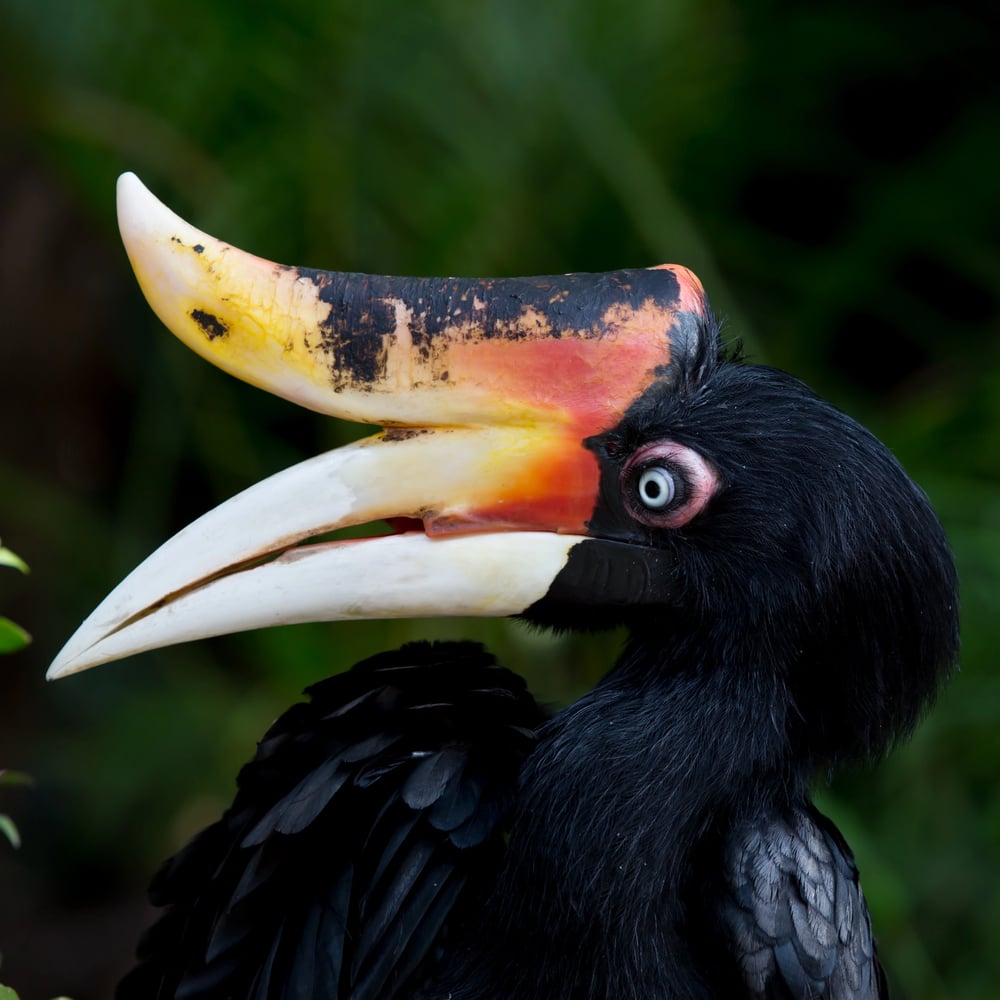
Looks mean nothing to nature. Surviving is what counts.
Each animal here found a way through tough spots where others fail. Pressure deep down does not stop the blobfish.
Long before dinosaurs faded, hagfish were already swimming. Toughness matters more than charm.
Funny how a creature so odd looking can steal the spotlight. This rodent, bare skin wrinkled like old paper, just keeps on ticking without slowing down.
More from Go2Tutors!

- The Romanov Crown Jewels and Their Tragic Fate
- 13 Historical Mysteries That Science Still Can’t Solve
- Famous Hoaxes That Fooled the World for Years
- 15 Child Stars with Tragic Adult Lives
- 16 Famous Jewelry Pieces in History
Like Go2Tutors’s content? Follow us on MSN.