Incredible Escapes from Secure Prisons
Prison breaks aren’t just movie material. Throughout history, some truly brilliant and gutsy people have managed to slip out of facilities that were supposedly impossible to escape from.
These stories involve everything from months of careful planning to split-second decisions, fake documents, and even hand-dug tunnels that stretched for hundreds of feet. Some escapees stayed free for years, while others got caught within days.
Here are some of the most impressive prison breaks that actually happened.
Alcatraz and the missing trio

Frank Morris and brothers John and Clarence Anglin disappeared from Alcatraz in 1962 after spending months preparing their escape. They crafted fake heads from soap and real hair stolen from the barbershop, then placed them in their beds to fool guards during night checks.
The three men squeezed through ventilation shafts they’d quietly widened using makeshift tools, then climbed down to the shore and launched a raft made from raincoats. Nobody knows if they survived the cold waters of San Francisco Bay that night.
The FBI officially closed the case in 1979, declaring them drowned, but family members received Christmas cards for years afterward that they believe came from the brothers.
Pascal Payet’s helicopter exits

Pascal Payet escaped from French prisons not once, not twice, but three separate times using helicopters. His first escape in 2001 involved accomplices landing a helicopter on the prison roof, pulling him up, and flying away before guards could react.
Authorities recaptured him, but in 2007 he escaped again using the exact same method from a different prison. What made Payet especially bold was that he also organized helicopter escapes for three of his fellow inmates before his own second escape.
French authorities finally caught him in Spain and put him in a facility where helicopters couldn’t land easily on the roof.
The Maze breakout
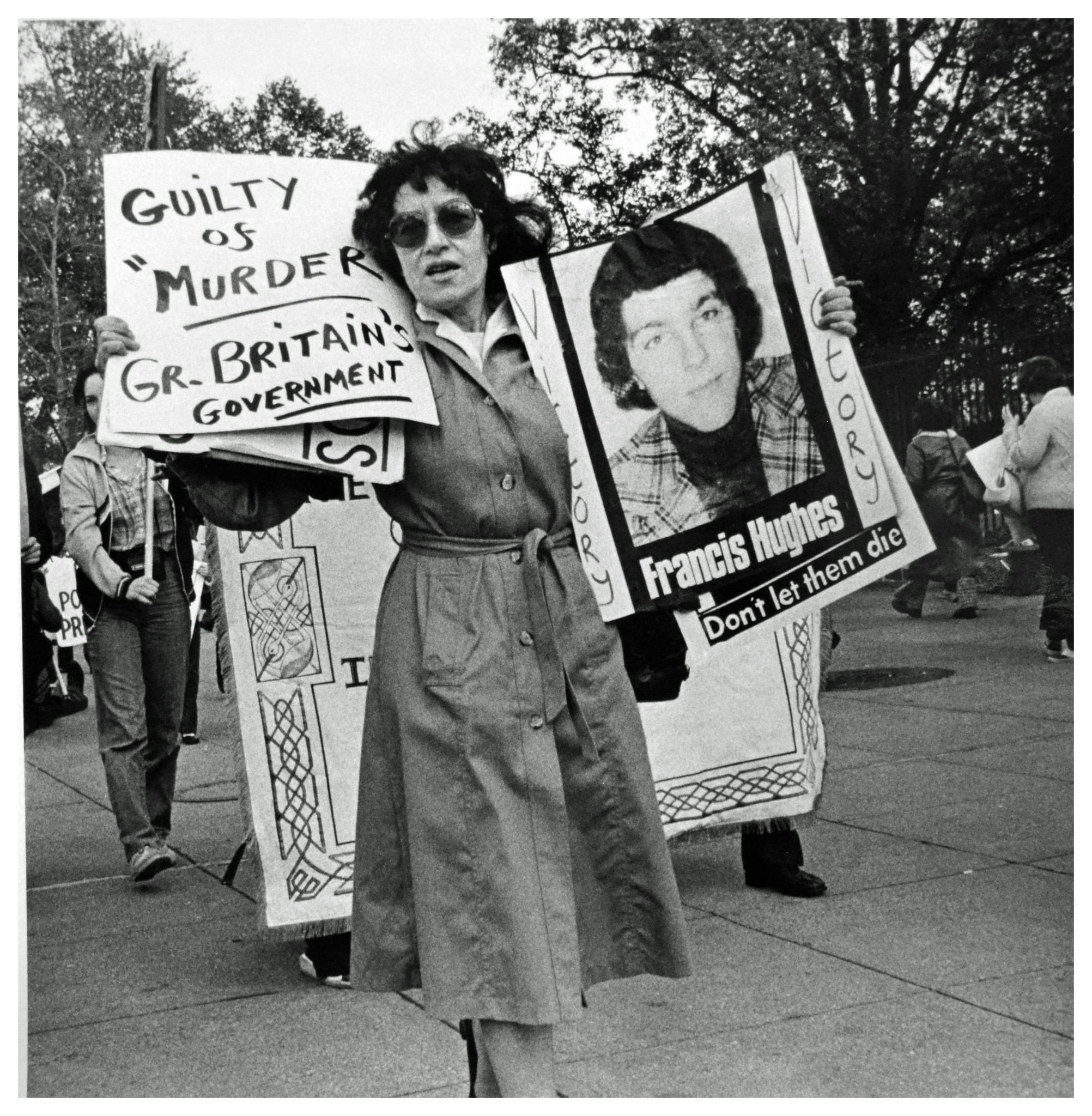
Thirty-eight Irish Republican Army prisoners escaped from the Maze Prison in Northern Ireland in 1983, making it the largest escape in British prison history. The inmates had smuggled in a gun and took over an entire wing, locking guards in cells and stealing their uniforms.
They hijacked a food delivery truck and drove straight through the main gate, with some prisoners hiding in the back and others dressed as guards sitting up front. One guard died from a heart attack during the takeover.
Nineteen of the escapees got recaptured quickly, but several others stayed free for years, with some never being found.
El Chapo’s tunnel

Joaquín ‘El Chapo’ Guzmán escaped from Mexico’s highest security prison in 2015 through a tunnel that stretched nearly a mile from his cell to a house outside the prison grounds. The tunnel included lighting, ventilation, and even a modified motorcycle on rails to move dirt out during construction.
Workers had been digging for over a year, entering through the house and working their way toward the prison. Guards found El Chapo’s cell empty during a routine check, with a small opening in the shower floor leading down to the tunnel.
Mexican authorities recaptured him six months later, and he’s now serving life in an American prison.
John Dillinger’s wooden gun

Bank robber John Dillinger carved a fake gun from wood in 1934, colored it with black shoe polish, and used it to bluff his way out of an Indiana jail. He held guards at gunpoint with the fake weapon, locked them in his cell, and walked out wearing a stolen guard uniform.
The whole escape took less than an hour. Dillinger had a habit of escaping from jails, but this particular breakout became legendary because of how simple it was.
The FBI caught up with him a few months later outside a movie theater in Chicago.
Richard Lee McNair’s mailing crate
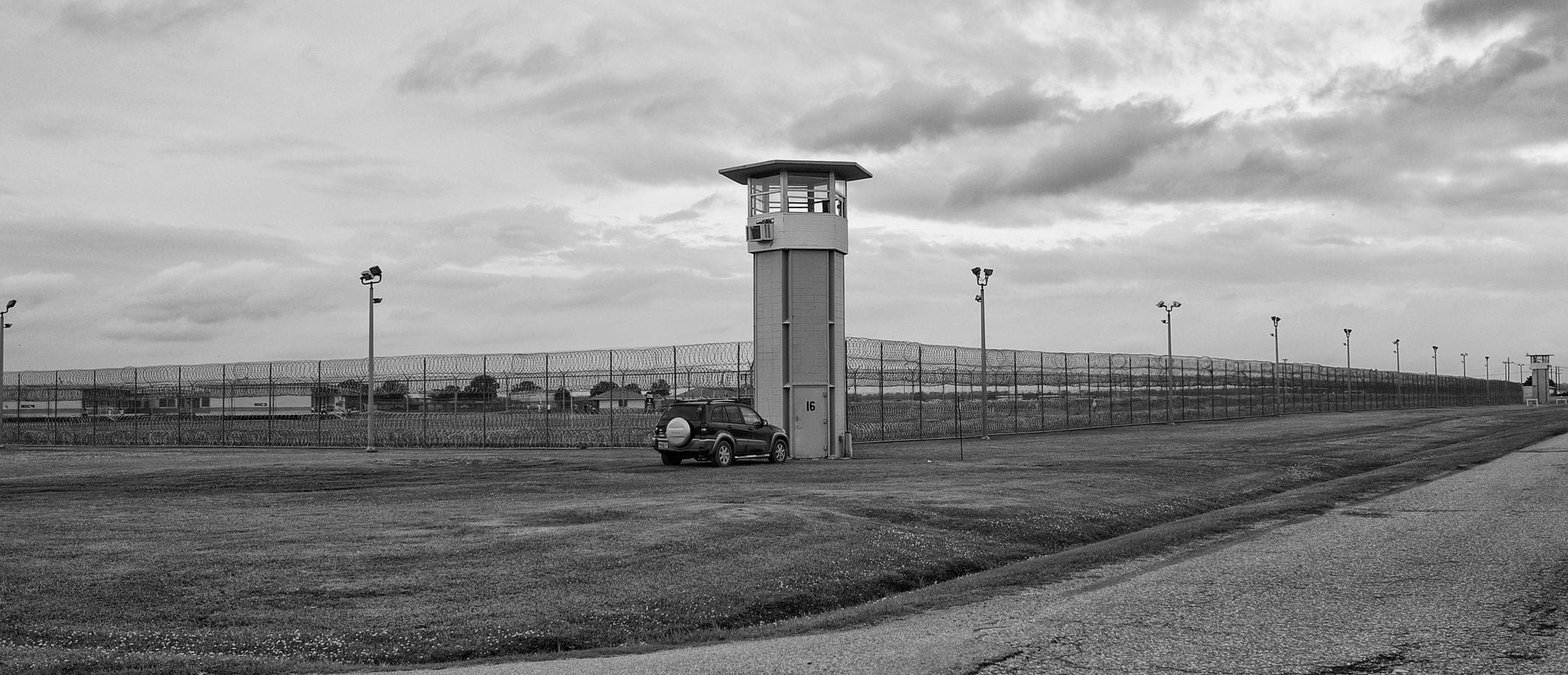
Richard Lee McNair hid himself in a shipment of mailbags leaving a Louisiana prison in 2006. Prison workers had hired McNair for the mail room, not realizing this gave him detailed knowledge of shipping schedules and inspection procedures.
He built a breathing tube into his hiding spot and sealed himself into a crate with the outgoing mail. Workers loaded the crate onto a truck, and McNair waited until the vehicle stopped at a warehouse before breaking out and disappearing.
Police caught him over a year later in Canada, living under a fake name.
The Stalag Luft III tunnel project

Allied prisoners dug three massive tunnels out of a German POW camp during World War II, with 76 men eventually crawling through one tunnel named ‘Harry’ in 1944. The prisoners had formed an entire underground operation, with men assigned to digging, disposing of dirt, making fake documents, and sewing civilian clothes.
They built the tunnel 30 feet deep to avoid detection equipment and reinforced it with bed slats. Guards discovered the escape while it was still happening, and most men got recaptured within days.
The Gestapo executed 50 of the recaptured prisoners as a warning to others.
Billy Hayes through the Turkish border

Billy Hayes walked out of a minimum security Turkish prison in 1975 and spent weeks traveling across the country to reach Greece. Turkish authorities had imprisoned Hayes for attempting to smuggle hashish out of the country, and he faced spending decades behind bars.
He escaped during a nighttime storm when guards were distracted, then disguised himself and traveled by bus and on foot toward the Greek border. Hayes crossed into Greece by swimming across a river at night, nearly drowning in the process.
His story became famous through the book and movie ‘Midnight Express,’ though the film changed many details from what actually happened.
Alfred Hinds’s three escapes

Alfred Hinds escaped from three different British prisons in the 1950s, embarrassing authorities each time. His first escape involved scaling a 20-foot wall during exercise time.
After recapture, he escaped again by impersonating a tradesman and simply walking out the front door. His third escape involved using a padlock he’d made in the prison workshop to lock guards in a room while he fled.
Hinds maintained his innocence throughout, insisting his escapes were justified because he’d been wrongly convicted.
He eventually served his time and spent the rest of his life as a free man, never committing another crime.
The Texas Seven
Seven inmates overpowered workers at a Texas prison maintenance facility on Christmas Eve 2000, stealing their clothes and credentials. The group had planned for weeks, choosing the holiday because they knew staffing would be light.
They broke into the prison armory, stole 16 rifles and pistols, then drove away in a prison maintenance truck. The escapees robbed a sporting goods store weeks later, shooting and killing a police officer who responded to the alarm.
Police tracked them to a trailer park in Colorado after a month.
One inmate took his own life before capture, and authorities sent the other six back to Texas, where most received death sentences.
The Sobibór uprising
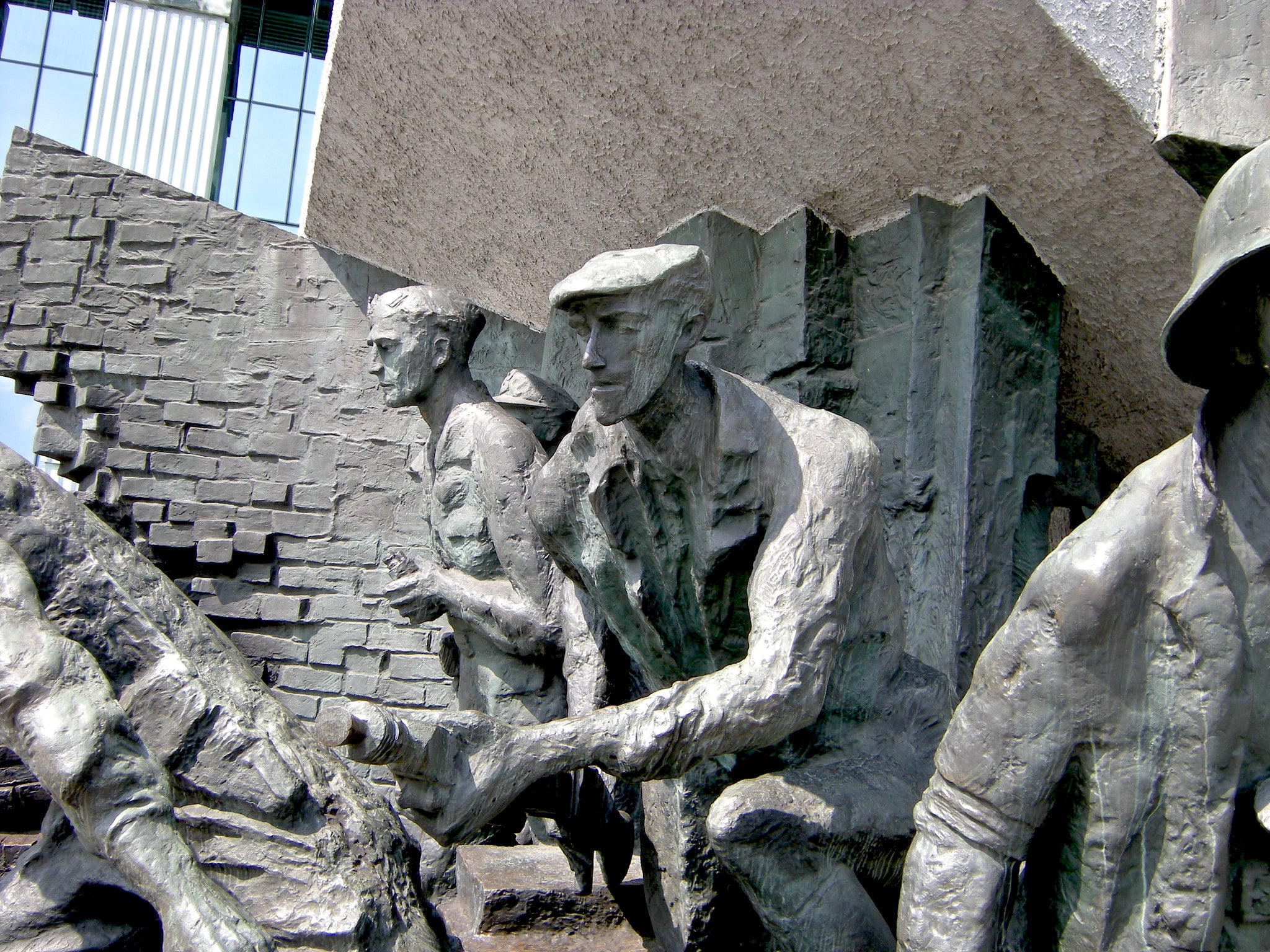
Jewish prisoners at the Sobibór extermination camp in Poland killed 11 German guards in 1943 and made a mass escape attempt. The prisoners had organized a revolt, quietly assassinating guards throughout the day and stealing their weapons.
Around 300 prisoners rushed to the main gate when the alarm sounded. German forces shot many during the escape, and local people or German patrols killed others who made it out.
About 50 prisoners survived the war.
Their uprising forced the Germans to close and demolish the camp, saving countless lives that would have been lost there.
Ronnie Biggs to Brazil

Ronnie Biggs escaped from a London prison in 1965 by scaling the wall with a rope ladder thrown over by accomplices. He’d only served 15 months of a 30-year sentence for his role in the Great Train Robbery.
Biggs fled to Paris, then Australia, and finally Brazil, where he lived openly for decades because Brazil wouldn’t extradite him. He even recorded music and gave interviews to British journalists who tracked him down.
Biggs voluntarily returned to Britain in 2001 when his health failed, hoping to receive medical care, and authorities immediately sent him back to prison to finish his sentence.
The Dannemora tool box escape

David Sweat and Richard Matt cut through steel walls and pipes at a New York maximum security prison in 2015, using power tools smuggled in by a prison worker. The two men worked at night, cutting through their cell walls and following a maze of pipes and tunnels beneath the prison.
They left dummy figures in their beds made from clothes and fooled guards for hours. The escapees emerged through a manhole cover about a block from the prison.
Police shot and killed Matt three weeks later in the woods, and officers captured Sweat two days after that, finding him close to the Canadian border.
Willie Sutton’s various exits

Bank robber Willie Sutton escaped from three different prisons during his criminal career in the mid-1900s. His most famous escape involved dressing as a guard and walking out during a shift change at a Pennsylvania prison.
Sutton had a talent for disguises and used makeup and costumes to blend in wherever he went. His escapes made him a celebrity, and reporters loved interviewing him because he was charming and quotable.
Police finally caught him for good in 1952 after a citizen recognized him on a New York subway.
Sutton spent his final years in prison before getting released due to poor health.
The Great Escape artist’s locked cell

Harry Houdini repeatedly demonstrated he could escape from prison cells during his stage career, embarrassing police departments across America. He would challenge local sheriffs to lock him in their toughest cells, then escape within minutes while they waited outside.
Houdini had incredible knowledge of lock mechanisms and could hide lockpicks in various places on his body. Police in Boston once strip-searched him and put him in a cell, only to find him waiting for them in the warden’s office minutes later, having escaped and toured the entire facility.
These demonstrations weren’t actual prison breaks, but they proved that even the most secure cells of the era weren’t as escape-proof as authorities claimed.
Choi Gap-bok through the food slot

South Korean prisoner Choi Gap-bok practiced yoga for months in 2012 to make his body flexible enough to squeeze through the tiny food slot in his cell door. The slot measured just 5.9 inches tall and 17.7 inches wide, barely big enough to pass meal trays through.
Choi covered himself in skin ointment to make himself slippery, then spent over half an hour slowly squeezing through the opening. Guards reviewing security footage couldn’t believe what they were watching.
Police recaptured Choi five days later, and prison officials welded metal bars across all food slots to prevent anyone from repeating his escape method.
Assane Diop’s hidden identity

While not a real person, the Netflix character Assane Diop’s escape method was based on real techniques used by French prisoner Bruno Sulak in the 1980s. Sulak would have accomplices create distractions during prison transfers, allowing him to slip away in the confusion.
He once escaped by convincing guards he was a different prisoner being released that day, using forged documents his accomplices had smuggled in. Real prisoners have used similar identity swap methods throughout history, though few pulled them off as smoothly as Sulak did during his actual escapes before authorities finally kept him locked up for good.
Where these stories lead us

Prison security has improved dramatically since these famous escapes, with better surveillance, stricter protocols, and more layers of protection. Yet people still manage to find weaknesses in even the most advanced facilities.
These stories show what humans can accomplish when they’re determined enough, even if what they’re doing is illegal. Guards and designers learn from each escape, closing gaps that nobody knew existed.
The relationship between security and ingenuity continues, with each side adapting to what the other does, in a cycle that probably won’t end as long as there are prisons and people who want out of them.
More from Go2Tutors!

- The Romanov Crown Jewels and Their Tragic Fate
- 13 Historical Mysteries That Science Still Can’t Solve
- Famous Hoaxes That Fooled the World for Years
- 15 Child Stars with Tragic Adult Lives
- 16 Famous Jewelry Pieces in History
Like Go2Tutors’s content? Follow us on MSN.