16 Products That Failed Immediately After a Super Bowl Ad
With businesses spending millions for only 30 seconds of airtime, Super Bowl commercials are the apex of marketing expenditure. The large audience guarantees unheard-of exposure, but visibility does not ensure success.
Occasionally, these high-stakes bets go horribly wrong, with items collapsing nearly instantly following their turn in the spotlight. Here are 16 products that fell soon following their costly Super Bowl introductions, so demonstrating that not all publicity leads to success.
Pets.com Sock Puppet
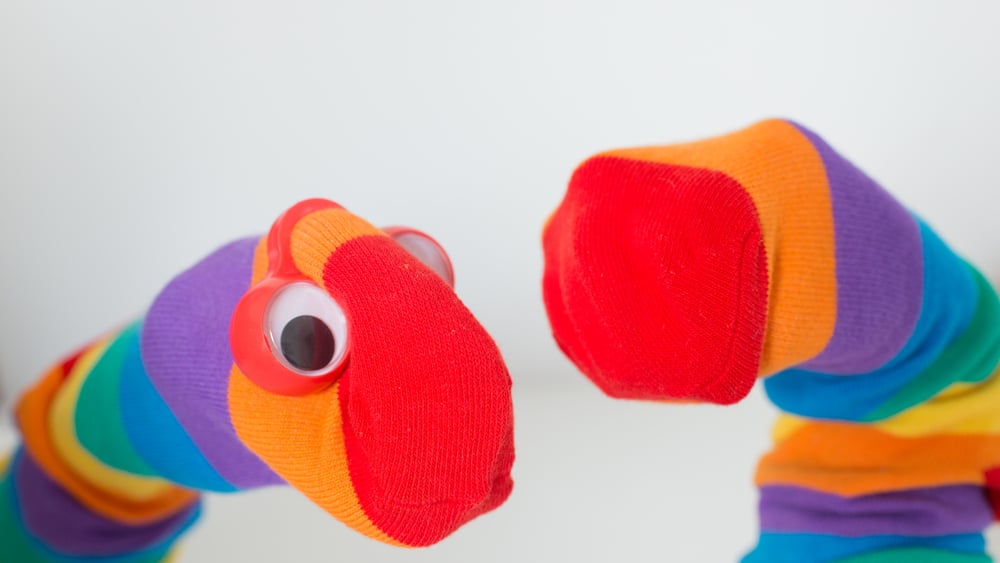
The infamous sock puppet mascot for Pets.com became more famous than the company itself. After spending $1.2 million on a Super Bowl ad in 2000, the online pet supply retailer went bankrupt just nine months later.
Their mascot achieved pop culture status while the actual business model crumbled under the weight of unsustainable shipping costs and low profit margins.
XFL Football League (2001)

WWE’s Vince McMahon launched his alternative football league with a bombastic Super Bowl commercial promising harder hits and more excitement than the NFL. The league lasted exactly one season before folding due to poor attendance and plummeting TV ratings.
Its attempt to blend wrestling-style entertainment with legitimate sports failed to connect with either wrestling fans or football purists.
Like Go2Tutors’s content? Follow us on MSN.
Just For Feet
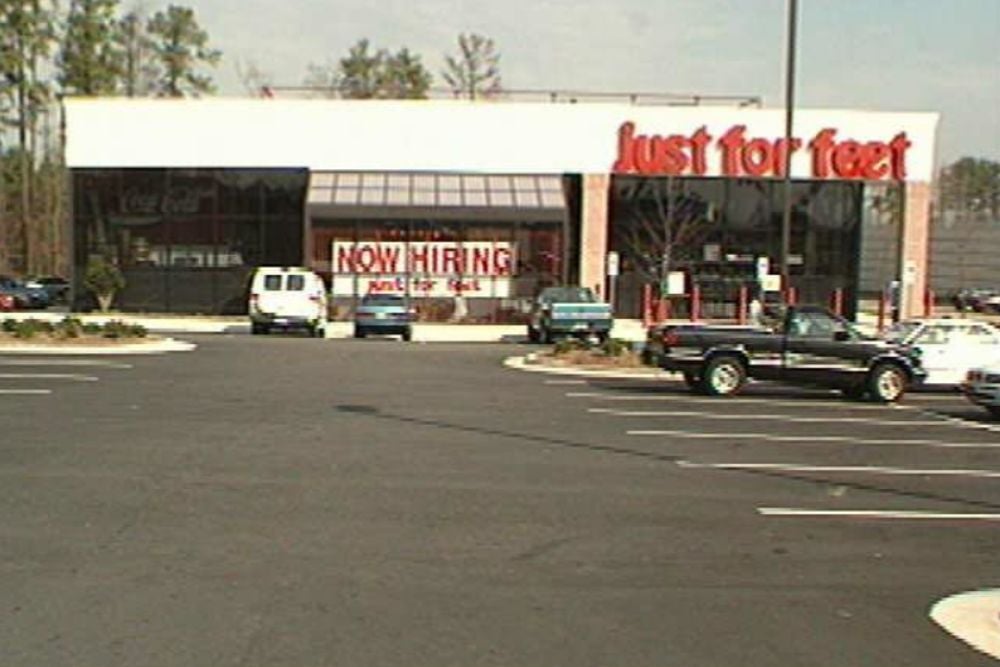
This athletic footwear retailer aired an incredibly controversial Super Bowl commercial in 1999 depicting white hunters tracking and drugging a Kenyan runner. The racist undertones created immediate backlash, and within months the company filed for bankruptcy.
They even sued their advertising agency over the disastrous spot that accelerated their downfall.
Qwikster

Netflix announced their ill-fated DVD-by-mail spinoff service through a Super Bowl spot that confused and alienated customers. The service was canceled before it even properly launched as subscribers fled in droves.
Netflix quickly reversed course, but not before their stock price plummeted nearly 75% in the aftermath of this marketing disaster.
RadioShack’s “The 80s Called” Campaign
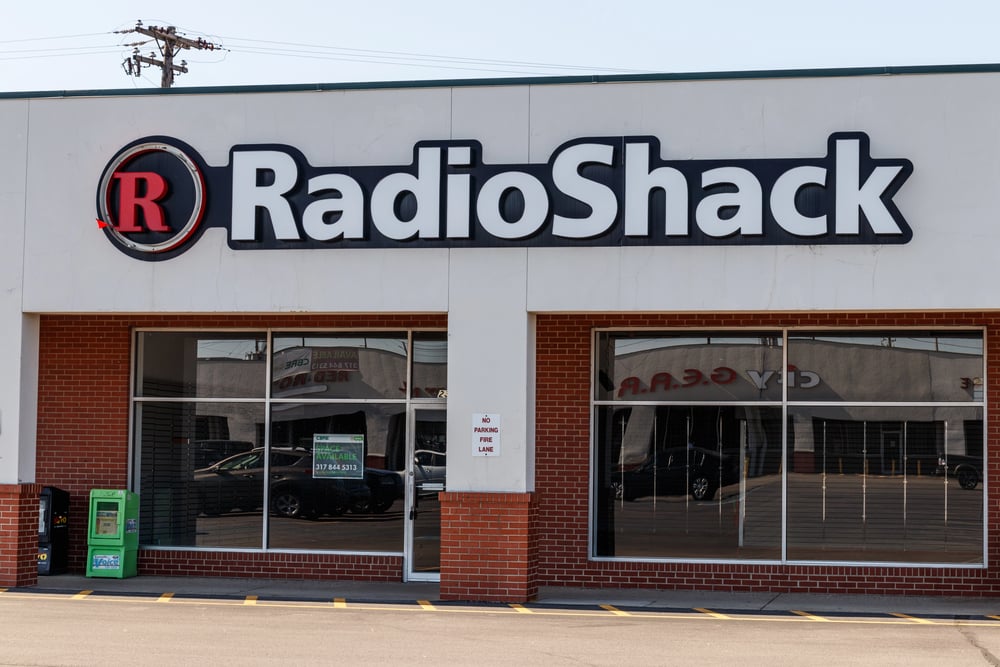
RadioShack spent big on a 2014 Super Bowl ad featuring 80s icons like Hulk Hogan and ALF, joking about the store’s outdated image. Despite the creative approach and positive reception, the rebranding effort came too late.
The company filed for bankruptcy protection just over a year later as its fundamental business model remained broken.
Like Go2Tutors’s content? Follow us on MSN.
Lifeminders.com

This email marketing company spent nearly its entire advertising budget on a 2000 Super Bowl ad that proudly proclaimed itself “the worst commercial on the Super Bowl.” The bizarre strategy failed to generate meaningful business, and shortly afterward, the company was acquired for a fraction of its former valuation.
Their self-deprecating approach proved prophetic in all the wrong ways.
HomeAway’s “Test Baby”

Vacation rental marketplace HomeAway aired a 2010 Super Bowl ad featuring a mechanical test baby being smashed against a wall. The tasteless attempt at humor sparked outrage from parents and child safety advocates.
The company quickly pulled and apologized for the ad, but the damage to their brand positioned Airbnb to dominate the market they pioneered.
OurBeginning.com

This wedding invitation website splurged $5 million on multiple Super Bowl ads in 2000 without the infrastructure to handle the resulting traffic. Their servers crashed immediately, and most potential customers never returned.
The company burned through its funding without establishing a sustainable customer base and disappeared from the market within months.
Like Go2Tutors’s content? Follow us on MSN.
Groupon’s Tibet Commercial

Groupon’s 2011 Super Bowl commercial, in which Timothy Hutton ridiculed the suffering of Tibetan refugees before switching to promises of cheap food, sparked immediate outrage. The company’s entire campaign was canceled due to the overwhelming negative response, and CEO Andrew Mason later acknowledged that it was an error.
Prior to their eventual IPO, their public image never entirely recovered.
Crystal Pepsi
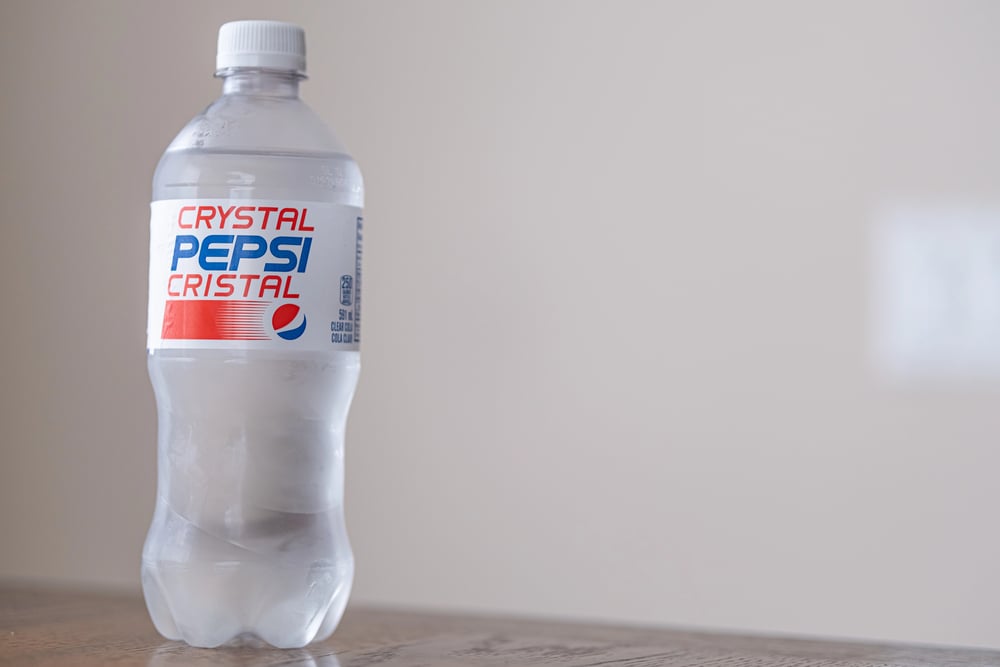
PepsiCo launched its clear cola with a Super Bowl ad featuring Van Halen’s “Right Now.” Despite initial curiosity, consumers found the product confusing—it looked like water but tasted like cola.
Sales plummeted shortly after launch, and the product was discontinued within a year. The transparent soda remains a prime example of innovation without consumer demand.
Zune

Microsoft’s answer to the iPod received a flashy Super Bowl introduction that failed to articulate why consumers should choose it over Apple’s established product. Despite competitive features and pricing, the device never gained traction.
Microsoft discontinued the product line just a few years later, marking one of its most expensive consumer electronics failures.
Like Go2Tutors’s content? Follow us on MSN.
EToys.com

This online toy retailer spent lavishly on Super Bowl advertising in 2000 but failed to deliver on basic promises during the following holiday season. Their stock price collapsed from nearly $90 to less than $1, and they filed for bankruptcy just 13 months after their high-profile commercial.
Their cautionary tale highlights the dangers of marketing before operational excellence.
Planet Hollywood
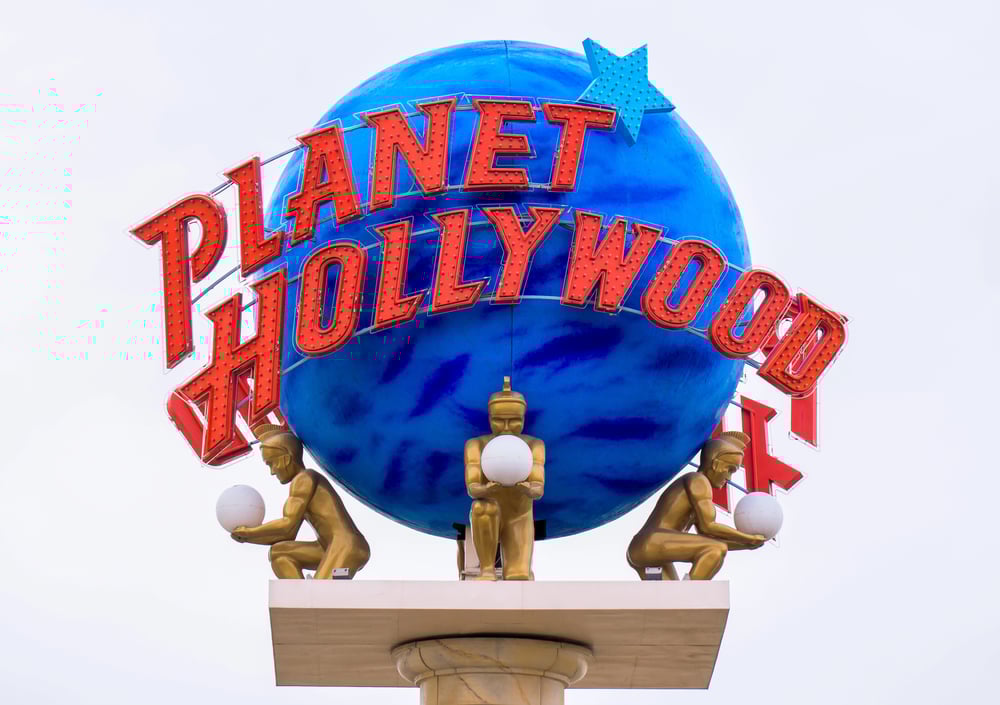
The celebrity-backed restaurant chain aired an expensive Super Bowl ad in 1999 featuring their famous investors, but filed for bankruptcy later that same year. Their commercial couldn’t fix fundamental business problems including mediocre food, inflated prices, and declining novelty.
The chain has since closed most locations despite multiple revival attempts.
DashPass

DoorDash launched its subscription delivery service with a 2022 Super Bowl commercial that promised unlimited free delivery. The timing coincided with post-pandemic shifts in consumer behavior away from delivery services.
The company was forced to significantly restructure the offering within months as its stock price declined over 60% from its peak.
Like Go2Tutors’s content? Follow us on MSN.
HeadOn

This topical headache remedy became famous for its repetitive Super Bowl ad, which instructed viewers to “apply directly to the forehead.” Medical professionals immediately scrutinized the product, noting that it contained no active ingredients.
Sales briefly spiked due to the ad’s notoriety before plummeting as consumers realized the product had no scientific backing.
MoviePass

The subscription movie ticket service spent on Super Bowl advertising despite an already unsustainable business model. Their unlimited movie viewing for a fixed monthly fee created enormous losses for each active user.
Within weeks of their commercial, the company implemented desperate restrictions and ultimately shut down completely, leaving subscribers and theaters in the lurch.
The Legacy of Marketing Missteps
These Super Bowl advertising failures remind us that even massive marketing budgets can’t save fundamentally flawed products or business models. The heightened visibility of America’s biggest sporting event can accelerate both success and failure, turning weaknesses into terminal conditions.
For companies considering such high-stakes advertising, these cautionary tales emphasize that operational excellence should always precede marketing ambition.
Like Go2Tutors’s content? Follow us on MSN.
More from Go2Tutors!

- 18 Unexpectedly Valuable Collectibles You Might Have Lying Around
- 20 Little-Known Historical Battles That Had Huge Consequences
- 20 Historical Artifacts That Scientists Can’t Explain
- 15 Inventions That Were Immediately Banned After Being Created
- 20 Actors Who Were Almost Cast in Iconic Roles
Like Go2Tutors’s content? Follow us on MSN.