17 Surprising Facts About Blue Jeans
Every so often, something ordinary turns up everywhere – blue jeans fit that perfectly. Sitting quietly in wardrobes, they manage to cross oceans without fanfare.
A farmer wears them like they were made for dirt, while a city walker treats them like art. What really grabs attention isn’t just how they seem at first glance.
Beyond surface details lies something surprising – enough to shift how you see those go-to companions. Sometimes it’s the quiet truths that stick.
Born From Workwear
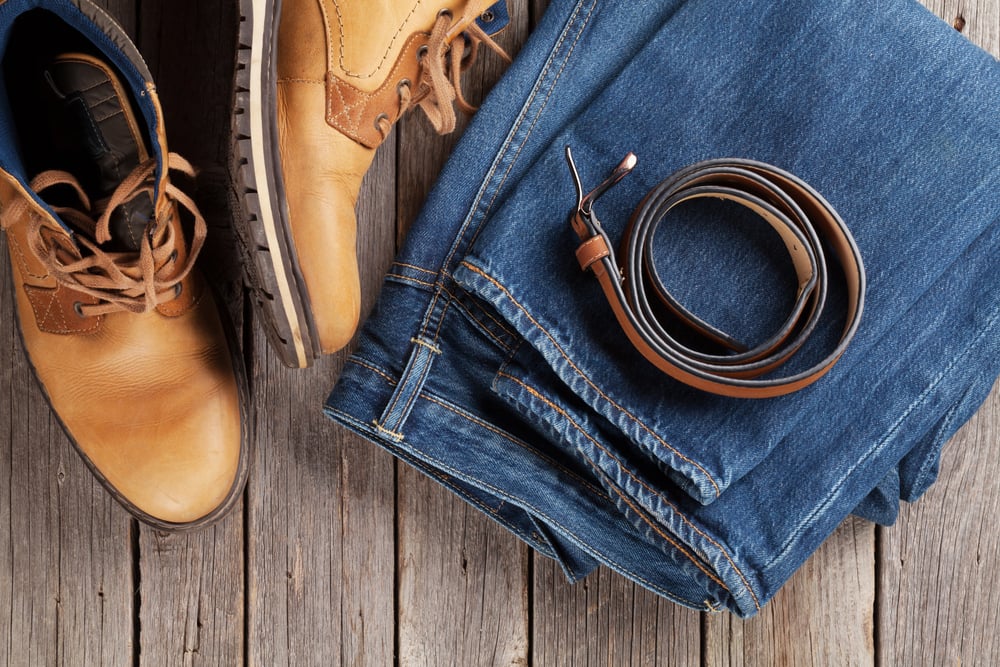
Hard wearing trousers came first, fashion followed much later. Back in 1873, Levi Strauss teamed up with Jacob Davis to build durable pants for gold rush workers.
Miners needed gear built to last, nothing fancy. Their only aim?
A pair of pants that could survive days of heavy labor without tearing apart.
The Rivet Story
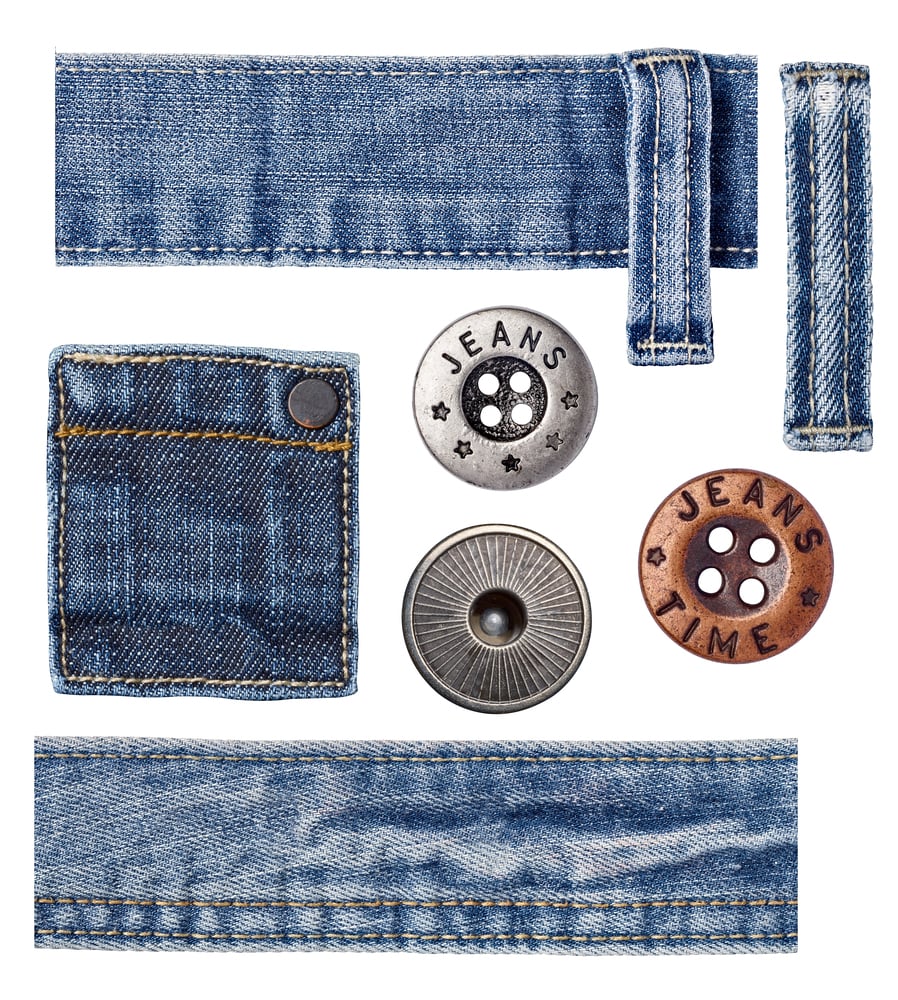
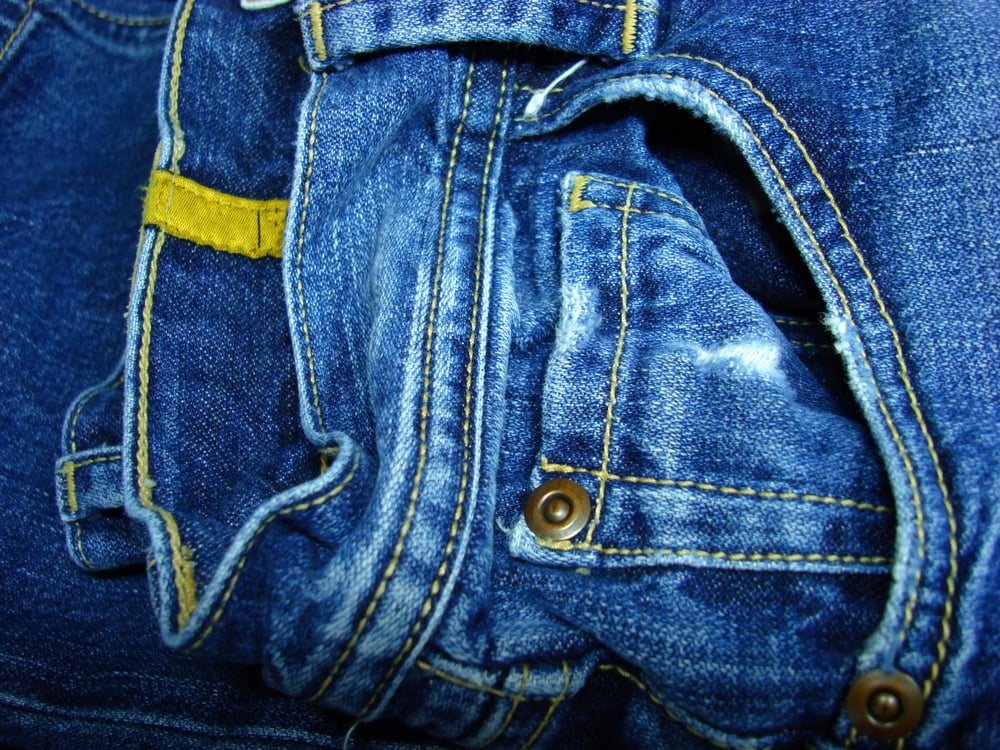
Little copper rivets on the pockets had legal protection through a patent. A tailor named Jacob Davis thought to reinforce weak spots – especially where pockets met seams – with tiny metal fasteners so fabric would hold longer.
Working together, he and Levi Strauss secured rights to the method. That single document shifted how clothes were built forever.
Indigo Was Chosen For A Reason
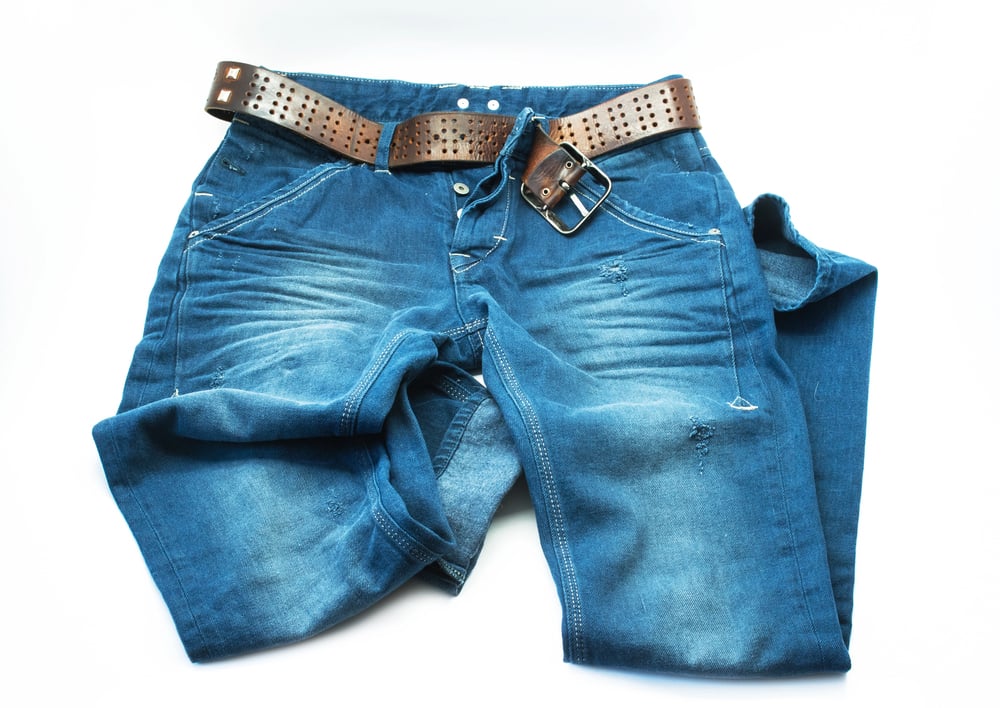
Blue runs deeper than fashion. Because indigo refuses to soak completely into cotton, it clings to the surface instead.
With every wash and day of use, bits flake away slowly. This slow fade builds character – one garment at a time.
Denim Predates America
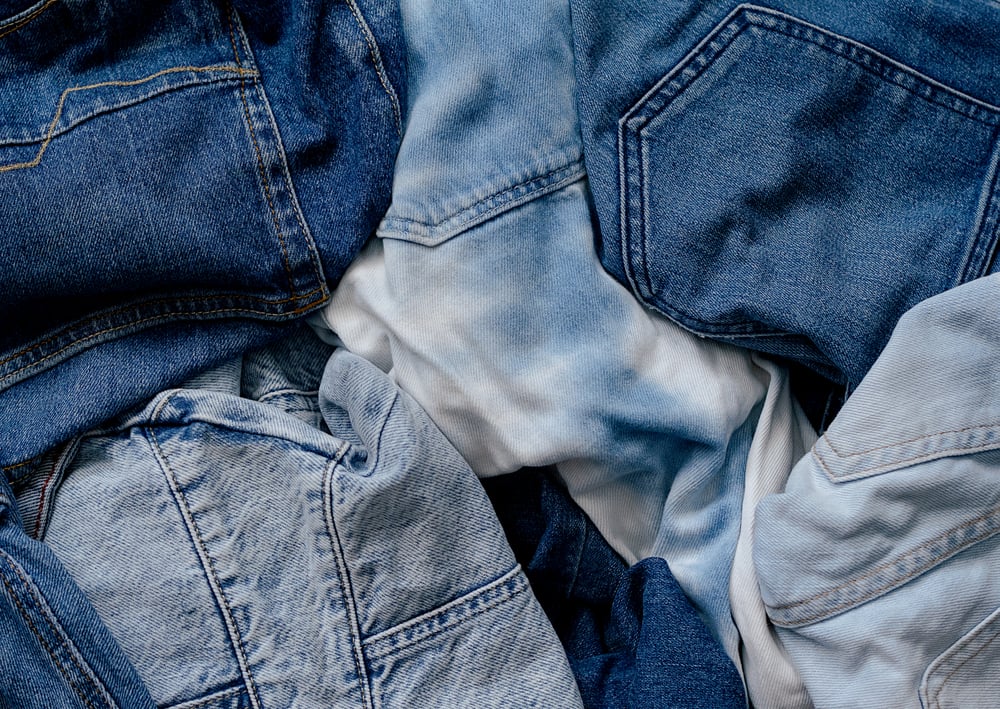
Over in Europe, clothes like this began long ago. From Nimes, France, came a tough twill known as ‘serge de Nimes,’ woven there for hundreds of years.
That name shifted across the ocean. What we now say as ‘denim’ started out as an English take on those old French words.
The Waist Cinch At The Back
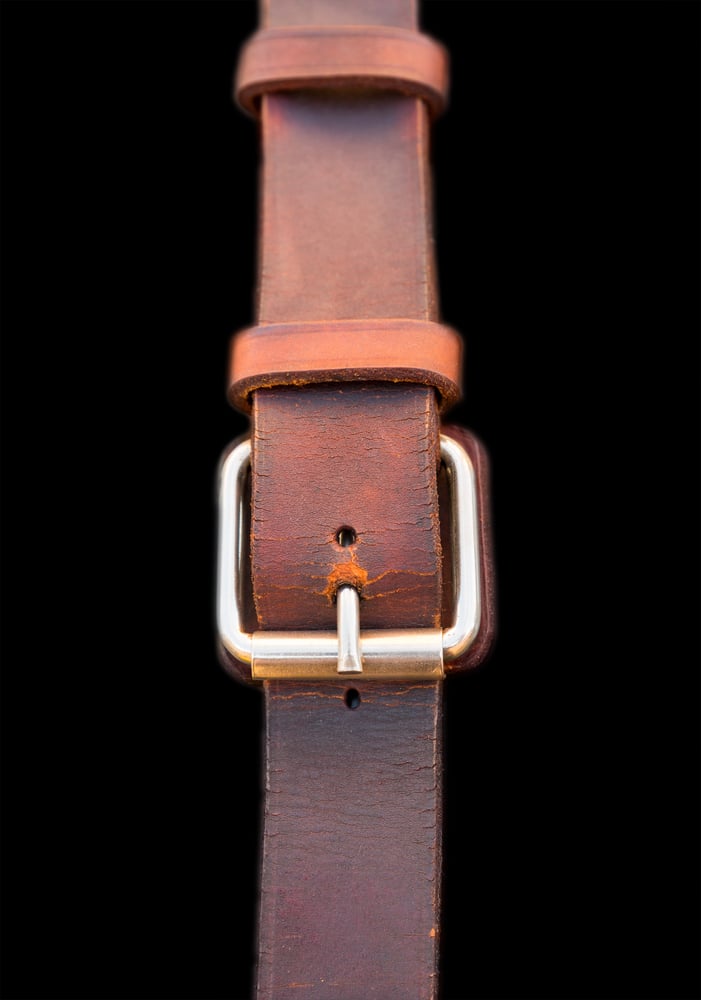
A tiny buckle once sat on the back of older jeans’ waistbands. Workers used that little strap to pull the fit tighter, no belt needed.
Fabric limits during war years cut out such extras by the 1940s. That’s how the cinch strap faded away.
Jeans Were Once Banned In Schools

Folks in charge of classrooms started shutting out denim during the nineteen-fifties, uneasy about what it stood for. Cinema rebels on screen, paired with loud music off records, painted jeans as trouble worn in threads.
School halls echoed with grown-up concern – attire could nudge kids toward choices adults didn’t approve of. A pair of pants became more than fabric once films and songs linked them to defiance.
A Little Compartment Down There Serves A Real Purpose

Odd little slot tucked into the front right jeans pocket? Baffled folks ages.
Back when workers wore timepieces on chains, this tiny space had purpose – kept watches snug. Now coins rattle around in there sometimes.
Or nothing at all.
Last Of The Bunch, Women’s Jeans Showed Up Much Later

Most of the time at first, people only built jeans for men. When women stepped into factories during World War II, tough clothes became necessary – jeans fit that need.
Once peace came, those pants simply remained a part of what women wore.
The Global Jean Count

Few can grasp how massive two billion jeans really are each year across the planet. Picture that many – enough to wrap the globe more than once if laid end to end.
The scale stretches beyond everyday understanding.
Stonewashed Was An Accident
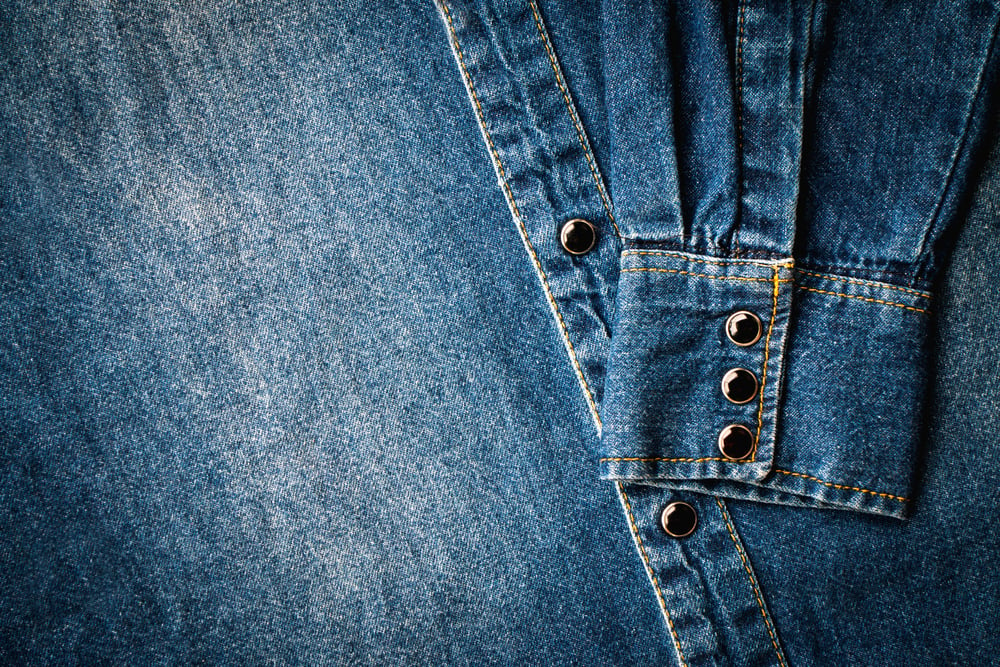
The stonewashed look that became a massive trend in the 1980s came from a pretty straightforward discovery. Manufacturers found that washing denim with pumice stones created a faded, worn-out texture much faster than regular washing.
It was quick, cheap, and customers loved it.
Elvis Changed Everything
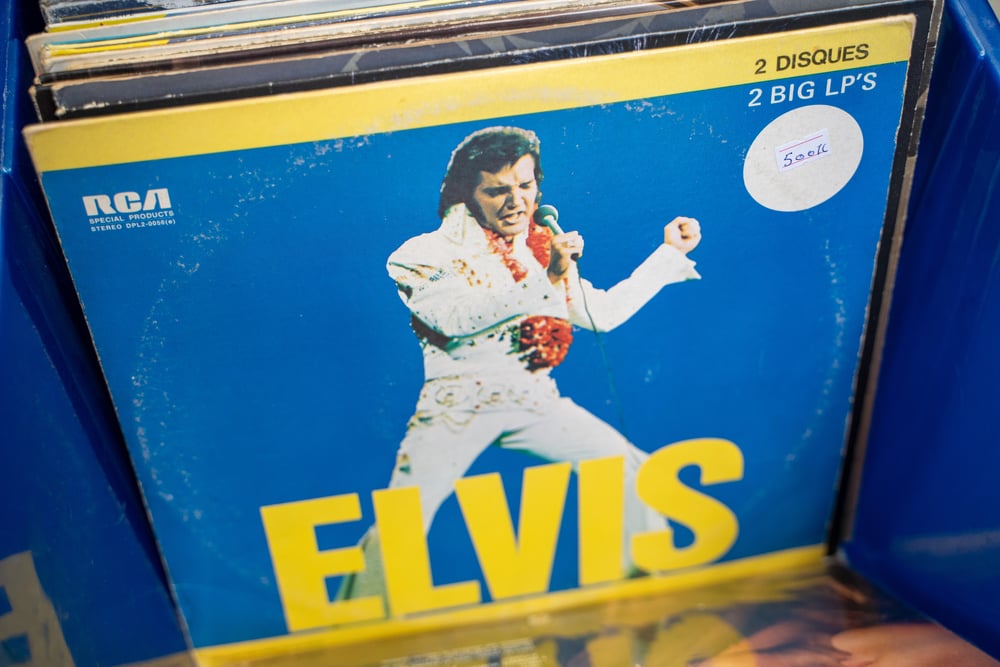
Before Elvis Presley started wearing jeans in public appearances and performances, adults rarely wore them outside of physical labor. His influence in the late 1950s pushed jeans into mainstream fashion.
After that, it was nearly impossible to keep them in just the ‘working class clothing’ category.
Water Usage Is Enormous

Producing one pair of jeans uses roughly 1,500 gallons of water when you include growing the cotton, dyeing the fabric, and finishing the garment. That is about the same amount of water an average person drinks over three years.
It has made the denim industry one of the more water-intensive in fashion.
The Selvage Difference
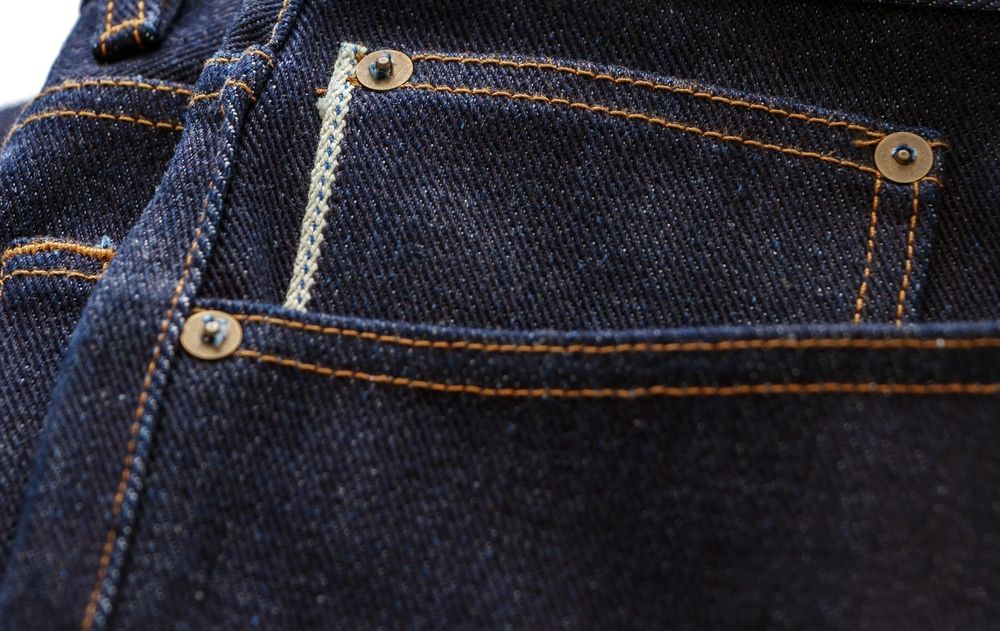
Selvage denim, which is woven on old-style shuttle looms, creates a tightly finished edge that prevents fraying. Regular denim made on modern looms does not have this edge.
Selvage jeans are considered higher quality and tend to cost significantly more because of how slowly they are produced.
Jeans Reached Space

NASA astronauts have worn denim on certain missions. Levi Strauss created a flame-resistant version of their jeans for use in space programs during the 1970s.
It was a practical choice since denim is naturally thick and durable, though obviously it needed some serious modifications.
The First Designer Jeans Boom
In the late 1970s, designers like Calvin Klein and Gloria Vanderbilt turned jeans into luxury items. Klein’s famous ad campaign made the word ‘designer jeans’ part of everyday conversation.
Before that, jeans were mostly seen as casual or even low-status clothing, not something to brag about wearing.
Shrink-To-Fit Was Intentional
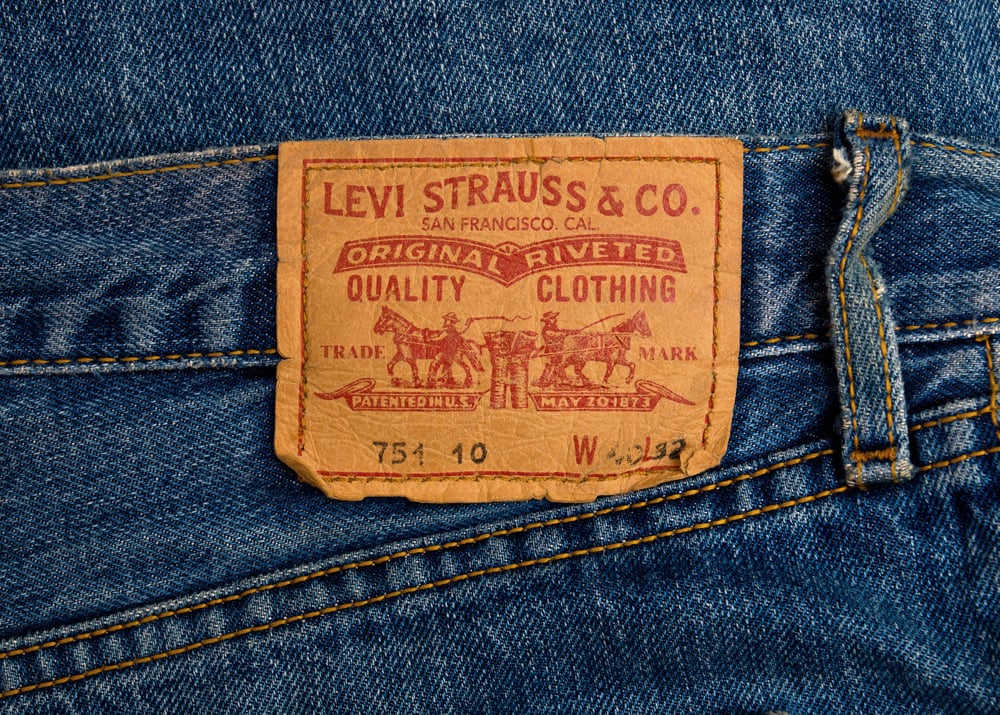
Early Levi’s jeans were sold deliberately large so that buyers could shrink them to fit by wearing them wet. Some people actually wore them into a bathtub full of water and then let them dry on their bodies.
It sounds extreme, but it was a normal part of owning a pair of Levi’s for many years.
Black Denim Is Denim In Disguise
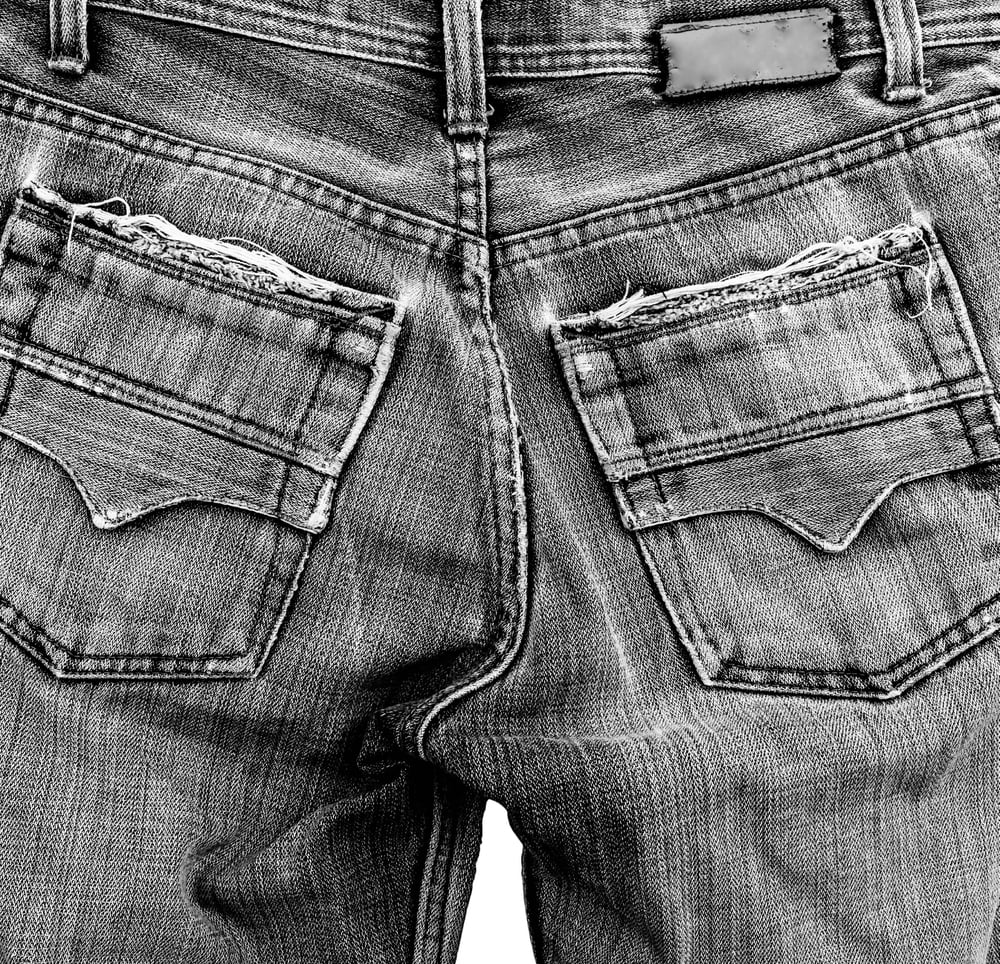
Black jeans use a different dye process altogether since denim is naturally cotton and cotton does not hold dark colors as firmly as lighter ones. Manufacturers have to use sulfur dyes or other chemical processes to lock in the black color.
Even with all that effort, black jeans still fade faster than their blue counterparts.
Why Jeans Never Get Old

Blue jeans have outlasted nearly every fashion trend that has come and gone in the last 150 years. What started as a tough pair of work pants for miners is now worn by heads of state, teenagers, and everyone in between.
That kind of staying power does not happen by accident. It happens because something genuinely works, and jeans, in almost every form they have taken, just keep on working.
More from Go2Tutors!

- The Romanov Crown Jewels and Their Tragic Fate
- 13 Historical Mysteries That Science Still Can’t Solve
- Famous Hoaxes That Fooled the World for Years
- 15 Child Stars with Tragic Adult Lives
- 16 Famous Jewelry Pieces in History
Like Go2Tutors’s content? Follow us on MSN.