12 Buildings That Were Designed to Last a Year (But are Still Standing)
Throughout architectural history, certain structures were created with planned obsolescence in mind—temporary marvels meant to showcase innovation, host specific events, or serve as short-term solutions to immediate needs. These buildings were designed with materials and methods that prioritized quick assembly over longevity, with the understanding they would be dismantled once their purpose was fulfilled. Yet surprisingly, many of these intended short-timers have defied their expiration dates.
Here is a list of 12 remarkable buildings that were originally designed to last only about a year but continue to stand today, sometimes decades or even centuries beyond their intended lifespan.
Eiffel Tower
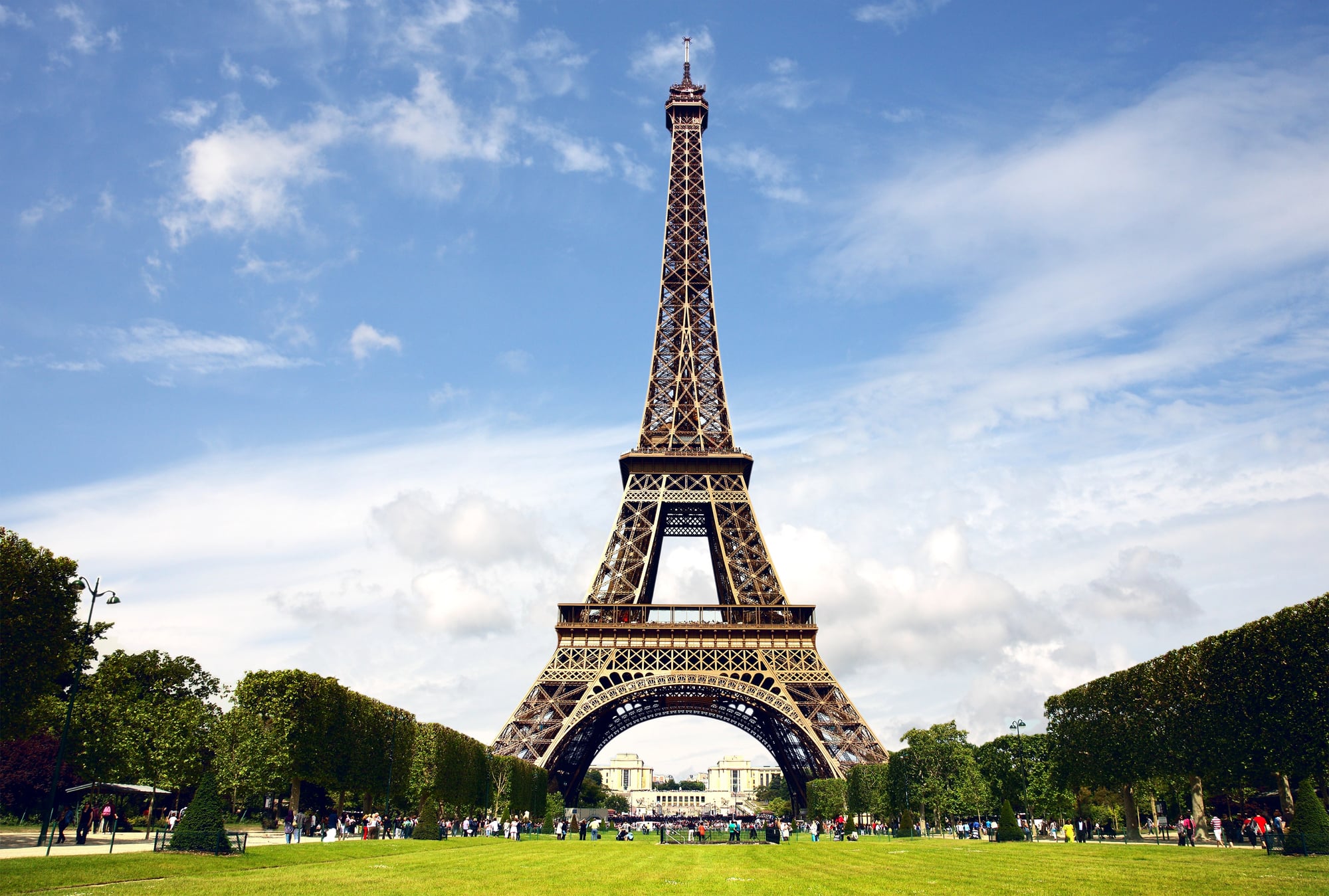
The iconic Parisian landmark was built as a temporary entrance arch for the 1889 World’s Fair with a planned lifespan of just 20 years. Designer Gustave Eiffel cleverly included a radio antenna and meteorological station to make the tower useful beyond the exhibition.
The 1,083-foot iron structure has now stood for over 130 years, becoming France’s most recognizable symbol despite initial protests from artists who called it an eyesore.
Palace of Fine Arts
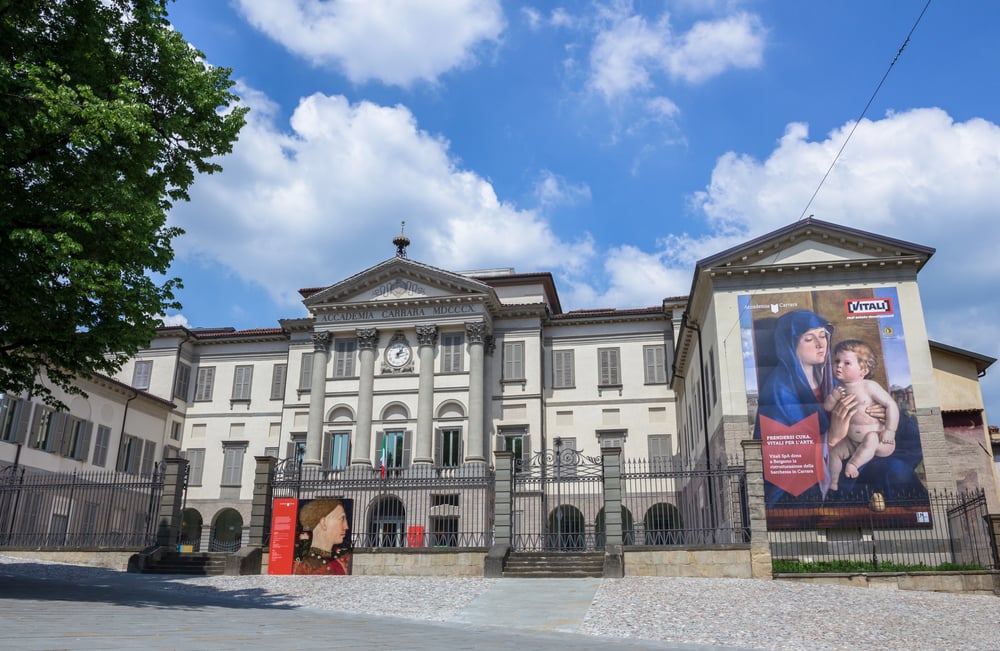
This magnificent San Francisco structure was built for the 1915 Panama-Pacific International Exposition and designed to last only for the duration of the fair. The palace was so beloved by locals that a preservation campaign saved it from demolition when the rest of the temporary exhibition buildings came down.
The original structure was eventually rebuilt in concrete between 1964 and 1974, giving permanent form to what was meant to be a fleeting architectural fantasy.
Seattle Space Needle
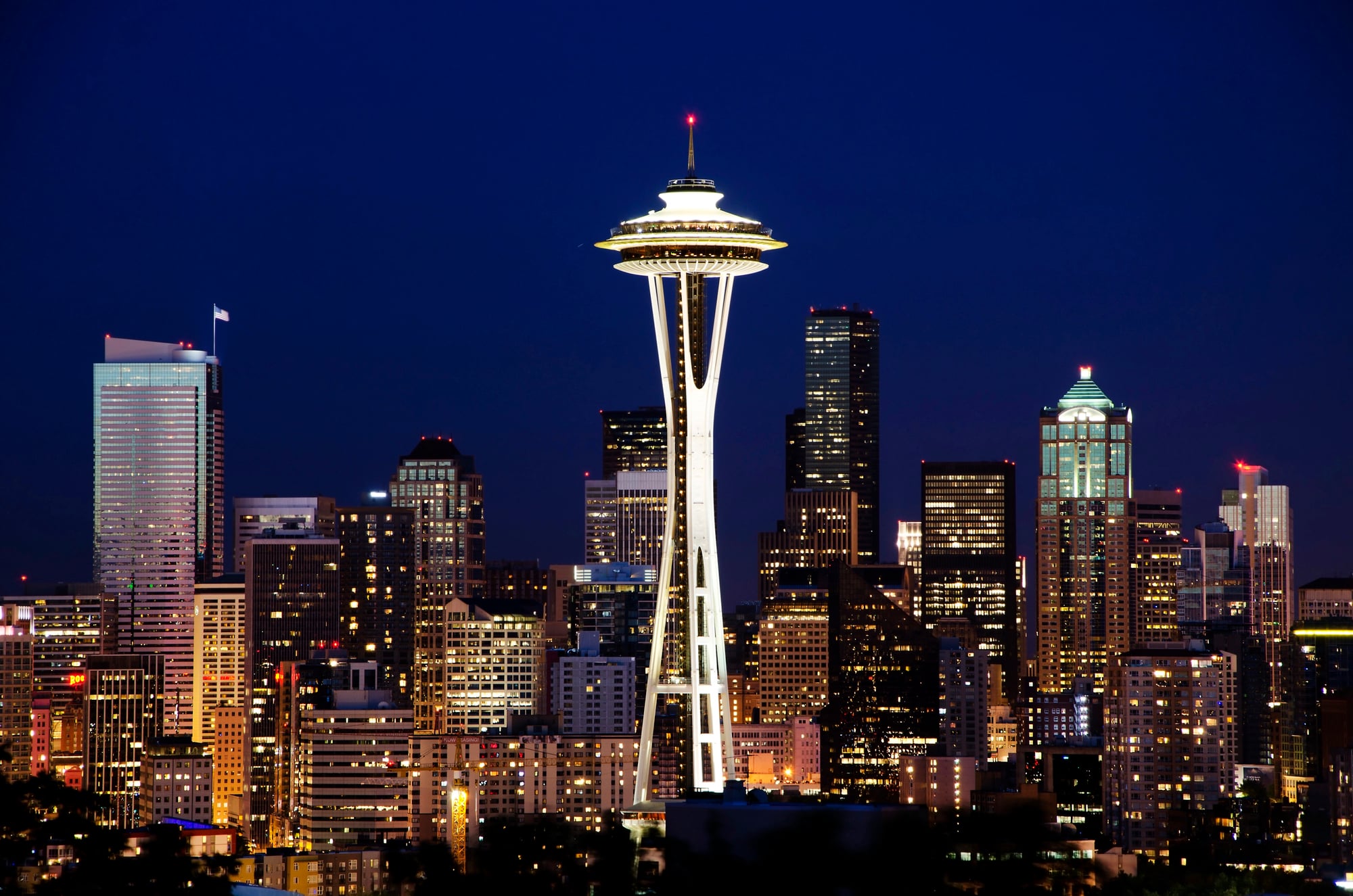
Constructed for the 1962 World’s Fair, this futuristic tower was initially expected to be dismantled after the exposition ended. The Space Needle was built in just 400 days and was designed with a temporary foundation that many engineers believed would only support the structure for a few years.
The 605-foot tower has since become Seattle’s most recognizable landmark and underwent a $100 million renovation in 2018 to ensure it stands for generations to come.
Crystal Palace
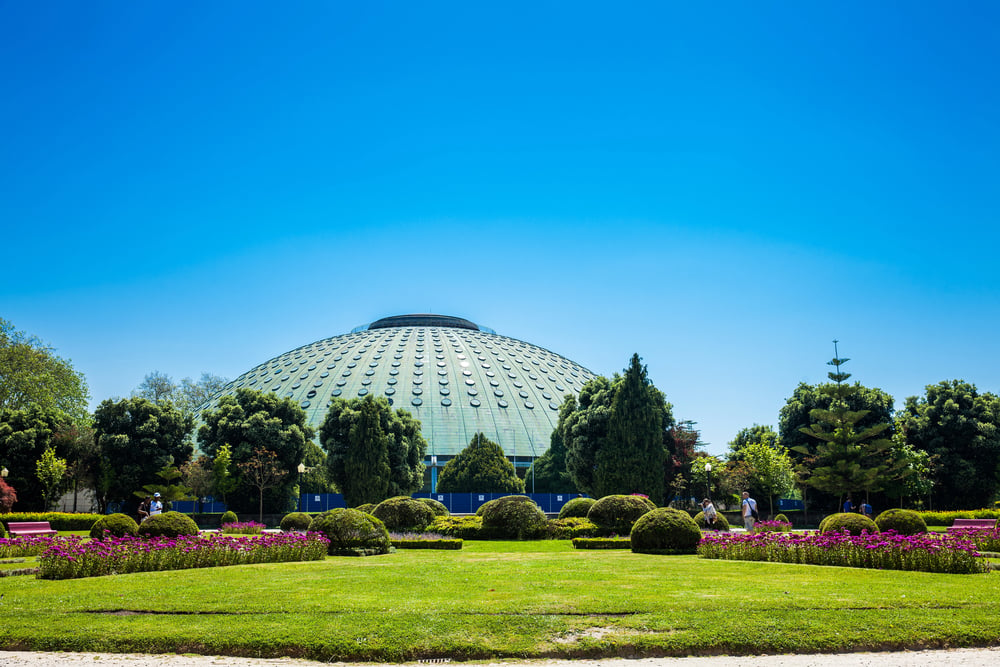
Originally constructed in Hyde Park for London’s Great Exhibition of 1851, this revolutionary glass and iron structure was intended to be temporary. Public admiration for Joseph Paxton’s innovative design led to its preservation and relocation to South London where it stood for 85 additional years.
The massive greenhouse-like building eventually succumbed to a catastrophic fire in 1936, but its nearly nine-decade existence far exceeded its planned single-year lifespan.
Navy Pier
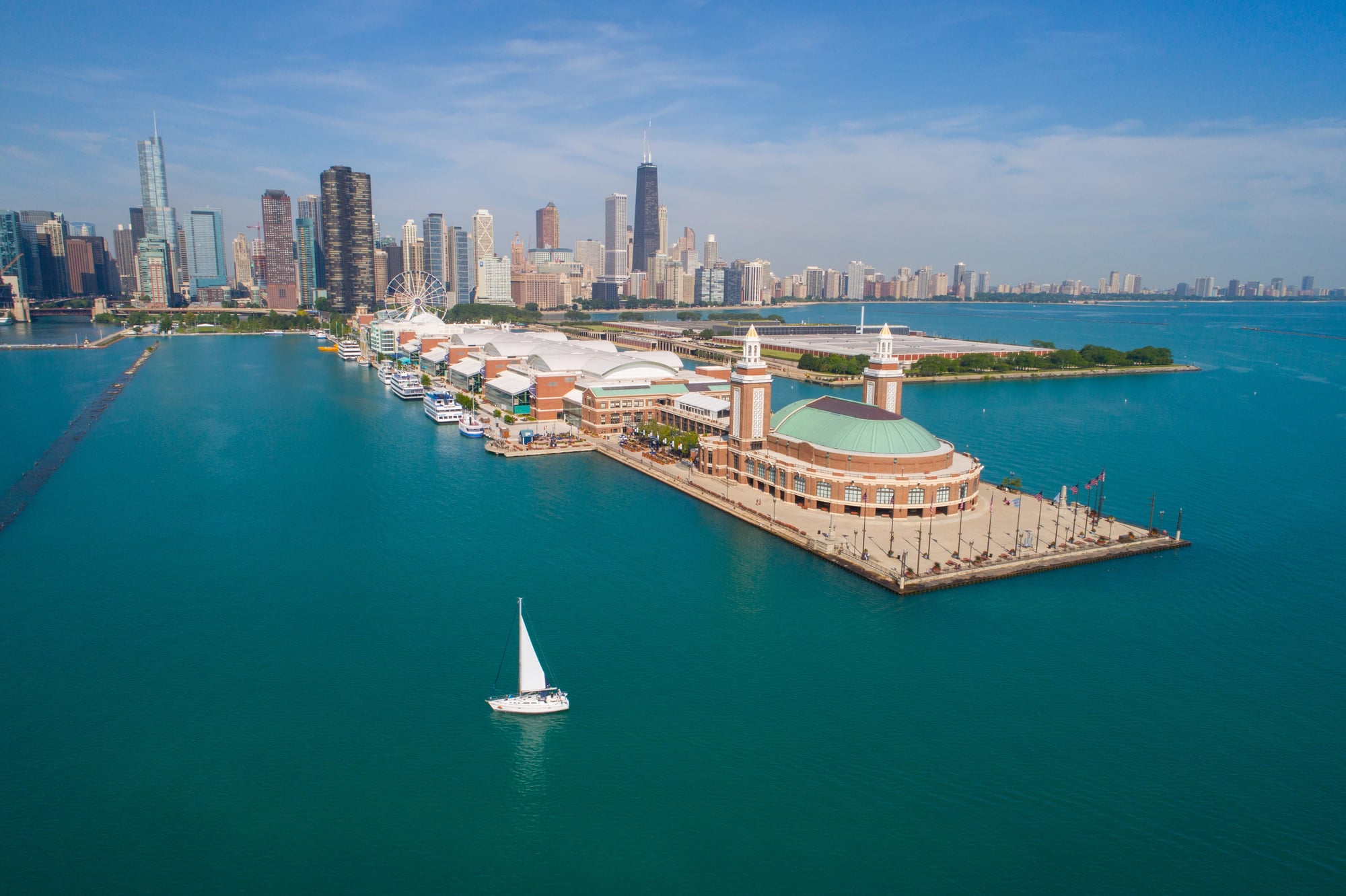
Chicago’s famous lakefront attraction was built in 1916 as a temporary shipping and recreation facility expected to serve for just a few years. The municipal pier was part of Daniel Burnham’s Plan of Chicago and featured temporary warehouse buildings for cargo operations during World War I.
More than a century later, the pier has evolved into one of the Midwest’s most visited destinations, welcoming nearly 9 million visitors annually despite its initial short-term design.
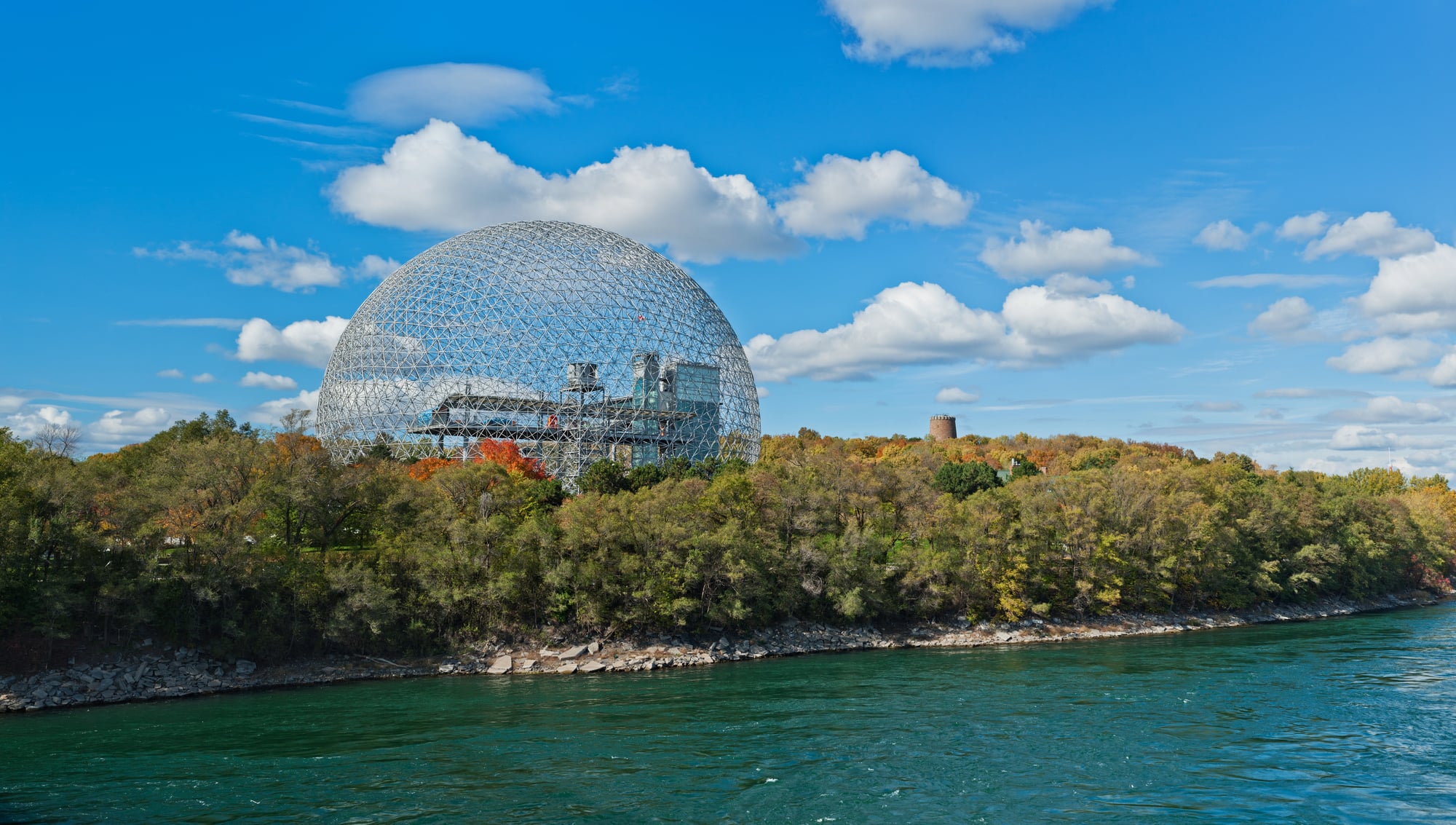
Fuller Dome
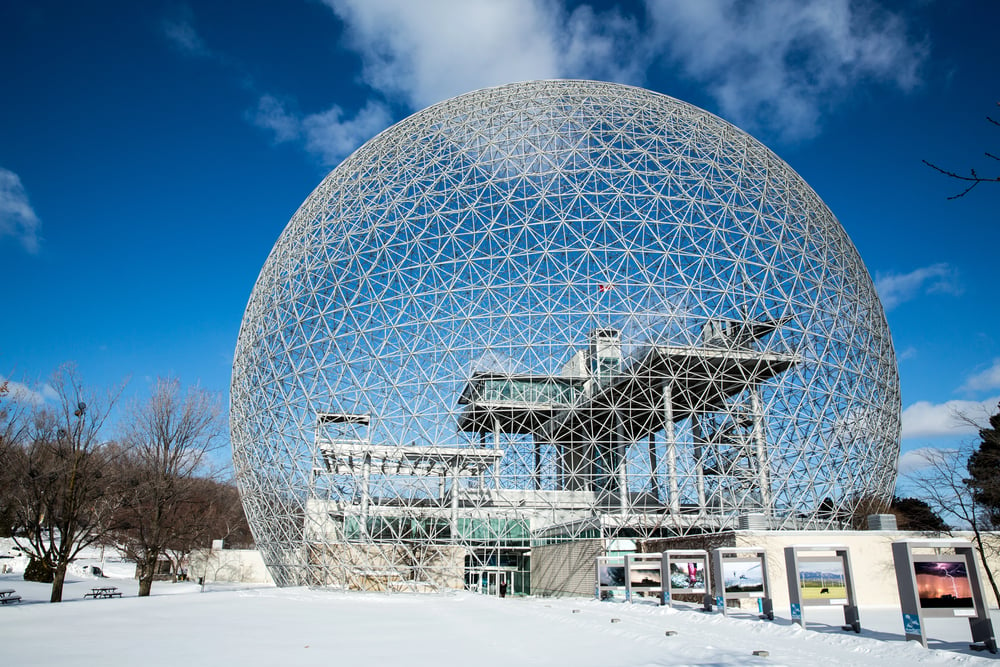
Buckminster Fuller’s geodesic dome at the Montreal Expo 67 was designed as a temporary American pavilion intended to be dismantled after the world’s fair. The innovative structure has survived for over five decades despite a devastating fire in 1976 that destroyed the acrylic panels but left the steel framework intact.
Now known as the Biosphere, the dome houses an environmental museum, repurposing what was meant to be ephemeral architecture into a monument to sustainability.
Rome Colosseum
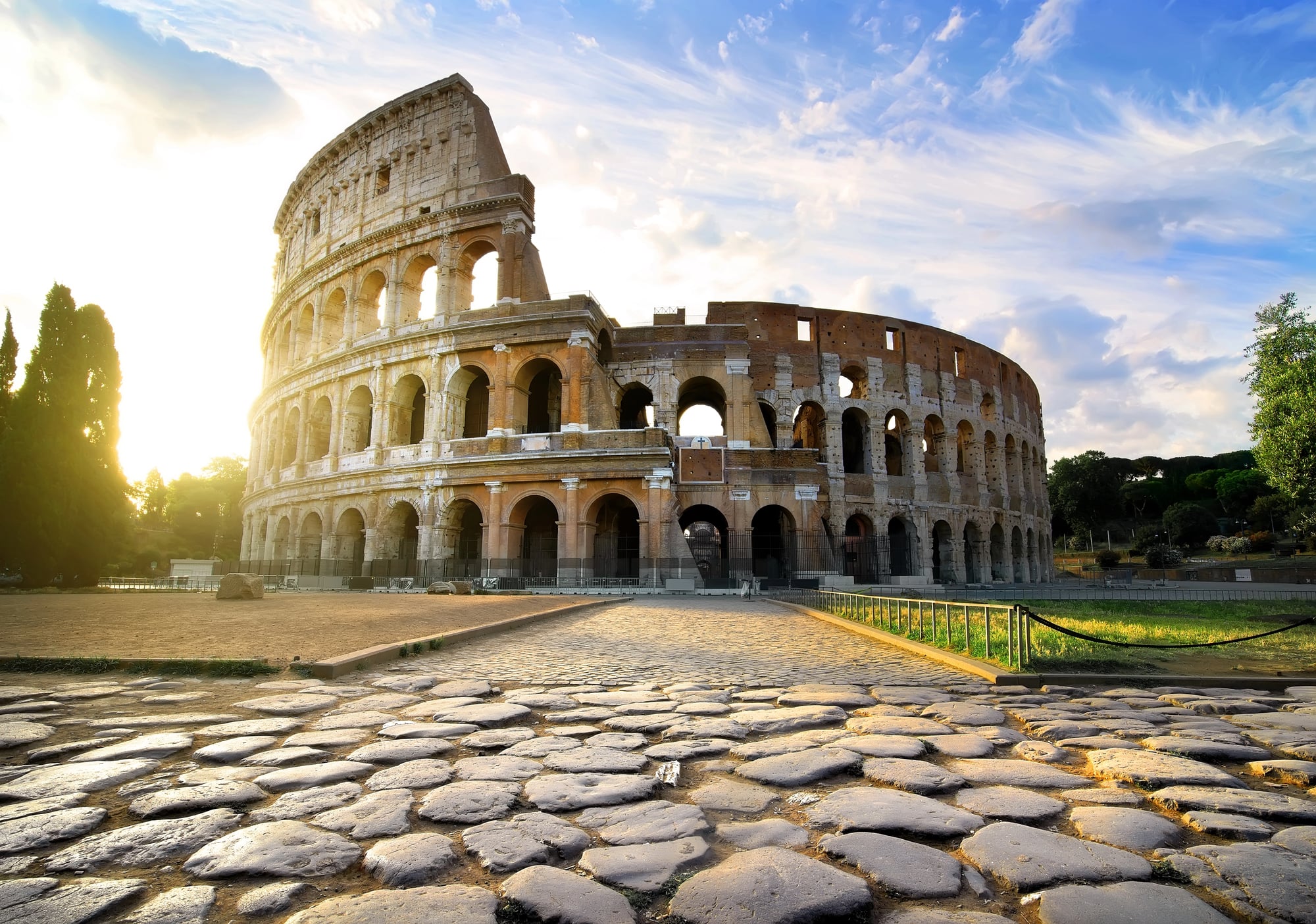
While not designed to be temporary per se, many Roman amphitheaters were constructed with limited lifespans in mind, often using techniques for rapid construction rather than multi-century durability. The Colosseum was built primarily for propaganda purposes to consolidate Flavian dynasty power, not as a millennia-spanning monument.
The iconic structure has survived nearly 2,000 years despite earthquakes, stone-robbing, and minimal maintenance throughout much of its history.
Brussels Atomium
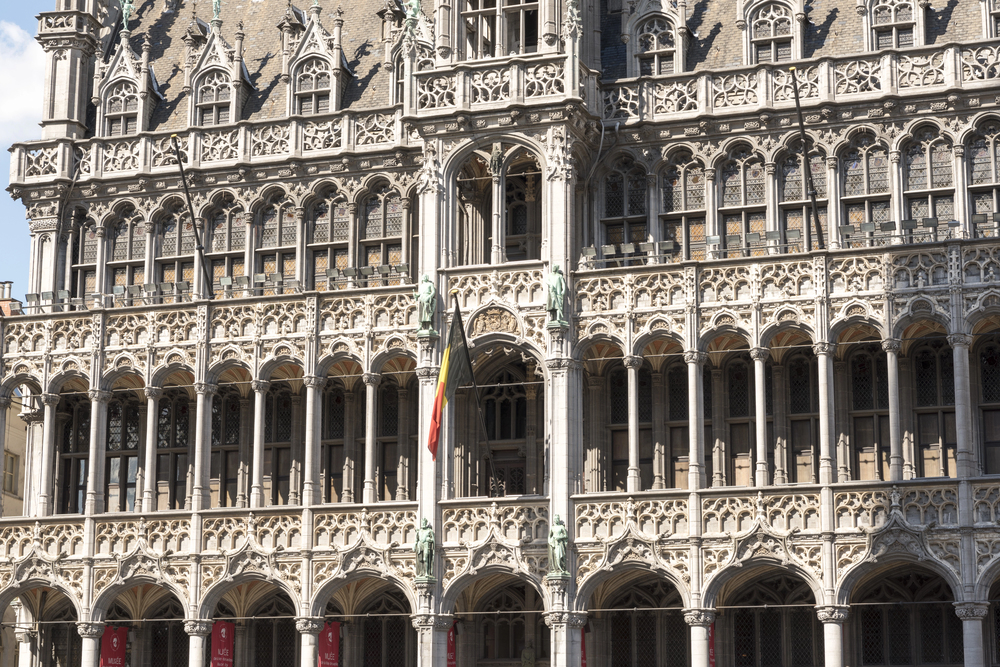
This striking atomic structure was built for the 1958 Brussels World Expo with an expected lifetime of just six months. Designed to represent an iron crystal magnified 165 billion times, the 335-foot structure features nine interconnected stainless steel spheres.
The Atomium became so popular that city officials decided to maintain it permanently, and a comprehensive renovation completed in 2006 ensures it will remain standing for at least another century.
Aloha Tower
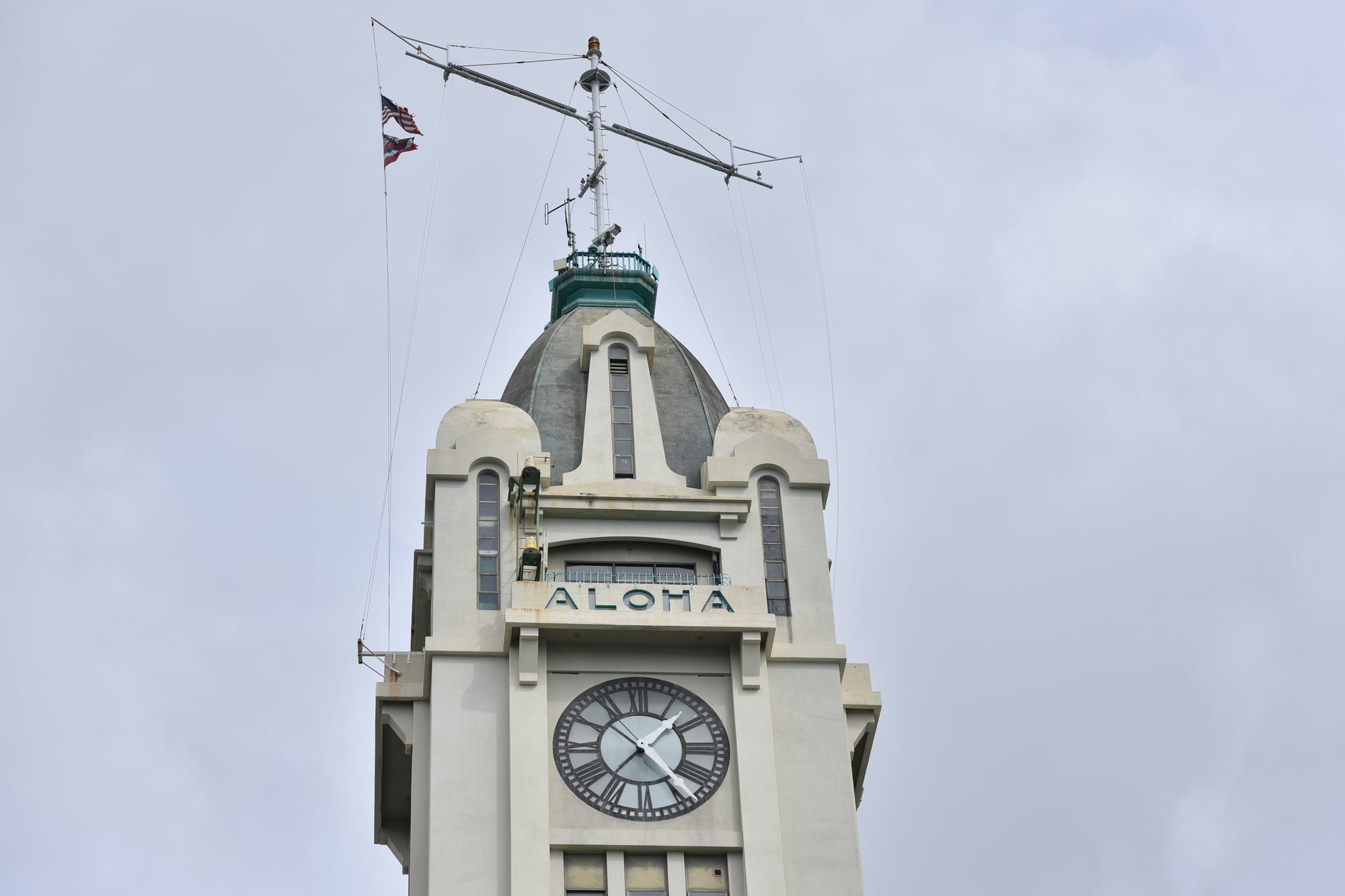
This Hawaiian landmark was built in 1926 as a temporary lighthouse and harbor control station expected to serve for just a few decades. The 184-foot concrete structure was the tallest building in Hawaii for four decades and was designed with what were then considered limited-lifespan materials.
Nearly a century later, the tower continues to welcome visitors to Honolulu and has been repurposed as part of a marketplace and community center.
Rogers Centre
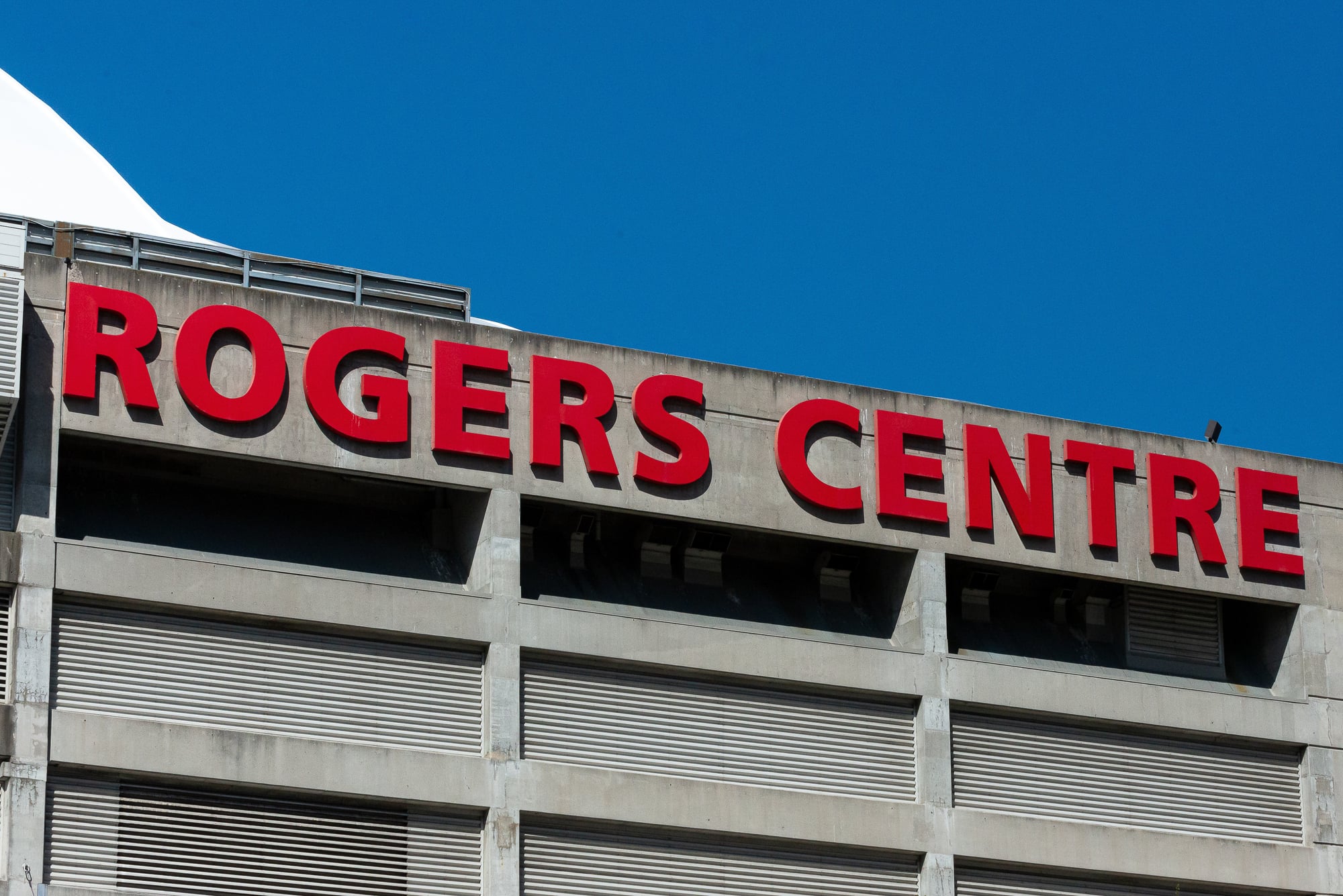
Originally called SkyDome, this Toronto stadium opened in 1989 with a retractable roof system that many engineers predicted would function for only 10-15 years before requiring complete replacement. The pioneering mechanical system was an experiment in large-scale movable architecture that hadn’t been previously attempted at that scale.
More than three decades later, the original roof mechanism continues to operate, outlasting numerous newer stadiums built with supposedly more durable technology.
Pomona Fox Theater
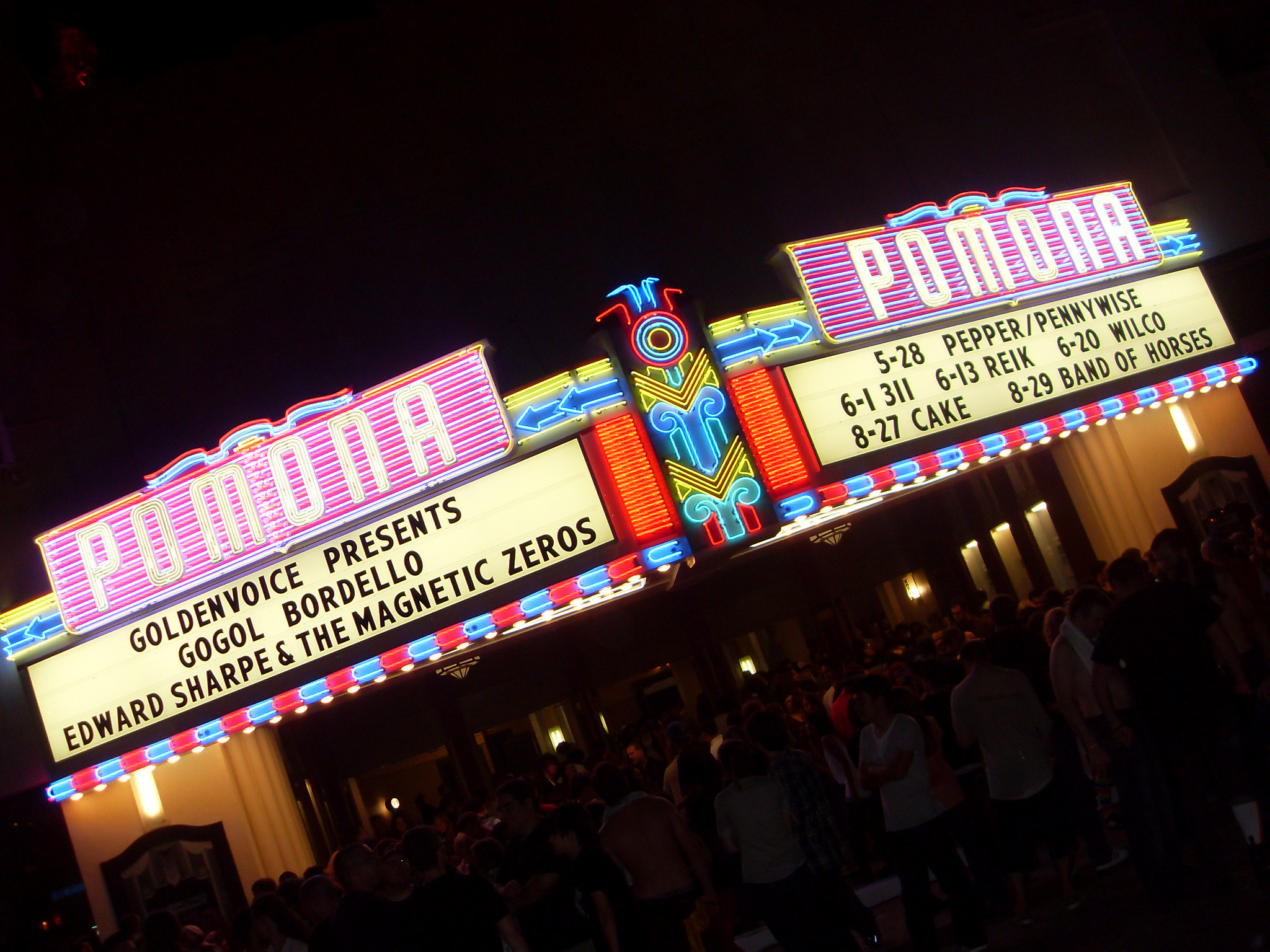
This Art Deco movie palace was hastily constructed in 1931 during the Depression using materials and methods intended to last only until economic conditions improved. The theater’s elaborate façade features ornamental elements made from plaster and composition materials rather than stone, with the expectation that they would be replaced within a decade.
Ninety years later, the theater still stands after a comprehensive restoration in 2009 preserved its ‘temporary’ decorative features.
Nakagin Capsule Tower
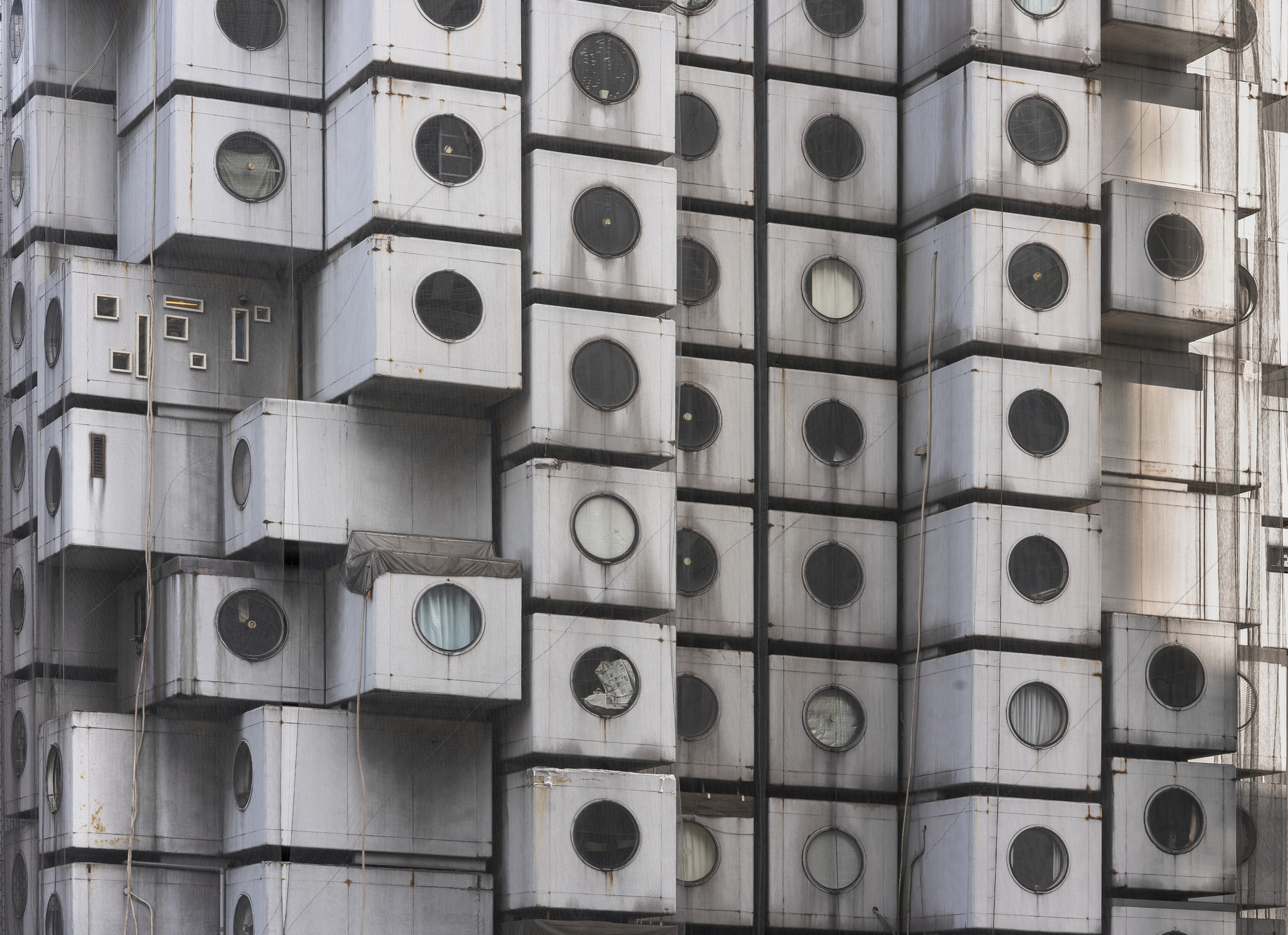
This experimental Japanese apartment complex featured 140 prefabricated living pods designed to be replaced every 25-30 years while the core structure remained. Architect Kisho Kurokawa intended the modules to demonstrate the Metabolist concept of architecture that grows and adapts like organic systems.
The building stood from 1972 until 2022—far exceeding its planned lifespan—before being dismantled, with several pods preserved in museums worldwide as examples of visionary temporary architecture.
Persistent Impermanence
These remarkable structures remind us that architectural longevity often depends less on initial intentions than on how communities embrace and preserve buildings that capture their imagination. What began as temporary showcases became beloved landmarks through a combination of innovative engineering, cultural significance, and community attachment.
These buildings demonstrate how structures created for fleeting moments can become enduring monuments to human creativity when we choose to maintain rather than replace them.
More from Go2Tutors!

- The Romanov Crown Jewels and Their Tragic Fate
- 13 Historical Mysteries That Science Still Can’t Solve
- Famous Hoaxes That Fooled the World for Years
- 15 Child Stars with Tragic Adult Lives
- 16 Famous Jewelry Pieces in History
Like Go2Tutors’s content? Follow us on MSN.