Images Of Things Invented By Women
Picture a well-known inventor. Most folks see a guy in a white coat, writing math stuff on a board.
Truth? It’s way stranger than that. Women helped build world-changing ideas – some working soft-like, others loud and clear.
Their names slipped away, got handed to men, or vanished into old files. Finding those stories now feels like uncovering secrets hidden under dust.
Looking closely at what these women built matters, since their inventions span farther than many might guess.
The Dishwasher
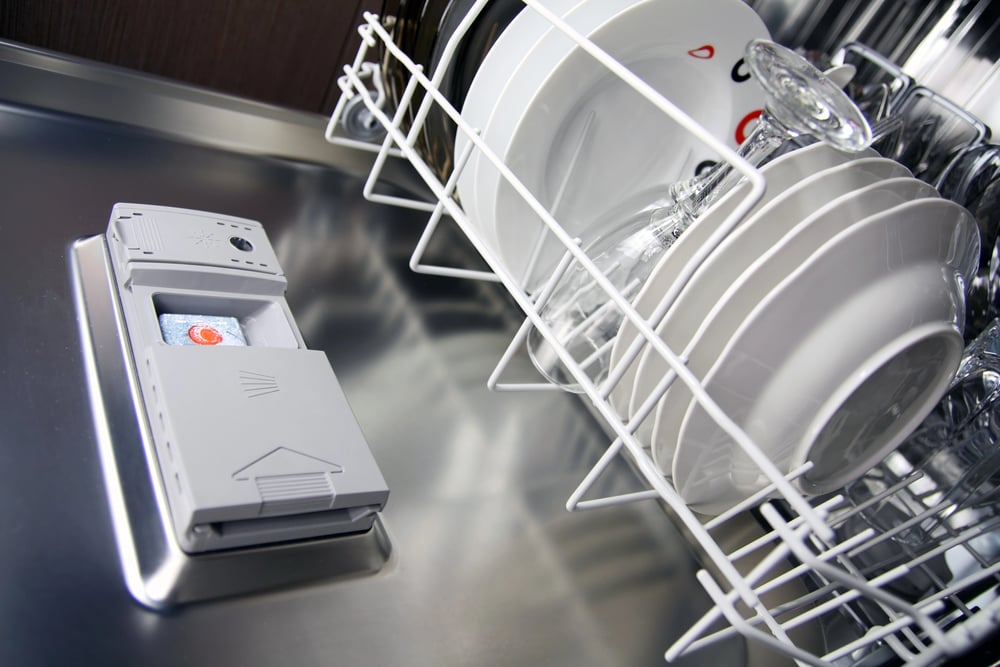
Frustration sparked invention when Josephine Cochrane set out to protect her delicate china from being damaged during handwashing. Rather than accept cracked plates, she designed a device powered by water pressure to do the job more gently.
Her creation made its debut in 1893 at Chicago’s World’s Columbian Exposition. Instant appeal followed among commercial kitchens – hotels and eateries adopted it fast.
Household adoption crept slowly behind, lagging years behind commercial use. Yet nearly every current kitchen carries echoes of her original solution born from shattered dishware.
Kevlar

That year, Stephanie Kwolek stumbled on something tough – working late at DuPont, chasing lighter fibers. Her find? A substance able to outmuscle steel by fivefold when matched pound for pound.
Because of its strength, bulletproof gear got an upgrade almost overnight. Ever since the 1970s, those rushing into danger – cops, medics, troops – have worn vests built from her breakthrough.
She once said she knew it helped countless people dodge death. Years pass, but the count keeps climbing.
Home Safety Setup
A woman named Marie Van Brittan Brown lived in Queens, where she worked as a nurse. Back then, around 1966, things felt unsafe on her block – crimes happened often, and officers took too long to arrive when called.
So she teamed up with her husband Albert; together they built something new. What came out of their effort was the very first version of what we now call a home alarm setup.
It had tiny cameras linked to a screen inside her house, plus a speaker so she could hear and answer whoever stood outside. Because of that early model, later versions began popping up everywhere – even ones you see guarding stores and homes today.
Years passed, yet her original design still echoes through each one.
Windshield Wipers
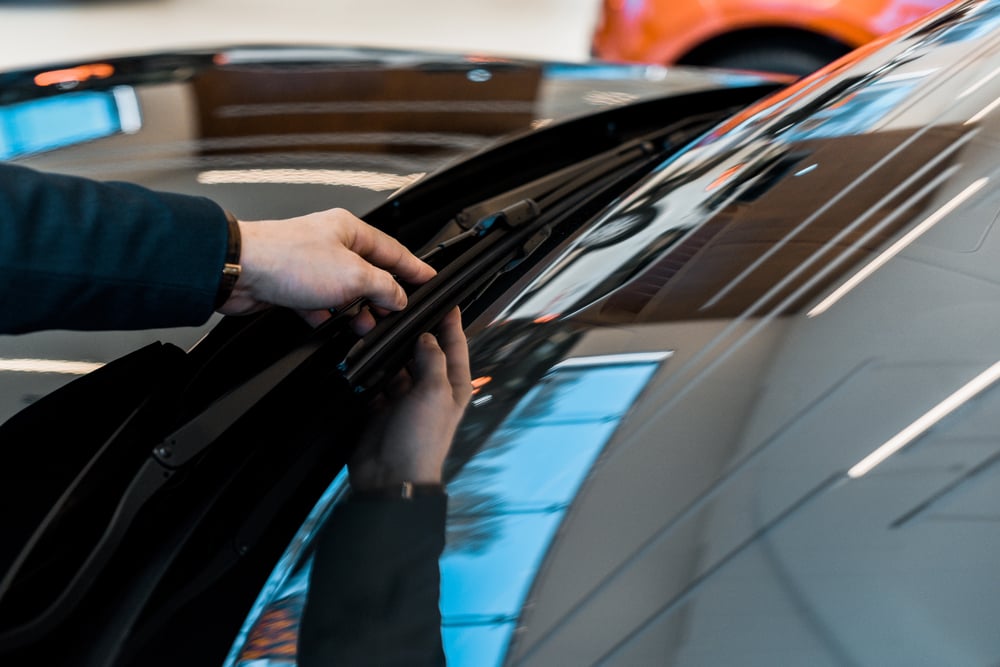
Winter travel in New York gave Mary Anderson an idea. During a snowy ride, she saw streetcar operators halt often just to wipe glass free by hand.
Her fix came in 1903 – a movable arm indoors linked to a rubber edge outdoors. This let those behind the wheel clean sightlines while staying put.
At first, car builders shrugged it off, saying attention might wander. Yet by 1916, such tools appeared on nearly every U.S. auto made.
Despite that, Anderson gained little cash from her creation.
Liquid Paper

A kitchen experiment in 1956 led Bette Nesmith Graham to mix white tempera paint with a tiny brush – her fix for messy typewriter mistakes. Though she worked as a secretary, fixing errors took too long, so she looked for something quicker than starting over each time.
Word spread slowly; coworkers bought bottles without management ever catching on at first. Years passed before anyone realized how big it had grown behind the scenes.
By the time Gillette stepped in during 1979, the product brought in 47.5 million dollars. Few noticed when she slipped into history among the era’s wealthiest quiet innovators.
The Compiler

Back when machines still clanked and hissed, Grace Hopper – a high-ranking officer in the U.S. Navy – built something quiet but powerful: the first tool that turned plain logic into digital commands. That thing? Called a compiler.
It changes words humans understand into signals computers obey. Picture doing without one – typing endless strings of ones and zeros just to make a screen blink.
Not fun. Thanks to her, regular minds started talking to metal brains without going mad.
Her touch shaped what came after – not shadows or whispers, real languages like COBOL grew from her start.
Monopoly
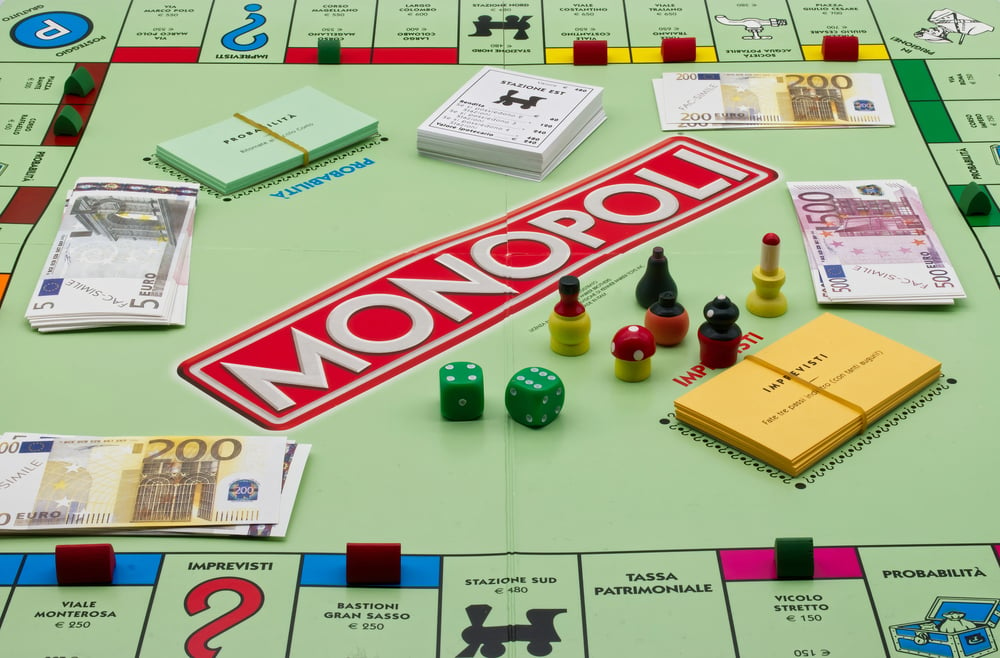
Elizabeth Magie created a board game called ‘The Landlord’s Game’ in 1903, which became the direct precursor to Monopoly. She designed it as a teaching tool to demonstrate how landlords enrich themselves while tenants get poorer.
Charles Darrow later made minor modifications to her design, sold it to Parker Brothers in 1935, and received full credit for decades. Magie received just 500 dollars and no royalties for an idea that became one of the best-selling board games in history.
Caller ID And Call Waiting

Shirley Ann Jackson is a physicist whose research in the 1970s at Bell Laboratories led directly to the development of caller ID, call waiting, the fax machine, and fiber optic cables. Her work in theoretical physics provided the scientific foundation for these telecommunications advances.
Jackson never personally filed the patents because Bell Labs held them, but the scientific community has widely credited her with the underlying discoveries. She later became the first Black woman to earn a Ph.D. from MIT and the first to lead a major research university.
The Signal Flare
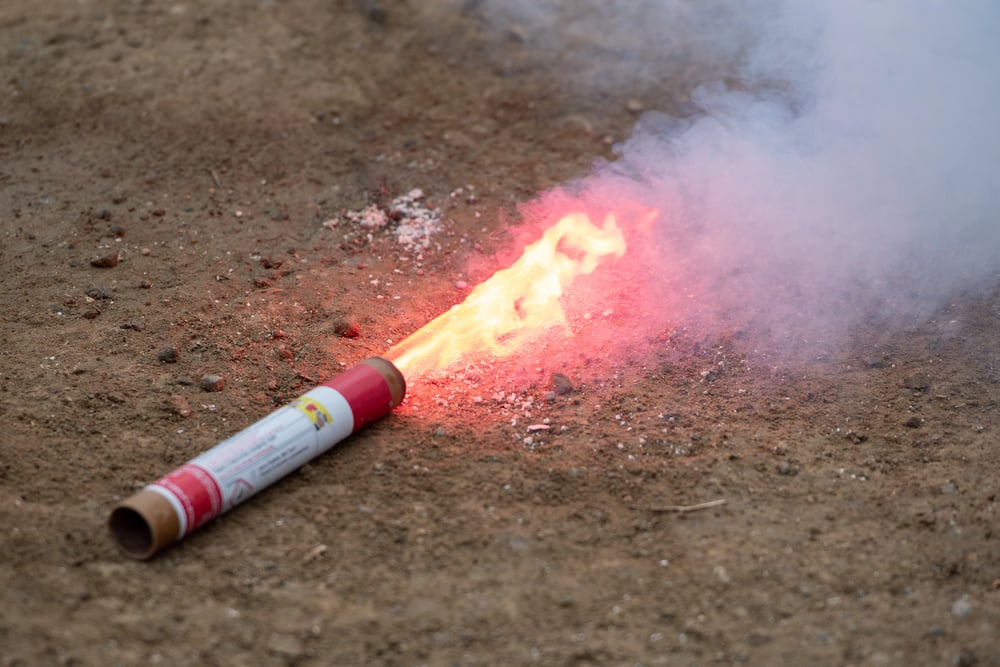
Martha Coston developed a working system of signal flares in the late 1840s based on unfinished notes left by her late husband. She spent over a decade refining the chemistry and working with pyrotechnic experts to make the colors bright enough to be seen at sea.
The U.S. Navy adopted her Coston Telegraph Night Signals during the Civil War and used them to coordinate ships after dark. She held the patent herself, which was unusual for a woman in the mid-1800s, and fought hard to receive fair payment for the government’s use of her invention.
Wireless Transmission Technology

Hedy Lamarr is best remembered as a Hollywood actress from the 1940s, but she was also a serious inventor. During World War II, she co-developed a frequency-hopping signal system designed to prevent enemy forces from jamming Allied torpedoes.
The patent expired before the military made significant use of it, and Lamarr received no financial reward during her lifetime. Her technology later became a core principle behind Bluetooth, GPS, and Wi-Fi, three things that basically run modern life.
The Paper Bag

Margaret Knight invented a machine in 1868 that folded and glued flat-bottomed paper bags, replacing the weaker envelope-style bags that existed at the time. A man named Charles Annan saw her design while it was being built and filed a patent before she could, claiming a woman could not possibly have designed something so mechanical.
Knight sued him, won the case by presenting her original drawings and notebooks, and received the patent herself. The flat-bottomed paper bag she designed is still the standard form used in grocery stores today.
Retractable Dog Leash
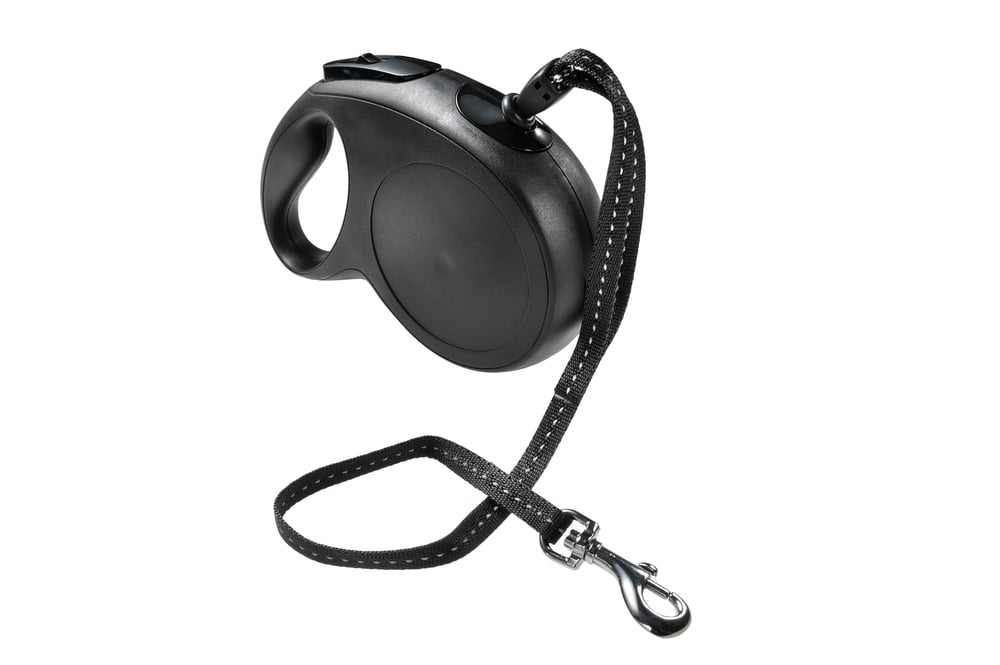
Retractable leashes are a point of mild controversy among dog owners, but their origin traces back to inventor Mary A. Delaney, who patented the first collapsible dog leash in 1908. Her design allowed a dog to roam freely while the owner retained full control through a simple mechanism.
The product gave dogs more freedom during walks without requiring the owner to manage excess slack in their hands. Modern retractable leashes are direct descendants of her original concept, sold in the millions every year.
The Circular Saw
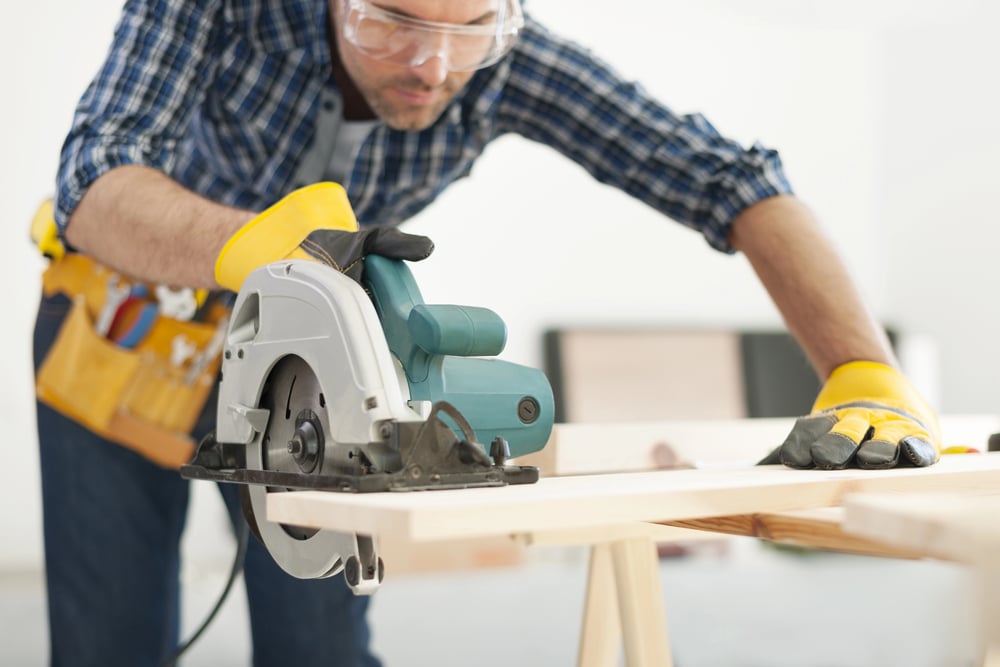
Tabitha Babbitt, a Shaker community member in Massachusetts, invented the circular saw in 1813 after watching two men waste enormous effort with a pit saw that only cut in one direction. She observed that half of their motion produced no result and designed a round blade that cut continuously in both directions.
Shaker beliefs discouraged patent filings, so she never formally protected the invention. Despite that, her design spread quickly and became the standard for woodcutting operations across industries.
Central Heating
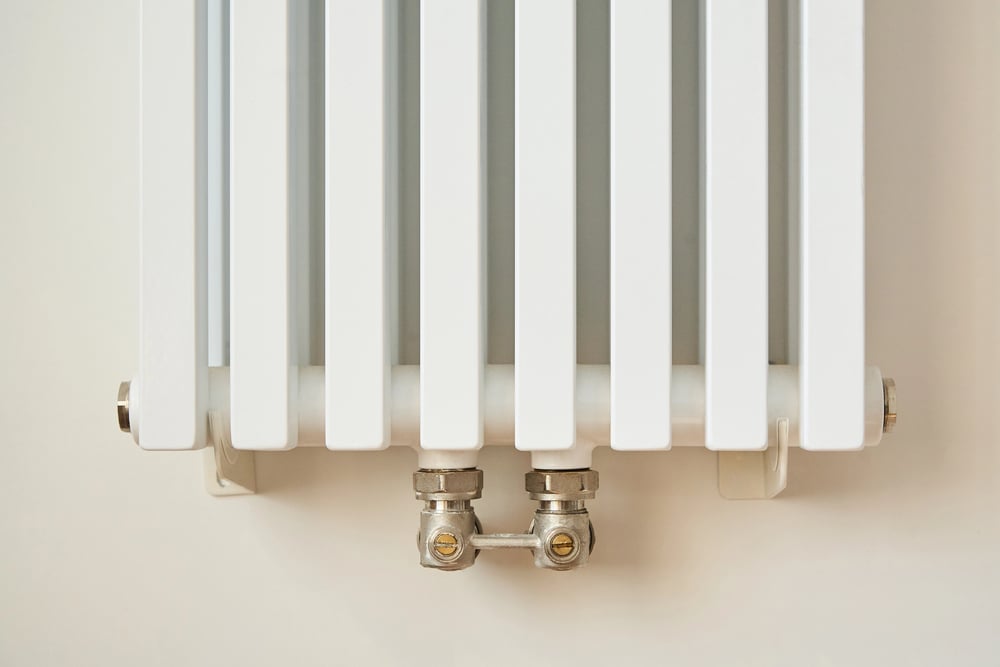
Alice Parker received a patent in 1919 for a gas-powered central heating system that used natural gas to heat air and distribute it through a building via ducts. Before her invention, homes relied on fireplaces that only warmed one room at a time and required constant maintenance.
Her specific design was not adopted as built, partly due to safety concerns with the gas components, but it directly inspired the furnace and duct systems that became standard in American homes throughout the 20th century. Parker, a Black woman from New Jersey, developed the idea largely because she wanted better warmth during cold winters.
The Life Raft

Maria Beasley patented an improved life raft in 1882 that was fireproof, foldable, and far more practical than anything available at the time. Her design used guard rails and a more stable structure that made it safer for people to board in rough water.
Ships began adopting her design, and it influenced maritime safety equipment for decades. The inadequate life rafts on the Titanic in 1912 drew renewed attention to her earlier work and why practical, well-designed emergency equipment matters at sea.
The Ice Cream Maker
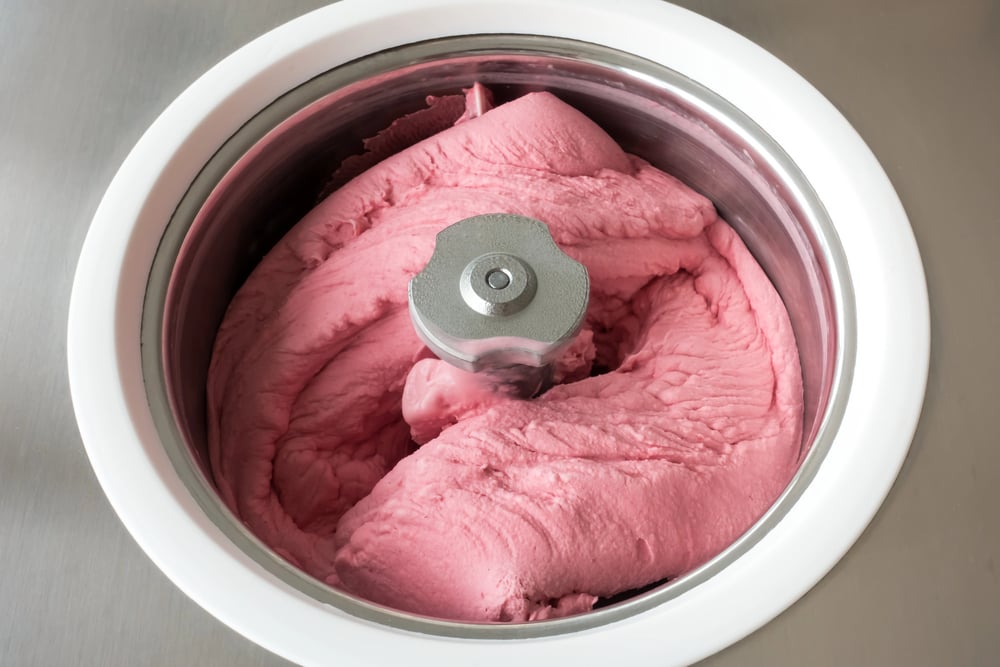
Nancy Johnson invented the hand-cranked ice cream maker in 1843, which allowed families to produce smooth, consistently frozen ice cream at home for the first time. Before her design, making ice cream required significant effort and produced uneven results.
She sold her patent for 200 dollars, a decision she almost certainly regretted as ice cream became a staple of American life. Her hand-crank mechanism remained the standard for home ice cream production well into the 20th century, and versions of it are still sold today.
The Full Picture

Looking at these inventions together, a clear pattern emerges: women created tools, systems, and technologies that shaped daily life, and in many cases, received little or no credit for doing so. The body armor protecting first responders, the Wi-Fi connecting devices, the paper bag holding groceries, and the security camera watching front doors all trace back to women who worked through real problems with practical solutions.
History is slowly correcting the record, and each correction makes the full story of human invention richer and more honest than the version most people were taught.
More from Go2Tutors!

- The Romanov Crown Jewels and Their Tragic Fate
- 13 Historical Mysteries That Science Still Can’t Solve
- Famous Hoaxes That Fooled the World for Years
- 15 Child Stars with Tragic Adult Lives
- 16 Famous Jewelry Pieces in History
Like Go2Tutors’s content? Follow us on MSN.