15 Old Courtship Traditions That Built Strong Marriages
Dating today often feels like a sprint — profiles, swipes, and instant messages replacing the slower, more intentional rhythm of courtship in decades past. But many relationship experts suggest that earlier customs laid down sturdier groundwork for lasting love.
These traditions weren’t just about romance — they emphasized patience, mutual respect, and real compatibility over fleeting chemistry. While some rules from the past may seem quaint now, the core ideas behind them still hold weight.
Many of these customs encouraged couples to take their time, communicate honestly, and build something more substantial than a spark. Here are 15 classic courtship practices that contributed to stronger, more enduring marriages.
Formal Introduction Through Family

Couples often met through family ties — a setup designed to align values and backgrounds from the outset. Relatives played informal matchmakers, thinking beyond surface-level attraction.
These introductions acted as an early filter — helping many relationships start on solid, shared ground.
Extended Engagement Periods

Instead of rushing to the altar, couples took their time — sometimes waiting years before marrying. This slow burn allowed them to witness how each handled life’s highs and lows.
Long engagements exposed real character, often sparing people from mismatched commitments.
Like Go2Tutors’s content? Follow us on MSN.
Chaperoned Visits

Though strict by today’s standards, supervised visits steered the focus toward conversation rather than physical connection. Without distractions, couples sharpened their communication skills — forming emotional bonds through shared thoughts rather than impulsive gestures.
Letter Writing

In the absence of instant messaging, handwritten letters carried the weight of intention. Each word was chosen with care — creating exchanges rich in meaning.
These letters often became a mirror of a person’s inner world, capturing dreams, doubts, and values.
Sunday Visits

Weekly visits, often around family tables, offered steady opportunities for connection. These moments allowed partners to see each other in a real-life context — noticing how one interacted with siblings, elders, or kids.
Regularity bred familiarity and commitment.
Like Go2Tutors’s content? Follow us on MSN.
Gift Exchange Protocols

Gift-giving followed certain unspoken rules. Instead of grand romantic gestures, simple, thoughtful offerings were preferred — things that served a purpose or reflected genuine care.
It taught couples to look for depth and practicality over flair.
Group Social Activities

Dates weren’t always one-on-one. Often, couples socialized within larger groups or at community events — settings that lowered the pressure and revealed a person’s social behavior.
How someone treated others spoke volumes about their character.
Seasonal Courtship Rhythms

In farming communities, courtship followed the rhythm of the seasons. Spring invited outdoor mingling; winter meant quiet evenings indoors.
This natural pacing gave relationships time to grow — no rush, just steady progress through life’s cycles.
Like Go2Tutors’s content? Follow us on MSN.
Skill Demonstration

Potential spouses didn’t just charm with words — they showed what they could do. Whether it was cooking, repairing, or managing a household, these abilities offered insight into their readiness for shared responsibilities — crucial in married life.
Religious and Community Involvement
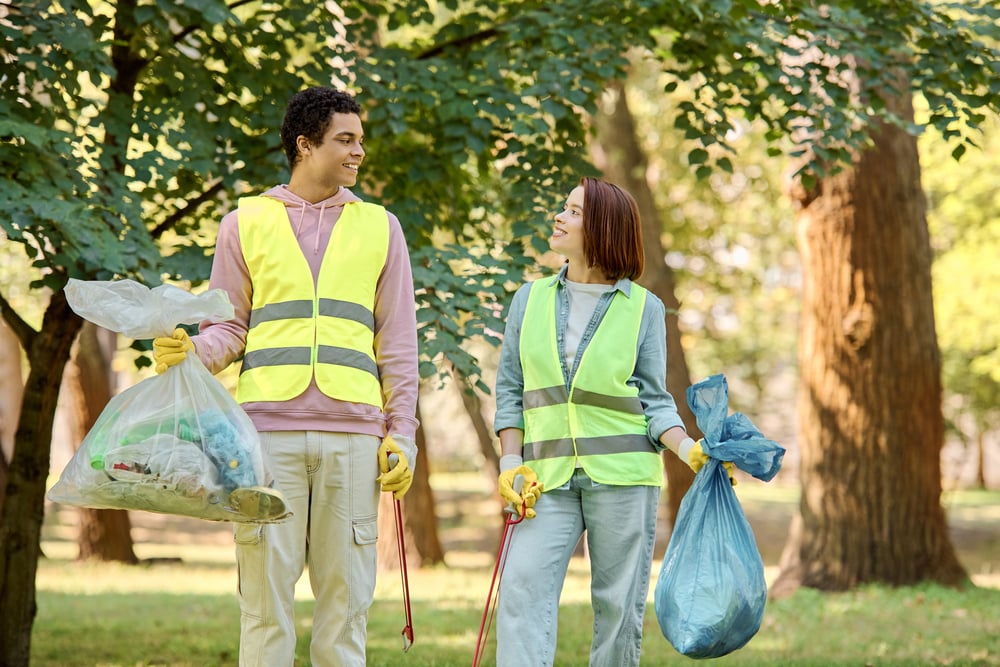
Attending church services or community events together revealed more than spiritual alignment. It allowed each person to observe the other in acts of service — highlighting qualities like kindness, consistency, and a willingness to give back.
Financial Transparency

Money matters weren’t hidden away. Couples discussed finances openly — earnings, goals, expectations.
This honesty helped avoid unpleasant surprises and shaped a mutual understanding of what life together might realistically look like.
Like Go2Tutors’s content? Follow us on MSN.
Parental Blessing
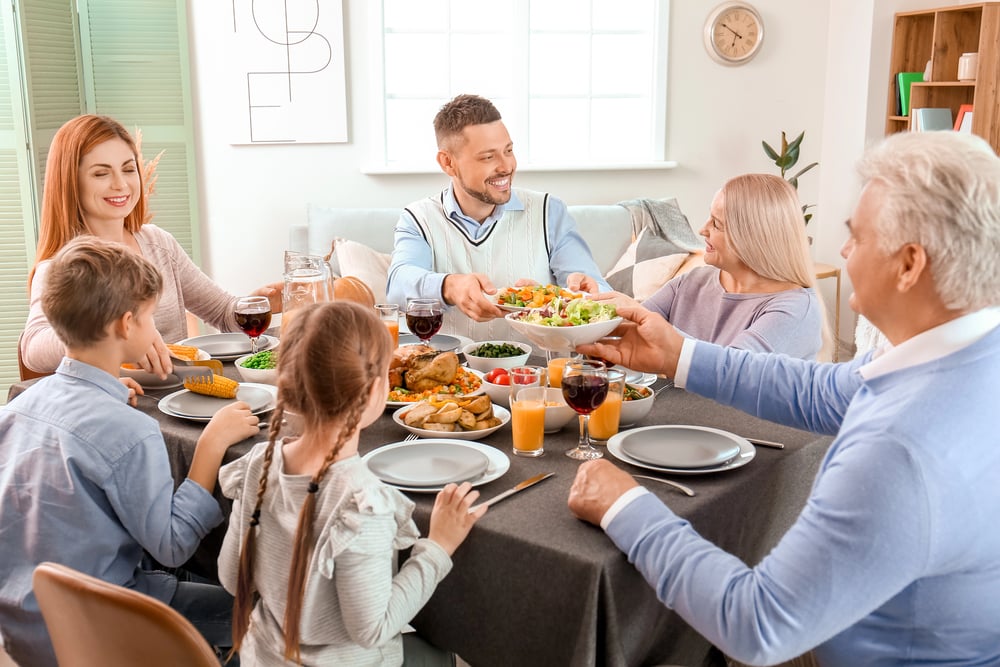
Seeking approval from both families added another layer of reflection. Parents often spot red flags or potential friction points that young couples might miss.
A blessing wasn’t just tradition — it was a gesture of shared investment in the couple’s future.
Gradual Physical Intimacy

Physical affection developed at a cautious pace. Milestones like holding hands or sharing a kiss carried meaning — markers of emotional depth rather than fleeting impulse.
This deliberate progression fostered stronger emotional intimacy.
Public Declaration

Announcing one’s courtship intentions wasn’t just a formality — it created accountability. By making the relationship visible, couples invited community support (and scrutiny), which often encouraged greater commitment and conflict resolution.
Like Go2Tutors’s content? Follow us on MSN.
Practical Preparation

Marriage wasn’t entered into lightly. Couples were encouraged to talk through roles, parenting philosophies, and long-term visions.
Guidance from older, experienced relatives played a key part — offering practical wisdom for navigating real-world challenges.
The Value of Taking Time
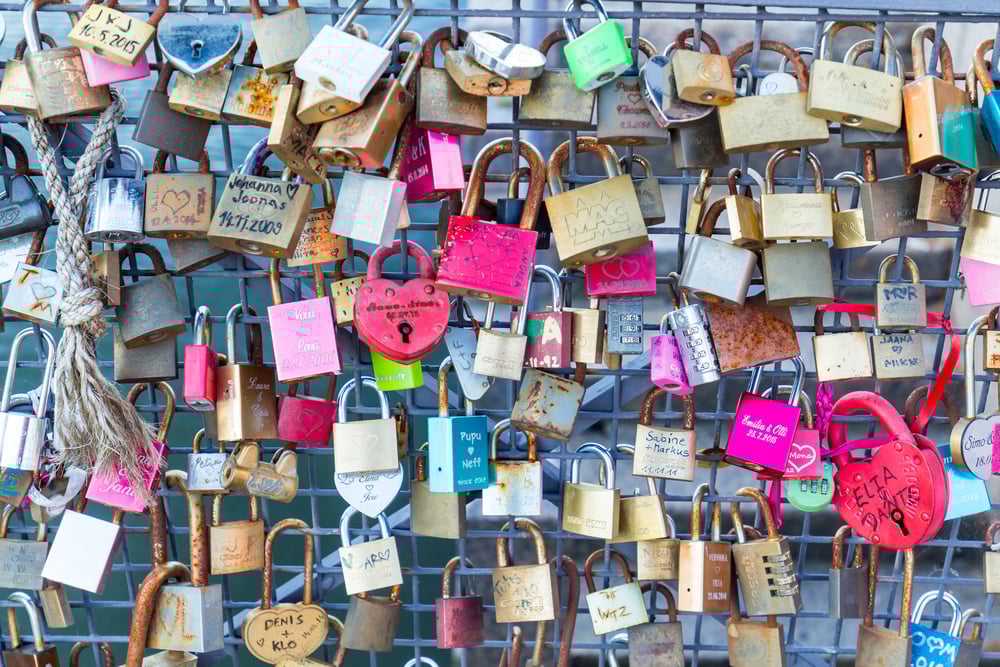
While modern dating offers freedom and spontaneity, these old customs remind us that love can also benefit from structure, intention, and a slower pace. Traditions like these weren’t about controlling romance — they were about creating the conditions for something lasting to grow.
Mutual respect, shared values, and thoughtful communication have always formed the backbone of strong relationships — and those elements never go out of style.
More from Go2Tutors!

- 16 Historical Figures Who Were Nothing Like You Think
- 12 Things Sold in the 80s That Are Now Illegal
- 15 VHS Tapes That Could Be Worth Thousands
- 17 Historical “What Ifs” That Would Have Changed Everything
- 18 TV Shows That Vanished Without a Finale
Like Go2Tutors’s content? Follow us on MSN.



