Countries With The Most UNESCO World Heritage Sites
Every year, UNESCO adds more sites to its World Heritage List — places considered so valuable to humanity that losing them would be a loss for everyone, not just the countries they sit in. The list includes ancient ruins, living cities, rainforests, coral reefs, and mountain ranges.
Some countries have a handful. Others have dozens.
Here’s a look at the countries that lead the list, and what makes their collections so significant.
Italy — The Undisputed Leader
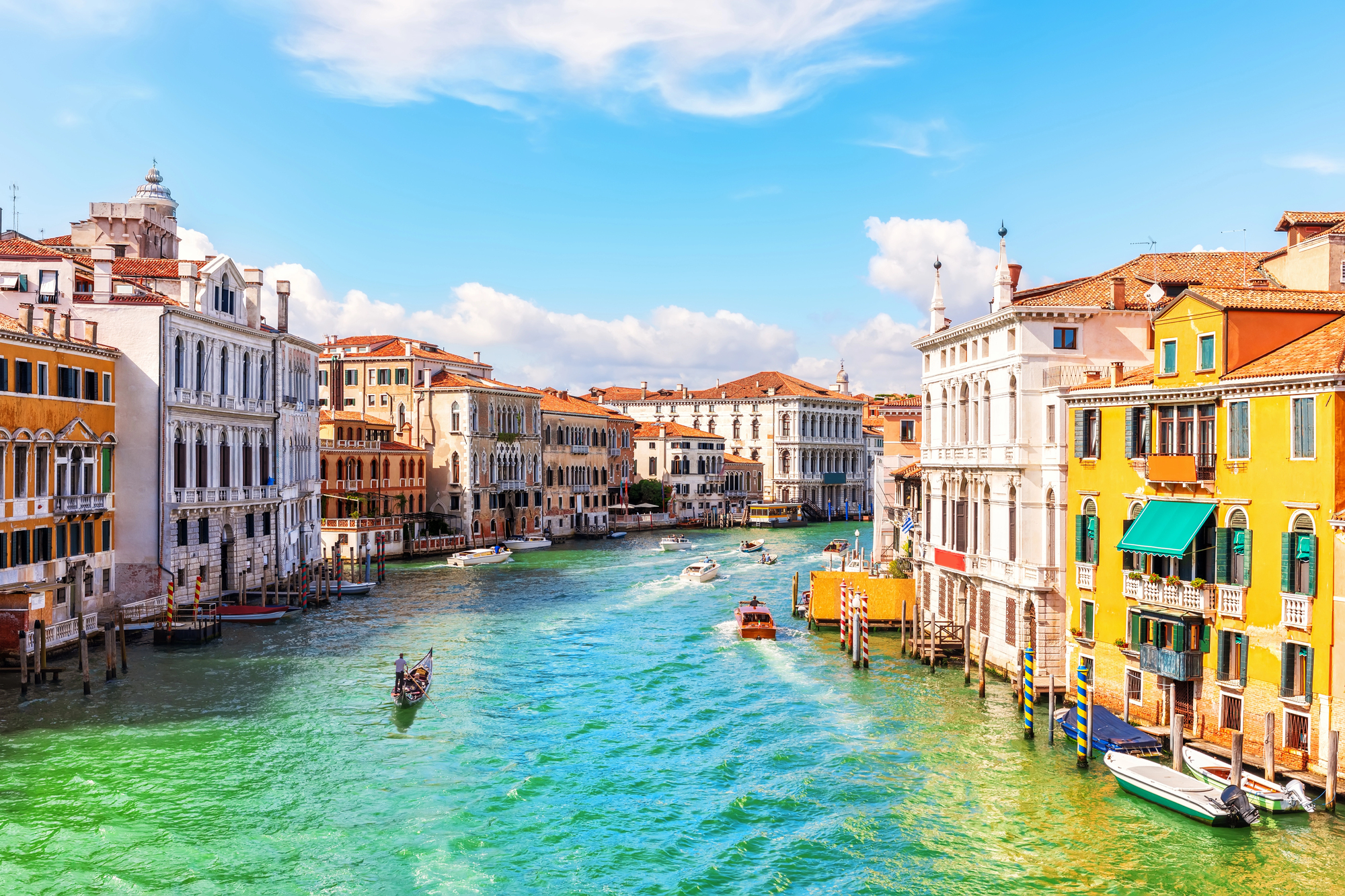
Italy sits at the top of the rankings with 58 UNESCO World Heritage Sites. That number reflects just how much history has accumulated on that peninsula over several thousand years.
You’ve got Roman amphitheaters, Renaissance city centers, Baroque churches, prehistoric rock art, and coastal landscapes all wrapped into one country.
Places like the Historic Centre of Rome, the ruins of Pompeii, and the Amalfi Coast each earned their spots independently.
That’s not one big nomination — it’s decades of careful, incremental recognition.
China — Ancient And Vast
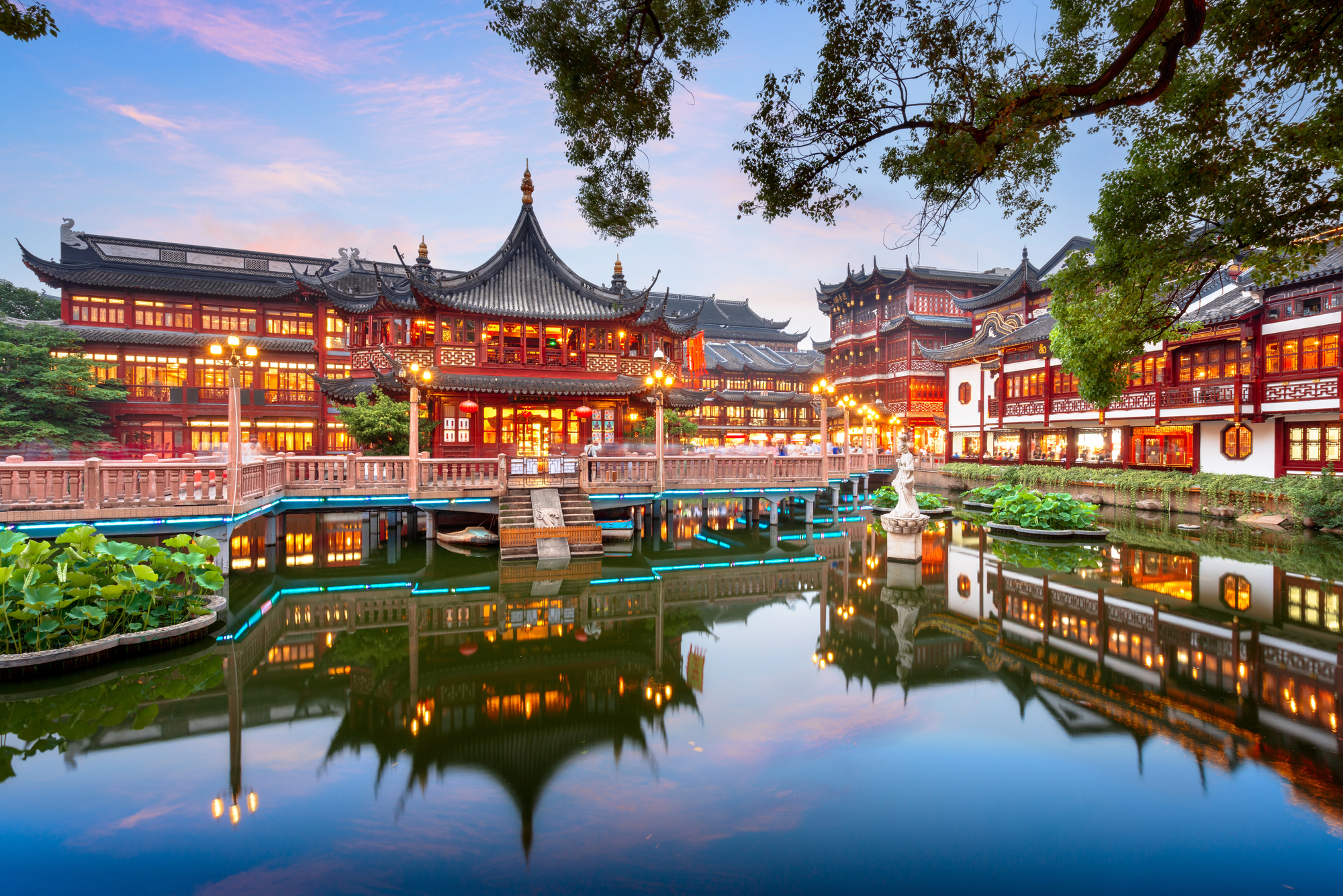
China holds 57 sites, and the sheer variety is hard to match anywhere else. The Great Wall alone could anchor the list.
But then you add the Imperial Palaces of the Ming and Qing dynasties, the Jiuzhaigou Valley’s turquoise lakes, the Karst landscapes of South China, and the historic city of Lijiang.
China’s UNESCO portfolio spans thousands of years of civilization and covers an enormous range of natural and cultural categories.
The country also continues to add new nominations regularly.
France — Quality Over Everything
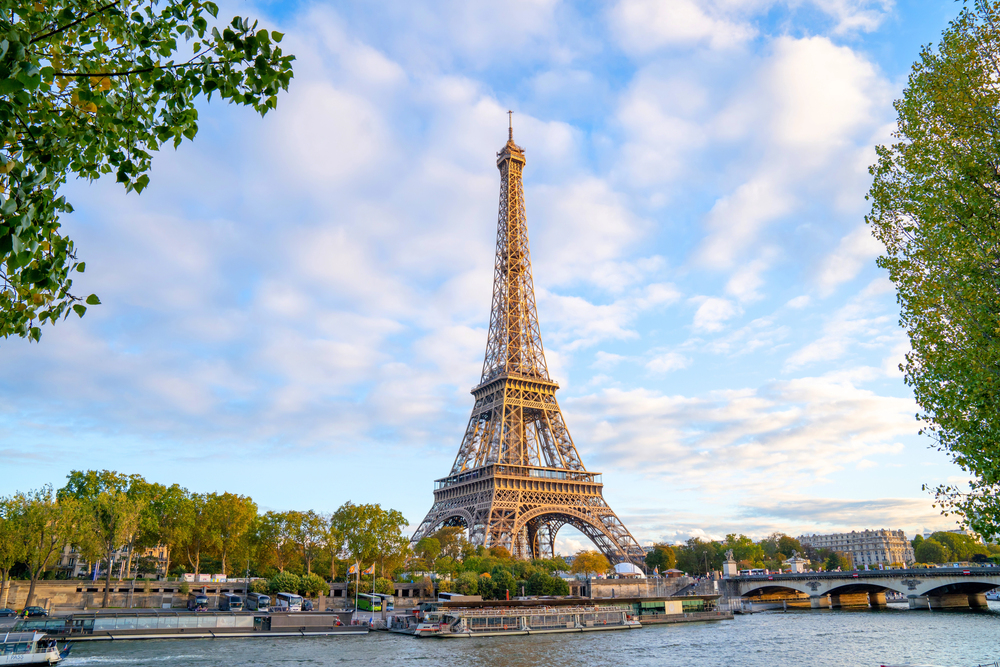
France has 52 UNESCO sites, and they tend to be places that are already deeply embedded in global culture. Mont-Saint-Michel, the Loire Valley, the banks of the Seine in Paris, the prehistoric caves of the Vézère Valley — these are places people have been traveling to for centuries.
France also has several transnational sites it shares with neighboring countries, which points to how interconnected European heritage can be.
Germany — Hidden Depth
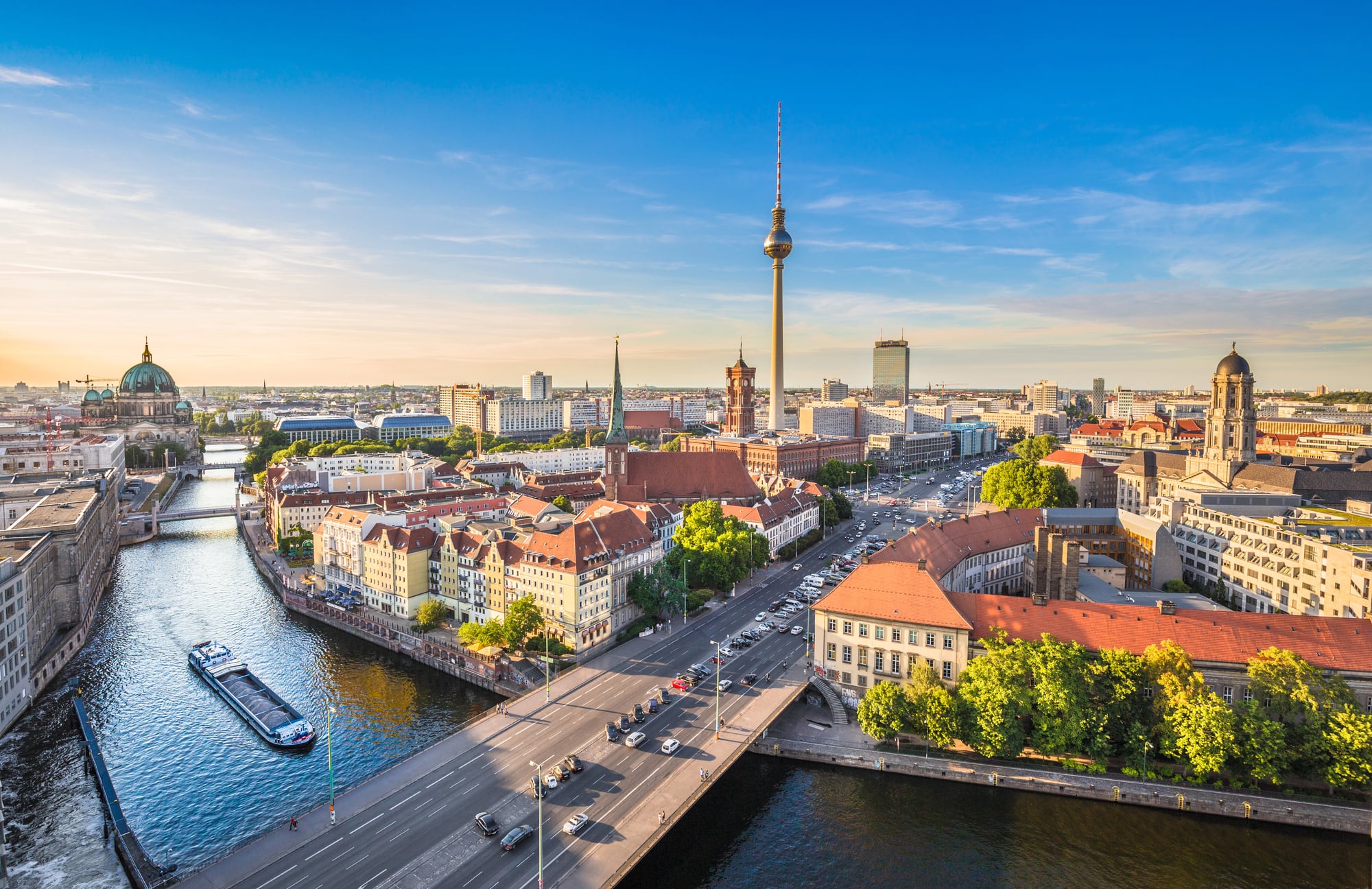
Germany’s 52 sites often surprise people who haven’t looked closely. Beyond the obvious Cologne Cathedral, the list includes the Bauhaus buildings in Dessau and Weimar, the Würzburg Residence, the Speicherstadt warehouse district in Hamburg, and several sections of the Upper Middle Rhine Valley.
Germany approaches heritage preservation with a level of institutional seriousness that shows in how its sites are maintained.
The country’s nomination process tends to be methodical and thorough.
Spain — Where Cultures Overlap
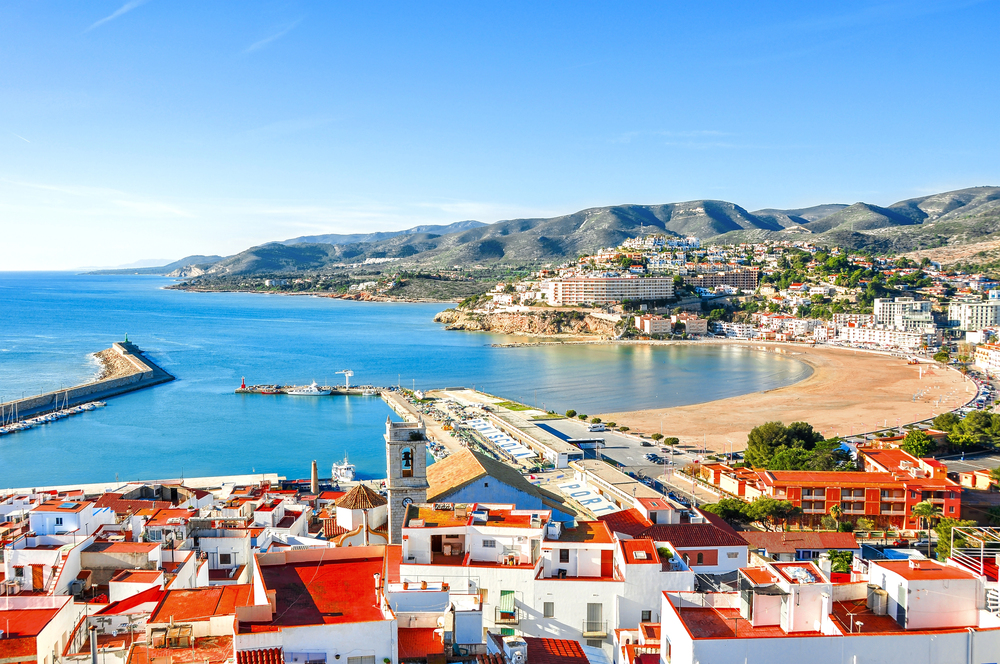
Spain has 50 sites, and many of them reflect centuries of coexistence between different civilizations. The Alhambra in Granada, the Historic City of Toledo, and the Cathedral, Alcázar and Archivo de Indias in Seville all carry layers of Christian, Muslim, and Jewish history in the same walls.
Spain’s natural sites are equally impressive — the Garajonay National Park in the Canary Islands and the Doñana National Park stand out as biodiversity hotspots of global importance.
India — A Subcontinent Of Heritage
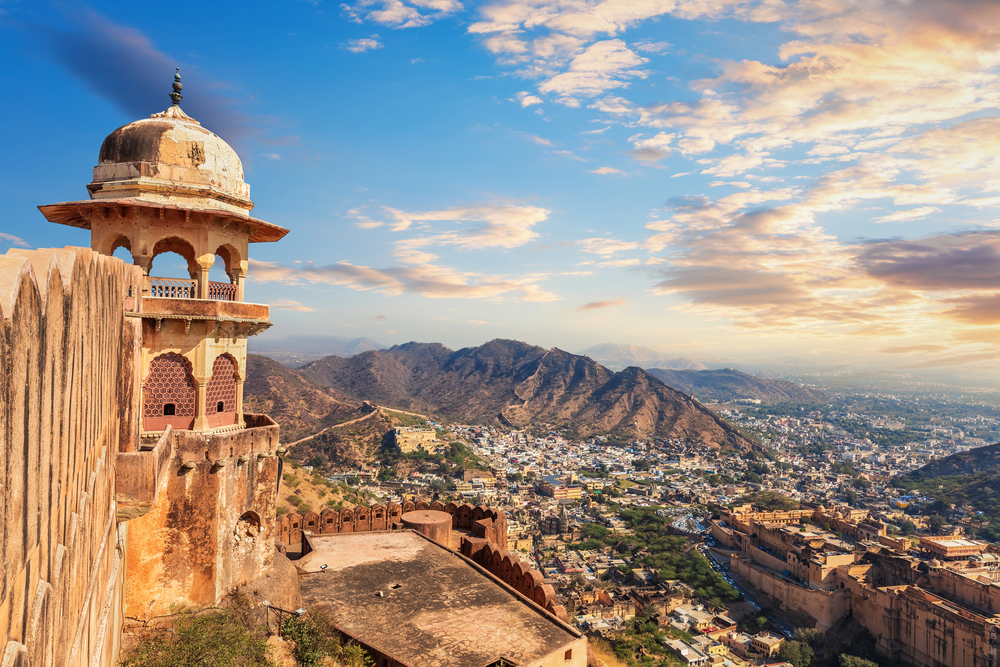
India has 42 sites, a number that will almost certainly grow. The Taj Mahal gets most of the attention, but the list also includes the Buddhist monuments at Sanchi, the rock-cut Elephanta Caves, the Sun Temple at Konârak, and the Victorian Gothic buildings of Mumbai.
India’s nominations draw from an extraordinarily deep well of history.
Multiple ancient civilizations developed on the subcontinent, each leaving behind architecture, art, and landscapes that UNESCO has recognized at different points over the decades.
Mexico — Pre-Columbian And Colonial Together
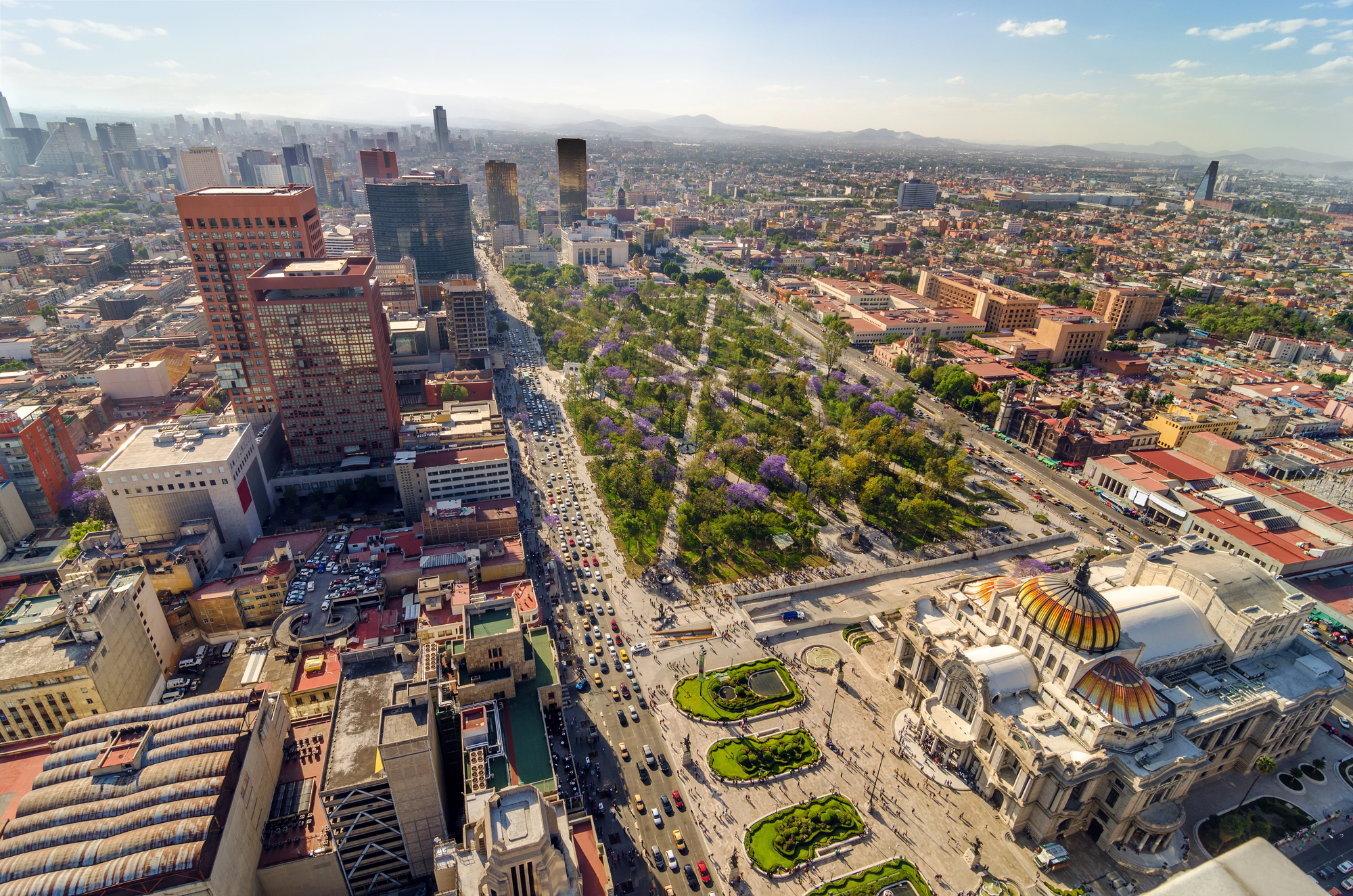
Mexico has 35 sites, and many of them sit at the intersection of indigenous and Spanish colonial history. Chichén Itzá and Teotihuacán represent some of the best-preserved pre-Columbian cities in the world.
Then you move to places like Oaxaca’s historic center or Querétaro, and you see how colonial architecture layered itself on top of what came before.
Mexico’s natural nominations, including the Monarch Butterfly Biosphere Reserve and the Islands and Protected Areas of the Gulf of California, reflect a biodiversity that’s just as significant as the cultural record.
United Kingdom — Empire And Islands
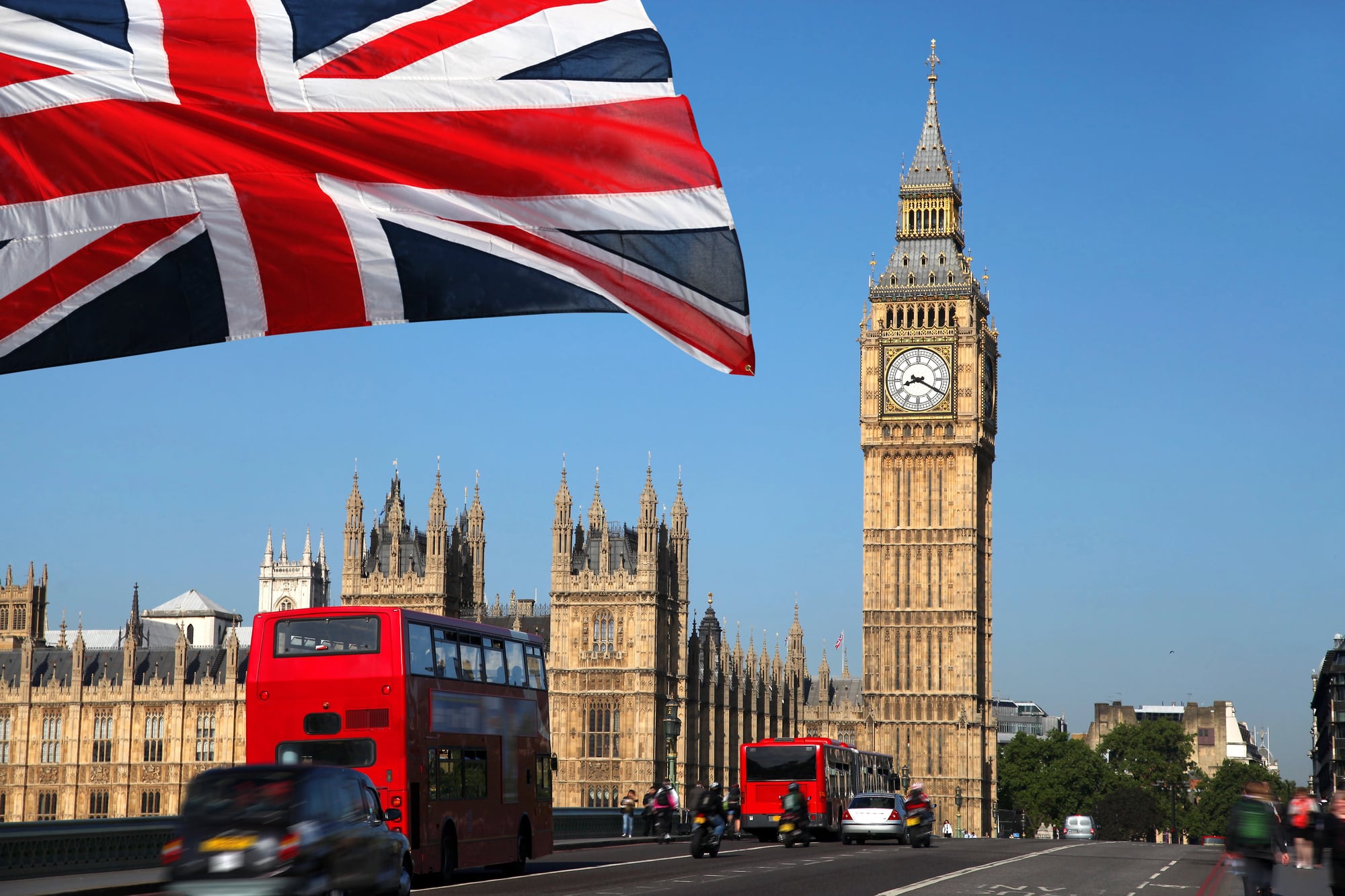
The UK has 33 sites, including landmarks that are practically synonymous with the country itself. Stonehenge, the Tower of London, Westminster Palace, and the Giant’s Causeway are all on the list.
So are Hadrian’s Wall and the Studley Royal Park.
What stands out about the UK’s list is how much variety it packs into a relatively small geographic area.
Natural wonders, industrial history, medieval fortresses, and ancient ceremonial sites all appear within a few hundred miles of each other.
Russia — The World’s Largest Country Delivers
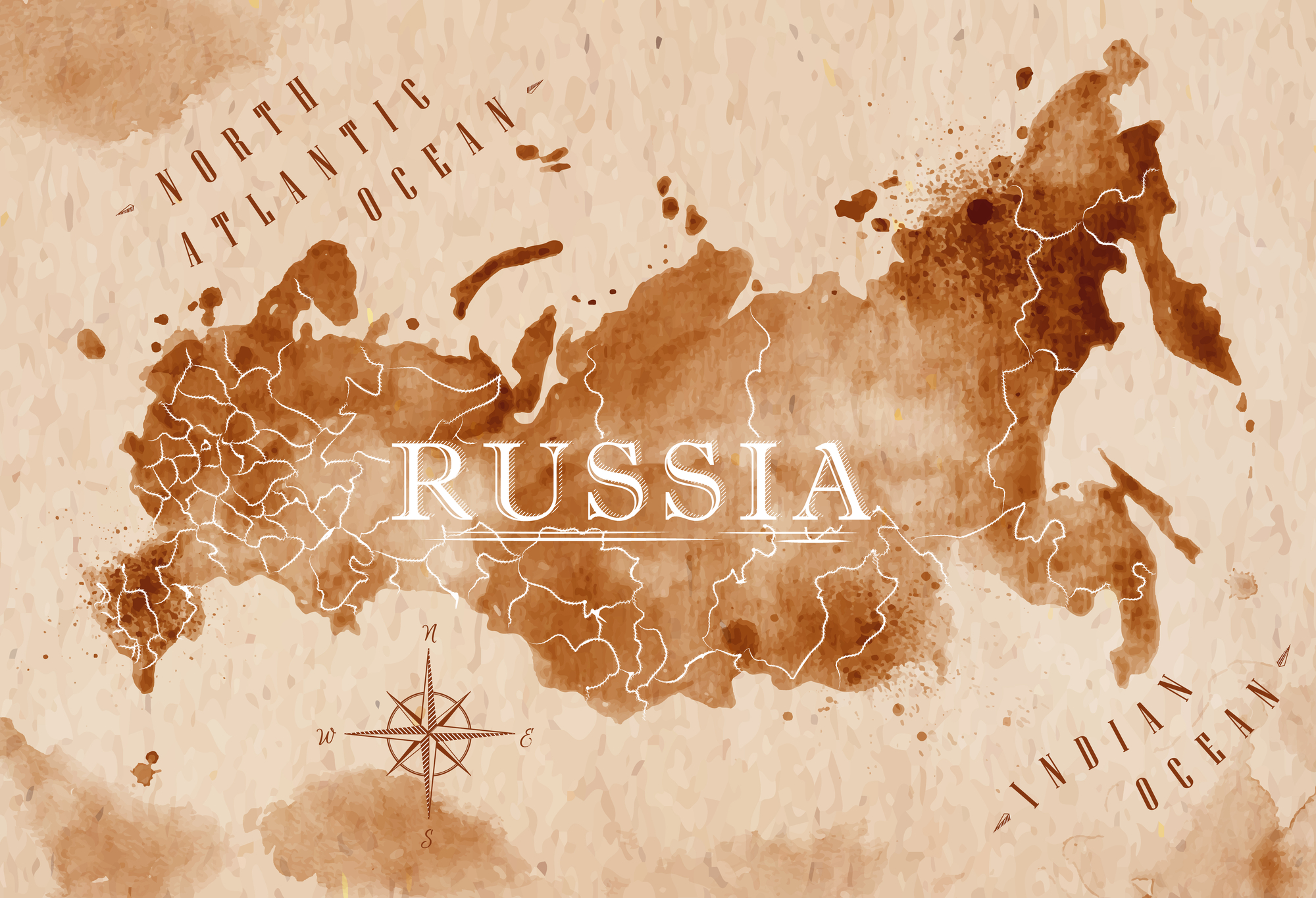
Russia has 30 sites spread across one of the most geographically diverse countries on earth. The historic city centers of Moscow and Saint Petersburg are on the list, as expected.
But so is Lake Baikal — the world’s deepest lake — the volcanic landscape of Kamchatka, and the ancient city of Derbent in Dagestan, one of the oldest continuously inhabited cities in the world.
Russia’s UNESCO portfolio reflects both the grandeur of its imperial past and the raw, untouched character of its vast natural territories.
Iran — Layers Of Civilization
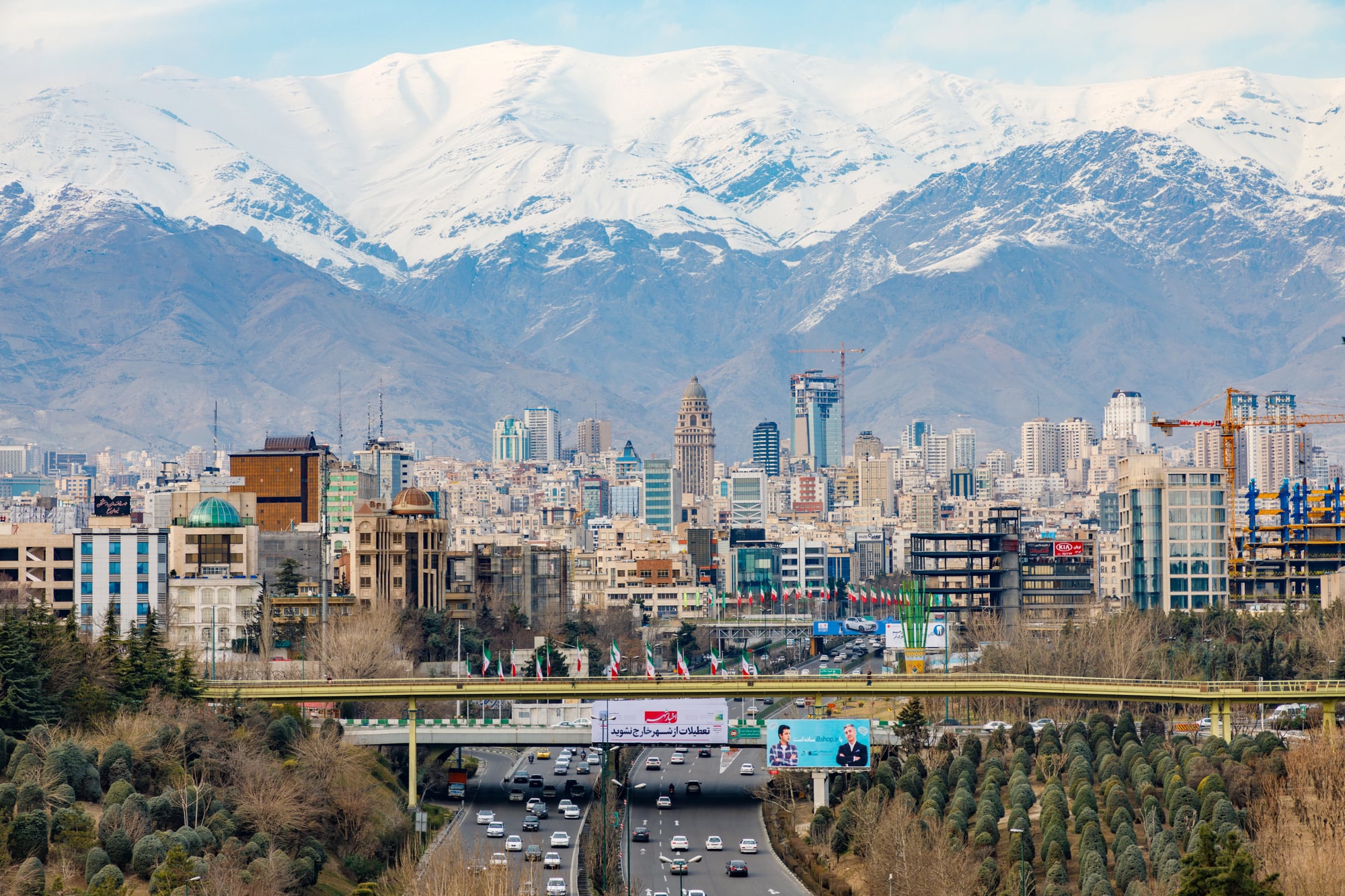
Iran has 27 sites, and they stretch across an extraordinary timeline of human civilization. Persepolis, the ceremonial capital of the Achaemenid Empire, is the most recognized.
But the historic city of Yazd, the Persian Garden, the bazaar of Tabriz, and the Shushtar Historical Hydraulic System all represent different periods and achievements.
Iran’s contributions to architecture, urban planning, and water engineering are well documented through its UNESCO sites, even if the country doesn’t always get the recognition it deserves in travel conversations.
Japan — Precision And Patience
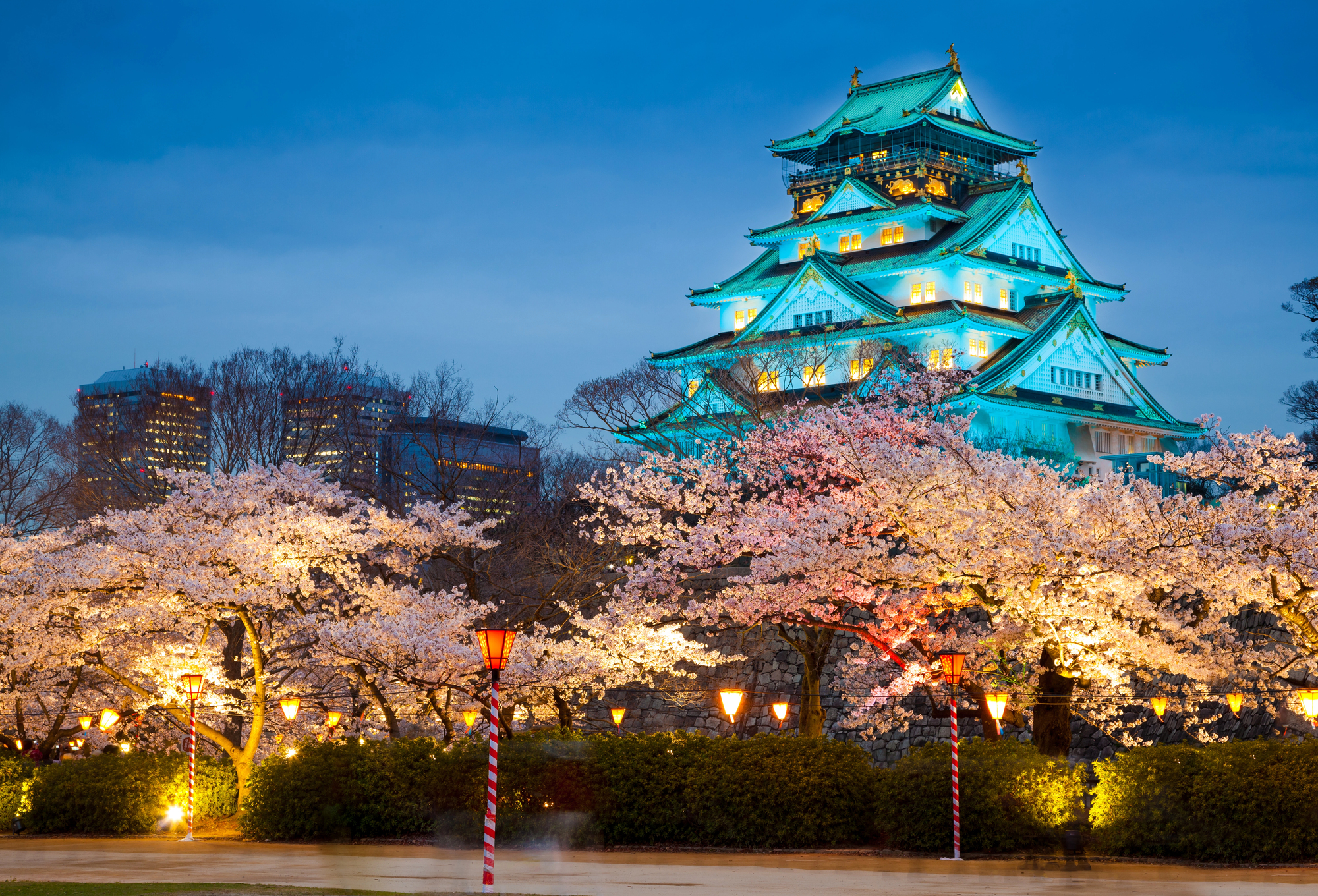
Japan has 25 sites. The pace of additions has been slower than some other countries, partly because Japan applies rigorous internal review before nominating anything.
That approach has resulted in a list where every site tends to carry real weight.
Historic Kyoto, the Buddhist monuments at Nara, the Sacred Sites of the Kii Mountain Range, the Ogasawara Islands, and the Hiroshima Peace Memorial all made the list at different points.
Japan also recently added industrial revolution sites that changed how UNESCO thinks about nominating modern industrial heritage.
Brazil — Natural Majesty
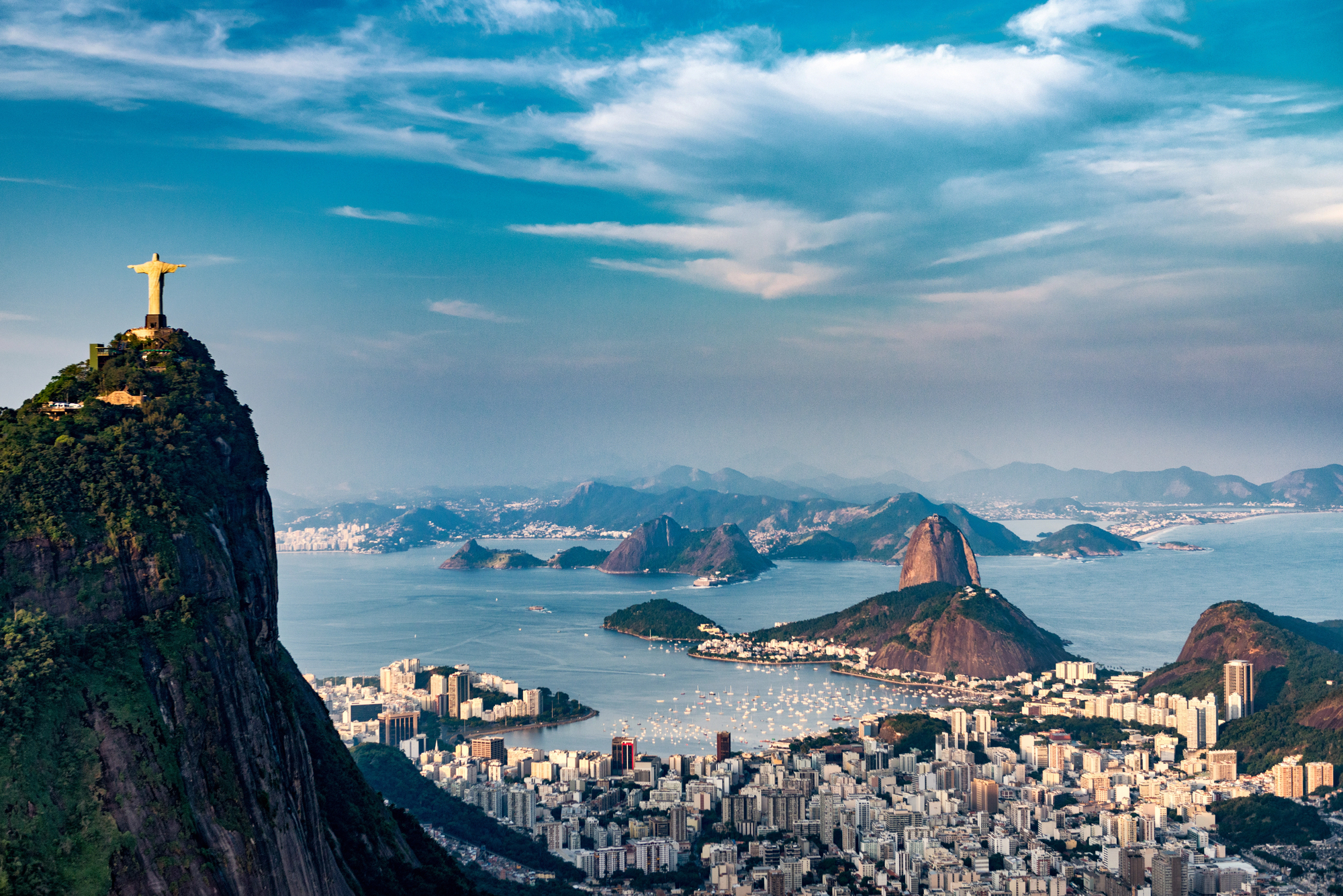
Brazil has 23 sites, and a large portion of them are natural. The Central Amazon Conservation Complex, Pantanal Conservation Area, the Atlantic Forest South-East Reserves, and Iguaçu National Park represent some of the most biodiverse ecosystems anywhere on the planet.
Brazil’s cultural nominations include the historic town of Ouro Preto — a center of the 18th-century gold rush — and the city of Goiás, both of which reflect the Portuguese colonial era in ways that remain visible in everyday life.
Greece — Where The Record Begins
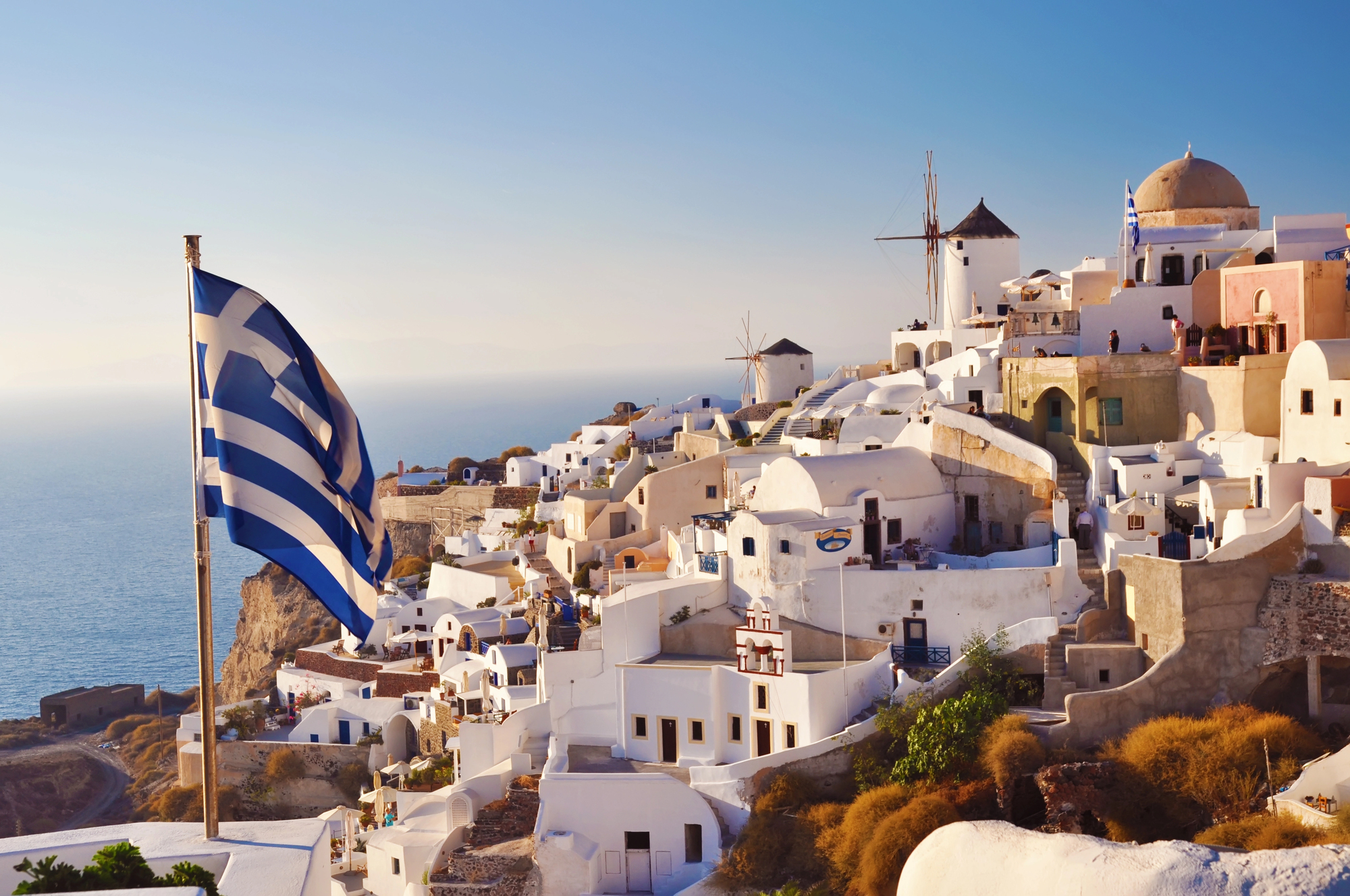
Greece has 19 sites, and several of them sit at the very foundation of Western history. The Acropolis of Athens, Delphi, Olympia, Epidaurus, and the Palace of Knossos in Crete aren’t just old buildings — they’re the physical locations where ideas about democracy, philosophy, art, and sport were first developed.
The Greek islands contribute as well.
The island of Rhodes has a medieval city center, and the volcanic island of Thira — better known as Santorini — is part of a prehistoric Aegean site.
Portugal — Small Country, Long Reach
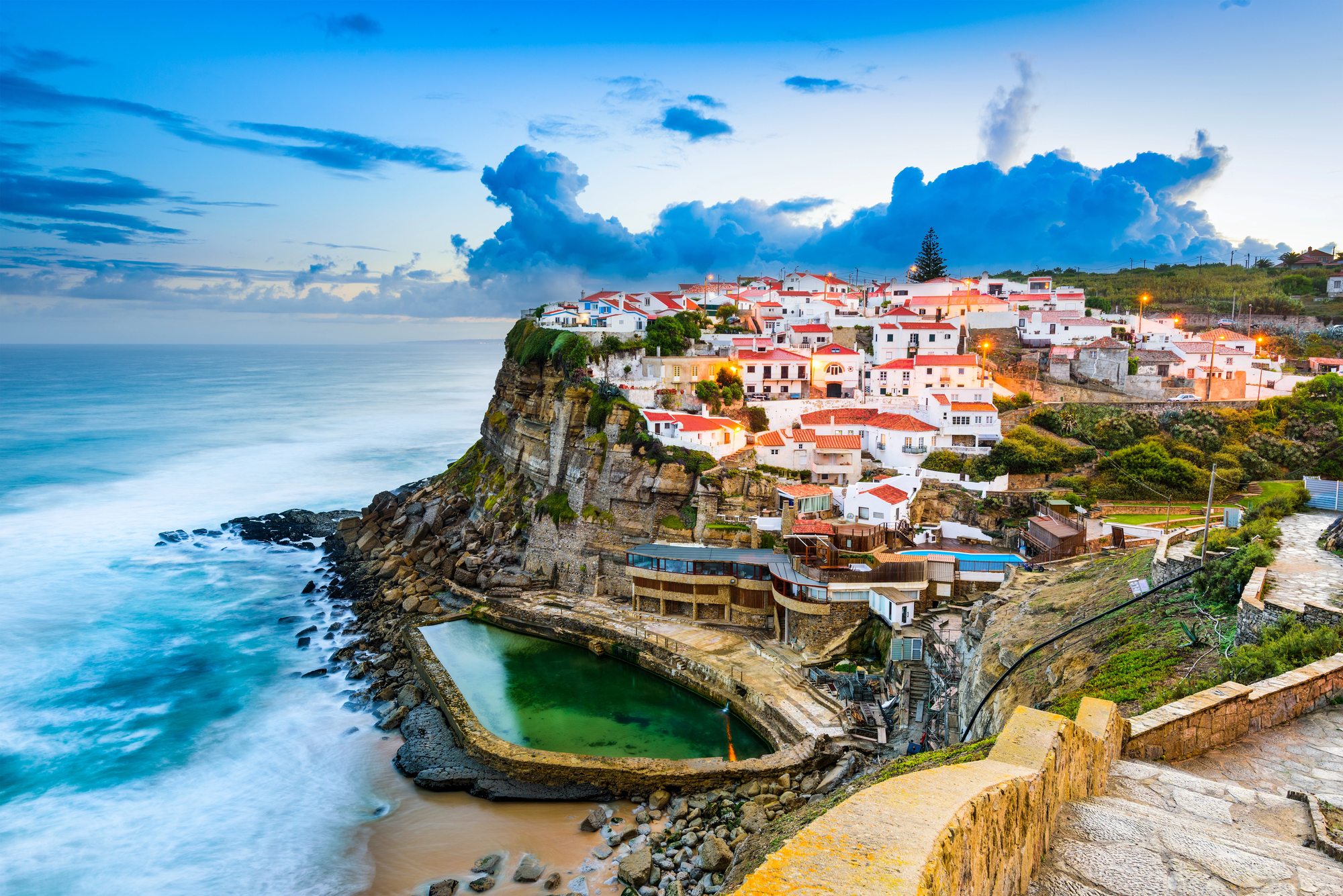
Portugal has 17 sites. For a country of its size, that’s a remarkable number, and it reflects the outsize role Portugal played in shaping the modern world through its centuries of exploration and trade.
The historic centers of Oporto and Guimarães, the Monastery of the Hieronymites and Tower of Belém in Lisbon, and the Landscape of the Pico Island Vineyard Culture all appear on the list.
The prehistoric rock art complex of the Côa Valley is one of the largest collections of open-air Paleolithic art ever found.
Turkey — Where East Meets West
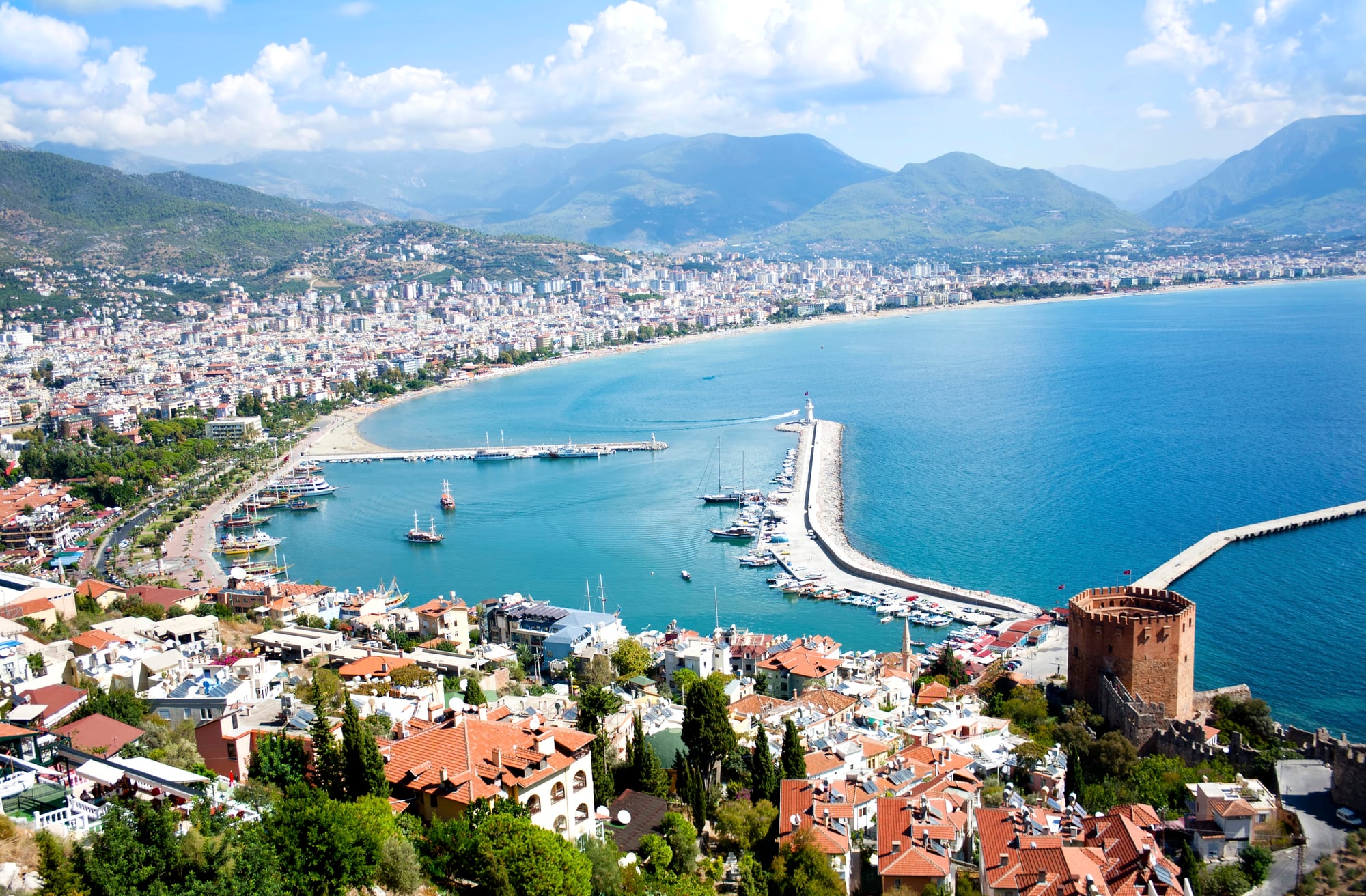
Turkey has 21 sites, and its geographic position between Europe and Asia shows in what those sites represent. Troy, Ephesus, the rock sites of Cappadocia, Göbekli Tepe — considered the world’s oldest known temple complex — and the historic areas of Istanbul all made the list.
Istanbul alone holds multiple UNESCO-listed monuments within its boundaries, a reflection of how many different civilizations — Byzantine, Ottoman, Roman — built on top of each other in that one extraordinary city.
The List Keeps Growing
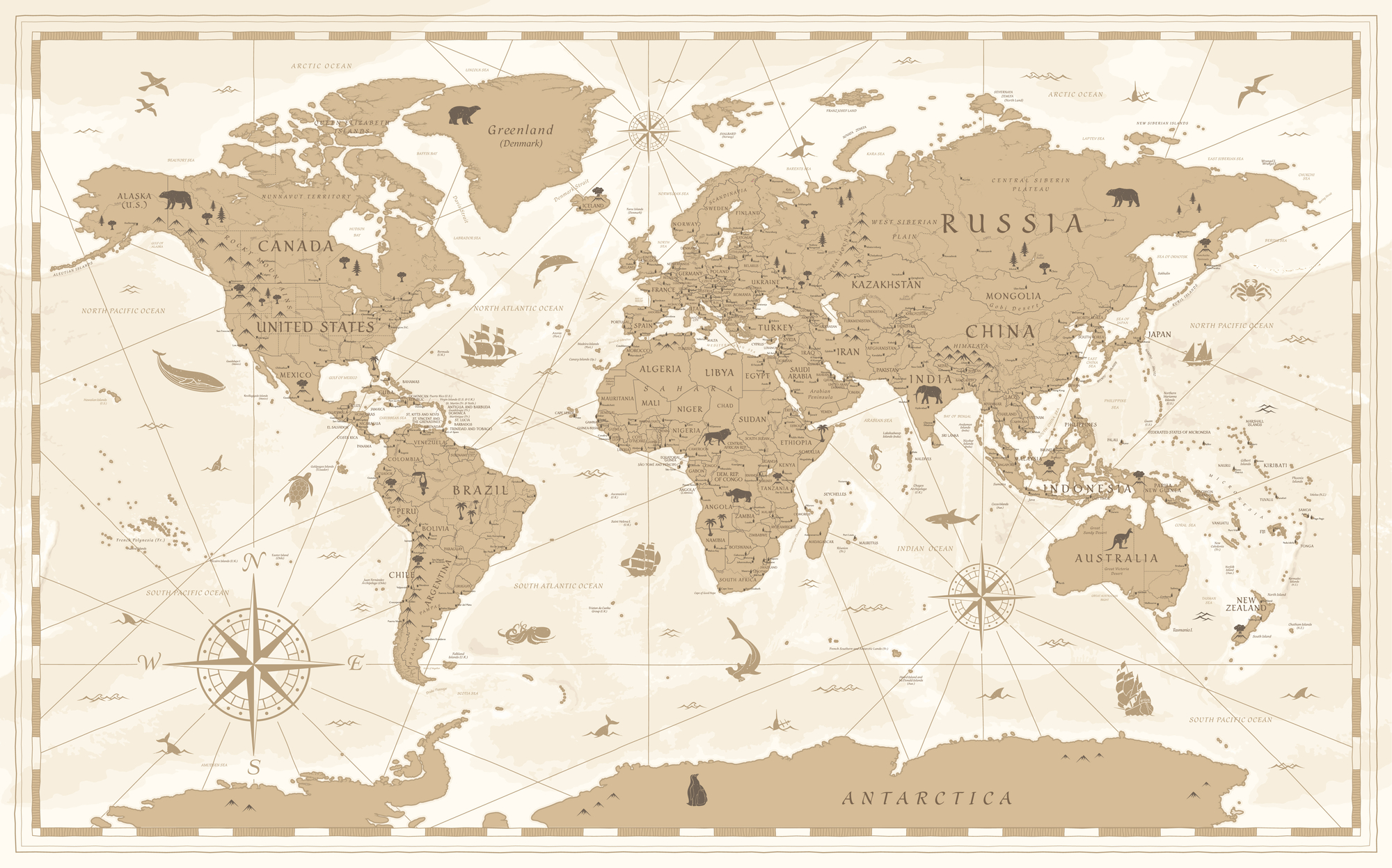
UNESCO adds new sites every year after reviewing nominations submitted by member states. Countries with strong preservation programs and dedicated nomination committees tend to accumulate more sites over time — not because they have more valuable heritage, but because they have the institutional capacity to document and present it properly.
That means the current rankings aren’t permanent.
Several countries in the Global South have significant unrecognized heritage that could, with the right support and funding, appear on the list in coming decades.
The count of sites a country holds tells you something about its history. But it also tells you something about resources, priorities, and who gets to define what’s worth preserving.
More from Go2Tutors!

- The Romanov Crown Jewels and Their Tragic Fate
- 13 Historical Mysteries That Science Still Can’t Solve
- Famous Hoaxes That Fooled the World for Years
- 15 Child Stars with Tragic Adult Lives
- 16 Famous Jewelry Pieces in History
Like Go2Tutors’s content? Follow us on MSN.